Federal Reserve Bank of Philadelphia President Patrick Harker said he expects the central bank to slow the pace of interest-rate hikes in upcoming months as US monetary policy approaches restrictive levels.
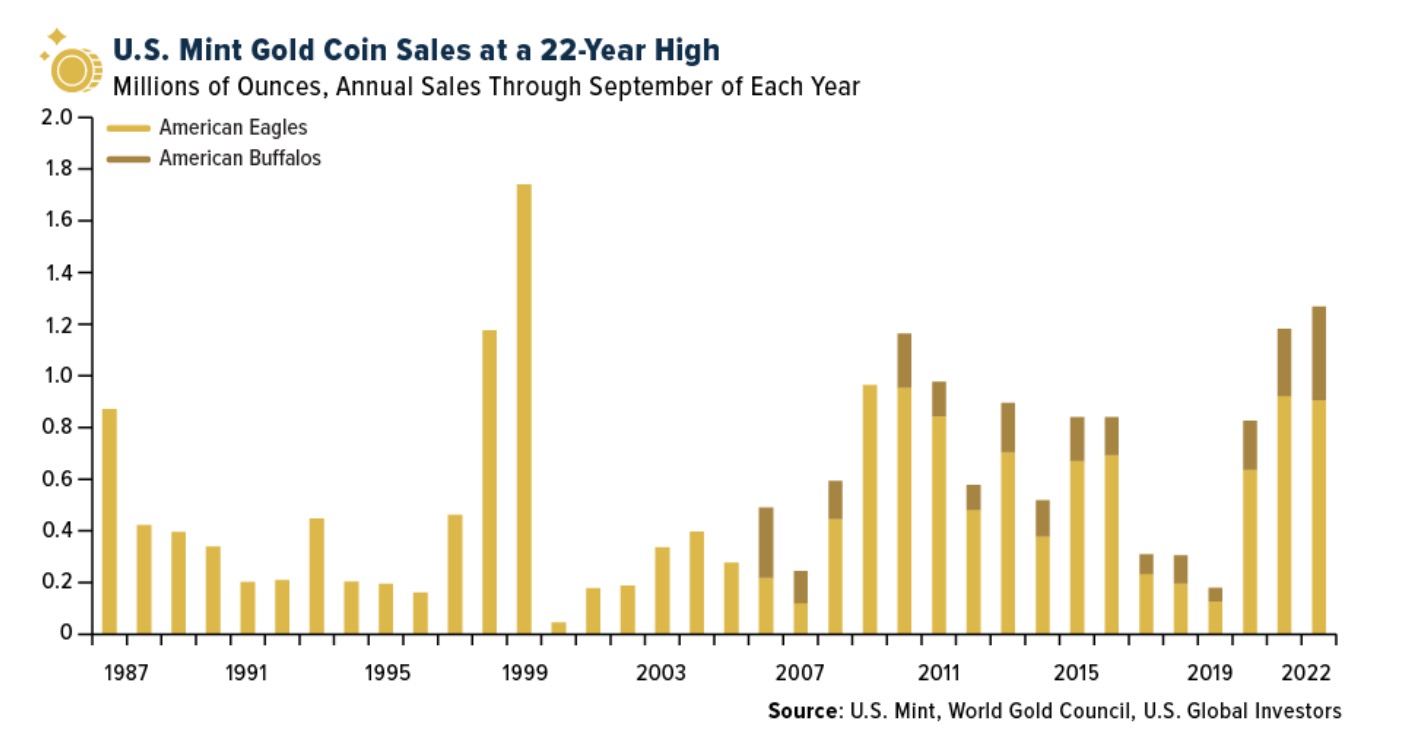
Since starting The 10th Man in 2014, I’ve written about gold maybe a dozen times.
Our survey on corporate health in the third quarter painted a picture of an economy in transition. Even as some key fundamentals showed a marked deterioration from the previous quarter, others, notably the outlook for corporate credit, displayed surprising resilience.
The Federal Reserve looked closer to moderating aggressive interest-rate increases after welcome news on inflation, with three officials backing a downshift even as they stressed that policy needs to stay tight.
A cooling in US consumer prices offered cheer to households, investors and Federal Reserve officials, but there’s still a long way before high inflation becomes history.
For much of the past year, interest rate doves have been eager to make excuses for inflation, blaming obscure methodological quirks in the US’s consumer price index for a stretch of concerning reports.
Wall Street has given up on the hope that technology companies will report higher earnings next year, potentially setting up their shares to at least stabilize if not stage a short-term rally now that the third quarter reporting period is winding down.
Inflation cooled in October by more than what was forecast, suggesting that one of the biggest headwinds facing tech could be easing.
An astounding $200 million dollars per day, every day, is spent gambling in Las Vegas casinos.
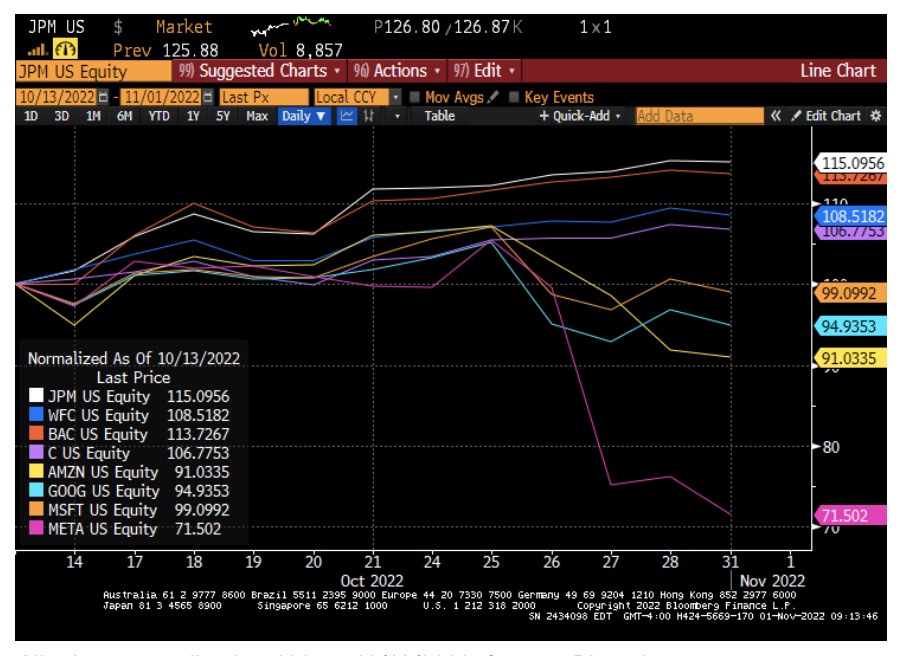
Are the FANG stocks dead?
Inflation is receding and real interest rates are climbing in EM after a year of tightening monetary policy.
Equity investors have sustained significant losses this year and are facing a long list of new uncertainties.
JPMorgan Asset Management’s David Kelly has a message for longer term investors who have been stung by this year’s downturn in stock and bond markets: now is the time to jump back in.
Federal Reserve Bank of New York President John Williams said longer-run inflation expectations remain stable despite the recent surge in prices, but there is greater uncertainty over the future path for price gains.
US inflation probably moderated just slightly in October data due Thursday, and yet another above-forecast reading may dash expectations for the Federal Reserve to downshift from steep interest-rate hikes.
U.S. equities are lower as the global markets await the final results of the U.S. midterm elections as the control of the Congress remains undetermined.
The U.S. Dollar Index (DXY) took a dive last Friday following a middling jobs report.
Market negativity reached a crescendo sometime around the middle of October, as interwoven narratives of doom and gloom occupied investor and media attention
Higher interest rates are no doubt causing pain to investors and consumers, but the economy has been able to handle them better than anyone thought possible six months ago.
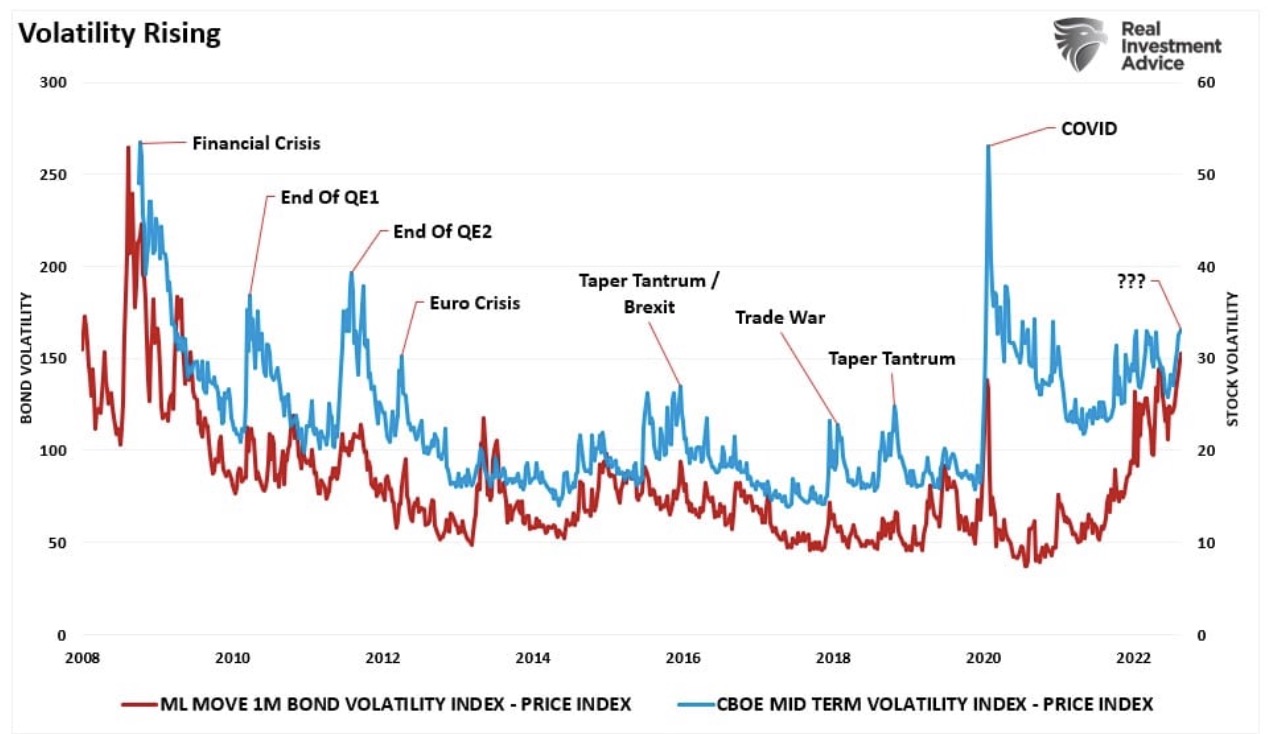
It’s not as if volatility markets have needed extra juice this year.
Renewable-energy assets are primed for an era of growth as they emerge as the answer to both energy security risks and efforts to fight climate change, according to Mark Carney, the former Bank of England governor.
Restructuring is a horrible time for the staff of any company, but it’s also an opportunity to concentrate on what reliably makes money.
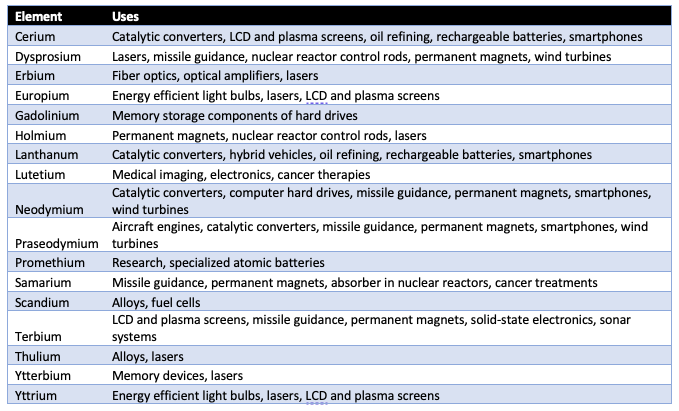
China has a powerful weapon in its rare-earth dominance.
Senior Investment Strategist Steve Lipper examines two calendar-based performance patterns that may suggest robust small-cap returns lie ahead.
Election day is tomorrow and will bring results for key Senate, House, and Governors races from all around the country, plus local legislative races and more.
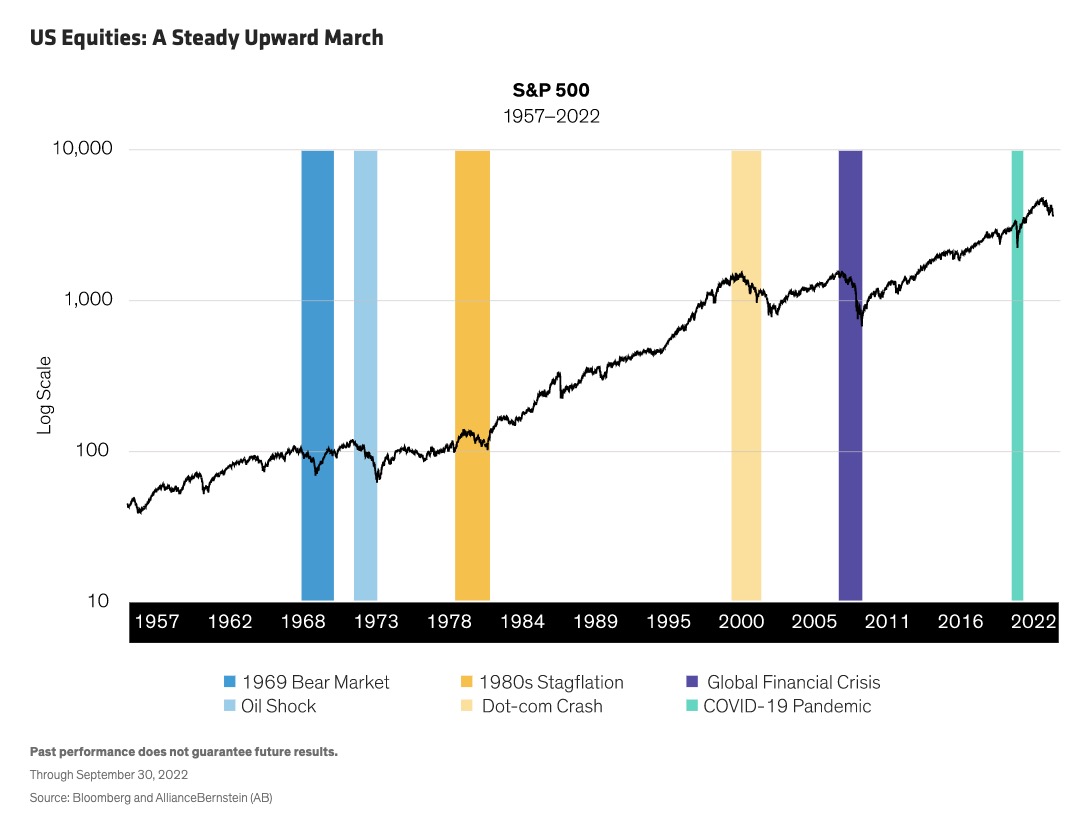
Equities saw a strong rebound last month, with the S&P 500 gaining 8% and the Dow posting its biggest October ever¹. Was this the start of a new bull market? In this week’s “What to Watch”, we explore this question and dive into historical bear market rallies.
The Fed will keep hiking, but at a slower pace.
October started strong and then slid to new lows but managed to rally back toward the month’s end.
All bets appear to be off on how high yields can rise in the world’s biggest bond market.
Federal Reserve Chair Jerome Powell’s declaration that peak interest rates will need to go higher than previously thought has Wall Street making its best guess on that final level.
China’s exports and imports both unexpectedly fell for the first time in more than two years, with rising risks of a recession causing overseas consumers to buy less and domestic problems such as Covid Zero controls and a housing slump hitting demand at home.
The dollar resumed declines on Monday in New York amid a rebound in US equities and other risk assets ahead of fresh inflation data and the results of mid-terms elections this week, which hurt demand for the safety of the greenback.
The political news culture that favors words over deeds, clicks over content and headlines over discussion effects fiduciary care. We are at a low ebb.
For traditional fixed-income investors seeking higher yield and/or inflation protection, private, senior secured, sponsored debt provides an attractive alternative.
Less than a month after I recommended that an organization – specifically NAPFA – set new membership standards regarding an RIA firm’s revenue model, one has risen to take up the challenge.
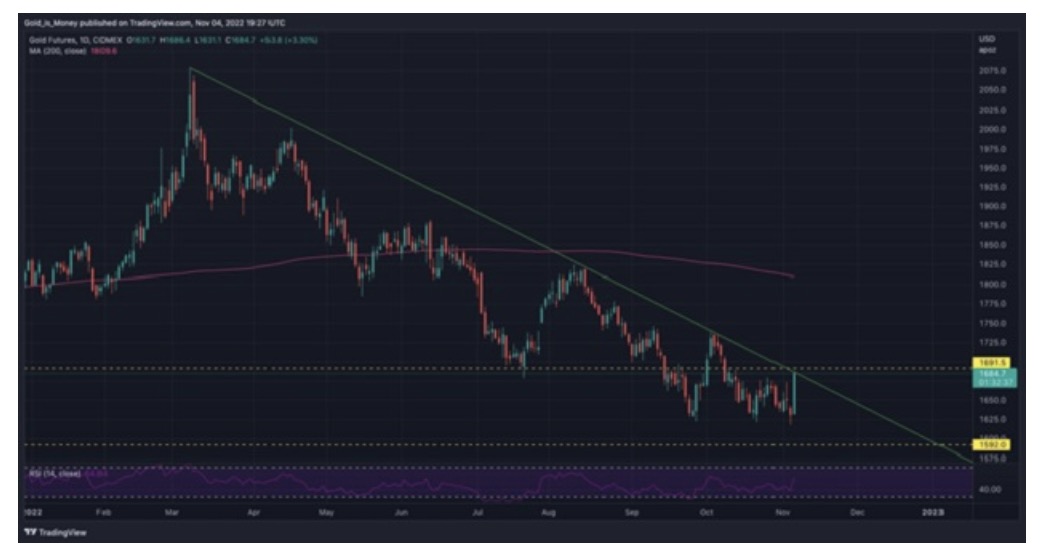
Precious metals investors remain cautious following the Federal Reserve’s latest jumbo rate hike.
It took 16 months to pay off my husband’s student loans after we got married.
A quiet confidence is emerging amid the gloom of Europe’s energy crisis.
Cash is king, with investors fleeing to the safety of cash funds at the fastest pace since the coronavirus pandemic as the Federal Reserve remains firmly hawkish, according to strategists at Bank of America Corp.
As I see it, decentralized assets have never looked more attractive than they do now.
Historically speaking, this phase of life we call “retirement” is a new concept.
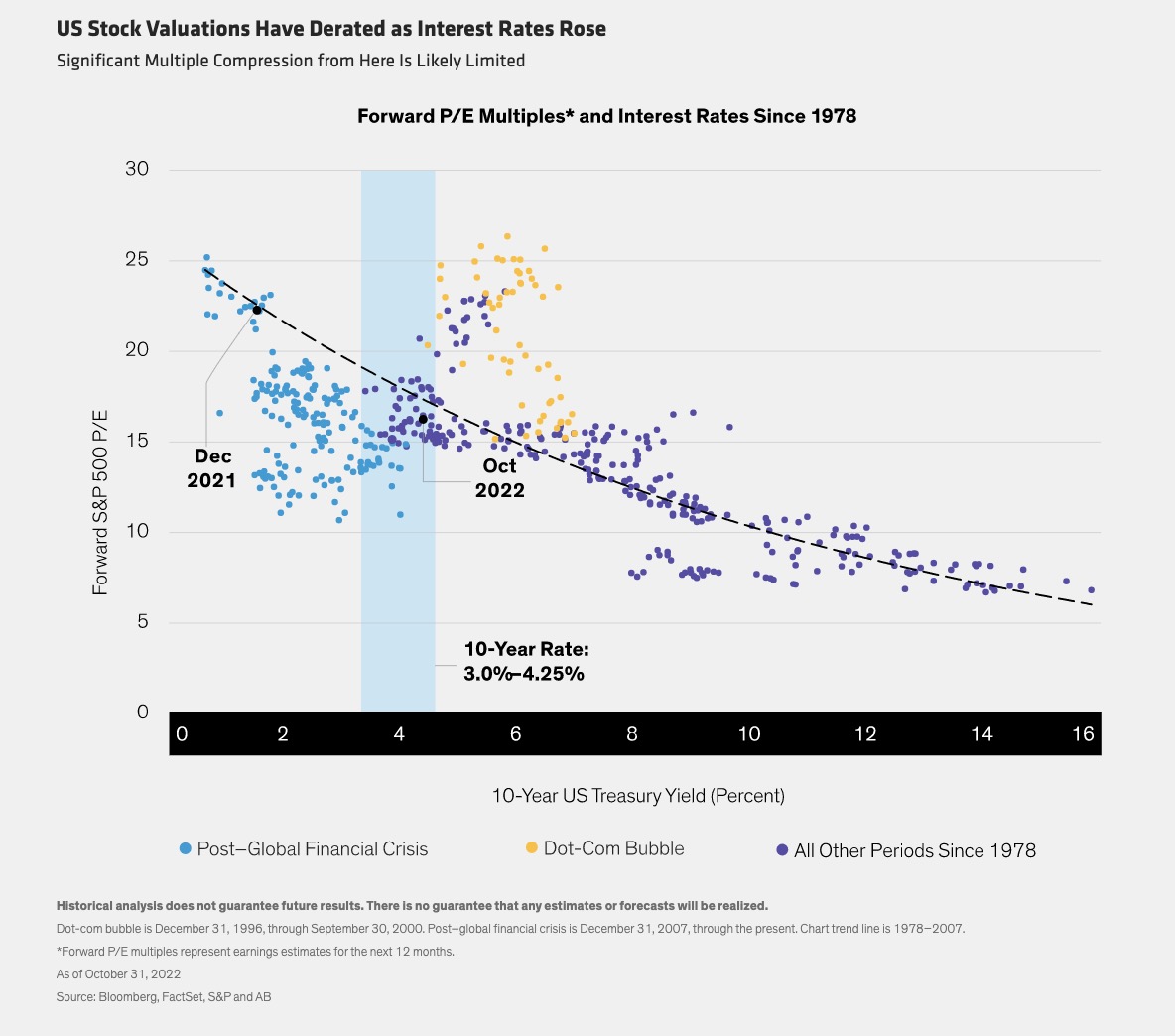
Equity valuations have fallen substantially as central banks hike interest rates to combat inflation.
The Federal Reserve’s November statement included dovish language, but Fed Chair Powell warned investors not to expect the Fed to stray from its full focus on fighting inflation.
This is now the third consecutive quarterly letter in which we express a cautious stance toward both the global economy and financial markets. A
Review the latest portfolio strategy commentary from Mike Gibbs, managing director of Equity Portfolio and Technical Strategy.
What are the implications of strategic asset allocation, the dynamics of public and private credit, tech-driven megatrends, and more?
The Fed’s next crisis is already brewing.
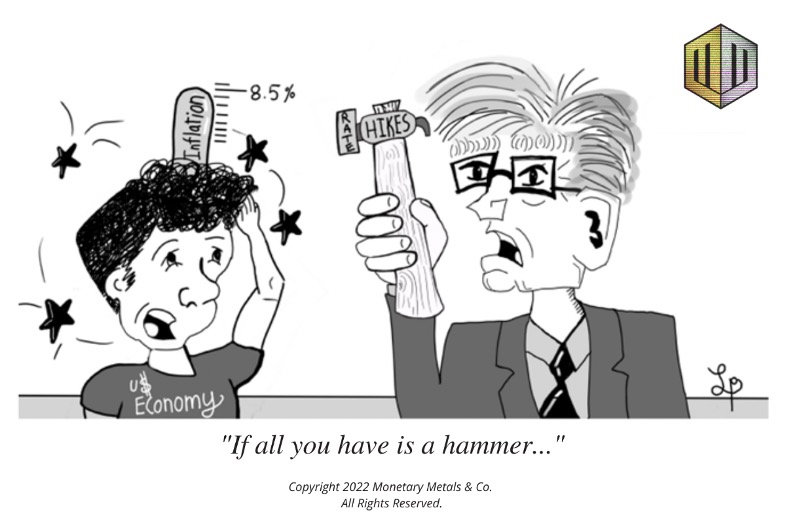
The Fed continues to raise interest rates to try and fix the economy and bring down inflation.
Wall Street money managers looking to pile back into Treasuries after months of losses will have to contend with a Federal Reserve that stands ready to raise the stakes every step of the way.
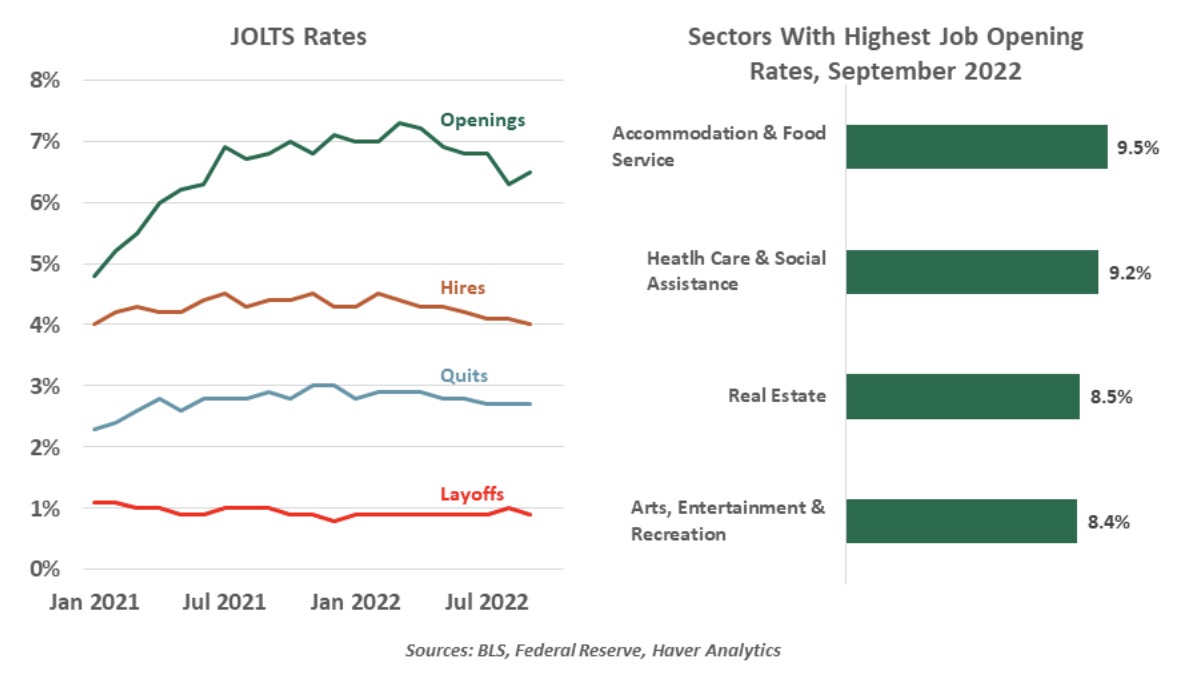
US worker productivity barely increased in the third quarter after steep declines in the first half of the year, though enough to slow the pace of labor cost growth.