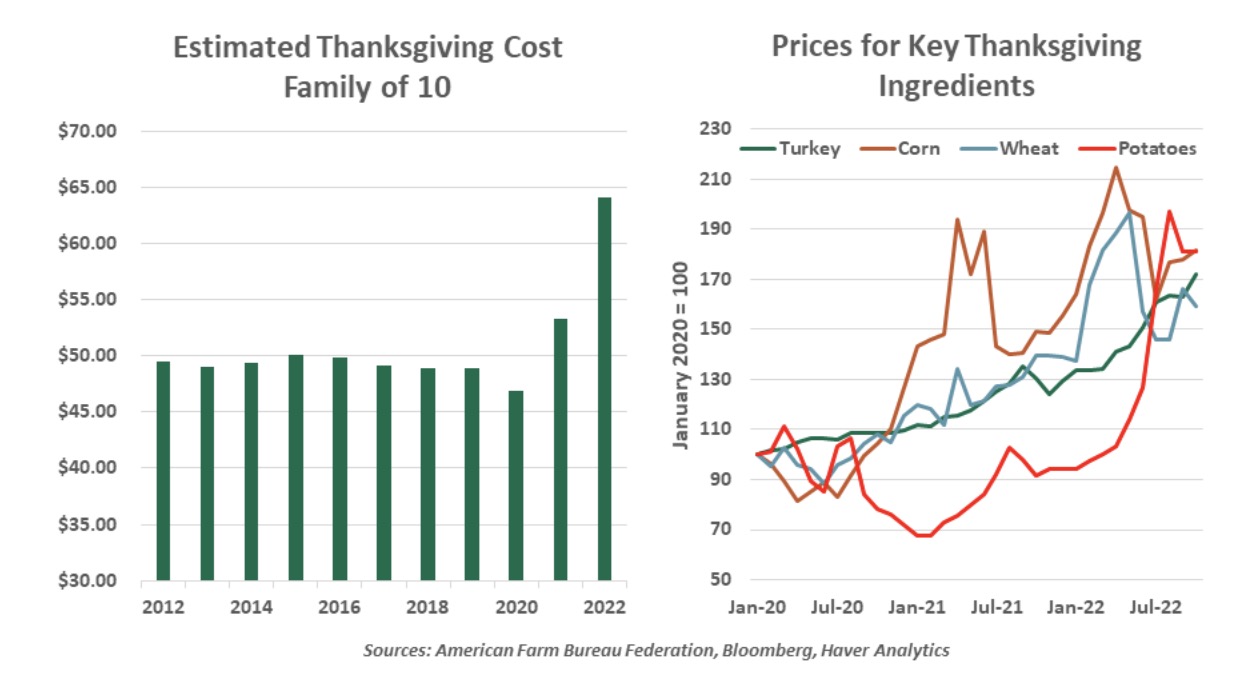
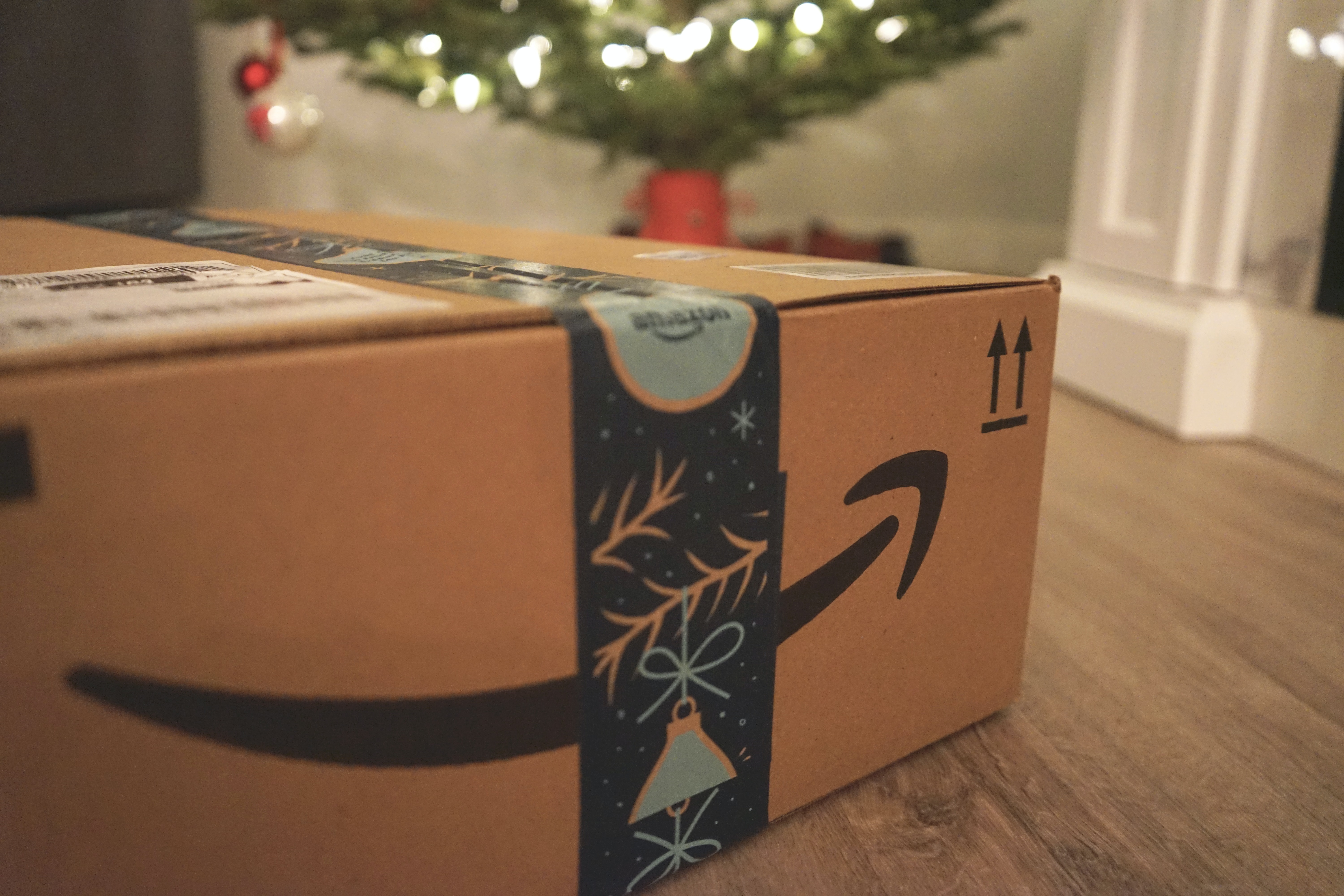
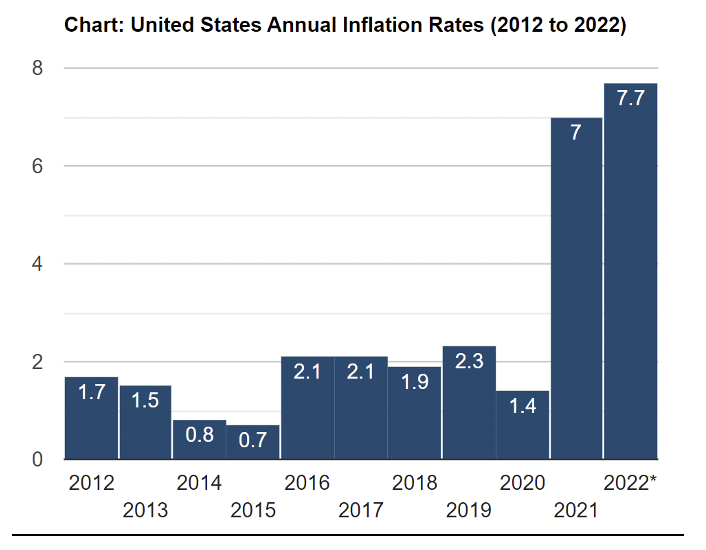
Inflation has spread to our holiday celebrations.
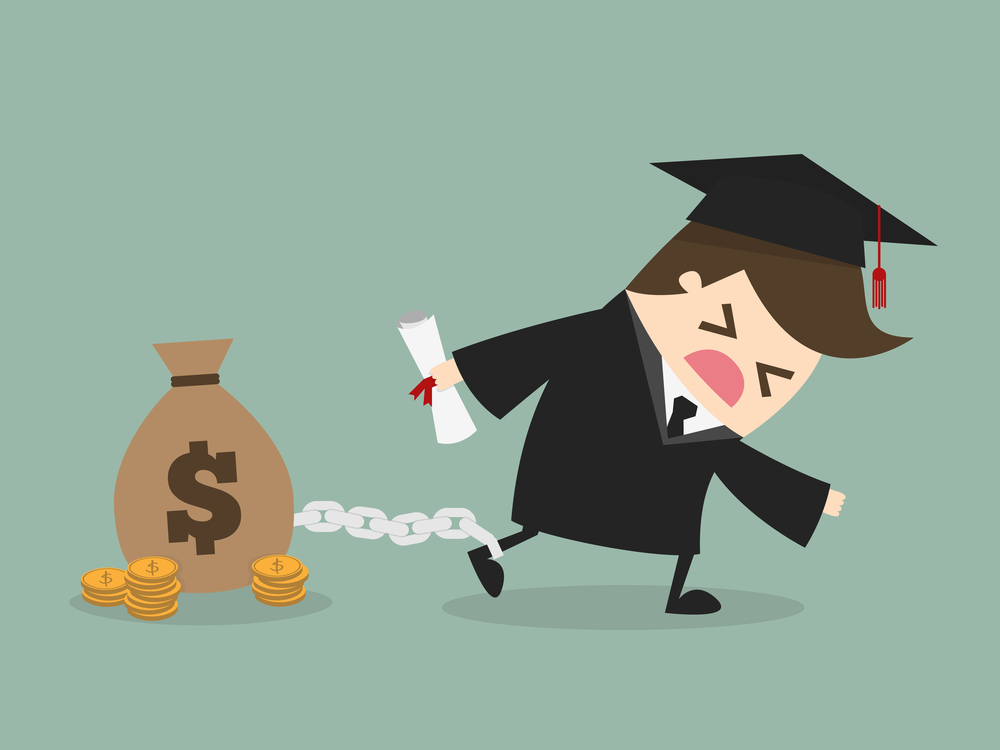
For student loan borrowers, President Joe Biden’s forgiveness plan seemed too good to be true. And now they fear that maybe it was.
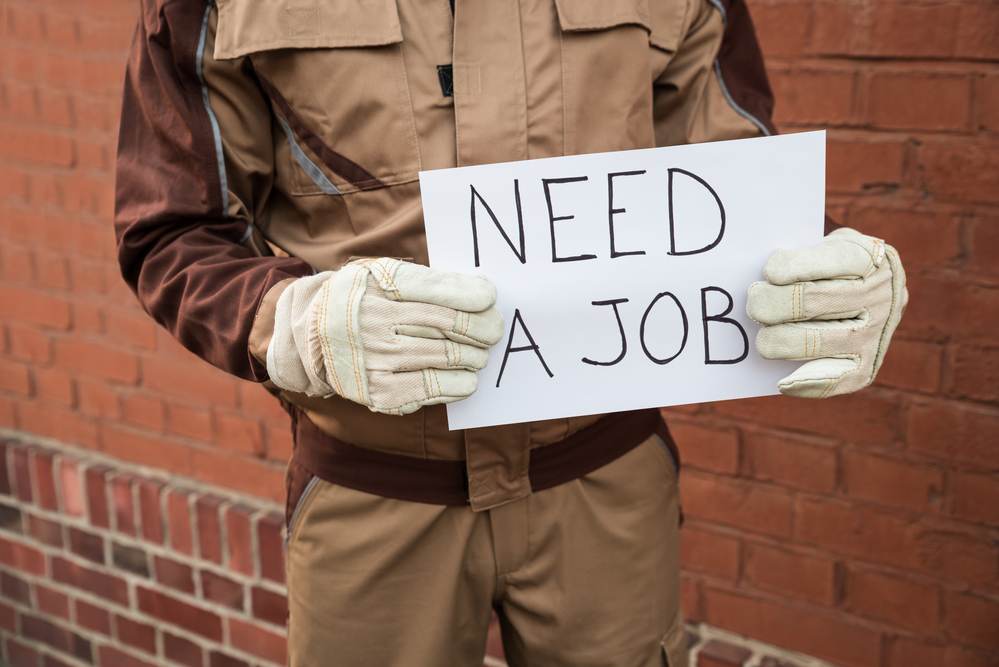
Applications for US unemployment benefits rose last week to a three-month high amid a wave of layoffs at technology companies, a sign of cooling in a tight labor market.
Federal Reserve officials at their meeting earlier this month concluded it would soon be appropriate to slow the pace of rate increases, signaling the central bank was leaning toward downshifting to a 50 basis-point hike in December.
Historically, soaring oil prices have been bad for the US economy because they squeeze US consumers and producers, and often are happening when the Federal Reserve is raising interest rates to rein in inflation.
Two years ago this month, Tesla fans learned the electric-car maker’s shares were joining the S&P 500 Index, and Elon Musk was turning retail investors into Teslanaires.
Amazon.com Inc. spooked investors last month when it predicted the slowest holiday season growth in its history.
Is a “hard landing” coming, economically speaking, as the Fed continues its most aggressive rate hike campaign in 40 years?
A high level Fed official warned last Thursday that the Fed Funds rate might have to go to 5%-7% to get inflation under control.
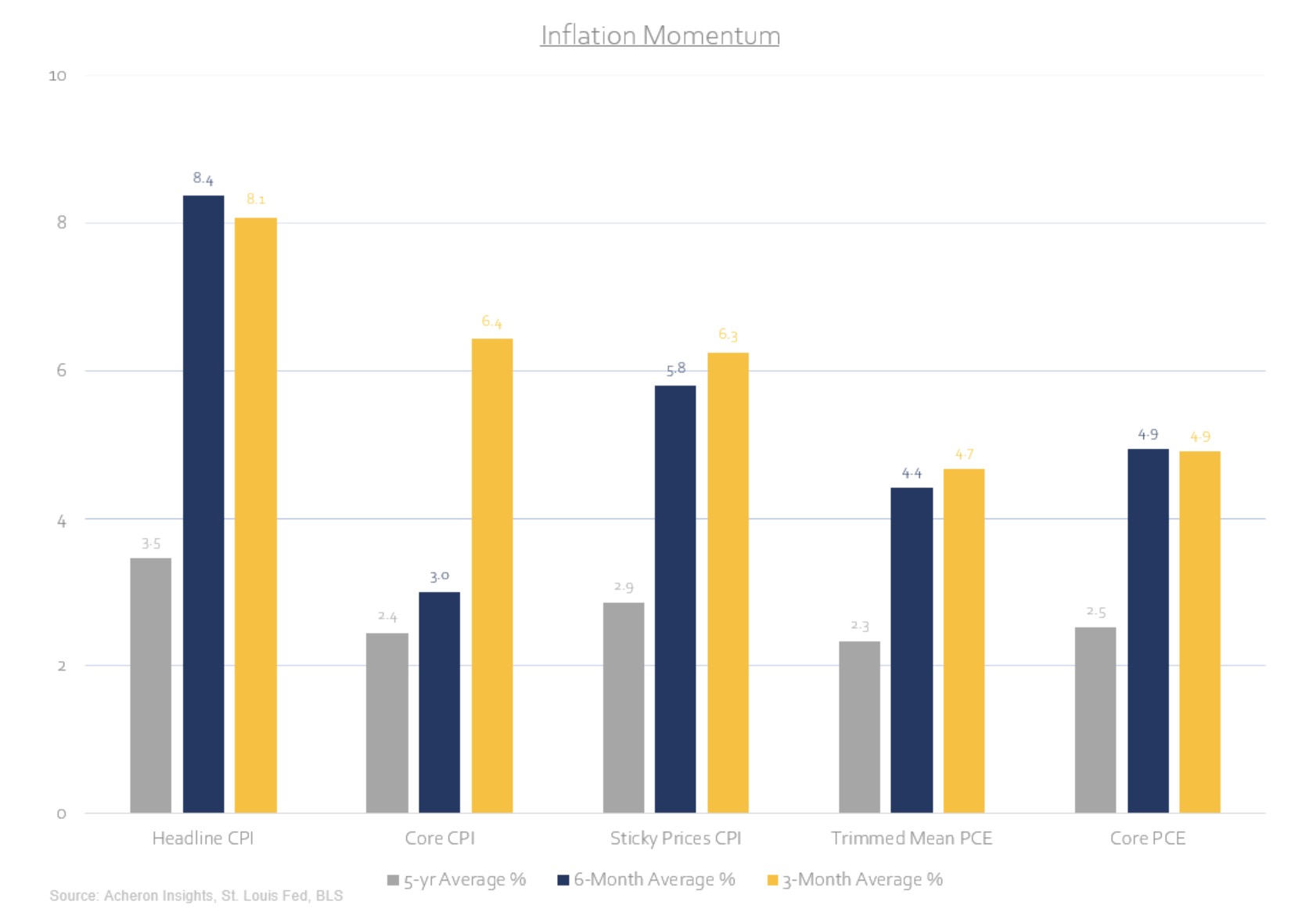
Yes, inflation is peaking.
GMO has published a new 7-Year Asset Class Forecast.
Let’s look at four keys to building trust through deeper relationships.
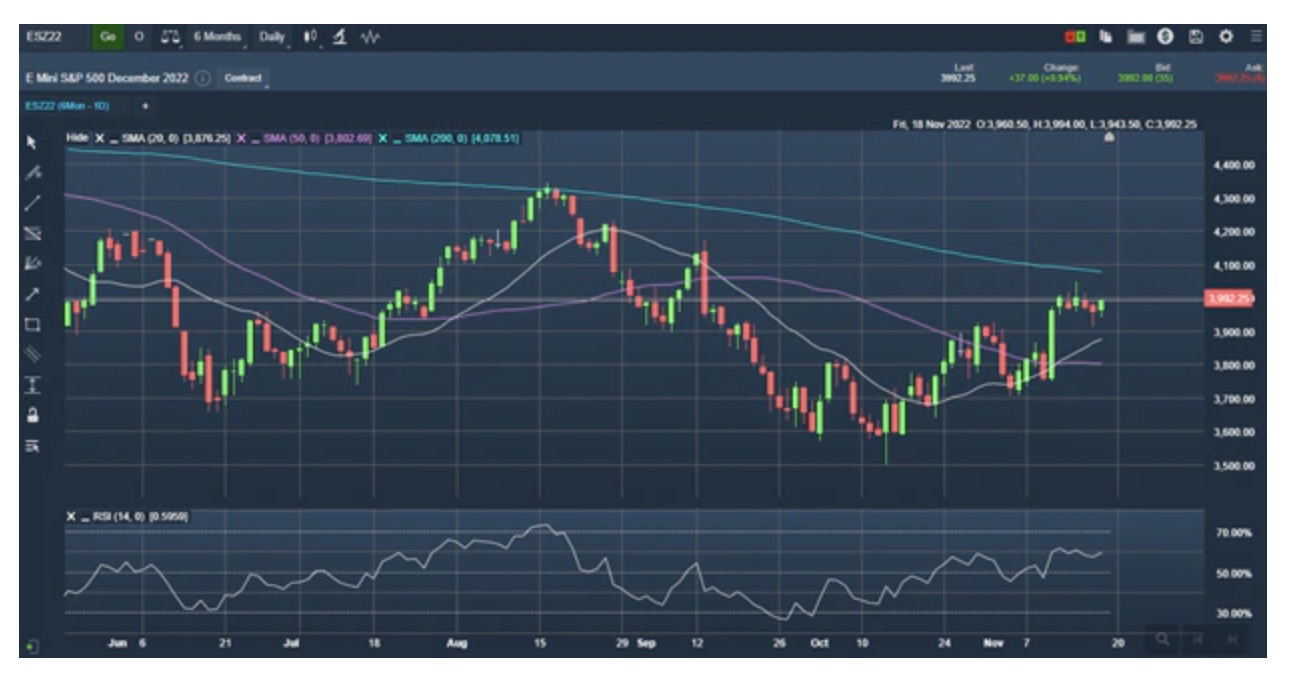
U.S. equities are rising, although no notable directional drivers seem to be in play amid the holiday-shortened week, with the markets closed on Thursday for Thanksgiving and trading in a half day on Friday.
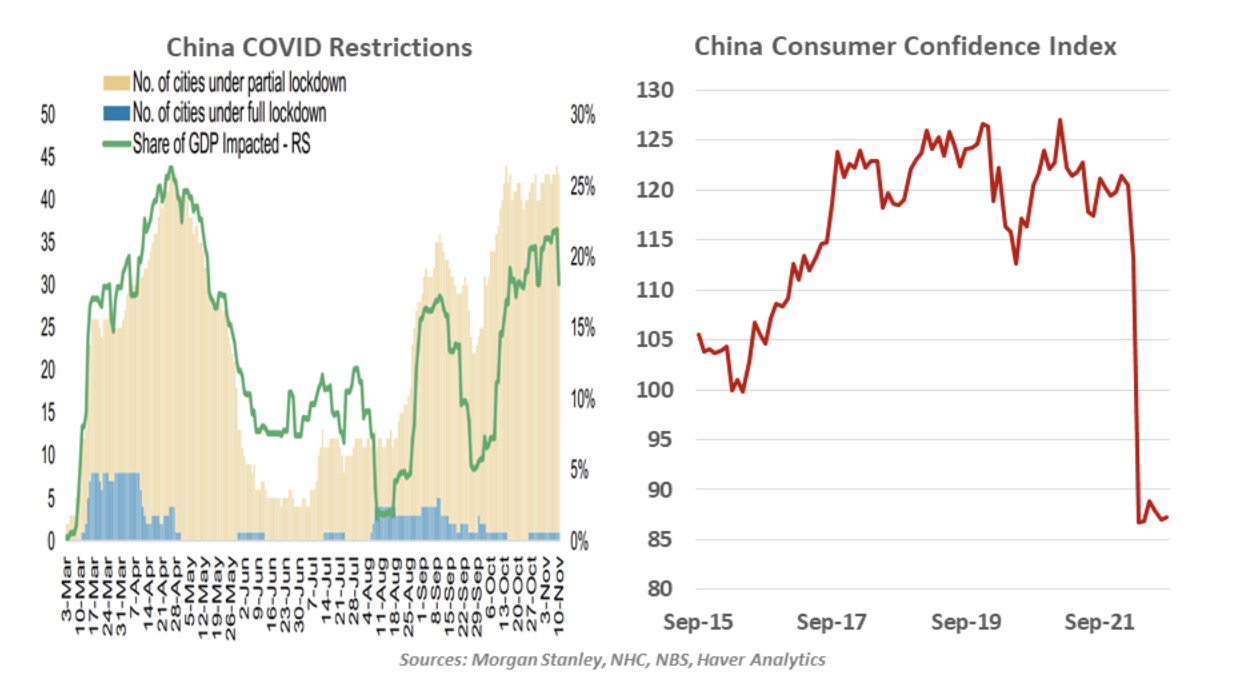
China is still far from open for business as usual.
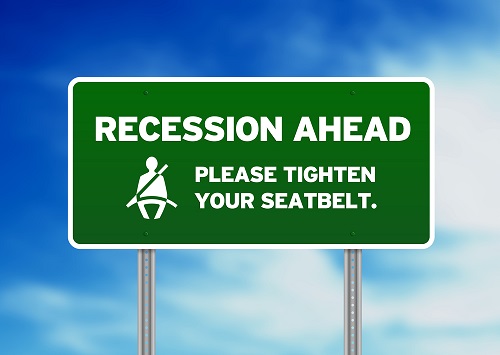
The US has had 12 recessions since 1945. Chief Economist Brian Horrigan contemplates the potential for unlucky #13.
And up and down.
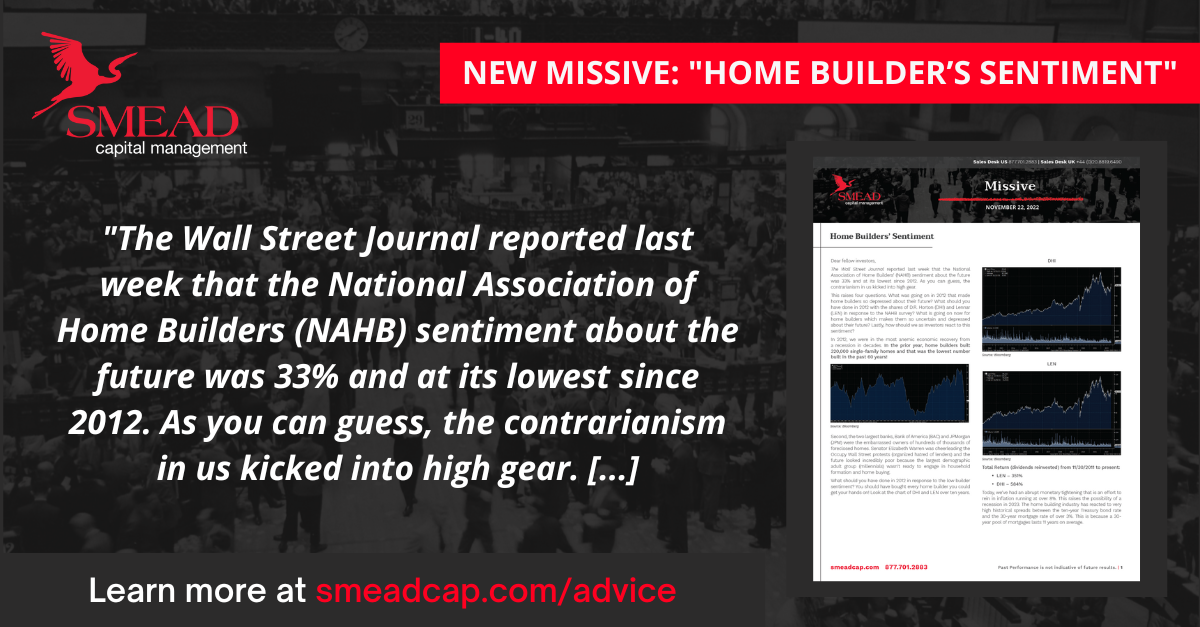
The Wall Street Journal reported last week that the National Association of Home Builders’ (NAHB) sentiment about the future was 33% and at its lowest since 2012.
Tighter Federal Reserve policy is raising households’ interest-rate burden, leading to a rapid decline in excess savings and underscoring the likelihood hawkishness has peaked.
Wall Street’s waning conviction in Coinbase Global Inc. has done little to deter Cathie Wood. Instead, she’s been scooping up shares of the struggling cryptocurrency exchange in the wake of the collapse of Sam Bankman-Fried’s FTX.
The great quantitative easing experiment was a mistake. It's time central banks acknowledge it for the failure it was and retire it from their policy arsenal as soon as they’re able.
Recessions are like forest fires – small ones are healthy for the forest. However, the longer you suppress fire, the more dead material the forest accumulates. Eventually, when it does pay a visit, it is more devastating and its effects are more long-lasting. The recession that is coming could be a big fire.
Advisors and their clients need to manage pressures they have not seen for 20 years: market volatility, inflation, rising interest rates and potentially higher taxes. With fixed income not holding up as a low-risk part of the portfolio, it is time to look at other strategies to protect client portfolios.
Right now, investors are getting worried because the yield curve has gotten very inverted — more inverted than it was in the lead-up to either the 2001 or 2008 recessions.
What is the cost, at this month’s market prices, of achieving the standard of living actually attained in the base period?
We will forever believe that locking down the economy for COVID-19 was a massive mistake. There is virtually no evidence that death rates were lowered by government mandates and lockdowns.
Once again, we are on the cusp of a nuclear renaissance. Actually realizing one requires something nuclear power isn’t known for: Speed.
A split government will limit aggressive agendas and progress on important longer-term issues.
With the midterm elections behind us, does the market outlook improve given a now gridlocked Congress? Historically speaking, such is the case.
In this letter I’d like to explore the impact interest rates will have on the economy and especially the housing market.
Lifetime annuities in concert with allocations to stocks, TIPS, bond ladders and other diversified investments help retirees weather changing conditions regarding inflation and interest rates.
For years leading up to the pandemic, low inflation and stable growth created a favorable environment for investors that supported sustained periods of robust stock and bond returns. With inflation virtually non-existent, economic downturns were met with monetary and fiscal stimulus that provided a backstop for financial markets.
As warning signs for the economy mount, investors are cheering for more bad news. That's because they expect economic weakness will force the Federal Reserve to stop raising interest rates and eventually re-embrace loose monetary policy.
On the most optimistic corners of Wall Street, promising inflation data over the past week or so suggest the Federal Reserve may accomplish a soft landing after all.
Tech companies are trimming staff and slowing hiring as they face higher interest rates and sluggish consumer spending in the US and a strong dollar abroad.
Being glued to crypto news this week meant missing adventures in regular markets that while lacking the same high drama, made up for it in terms of money at stake.
A split U.S. Congress in 2023 will likely limit fiscal policy, but could be positive for equity markets.
Despite stubbornly high inflation and recessionary fears, spending by consumers may not slow down as we approach the busy holiday shopping season.
Two aspects of the financial markets operate simultaneously. Emphatically, they do not operate alternately, but simultaneously. One aspect is driven entirely by arithmetic. Every security is a claim to some long-term stream of cash flows that will be delivered to the holder, or series of holders, over time.
Wall Street’s biggest banks agree the Federal Reserve will hike US interest rates further into next year, but are at odds over how high it will take them and whether it will be cutting by the end of 2023.
Slumping stock prices and slowing growth has the biggest technology companies — and investors — thinking about what it will take to reverse their fortunes.
As we approach Thanksgiving, it’s the perfect time to reflect on all we are grateful for. From an investor’s perspective, this year’s bear market will certainly not make this list. But even though it has been a challenging year performance-wise, we still believe that investors have a cornucopia of economic and financial market blessings to count!
Financial crises are really about trust. They tend to occur when people lose trust in assets, institutions, or people they had thought trustworthy. Whether the lost trust was a consequence of the crisis, or its cause is a different question. But they do seem to go together.
A year after the Nasdaq 100 Index last closed at an all-time high, there’s no sign the index is heading back to those heights any time soon.
Oaktree Capital Group LLC co-founder Howard Marks is gearing up for one of the best buying opportunities since the global financial crisis as higher interest rates and a looming recession push more companies into distress.
Mortgage rates in the US faced the biggest weekly decline in nearly 41 years, providing some relief after a rapid run-up that quickly priced out homebuyers.
BMO Investments Inc. is introducing a suite of innovation-focused funds that will be overseen by Cathie Wood’s ARK Investment Management, in a bet that investor appetite for growth-centered products will persist even after this year’s slump.
Many Tesla Inc. investors watched in dismay as Elon Musk plunged into a battle over buying Twitter that pulled his attention away from the electric-car maker.
For the first time in years, rich Americans who cheat on their taxes face a growing threat from the Internal Revenue Service.
If the last few weeks are any guide, the coveted soft landing for the economy may be coming into view.
Although off their Thursday lows, equity index prices closed lower yesterday.