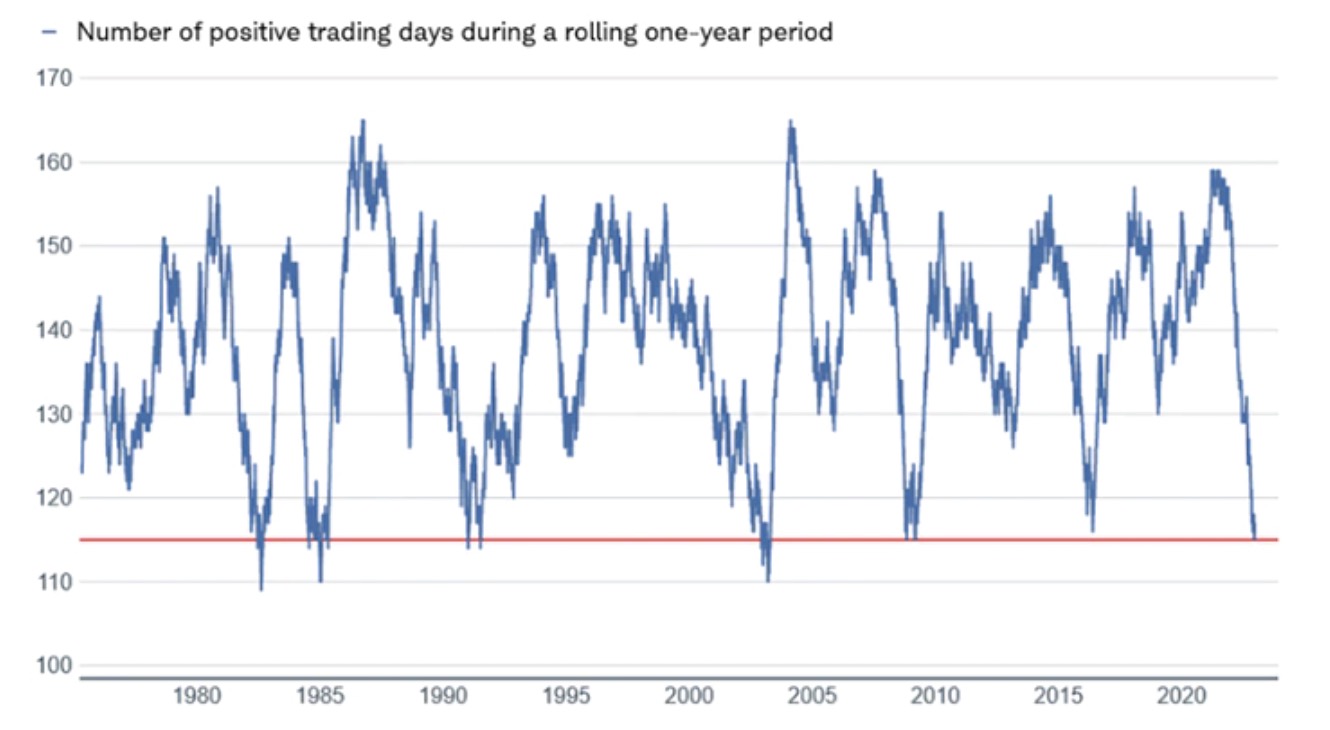
Investors ready to turn the page on the worst year for equities since the global financial crisis should brace for more pain heading into 2023.
As the world economy prepares for a true transition to decarbonization, interest in renewable energy has re-emerged as an important topic for investors. This interview features Rene Reyna, who is head of thematic and specialty product strategy for the ETFs and Indexed Strategies teams at Invesco.
The year isn't yet done with rattling investors' cages. The Bank of Japan’s surprise widening of its yield curve-control policy on 10-year government bonds will have an impact far beyond its shores.
Investors have bid farewell to FOMO and are bracing for even more impact after a year in which profitless tech firms, special purpose acquisition companies and anything crypto-related went into a tailspin.
Wall Street’s stock market soothsayers weren’t entirely wrong about 2022. In fact, S&P 500 Index earnings are on pace to match the consensus forecasts that analysts submitted about a year ago. Stock prices, however, are another story.
Certain events change the course of history, or at least the trajectory of the global economy. To name a few: the Black Death, the invention of the steam engine and World War II, and now the scourge of Covid-19.
In a recent San Francisco Federal Reserve Publication titled “Monetary Policy Stance is Tighter Than Fed Funds Rate,” the authors argue that the “all in” policy rate is actually higher than the Fed Funds rate would suggest.
As the second-largest economy in the world, China’s reopening has important economic and market implications. Here are some key considerations.
It appears to us at Smead Capital Management that investors are behaving in a way that will damage their capital and cause them to suffer stock market failure.
Private equity titans including KKR & Co. and Thoma Bravo pursued unorthodox paths to dealmaking this year in response to a challenging environment likely to persist in 2023.
Oil rose in a session marked by waning liquidity ahead of the holiday season, strengthened by a softer dollar and a potential boost in energy demand after China abandoned its Covid Zero policy.
The collapse in the personal US saving rate to near a record low has fueled a narrative that consumers are clearly strapped heading into 2023.
Here’s how advisors can deliver massive value using “buckets” and “guardrails” to empower clients to act during times of economic turmoil.
With all the supply chain chaos, inflation, and uncertainty in the economy, this year is a perfect time to celebrate Christmas in the manner of Ebenezer Scrooge.
Allan Roth’s recent article, The 4% Rule Just Became a Whole Lot Easier, promises too much, makes inaccurate comparisons and blurs the notion of risk.
In 2023, the math of valuations suggests returns will likely be challenging as markets remain difficult to navigate.
What a difference a year makes!
The economics teams looks back at the most significant stories we covered during 2022.
The credit cycle and the economic cycle are excellent leading indicators of volatility.
Considering that a new year almost always brings surprises of one form or another, we've highlighted our top five that may define the global markets in 2023.
Over the past two years, the US Federal Reserve has repeatedly erred in its analysis, policymaking, communications, and governance.
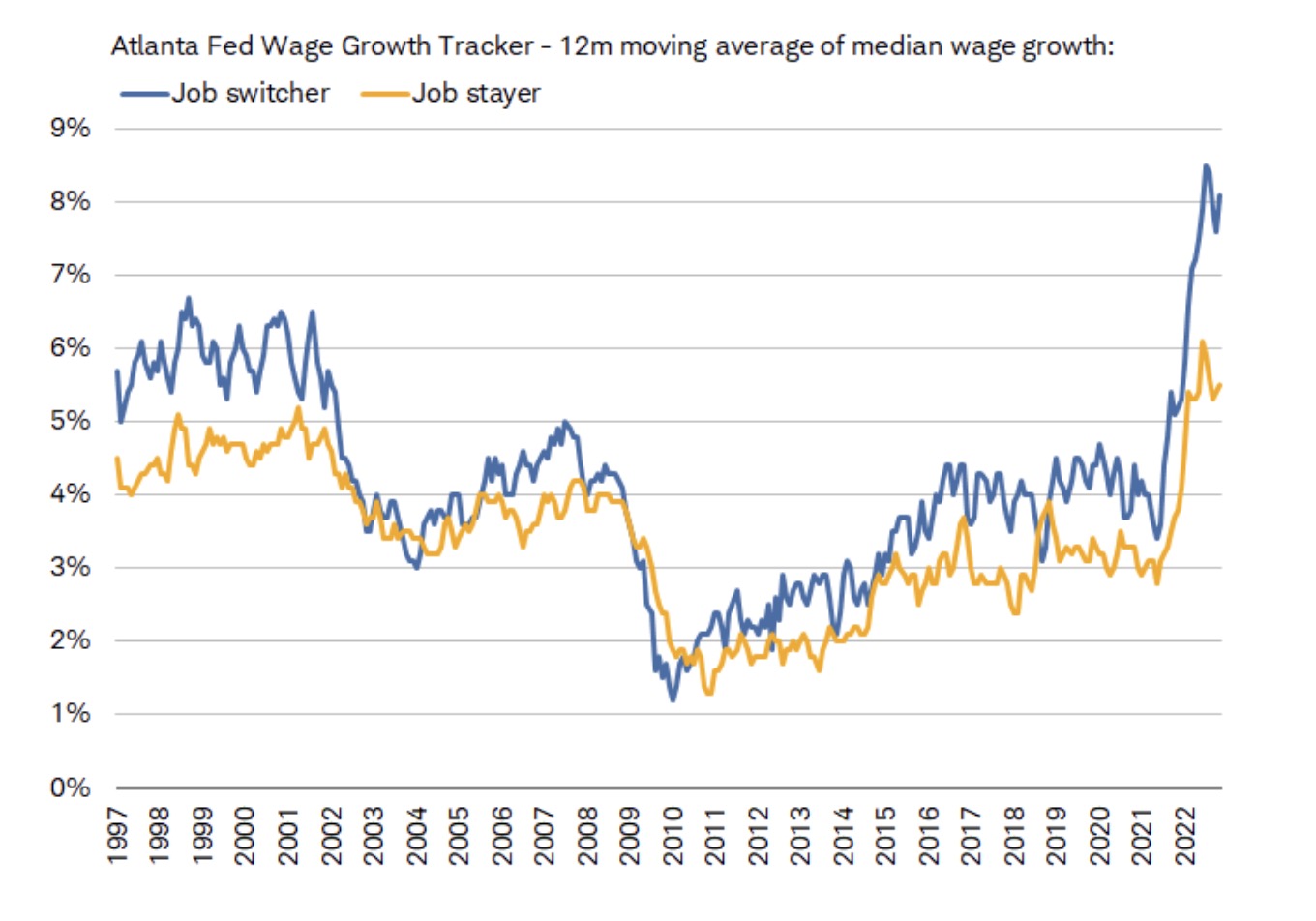
Structurally tight labor markets are providing support for tighter monetary policy, but the Fed may be fighting an uphill battle.
Amazon.com Inc.’s founder has long been obsessed with the company’s beginning — and its end.
Monetary policy is more like the World Cup than it is like mathematics or great literature.
A handful of giant firms are gaining dominance over the hottest corners of the hedge fund industry. This year showed why.
It was a weird year on Wall Street.
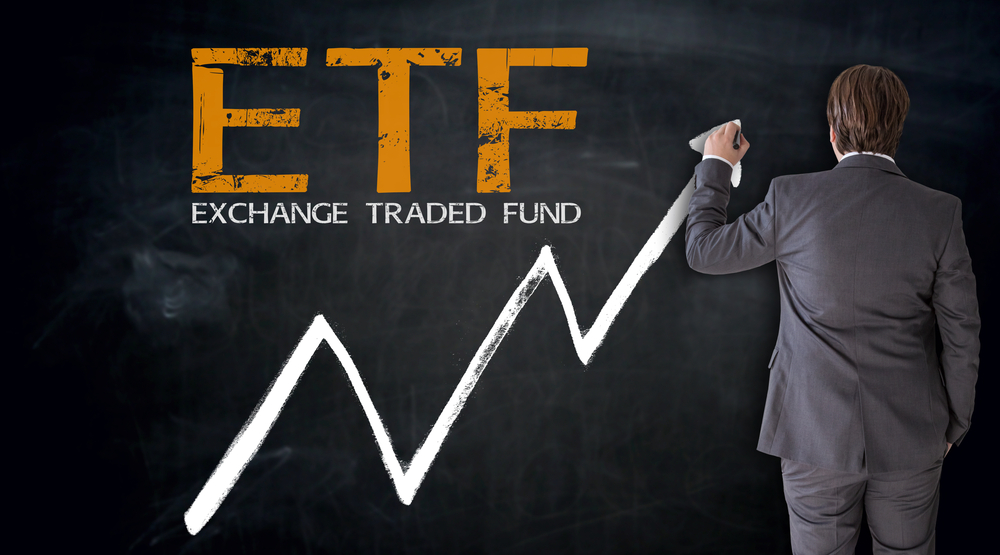
Investors are spurning mutual funds at a record clip, driving a $1.5 trillion gap in the flow of money from the old-school investment vehicles and into ever-popular ETFs.
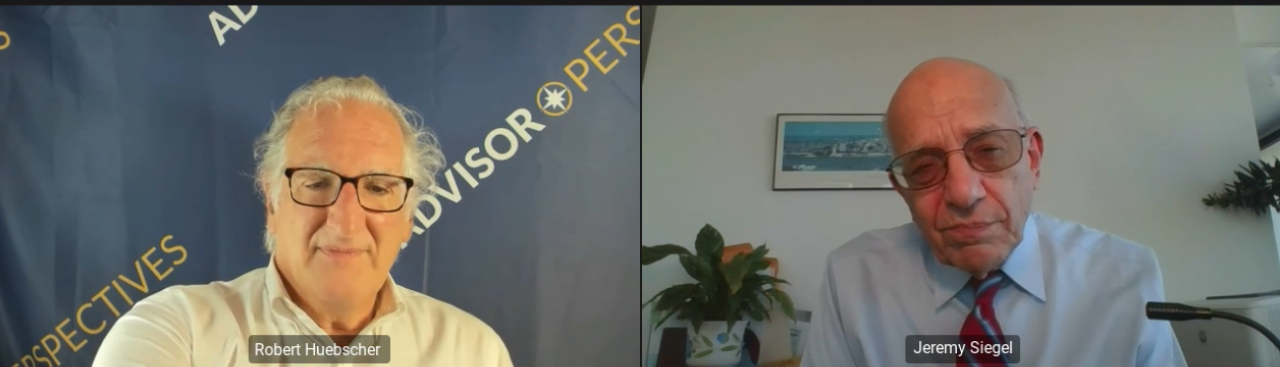
“I have never seen so much bearishness in the market,” Jeremy Siegel said, “which is a great sign for stock investors.”
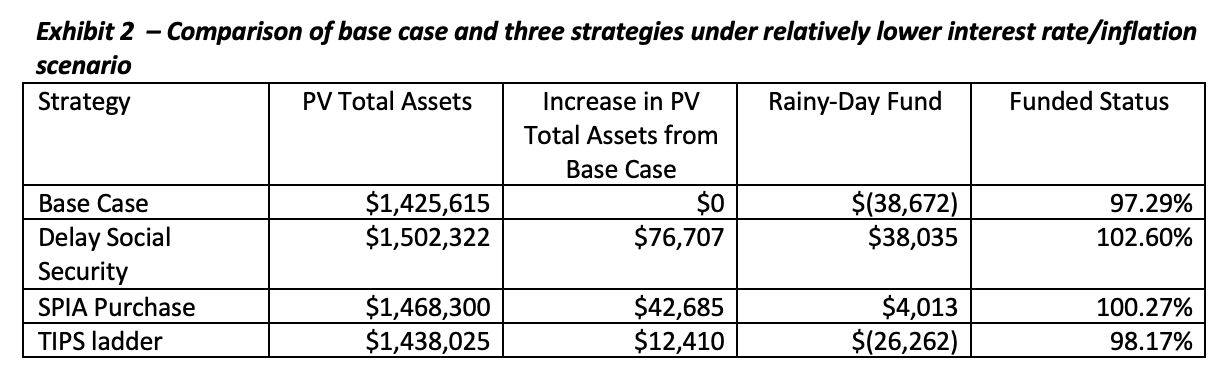
I will use an example and an actuarial model to compare the efficiency of three strategies for strengthening a retired or near-retired client’s balance sheet under both a lower and a higher assumed future inflation scenario.
The economic tea leaves suggest that 2023 could be another challenging year for both stocks and bonds. However, the outlook is more balanced given that equity valuations are much lower and bond yields much higher.
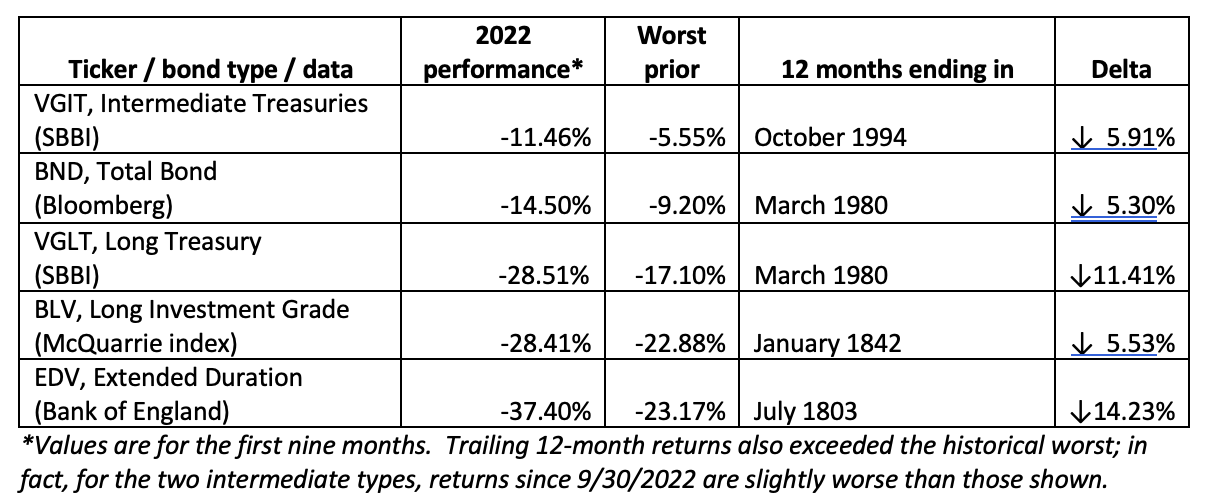
Rising interest rates was the dominant story in 2022. Did fixed income losses cripple insurance companies? Or has the insurance industry shifted the risk to your clients who purchased their products?
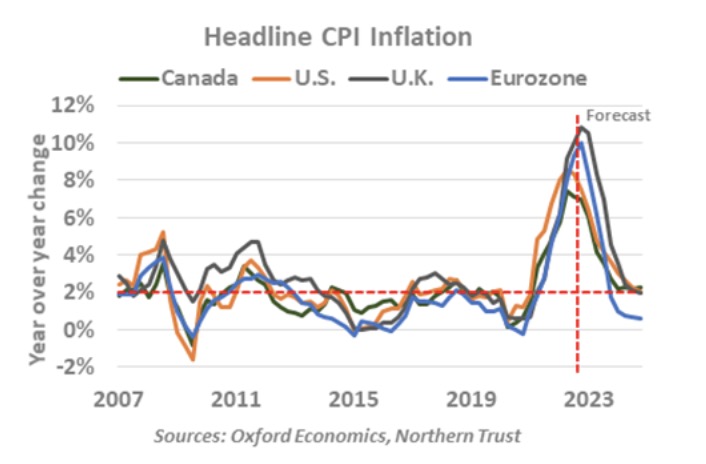
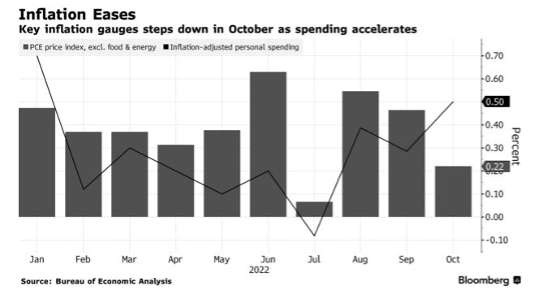
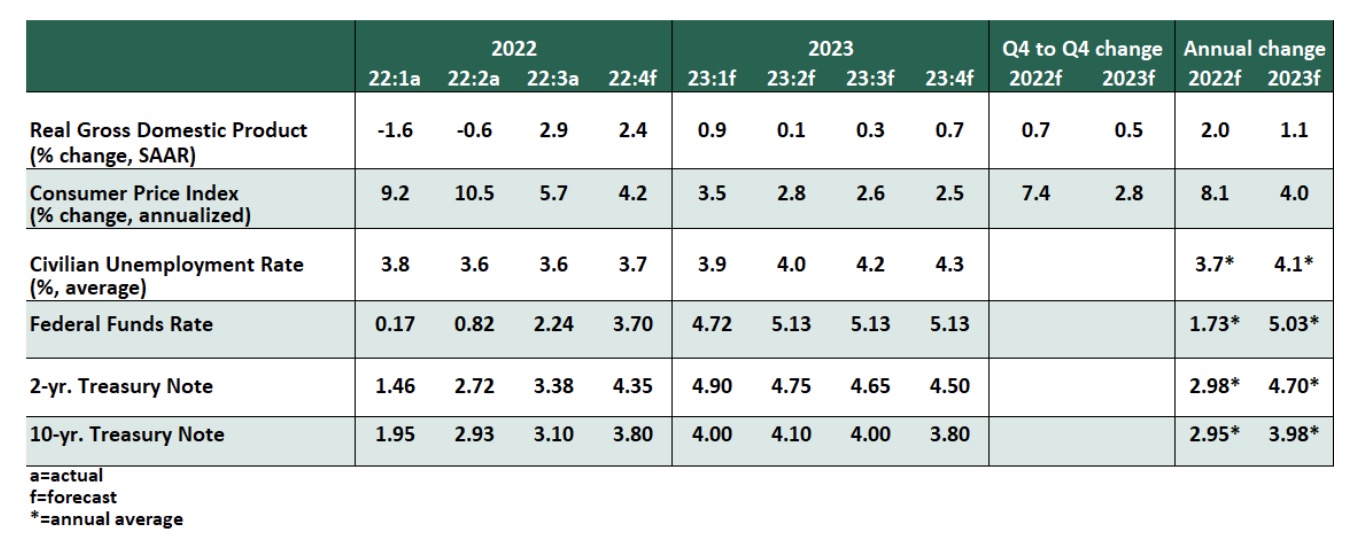
Inflation trends are moving in a favorable direction, but the change is likely too slow for the Fed to take its foot off the brake anytime soon.
As investors hope for a Santa Claus rally in the days ahead, the Grinch is looking to steal their holiday cheer.
This will be my last letter of 2022. I want to use this letter as a set-up for my annual forecast issue the first week of January. That means we will touch on a variety of topics, kind of a snapshot into where my mind is today. Get ready to travel the world but let’s start at home with the Federal Reserve meeting this week.
This important milestone is the culmination of decades’ worth of research and lots of trial and error, and it makes good on the hope that humanity will one day enjoy 100% clean and plentiful energy.
Chief Economist Eugenio J. Alemán discusses current economic conditions.
Stephen Dover, Head of Franklin Templeton Institute, shares his scorecard on some market prognostications for 2022, and what his team is watching in 2023—from blockchain to balanced portfolios.
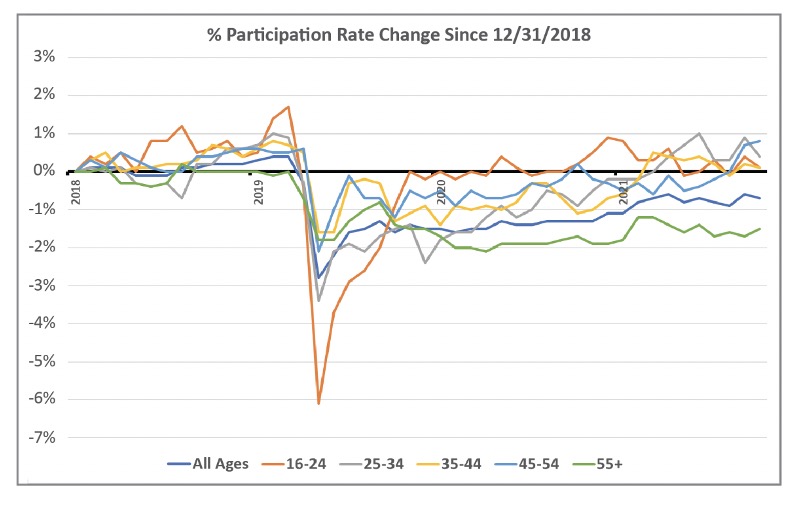
The red-hot labor market is cooling. Monthly US job growth has slowed to around 270,000 from more than 500,000 at the start of the year.
Federal Reserve officials, hammering home an unapologetically hawkish message, said that they won’t relent on tighter policy until inflation is under control.
The key takeaway from Wednesday’s FOMC meeting: despite encouraging inflation news, the Fed believes they have a long inflation fight ahead.
Will a dollar decline be good for stocks? It is an interesting question, given that during 2022 there was a significant non-correlation between the dollar and the stock market.
Confused about whether your student loans will be forgiven? Everyone is.
The European Central Bank is likely to continue hiking rates next year, but the end point remains uncertain.
The Federal Reserve raised interest rates by a half point (50 basis points) on Wednesday in line with forecasts.
The Northern Trust Economics team shares its outlook for inflation, growth, employment and interest rates.
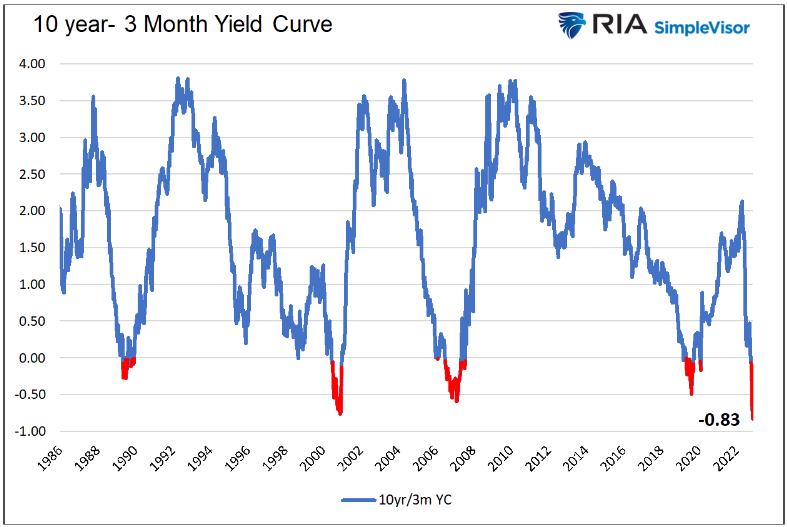
The financial foghorn is blowing. Historical odds greatly favor a recession, stock market drawdown, and a much lower Fed funds rate.
For investors trying to gauge levels of hawkishness at the Federal Reserve, Wednesday was an example of words carrying more weight than actions.
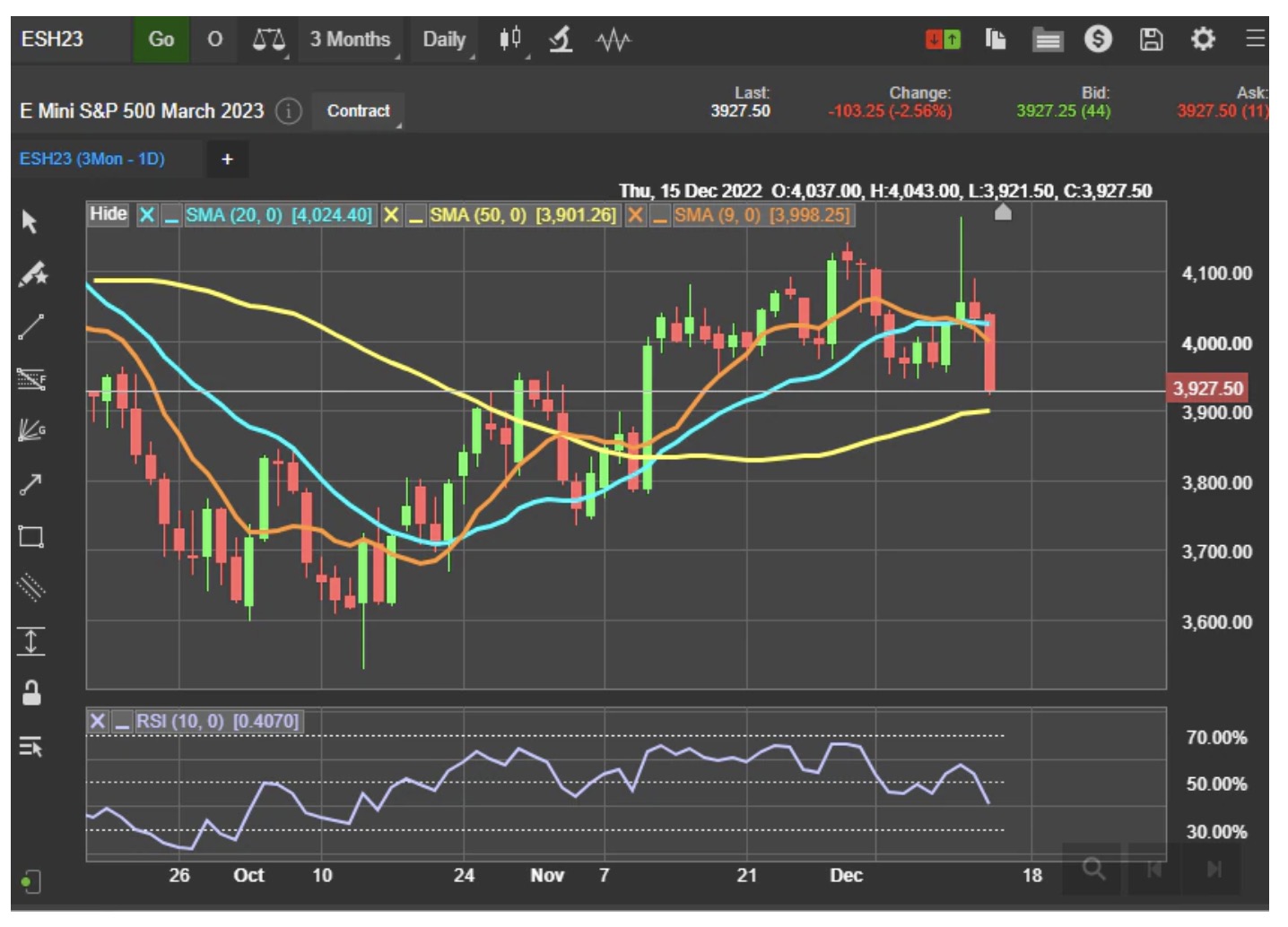
U.S. stocks are solidly lower as the markets continue to digest the economic implications of yesterday's 50-bp rate hike from the Fed.
In our 2023 outlook, we outline three key themes for the new year and highlight several implementation solutions investors can use to navigate potential challenges and grow client portfolios in the new year.
The latest adjustment snaps a four-month run of 75 bps interest rate increases by the Fed.