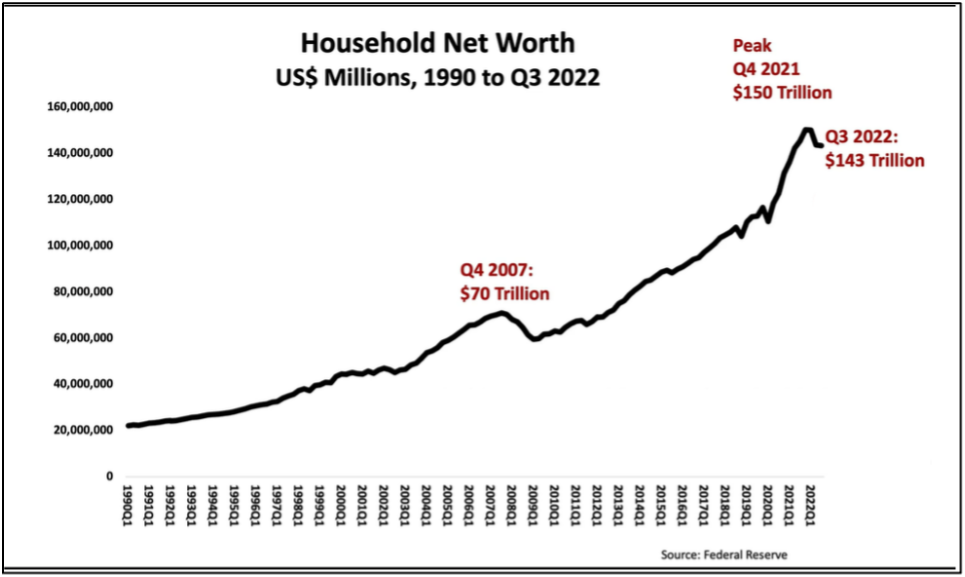
Home prices have started to correct as interest rates rose sharply in 2022.
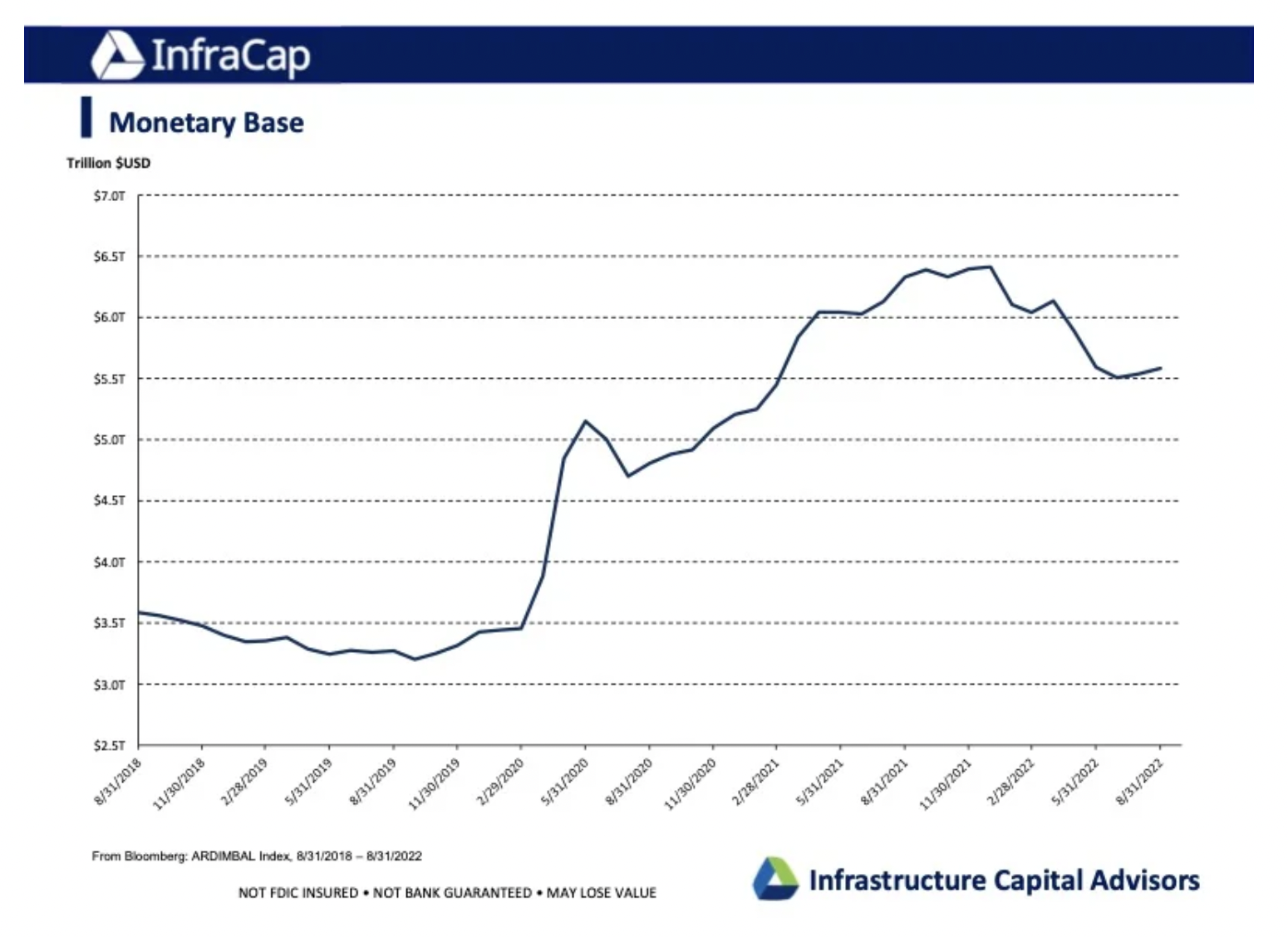
The team at Infrastructure Capital Advisors provides key insights and advice on current market conditions and economic outlook for this month and the coming months.
VettaFi’s Tom Hendrickson and Lara Crigger highlight 2022’s rising ETF stars. George Noble explains the Noble Absolute Return ETF (NOPE). NYSE’s Mo Sparks and Trackinsight’s Robert Jaeger discuss their new collaboration, ETF Central.
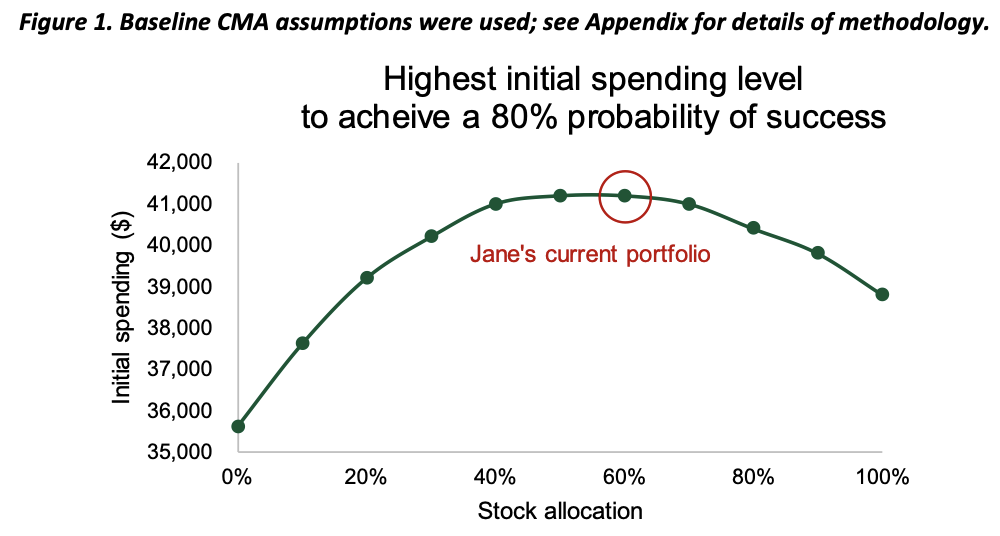
Morningstar’s latest research showed higher safe spending rates across all asset allocations over all time horizons. I don’t agree with those results.
Markets provided investors with a dozen lessons in 2022 (and a bonus one in the postscript).
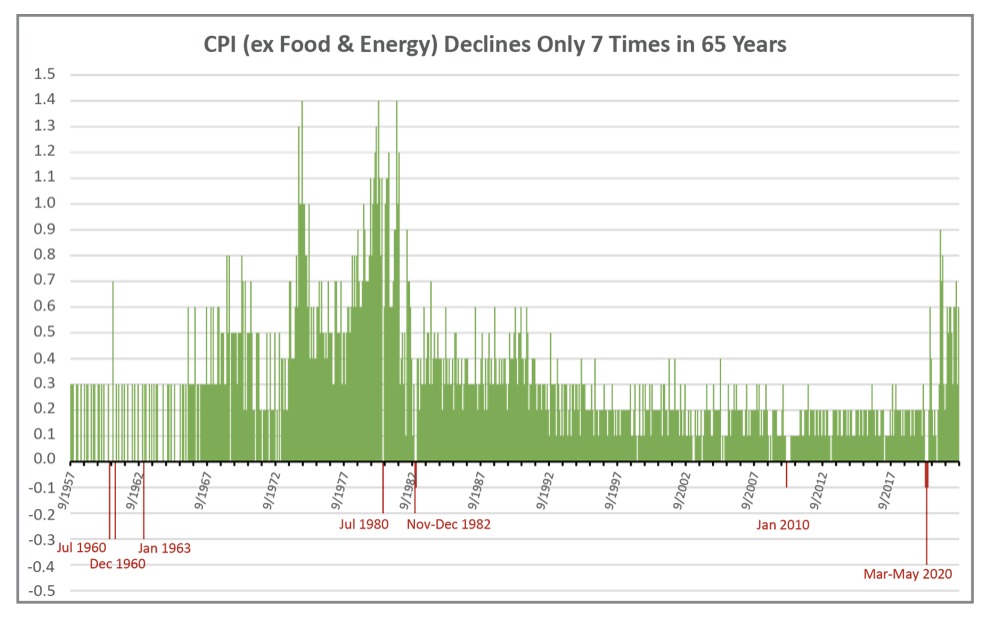
The inflation story took a turn for the better on Thursday when the government reported that the consumer price index fell 0.1% from a month earlier.
The Federal Open Market Committee’s 12 voting members differ on where they think interest rates should go this year. But we know they’re unanimously against cutting rates until at least 2024—or at least they were as of December, according to that meeting’s minutes.
Investors don’t appear to have been fazed by the FAA mishap. Shares of U.S. domestic airlines finished Wednesday up more than 1% before advancing a further 4% on Thursday in response to positive earnings estimates.
This article explores how the addition of specific liquid alternative strategies produces an “All-Terrain” portfolio with the potential for improved long-term performance across a wider range of market environments.
Former Treasury Secretary Lawrence Summers said that the US economy is still facing a recession this year, despite encouraging news in recent weeks.
The US tax filing season will begin Jan. 23 and run through through April 18 with, perhaps, less frustration for both taxpayers and the Internal Revenue Service than in recent years.
One of the most lucrative money-making machines in the world of finance is all clogged up, threatening a year of pain for Wall Street banks and private-equity barons as a decade-long deal boom goes bust.
US inflation slowed again in December — with luck, bringing forward the point at which the Federal Reserve can safely stop raising interest rates.
In 2022, inflation and interest rates both rose substantially, creating the near-term potential for a recession.
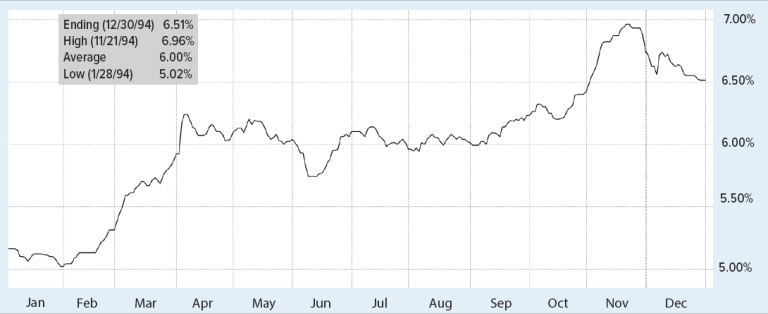
Current federal monetary policy, fixed income returns and economic landscape appear to closely parallel the bond bear markets in the 1990s.
U.S. equities are lower in pre-market trading with the Street digesting a slew of results from the banking sector to kick off Q4 earnings season.
U.S. stocks are choppy as the markets wrestle with the implications of a highly anticipated December consumer price inflation report that showed the headline figure declined but the core rate rose, both in line with expectations.
Throughout this year, Wealthspire Advisors’ Investment Team has spent significant time discussing inflation and the Federal Reserve and felt it was important to pivot towards the story in financial markets for 2022, which begins and ends with fixed income.
You read that right. The Fed wants lower stock prices.
US inflation continued to slow in December, adding to evidence price pressures have peaked and putting the Federal Reserve on track to again slow the pace of interest-rate hikes.
Since we gave up on the idea that high inflation would be transitory, the hope has been that we would manage a soft landing: Inflation would melt back to 2% without doing too much harm to the labor market or economic growth.
Demand for Europe’s debt sales has topped half a trillion euros already this year as investors seek to put money to work in bonds offering some of the highest yields in years.
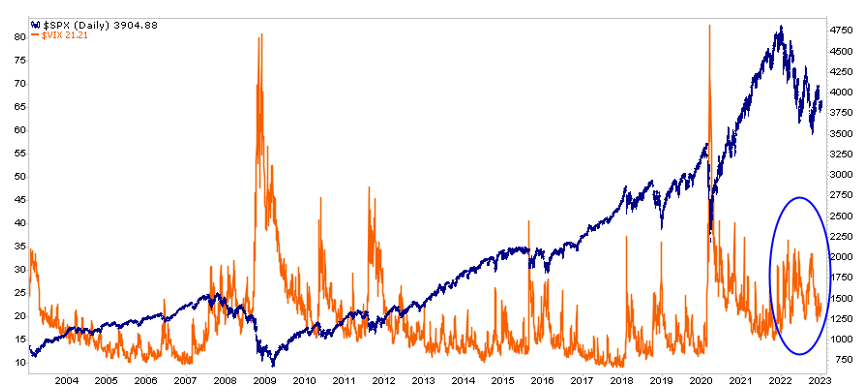
Market volatility and the Federal Reserve's efforts to reduce inflation will continue to garner attention.
I am on record of often pointing out that it is a market of stocks and not a stock market.
After enduring one of the worst years on record across asset classes, investors should find more cause for optimism in 2023, even as the global economy faces challenges.
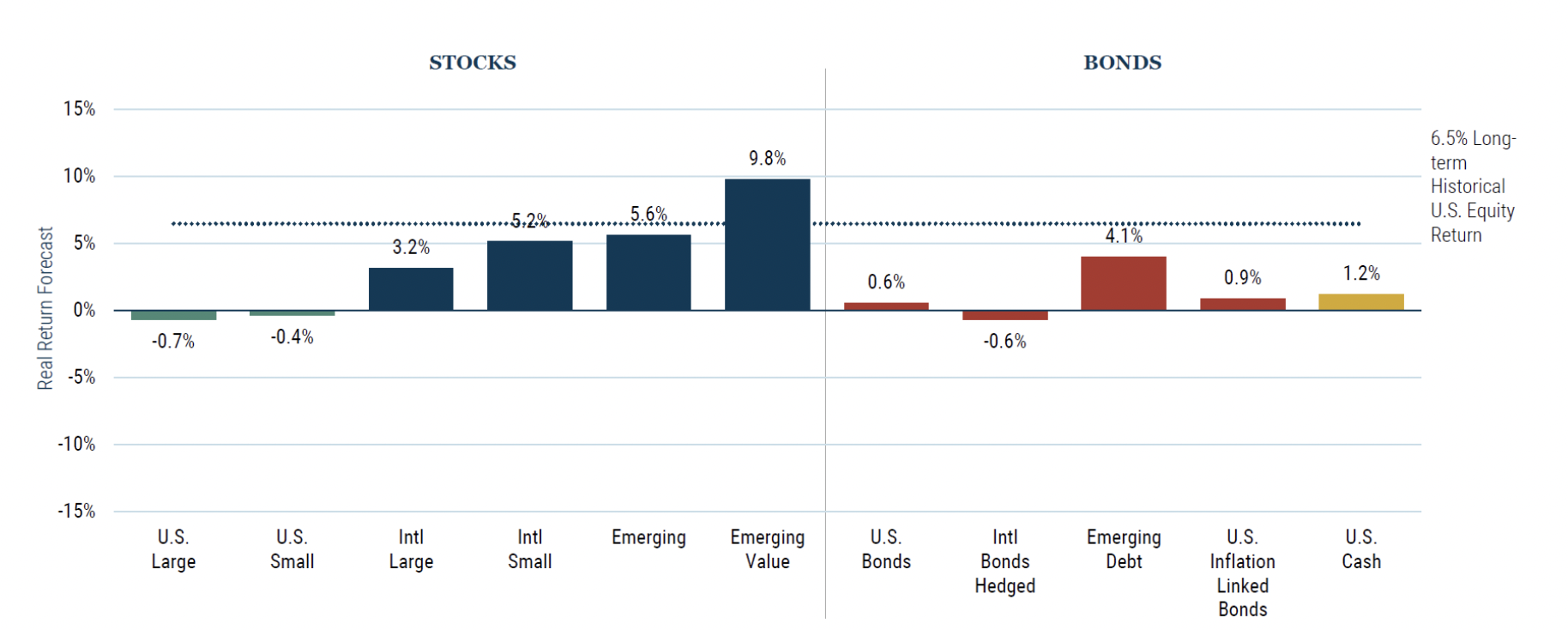
GMO 7-year asset class forecast: 4Q 2022.
Federal Reserve officials are making a full-court-press effort to convince investors they won’t be slashing their benchmark interest rate before year’s end.
Emerging-market stocks extended their lead over US shares in the early days of the new year, with the equity benchmark rising to a six-month high against the S&P 500 Index.
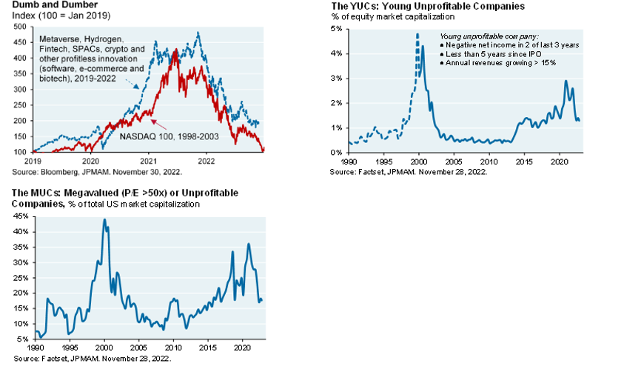
2023 may be another difficult year for investors who hope to relive the speculative markets of 2020 and 2021.
2022 was a rough year for fixed income, but we anticipate better days ahead as the Fed will likely keep rates elevated in its ongoing battle against inflation.
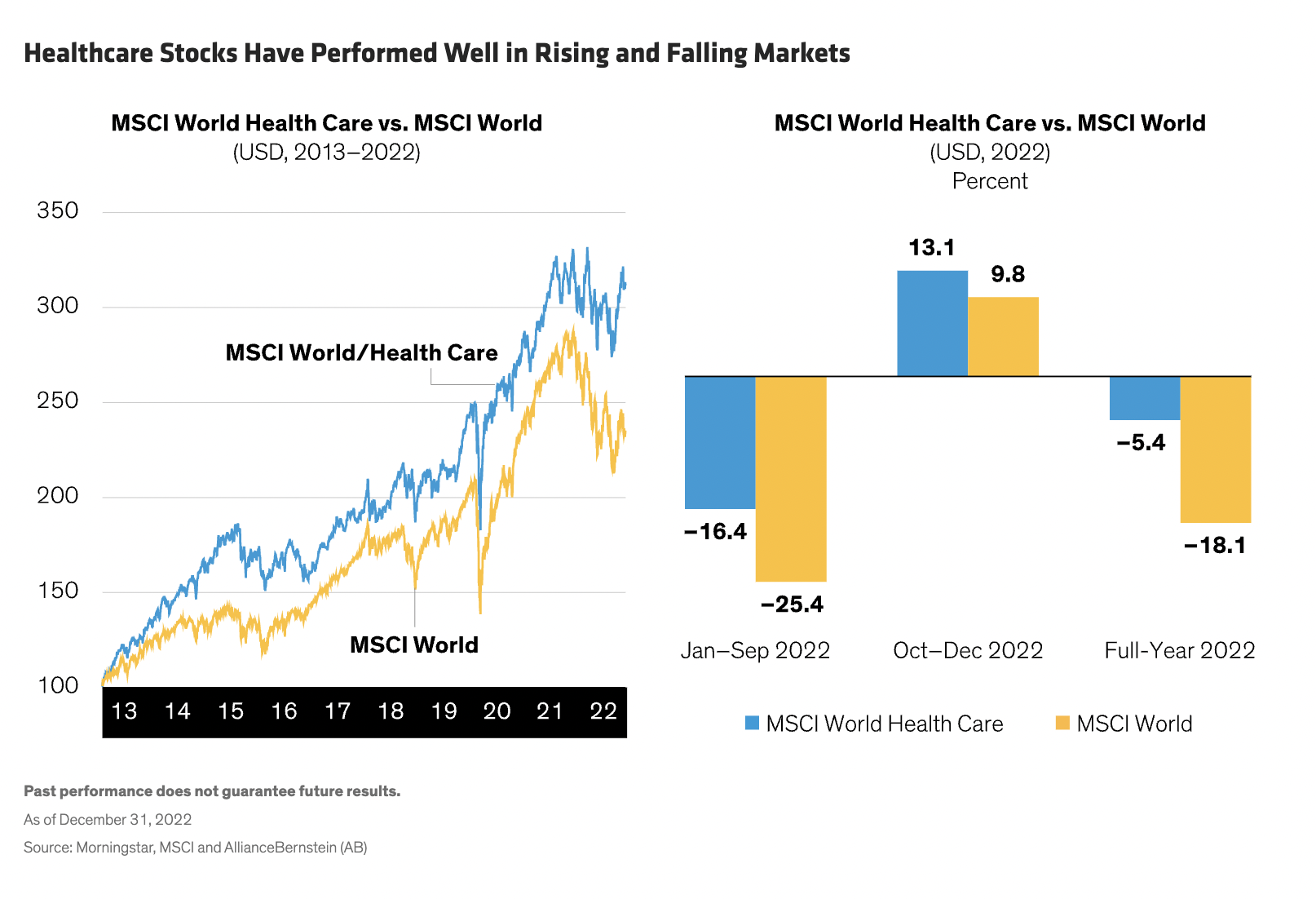
Healthcare stocks have remained in vogue through volatile markets, driven by increased interest in the sector during COVID-19.
The bond market is much cheaper than the stock market, according to Jeffrey Gundlach. Investors should abandon the traditional 60/40 stock/bond allocation in favor of a 40/60 split.
Although inflation appears to have peaked, historical data suggests that prices are unlikely to reverse themselves, which could lead to an extended period of wage inflation.
With the aggressive pace of rate hikes in 2022 and inflation slowly starting to come down, we are optimistic that we are in the later stages of the tightening cycle.
Meta Platforms Inc. is expected to be the top-performing megacap internet stock this year, according to a JPMorgan survey of investors, suggesting a rebound for the Facebook parent after its worst year on record.
The question that obsessed financial markets last year was when and where US inflation would peak. The 2023 version will likely be how far, and how fast, it comes down.
Exchange-traded fund investors are piling into bets on junk bonds as the securities start the year with a strong comeback.
Federal Reserve Chair Jerome Powell sought to draw a line around how far the central bank will use its powers to promote a greener economy, vowing it will not be a climate regulator.
Not long after Friday’s Employment Report multiple analysts and commentators were calling it a “goldilocks” report, by which they meant it showed that the economy was neither “too hot” nor “too cold,” but instead, “just right.”
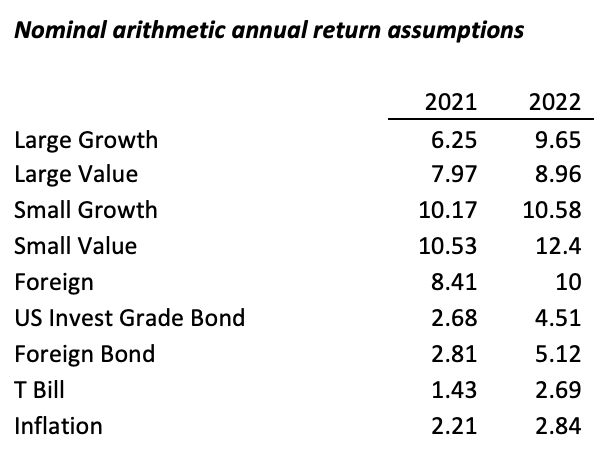
Probability-based retirement income strategies are highly sensitive to the capital market assumptions used in Monte Carlo analysis. Seemingly small changes in those assumptions can mean the difference between projecting a comfortable lifestyle and financial ruin.
Tight monetary policy and rising government debt will drive a regime of high interest rates, depressing stock prices and destroying the wealth of clients, most severely those at or near retirement.
VettaFi’s Todd Rosenbluth evaluates Nate’s 2023 ETF predictions. Axel Merk spotlights the Merk Stagflation ETF (STGF) and the VanEck Merk Gold Trust (OUNZ). ETF Think Tank’s Cinthia Murphy offers an inside look at the booming ETF white labeling business.
Investors are bracing for a miserable stretch of earnings reports that will likely extend the dominance of value shares as Corporate America grapples with high inflation and rising borrowing costs, the latest MLIV Pulse survey shows.
Relieved to have turned the page on the worst year for stocks in more than a decade, investors are finding that pricey share valuations and shrinking earnings still stand in the way of any swift bounceback for Big Tech.
After a respite in 2021 and 2022, US retailers appear headed for a flurry of bankruptcies, with Bed Bath & Beyond Inc. leading the way.
When the Deepwater Horizon rig exploded in the Gulf of Mexico in 2010, triggering the largest-ever oil spill in the US, all eyes turned to BP Plc, the British company behind the drilling. But BP wasn’t alone in the project.
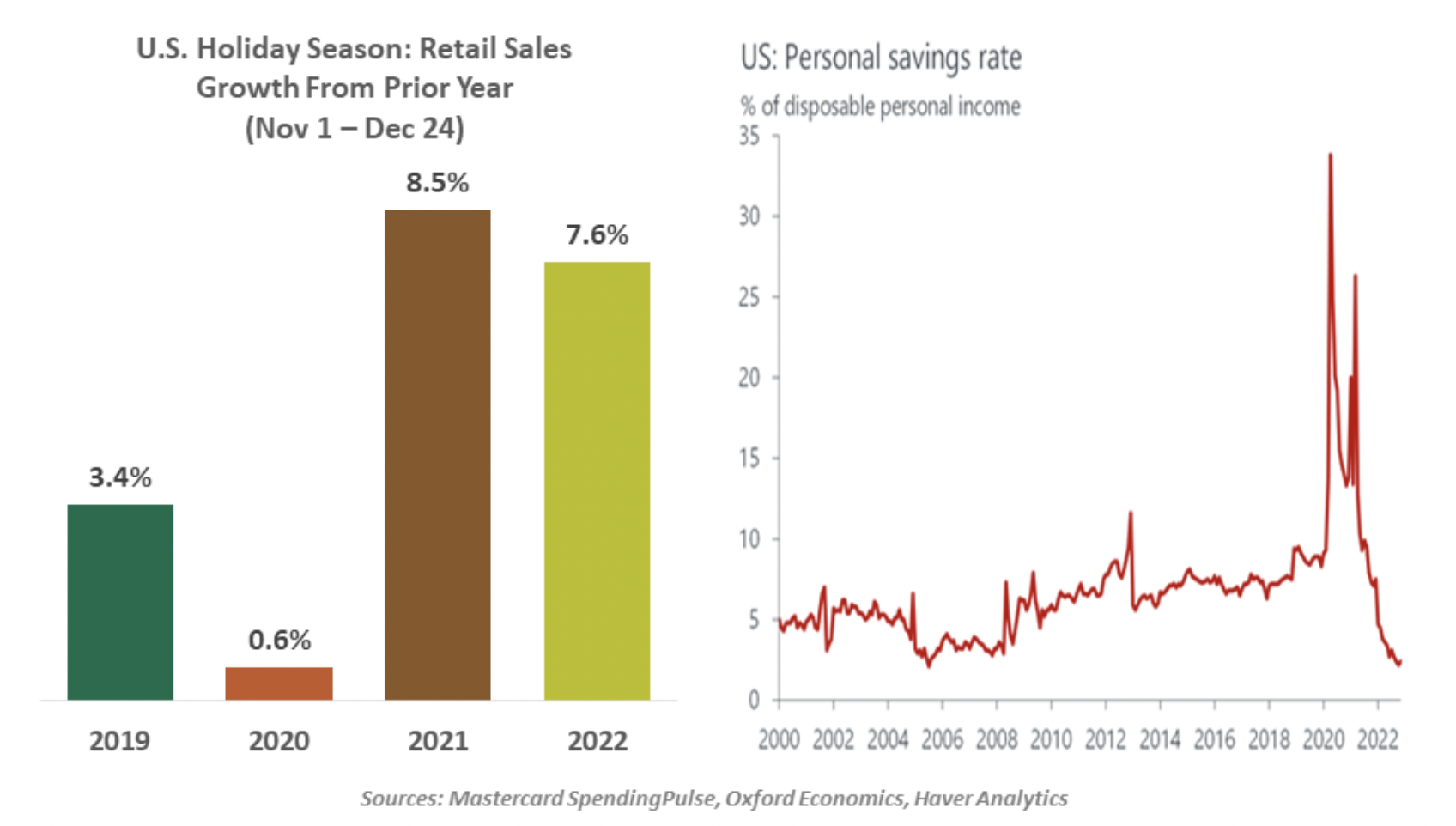
U.S. consumers did not slow their spending over the holidays.
One of the biggest breakdowns has been in the relationship between stocks and bonds. Stock prices and bond prices are usually not correlated, meaning bonds can serve as the cornerstone of a hedge when stock prices waver and drop.
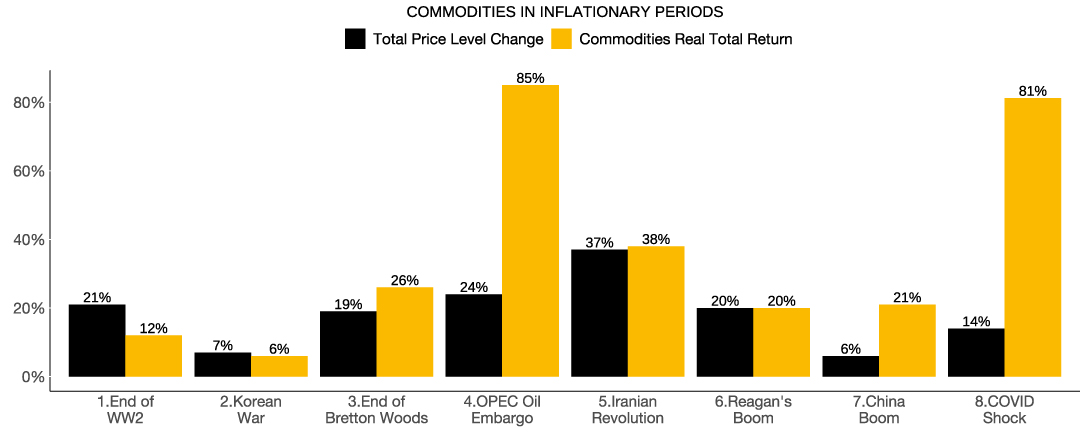
Commodities may seem like just another one of the bunch, but these products offer a unique way to invest your money in the market.
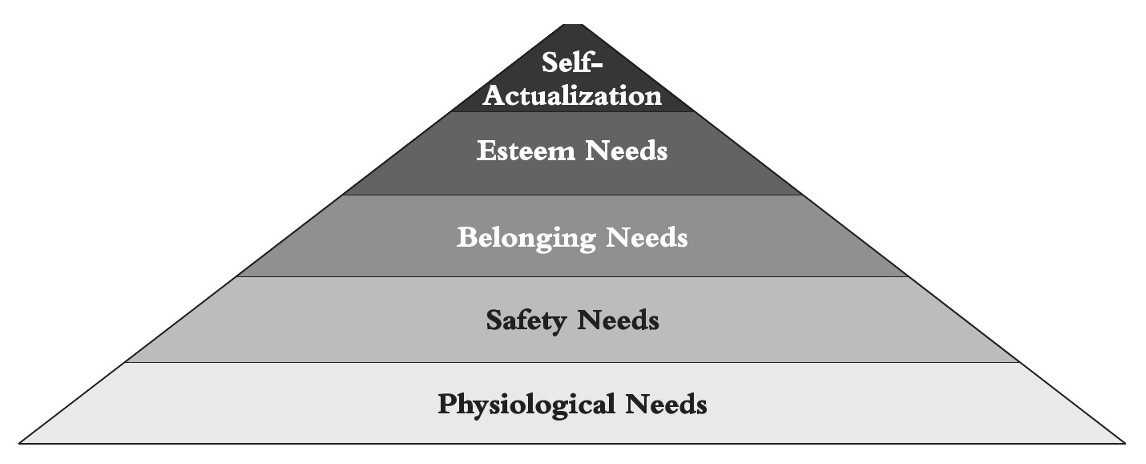
Consumption smoothing, the idea that individuals should budget to match savings and spending over their lifetimes, has been the subject of vast academic research. But a new study challenges basic assumptions and illustrates the divergence between financial theory and practical experience.