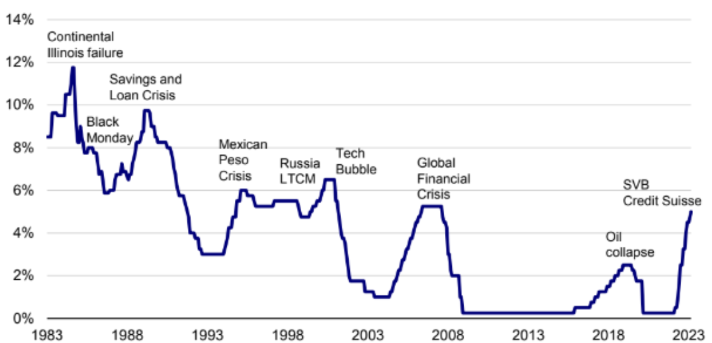
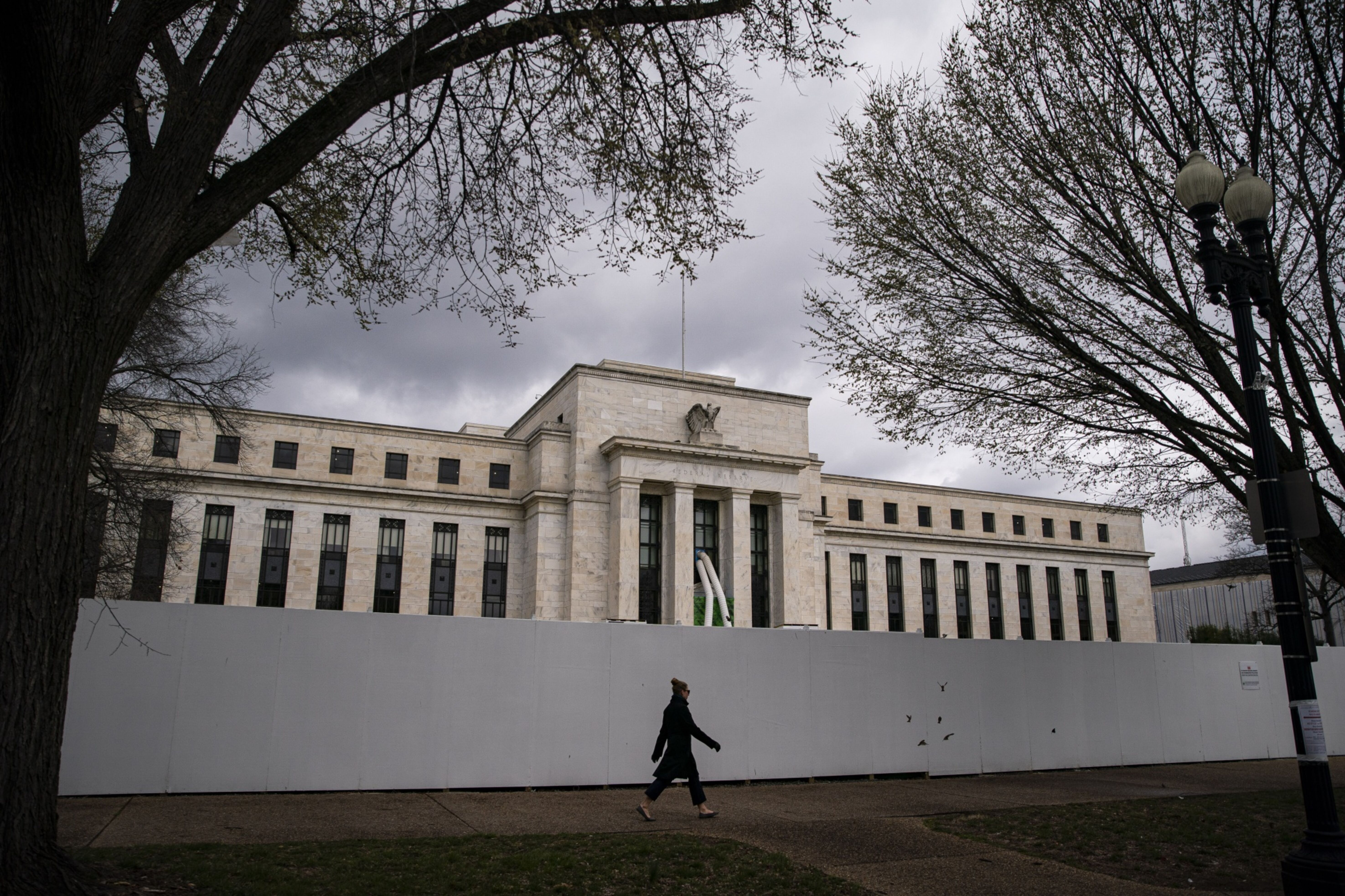
The risks for bond investors from next week’s Federal Reserve meeting go well beyond whether officials decide to raise interest rates again.
Emerging-market bulls are still upbeat on the asset class, even after China’s highly-touted reopening rally fizzled and proved Wall Street’s early 2023 optimism to be misplaced.
Despite high volatility in the bond market during the first half of the year, what's surprising is how much didn't change.
Copper is currently trading around $8,300 a ton, down approximately 26% from its all-time high of nearly $11,300, set in October 2021. According to Citigroup, the metal could top out at $15,000 a ton by 2025, a jump that would “make oil’s 2008 bull run look like child’s play.”
Emerging markets (EMs) are a big, heterogeneous universe of economies and markets that can be subject to big volatility. They also are a large and fertile hunting ground for investment opportunities. Stock picker Emily Fletcher offers a grand tour of the “wild” EM equity landscape.
While the Fed wants to retain optionality on further hikes and affirm rate cuts are not on the horizon for this year, we anticipate that slowing economic momentum and easing inflation pressures will lead to the beginning of an easing cycle in 2024.
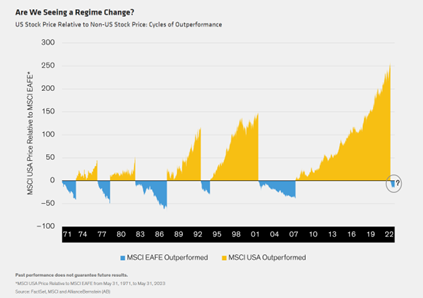
When it comes to their equity portfolios, US investors have historically exhibited a high degree of home-country bias. But in today’s fast-changing global market landscape, they may find that there are good reasons to rethink regional allocations to stocks.
As markets continue to respond to an uncertain macroeconomic environment, the current fundamentals in the municipal bond market are creating an investment opportunity to capture strong after-tax total returns according to Stephen Dover, Head of Franklin Templeton Institute.
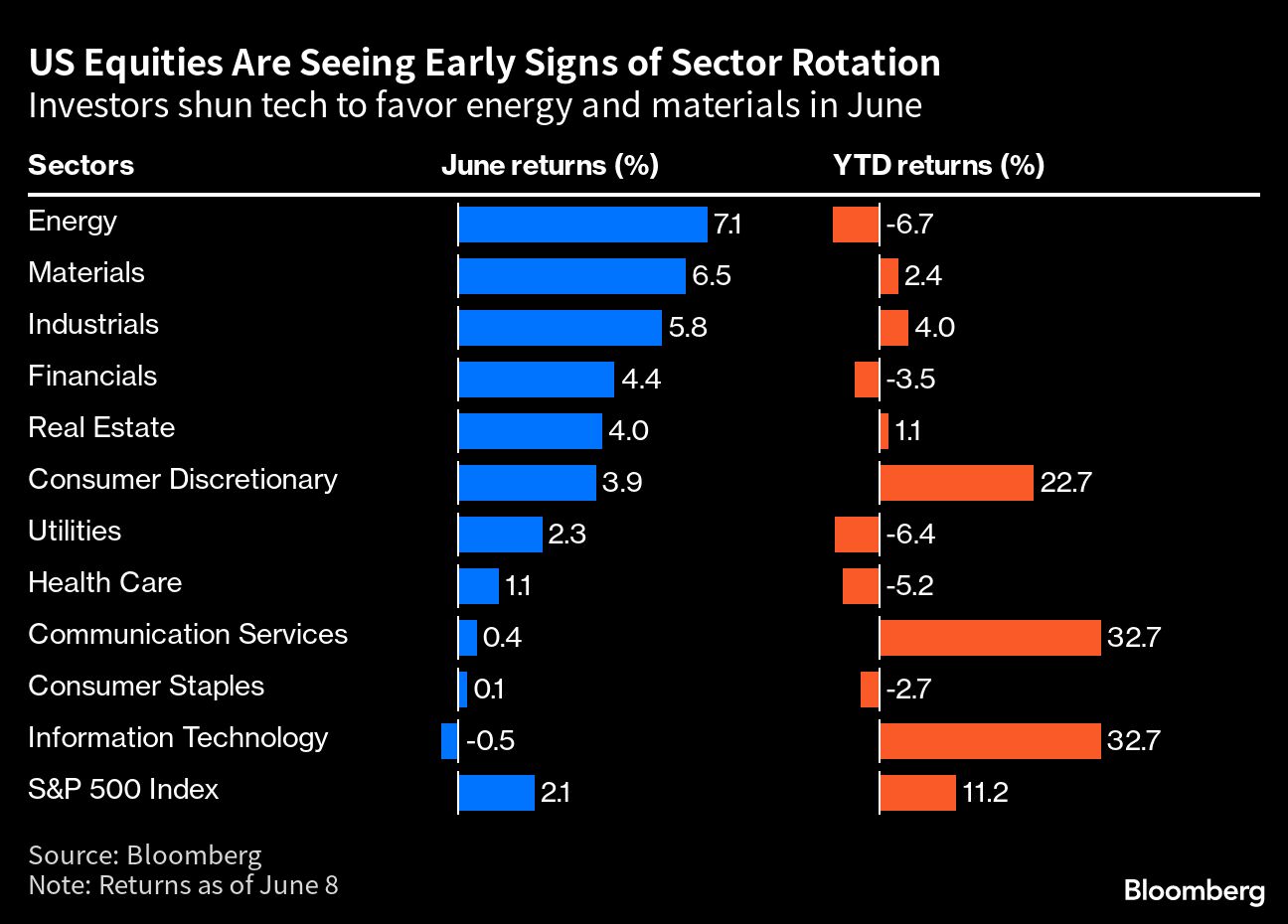
The artificial intelligence hype that has propelled US technology stocks in the past few weeks is showing signs of fatigue.
The punditry knows that clients dread uncertainty. They count on it. They prey on it.
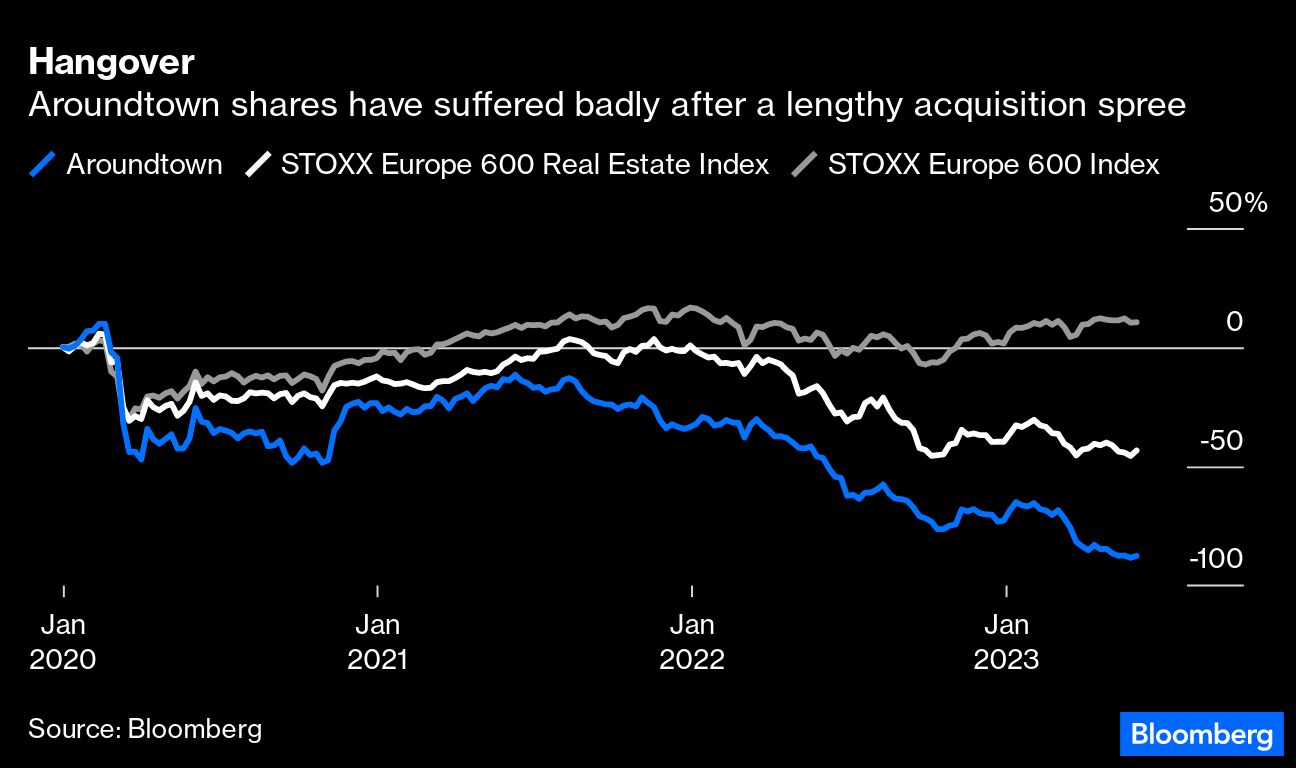
Spare a thought for the other AT1 crowd — not investors in Additional Tier 1 securities extinguished in Credit Suisse Group AG’s rescue, but shareholders in Aroundtown SA, the Frankfurt-listed property firm with the same stock-market ticker.
The Fed’s refusal to pause rates through the first five months of 2023 raises the odds of a hard landing. The magnitude of the yield-curve inversion has increased the risk inherent in the US banking and financial systems. The impending recession is unnecessary and self-inflicted.
If price stability is the legal mandate of the Bank of Japan (BOJ), and the central bank’s official target for price stability is 2%, as measured by the Consumer Price Index (CPI),* then why are fluctuations in prices the norm for Japan?
Andy Rothman provides a first-hand perspective from his first trip to Shanghai and Beijing since the start of COVID in 2019.
Transitioning into the post-COVID investment environment shifts the foundations of portfolio construction that investors relied on in recent decades. On full display in 2022, inflation and recession risk punished both bonds and stocks together to historic declines.
For this edition of Bull vs. Bear, Nick Peters-Golden and Karrie Gordon discussed the fundamentals for and against investing in Japan ETFs.
Of course, over 300,000 people getting new jobs is good in itself, particularly for those with newfound opportunities. But, for the last several years, as the “great resignation” took hold, there were not many new workers coming into the workforce, leading to falling unemployment.
The first few years of the 2020s have seen a number of acute economic, financial, and geopolitical disruptions on a worldwide scale, and it will take time for the ultimate consequences of these shocks to be fully felt.
Despite market headwinds, investors remain bullish on real estate. As traditional sectors, like office and retail, continue to underperform, farmland presents an opportunity for investors seeking capital preservation and downside protection.
We have used the word “unprecedented” to talk about the economy during and after COVID. We have never before locked down economic activity, while printing trillions of new dollars to help finance trillions of extra government borrowing to pay people not to work.
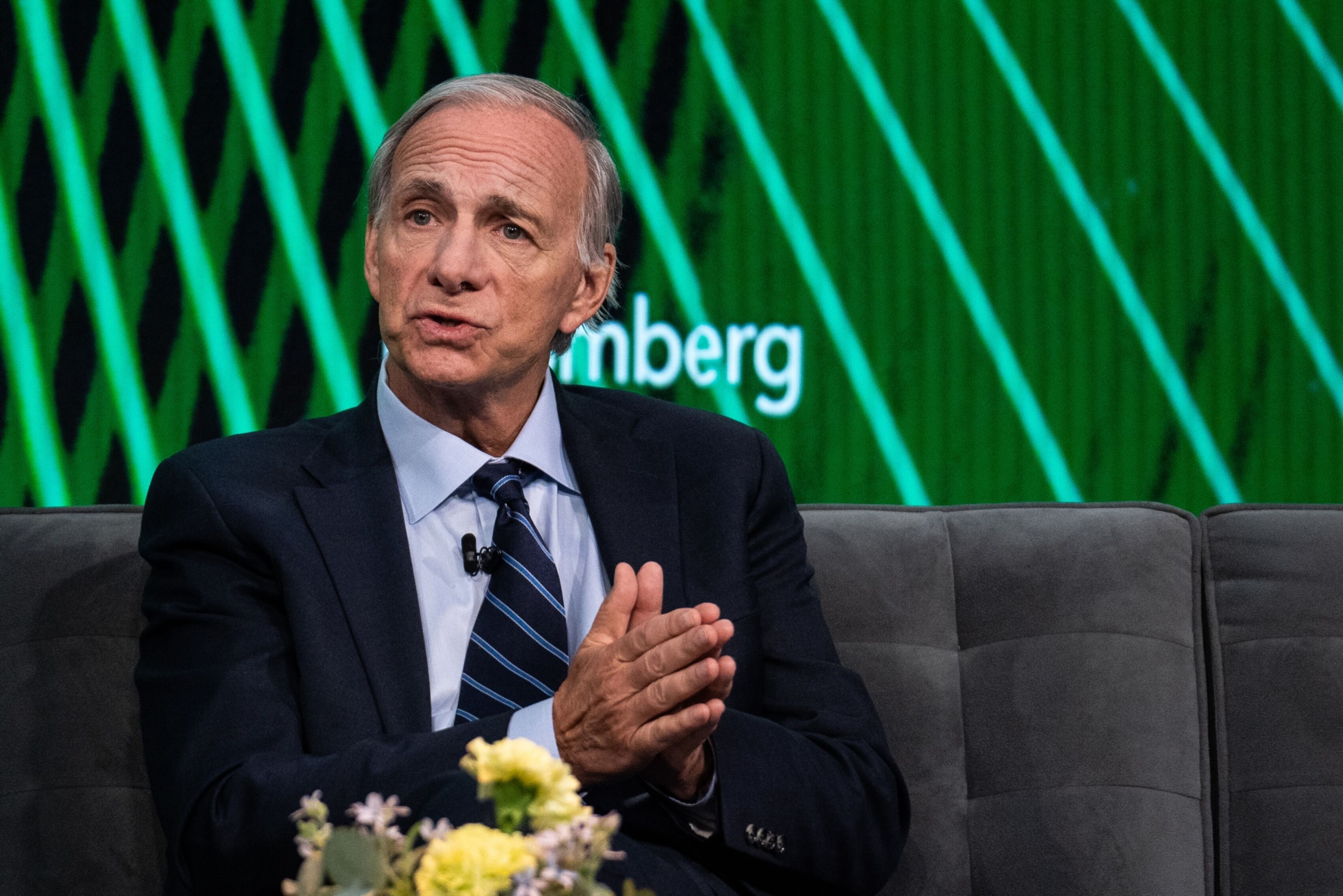
Billionaire Ray Dalio, the founder of Bridgewater Associates, said the US is seeing stubbornly high inflation along with elevated real interest rates.
Global bonds are slumping after two shock interest-rate hikes this week served traders a reality check that central banks are far from done fighting inflation.
The collapse of Silicon Valley Bank will likely lead to tighter credit conditions as banks pull back from lending. Private credit managers are poised to fill the void that banks have left and can negotiate favorable terms, according to Franklin Templeton Institute’s Tony Davidow.
Several key economic indicators are released every week to help provide insight into the overall health of the U.S. economy.
Zehrid Osmani, Head of Global Long-Term Unconstrained at Martin Currie, discusses the recent positive earnings reports from large U.S. banks and explains why their firm has no plans to invest in the banking sector.
Investors have had a lot to contend with thus far in 2023. Moderating economic growth, persistent inflation, volatile interest rates, falling profits, stress in the banking sector, war in Ukraine, and the debt ceiling debate all combined to weigh on sentiment.
“Owning bonds is better than white-knuckling it in stocks in an economy that is going into a recession,” Jeffrey Gundlach said.
The once-hot Wall Street trades of 2023 are all falling apart, in a fresh blow to market pros blindsided again and again ever since the pandemic broke out.
Chief Economist Eugenio J. Alemán discusses current economic conditions.
Top Silver Mining CEO: "On the demand side, it’s pretty phenomenal…"
We see the market’s focus returning to higher-for-longer rates and sticky inflation after a U.S. debt ceiling deal. We prefer an up-in-quality portfolio.
The drama characterizing the first half of 2023 may abate, with potentially milder returns for investors due to the effects of the Cardboard Box Recession.
Lately, we discussed macro-related market issues such as the” A.I., chase,” but a technical review can help manage shorter-term risks. Currently, the debate is about the market rally from the October lows. Is it a resumption of the 2009 bull market trend or an extended bear market rally?
Wall Street has been caught by surprise by a rally in local emerging-market debt, an asset class that’s been largely abandoned by foreign investors after a decade of underperformance.
For the majority of PayPal Holdings Inc. analysts, the only way is up. The trouble is, the stock keeps going down.
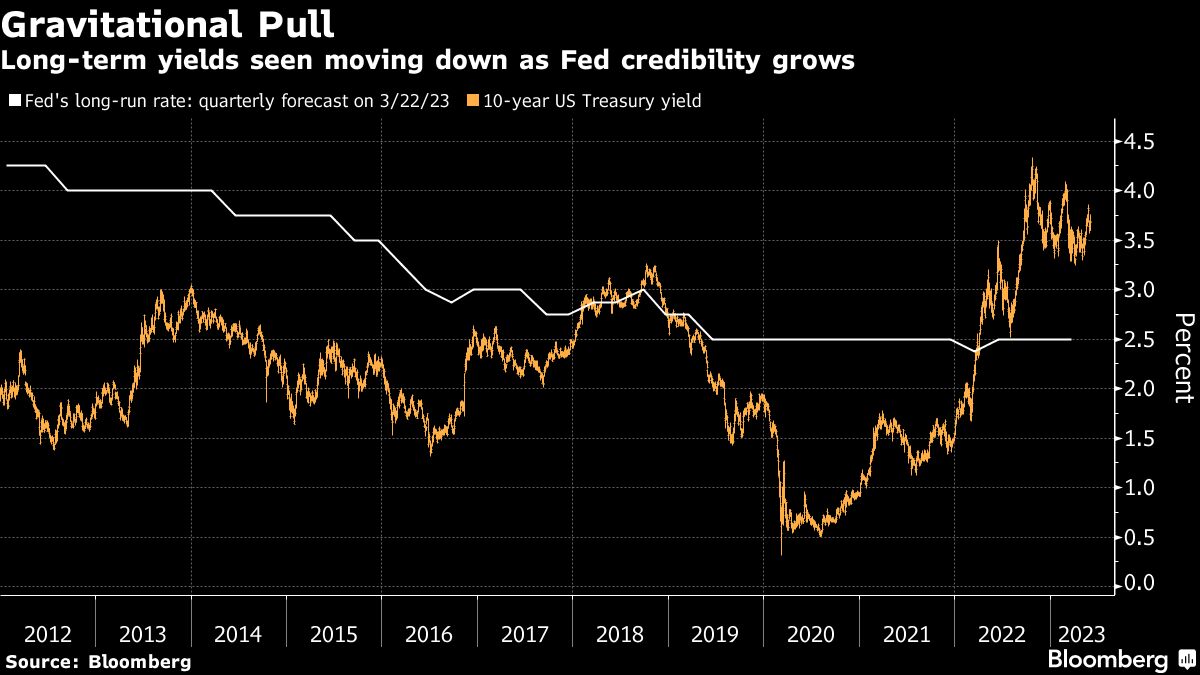
Two years after inflation surged, the Federal Reserve has made limited progress tamping it down. A coterie of investors in the bond market is betting not only that policymakers will win, but that they’re right in anticipating the era of low long-term interest rates will return.
In the United States, Core PCE Inflation is still 5.0% after a recent reversal in disinflation. This measure is followed by the Fed and excludes volatile food and energy inflation.
Portfolio Manager Alex Zarechnak identifies six key themes from the COVID years—some new, some familiar—to help anchor investors in today’s emerging markets.
The passage of the debt-ceiling deal removes a significant threat to the economy and markets. The focus now shifts back to where it’s been for the past 18 months: inflation, the Fed, and recession risks.
Tony Davidow, Senior Alternative Investment Strategist with Franklin Templeton Institute, illustrates the potential impact of adding alternative investments to pursue growth and income—as well as seek to dampen volatility—during the accumulation and distribution phases of retirement.
The US debt ceiling negotiations brought considerable volatility to market prices.
Nasdaq’s Alison Doyle goes around the world of ETFs, highlighting flows, trading, launches, and new filings. VettaFi’s Tom Lydon discusses recent advisor polling data including surveys on equal weighting, stock valuations, bond duration, and more. Zacks’ Sal Esposito explains the Zacks Earnings Consistent Portfolio ETF (ZECP).
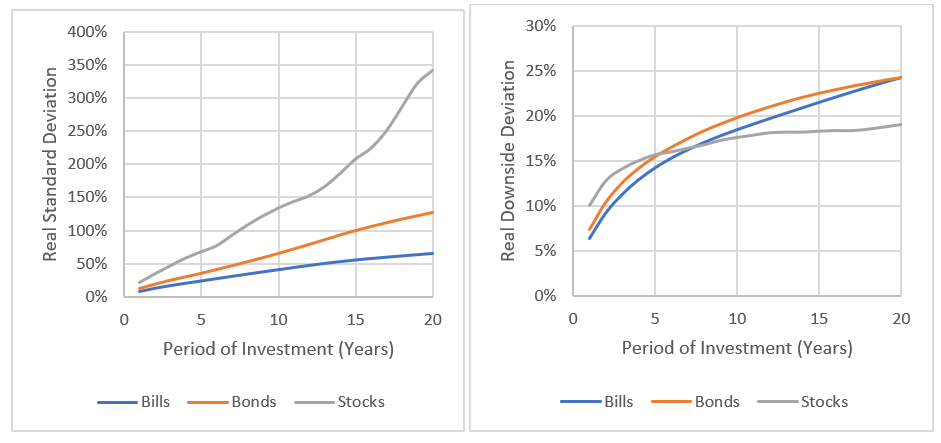
The empirical evidence supports Seigel’s general assertion that stocks beat inflation in the long run. But the inflation-hedging benefits of stocks aren’t perfect.
History suggests that a soft landing might be difficult, as the U.S. has entered a recession following the last five periods when inflation peaked above 5%.
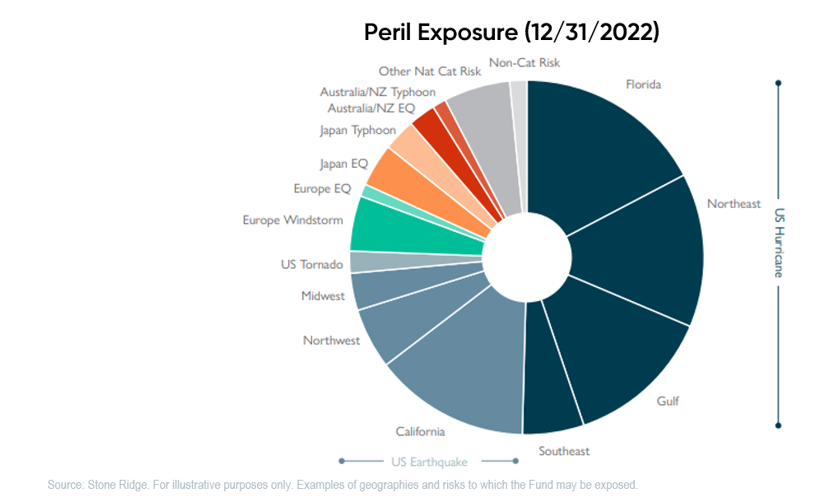
I will analyze the pros and cons of three funds to access the reinsurance market.
For over a year, bond traders have been whipsawed by uncertainty about how high the Federal Reserve will push interest rates.
As fast as it went up for value managers, it’s coming down. The culprit is the all-consuming craze for artificial intelligence.
Could monetary conditions be supportive of the “soft landing” scenario? While the “recession” versus “no recession” debate rages, there is a precedent for a “soft landing” scenario. Such is where the economy slows substantially but avoids a deeper contraction.
The industry group Airlines for America predicts that approximately 257 million people will travel on U.S. commercial airlines this summer, representing a 9.5% increase from last year. That would also set a new record, as volumes are projected to surpass the summer 2019 levels by around 2 million passengers.
“Crisis” is an overused word. Actual crises are those rare times when we are on the knife edge of disaster. It’s not a crisis when a bank fails, or Congress can’t agree on a budget. Those are annoyances (unless it's your bank). While not good, they don’t spell immediate catastrophe.