With so many moving pieces, and under such unconventional conditions, navigating today’s global economic landscape would be challenging for anyone. But even if we cannot anticipate every contingency, we can understand quite a lot by assessing the US Federal Reserve’s prospects for engineering a soft economic landing in the near term.
It’s curious: Even as America’s economic trends are improving, Americans’ economic anxieties are worsening — including those of many who have no apparent reason to be worried. Not only are there are polls and statistics that illustrate the point, but there are also anecdotes, lots of anecdotes.
Signs of slowing price pressures and wage growth have generated a lot of excitement about a soft landing for the US economy, where inflation glides back toward 2% without a painful recession.
As the 2023 earnings per share (EPS) recession narrative grows louder into the second half of the year, we expect the market to shift to discounting an EPS rebound. The best opportunities look to be in more economically sensitive and value sectors, which have been hit particularly hard this year.
Federal Reserve officials at their policy meeting in July largely remained concerned that inflation would fail to recede and that further interest-rate increases would be needed. At the same time, cracks in that consensus were also becoming more apparent.
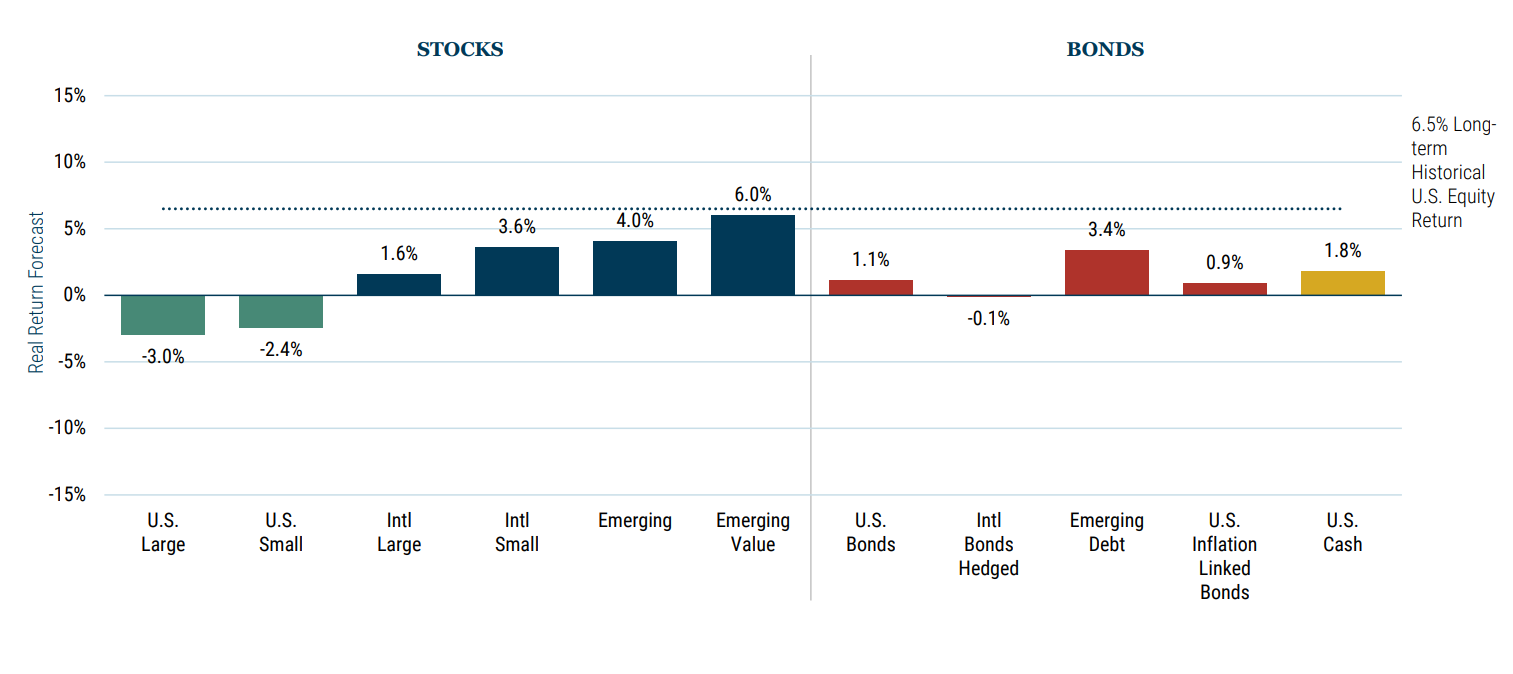
GMO 7-Year Asset Class Forecast: July 2023
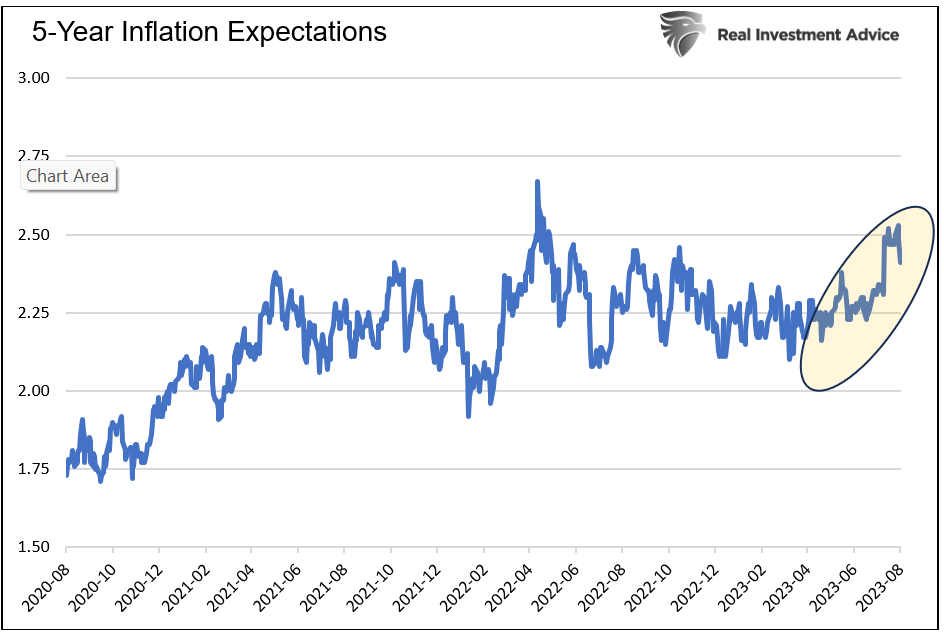
What if I told you that CPI is effectively at 2% now? Would the Fed's policy stance remain the same?
Christian Correa, Chief Investment Officer of Franklin Mutual Series, discusses his team’s top three themes for the back half of 2023: a less-gloomy US macroeconomic outlook, real asset investment and Japan’s rising sun.
U.S. corporate earnings have stagnated for a year, but Q2 beat a low bar. Expectations of improving margins look rosy. We stay selective in equities.
In a year of unpleasant surprises from China's economy, here's a development we should have foreseen: The central bank lowered interest rates. With growth disappointing and prices declining, Tuesday's easing from the People's Bank of China ought to have been a no-brainer.
Investors are the least pessimistic on stocks since February of last year, before the Federal Reserve began one of the most aggressive tightening cycles in decades, according to Bank of America Corp.’s latest global survey of fund managers.
Tax receipts are falling, which has historically preceded economic recessions.
Commodities stand to benefit from underinvestment and the clean energy transition.
It’s been an interesting first half of the year. Markets performed very well in the face of continued Fed tightening, calls for an imminent recession, a regional banking crisis, debt ceiling debate, and drama around an 11th-hour deal to avoid a default on U.S. debt.
While money market assets have risen in recent years, returns have historically lagged behind a diversified portfolio.
Wars cost money, and throughout history, countries have borrowed to fight them. There are plenty of examples of wars bankrupting countries, but the US was so dominant in the 1940s that at the end of World War II, its debt only cost about 1.8% of GDP to service.
The Agg is supposed to be to bonds what the S&P 500 Index is to equities. But it is an insufficient gauge for measuring the bond universe.
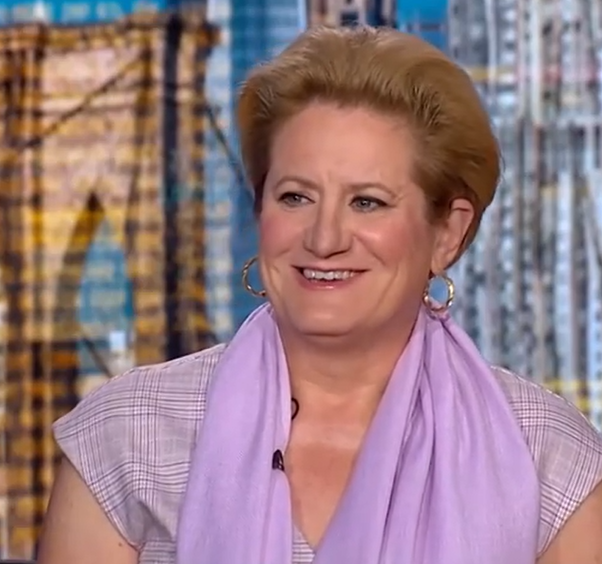
Anne Walsh, Chief Investment Officer of Guggenheim Partners Investment Management, joins Bloomberg TV to discuss the latest inflation data, the economic cycle, and portfolio positioning.
Investors are bailing out of the biggest exchange-traded fund devoted to Treasuries at the fastest pace since markets were hammered during the early months of the pandemic.
Is unlimited paid time off good for a company's stock price? Most investors think so, according to the latest Markets Live Pulse survey.
Unpacking the details of last week’s consumer price index report, the news was good: Inflationary pressure continues to slowly subside, while an economic “soft landing” — in which the Federal Reserve is able to stabilize prices without causing a recession — is starting to look more realistic.
The yield on the 10-year note ended August 11, 2023, at 4.16%, the two-year note ended at 4.89%, and the 30-year at 4.24%.
Since World War II, the US Dollar (USD) has served as the world’s preeminent ‘reserve currency’ – the means of exchange for most of the rest of the world to do business.
Geopolitics is driving new interest in industrial policy.
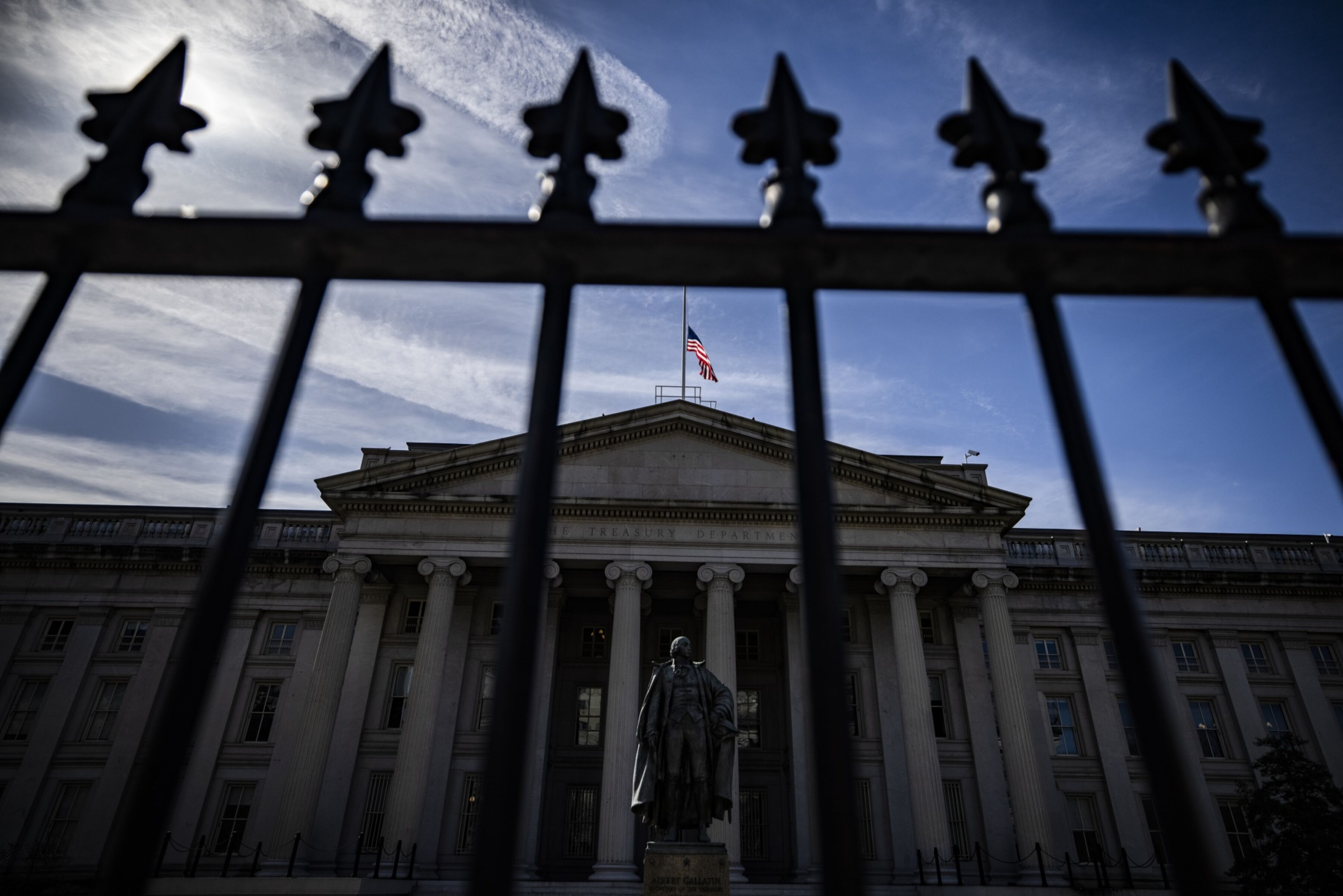
A cruder version of the above phrase, “Mess Around and Find Out”, has gained popularity in the American vocabulary. Politicians keep messing around with the creditworthiness of the nation’s sovereign debt. On August 1st, they found out.
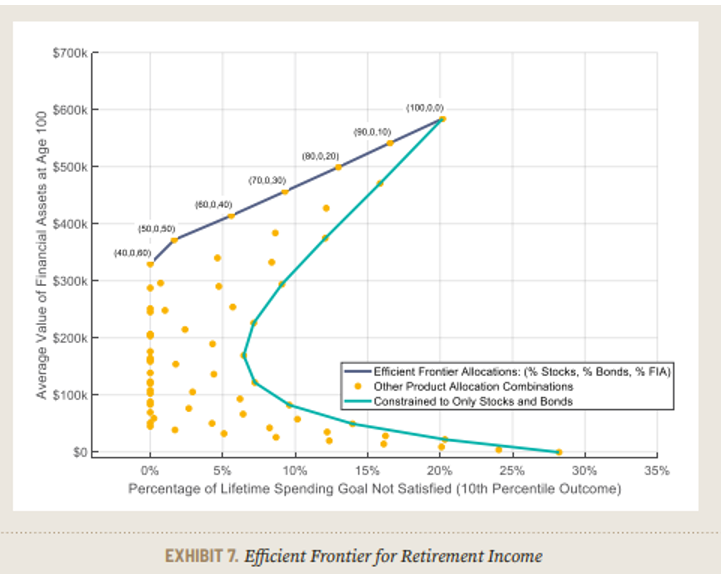
When adjusting for more realistic assumptions and considering the fact that the insurance company can change return caps and that inflation is both an unknown and deep risk, an FIA, along with most annuities, is not on the efficient frontier in either accumulation or decumulation phases.
The old playbook of selling emerging-market bonds when Treasury yields spike is being upended by the positive dynamics favoring developing-nation debt.
Across Wall Street, there’s growing relief that the Federal Reserve — at long last — may be done raising interest rates. But that doesn’t mean turbulence in the bond market will soon become a thing of the past.
There is a rhythm to the markets, and market cycle lows support bull market recoveries. Recently, Ed Yardeni made a bold prediction that the S&P 500 index could hit a high of 5400 in 2024.
Given the current economic backdrop, where can investment opportunities be found, particularly within the fixed income asset class? Head of Franklin Templeton Institute Stephen Dover shares his key takeaways from a panel discussion that he moderated with fixed income experts within the company.
For the years following the Lehman crisis, the Fed put was the norm. Exceptionally loose monetary policy ensured risk assets had a safety net. But central banks were unable to rehabilitate the real economy while governments kept their belts tight.
Will the economy roll into a formal recession, or is a recovery underway? It's a close call.
A team of scientists claimed to have created a breakthrough material that could superconduct electricity at room temperatures and ambient pressure. But then people started trying to replicate the experiment.
With the second half of 2023 underway, how are the macro and market landscapes unfolding?
David Dali, Head of Portfolio Strategy, provides his 12-month outlook for global equity markets.
For the better part of the last century, the largest companies in the world were those that produced physical property – traditional transportation machines, the energy that powered them, or the capital that financed them.
Analysts at Goldman Sachs Group Inc. say that a number of key green sectors remain meaningfully underpriced.
Recession? Soft Landing? Getting a read on where the US economy is headed hasn’t been easy.
Effective tax planning means thinking about how tax rates might change.
Once again, markets are taking the elevator while economic data takes the stairs.
Investors hammered Chinese assets and those of developing nations relying on its sustained growth a day after US President Joe Biden described the country’s economic woes as a “ticking time bomb.”
With that, the economy would avoid a recession, interest rates would fall in an orderly fashion, stocks would build on their already impressive gains, and highly levered corporate exposures would be normalized methodically.
The consumer price index report for July showed the smallest back-to-back monthly increase in two years. This is welcome news in the battle to tame inflation but the even better news was buried deep in the report.
Federal Reserve policymakers are increasingly likely to leave interest rates unchanged at their next meeting in September after fresh data showed further signs of cooling inflation.
It could take just a 1% move in the S&P 500 — up or down — every day for a week for the rally in US stocks to come under significant pressure.
The potential for a Fed pause presents an opportunity for investors to consider adding duration back into their portfolios.
Public and private projects are fueling a new building boom.
Flagging office occupancy rates have municipal bond investors concerned. But US cities have more than one card to play in the revenue game.
In 1949, the list of the country’s most affluent metropolitan areas was dominated by Midwestern industrial cities.
In the spring of 2022, the US economy went through an abrupt shift as consumer spending moved from goods to services. Travel boomed. Retailers slumped. Warehouses overflowed with inventory no one wanted to buy, and factories and the freight industry went through a recessionary adjustment.