Join the experts at Harbor Capital and PanAgora for a product due diligence session exploring the Harbor PanAgora Dynamic Large Cap Core ETF (INFO).
Clients do not need us to predict whether the next 10% move is up or down. They need help staying invested in a way that matches their goals, their time horizon, and their actual tolerance for risk. Staying invested is easier when clients understand what each part of the portfolio is designed to do.
Investors overwhelmingly recognize the value of financial planning, but a substantial planning gap remains. The desire for guidance is there. Access remains the challenge.
In the current macroeconomic landscape marked by higher-for-longer interest rates, investors looking to optimize their short-term capital allocations may want to consider collateralized loan obligations (CLOs) as a higher-yielding potential alternative to traditional cash proxies like money market funds.
At the party, hosted on a hot day last July at HPS business development head John Christmas’ New Jersey beach house, bandana-clad colleagues across his teams mingled poolside with the wind at their backs. With the addition of HPS, one of the biggest names in private credit, it seemed BlackRock was set to break through in the market in a way that had eluded the asset manager for years.
Wall Street is racing to roll out complex investment products tied to SpaceX shares that aim to shield buyers from future losses amid a sharp selloff following its market debut.
The US dollar will weaken if the Federal Reserve leaves interest rates unchanged this week, according to TD Securities.
Leverage, ratings arbitrage, liquidity transformation, and a growing willingness to embrace complexity and illiquidity are becoming more visible across parts of the financial system.
The market encountered its stiffest test in months last week as rising oil prices, higher bond yields, and renewed scrutiny of AI capital spending combined to pressure many of the year’s biggest winners. Easing tensions over the weekend have buoyed stocks. If the Strait of Hormuz was opened, I believe the market would be 5% to 10% higher.
As the Q2 earnings season kicks into high gear, market sentiment around the AI trade is undergoing a critical sanity check. Alphabet’s second quarter results last week served as a barometer for how Wall Street is weighing artificial intelligence investments against current profitability.
Without the support of rate cuts by the Federal Reserve, it’s been a lethargic year in terms of performance by municipal bonds and the related ETFs, but that doesn’t mean advisors and fixed income investors should ignore this bond segment.
Chris Galipeau discusses high-conviction insights that go beyond media headlines.
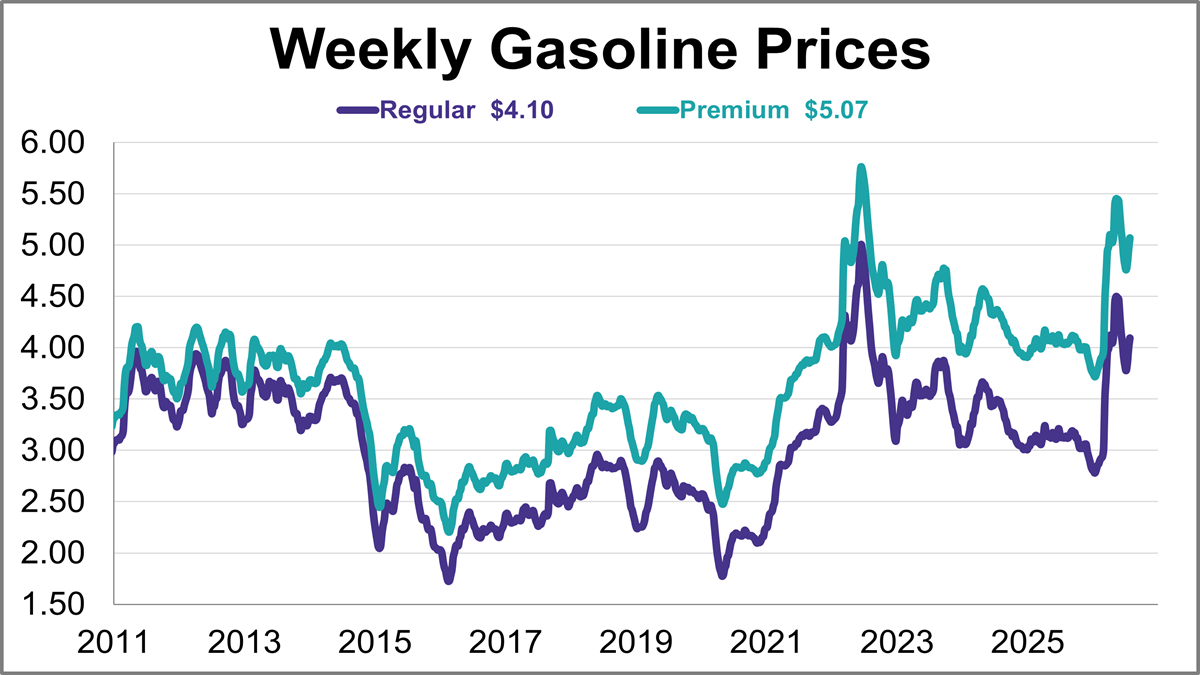
Gasoline prices jumped for a third straight week, reaching their highest level in almost two months.
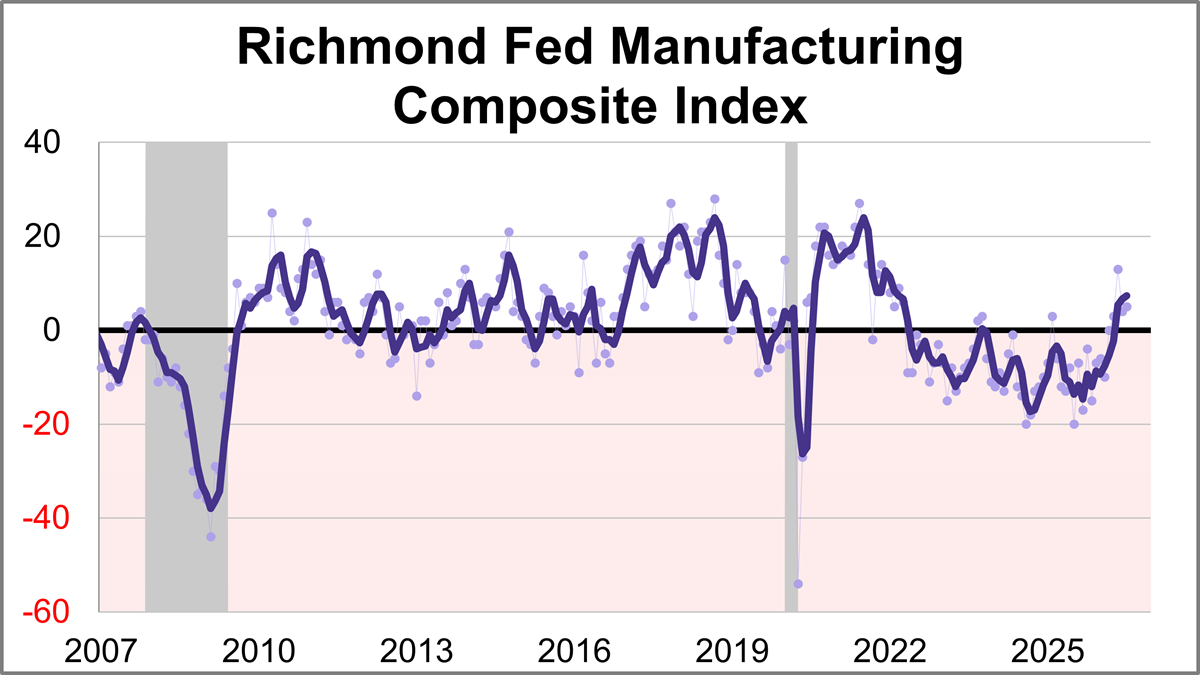
Fifth district manufacturing activity was mostly flat in July, according to the most recent survey from the Federal Reserve Bank of Richmond. The composite manufacturing index inched up one point to 5, marking the fourth consecutive positive reading.
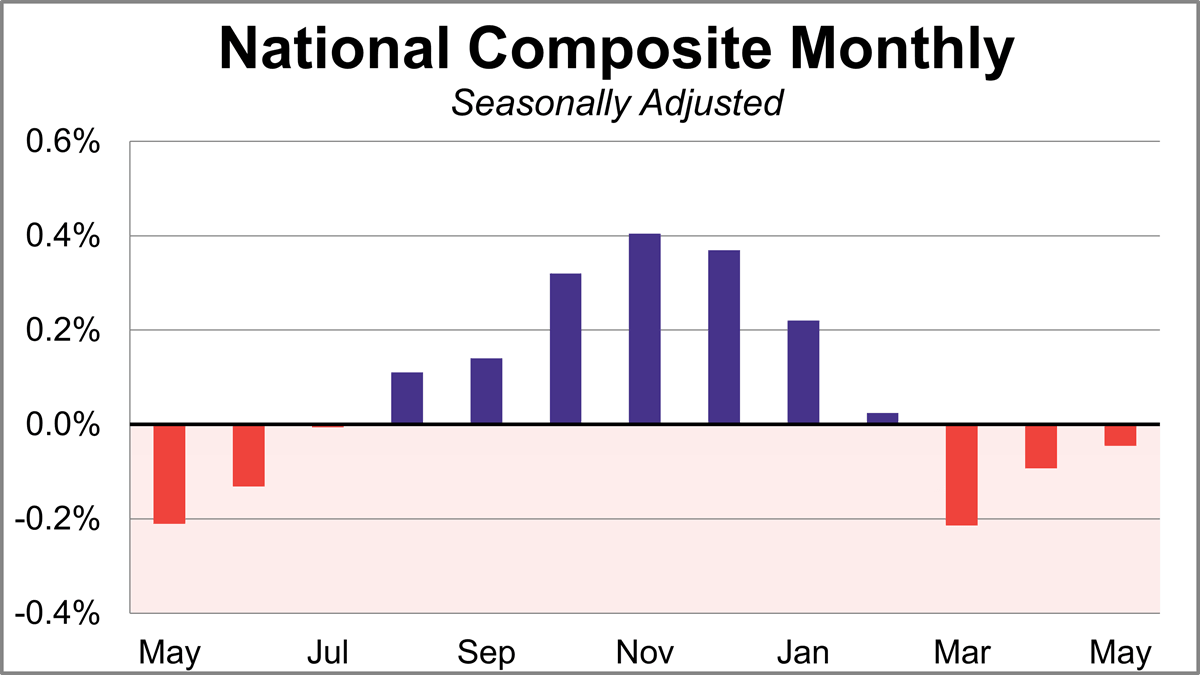
Home prices fell for a third straight month in May according to the S&P Cotality Case-Shiller index, as the housing slowdown continues. On a seasonally adjusted basis, the national index was essentially flat month-over-month and was up 1.1% year-over-year.
Discover Aberdeen’s closed-end funds (CEFs) for high yields, illiquid assets, long-term investments, and resilient income for 2026.
As equity compensation becomes a larger component of employee wealth, financial advisors are helping clients navigate the complexities of stock options, RSUs (restricted stock units), and ESPPs (employee stock purchase plans). Here, three financial advisors discuss how to balance the upside potential of equity awards with tax planning, concentration risk, diversification, and strategic exercise decisions.
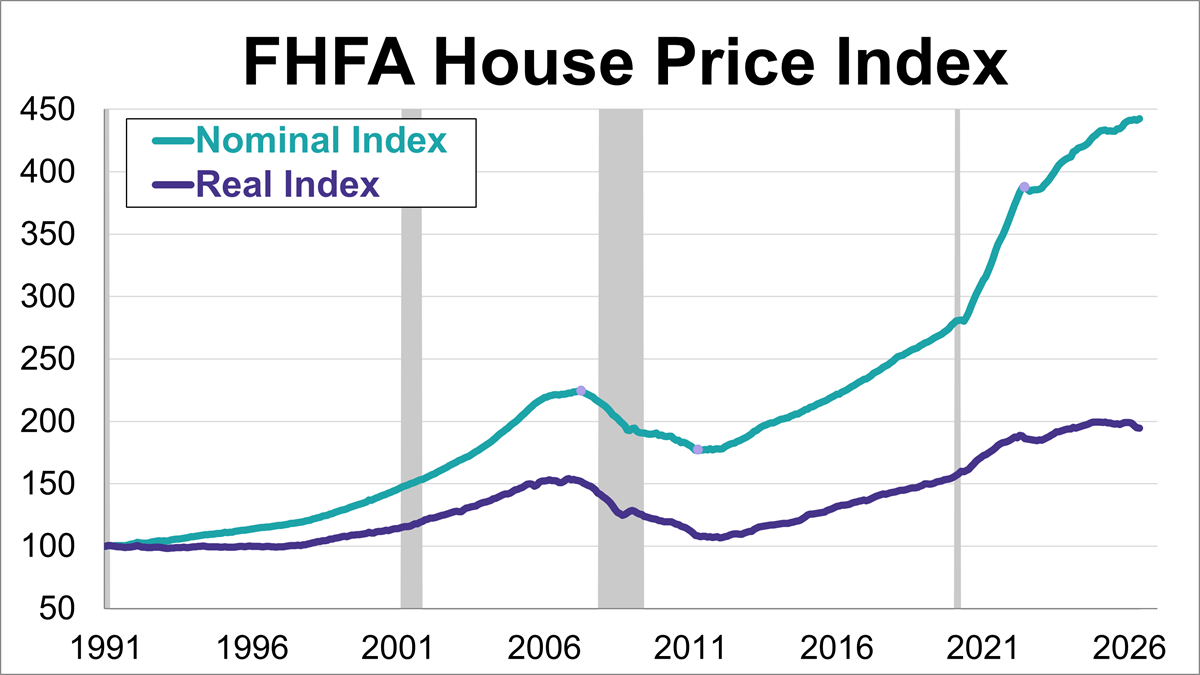
The Federal Housing Finance Agency (FHFA) House Price Index (HPI) rose more than expected in May, reaching a new record high.
Pimco has been one of the loudest voices warning of risks in private debt markets, and Ivascyn, 56, has cautioned on the trillions of dollars pouring into the infrastructure underpinning the artificial intelligence boom.
It’s becoming increasingly clear that tariff tensions between the United States and the rest of the world won’t be going away any time soon. Last Friday, the U.S. imposed a series of tariffs on 60 different trading partners, including China, Canada, and the European Union.
US state and local government debt hit its cheapest level since the spring, after inflation fears caused municipal bonds to see their worst week of returns since April 2025.
On July 28, Morgan Stanley launched two new spot crypto ETFs on NYSE Arca. The Morgan Stanley Ethereum Trust (MSSE) and the Morgan Stanley Solana Trust (MSOL) provide spot price exposure to underlying ethereum (ETH) and solana (SOL), alongside additional distributions from staking yields.
Brent crude crossed above $100 a barrel this week, all due to a 20-mile-wide stretch of water some 6,500 miles away from the U.S. Tanker traffic through the Strait of Hormuz—the Persian Gulf bottleneck that carried roughly a fifth of the world’s seaborne oil before the fighting started—has fallen to virtually zero.
Microsoft Corp., Meta Platforms Inc. and Amazon.com Inc. face renewed investor anxiety over their debt-fueled capital expenditure plans after Alphabet Inc. raised the upper end of its spending forecast this year by as much as $15 billion.
As markets place a greater premium on shareholder-friendly capital allocation, companies that consistently combine buybacks with dividends may be better positioned to outperform.
A wave of new active ETFs is reshaping the fund landscape, and advisors now need extra care when screening funds for their models.
Join the experts at SS&C ALPS Advisors, Ladenburg Thalmann, and VettaFi for a product due diligence session exploring the ALPS Electrification Infrastructure ETF (ELFY) and how it is designed to invest in companies supporting the electrification of everything.
The narrative presented in this article is uniquely suited only to the retirement scenario. (And it neglects such complications as tax-deferred accounts, etc.) Other investing narratives will be different — for example, those of pension funds or endowment funds.
To evaluate SpaceX from a fundamental perspective, investors need to quantify the implied growth in its valuation and compare it with both their own and market forecasts. In this article, we attempt to help by providing context for growth expectations, using Amazon’s history as a proxy. The question we pose is: What does the Amazon playbook require of SpaceX?
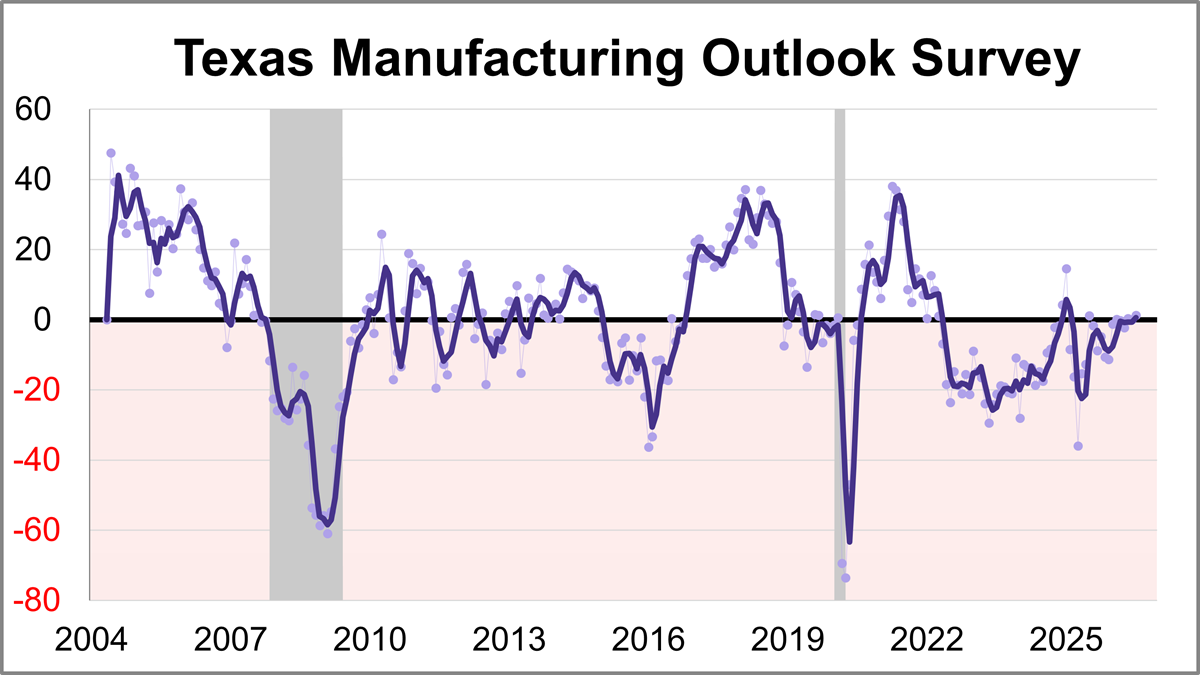
The Dallas Fed released its Texas Manufacturing Outlook Survey (TMOS) for July. The general business activity index rose 1.3 points to 1.3, indicating accelerated growth of manufacturing activity and improved business conditions perceptions.
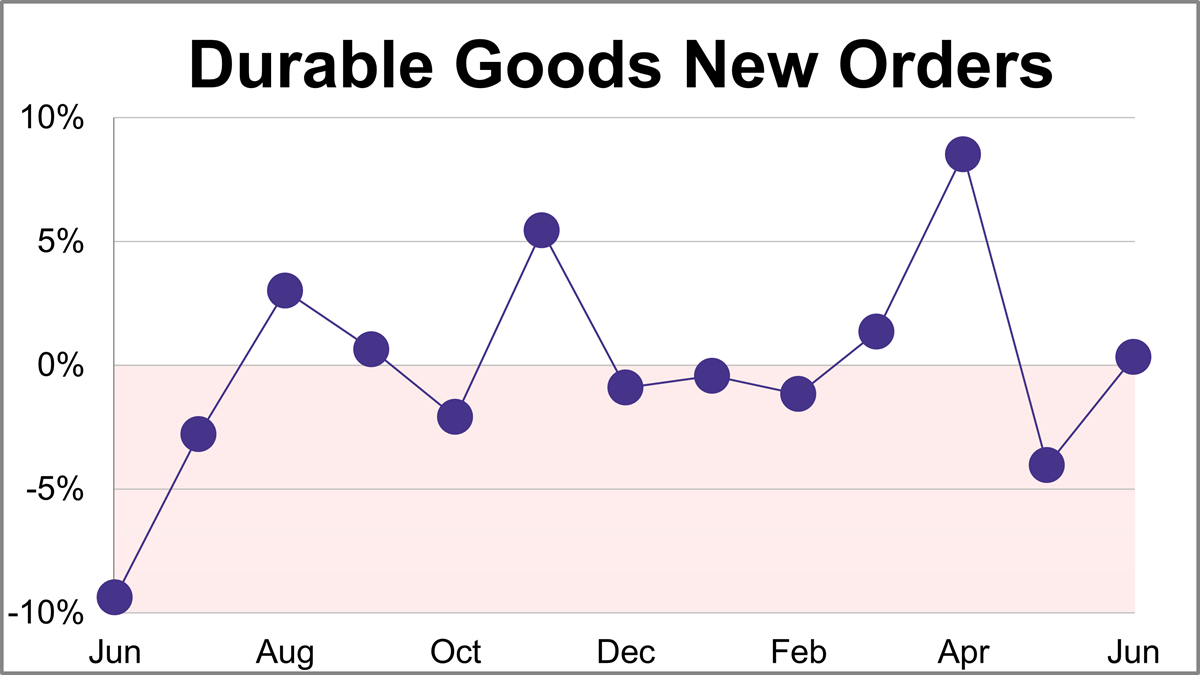
New orders for manufactured durable goods rose 0.3% in June to $334.77B, less than the projected 1.6% monthly growth.
June may have proven to be a difficult month for silver investors, but it’s likely far too soon to give up on the precious metal. To better understand this, it’s important to contextualize why silver’s price is struggling and why the metal’s long-term opportunities are still there.
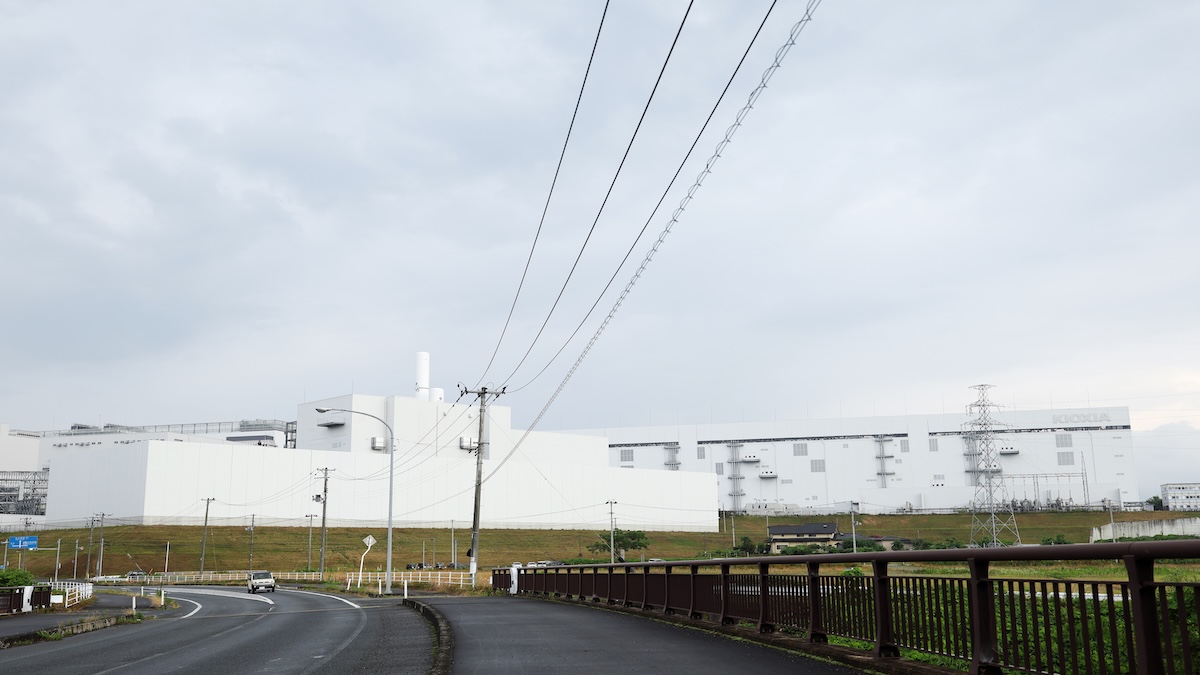
Kioxia Holdings Corp. faces more wild price swings with leveraged exchange-traded funds tracking the Japanese memory chipmaker’s shares set to be listed in the US.
The equity bull market is expected to continue through the second half of 2026, supported by resilient U.S. growth, AI investment and solid earnings.
The ETF market saw a push in capital away from the concentrated U.S. tech sector to defensive broad market exposure, short duration bonds, and commodities. The shift in flows is amplified by the semiconductor market pullback, interest rate uncertainty, and ongoing geopolitical tensions in the Middle East.
Election season often follows a familiar script. Investors debate congressional control, speculate on policy outcomes and search for clues about what markets might do next.
The U.S. energy sector has outperformed in 2026, driven primarily by geopolitical-related supply fears, elevated oil prices, and rising demand from the AI infrastructure buildout. While broad energy funds have also surged, investors can potentially enhance exposure by targeting specific segments of the energy market.
In June, market news continued to be dominated by the Middle East conflict as frequent flare-ups in hostilities gave way to repeated ceasefire efforts and the signing of a high-level memorandum of understanding between the US and Iran.
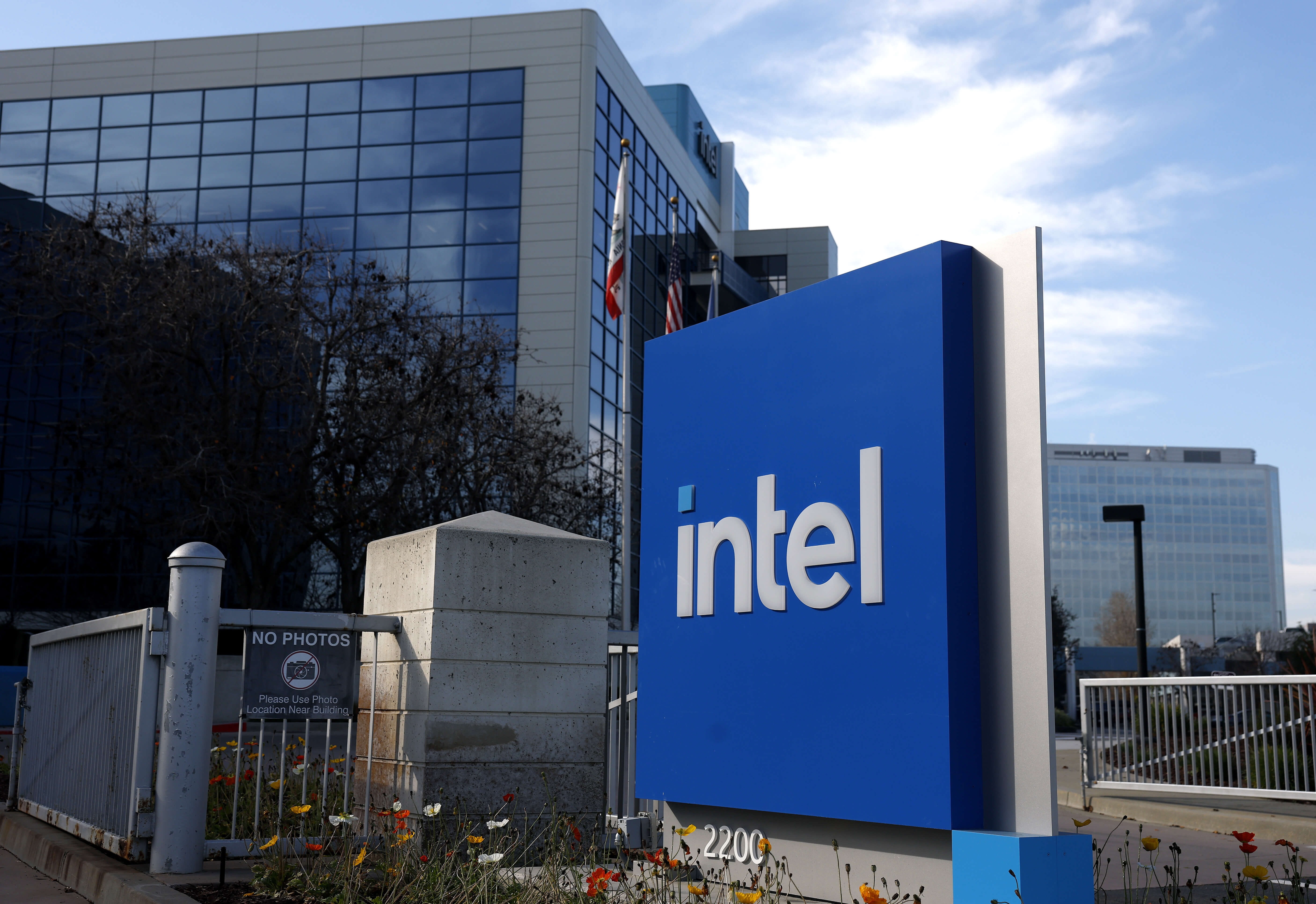
Semiconductor exchange-traded funds have gained more than 25% this year. Intel Corporation’s (INTC) second-quarter earnings report after today’s close could test whether that rally continues.
Research Affiliates and PIMCO leadership analyze key 2026 midyear market shifts, warning of elevated U.S. and AI equity valuations.
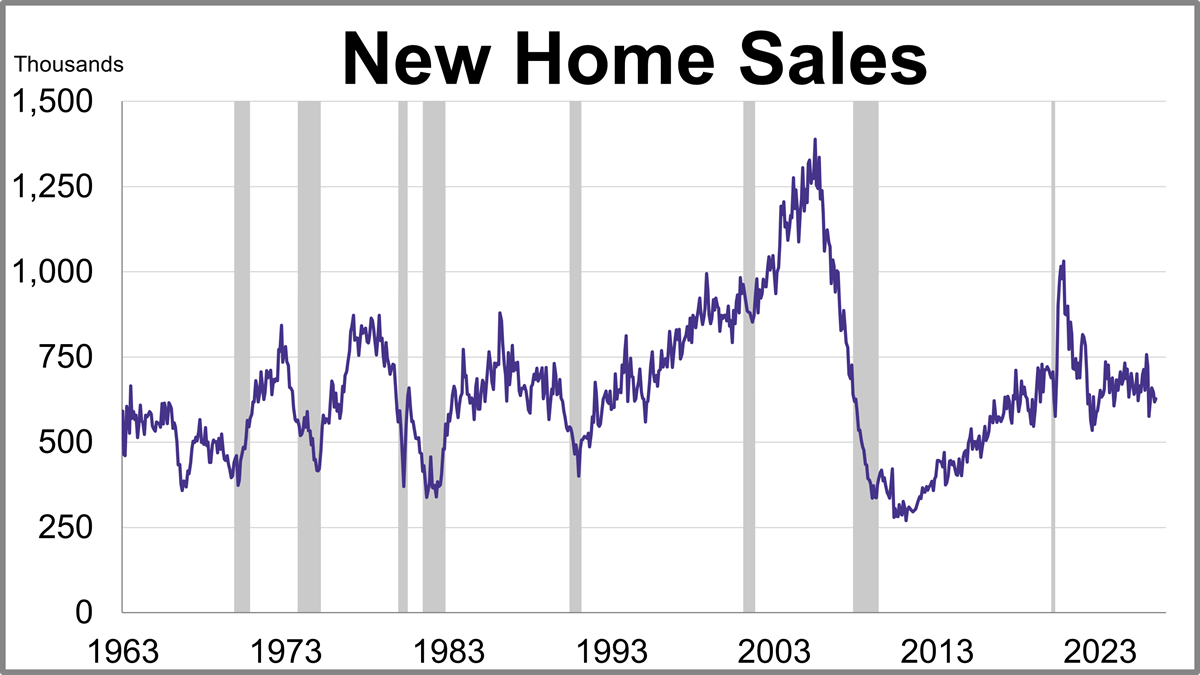
New home sales unexpectedly rose in June while the median price fell to its lowest level in almost a year.
Intel Corp.’s long-awaited turnaround is in progress, now that the artificial intelligence data center boom is fueling demand for its chips.
During periods of elevated market stress, including those that see pinched corporate bonds, collateralized Loan Obligations (CLOs) often outperform other corporate bond assets. Add to that, CLOs often emerge from those rough patches in strong form, delivering impressive returns a year after downturns.
US equity futures on Friday were little changed, indicating stocks are poised to steady from the deepest one-day drop in a month, as Brent crude prices fell below $100 a barrel and a selloff in Big Tech shares eased.
Those who are familiar with Vanguard’s ETF lineup are likely well-acquainted with the Vanguard S&P 500 ETF (VOO). After all, this fund — which provides low-cost exposure to the S&P 500 — is currently the largest fund in terms of AUM.
Washington, DC is stepping up to borrow $1.2 billion this week at its annual municipal debt sale, tapping the market as its credit stabilizes.
It's difficult to call any stretch a calm, quiet summer week, but this one would seemingly fit the bill. Earnings from Alphabet (GOOGL), Tesla (TSLA), and IBM (IBM) are the standouts, along with a slew of cyclicals reporting Q2 results.
Resilient earnings, improving industrial activity and the AI investment cycle should continue to support equities, according to Putnam Equity’s Shep Perkins. But the same forces driving the market higher are also making companies harder to value.
From severe wildfires in northern Ontario to record heat across Europe, extreme weather is back in the headlines. Such events are becoming more frequent and intense, and the risks associated with them are testing the limits of insurability. With our research partners at Columbia Climate School, we examine how strains on the insurance system can transmit climate-related risks through the capital markets.
Kevin Warsh’s early overhaul of Federal Reserve communication and policymaking suggests investors should prepare for a higher-for-longer rate environment with greater uncertainty around policy signals.