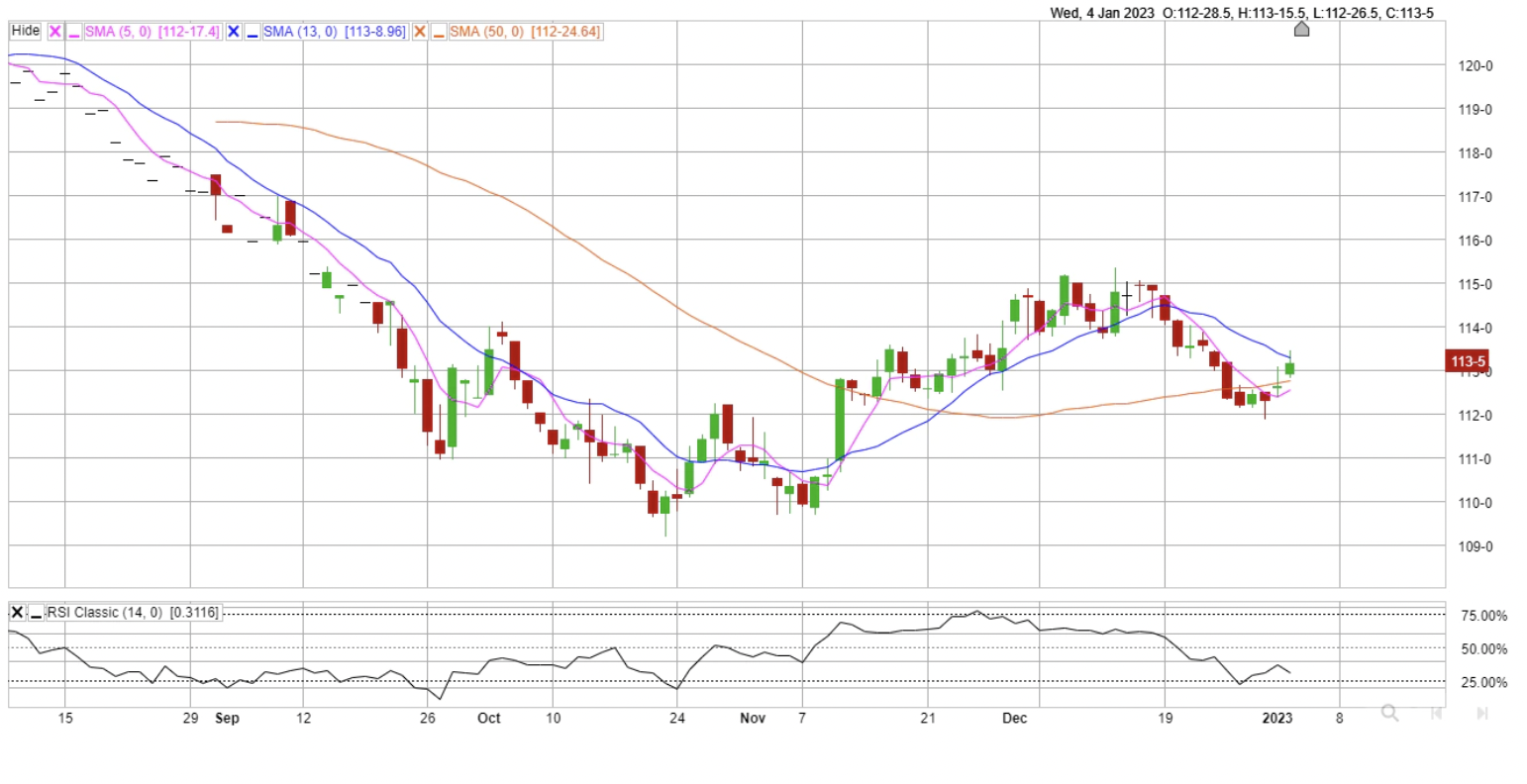
Overnight, traders pressed the Bank of Japan again on its Yield Curve Control (YCC).
It's easy to take the wrong signal from recent market strength.
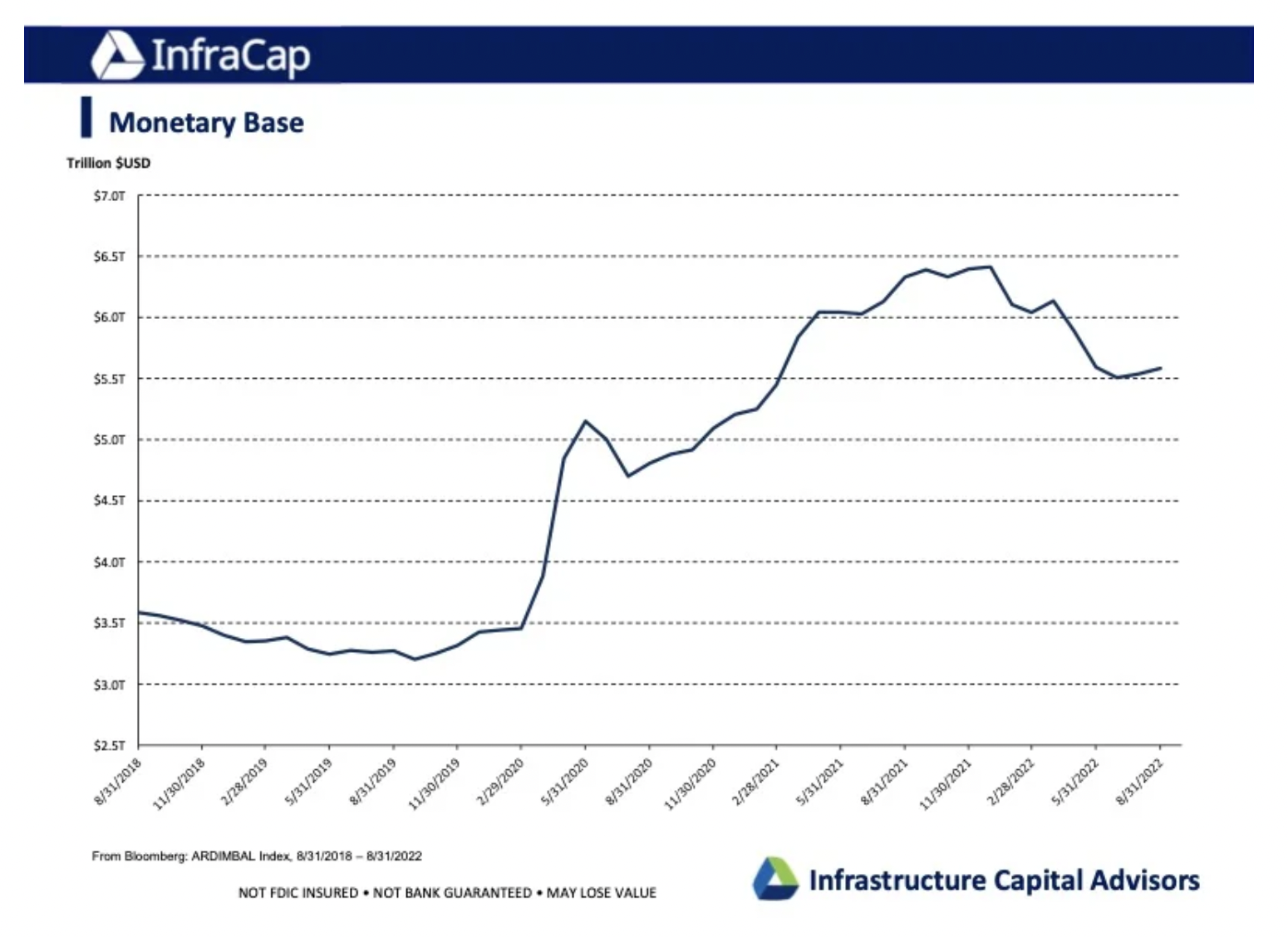
The team at Infrastructure Capital Advisors provides key insights and advice on current market conditions and economic outlook for this month and the coming months.
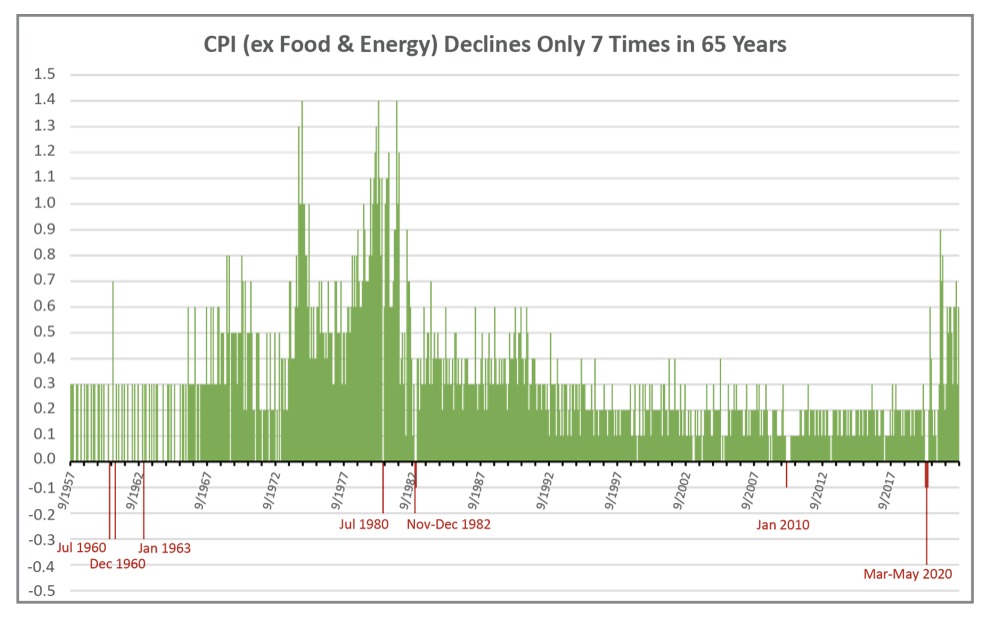
The inflation story took a turn for the better on Thursday when the government reported that the consumer price index fell 0.1% from a month earlier.
The Loomis Sayles Global Credit Sector Team discusses rate volatility, possibly deteriorating credit fundamentals and key technicals at play in the market.
US inflation slowed again in December — with luck, bringing forward the point at which the Federal Reserve can safely stop raising interest rates.
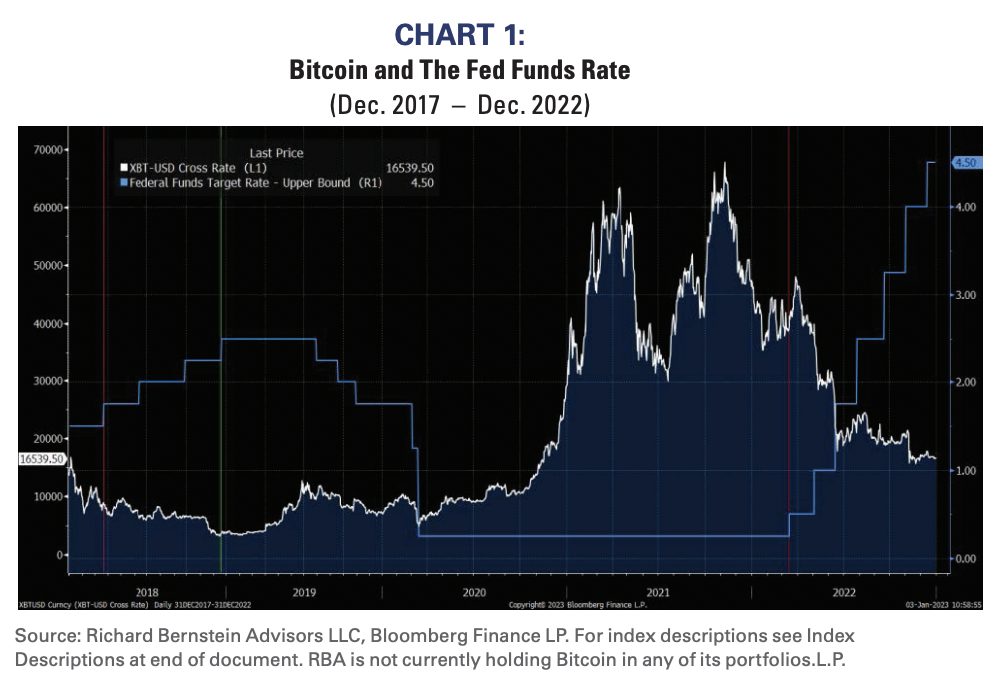
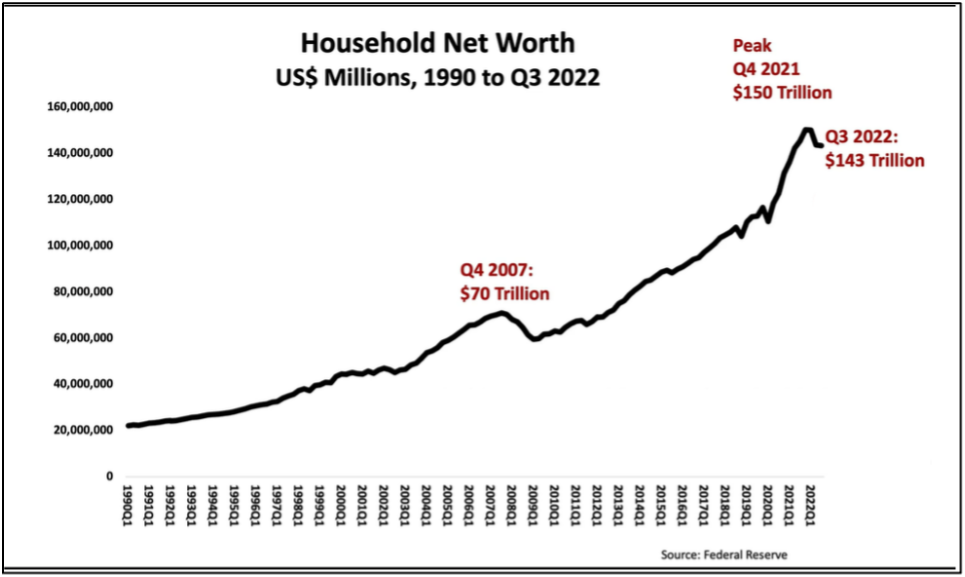
In 2022, inflation and interest rates both rose substantially, creating the near-term potential for a recession.
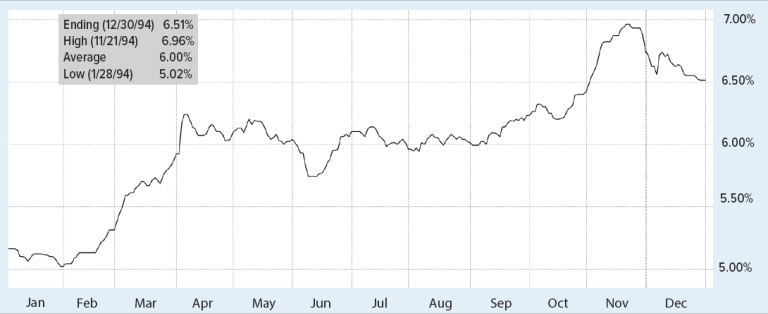
Current federal monetary policy, fixed income returns and economic landscape appear to closely parallel the bond bear markets in the 1990s.
U.S. equities are lower in pre-market trading with the Street digesting a slew of results from the banking sector to kick off Q4 earnings season.
U.S. stocks are choppy as the markets wrestle with the implications of a highly anticipated December consumer price inflation report that showed the headline figure declined but the core rate rose, both in line with expectations.
Throughout this year, Wealthspire Advisors’ Investment Team has spent significant time discussing inflation and the Federal Reserve and felt it was important to pivot towards the story in financial markets for 2022, which begins and ends with fixed income.
The six biggest Wall Street banks are expected to slash their corporate bond issuance in 2023 for a second year in a row, offering a bright spot for investors nursing record losses from the debt last year.
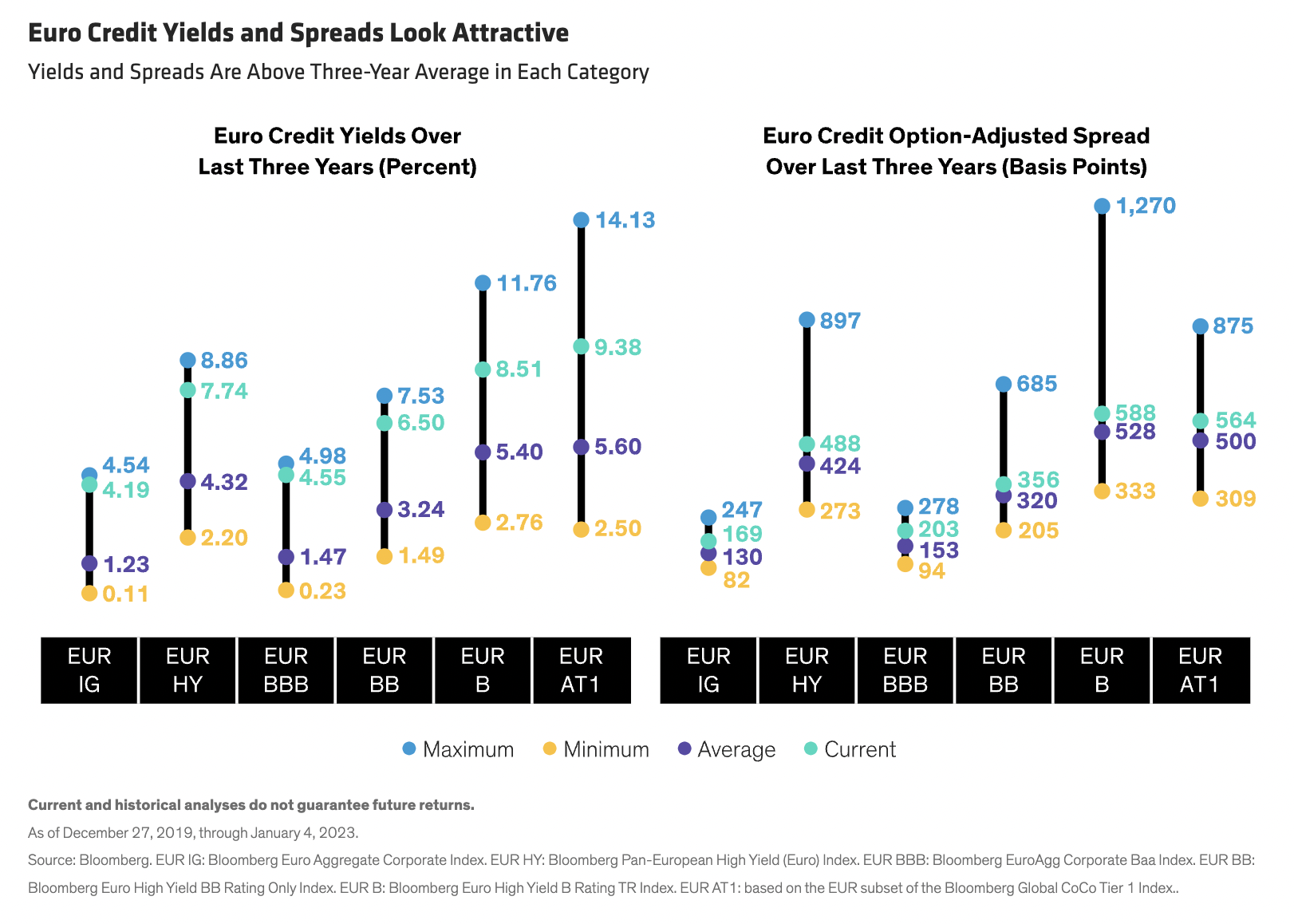
Demand for Europe’s debt sales has topped half a trillion euros already this year as investors seek to put money to work in bonds offering some of the highest yields in years.
Market volatility and the Federal Reserve's efforts to reduce inflation will continue to garner attention.
After enduring one of the worst years on record across asset classes, investors should find more cause for optimism in 2023, even as the global economy faces challenges.
A disaster for bulls, the yearlong tumble in American stocks has in some respects been almost as rough for the other side of the trade.
Federal Reserve officials are making a full-court-press effort to convince investors they won’t be slashing their benchmark interest rate before year’s end.
2023 may be another difficult year for investors who hope to relive the speculative markets of 2020 and 2021.
The bond market is much cheaper than the stock market, according to Jeffrey Gundlach. Investors should abandon the traditional 60/40 stock/bond allocation in favor of a 40/60 split.
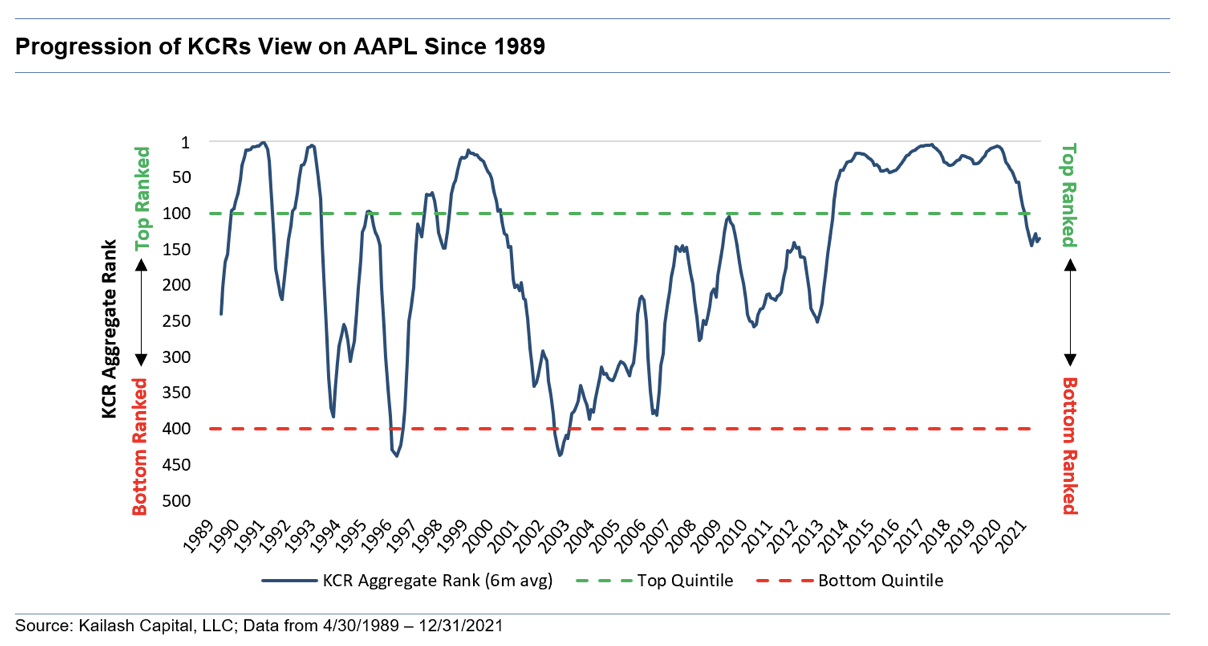
At KCR, we believe in the Quantamental Investment approach–a strategy that leverages the most useful aspects of both quantitative investing and fundamental investing.
Although inflation appears to have peaked, historical data suggests that prices are unlikely to reverse themselves, which could lead to an extended period of wage inflation.
With the aggressive pace of rate hikes in 2022 and inflation slowly starting to come down, we are optimistic that we are in the later stages of the tightening cycle.
Tight monetary policy and rising government debt will drive a regime of high interest rates, depressing stock prices and destroying the wealth of clients, most severely those at or near retirement.
Investors are bracing for a miserable stretch of earnings reports that will likely extend the dominance of value shares as Corporate America grapples with high inflation and rising borrowing costs, the latest MLIV Pulse survey shows.
Commodities may seem like just another one of the bunch, but these products offer a unique way to invest your money in the market.
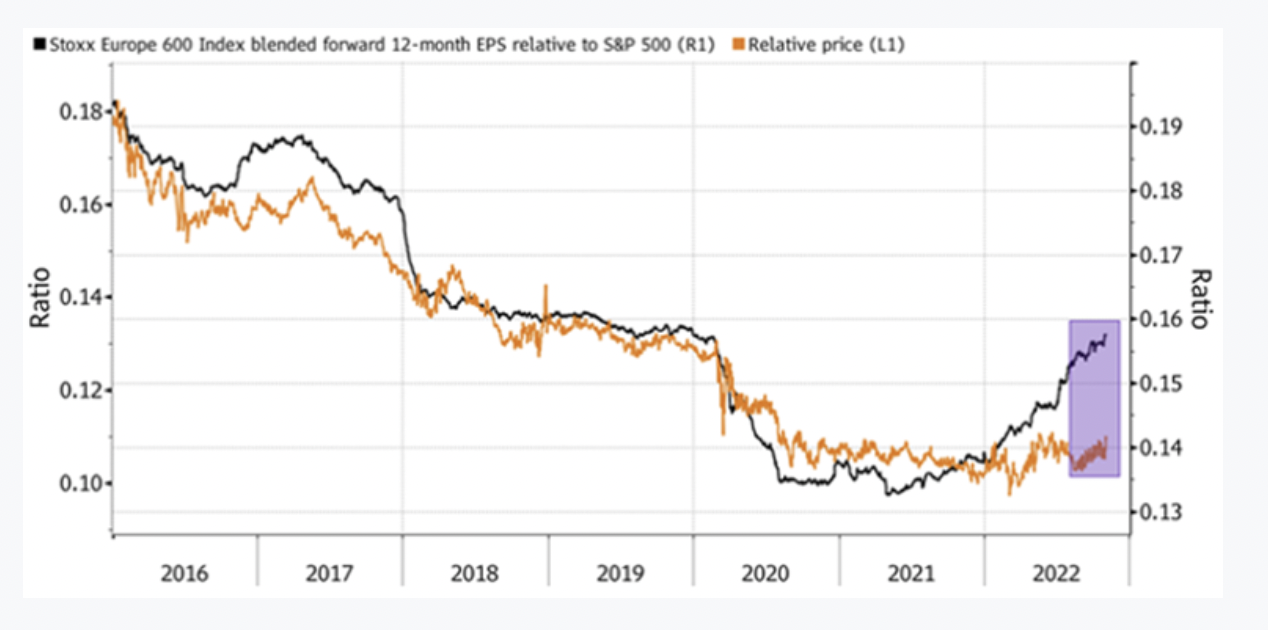
European bond-market performance was among the worst on record in 2022, as Europe ran the gamut of geopolitical, economic and market storms.
Review the latest portfolio strategy commentary from Mike Gibbs, managing director of Equity Portfolio and Technical Strategy.
Investors who use a 60/40 portfolio had a rough year. In the past, putting 60% in stocks and 40% in bonds has often helped investors hedge against losses in either asset class. But 2022 had other ideas.
In the rough year ahead, bonds might be one of the only bright spots. It would mark a dramatic turnaround from 2022, when bonds fell alongside almost every other asset class, posting their worst year in a generation.
Federal Reserve officials Friday stressed further interest-rate hikes are needed to tame inflation even though there are emerging signs that price pressures are cooling.
European governments are set to unleash a deluge of bonds into markets this year. Investors will demand either a further shift higher in yields or a substantial improvement in the region’s inflation outlook to digest the coming wave of supply...
One of the biggest hits in the $6.6 trillion exchange-traded fund industry last year has a worthy opponent in 2023: the bond market.
Municipal Bond Strategist Jim Grabovac shares his views on outflows, trends and opportunities in the municipal sector.
The U.S. economy continually showed its resiliency through a challenging year.
Bonds are bouncing into the new year after notching a record annual loss last year.
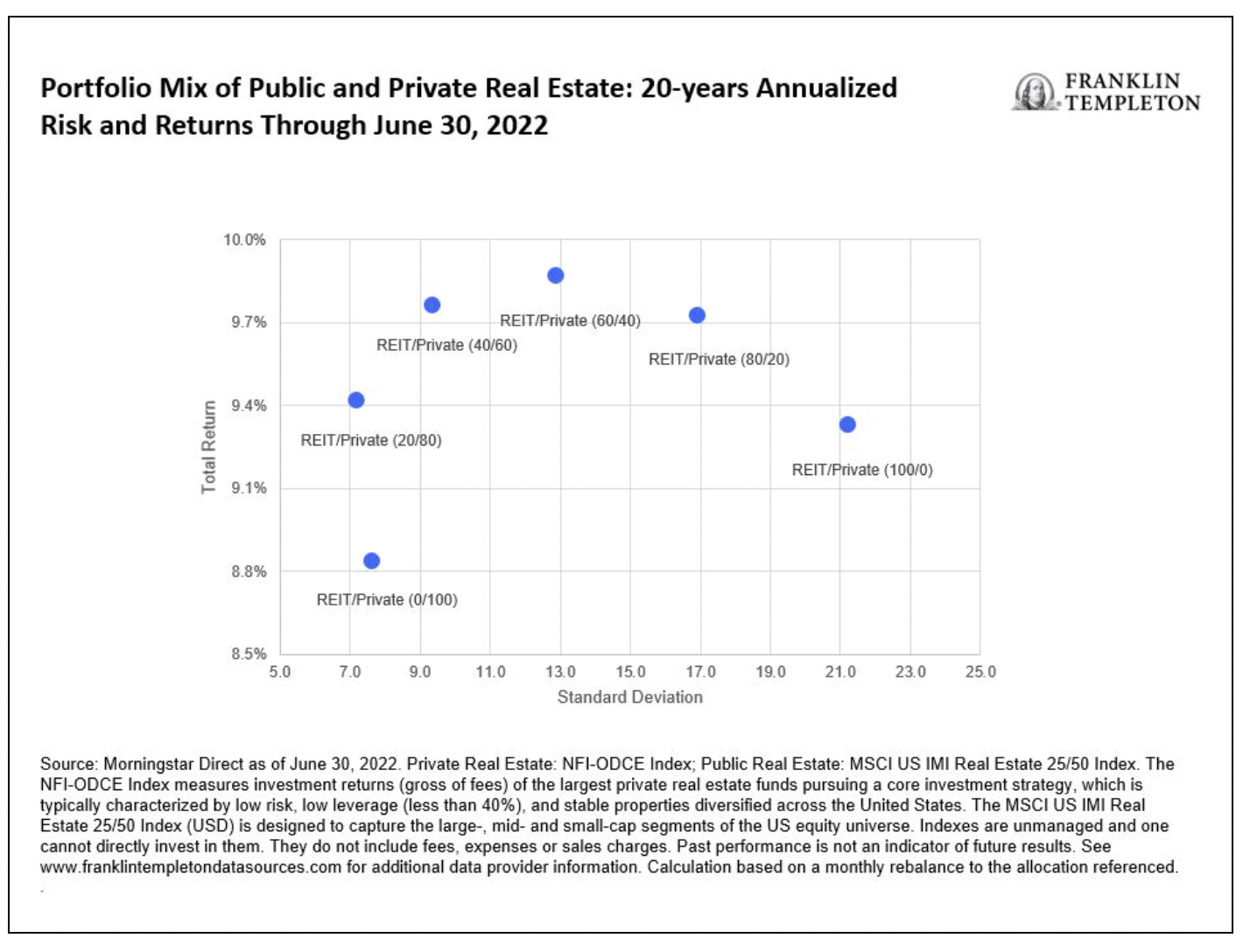
Public and private real estate investments present a compelling opportunity in the current environment of high inflation and rising interest rates, according to Daniel Scher and Blair Schmicker from Franklin Equity Group.
Over the long-term, the fundamentals of the dollar suggest a downward bias is likely.
Economist Campbell Harvey has had a winning track record since he showed in his dissertation at the University of Chicago decades ago that the shape of the bond yield curve was linked to the path of US economic activity.
The US stock market will bottom by the middle of 2023 as the Federal Reserve tamps down inflation without causing anything worse than a “mild” economic recession, according to Byron Wien’s annual list of surprises.
U.S. equities are solidly higher in afternoon action, paring some of the losses that have plagued the start of 2023.
2022 wasn’t the easiest of years to handle for investors.
Bob Doll, CIO at Crossmark Global Investments, provides his annual 10 predictions for financial markets.
US Treasuries headed for the strongest start to a year in more than two decades as investors scooped up government debt on wagers the Federal Reserve will further slow its pace of rate hikes as inflation cools.
Nikko Asset Management’s Global Investment Committee recently got together to discus their views heading into 2023.
U.S. equities closed out 2022 in the red, and all three major indexes registered solid losses on a yearly basis. The stock market posted its worst yearly decline since 2008.
George Milling-Stanley of State Street Global Advisors provides his outlook for gold in 2023, as well as the specific headwinds and tailwinds he expect to drive price activity moving forward.
Any way you slice it, 2022 was a turbulent year, from Russia’s invasion of Ukraine to historic inflation and jumbo rate hikes to multiple failures in the digital asset space.
Much ink has been spilled over the death of the 60/40 portfolio.
The Aiguille du Midi, neighboring popular Mont Blanc in the French Alps, is famous for having the highest vertical ascent cable car in the world, a vertigo-inducing ride that is equal parts scary and awe-inspiring.
More tech tantrums. China’s Covid surge. And above all, no central banks riding to the rescue if things go wrong.