Asking questions is a proven, tested technique to increase likability, build trust and uncover personal, sensitive but valuable information.
The US office market faces a tough road ahead. Corporate tenants are considering scaling back, higher interest rates are hurting valuations and many property owners face looming debt maturities that they may struggle to refinance.
CIO Larry Adam shares why his team's market and economic views are tracking more optimistic in light of current volatility.
History suggests the lagged economic effects of tighter central bank policy are arriving on schedule, but any eventual normalizing or even easing of policy will still likely require inflation to decline further.
The Franklin Templeton Investment Solutions team examines the earnings outlook for 2023, and why it might make sense to be defensively positioned.
Silver led precious metals markets higher last week.
Asian equities are likely to extend their gains as the year progresses, boosted by the region’s relatively better growth prospects and a broadening economic recovery in China.
Jarred by daily double-digit moves in Treasury yields, bond investors are bracing for at least another year of rocky trading, abandoning hopes that in 2023 the market would return to normality.
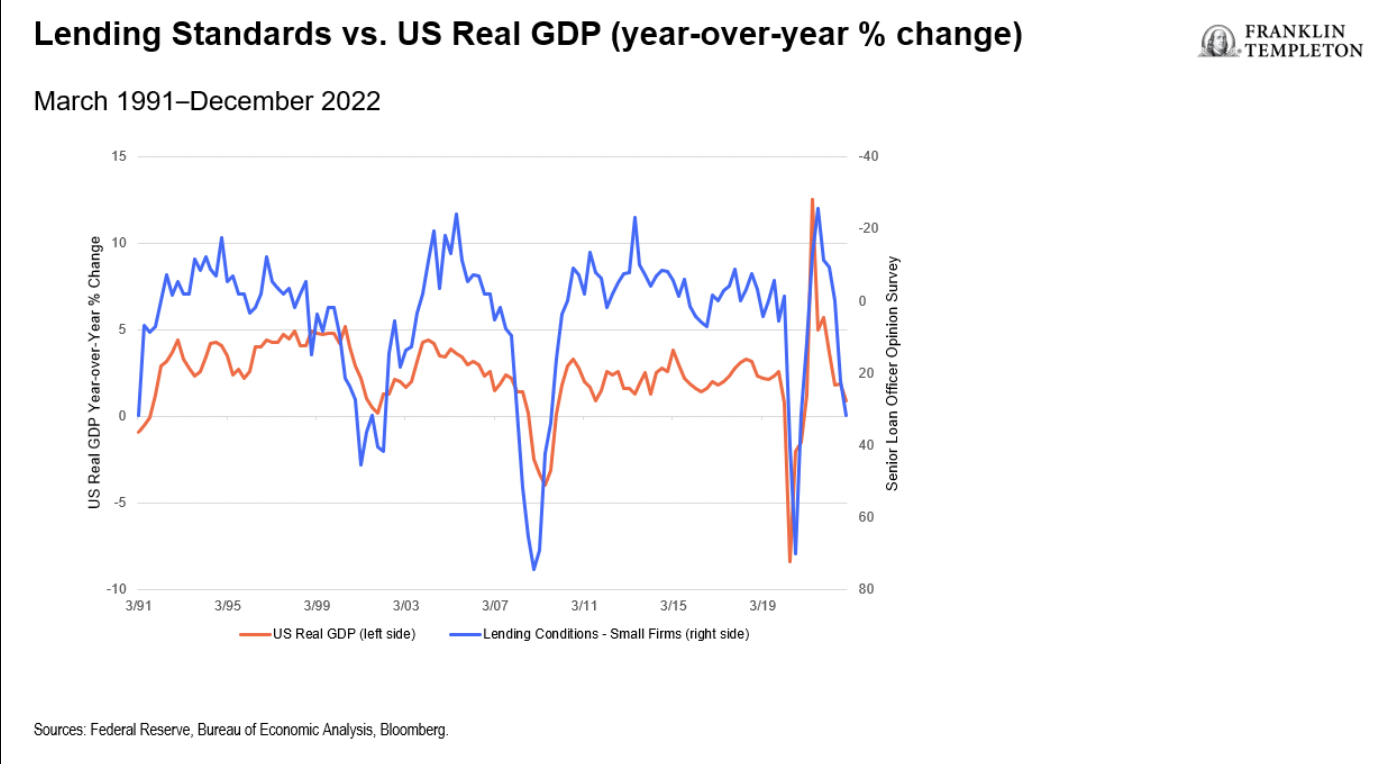
As banks back away from credit creation, we think certain assets could reassert their leadership. In our Quarterly Strategy Report, we analyze the Credit Crunch.
If I did not have bad luck, I would have no luck at all.
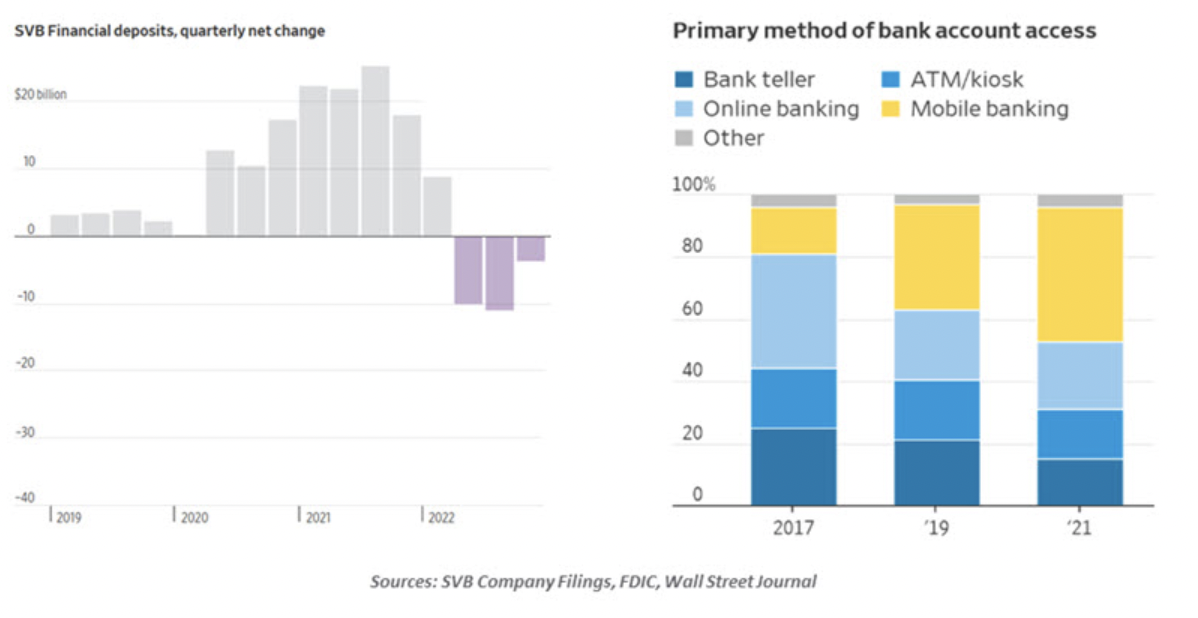
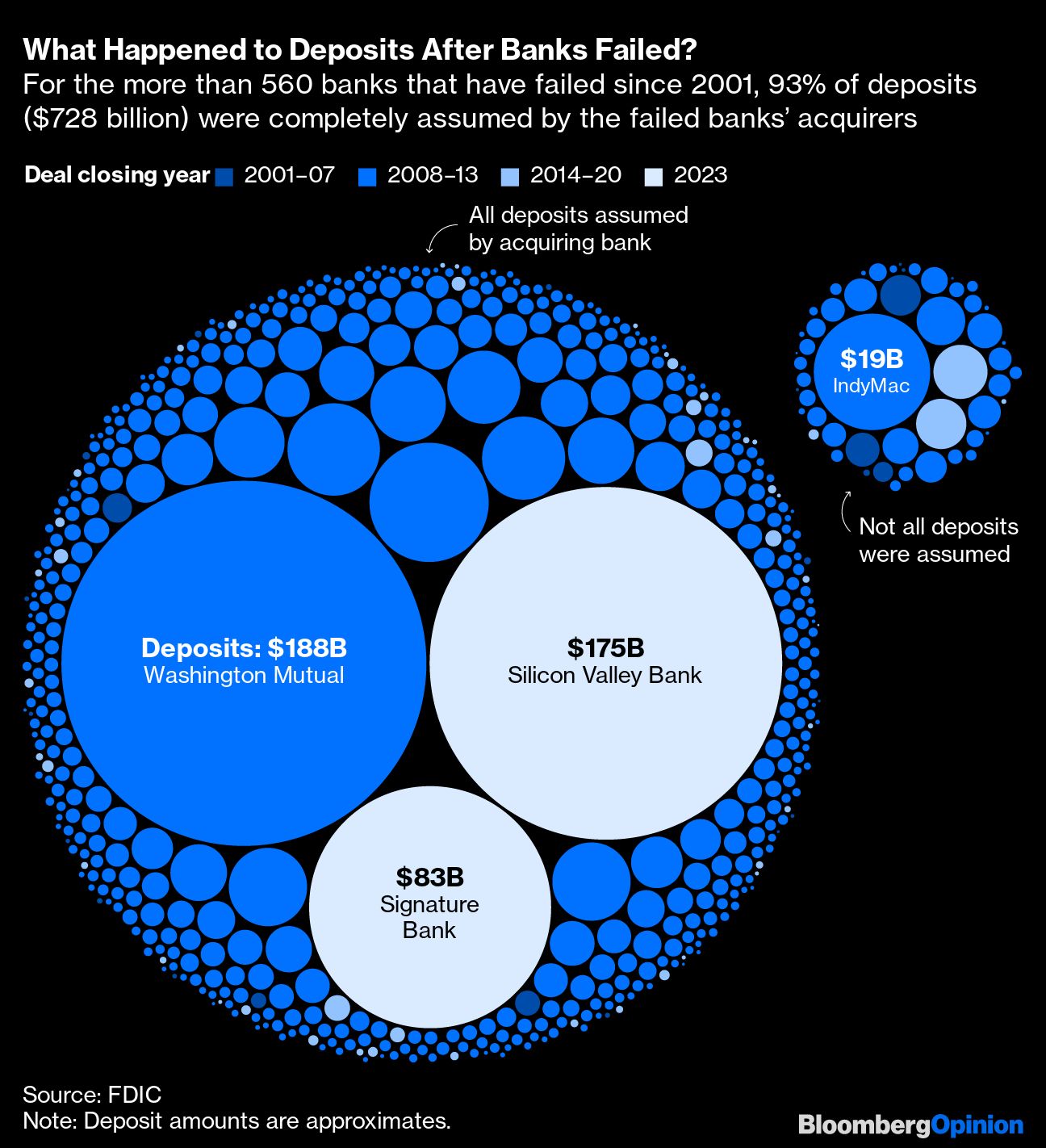
Silicon Valley Bank suffered probably the quickest bank run in history and the fastest bailout of depositors, too. The lender to the venture capital industry had operated under lighter rules and fewer restrictions than larger banks after a successful lobbying effort back in 2018.
Remember when banks were small? Those old enough to have a bank account in the 1970s should. Back then, most people did their banking with a locally owned institution, often the First National Bank of (Your Town).
Gold appears to be well-positioned for a strong pump that could carry it to new all-time high prices in 2023—and beyond. As you know, I’ve been following and writing about the precious metal market for a very long time, and I see a number of unique catalysts at the moment that could contribute to higher gold prices.
In many ways, the process of filling out a bracket is like investing. It requires balancing risk and reward, while maintaining discipline.
Wall Street’s model-portfolio boom appears to have flashed its invisible power for the second time in this week after a once-sleepy Charles Schwab Corp. bond exchange-traded fund received another monster inflow.
Stocks built on overnight gains and Treasury yields inched lower following today's relatively benign February PCE inflation data.
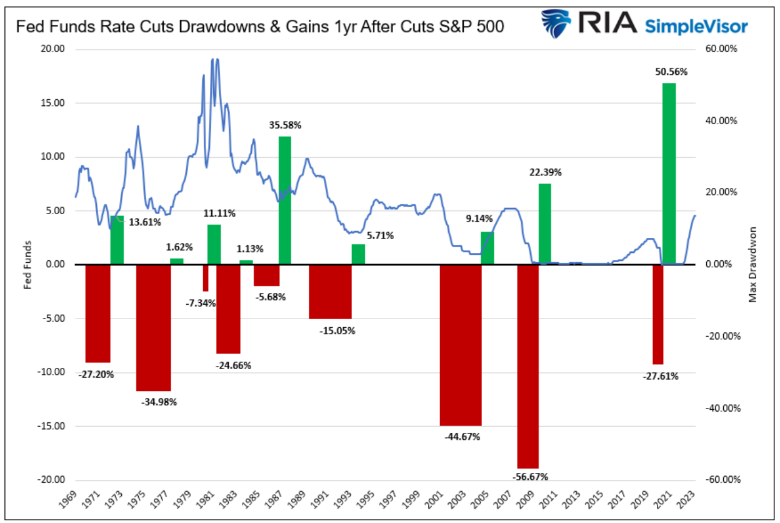
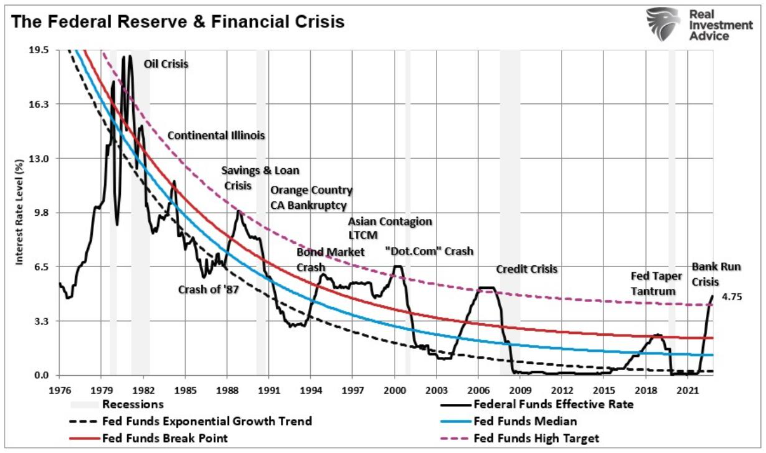
Stock investors wishing for the Federal Reserve to pivot should rethink their logic and review the charts below.
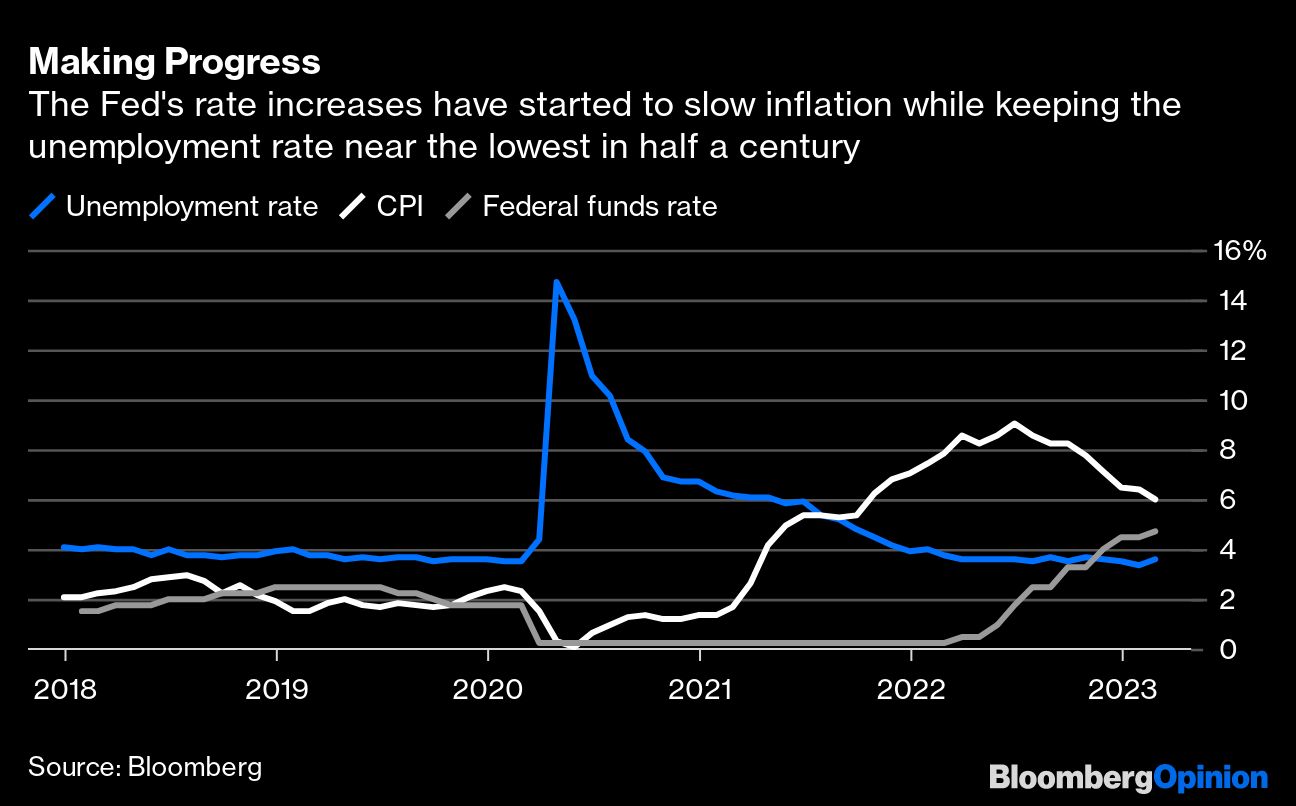
Everyone insisting America isn't up to managing the world’s No. 1 economy after the Covid-19 pandemic caused the highest joblessness since the Great Depression and biggest cost-of-living increase in 40 years should ask...
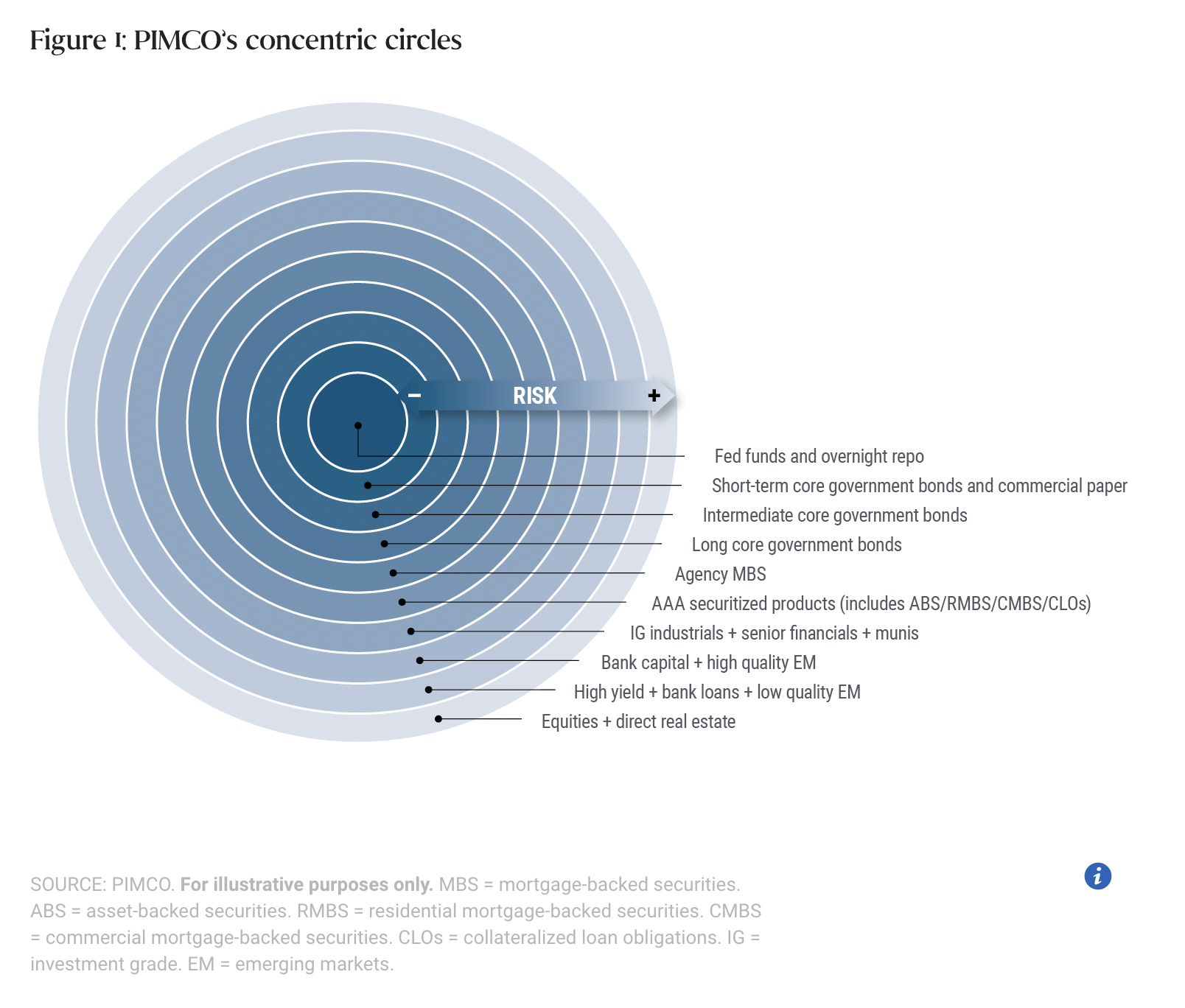
No investment is risk-free, but the closest thing is probably short-term loans to the US government, also known as Treasury bills. That’s because the US government has vast resources to pay back its loans, and investors get their money back quickly.
The benchmark S&P 500 Index is wrapping up its second straight quarterly gain, rising 5.50% through Thursday and adding to the 7.08% surge in the final three months of 2022.
The investment landscape is pockmarked by intractable statistics that continue to impose strategic and psychological barriers to the short term potential of portfolio alpha.
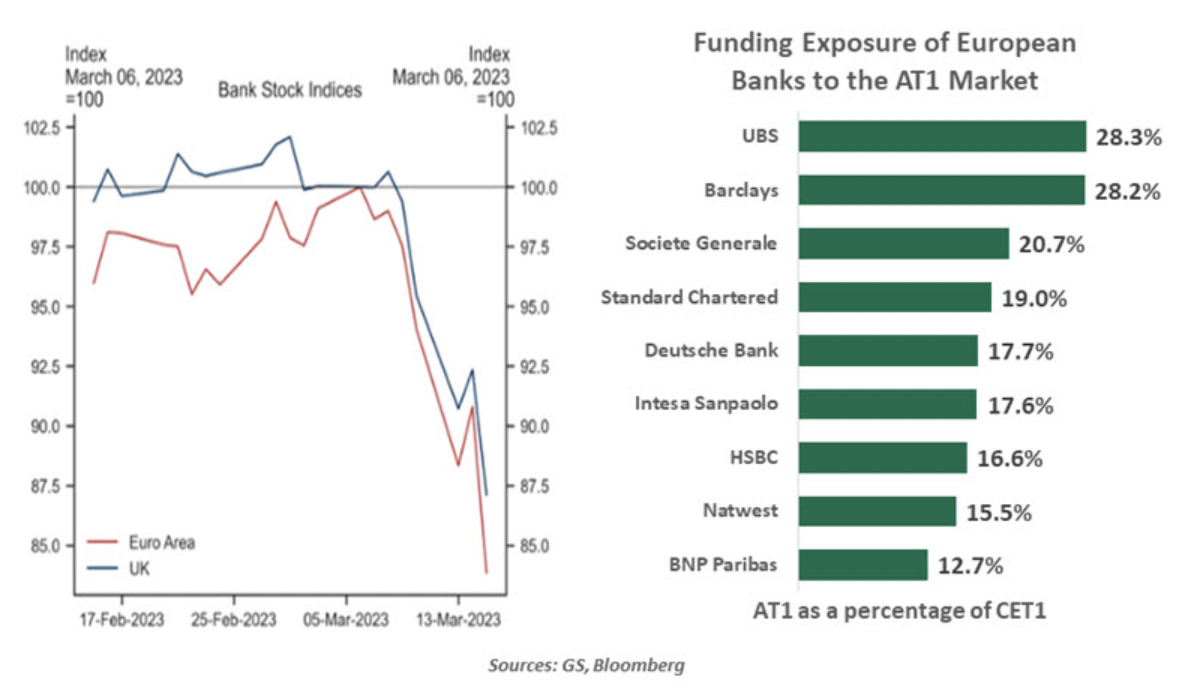
What are the implications of the ongoing volatility in the banking sector, and what does it mean for markets in Europe and globally?
In the face of high and persistent inflation, recession risks, and now a looming insolvency crisis in the financial sector, central banks like the US Federal Reserve are facing a trilemma.
A group of conservative Republicans representatives known as the House Freedom Caucus came out last week against any proposal that would lift the cap on deposit insurance, currently set at $250,000. Members of US Congress on both sides of the aisle are understandably cautious about taking such a dramatic step in the middle of an unfolding crisis.
The failures of Silvergate Bank, Silicon Valley Bank, Signature Bank, and the current struggles of First Republic and Pacific Western Bank have seen bank deposits flee to the perceived safety of large banks.
In hindsight, it was obvious it wouldn’t last. Low interest rates — the result of shifts in the global economy, economic stability, low inflation and monetary policy — couldn’t stay at zero forever.
A year into its fight against inflation, the Federal Reserve could — just maybe — be done raising its policy rate. History shows that monetary policy pauses mark great buying opportunities for US stocks, but there are several key caveats to bear in mind this time.
The demise of a major bank illustrates the global tensions in the financial sector.
Doug Drabik discusses fixed income market conditions and offers insight for bond investors.
VettaFi’s Dave Nadig talks Credit Suisse ETNs, the recent banking crisis, crypto regulation, and more. State Street’s Matt Bartolini goes in-depth on first quarter ETF flows and performance.
The economic signals and a host of geopolitical risks confronting investors suggest that 2023 could be as challenging as 20022 for both stocks and bonds.
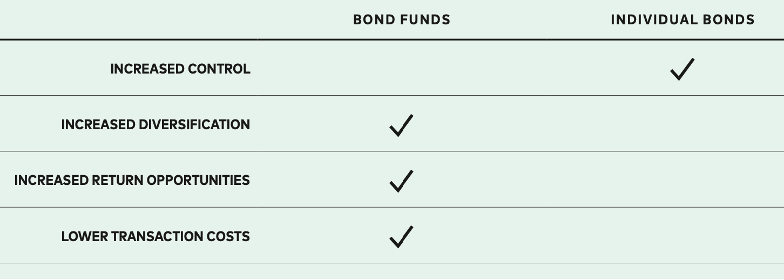
Should investors build their own portfolios of bonds, or buy shares of bond funds? Is there an economic difference or just one of appearance? Are directly held bonds safer because they mature, and you get your money back? How should one decide?
Stock and bond markets were shaken by the recent banking crisis in the US and Europe.
The GMO Focused Equity team has evaluated banks in the context of our Quality Strategy for 20 years, using both quantitative and fundamental analysis to invest in high-quality banks with healthy financials and in our opinion responsible management practices.
Yields on 10-Year Japanese Government Bonds have fallen by about a third over the past two weeks, as shown in the chart below.
Stocks fell and volatility rose this morning as banking sector worries persist.
Lower interest rates and more liquidity are the keys to boosting confidence in the financial sector, but they impede the Fed's ability to fight inflation.
In a closely watched decision, the Fed lifted its benchmark lending rate by 25 basis points to a range of 4.75% to 5% at the conclusion of its March policy meeting.
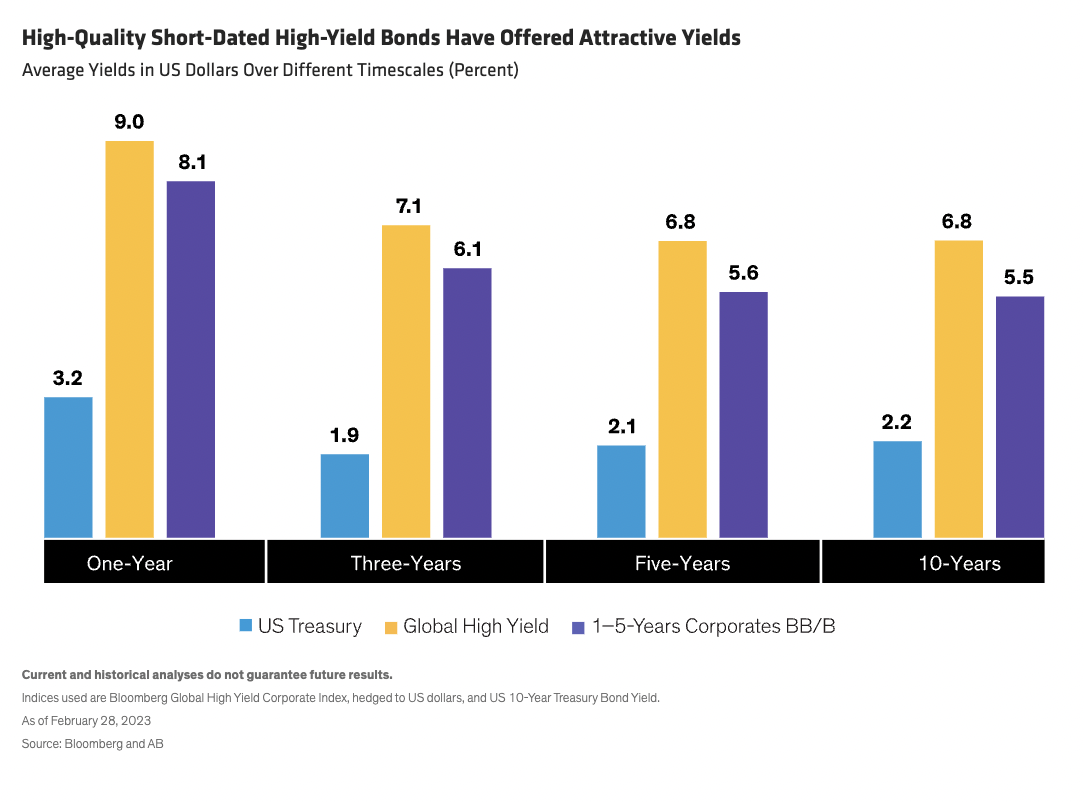
Income-seeking investors are accustomed to casting wide nets after years of low yields.
Silicon Valley Bank was a “vital cog” in the private market ecosystem, which leads to many questions—and opportunities—across the alternative investments landscape.
Both the leading indicators of growth and liquidity continue to suggest growth will slow as 2023 progresses.
U.S. stocks climbed for a second straight day Tuesday, with the tech-focused Nasdaq Composite ending near a five-week high, as jitters over bank instability eased.
Easing financial conditions globally have made Morgan Stanley “outright bullish” on growth stocks in Asia and emerging markets versus their value peers.
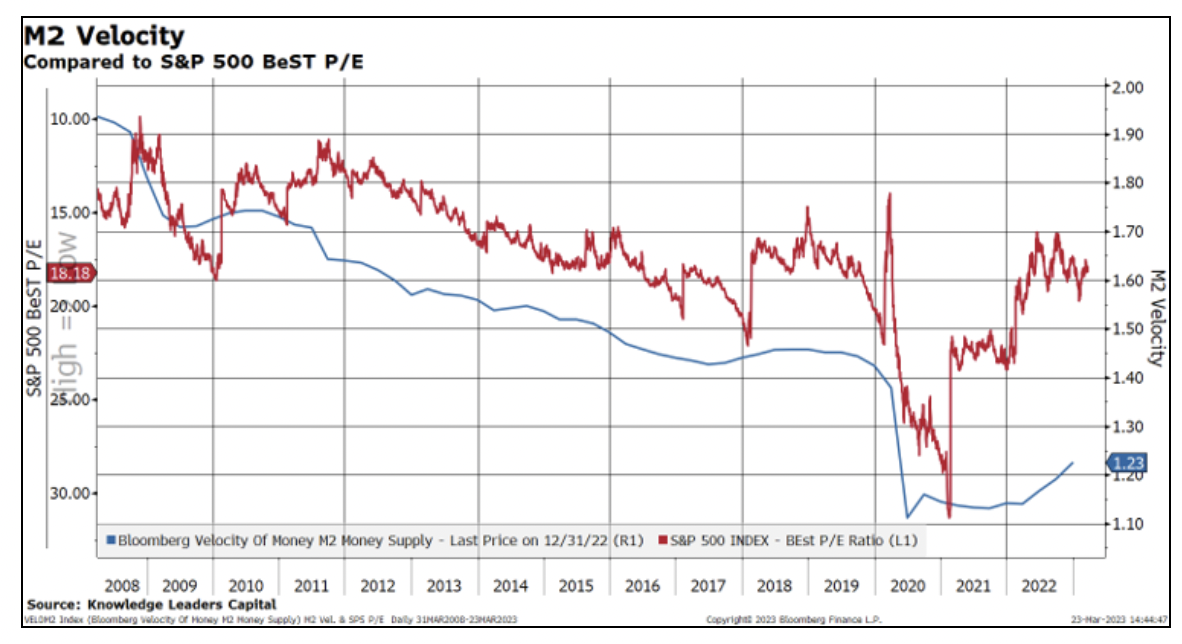
A question has arisen amid all the bank failures. How, with the bond market enduring its worst spasm of volatility in almost four decades, have benchmark-level stocks managed to glide along, oases of calm?
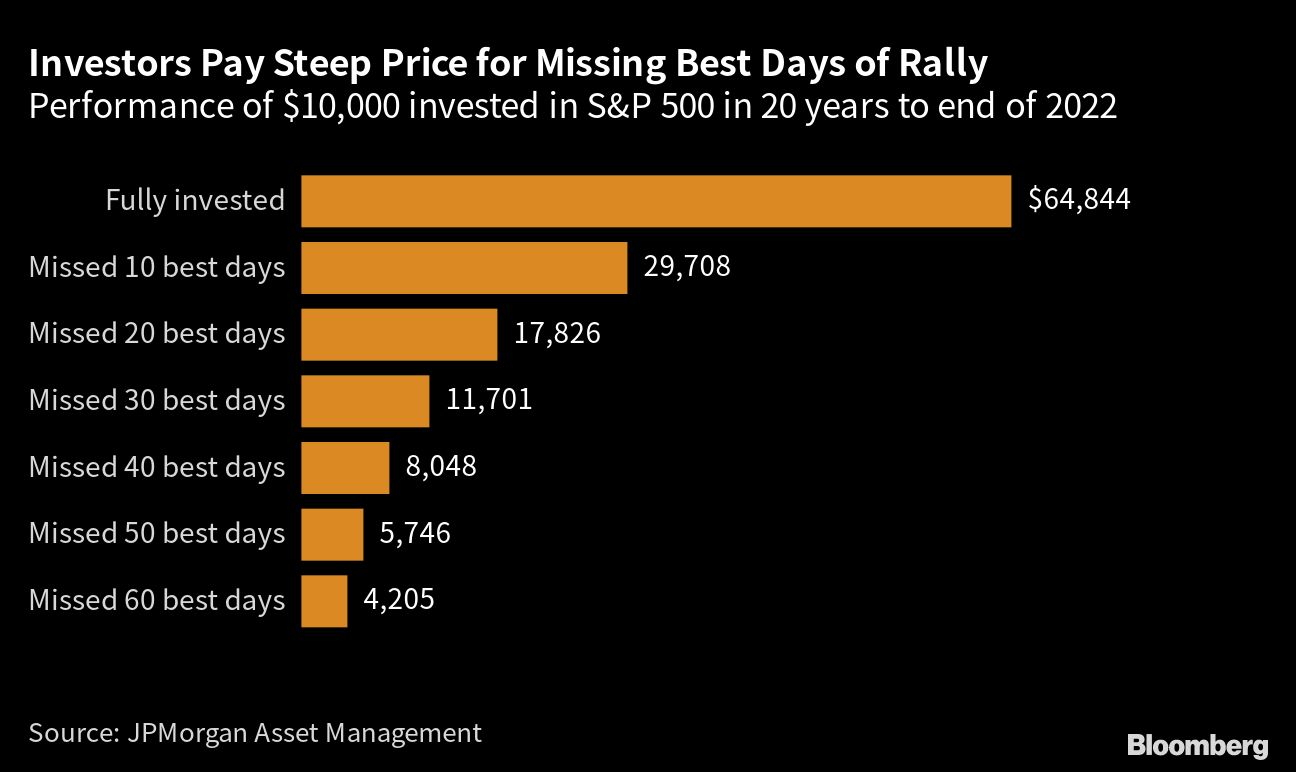
Some of the world’s biggest investors are looking beyond interest-rate hikes, bank failures and the threat of recession to one of the greatest fears of all money managers — missing out on the next big rally.
Banking turmoil continues to rattle the global markets and investor confidence.
The simplest thing that can be said about current financial market and banking conditions is this: the unwinding of this Fed-induced, yield-seeking speculative bubble is proceeding as one would expect, and it’s not over by a longshot.
Markets have been trading as if the end of the world is at hand – but what most participants see, behind the recent financial turmoil and contagion fears, is a still-strong US economy, the MLIV Pulse survey shows.
Franklin Templeton Investment Solutions explores the shared macro concerns that set the stage for the recent banking crisis, its ripple effects on the broader economy and implications for multi-asset investing.