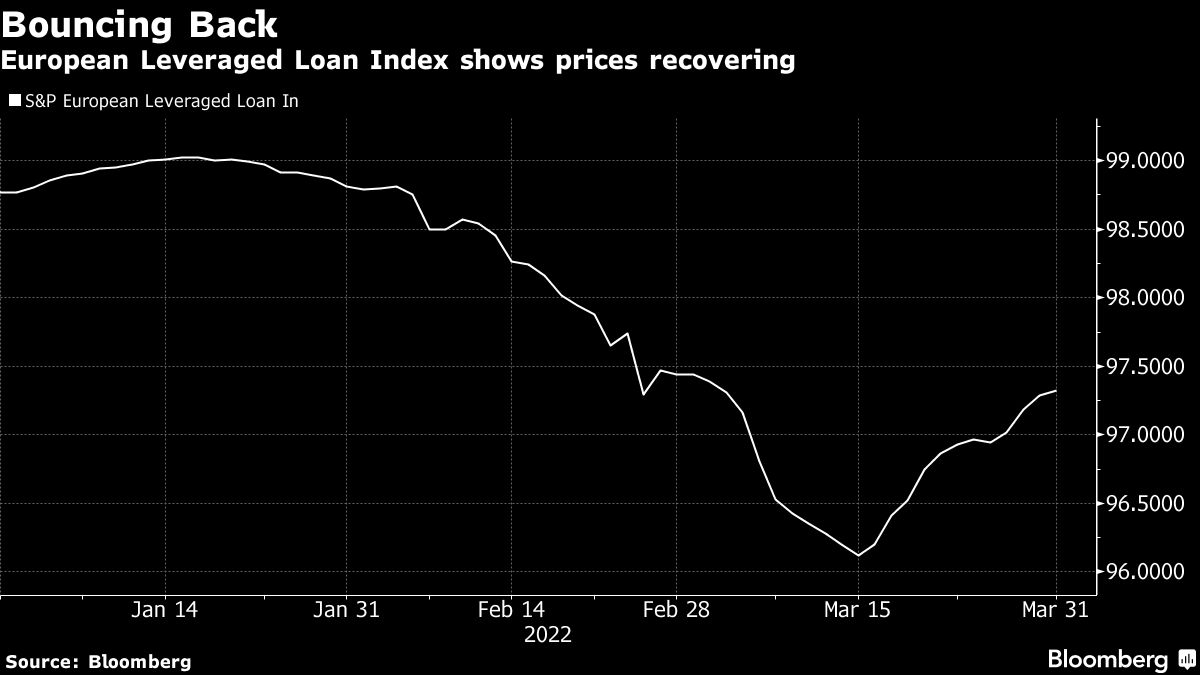
Banks are gearing up to offload billions of dollars in junk debt backing leveraged buyouts, counting on the nascent stability in the market to finally get rid of underwrites for businesses such as Wm Morrison Supermarkets Plc and Unilever Plc’s tea unit.
The argument goes like this: A company’s value (and stock price) is driven by its ability to earn a profit and grow its business. Its dividend policy is irrelevant at best. In some cases, paying dividends could hurt the stock. Is it true? Let’s explore this idea further.
Managing your calendar can feel like a full-time job. Using an automated scheduling tool, such as Acuity Scheduling, Calendly, or OnceHub, is a must.
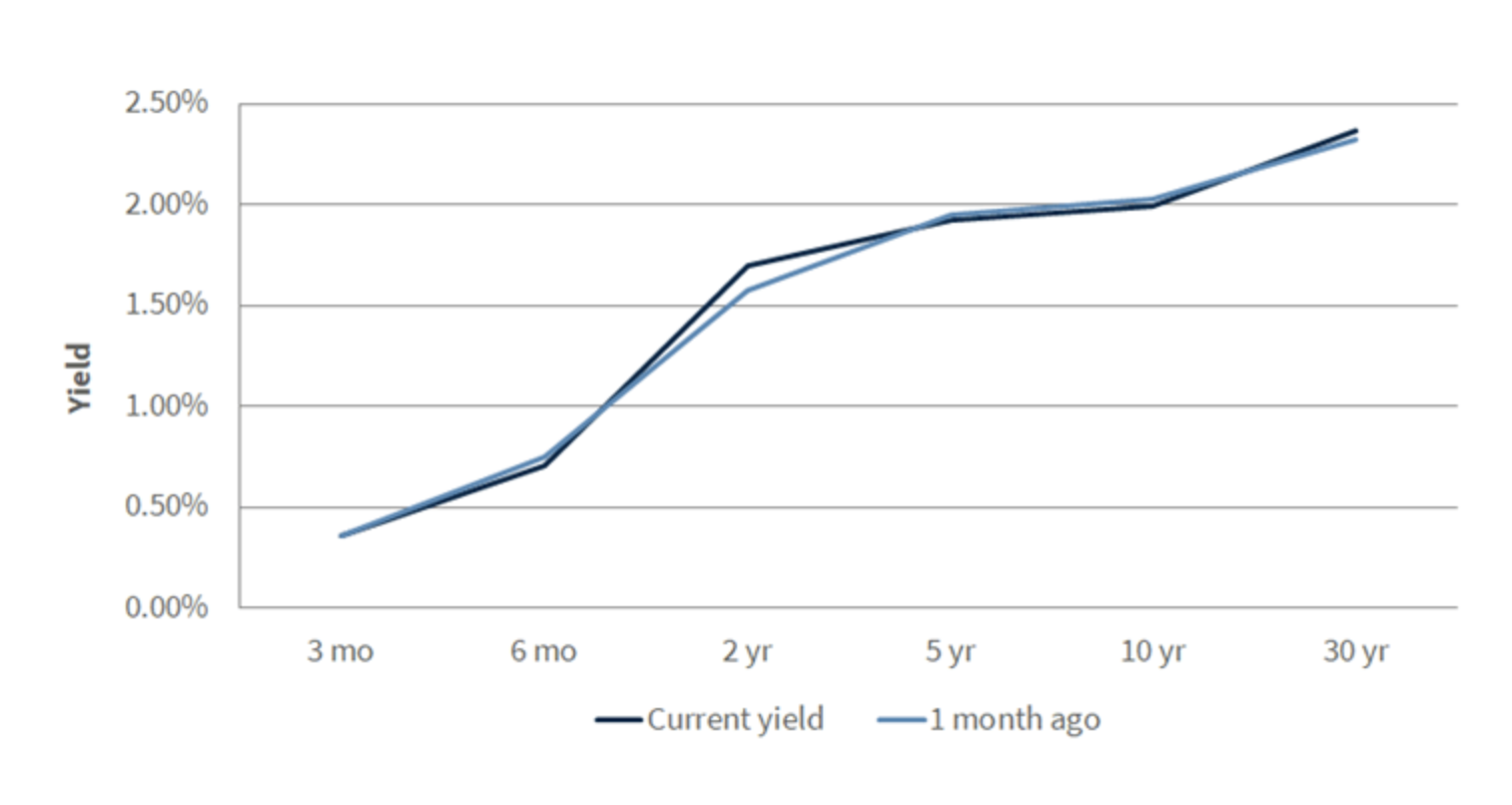
The yield curve is really just a symptom. I like to compare it to a fever—not serious in itself, but a sign you have an infection or some other ailment. An inverted yield curve means something is wrong in our economic body. So today we’ll consider what it means.
Volatility is likely to persist but the U.S. economy has room to grow.
The Federal Reserve’s first rate hike in years has sparked bond volatility, pushing investors to search for yield elsewhere.
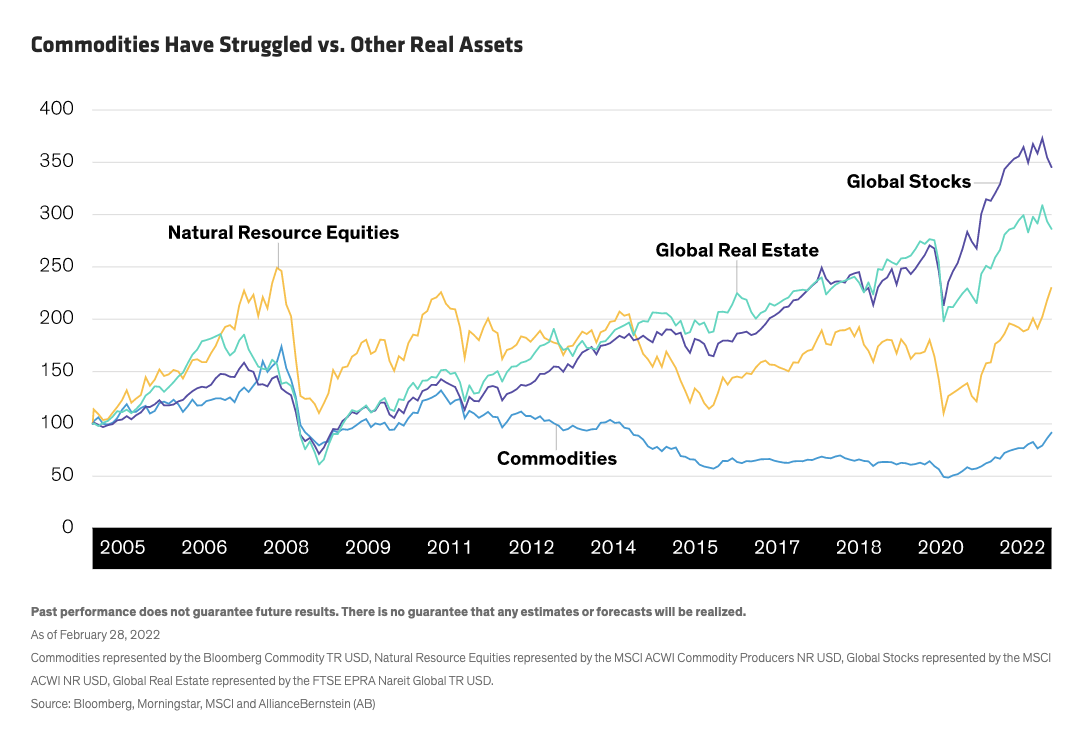
The highest inflation in 40 years has spurred more investors to search for assets that can help offset its bite.
Connect and grow with video! Whether you’re currently using video or want to start, or are looking for new ways to improve your video use, you’ve come to the right place. It’s no secret that this channel has become a powerful tool for advisors to connect with their network and grow their business. But getting started and consistently updating your video content can be scary and often get lost in the day-to-day. In this webinar, our Chief Evangelist (and video expert), Samantha Russell, takes you step by step in creating and publishing your first video and how to successfully implement video into your marketing strategy from start to finish.
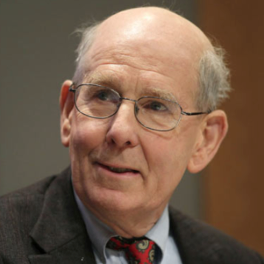
Get out of stocks, according to Gary Shilling, who has gone to 30% cash in the portfolios he manages. The economy will be in recession by the end of the year, and stocks will fall in response.
The insurance industry has struggled to build engagement with its customers. That is also true among financial advisors, who can apply the same tactics to grow their business.
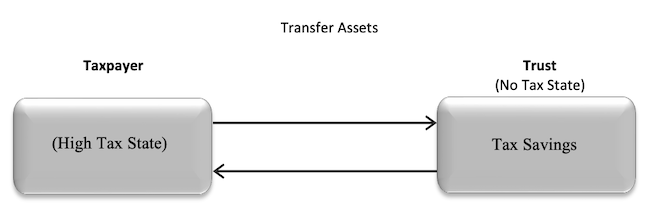
This article provides an overview of the benefits of using a Nevada Incomplete Non-Grantor Trust (NING) as part of a business sale to reduce or eliminate state income taxes and capital gains taxes.
Without detracting from the strong ethos you have spent years, or even decades, building, here are three ways you can build and maintain a strong culture in a remote or hybrid work environment.
Home price fundamentals suggest appreciation will slow but remain resilient.
Regardless of the facts, our perception is our reality. This is especially true when it comes to investing, where we often make decisions based on the perceived risk we believe exists, whether or not that degree of risk really exists.
Early in the pandemic, toilet paper shortages pushed weary Americans to the fringes. Out of necessity, millions tried rolls made from recycled paper or bamboo. And what they found surprised them. These alternatives were actually soft, far from the sandpaper-ish versions they grudgingly used at their office or in a public restroom. That revelation is shaking up what had been a stable — even boring — category that racked up about $10 billion at U.S. retailers last year.
The expected return from a roulette spin is negative: -5.26%.
The world has spent a decade gorging on fuel from America’s shale basins, and oil prices are topping $100 a barrel. So it might seem an odd time to be contemplating the energy transition. But that's precisely the task facing the small towns across places like Texas, Wyoming and New Mexico: deciding when to move on from their bedrock industry, even when it’s in an upswing.
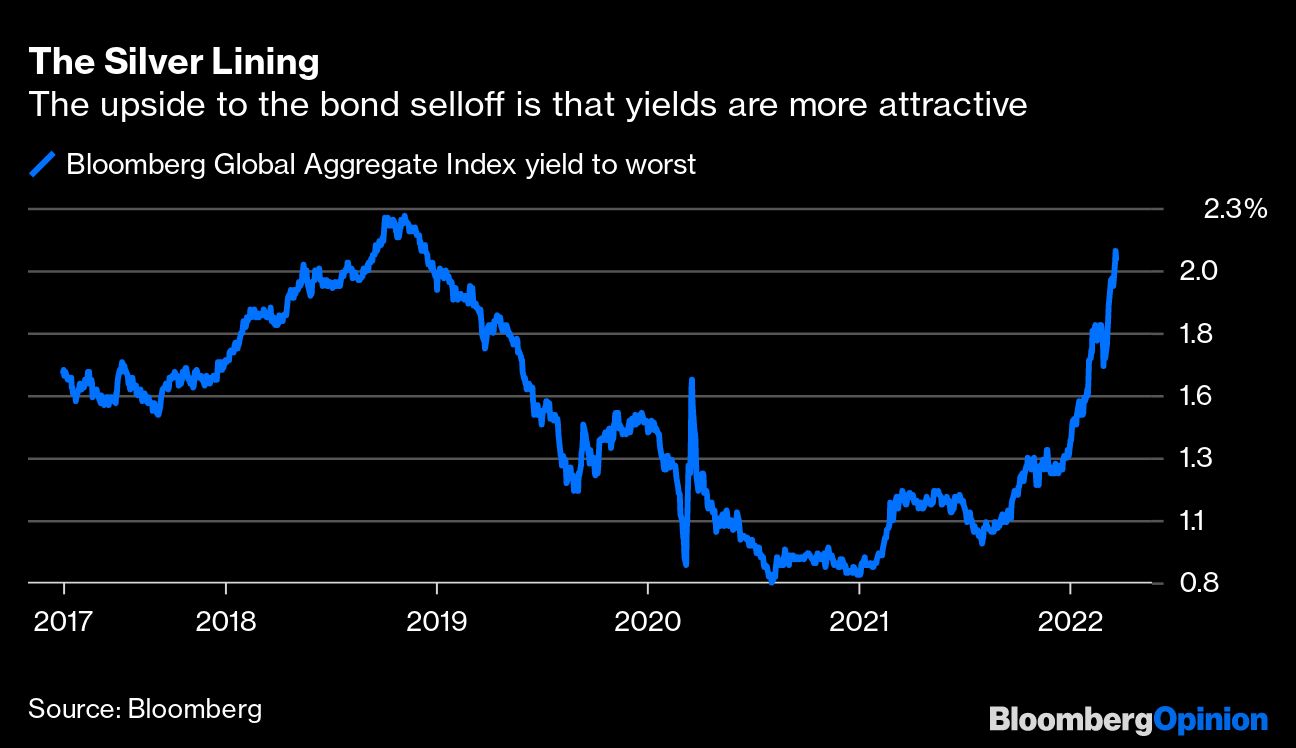
The Bloomberg Global Aggregate Index, a benchmark for the bond market worldwide, has tumbled 11% from its peak in January 2021, equating to a drop of $2.6 trillion in the index’s market value.
If you’re looking for a case-study in economic groupthink, try Googling the phrase “Fed behind the curve.” Informed opinion, it seems, has congealed behind a conventional wisdom that the U.S. Federal Reserve has been too slow to restrain accelerating inflation.
Some countries have climates and athletes that are better suited for the Winter Olympic Games, and others for the Summer Olympic Games. Every country on earth had to deal with Covid, though, whether they’re hot or cold, rich or poor.
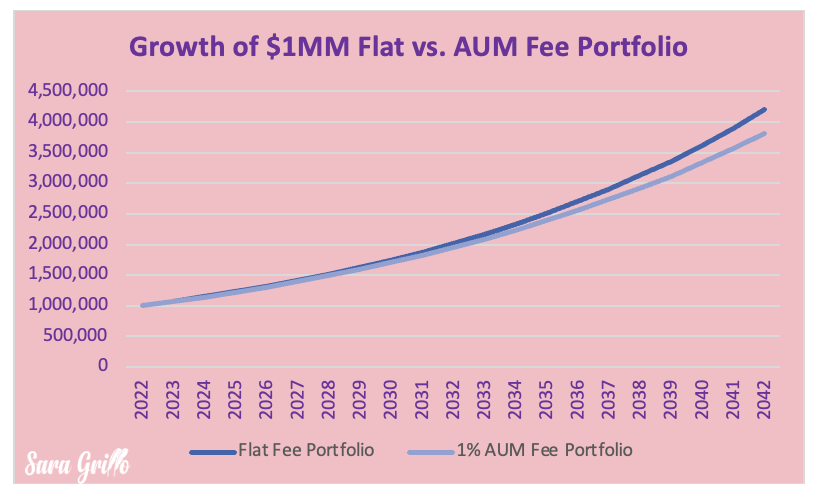
I’ll take an order of flat fees (otherwise known as retainers) with a side of financial planning. Customers are lining up out the door for this.
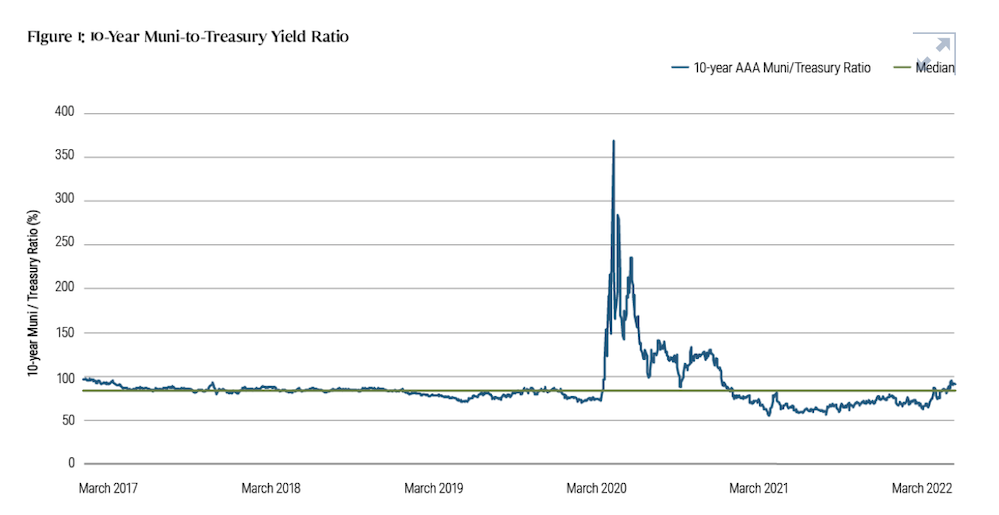
Their track record in periods of rising interest rates suggests municipal bonds could be well-positioned for this year’s market environment.
Russia’s invasion of Ukraine has underlined the continent’s dependence on imported gas, and challenged its planners and politicians to consider where, how, and how quickly they might limit that dependence. Comparisons to 1970s oil-driven energy crises abound. Demand for oil and natural gas is integral to contemporary society, but that does not mean that both present the same challenges.
Russia’s invasion of Ukraine, the sanctions response, and the gyrations in commodity markets cast an even thicker layer of uncertainty on what already was an uncertain economic and financial market outlook before the onset of this horrific war.
In an upcoming episode of A Book With Legs podcast, we interviewed Robert Hagstrom on his book, Investing: The Last Liberal Art.
Last week, I was driving home from a business trip when I suddenly got a call from my parents.
European markets have been turbulent because of the region’s proximity to the war in Ukraine and economic links with Russia.
Here are five winning tactics to leverage immediately for more online introductions.
Here is how I overcame the problem of multi-tasking by creating rooms where team members can focus on critical tasks.
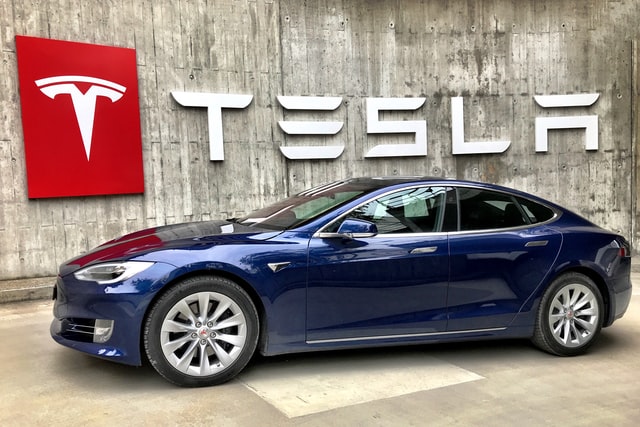
Electric car giant Tesla Inc. is the latest big name firm to scrap financing plans, as it postponed a $1 billion offering of bonds backed by leases on its vehicles last week. Almost 80 companies, nearly half from the U.S., have put at least $25 billion of deals on hold since the start of the war nearly a month ago.
Dethroning the dollar is easier said than done. That’s the conclusion of investors after Washington’s freeze of Russia’s dollar holdings created fresh impetus among central bankers to rethink the security of access to foreign-exchange reserves. The move fueled speculation that countries such as China could redouble efforts to unshackle itself from greenback-denominated financial systems and look for alternatives.
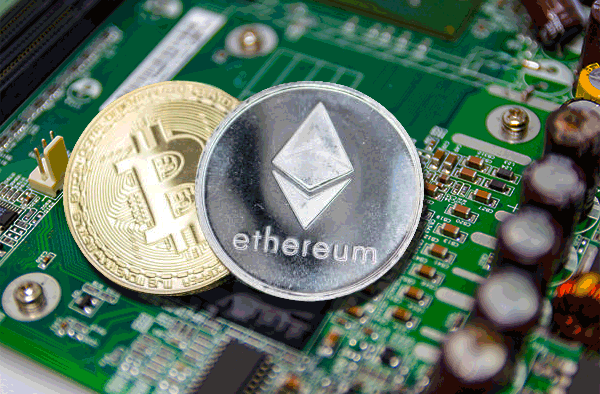
Elon Musk recommends that investors own “physical things” instead of cash in the face of historically high inflation. So why is he holding on to his Bitcoin and Ethereum?
Recession is where we are headed. So let’s review what it will be like.
For this Subscriber Request Tuesday, I was asked to provide examples of dividend growth stocks that were getting cheaper because of the current market drops.
For American consumers wondering who's profiting from the run-up in food prices, it’s instructive to spend a few hours at Rob Tate’s Minnesota farm. Because he wants everyone to know that it sure isn’t him.
I’m having an existential crisis with a few of my advisors.
We describe how an intentional and sustainable vision for diversity and inclusion at Wealthspire took form.
As risks pile up for global equity markets -- from soaring inflation and central bank policy tightening to the economic fallout from Russia’s invasion of Ukraine -- the list of indexes that have fallen into bear market territory is growing.
These are uncertain times, but we’ve never lived with less risk. That may sound crazy coming out of a pandemic that disrupted our lives in uncountable ways — and now we may be on the brink of World War III. But there is a big difference between risk and uncertainty, and each requires different coping strategies.
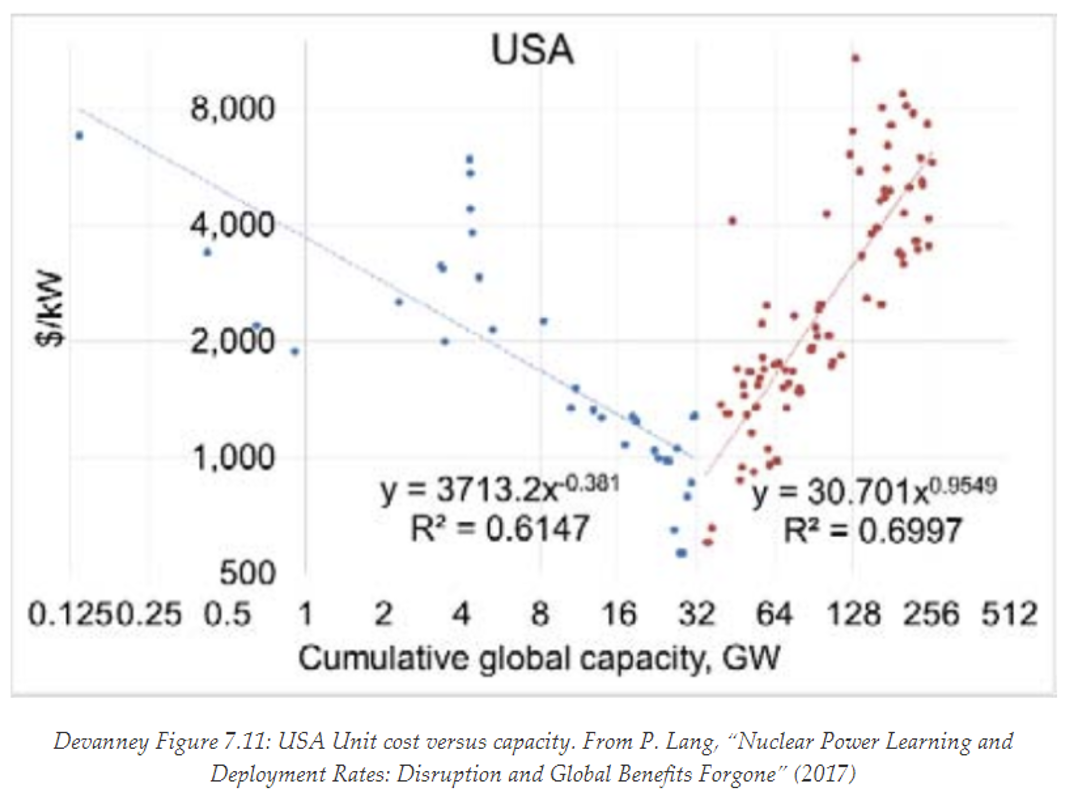
The failure to even mention nuclear energy as a solution for climate change is a mystery. What is the reason for this neglect of what would seem the world’s best hope for abating carbon emissions?
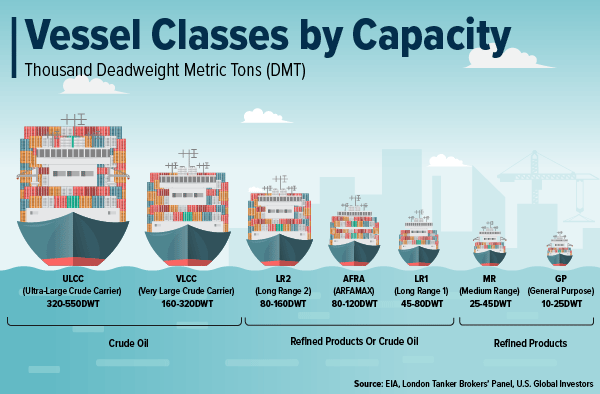
A provocative report by Credit Suisse’s Zoltan Pozsar that was making the rounds in certain corners of Twitter this week suggests that the Russia-Ukraine conflict could be a strong tailwind for shipping freight rates.
Chief Economist Scott Brown discusses the latest market data.
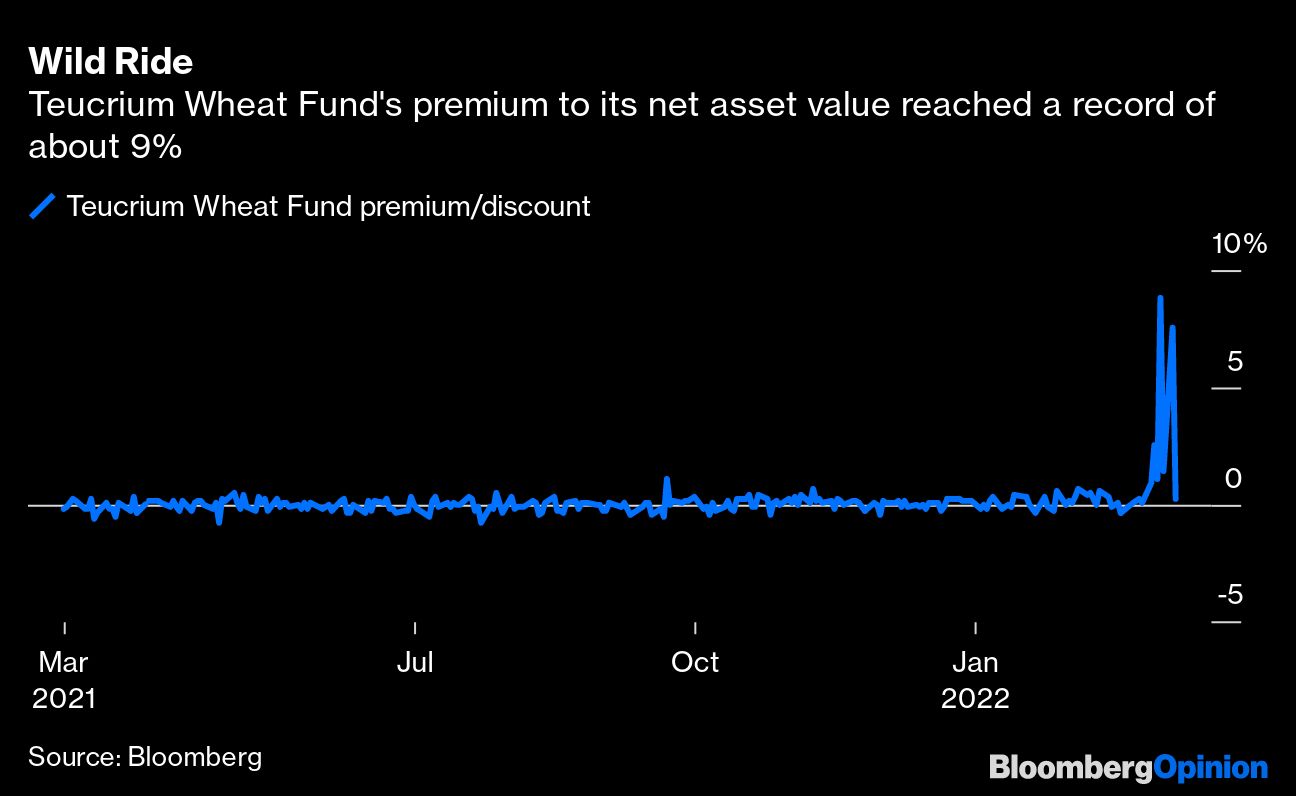
Commodity prices have soared the last two weeks as a result of the Russian invasion of Ukraine, drawing novice investors looking to make a quick buck. Many are already getting burned by their lack of knowledge.
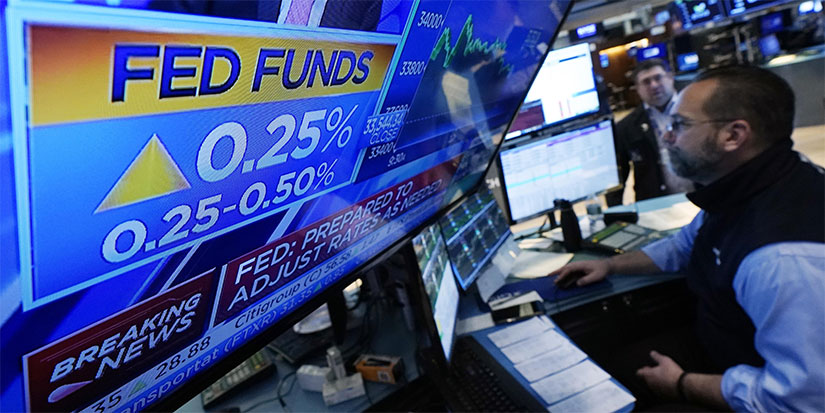
The U.S. Federal Reserve is widely expected to raise interest rates by at least a 25 basis points next week. And if inflation stays high, the Fed is “prepared to raise by more than that” in the coming months, Chair Jerome Powell said last week.
A historic surge in commodity prices after Russia’s invasion of Ukraine, coming on top of already-high pandemic inflation, has gotten investors and economists searching for parallels with the energy shocks of four decades ago and the prolonged slowdowns that followed.
We believe the war in Ukraine will likely negatively impact growth rates during the first half of the year and lead to higher inflation, with Europe taking the biggest hit. However, we think growth could rebound during the second part of 2022 if energy prices decline.
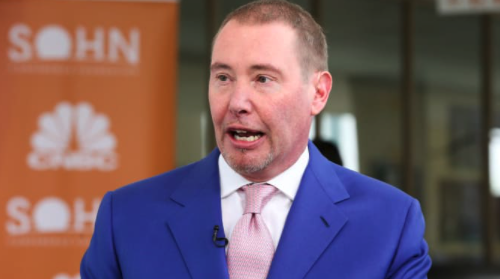
Headline inflation will breach 9% this year, according to Jeffrey Gundlach. That will force the Fed to aggressively raise the Fed funds rate.
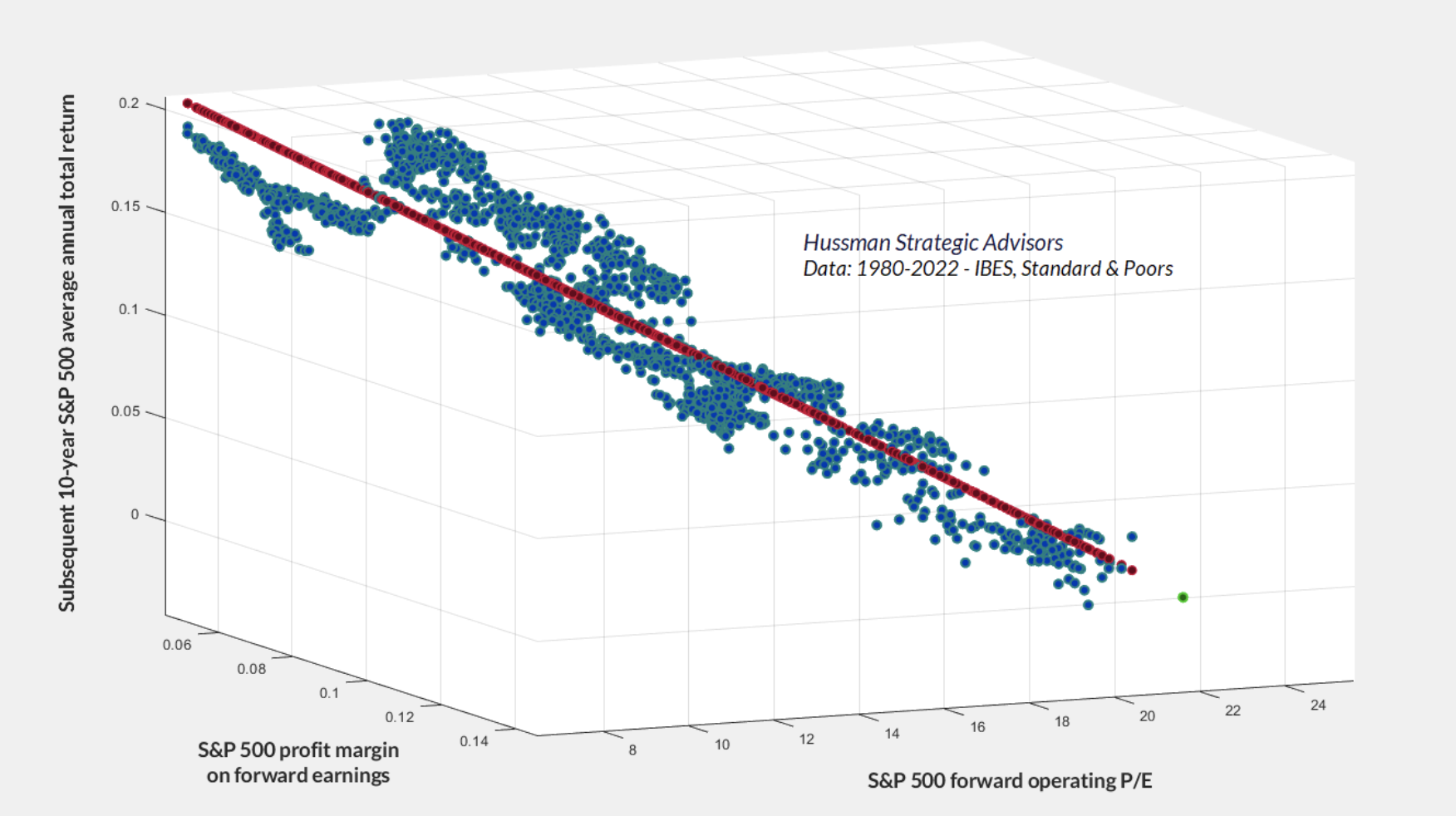
Over the last 10+ years, U.S. equity outperformance has been caused by increased profit margins, the accretive impact of share buybacks, dollar weakness, and most significantly, an outsized expansion in equity multiples. There are risks to all of these sources of outperformance, suggesting that a neutral long-term strategic allocation to U.S. equities is now likely warranted.
When an iceberg comes into view, investors must be wary of the danger, but Rick Rieder and team argue that it's also important to recall that calmer seas may lie beyond.
One of the ways the Fed may tighten financial conditions is by reducing its balance sheet. Here’s what investors should know about it.