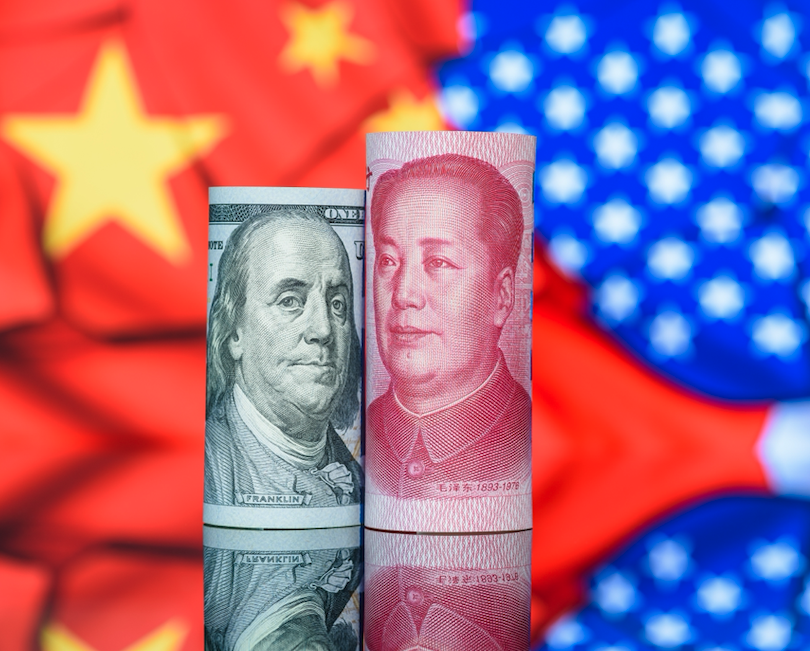
At these levels, valuations are stretched, leaving investors with little potential upside and increased vulnerability to spread widening. In our view, such an environment warrants a shift toward high-quality assets.
For more than a decade, emerging markets have been a heartbreak for those who place their faith in developing countries. Since 2010, the benchmark MSCI Emerging Markets Index has not outperformed its US counterpart for two consecutive years.
Selling pressure for leveraged buyout loans has been high all year, amid fears that artificial intelligence will damage or even bankrupt the software companies that account for a fair chunk of the market.
Amazon.com Inc. has blown the primary market for new debt wide open just days after market volatility, sparked by soaring-then-plummeting oil prices, all but halted issuance. Its mega offering is priced cheaply, for a reason: Too much of a good thing is still too much.
Adam Hetts and Oliver Blackbourn discuss where they assess the market implications of sustained conflict with Iran, examining energy shocks, inflation pressures, and what prolonged instability could mean for investors.
The “fiat is dying” argument has become a catchphrase narrative among digital asset bulls, gold bugs, and cryptocurrency advocates. That narrative’s core is that central banks have printed vast amounts of money.
The Treasury market is stuck between artificial intelligence (AI)-driven job displacement and the ongoing conflict in Iran. Earlier in the year, Treasury yields fell sharply as investors weighed the possibility that accelerated AI adoption could slow economic growth by displacing labor.
The European Central Bank can be forgiven for feeling nauseous as a massive global deleveraging of risk since the Iran war started has hit the euro area’s currency and interest-rate markets particularly hard.
We have repeatedly highlighted the delicate balance that the U.S. economy and markets remain suspended in as the Federal Reserve treads a thin line between a softening labor market and stubborn inflation that continues to hover above its 2 percent target.
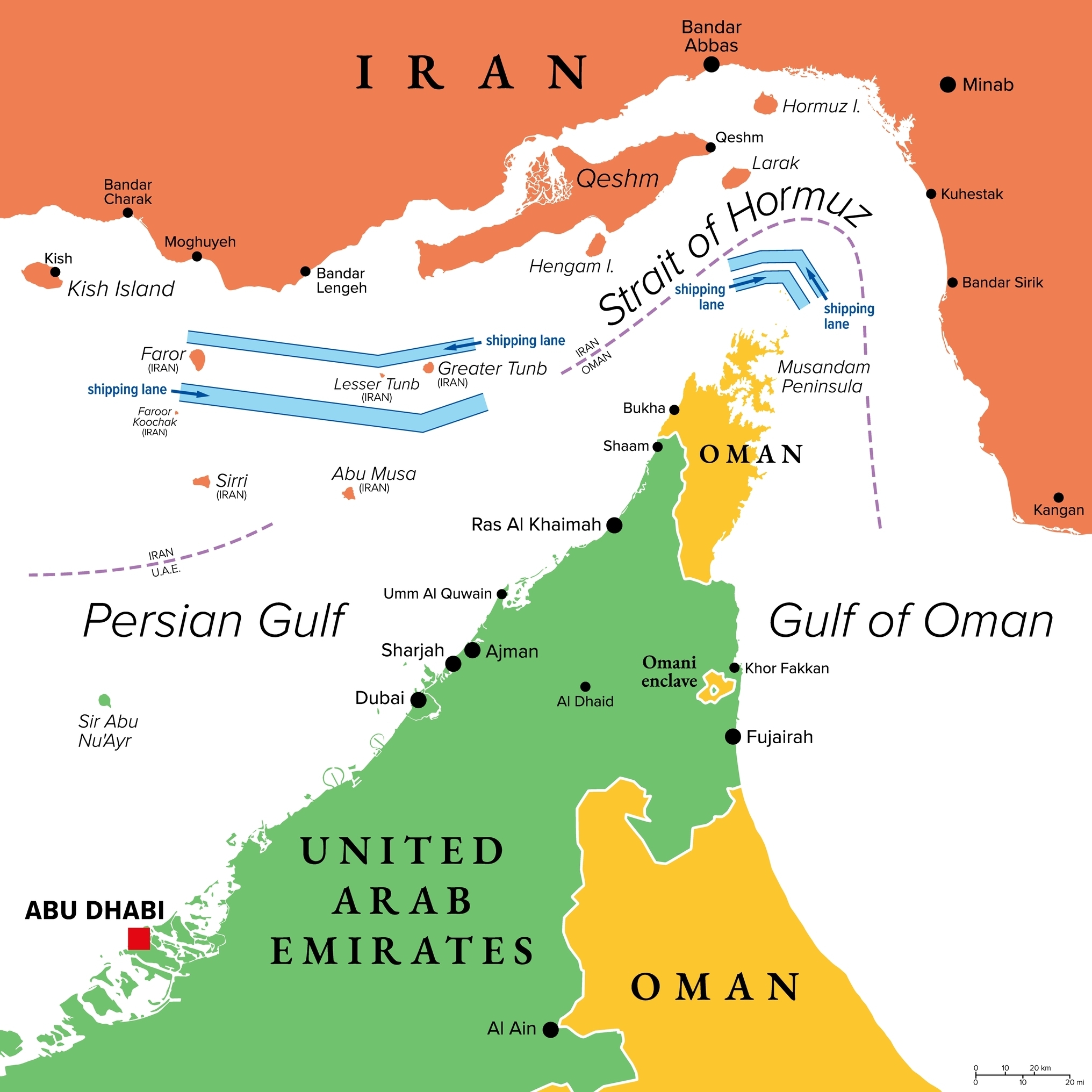
Markets hate uncertainty, and right now there’s plenty to go around. The outbreak of the U.S.-Iran conflict, following by Iranian retaliation against oil infrastructure across the Persian Gulf, has sent crude prices surging and shipping rates soaring to record levels.
Energy markets drove this week’s market volatility, with the conflict in Iran triggering a sharp rise in oil and natural gas prices. Through Thursday’s close, West Texas Intermediate crude oil was up roughly 17% from last Friday, pushing prices close to $80 per barrel.
One of the most common questions investors ask is simple: “How’s the market?” After more than 50 years in the investment industry, this is a question that comes up constantly. But the truth is, the question itself is somewhat misleading.
Stocks and currencies have seen steep losses, with the MSCI equity index posting its biggest weekly drop in six years, and bond yields have jumped.
Gold fell, pressured by a stronger US dollar and concern about the prospect of higher interest rates, as the war in the Middle East extended into a second week and oil rallied.
While senior military officials on both sides have signaled that the campaign may intensify in the near term, keeping headline risks elevated, we outline below why we believe the conflict is likely to be short-lived, and what that could mean for the economy, the Federal Reserve and financial markets in the weeks ahead.
Traditional safe havens — Treasuries, the yen, the Swiss franc, and gold — have offered investors no refuge as the Middle East conflict roiled markets this week.
As the market continues to move deeper into the first quarter of 2026, the fixed income landscape calls for more stability.
Bond investors, who have been focused on inflation since the Iran war began, say a surprise in the monthly US jobs report has the potential to upend their expectations for Federal Reserve interest-rate cuts.
Credit investors are unwinding long positions worth tens of billions of dollars and jumping into hedging trades.
Treasuries fell for a fourth day — lifting yields to the highest levels in several weeks — as rising oil prices ignited inflation expectations and dented the outlook for Federal Reserve interest-rate cuts.
The war in Iran and the risk that it could lead to a wider regional conflict have roiled global financial markets. Oil and European gas prices have spiked while equity markets have seen sharp declines.
For over a decade, the narrative surrounding emerging market (EM) debt has been dominated by a single, overpowering force: the United States Dollar. As the greenback surged from the mid-2010s through the early 2020s, investors seeking yield in emerging markets largely sought shelter in "hard currency" debt—bonds issued by emerging nations but denominated in U.S. dollars.
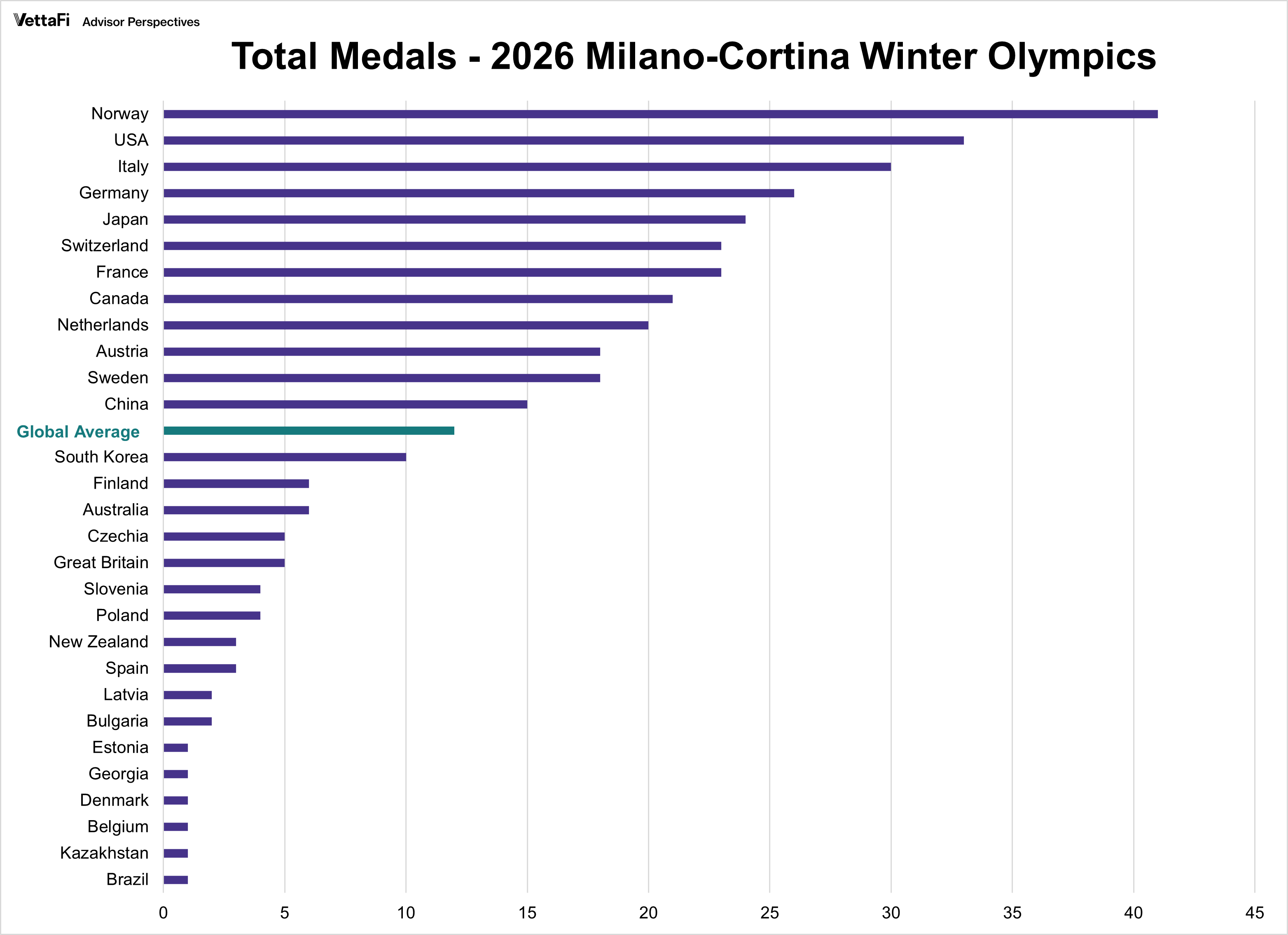
The Milano-Cortina 2026 Winter Games concluded with a familiar hierarchy at the top of the medal table. But in the world of economic indicators, we rarely look at totals without normalizing for scale. The 2026 Winter Games are no different.
It’s been a busy start to the year for investors, as shifting geopolitical risks and rising economic uncertainty led to choppy returns for stocks. Concerns about AI spending and profitability hit technology stocks especially hard. However, other sectors like financials and consumer discretionary have also seen losses to start the year.
Recessions are a regular part of the economic cycle, which means planning ahead is essential. You can't control the economy, but you can take steps to help protect your savings, manage debt, and keep your goals on track. Here are some smart ways to prepare when the economy shifts.
Investing in financial markets is not for the timid. In a very recent Bond Market Commentary, the Head of Fixed Income Solutions, Nick Goetze, discussed “Preparing for the Storm.”
As industry experts convened at SFVegas 2026, the world’s largest structured-finance conference, insurers showed up in large numbers, underscoring growing exposure to securitized assets and private credit in portfolios. We also attended the event and returned with a few key takeaways.
Most investors, from grandma to the mightiest sovereign wealth funds, own bonds to help steady their portfolio and provide a ready reserve for spending. So, it’s notable when prominent voices start questioning their safety.
Looking beyond recent dividend strategies' performance, LPL Research asks and answers the question, “How should I think about dividend stocks or building an equity income portfolio?”
While idiosyncratic and recessionary default risks remain present within this asset class, senior-secured private debt continues to offer the potential for more favorable risk-adjusted returns, particularly when compared to public equities and fixed income.
Energy is dominating headlines on escalating geopolitical tensions in the Middle East. Following military strikes over the weekend, disruptions in the Strait of Hormuz — a chokepoint responsible for roughly 20% of global oil flow— have sent markets into a risk-off frenzy.
Gold sank after a four-day rally, as traders weighed the escalating war in the Middle East against the prospect of a stronger dollar and elevated inflation.
US Treasuries slumped for a second day as surging oil prices prompted traders to slash bets on more than one Federal Reserve interest-rate cut this year.
History may rhyme, but it doesn’t repeat. War is uncertain, and while the US and Israel are dominating, investors would be foolish to assume they know every twist and turn to come. Even here at home, where threats exist.
Strong performance and dividend yields amid volatility — typically, an investor may need to sacrifice one in order to maximize the other.
I know what it sounds like when the bond market breaks. I was there for the 4 a.m. call in the summer of 2007. I also know what it looks like when the bond market offers something genuinely good. It rarely happens. And when it does, you need to grab it with both hands and not let go until it’s gone. Yield levels of this magnitude don’t come along often.
Emerging-market currencies and stocks slumped as US and Israeli strikes on Iran are triggering a jump in energy prices and bring a rally in riskier assets to a screeching halt.
The U.S. is on the back end of fourth-quarter earnings season, and the overall tone from corporate management teams has been constructive. For the S&P 500 Index, earnings growth tracked close to 15% year-over-year, marking a fifth consecutive quarter of double-digit growth.
US bonds are wrapping up their best monthly performance in a year against a backdrop of rising global risks, with resurgent demand serving as proof that investors still see Treasuries as the premier haven in turbulent times.
Global asset managers who collectively oversee more than $20 trillion of assets have grown more bullish across emerging-market equities, currencies, domestic bonds and credit, potentially offering fresh momentum to the sector’s record-busting rally.
In RBA's February insight, we explore how growth and value companies have shifted over time and why today's markets may no longer force investors to choose between quality and dividends.
Carry is an important return driver for multi-asset futures and forwards. Simple trend signals have benefited from trading in line with, not against, the carry of an asset.
As the hunt for yield and stability remains a cornerstone of portfolios in 2026, a group of iShares short-term bond ETFs have made a strategic move to the Big Board today.
According to the UN World Tourism Organization, an estimated 1.52 billion international tourists traveled the world in 2025. That’s nearly 60 million more than the year before, representing 4% growth, and it marks a return to the steady, pre-pandemic growth trend of 5% annually that the industry enjoyed between 2009 and 2019.
Get ready each week with high-conviction insights that go beyond media headlines.
It’s been a wild few months for software and other “middleman” stocks. First, there was “SaaSpocalypse,” in which investors dumped enterprise software purveyors that help companies manage accounts and internal workflows.
As we expected, the Supreme Court struck down most of the new tariffs President Trump had imposed since taking office thirteen months ago.
Income rather than price is the primary driver of FRN returns. As policy rates and SOFR move, FRN coupons adjust accordingly, allowing income to rise in higher-rate environments and decline when rates fall.
The central theme of 2025 was the disconnect between market sentiment and economic reality. The year began with widespread apprehension regarding aggressive tariffs and forecasts of a recession.
“China is dumping US Treasuries to get out of the dollar.” This claim has been circulating the mainstream feeds lately, with the narrative that the “end of the dollar is near,” or “the US will lose its funding base,” and “bond yields will surge.” But are those claims valid? Such is what we will explore in more detail.