Our playbook for 2026 aims to address real risks by expanding allocations in new directions.
Income ETFs can help retirees and their advisors navigate complicated economic times as they strive to meet their goals.
To resist the dollar’s assault and preserve monetary sovereignty, China has asked banks to start paying interest on e-CNY holdings in customer wallets from Jan. 1. Amid this superpower rivalry, nations must strive to preserve their unit of account — dollar, euro, yen, or yuan — from becoming a casualty of technological dominance.
We’ve reached the 100-year milestone for our dataset that we began collecting in the 1970s. We'll review key data from the prior century to gain perspective on that period and consider what it could mean for the future.
Ultimately, risk tolerance is revealed through thoughtful conversations about what must be fully protected and where clients are willing to take risk. But risk tolerance is just one piece of the puzzle — risk management is where advisors can add significant value and differentiate themselves.
President Donald Trump has promised to address housing-market dysfunction and a lack of affordability in 2026. While we don’t know what the White House has planned, previous talk has included a (much criticized) suggestion for 50-year mortgages and exhortations to builders to do their duty and build more housing.
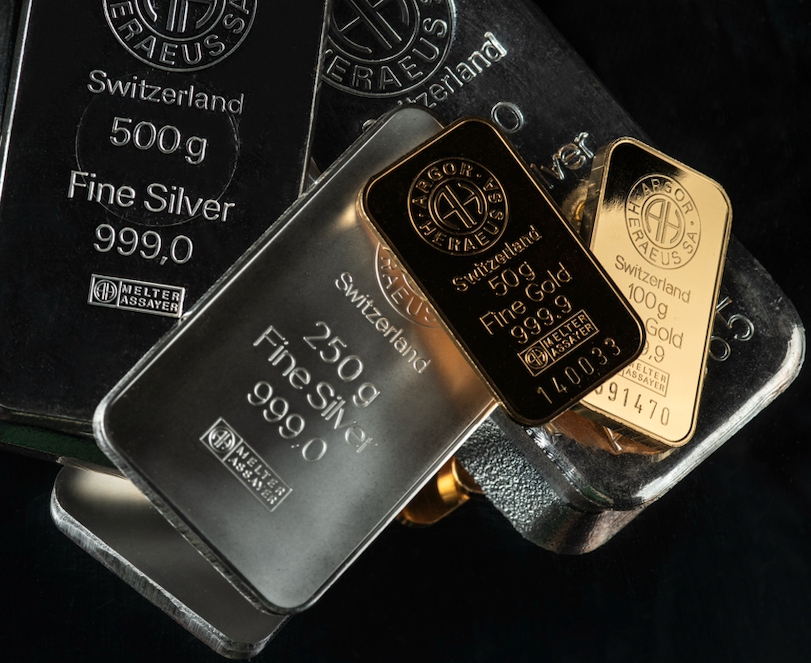
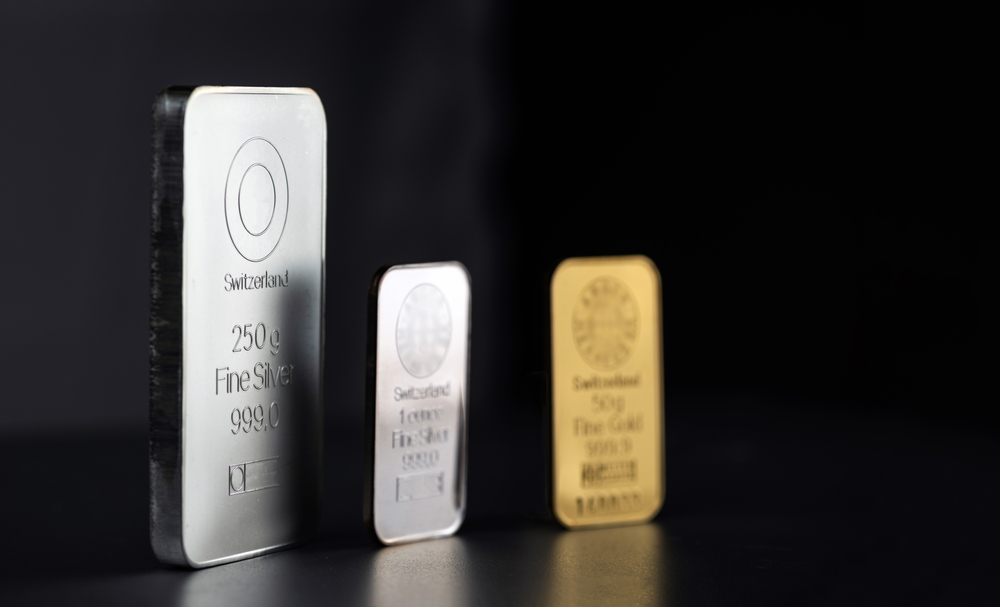
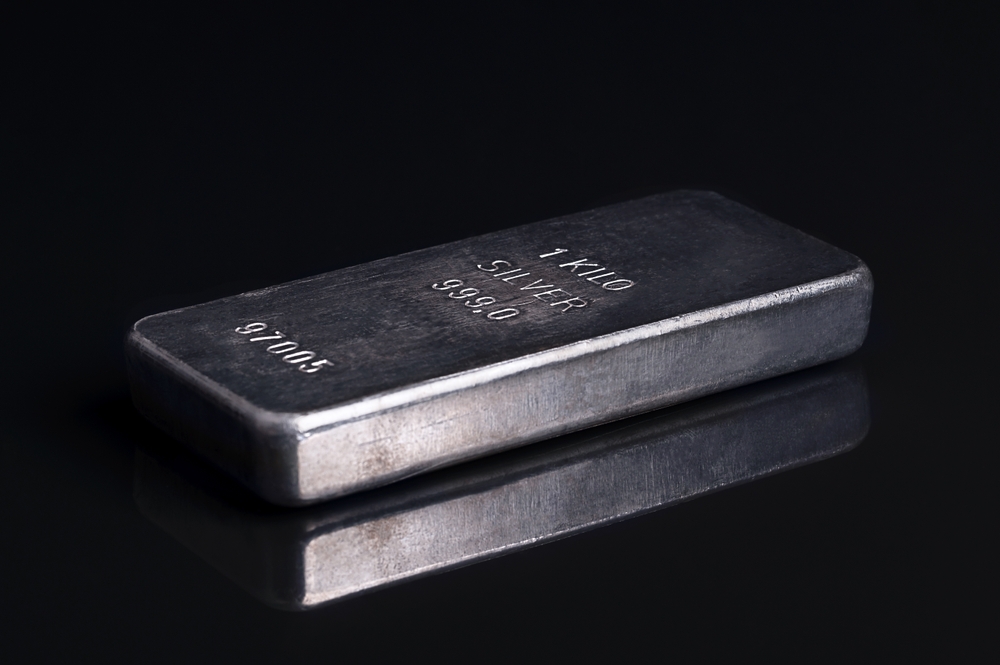
Silver was the best-performing commodity last year, up an astounding 145%, but precious metals as a whole delivered solid returns. Gold, silver, platinum and palladium all responded positively to a number of factors, from rising geopolitical tensions to changes to global trade to the accelerating energy transition.
This week’s release of the FOMC meeting minutes showed relatively strong diverging views on current monetary policy as well as on the path for policy this year.
Last year, we thought economic growth would slow. Verdict: GDP data say we were wrong, employment data say we were right. Last year we thought the stock market would decline. Verdict: it did in March and April, sharply, but the S&P 500 ended the year with an impressive 16.4% gain. Overall, we’d say our negativity was unwarranted.
From an investment perspective, the financial ramifications operate on two levels — direct and indirect effects. The most direct effect is visible in the distressed debt market. Bonds issued by PDVSA, Venezuela’s state-run oil company, remain in technical default but had already begun a sharp rally in mid-December. Investors, anticipating an increased likelihood of regime change, have now seen that thesis validated.
The market enters 2026 on a fundamentally solid footing, even if the year-end trading days were choppier than the traditional year-end rallies we often see. Economic momentum exiting 2025 was strong.
The outlook for Chinese equities in 2026 is bright. Its ability to stand up to US trade demands reflects the narrowing technological gap between the two economies. We anticipate a less confrontational approach towards trade in 2026 as both sides seek to focus on growing their economies.
Silver’s parabolic rise has been remarkable. In this article, we examine the two similar price surges to provide context for what may be occurring today and, importantly, for what might cause this bubble to pop tomorrow.
The defining feature of every bubble is the same: a growing inconsistency between the long-term returns that investors expect in their heads - based on extrapolation of the past, and the long-term returns that properly relate prices to likely future cash flows - based on valuations. Every bubble smuggles the same tragic past into the same tragic future by packaging it with new wrinkles that convince investors that this time is different. Ultimately, they still end the same way.
In 2025, the prices of precious metals rose sharply, with silver prices recently surging past $80 per ounce. Of course, when precious metals rise, there is always the same group of commentators (mostly paid newsletter writers and physical metal dealers) to declare that a financial analysis is underway.
With 2025 in the books, we take a brief pause to reflect on QuantStreet over the last few years. We started managing our first portfolio in December of 2021. What started out as just an idea has grown into a business serving many clients, both retail and institutional. 2025 was a year of growth for QuantStreet, and we hope to continue to build on this in 2026.
Now, as we turn the page to 2026, new challenges await: geopolitical tensions, lofty valuations, and an evolving macro backdrop. That’s why we’re excited to unveil our Ten Themes for 2026, inspired by Mission: Impossible, celebrating the 30th anniversary of its first movie this year.
Our 2026 outlook shows fixed income continuing to benefit from elevated rates, while equities still face a narrowing edge over risk-free investments.
Michael Saylor has long noted that Bitcoin’s volatility “is a feature, not a bug” when pitching his cryptocurrency accumulator Strategy Inc.
Artificial-intelligence-related investment is one of the trends likely to sustain the rise of emerging market equities in 2026, as policy support also contributes to a favorable backdrop.
Investors were rationally exuberant in 2025. US consumers remained remarkably resilient, keeping the world's largest economy out of recession. The tariff blizzard waxed and waned, eventually settling at levies still compatible with maintaining global growth, albeit at an anemic level.
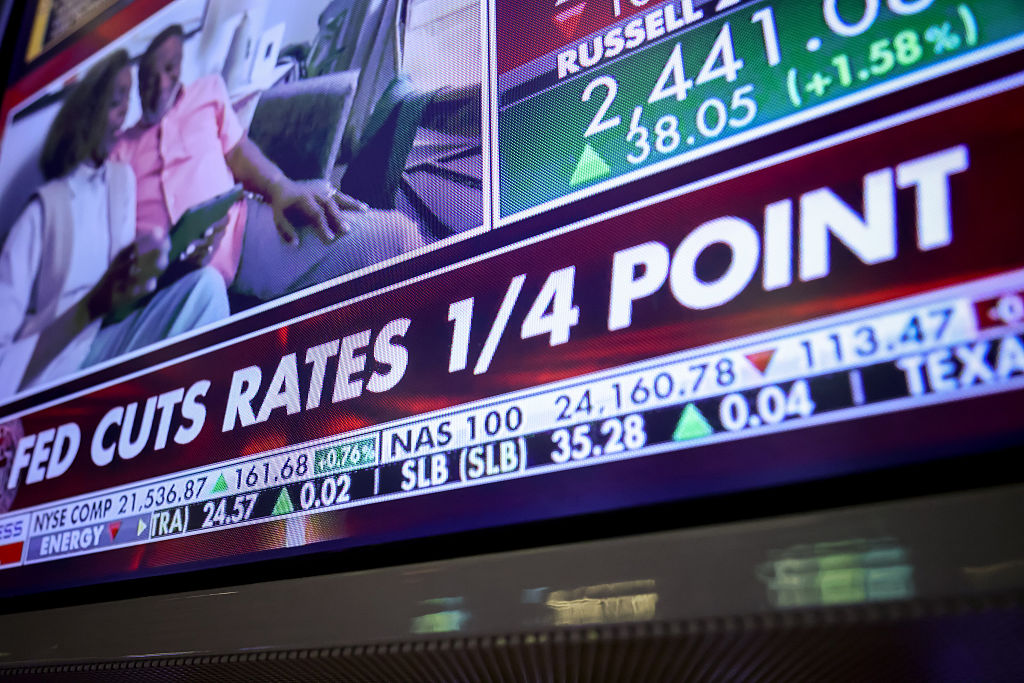
The Federal Reserve delivered a widely anticipated rate cut in December, signaling caution about growth risks while maintaining a “wait and see” stance.
RiverFront’s Investment Team is proud to present the summary of our 2026 Outlook, which will be released this Friday, December 19th. In 2025, the tech-heavy US stock market rode a wave of AI awareness and spending.
The U.S. economy appears poised for a measured and confident expansion into 2026 driven by a stabilizing monetary policy, corporate strength, and resilient household income growth. Our outlook suggests a supportive environment for risk assets, particularly domestic equities, while favoring specialized strategies in fixed income.
Franklin Templeton Institute believes tax-free municipal bonds continue to be well positioned in the current market environment.
When it comes to interpreting the economy we put a premium on sobriety. One good piece of economic data doesn’t mean a boom, nor does one bad report mean a bust.
We examine what’s driving gold’s ascent — from central bank reserves to portfolio hedging — and why it can play a strategic role for investors.
Micron Technologies (MU) rose 10% the week of December 15th, after the company markedly beat Q1 FY26 revenue and earnings expectations. The company is a key player in memory and storage products for many technology sectors, including AI data centers.
At the big banks and the boutique investment shops, an optimistic consensus has taken hold: the US stock market will rally in 2026 for a fourth straight year, marking the longest winning streak in nearly two decades.
Silver surged above $80 an ounce on Friday, capping a meteoric rally that drove the metal’s price up 176 percent over the year. What is driving silver higher at such an unprecedented rate?
As we pass the halfway mark of the 2020s, comparisons now abound between our current decade and the roaring 1920s. F. Scott Fitzgerald best captured the opulence of the Flapper Era in The Great Gatsby, “They were careless people, Tom and Daisy — they smashed up things and creatures and then retreated back into their money or their vast carelessness.”
There is a rising market risk in 2026 that is largely overlooked as we wrap up this year. Optimism about 2026 is running high. Currently, investors are pricing in strong economic growth, robust earnings, and a smooth path of disinflation. Notably, Wall Street estimates suggest a significant acceleration in corporate profits...
What will 2026 be like? There are reasons to be optimistic, as many were a year ago. Here are five of them.
As we get ready to close out 2025, one stand-out trend in the U.S. Treasury (UST) market has been the steepening of the yield curve. The question now is whether this trend will continue into 2026, and if it does, how should investors position their bond portfolios?
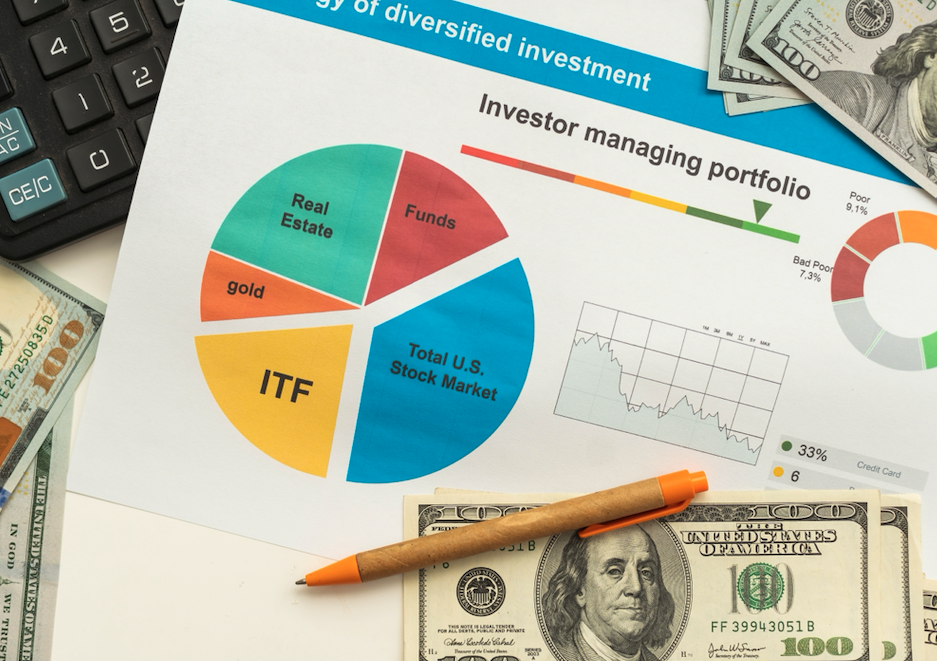
Finding ways to effectively diversify a multi-asset portfolio allows investors to maintain their strategic equity allocation while managing risk. We may be entering a period when bonds can, at least in part, start to once again fulfill that function.
In a recent episode of the Money Metals podcast, host Mike Maharrey sits down with Peter C. Earle, PhD, of the American Institute for Economic Research (AIER) to unpack what the gold standard actually is—and why it still matters in a world of fiat money.
2025 was a good year for most fixed income markets but we’re approaching 2026 with caution. All-in yields are still attractive for most markets, but spreads (the additional compensation for owning riskier debt) are low, suggesting investors aren’t getting paid to take on a lot of credit risk right now.
The Santa Claus Rally often grabs headlines because markets tend to deliver solid gains during this short window — or perhaps because it falls during a typically quiet news cycle.
Now that the Bureau of Labor Statistics (BLS) released the delayed October and November nonfarm payroll numbers, do we know more about the US labor market than we knew before the release? Probably not.
It’s that time of year when Wall Street polishes up its crystal balls and begins predicting returns for 2026. Since Wall Street never predicts a down year, which would be unwise for fee-based product revenues, these forecasts are often inaccurate and sometimes significantly wrong. Let’s review some previous years.
Challenging the conventional view of gold as a bubble, this analysis explores whether the metal's 109% surge since 2024 signals a permanent paradigm shift rather than a looming crash.
After three strong years in a row, major indexes ended the year seeking direction. While optimism abounds, here are some potential issues that could trip up U.S. stocks.
Cinthia Murphy, Investment Strategist at VettaFi, breaks down new survey data on how financial advisors are thinking about equities, fixed income, and crypto heading into 2026. Brittany Christensen, Head of Business Development at Tidal Financial Group, highlights her top ETF stories to watch in the year ahead.
While often overlooked, water management plays an important role in oil and gas production. Oil wells typically produce more water than oil, while hydraulic fracturing (or fracking) requires water to be pumped into wells. Water infrastructure related to oil and gas production is considered midstream and is classified within gathering and processing.
US economic growth is set to accelerate with cheaper oil. Federal Reserve rate cuts are likely with inflation cooling.
This week, President Donald Trump ordered a blockade of oil tankers entering and leaving Venezuela, dramatically escalating U.S. pressure on the Maduro regime.
Last week delivered welcome news on inflation in the United States. The November report showed headline inflation slowing to 2.7% year-over-year and core inflation easing to 2.6%—both below consensus expectations of 3.1% and 3%, respectively.
As your balance sheet grows, the questions you ask about money tend to change. You move from wondering how to build assets to asking how long they will last, who will manage them after you, and how to keep family relationships steady along the way.
Driven by a more predictable regulatory backdrop and a surge in large-scale deal flow, 2025 has delivered the strongest merger arbitrage returns since the post-pandemic boom. This resurgence, characterized by narrowing spreads and a notable lack of failed deals, has set a robust foundation for continued activity into 2026.
The market’s big “aha” moment last week was a CPI print that came in meaningfully cooler than expected, followed immediately by the usual chorus that it must be “distorted.”