Since Wuhan two years ago, China has had relative success in minimizing disruption by bringing virus cases quickly under control. Now, the geographic spread of infections and higher transmissibility of the omicron variant is challenging the country’s hawkish pandemic strategy of aggressive testing and locking down whole cities or provinces.
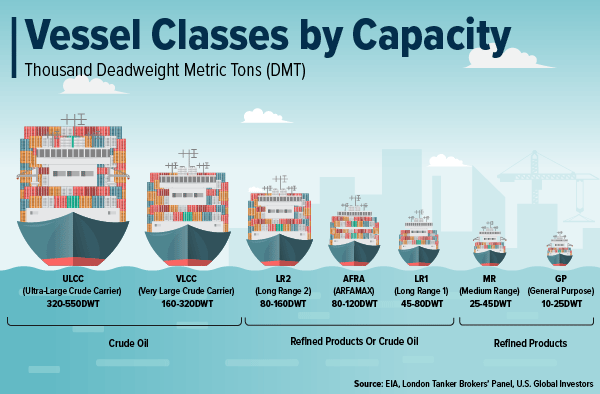
A provocative report by Credit Suisse’s Zoltan Pozsar that was making the rounds in certain corners of Twitter this week suggests that the Russia-Ukraine conflict could be a strong tailwind for shipping freight rates.
Price shocks are a boon for some emerging markets, while a curse for others.
In economics, “Guns or Butter” compares the impact of government spending on defense and non-defense categories. The Russia invasion of Ukraine has implications for investors and categories associated with defense, energy and industrials. Sectors deemed in the national interest should benefit from better appropriation, less regulation and bipartisan support.
Oil had its biggest daily swing ever, surging to near $140 before pulling back sharply, on the prospect of even tighter supplies after the U.S. said it was considering a ban on Russian crude imports.
Russia’s invasion of Ukraine has ramifications for global inflation and growth, according to Franklin Templeton Fixed Income.
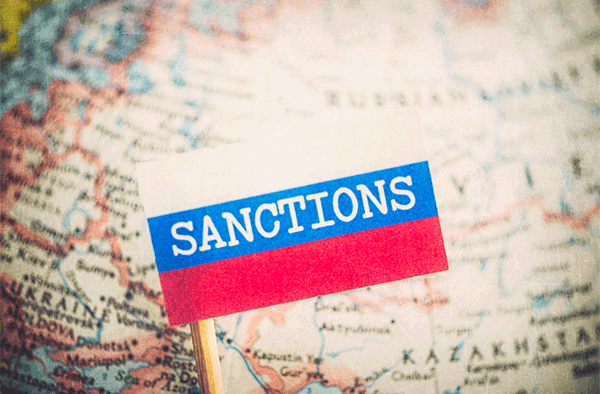
I don’t believe the world has ever witnessed such a highly synchronized effort to ostracize a nation and isolate it from global markets. The steps have so far been deep and profound.
Given the war in the Ukraine, I thought it would be helpful to provide insights for advisors and investors to think about risk and what if any actions should be considered.
We recently hosted a special edition of our “What Our Managers Think” panel discussion to address the current situation in Ukraine.
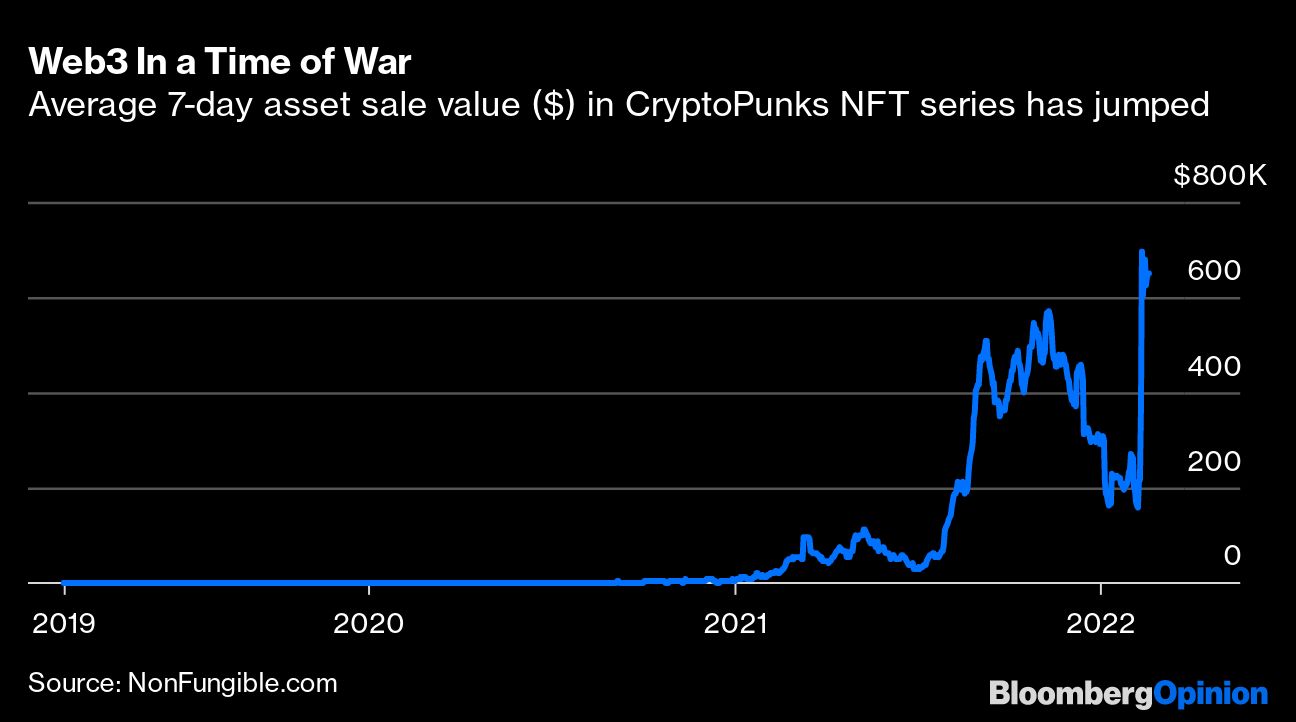
When Russia began its invasion of Ukraine, cryptocurrency fans appeared to be trapped in a decadent fantasy. A batch of CryptoPunk NFTs (blockchain collectibles) had just been yanked from auction at Sotheby’s amid fading enthusiasm and a broader market sell-off.
Portfolio Manager Shuntaro Takeuchi explains how rising inflation and volatile markets may cast Japan as an investment haven, with a breadth of hidden value available to be tapped.
Sustainable investment funds are mushrooming. Assets under management in Morningstar’s global sustainable fund universe surged to $2.75 trillion at December 31, 2021, nearly three times the pre-pandemic level, according to Morningstar.
Welcome to the new, slimmer format of the Absolute Return Letter.
We have announced our Venerated Voices awards, representing the most-read market commentaries, authors and firms.
Central banks have been a powerful tool to steady the global economy in crises past. Their ability — and willingness — to do so now is constrained. The terrain is tougher and the costs of a rescue are higher.
Portfolio manager John Paul Lech and Senior Research Analyst Alex Zarechnak discuss the potential market ramifications of Russia’s invasion of Ukraine.
Our withdrawal was well timed, as Russian stocks had their worst one-day selloff on record. The dollar-denominated RTS Index fell around 40% on Thursday.
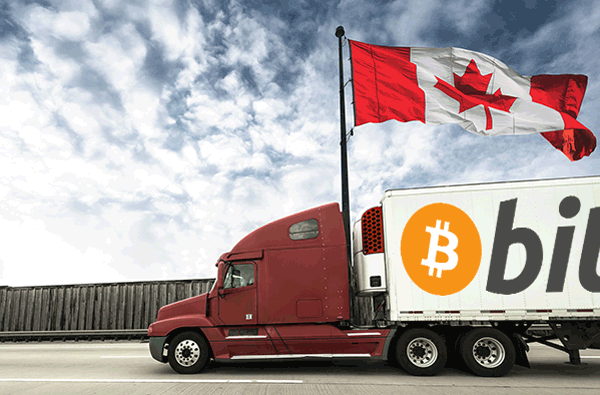
Unlike fiat currency, Bitcoin is decentralized and cannot be controlled by any central bank or politician, making it a powerful peer-to-peer payment network. Why else are some lawmakers and bureaucrats so eager to regulate or outright ban it?
We don’t expect the West to impose widespread sanctions in the event Russia invades Ukraine.
As tensions between Russia and Ukraine mount, so too does market volatility.
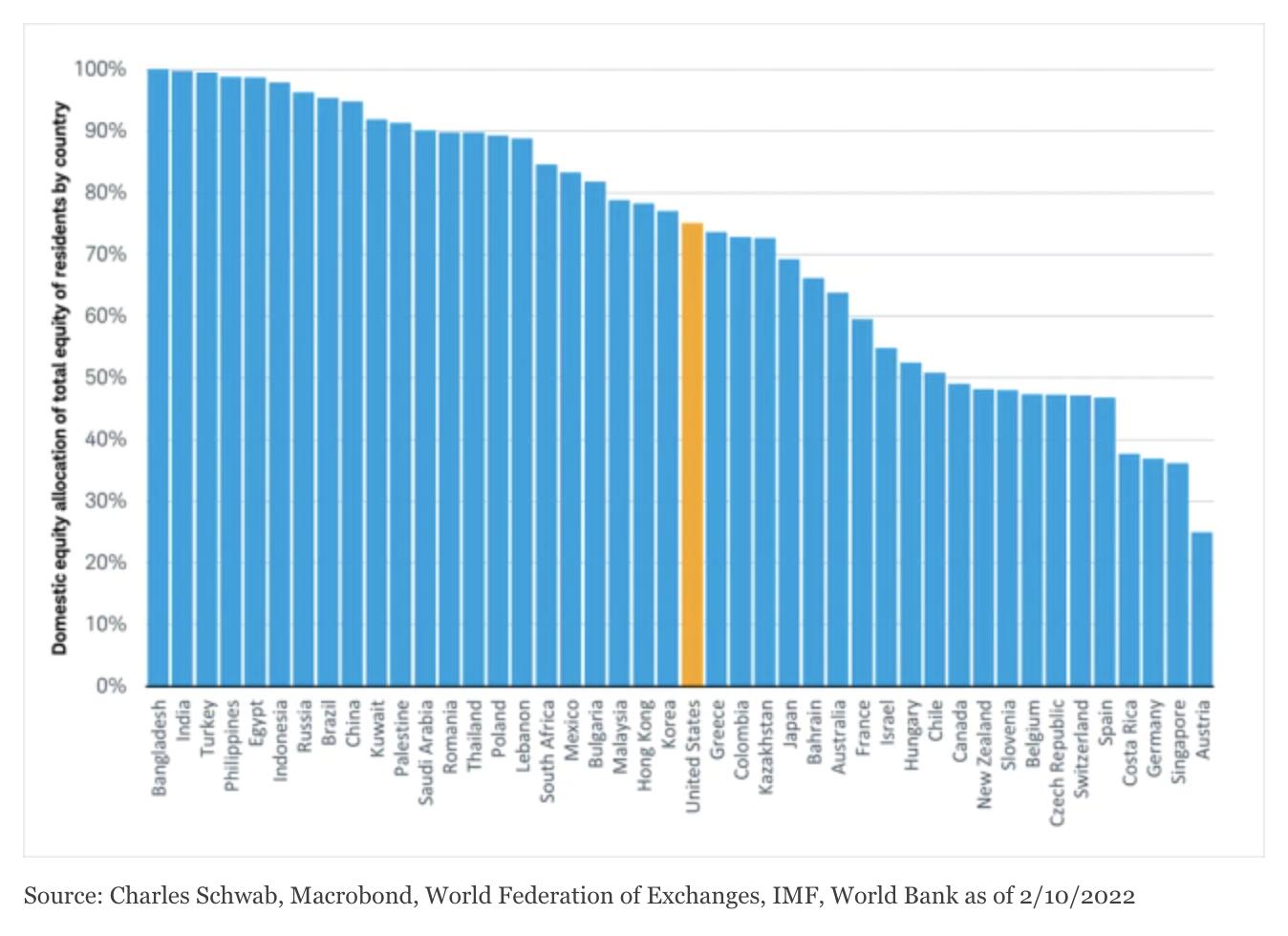
Most investors are probably less diversified than they think they are.
Traders and buyers of Asia’s favored oil grades from Russia, particularly ESPO and Sokol from the far east, are becoming increasingly wary of being caught up in possible trade restrictions should the OPEC+ producer be sanctioned, they said.
If everything goes according to plan, travel and tourism could contribute $2 trillion to the U.S. economy in 2022, compared to $1.87 trillion in the year before the start of the pandemic.
CIO Robert Horrocks, PhD, explains how inflation has brought with it aggressive shifts in investment themes but ultimately it’s the attributes of companies that determine portfolio returns.
Today's inflationary surge is being felt not just by the advanced economies but also by the majority of emerging markets and developing economies.
The prospect of rising interest rates has clouded the outlook for global bond investors in 2022, but it’s not all bad news.
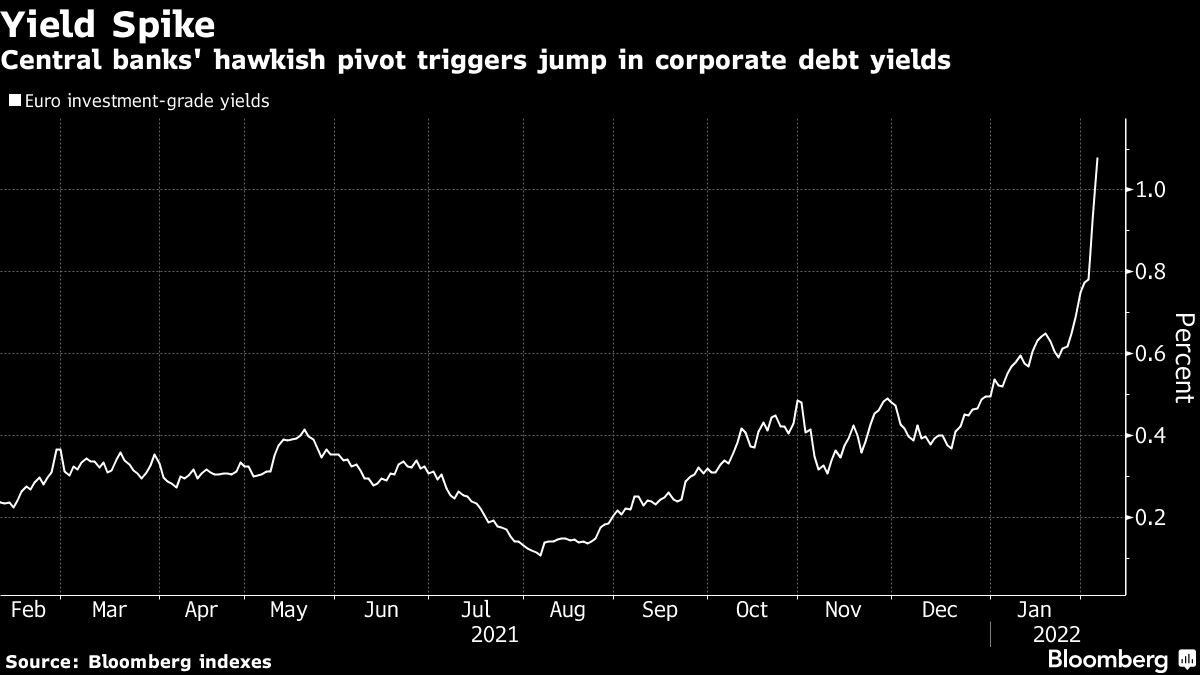
Borrowing costs are soaring across global credit markets as investors prepare for the end of an era of loose monetary policy.
I believe Fed officials are largely responsible for the cycles of bubbles, booms, and busts over the last 30 years. Further, they share some of the blame (clearly not all) for the growing divisions and tribalism in our society. Much of it springs from the wealth disparity they aided and abetted.
IMO 2020 has contributed to higher shipping rates.
When considering portfolio allocation, it’s important to keep in mind the wide dispersion of returns among economies.
Europe’s stricter environmental, social and governance rules might be forcing companies in more controversial sectors to look across the Atlantic for funding.
Headquartered in Japan, Ulvac makes vacuum devices and instruments for manufacturers in the semiconductor, electronics, chemical, pharmaceutical and food industries.
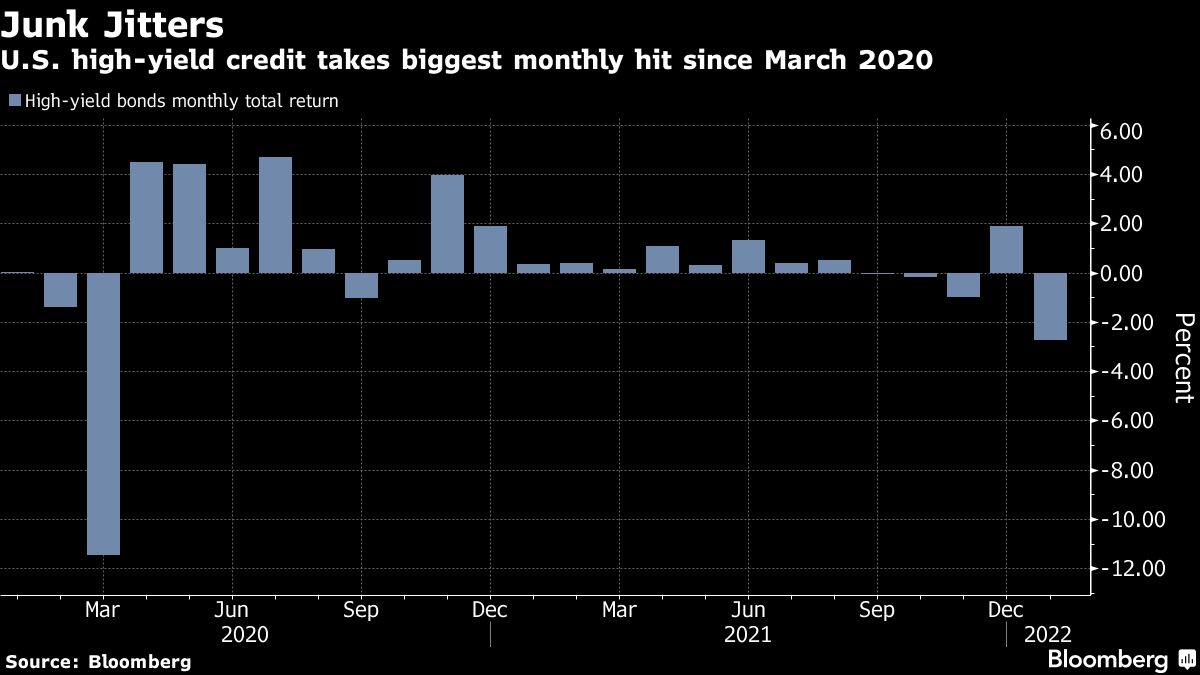
U.S. junk bonds just posted their worst start to a year ever, and their dour performance last month made them a potentially surprising victim of the Federal Reserve’s looming rate-hike campaign.
The Biden administration will share more details about its work on an economic framework agreement with Asian nations in the coming weeks, according to a top trade official.
The intricacies and knock-on effects of the COVID-19 pandemic on the semiconductor and automotive industries continue to present interesting dynamics for investors to navigate.
This month’s Absolute Return Letter deals with a hyper-sensitive topic.
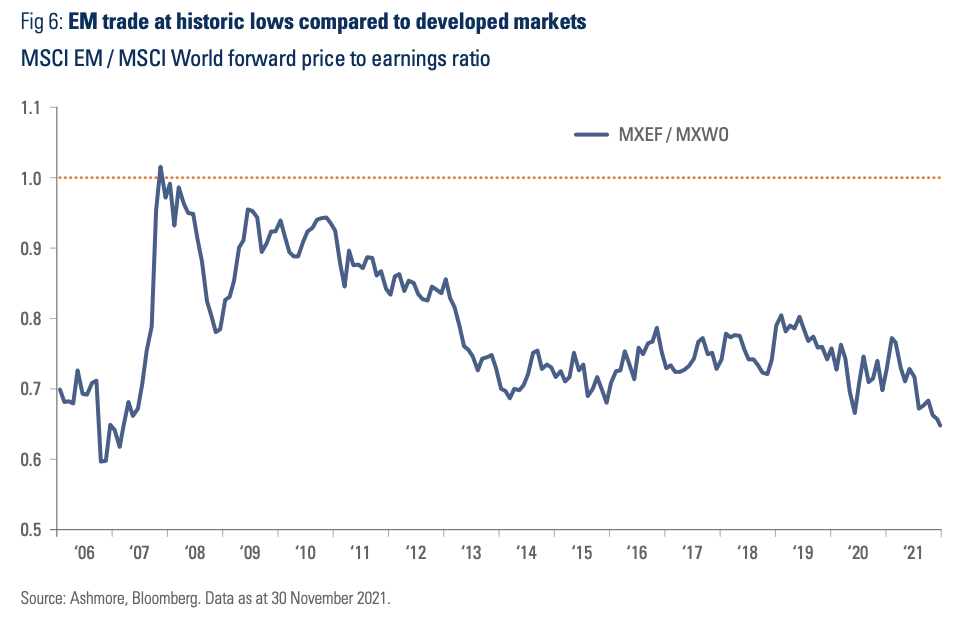
Emerging Markets (EM) have demonstrated their resilience during the greatest economic shock since the Global Financial Crisis.
Much of the global economy has transitioned quickly from an early-cycle recovery to a mid-cycle expansion that now appears to be rapidly progressing toward late-cycle dynamics.
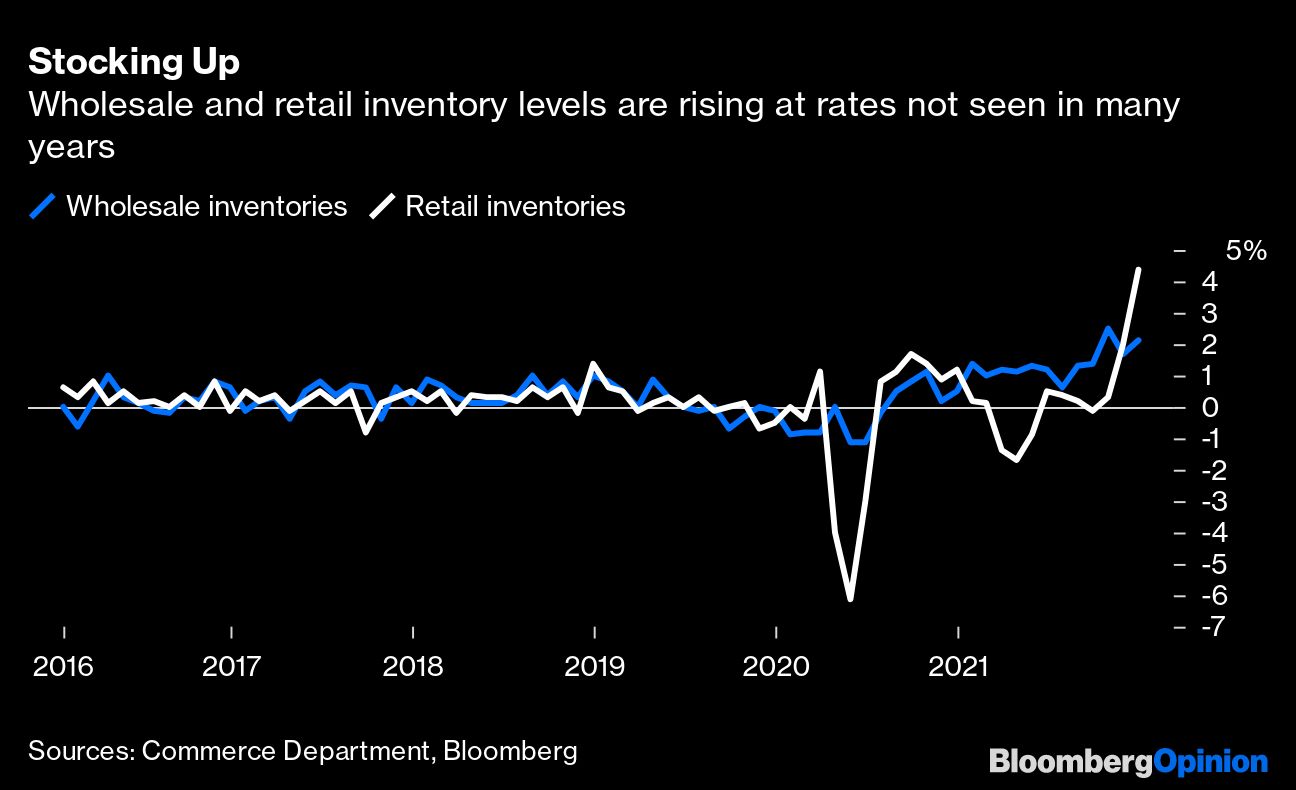
Don’t be fooled by the Commerce Department report Thursday showing the U.S. economy grew at a faster-than-expected annualized rate of 6.9% in the fourth quarter. Look under the hood of the gross domestic product report and it’s clear that there’s a big inventory cycle unfolding in the economy as consumer demand wanes following a large buildup in the supply of goods.
Lunar New Year treats like sponge cakes and pineapple tarts are more costly to make than ever after drought in the U.S. slashed harvests of a specialty wheat that’s a key ingredient.
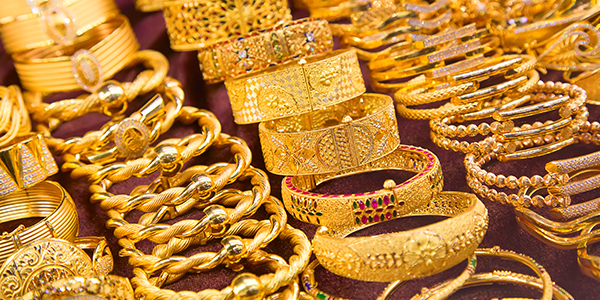
Investors have already started positioning for a new Fed tightening cycle as well as sticky inflation. Many are rotating into real assets, including gold and real estate, which have inherent value outside of the traditional financial system.
We’ll review what may be the most compelling bear case I’ve seen in a long time, along with some other unpleasant data. Then we’ll look at some equally compelling reasons those views may be wrong.
Evergrande’s default and the delisting of Didi Chuxing should be viewed as being part and parcel of the challenges of investing in China.
Strategists are mapping out their best trade ideas after Federal Reserve Chair Jerome Powell set the stage for raising interest rates to combat the highest inflation since 1982.
In our latest issue, Andy Rothman discusses how last year’s experiences can help us plan for China’s 2022 economic prospects.
Spurred by rate hike concerns, geopolitical tensions and more, markets saw a 10% correction intra-day today – find out how that impacts our outlook.
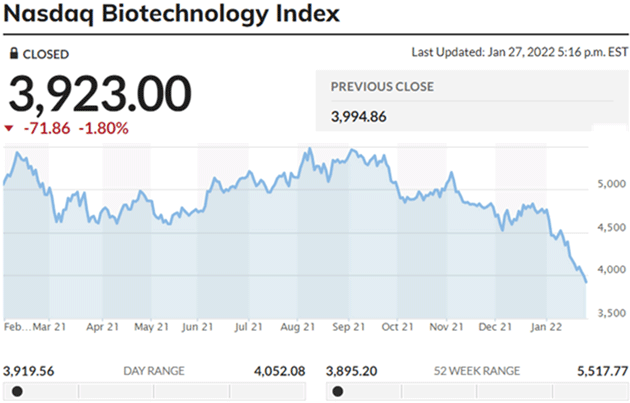
Meme stocks, cryptocurrencies, the broader stock market: All have tumbled with astonishing speed this year, and few strategists think the pain will end here.
Investors have been taking refuge from the Chinese real estate debt crisis in pockets of the broader Asian credit market, and cite India among opportunities that are relatively insulated from the historic turmoil.
Given the many forces shaping the economy and markets, 2022 will be a stock picker’s—and a bond picker’s—market. Prices are indeed stretched in pockets of the market, but many areas offer attractive potential supported by compelling fundamentals and exposure to growth themes.
“Supply chain” used to be a piece of business jargon that rarely made its way into normal conversations.