Emerging market stocks have rebounded to new highs following their correction at the onset of the Iran war. The recent rally has been concentrated around AI. Can this continue?
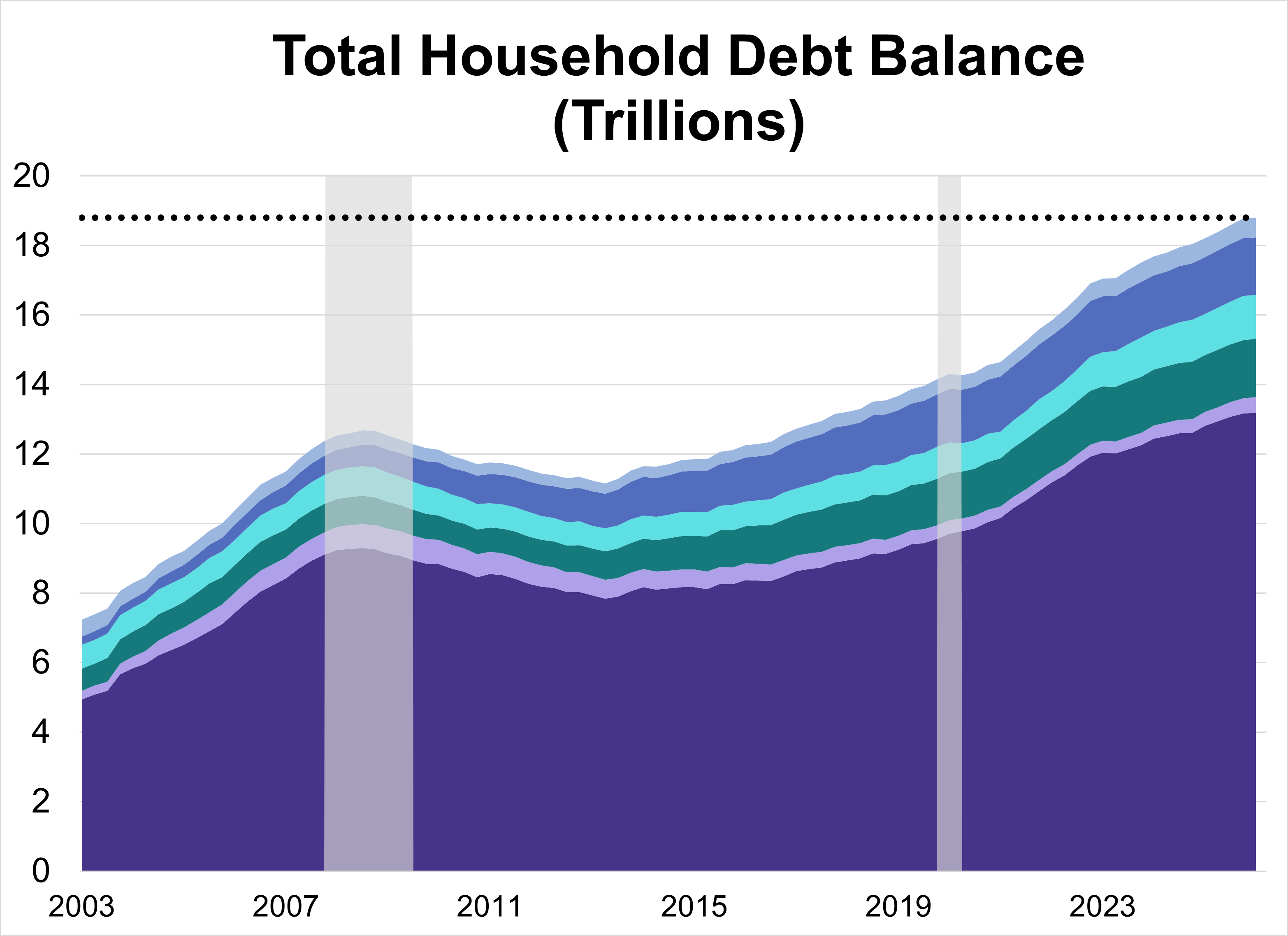
Total U.S. household debt climbed to a record $18.79 trillion in Q1 2026, a modest 0.1% ($18 billion) increase from the previous quarter. The overall rise was driven by increases across a handful of categories, specifically mortgage and auto loan balances.
In the current market, broad healthcare exposure means navigating relentless regulatory pressure and drug-pricing reform, a combination that can erode returns quickly. To find true value in this challenging macro environment, investors are increasingly turning to cash as the ultimate truth-teller, specifically, free cash flow (FCF).
AI infrastructure costs just keep on rising. Big tech firms are likely to invest several trillion dollars over the next few years to satisfy your ChatGPT and Claude habit.
Firms pulled back sharply on hiring last year as policy uncertainty and higher input costs – driven largely by tariffs – forced a reassessment of risk. Nonfarm payroll growth averaged just 9,700 per month in 2025, down dramatically from 121,600 in 2024. That slowdown reflected a familiar corporate response: When uncertainty rises, labor – the largest and most flexible cost – becomes the primary adjustment mechanism. Rather than expand headcount, firms chose to wait.
The stock market is on an absolute tear, with the Nasdaq up 5% last week and nearly 13% year-to-date. The proximate causes include a cease-fire somewhat holding with Iran, a 28% surge in S&P 500 corporate profits in the first quarter, and some consensus-beating economic reports, like Friday’s payroll numbers.
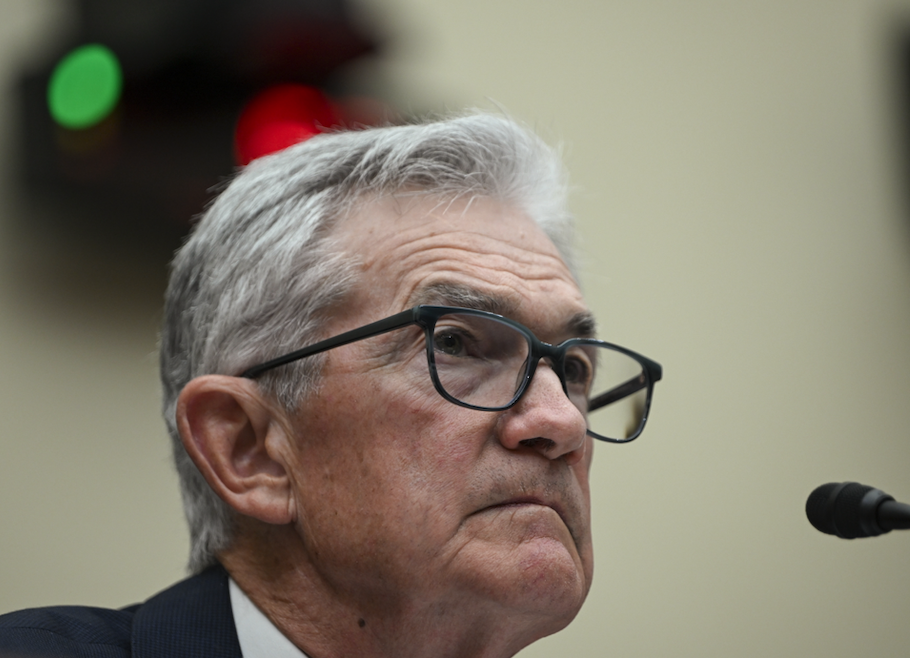
With those simple words, Jerome Powell departed his final press conference as Federal Reserve Chair. Powell’s eight years at the helm have been anything but simple, however. A review of his tenure includes some hits, some misses, and some important lessons in leadership.
Early detection, I believe, is one of the smartest investments you can make, whether we’re talking about your portfolio or your health.
LPL Research explores how a potential Warsh-led Fed could reshape policy, Treasury markets, and volatility amid rising deficits and shifting demand.
Last week was very strong for the market narrative because the economic data continued to show resilience where it matters most: jobs, earnings, and investor confidence. The latest payroll report was not just stronger than expected; it showed broad private-sector strength, with government jobs actually declining and the prior month revised higher. That is an important distinction.
Munis may have struggled a bit in March, but the long-term environment for these bonds remains full of potential.
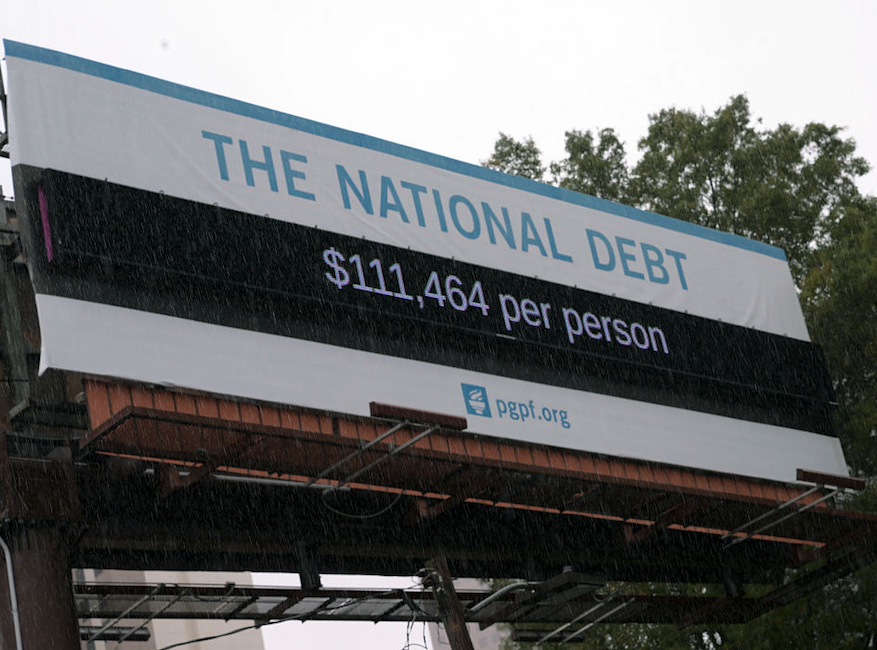
A look at the highlights for the year to date via four charts, including updates about diversification, economic indicators and the national debt.
Gold bugs often claim that when more dollars are in circulation, each dollar buys less; prices rise, and gold, as a store of value, helps protect purchasing power from that decline. As a result, they believe that a rising money supply, in and of itself, is inherently inflationary.
Oil rose after US President Donald Trump rejected Iran’s response to his latest peace proposal, prolonging the effective closure of the crucial Strait of Hormu
The travel and leisure space remains a bright spot, with Marriott posting a robust earnings beat driven by a 12% increase in gross revenue and strong global booking trends. Airbnb also had a strong showing, topping revenue forecasts and raising its full-year outlook as global travel momentum drove a 19% increase in gross booking value.
That skepticism isn’t contrarianism for its own sake, but rather the recognition that when a thesis achieves consensus, the crowd has usually already priced the easy part of the move, and the hard part is what comes next.
In this month’s Allocation Views, the Middle East conflict and its impact on the global economy in 2026 continue to be the chief concern for asset allocation, as inflationary pressures challenge central bank policy.
The U.S. labor market demonstrated remarkable endurance in April, with job gains outpacing expectations and private sector expansion reaching its strongest point in over a year. As the Federal Reserve maintains a steady interest rate policy, the focus now turns to upcoming inflation and retail data to gauge the sustainability of this momentum.
Emerging markets have grown more resilient, according to the Templeton Global Macro team, and the Iran-driven oil shock is a fresh test. Impacts will likely diverge between oil importers and exporters and vary widely within each group.
Though the U.S. drills far more oil than in the past and relies less on supplies from the war-torn Persian Gulf, U.S. consumers see there's no escaping global price realities.
With the war in Iran dragging past the original ceasefire deadline, how might the situation impact global energy markets—and other sectors—from here? To cut through the noise, we asked Luke Pryor, Security of the Future Portfolio Manager and Co-Portfolio Manager of Strategic Equities, to share his oil and gas industry expertise.
US employers added more jobs than expected for a second month and the unemployment rate held steady in April, indicating the labor market is holding up despite rising energy costs sparked by the Iran war.
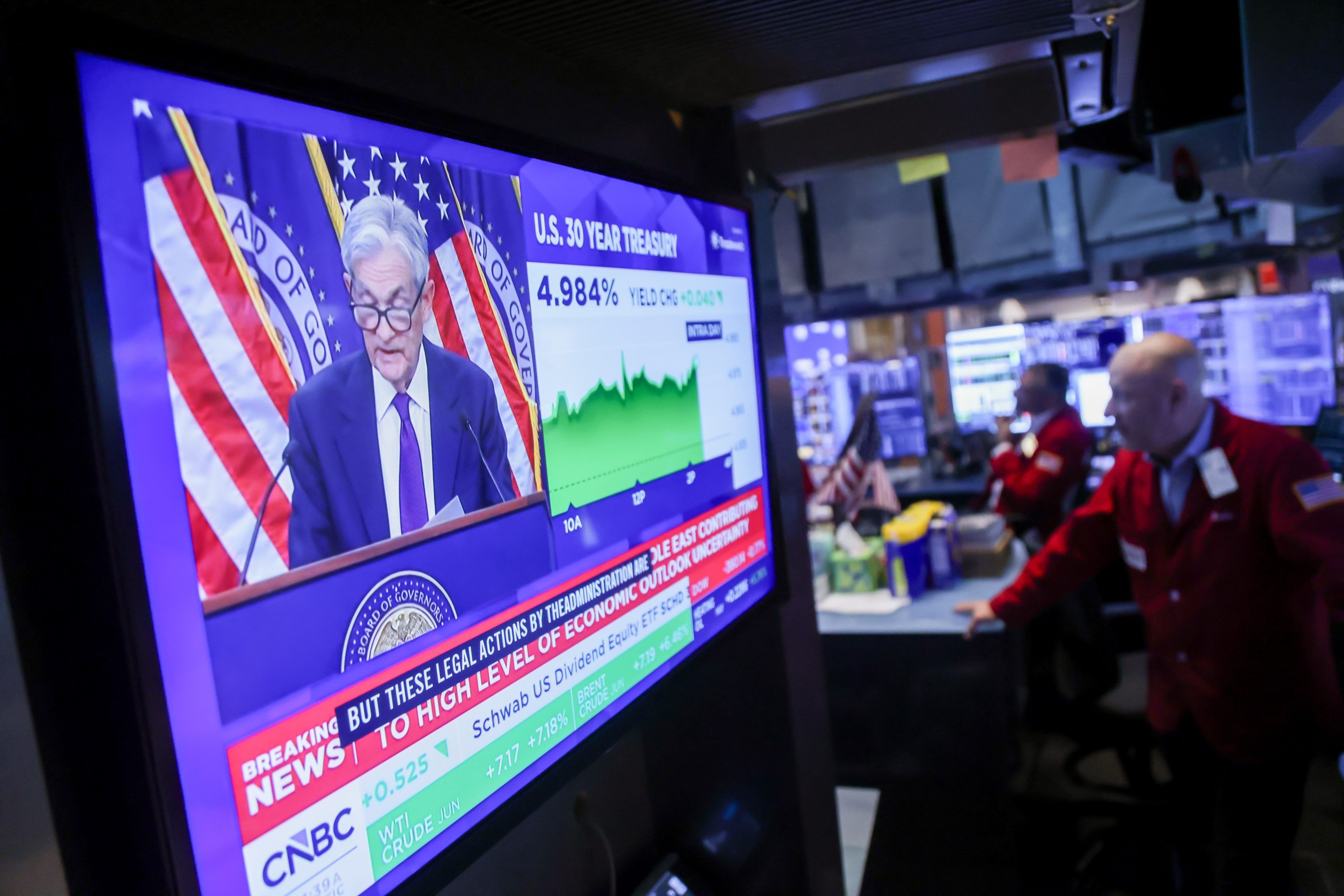
The April FOMC meeting’s four dissents and resistance to maintaining an easing bias signal a higher bar for rate cuts under incoming Chair Warsh, suggesting investors may favor Treasury floating-rate strategies to navigate a prolonged “higher-for-longer” environment.
Last week was the busiest week of Q1 earnings season, as close to half of the S&P 500 reported quarterly results including Microsoft, Amazon, Meta, Alphabet, and Apple. Alphabet stock jumped 10 percent on the back of strong results from Google Cloud and Gemini.
Something unusual is happening with U.S. inflation data. While the core Consumer Price Index (CPI) has looked relatively cool recently, core Personal Consumption Expenditures (PCE) inflation has risen sharply.
Advisor clients have myriad goals and needs for their portfolios — but this year, delivering on them has gotten more complicated. Events in the Middle East will likely spur inflation for the rest of 2026.
Retirement is a challenge for countless investors and their advisors. A new report from Goldman Sachs has more.
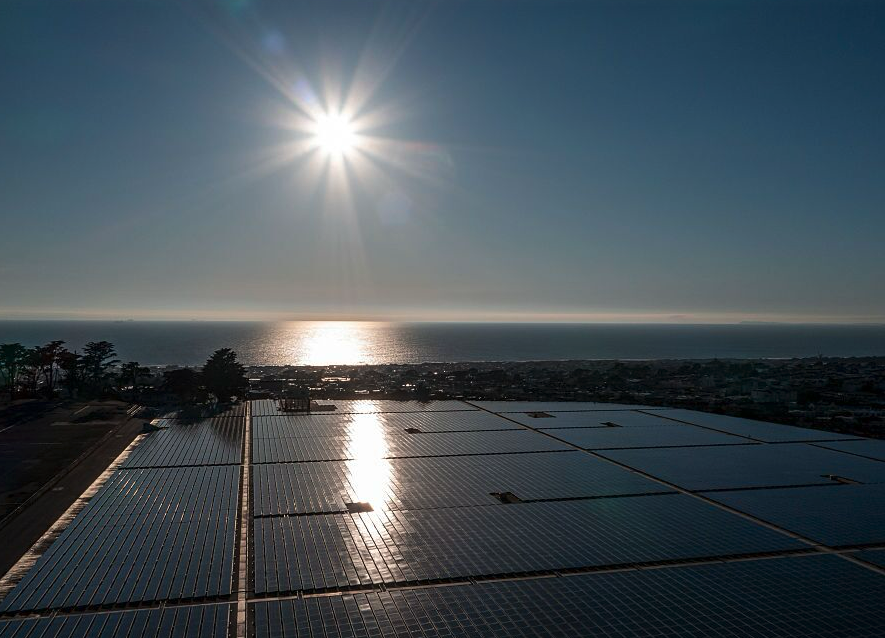
The thinking behind space solar makes some sense: The sun doesn’t always shine on Earth, which means solar panels on the ground aren’t always gathering energy. There are no clouds to block the sun in space, so aside from a couple of times per year around the equinoxes, panels in GEO are constantly bombarded with solar rays.
S&P 500 first quarter 2026 earnings are tracking at nearly 28% year-over-year, with rising profit margins suggesting the strong run could persist.
While the Middle East war takes on the lion’s share of headlines, and rightfully so, there has been another development in bond-land that has gone relatively unnoticed. Indeed, one concern that crops up in the U.S. Treasury (UST) market is the potential for higher budget deficits from the already lofty current reading.
By remaining on the US Federal Reserve board of governors after the end of his term as chair, Jerome Powell can keep the focus on his widely celebrated role as the “defender of the Fed.” But if that allows him to sideline substantive criticism of Fed policy during his tenure, the institution may suffer for it.
The generational divide is a part of the human condition – and the investor condition. It’s not just that one group has more experience than the other, or that one is more eager to make its own way, but that both groups can learn totally different lessons from the same event.
ClearBridge Investments suggests investors could use volatility as an opportunity to deploy capital, while modestly favoring the stronger earnings revisions and more reasonable valuations available in non-US equities.
It’s Shareholder Meeting Month on Wall Street. With the bulk of the Q1 earnings season now in the rearview mirror, investors turn their attention to Annual General Meetings (AGMs) held by some of the most important multinational corporations.
In a recent Market Outlook Symposium we hosted at VettaFi, we learned that 2026 has marked the return of fixed income as a strong contributor to an investor’s total return. We also learned that the biggest theme in fixed income investing this year is dispersion. Where you are putting your money to work matters.
Kirsten Chang, senior industry analyst at VettaFi, joined Nate Geraci on this week’s ETF Prime to discuss the relentless pace of new ETF launches in 2026. The industry has launched nearly 370 new ETFs in just over four months. It is tracking toward 1,100 to 1,200 launches for the year, matching the record set in 2025, according to Chang.
The S&P 500 hit a fresh record high last week. The median stock in the index is sitting 13% below its 52-week peak. That divergence is not a footnote or a curiosity.
Is good news about the economy bad news for the stock market once again?
Deglobalization supports diversification: Reversing global trade reduces economic productivity, but the resulting decoupling of international markets increases the protective value of geographic diversification.
Despite continued geopolitical gridlock that has kept the Strait of Hormuz largely closed—and pushed West Texas Intermediate crude oil above $100 last week for the first time since the April 8 ceasefire announcement—U.S. equities continued to climb.
Thus far 2026 has been a roller coaster year for fixed income markets. The 10-year Treasury, the benchmark rate for the bond market, saw its yield trade as low as 3.94% and as high as 4.43%.
A persistent oil shock implies higher inflation and weaker growth, but risk assets appear unfazed, with equities and credit spread performance diverging from the caution implied by government bonds.
Advisors are rethinking strategy in 2026, as geopolitics, AI adoption, and downside risk reshape market expectations and investment decisions.
Momentum and growth dominated in April 2026, driving the S&P 500 to a massive 10.5% return. Discover the data behind this risk-on shift.
Despite lingering geopolitical tensions, higher oil prices, and renewed inflation concerns, equities moved higher in April, supported by a strong start to the Q1 earnings season and resilient economic growth.
While oil prices are likely to remain elevated in the near term, we do not view the current disruption as a lasting supply shock. A diplomatic resolution, or even progress toward one, should help bring prices lower by year-end. Although higher oil prices are a headwind, we believe both the economy and equity markets can absorb the impact with limited damage, as underlying fundamentals remain strong.
There is also a popular notion that bond traders can see the future, that they know what inflation will be or if a recession is coming. But bond markets are often wrong. And they may be wrong now because bond yields are low relative to the risks the economy faces.
The complication is that the ceasefires stopped the escalation without resolving the underlying disruption. The Strait of Hormuz, which carries roughly 20% of global oil supply, remains effectively closed. Oil prices fell sharply on the ceasefire announcements (including the largest single-day decline since 2020), then climbed back above $100 per barrel.
Last week’s data was a good reminder that we are likely in a “resilient but uncertain” phase of the cycle.
Get ready each week with high-conviction insights that go beyond media headlines.