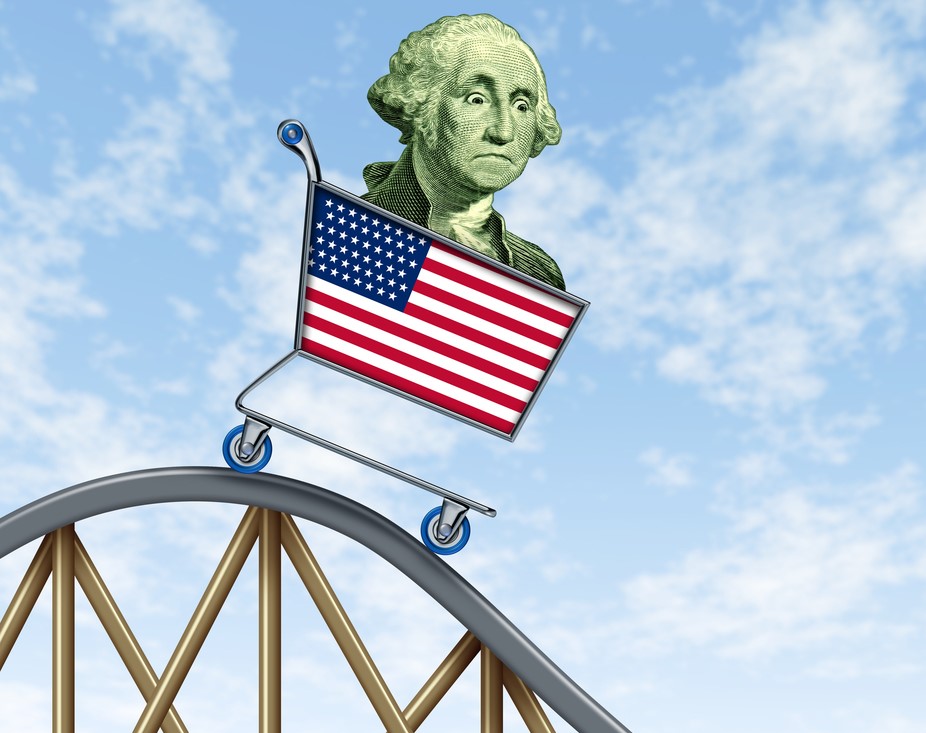
The recession calls are getting louder on Wall Street, but for many of the households and businesses who make up the world economy the downturn is already here.
Week after week of on-the-fly calculations about the intensity of inflation and the likelihood of a recession are preventing markets from finding equilibrium.
Copper plunged below $7,500 a ton as fears of a global economic slowdown piled pressure on industrial metals and deepened their retreat from record highs just months ago.
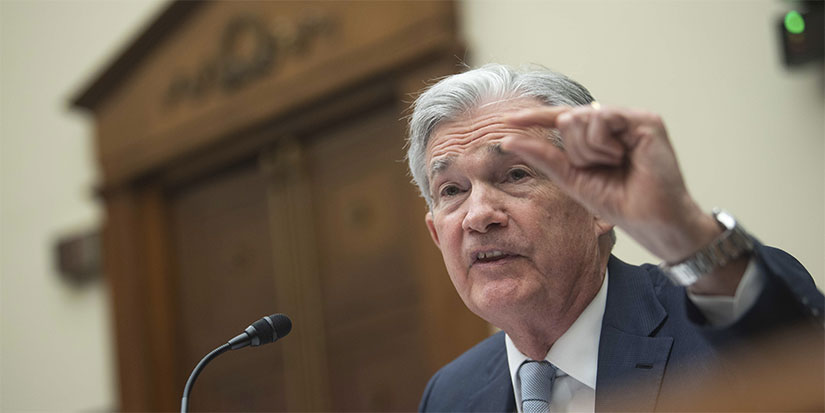
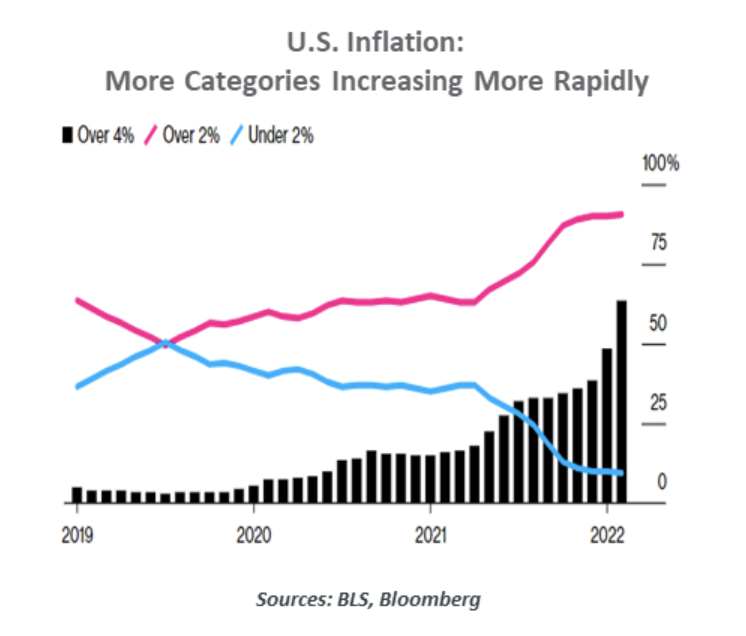
Federal Reserve Chair Jerome Powell sounds as committed as ever to crushing the worst inflation in 40 years. But the economy is shifting under him.
Where can investors turn when the markets are a riddle? Raymond James CIO Larry Adam seeks advice from antiquity.
As we celebrate 246 years of national independence, our country is now more than two years into an economic recovery from the two-month COVID Lockdown Depression.
Everyone is stressing about consumer debt. Investors have been dropping the shares of big banks, credit-card specialists and younger fintechs because of fears about the pain that rising living costs and interest rates will inflict on borrowers.
This is an environment in which it is hard to argue for silver linings, especially when so many analysts are warning that additional losses may be ahead in both public and private markets. Yet three are already evident.
Signs of a rapidly deteriorating US economic outlook have spurred bond traders to pencil in a complete policy turnaround by the Federal Reserve in the coming year, with interest-rate cuts in the middle of 2023.
For anyone who’s retired or nearing retirement, sinking stocks, rising inflation and the prospect of a recession can be a nightmare economic brew.
U.S. stocks are seeing pressure in early action following the long holiday weekend, with global recession concerns weighing on sentiment.
We think we could see a bullish back half of the year for equity markets. Our analysis follows in our Quarterly Strategy Report.
An earnings recession is coming as the Fed hikes rates which accelerates an economic recession.
Before we think about the hypothetical new world order that global inflation may enter, let’s start with the good news within the United States.
Incorporating a wide variety of portfolio risk mitigation techniques is essential to address unforeseeable macroeconomic challenges.
An allegation has been floated recently that inflation has been exacerbated by corporate greed. A neologism has even been coined for it, “greedflation.” The claim has been backed up by anecdotal and empirical data and it has been rebutted by anecdotal and empirical data. I will not try to answer the question of whether this allegation is true, but how its truth should be determined.
If I had a time machine, 1972 isn’t the destination I would choose for Britain — not with so much inflation, strike action and strife just around the corner.
The global surge in the cost of fuel is starting to weigh on demand, according to the world’s biggest independent oil trader.
All told, the world’s 500 richest people lost $1.4 trillion in the first half of 2022, a dizzying decline that marks the steepest six-month drop ever for the global billionaire class.
Treasuries began the second half of the year on the front foot Friday as concerns continued to mount that Federal Reserve rate hikes will lead to a recession.
To state the obvious, it has been a good time to be short the market. But the success of bearish traders in 2022 goes beyond luck.
The first half of 2022 brought a brutal selloff to emerging markets, but also fueled hope for the second half: stocks, bonds and currencies have begun to outperform their peers in the US.
Things can only get better for the $4 trillion muni market in the second half of the year, according to Wall Street strategists.
No doubt about it, this has been a very challenging market environment to navigate, and we look to be in for more of the same. The Fed will continue to tighten monetary policy, and the longer the conflict in Ukraine persists, the longer we’ll likely feel the pressure from elevated gas prices.
Let’s start with a basic question. If you have unused property—cash or anything else—why would you lend it to another party?
Inflation, China, Russia, Central Banks, Labor, Recession: It's been quite a year thus far.
It took me a long, long time to write The End of Indexing.
Global risk assets were at the epicenter of a selling spree Friday as investors kicked off the second half of the year with recession concern front and center.
In an inflation-lashed world where bonds are posting record losses, Wall Street issuers are betting investors hungry for income will instead lavish their millions on ETFs that ride stocks in order to deliver payouts.
The strained global wheat market is entering crunch time.
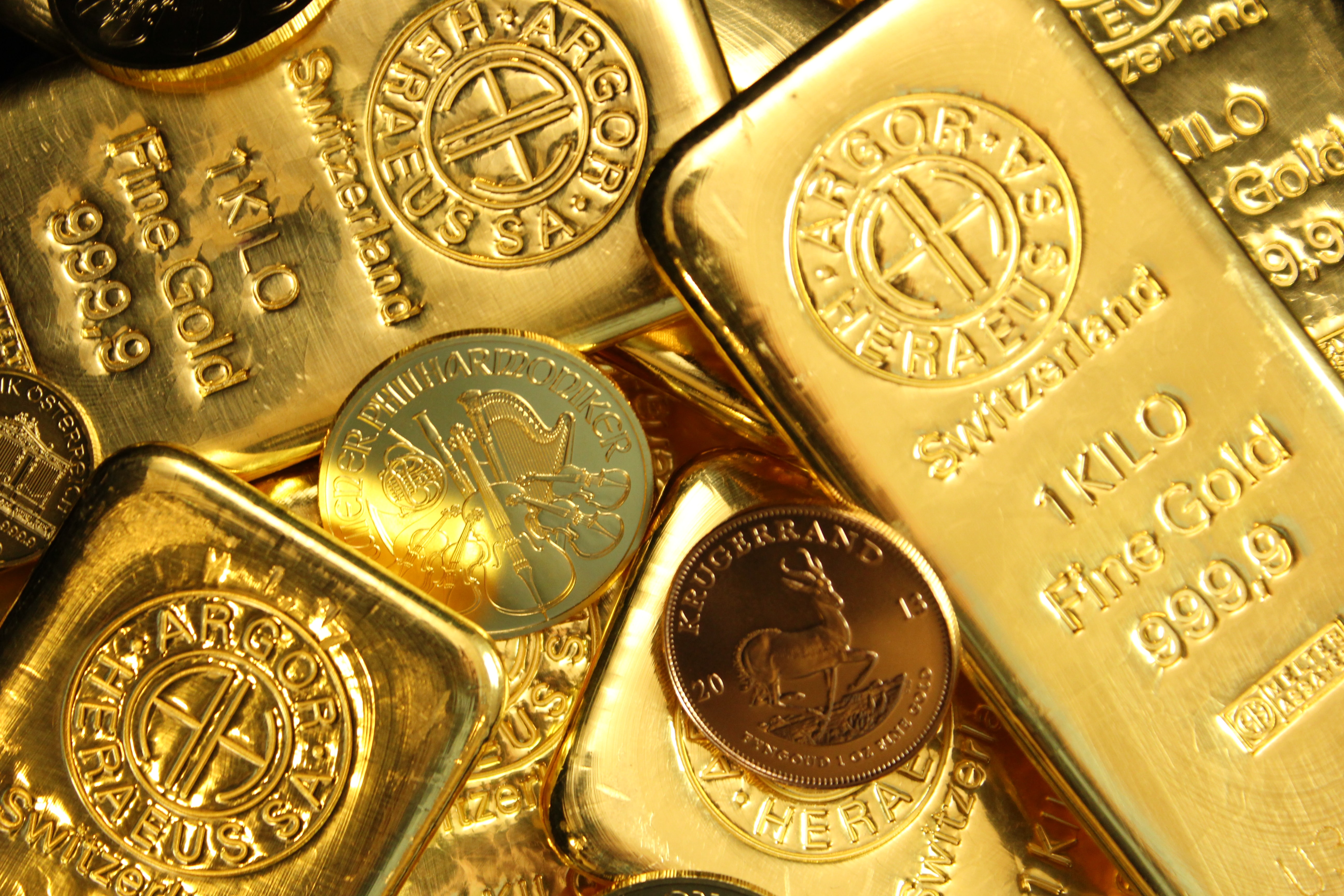
Investors cut holdings in exchange-traded funds for silver, platinum and palladium in the second quarter on fears that a potential recession will reduce industrial demand, but gold assets held up because of its role as a haven, and that may persist.
“HODL,” an original misspelling taken on as a badge of courage by cryptocurrency investors, spread to “Meme stocks” during the runup in 2020 and 2021.
How quickly the narrative has shifted back and forth in the money and bond markets.
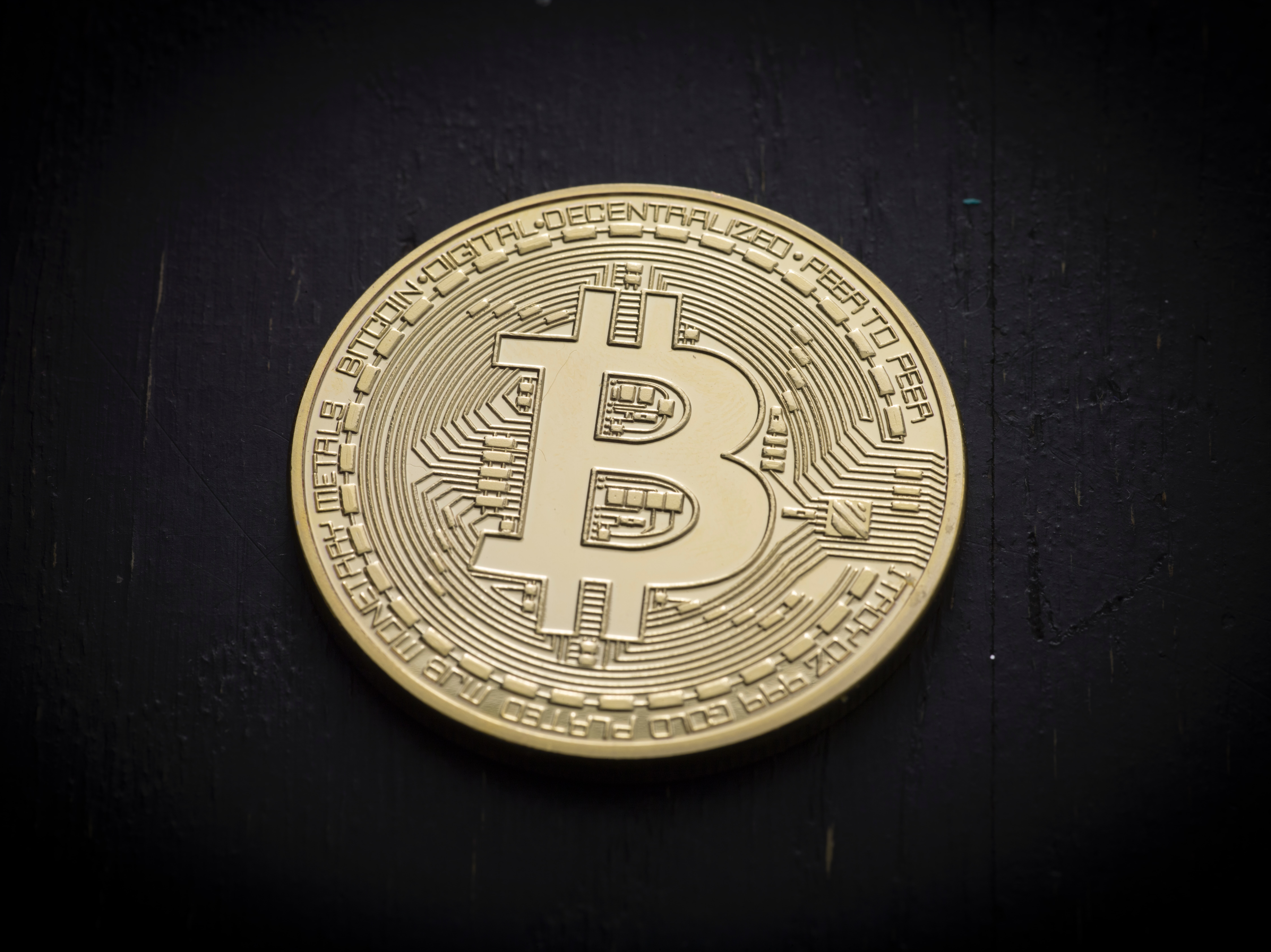
The crypto investing front has taken another barrage of body blows, pushing Bitcoin to test the $19,000 per coin level once again.
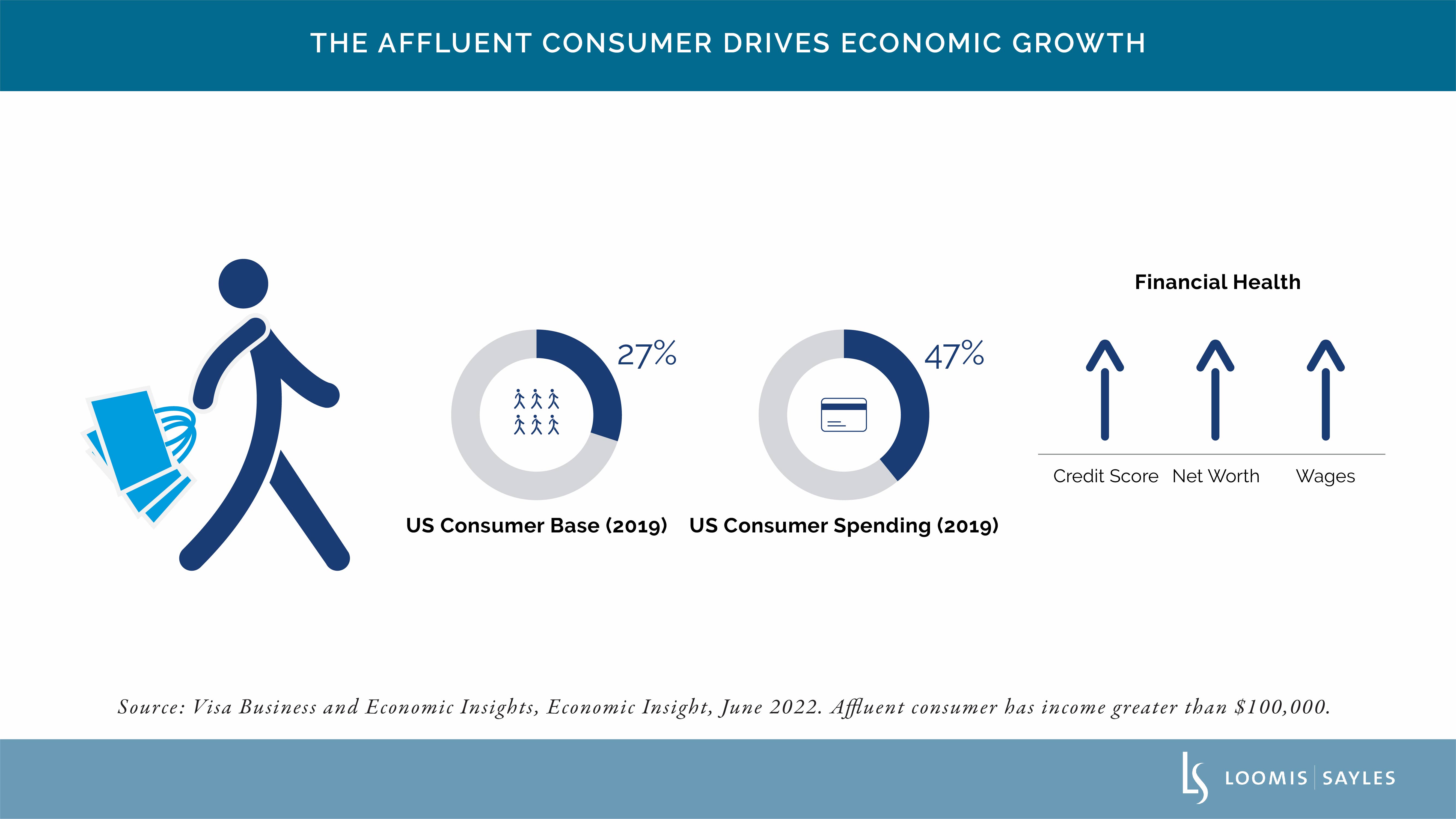
With consumer behavior under a magnifying glass, Portfolio Manager Jennifer Thomas, shares her assessment of the US consumer.
Last Thursday, Elizabeth Warren expressed skepticism about the Fed tightening monetary policy, saying it would make people poor.
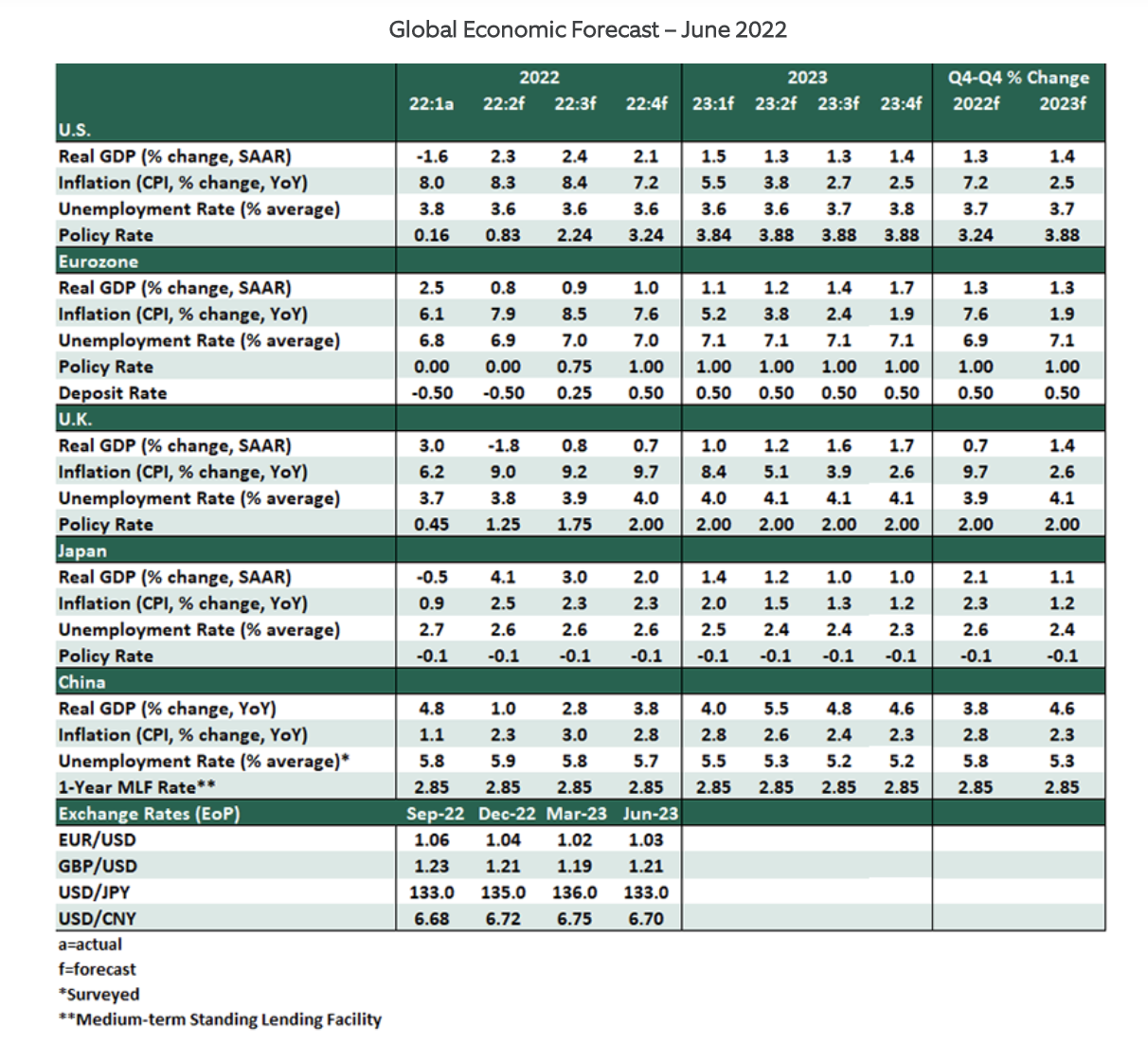
The Northern Trust Economics team shares its outlook for key markets in the month ahead.
Base metals headed for the worst quarterly slump since the 2008 global financial crisis as China’s economy recovered only gradually and fears of a world recession intensified.
US President Joe Biden said Americans will have to stomach high gas prices “as long as it takes” to beat back Russian President Vladimir Putin’s invasion of Ukraine.
Soon-to-be retirees are reevaluating things like when to stop working, whether they should move and how to strategize their spending.
Skeptics have long made a sport of predicting that the decade-long rally in technology stocks was destined to reverse. At the halfway point of 2022, it seems like this is the year when they will be proven right.
Now is the time to engage in risk management to retain your competitive advantage once the economy emerges from the slowdown.
The Federal Reserve was in denial about inflation and moved too slowly in trying to quell rising prices. That’s now put it on a trajectory to create a recession, if it hasn’t already done so.
The good news is that yields in US Treasury securities may be near their peak. The bad news is that makes the recession I’ve been forecasting since February more likely.
Recession fears and central-bank tightening are driving market volatility.
We examine key themes from our review of advisor fixed income portfolios over the past year.
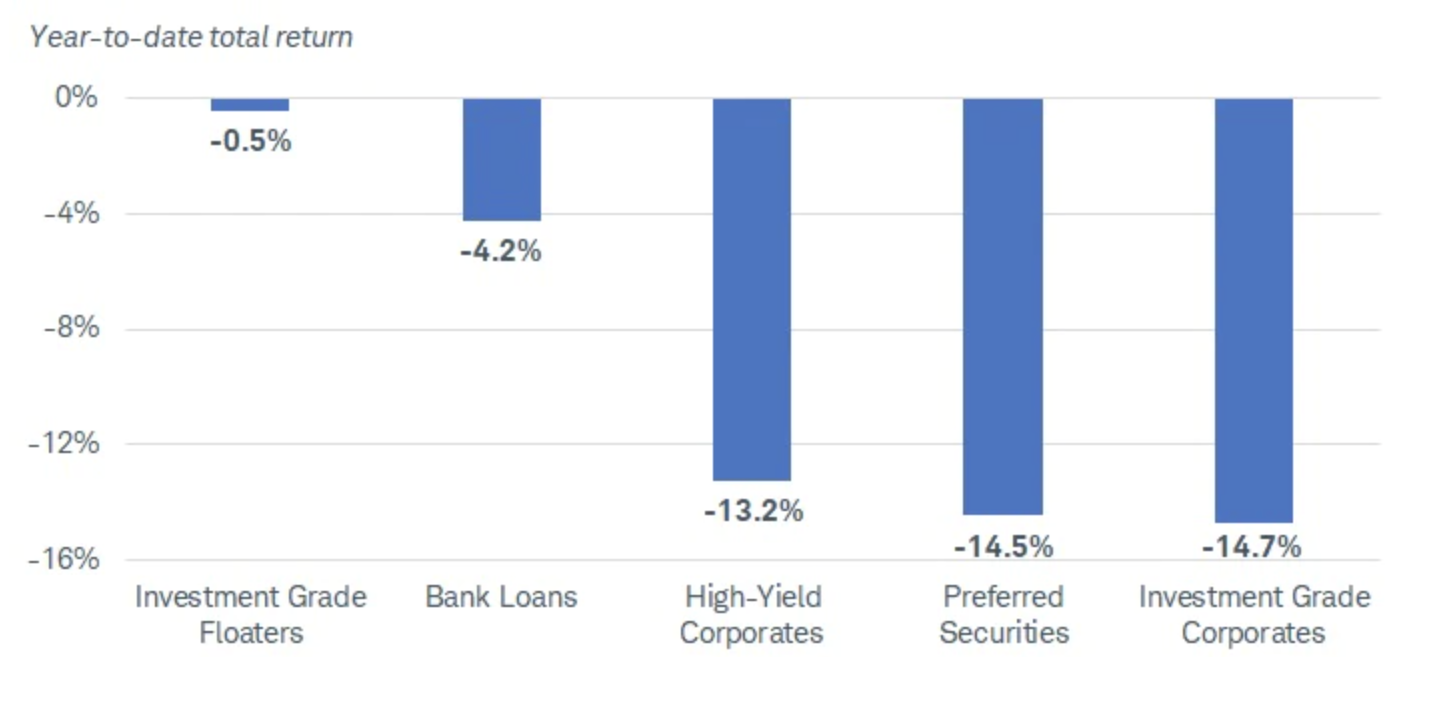
After the steep drop in prices during the first half of this year, yields on many corporate bond investments are at or near 12-year highs.
We've told people to watch the M2 measure of money in order to understand whether inflation will cool down or heat up.
As I have indicated in recent weeks, I don’t really understand why the media has turned so bearish on the US economy lately, and why so many forecasters are predicting we’re either just about to enter a potentially nasty recession or we’re already in one.
Labor costs and borrowing costs will be two key considerations for U.S. companies trying to navigate persistent inflation and slowing growth through the end of the year. With both, all roads lead back to the Fed.