Managing Director Justin Takata discusses the technical and fundamental drivers of value in investment grade corporates, and U.S. Economist Matt Bush addresses recession timing and the possible progression of policy.
U.S. stocks are mixed in a subdued session to close out the week, but remain on target for a sharp weekly advance.
After a working life of hard graft, it is only natural to look forward to health, wealth and happiness in retirement.
The Fed’s most pressing concerns are to not only reverse its monetary excess and misjudgment of inflation, but also to instill confidence that they will follow important provisions of the Federal Reserve Acts.
“Desengaño” was noted by one Antonio Garcia Martinez in his most excellent book, Chaos Monkeys: Obscene Fortune and Random Failure in Silicon Valley, as a unique style of Spanish genre painting.
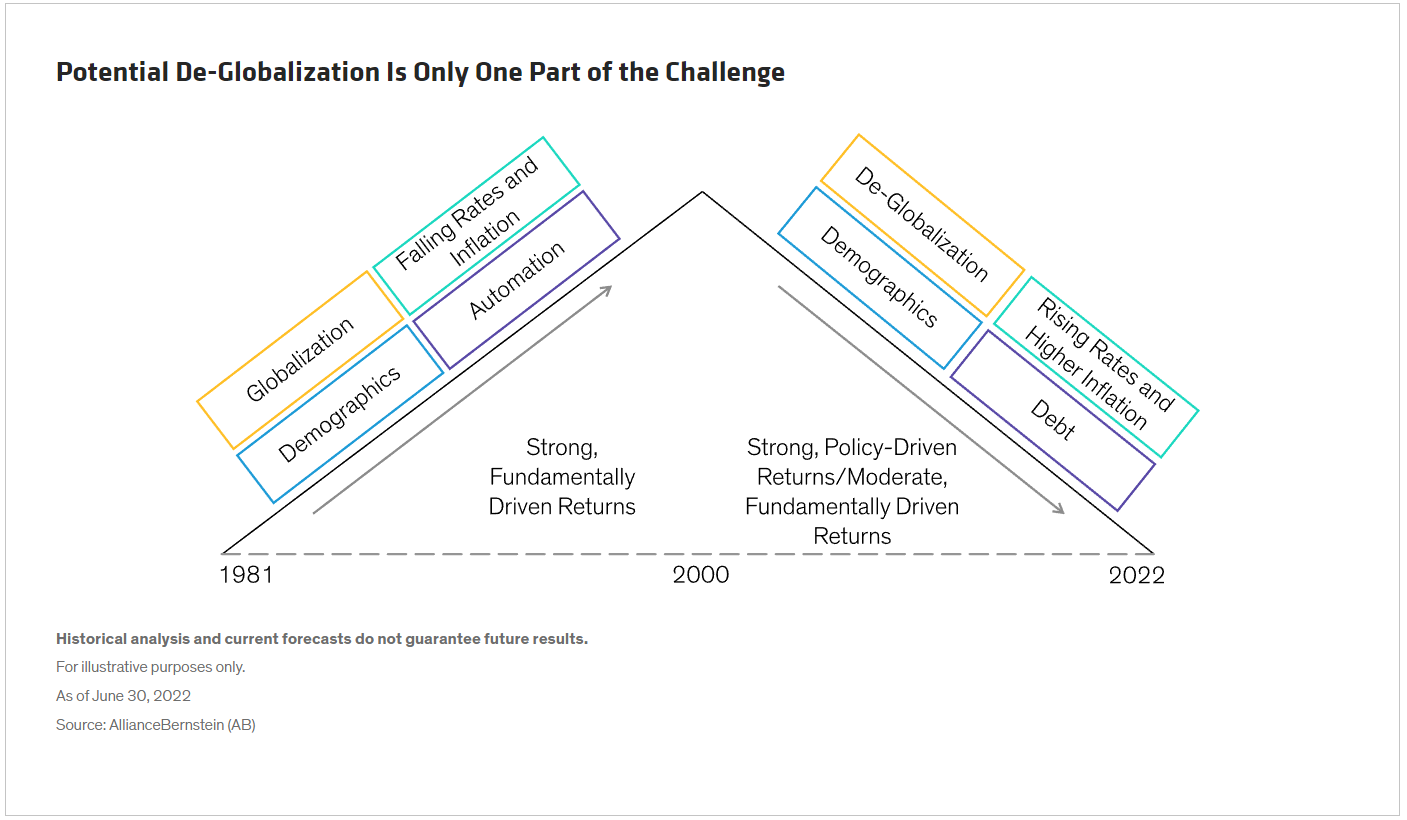
For decades, globalization has been on an inexorable rise, a key pillar fueling economic growth, driving inflation and yields down, bolstering corporate profit margins and supporting an upward climb in market valuations. Over the past few years, though, cracks have started to develop in globalization, as populism has seen a resurgence and trade wars have erupted.
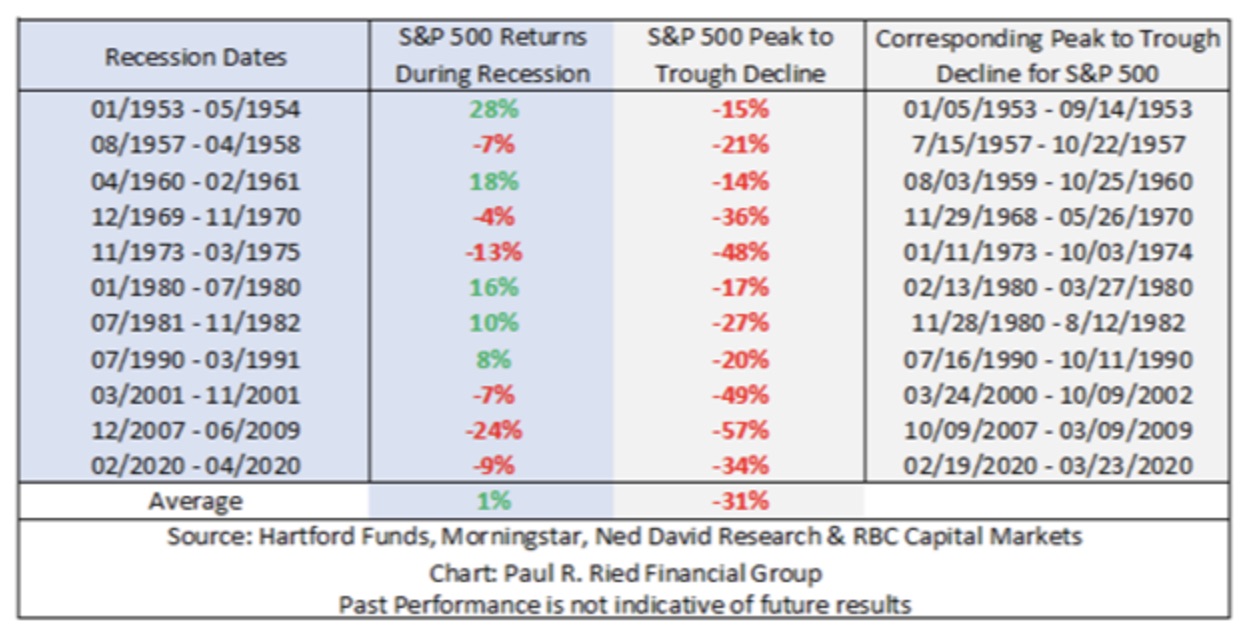
The business press sometimes likes to say that a recession is a decline of real GDP lasting at least two consecutive quarters. Not so.
What is Warren Buffett doing with Berkshire Hathaway Inc.’s $8 billion stake in BYD Co.?
One is here already. The other is lurking right around the corner. Which should worry investors more?
Most people budget not for true emergencies — which are, thankfully, rare — but for what we might call predictable surprises.
One of the most surprising things to come out of the first half of 2022 was the walloping fixed income investors received from bonds. The Bloomberg U.S. Aggregate Bond Index posted its worst 12-month return in its entire history, which caused many investors to shed exposures, particularly longer-term sectors.
After publishing the 50th episode of my podcast, I’ve boiled down countless hours of information into the 10 ideas and insights every advisor needs to know:
With central banks tightening aggressively to beat down inflation, growth is beginning to slow—and the risk of recession is ticking higher. Historically, creditworthiness has soured when growth slows. But instead of bracing for a wave of downgrades and defaults, we think income-seeking investors should embrace the high-yield corporate bond sector.
U.S. equities are seeing solid gains, as the bulls look to sustain the rise today after failing to do so yesterday.
Most advisory firms that specialize in wealth management use three technology platforms: financial planning software, portfolio accounting software, and a CRM software. Let's take a closer look at the functionalities and costs of each.
Many advisors worry about justifying their fees. Here we flip the script so that you become the most expensive (and sought after) advisor in town.
A researcher recently asked me that question. I had a bit of a struggle answering, in part because I write and talk a lot about what financial wellbeing is not.
Despite the Fed’s aggressive tightening policy, we think inflation still has a ways to run, though we remain cautiously optimistic about the economy.
David Macchia and Kerry Pechter will answer questions from advisors on topics related to retirement-income planning. This webinar is part of our ongoing, Ask an Expert, sponsored by AP Premium.
Goldman Sachs Group Inc.’s traders countered the industry’s underwriting slump with revenue gains that raced past analysts’ estimates.
We woke the beast, and now we may have to learn to live with it.
FINRA interprets “financial advisor” as being usable (on business cards and elsewhere) by any financial professional who holds an RIA affiliation, whether or not the relationship with the client is in fact an advisory one.
To be an uncomparable financial advisor, you need a marketing message that is simple, clear, and repeated often. Here’s a framework for creating your message.
If everyone feels so miserable, why do they seem to be out having a good time?
Inflation will prove annoyingly persistent at levels far above the desired 2%.
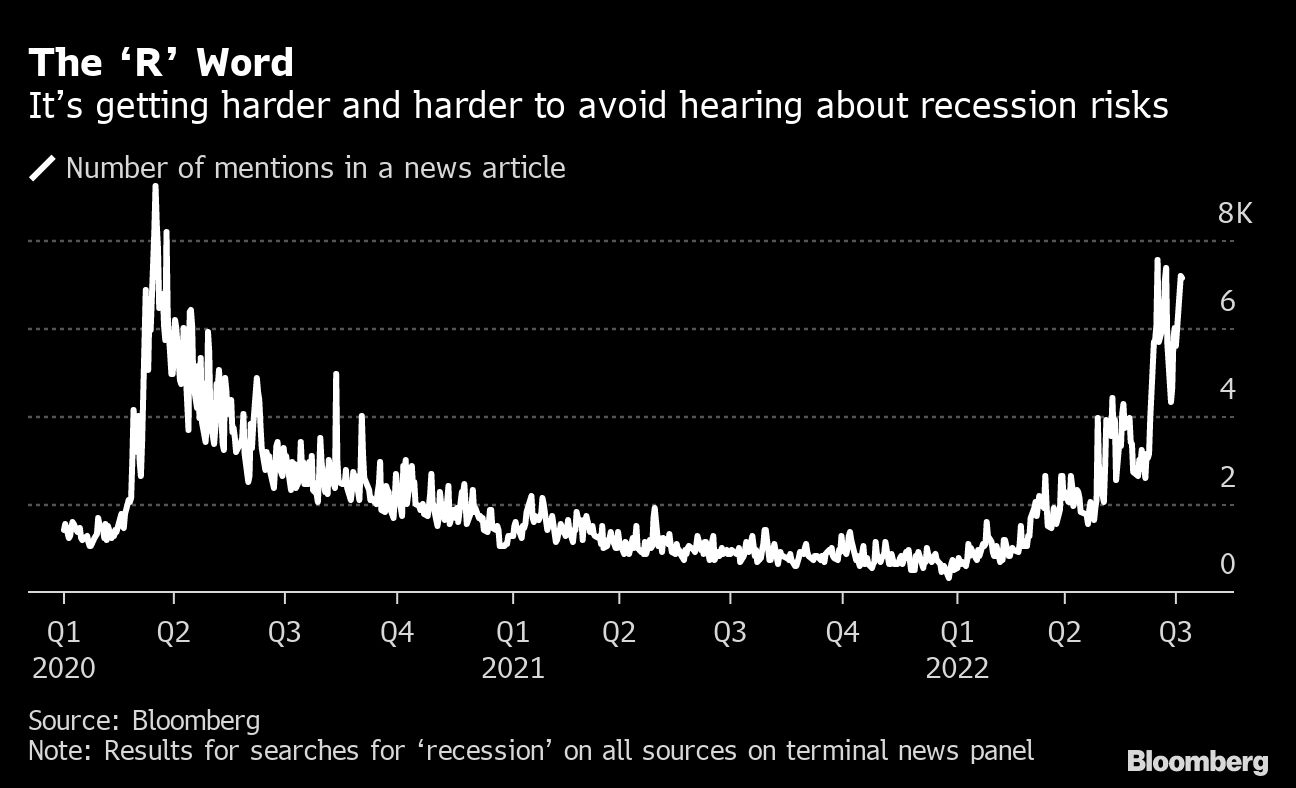
Recession fears spike as inflation soars. Fair enough. But it’s not actually clear what people are afraid of.
If you were considering taking the family on a European vacation, now may be a good time, as the U.S. dollar and euro achieved parity this week for the first time in 20 years.
With investors wondering whether we are finally through the worst of the selloff, our latest Strategic Income outlook tries to answer the question, “Are we there yet?”
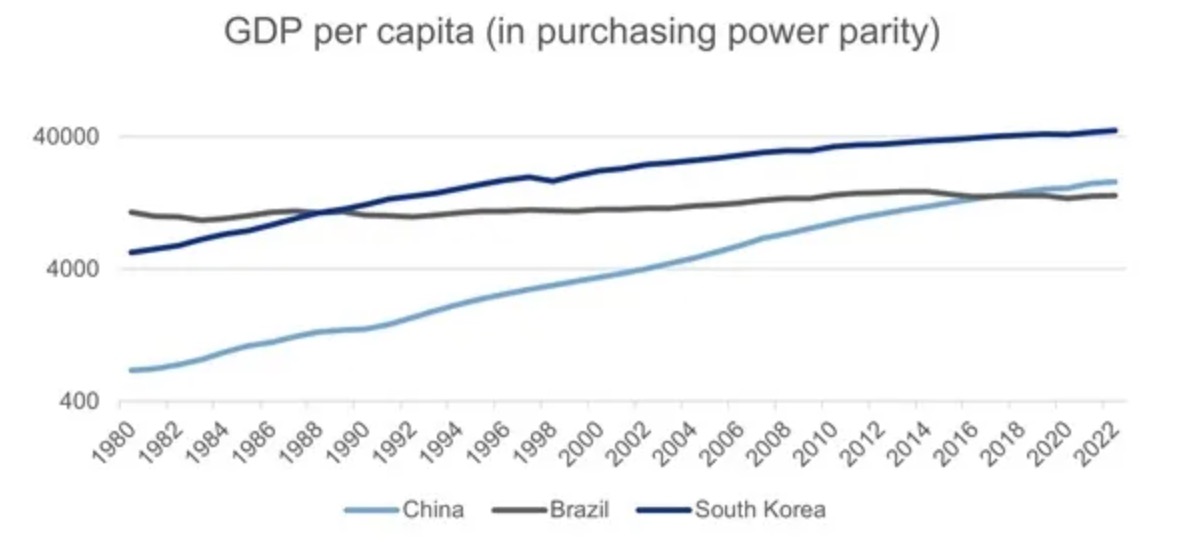
One of the vexing questions for China watchers has been the lack of stimulus delivered, despite the maintenance of the government’s 5.5% GDP target for 2022 (although there is skepticism around the ability to reach that 5.5%).
Many of the participants in the short-term credit market use it as a place to deploy cash while waiting for higher risk opportunities.
America’s first leveraged single-stock ETFs will debut Thursday, launching into a miserable year for US equities and accompanied by a barrage of regulator warnings over their potential risks.
Law firm partners, family business owners and other high-earning individuals who have stakes in companies are at the center of a last-minute lobbying battle over President Joe Biden’s slimmed-down economic plan.
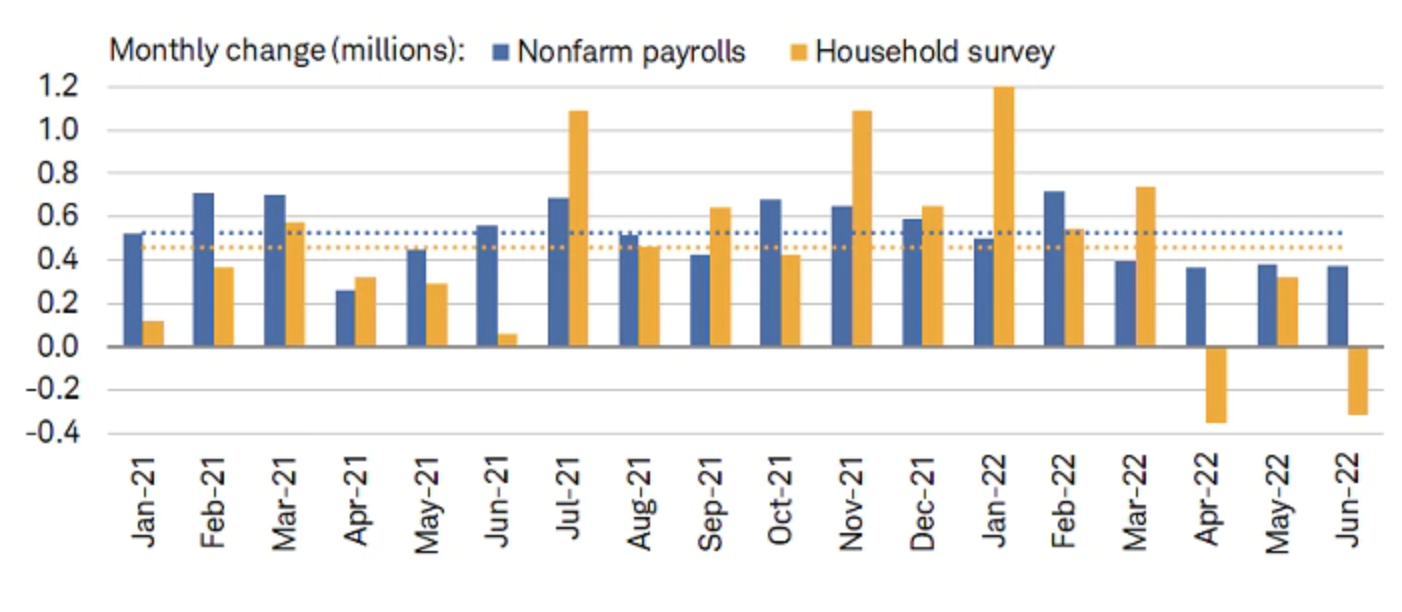
The June jobs report was cheered by economic bulls given its strength in level terms, but rates of change among leading indicators don't favor a soft-landing outcome for the economy.
I have a vision of a profession where the most straightforward advisors, not the coolest ones with the best spiel, rise to the top. To achieve that ideal, here are 17 ways that acting more honestly than the competition will win more clients.
In the first of a two-part series on the communications services sector, Mandana Hormozi of Franklin Mutual Series breaks down the streaming wars and uncovers hidden opportunities she sees within the rubble.
In a continuation of the first quarter, stocks and bonds struggled to find any sort of traction in the second quarter, leading to one of the roughest six-month starts to a calendar year on record.
Though risks are rising, strong hiring and purchase activity suggest that the economy can keep growing.
At -20%, the first half of this year officially went down as the worst 6-month period to start the year for the stock market (as measured by the S&P 500) since 1962 when it returned -22%.
Wall Street and Washington are loudly debating whether the US economy can escape a recession -- but that monumental judgment will be made by eight eminent economists meeting quietly and far from public view.
The decision to annuitize at age 65 may be optimal in instances of extreme longevity (age 90-95+) or if there is a prolonged environment for stocks and bonds that is as bad or worse than any conditions experienced in the historical record.
The path to lower inflation without causing a recession—the so-called “soft landing” —has been made significantly more challenging by the events of the last few months.
After one of the sharpest selloffs in history during the first half of 2022, yields in US fixed income have increased markedly. Learn how Bramshill maintained defensive positioning during this correction and is now poised to allocate to sectors with attractive yields and total return potential.
US power plants are poised to reap their best summertime profits in nearly two decades thanks to soaring electricity prices that are outpacing the high costs of natural gas and coal.
Some investors think the US is already in a recession. As we wrote two weeks ago and as recent data have confirmed, we don’t think that’s the case.
When you become an uncomparable financial advisor, you don’t have to compete with other advisors because you are unique. Here are the five components of uncomparability.
The price of bitcoin, along with other cryptocurrencies, has crashed. New legislation seeks to better inform consumers about the risks in digital assets and minimize the potential for losses by establishing a clearer regulatory framework.
US corporate bonds are posting one of their worst selloffs since the financial crisis and could deteriorate further if recession predictions prove accurate.
New research shows that screening for “green” environmental, social and governance (ESG) criteria has led to positive risk-adjusted returns for corporate bonds. High demand among investors for those bonds contributed to the outperformance, raising the question of whether it will be sustained.
Buying individual bonds takes more work but is usually worth it in the long run.
The primary benefits offered by municipal bonds are generally well known to investors.