Tony Davidow, Senior Alternative Investment Strategist with Franklin Templeton Institute, illustrates the potential impact of adding alternative investments to pursue growth and income—as well as seek to dampen volatility—during the accumulation and distribution phases of retirement.
Nasdaq’s Alison Doyle goes around the world of ETFs, highlighting flows, trading, launches, and new filings. VettaFi’s Tom Lydon discusses recent advisor polling data including surveys on equal weighting, stock valuations, bond duration, and more. Zacks’ Sal Esposito explains the Zacks Earnings Consistent Portfolio ETF (ZECP).
As fast as it went up for value managers, it’s coming down. The culprit is the all-consuming craze for artificial intelligence.
A robust implementation strategy and real-world implementation capabilities are both necessary in order to achieve your portfolio’s preferred position.
The industry group Airlines for America predicts that approximately 257 million people will travel on U.S. commercial airlines this summer, representing a 9.5% increase from last year. That would also set a new record, as volumes are projected to surpass the summer 2019 levels by around 2 million passengers.
“Crisis” is an overused word. Actual crises are those rare times when we are on the knife edge of disaster. It’s not a crisis when a bank fails, or Congress can’t agree on a budget. Those are annoyances (unless it's your bank). While not good, they don’t spell immediate catastrophe.
The AI Powered Equity ETF (AIEQ) has garnered attention recently, but not for positive reasons. Despite using artificial intelligence to make investment decisions, the ETF has struggled to perform well, with a disappointing one-year return of -13.92%.
Structural changes in the world’s energy systems represent significant investment potential across an array of sectors. Analysts on our equity research team offer insights into the impact and opportunities.
The artificial intelligence boom is handing a big win to hedge funds angling for an edge.
Choppiness in the equity market continues as investors look to see a debt limit deal approved.
David Dali, Head of Portfolio Strategy, provides his 12-month outlook for global equity markets.
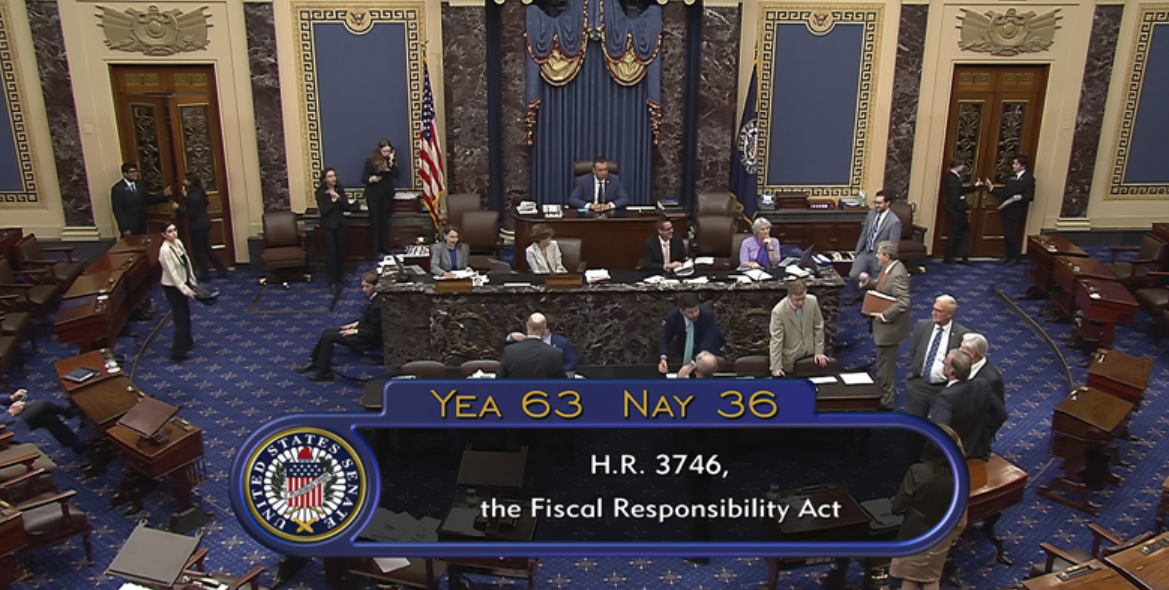
Thoughts on the current US debt challenge and the long-term implications for markets and the economy from Stephen Dover, Head of Franklin Templeton Institute.
Because exchange-traded funds (ETFs) offer a dynamic product that can serve as a buy-and-hold or buy-and-sell investment, they can offer investors the opportunity to reap long-term or short-term gains. Knowing the difference between the two is crucial, especially when it comes time for taxes.
Leading into the weekend, when the debt ceiling had not been settled, markets were exhibiting very interesting positioning.
Artificial intelligence (AI) has revolutionized how we live and work, and it is now poised to transform the investing world. As technology continues to evolve and mature, investors are increasingly turning to AI-focused ETFs to gain exposure to this dynamic and rapidly growing sector.
The G7 countries may have set out to deter China without escalating the new cold war, but the perception in Beijing suggests that they failed to thread the needle at their recent summit in Hiroshima.
Explore the recent developments in artificial intelligence, the implications for industries and our perspective on investment opportunities.
Brex, a credit-card startup, has seen a surge in usage of its products following this year’s regional banking turmoil.
The US Federal Reserve is adrift, and it has only itself to blame. Regardless of whether its policy-setting committee announces another interest-rate hike in June, its top priority now should be to address the structural weaknesses that led it astray in the first place.
The Federal Reserve’s higher interest rates, the work from home trend, ESG distractions, increases in crime, etc., are having far reaching effects on our economy and investors.
Inflation has proven sticky, even as growth weakens. Markets are realizing that policy rates are set to stay higher for longer. We like quality in stocks and bonds.
I received many emails and questions on “why” we are adding the U.S. Treasury bond to our portfolios. The question is understandable, given its dire performance in 2022, where bonds had the biggest drawdown since 1786.
This week, the VettaFi Voices come together for an abbreviated chat about an important topic: the debt ceiling.
As an advisor-growth solution, SmartAdvisor™ continuously focuses on helping advisors grow their practices. Last month, in April 2023, it acquired DeftSales, a leading prospect engagement company for financial professionals. DeftSales and SmartAsset™ will combine to offer a robust user interface that is fully compliant, including automated campaigns and analytics, which allow advisors to spend more time honing their communications and improving their skills.
VettaFi’s vice chairman Tom Lydon discussed the Direxion NASDAQ-100 Equal Weighted Index Shares (QQQE) on this week’s “ETF of the Week” podcast with Chuck Jaffe of “Money Life.”
VettaFi’s Financial Futurist Dave Nadig sat down with ROBO Global’s senior research analyst Zeno Mercer for a wide-ranging discussion about AI. Together, the two explored industries that could benefit from AI, those facing existential threats, and how the smartest AI analysts see it.
My advice to prepare for the “big” meeting is this…
The A.I. chase is making for a very narrow market.
The concentration of gains up the cap spectrum isn't itself a precursor to weakness; it's the lack of participation from the "average stock" that warrants some caution.
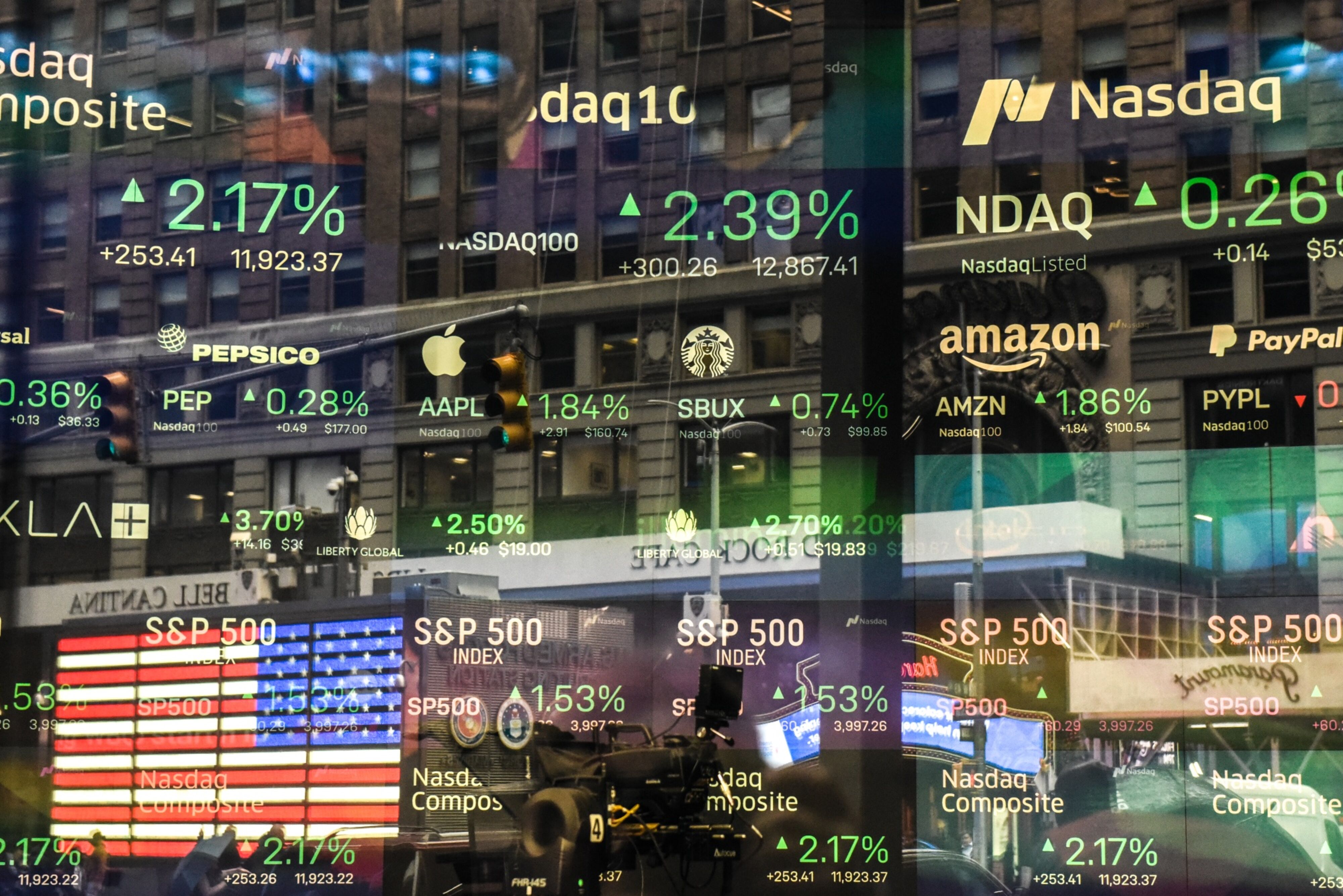
The latest artificial intelligence hype is powering a massive surge in the stock market on bets that a new era of innovation is nigh.
Stock investors who planned for one thing in 2023 are getting something else entirely. Now, with the tech-obsessed market at risk of running away from them, the race is on to catch up.
Central bank digital currencies (CBDCs) are the next step in financial innovation. The government will do what it deems in its best interests. CBDCs will replace physical currency; it's just a question of when.
Following OPEC’s surprise production cut in April that saw crude oil squeeze from $65 to $80 per barrel in a manner of days, hedge funds and the like have once again resumed selling on slowing growth and recession fears.
Several key economic indicators come out every week to help provide insight into the overall health of the U.S. economy. Policymakers and advisors closely monitor these indicators to understand the direction of interest rates, as the data can significantly impact business decisions and financial markets.
Chief Economist Eugenio J. Alemán discusses current economic conditions.
A digital-marketing audit typically includes an analysis of the following elements.
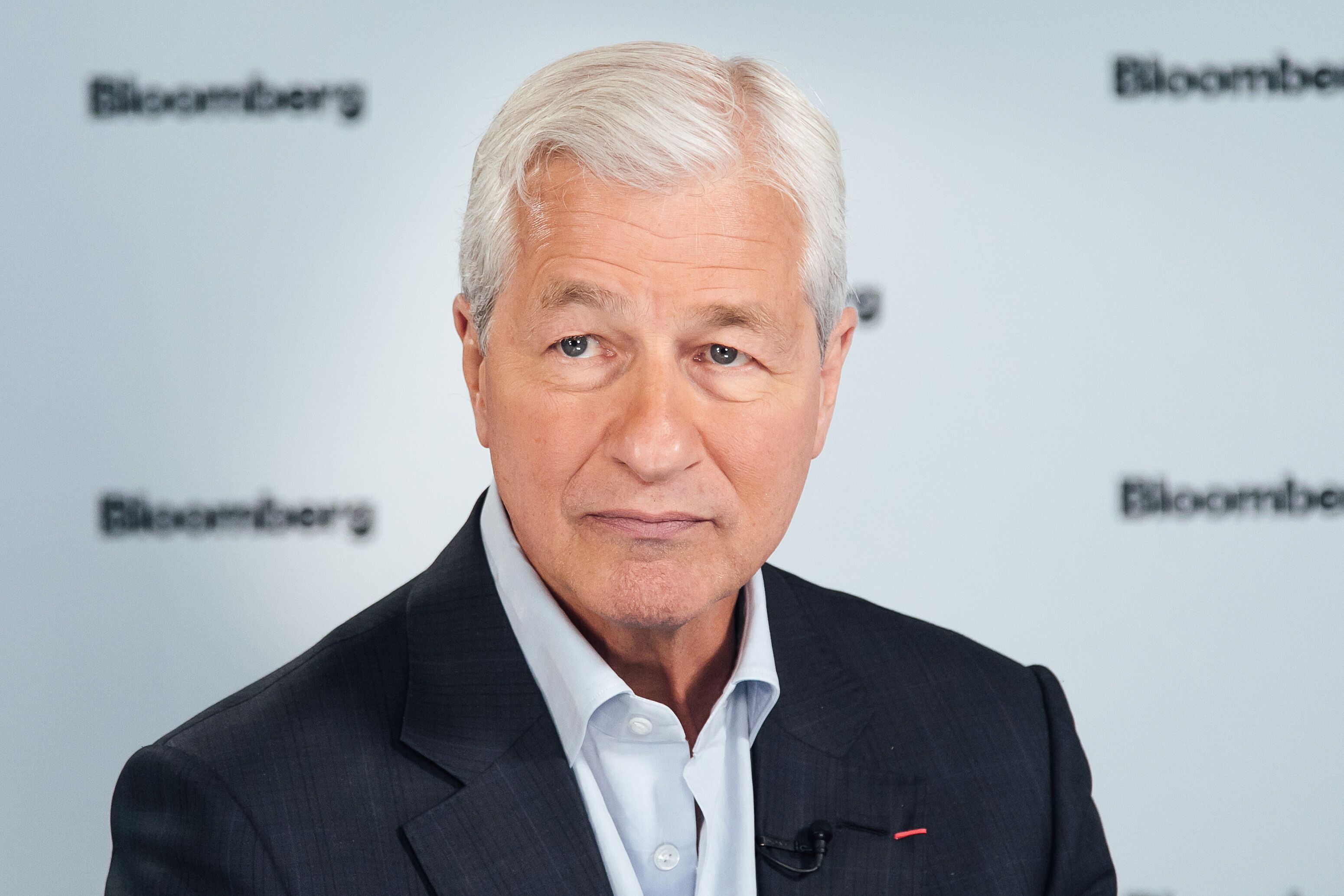
When Jamie Dimon takes center stage at JPMorgan Chase & Co.’s China summit Wednesday, he’ll be confronting a business landscape that looks vastly different from his visit four years ago.
Nvidia Corp. is poised to become the world’s first chipmaker with a $1 trillion market capitalization, joining an exclusive club of American companies with a valuation that high.
For this edition of Bull vs. Bear, Elle Caruso and Karrie Gordon discussed the pros and cons of investing in fossil fuels.
As other nations seek to become less dependent on the U.S. dollar, rumors of the greenback’s potential demise continue to swirl. Can the dollar remain king of the world’s reserve currency?
The financial markets are giving off mixed signals of late, and credit investors may wonder whether to be downbeat or optimistic.
Like planting seeds, sometimes new investment vehicles take time to take root. David Mann, Franklin Templeton’s Head of Global ETF Product and Capital Markets, draws parallels between gardening and developing and growing new ETFs.
We've described the past several years' stock market as a seesaw in which the "market" was the fulcrum of the seesaw. On one side of the seesaw sit the highly speculative growth sectors and on the other side, sit virtually everything else in the global equity markets.
VettaFi’s Stacey Morris drills into the energy sector and energy ETFs. Candriam’s Alexandra Russo goes in-depth on ESG investing, offering perspective on where it’s gone wrong over the past several years and what the focus should be on moving forward.
If you were doubting whether the age of AI has arrived, NVIDIA’s stock performance this week may have given you second thoughts.
Exchange-traded funds tracking companies that are linked to artificial intelligence may see their assets grow three-fold to $35 billion by 2030, a report by Bloomberg Intelligence shows.
Last week the VettaFi Voices gathered to reflect on a year at VettaFi under the firm’s new name. The team celebrated wins, and time spent together, and shared their favorite insights and highlights from a busy twelve months.
With a year-to-date gain of just over 60%, Tesla stock keeps rolling higher, and the company’s recent shareholder meeting could continue to appease the bulls — if the electric automaker manages to hit its goals.
An end-of-week feeding frenzy in options of the world’s biggest companies has emerged as two of the hottest trends on Wall Street collide.
Rick Rieder and team argue that a series of small, but more probable, wins in fixed income can pave the way for portfolios to outperform benchmarks in 2023.