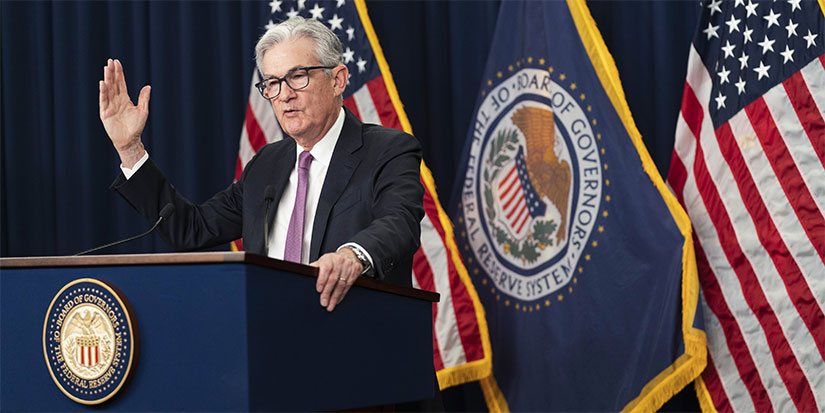
Thomas Barkin said the central bank needs to keep raising interest rates until it’s clear inflation is running at its 2% target even if the economy weakens to avoid a policy mistake similar to the 1970s.
Equity skeptics obsessed with everything from inflation to pie-in-the-sky earnings estimates have managed to miss a $5 trillion rally being amplified by trends in investor positioning.
If you wanted evidence that the worst of inflation might be over, the last two days have offered quite a litany.
It was a budding rivalry that didn’t last long before scandal brought one of them down. Two years ago, Nikola founder Trevor Milton was very clearly on Tesla CEO Elon Musk’s radar.
The $370 billion package survived a political process that doomed many previous efforts because clean energy has finally become cheap enough to start moving the country away from fossil fuels.
The bipartisan Creating Helpful Incentives to Produce Semiconductors for America Act, or CHIPS Act, was signed into law this week, setting aside $52 billion to boost domestic semiconductor research and production.
The latest data shows inflation is still with us at an 8.5% annual rate. That means we can expect the Fed to keep tightening, trying to reduce demand and relieve pressure on consumer prices.
Let’s talk about something few people have any interest in talking about this year.
Just like old times. That’s what it must seem like with the S&P 500 Index up about 15% since mid-June and poised for its fourth consecutive weekly gain, its longest winning streak of the year.
The Inflation Reduction Act, passed by the Senate and now headed to the House, is a notable achievement.
Apple Inc. has asked suppliers to build at least as many of its next-generation iPhones this year as in 2021, counting on an affluent clientele and dwindling competition to weather a global electronics downturn.
Bank of America Corp. says investors are rushing back into stocks and bonds, with signs that inflation has peaked spurring bets the Federal Reserve will dial back its interest-rate hikes soon enough to keep the US economy out of a recession.
US consumer sentiment rose in early August to a three-month high on firmer expectations about the economy and personal finances.
Lower July CPI inflation is likely the beginning of a trend.
PIMCO’s Global Advisory Board discusses the longer-term outlook for geopolitics, inflation, and other macro themes.
The Northern Trust Economics team shares its outlook for growth, inflation and interest rates.
Apple Inc. is close to erasing its losses for the year as softer-than-expected inflation data fueled a risk-on rally in the stock market Wednesday.
With interest rates now hovering around 5%, existing-home sales are down more than 14% from last year. Some potential buyers are sitting on the sidelines until rates or prices or both decline, while sellers are hoping the market picks up again so they can get a higher price.
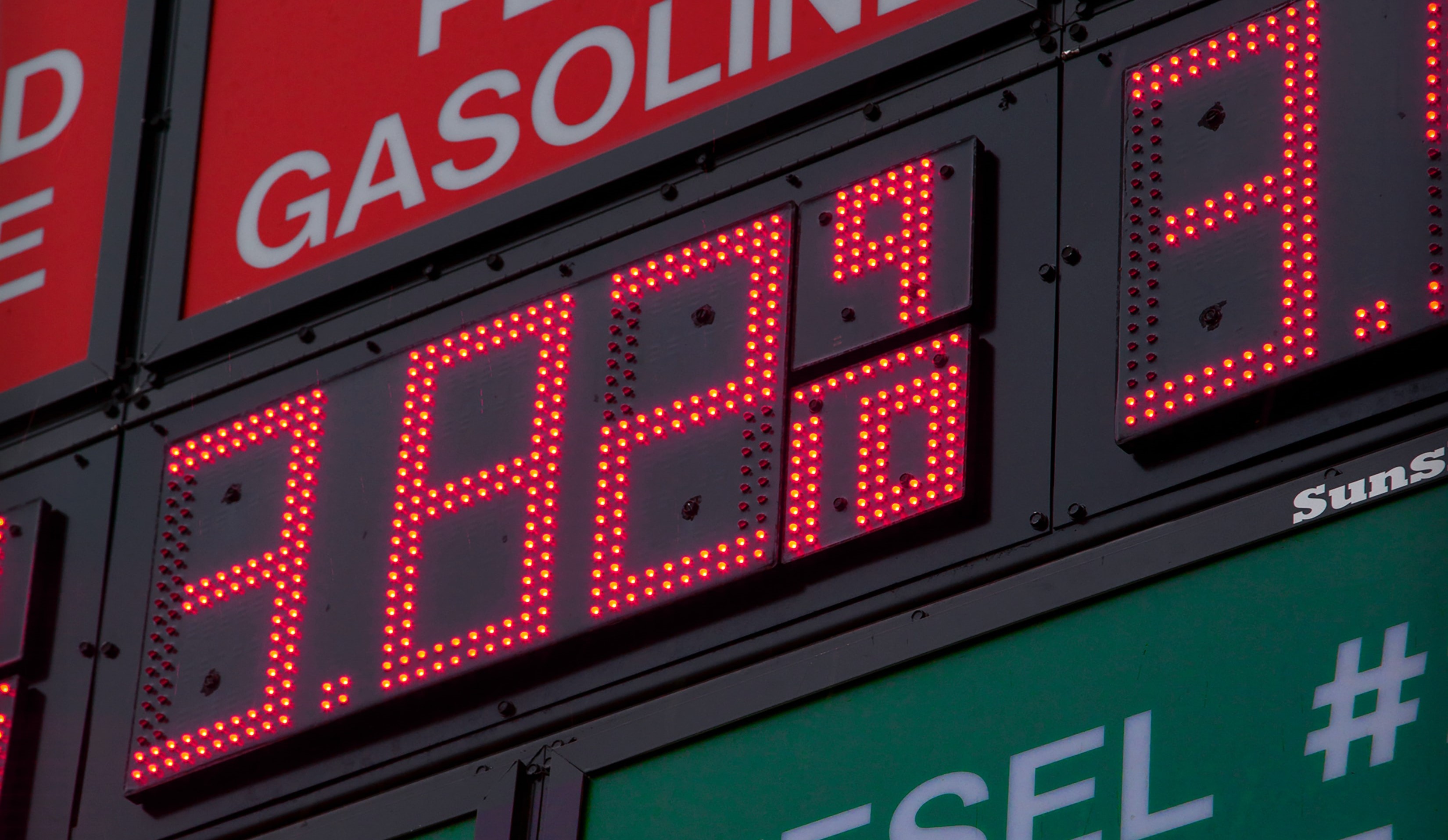
US average retail gasoline prices fell below $4 a gallon to the lowest since early March, according to data from AAA.
US consumers are already grappling with historically high food prices. It still stands to get worse.
Stocks pared gains on speculation the rally that followed softer-than-expected inflation data went too far, with the Federal Reserve still set to keep its monetary policy tight.
Jim Cramer recently stated it will be time to buy stocks when the Fed pivots.
U.S. stocks are moving upward, continuing yesterday's rally, as the markets digest the release of the Producer Price Index.
Despite price declines in many sectors, the Federal Reserve may continue its hawkish approach.
Stocks are rallying on hopes the Fed will stop increasing interest rates this fall, pivot, and start reducing them next year. Investors are blindly buying into this pivot narrative.
In an American housing market that for years has been plagued by too little inventory, builders are suddenly finding themselves with a glut of unsold homes.
If you have an aversion to the mathematics that go with the bond market, you’re not alone. It’s complicated and counter-intuitive, based in concepts that are hard to visualize.
US inflation decelerated in July by more than expected, reflecting lower energy prices, which may take some pressure off the Federal Reserve to continue aggressively hiking interest rates.
The world of politics and political maneuvering never ceases to amaze us.
Most consumers wait for things to go on sale before buying them, look for promo codes prior to purchasing something online, and suggest that discounts are the greatest influence on their purchase decisions around the holidays...
For decades, relative global stability, sound economic-policy management, and the steady expansion of trade to and from emerging markets combined to keep costs down.
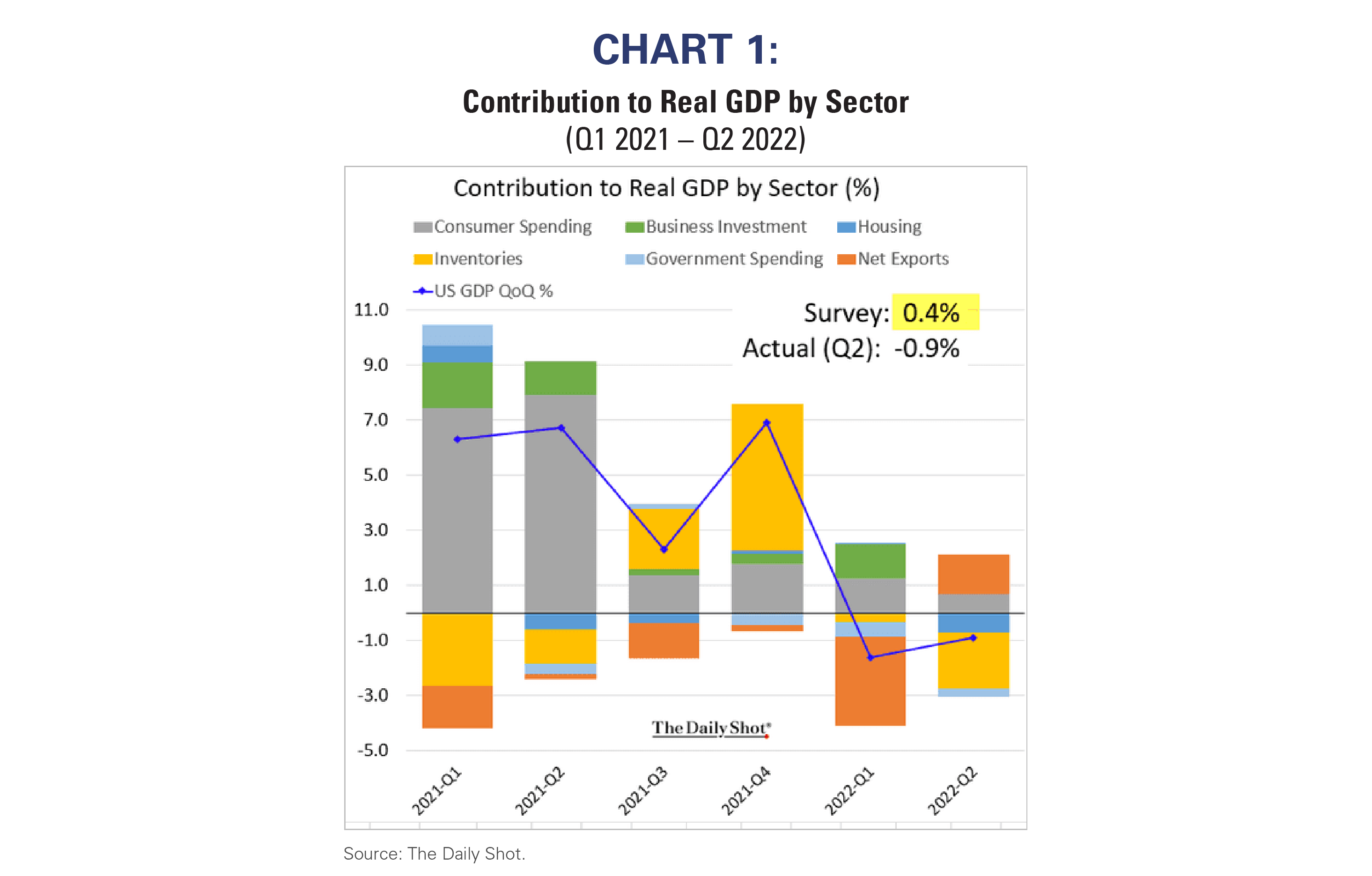
US productivity slumped for a second-straight quarter as the economy shrank, driving another surge in labor costs that risks keeping inflation elevated and further complicates the Federal Reserve’s efforts to tame price increases.
Micron Technology Inc., the leading US maker of memory semiconductors, became the latest chipmaker to declare that demand is falling off rapidly. It warned investors that revenue won’t meet projections, sending industry stocks tumbling.
The bond market’s yield curve has a sort of mythical hold on economists and investors. It’s easy to see why, given that every recession since the 1950s has been preceded by an inverted curve, which happens when short-term rates rise above long-term ones.
U.S. stocks are trading mixed in pre-market action, with the markets anticipating tomorrow's start of a flood of July inflation data.
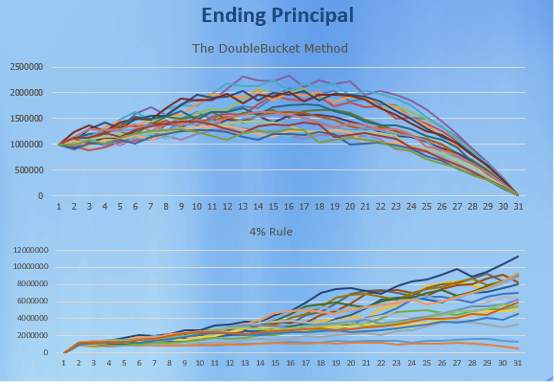
Sequence of returns risk can be totally avoided.
People are buying gold hoping to hedge against inflation. We offer a more compelling reason to own gold and discuss what it can do when you own it.
It’s time for our annual August report, “Charts for the Beach.” Each year we highlight five of our favorite charts we think consensus is currently overlooking. Load up the cooler, get your towel and chair, and enjoy the charts! And, watch out for those sharks!!
Corporate fundamentals have been deteriorating in the US. Over the past six months we have seen meaningful erosion in profit margins, pricing power and the outlook for credit.
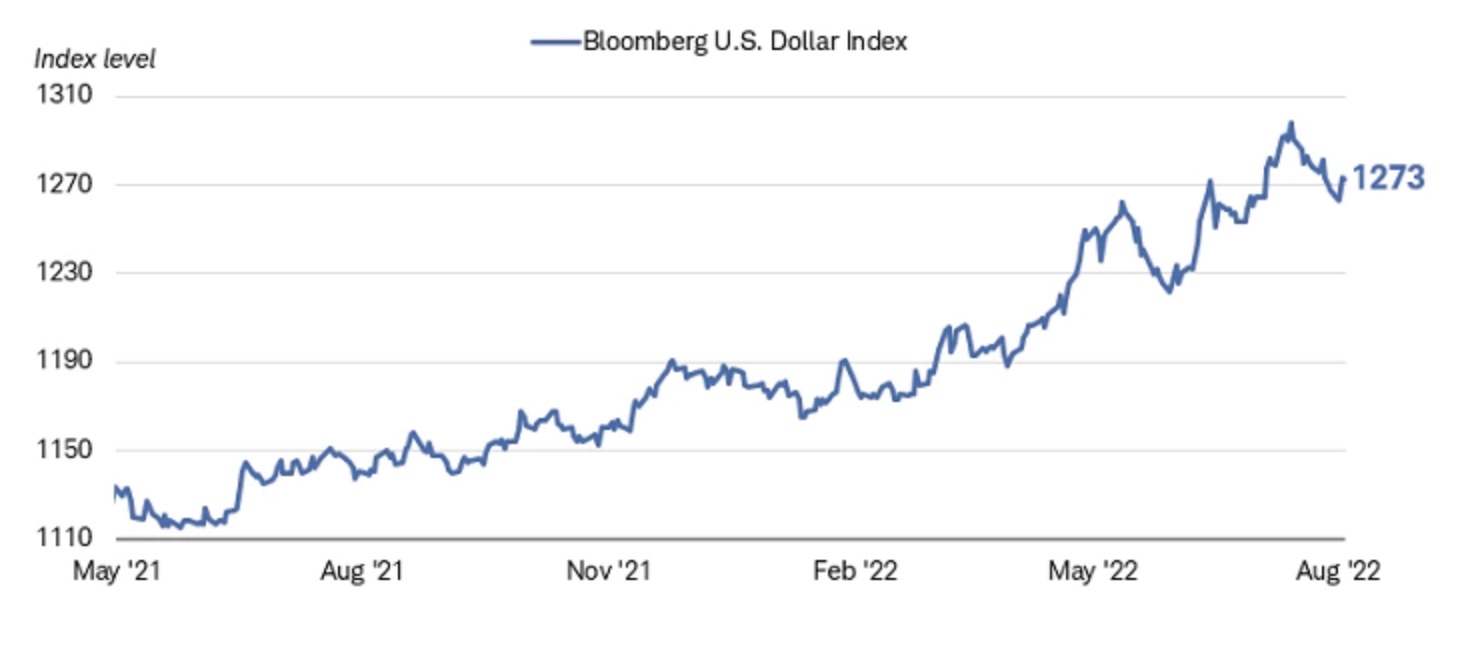
A trifecta of factors support the dollar, including the relatively strong performance of the U.S. economy, tightening monetary policy by the Federal Reserve, and safe-haven buying.
President Joe Biden and Senate Majority Leader Chuck Schumer are the biggest winners now that a huge piece of Democrats’ economic agenda is hurtling toward enactment.
Gold, according to financial markets lore, is a pretty simple beast.
You would think the news that Coinbase Global Inc. had entered into a partnership with BlackRock Inc. to help institutional investors manage and trade Bitcoin would energize the slumping cryptocurrency market.
Friday’s positive jobs report — which far exceeded expectations — would seem to suggest that recession fears have been a bit overblown.
Each generation is destined to repeat the struggles of the generations that came before it. And you can’t escape. You can’t be different – though you’ll try. Everybody tries.
Office spaces still have a role in the future of work.
Bitcoin lingered near $23,000 after a report showing the US added more jobs than forecast last month renewed concern that higher interest rates could reduce demand for riskier assets.
The fast-growing software companies that took a pounding in this year’s technology stock selloff suddenly are stars of the market, and earnings are a big reason why.
The tight labor market probably didn’t get the US into this inflationary mess, but it is part of the reason that it’s going to be so hard to get out of it.
Treasury yields surged on stronger-than-expected US employment data that shore up the case for additional hefty central bank interest-rate increases.