How do taxes impact the 4% rule for retirement spending?
Bond mutual funds trade daily and are highly liquid, but the underlying securities are often highly illiquid, trading very infrequently. This mismatch means that bond fund pricing is unreliable, creating risks, especially for buy-and-hold investors.
Federal Reserve Chair Jerome Powell said the US economy may be entering a “new normal” following disruptions from the Covid-19 pandemic.
For years, asset allocators had it easy: Buy the biggest American tech companies and watch the returns rack up. Those days are gone, buried under a crush of central bank rate hikes that are rewriting the playbooks for investment managers across Wall Street.
Week by week, the bond-market crash just keeps getting worse and there’s no clear end in sight.
The world will be going from an era of zero rates and loose monetary policy to higher rates and likely slower growth, except in certain sectors. Adjusting to this change will be both problematic and also full of potential opportunities.
Inflation is top of mind for consumers and market participants. In the United States, many are questioning whether student loan forgiveness will make inflation worse, and if the recently passed “Inflation Reduction Act” will offer relief.
Compared to the dotcom and great financial crisis recessions, our fiscal and monetary response over the last two years has been far more aggressive. But the true cost – in terms of inflation – presents a more threatening risk.
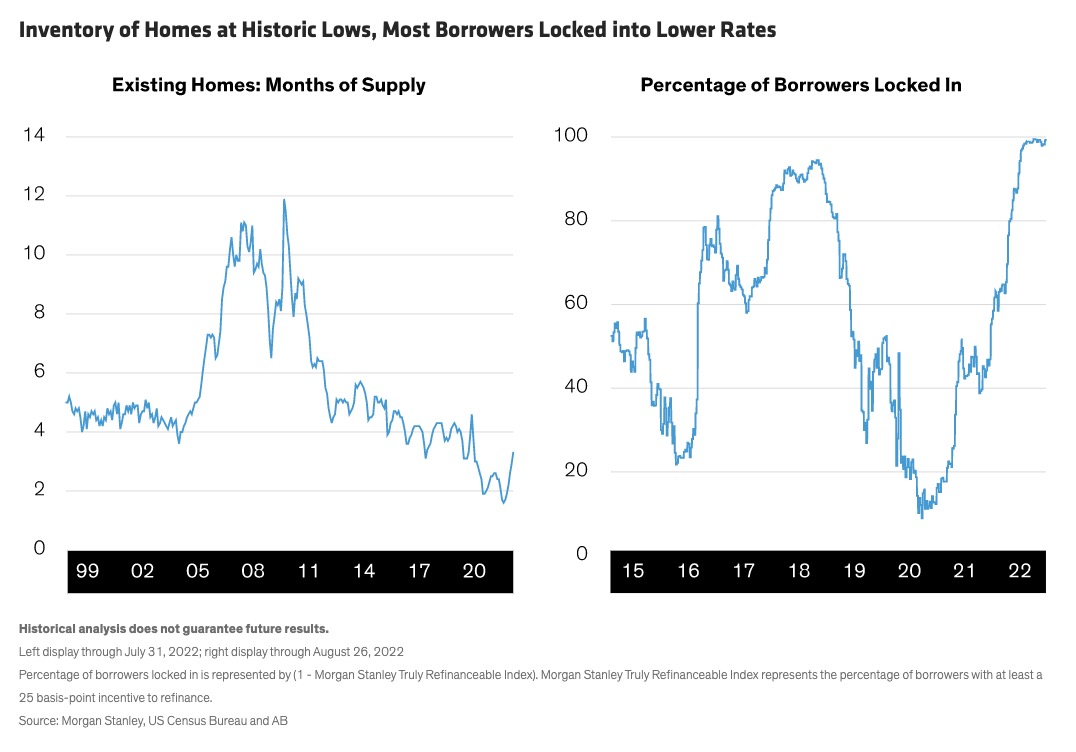
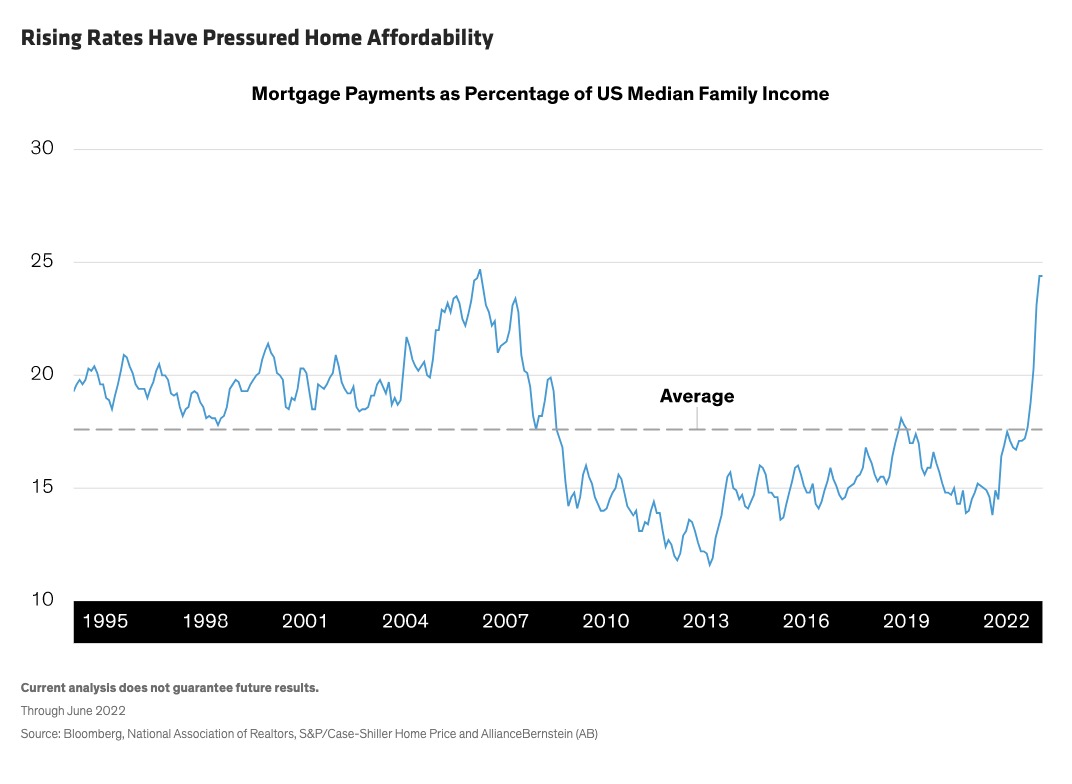
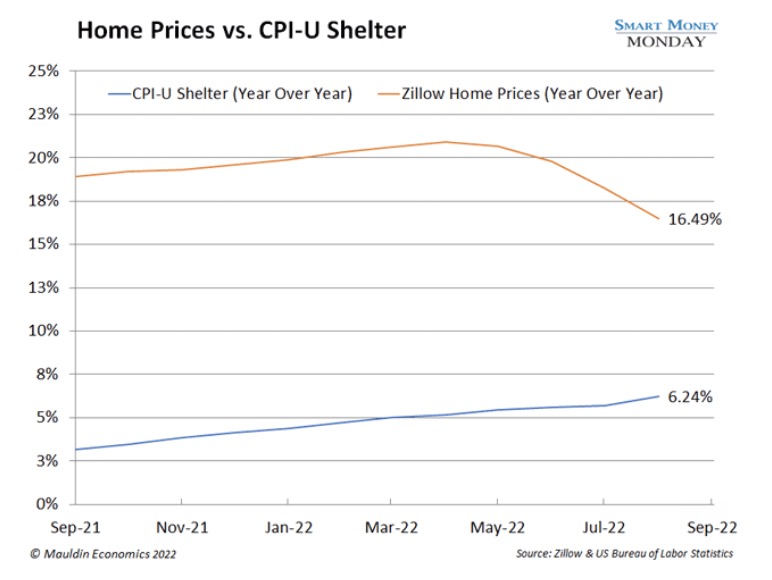
With interest rates on the rise, the once red-hot US housing market is finally showing signs of cooling.
Let’s face it, the last three years have been challenging for investors. The global pandemic has had a domino effect on so many aspects of our lives.
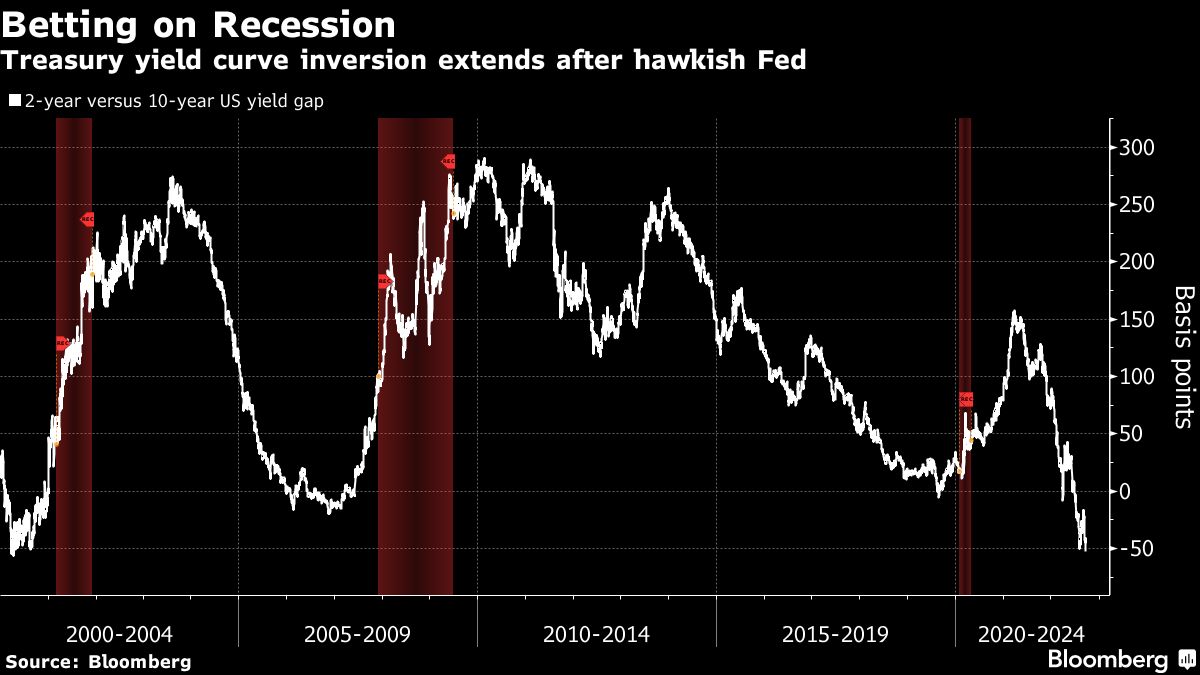
Bond traders are girding for the risk that Federal Reserve Chair Jerome Powell is ready, willing and able to plunge the US into recession to get the inflation bogey under control.
U.S. stocks are moving higher in pre-market trading, following yesterday's third-straight 75-basis point rate hike from the Fed.
Federal Reserve Chairman Powell delivered another forceful message to markets that an early pivot back to rate cuts will not happen until inflation is under control.
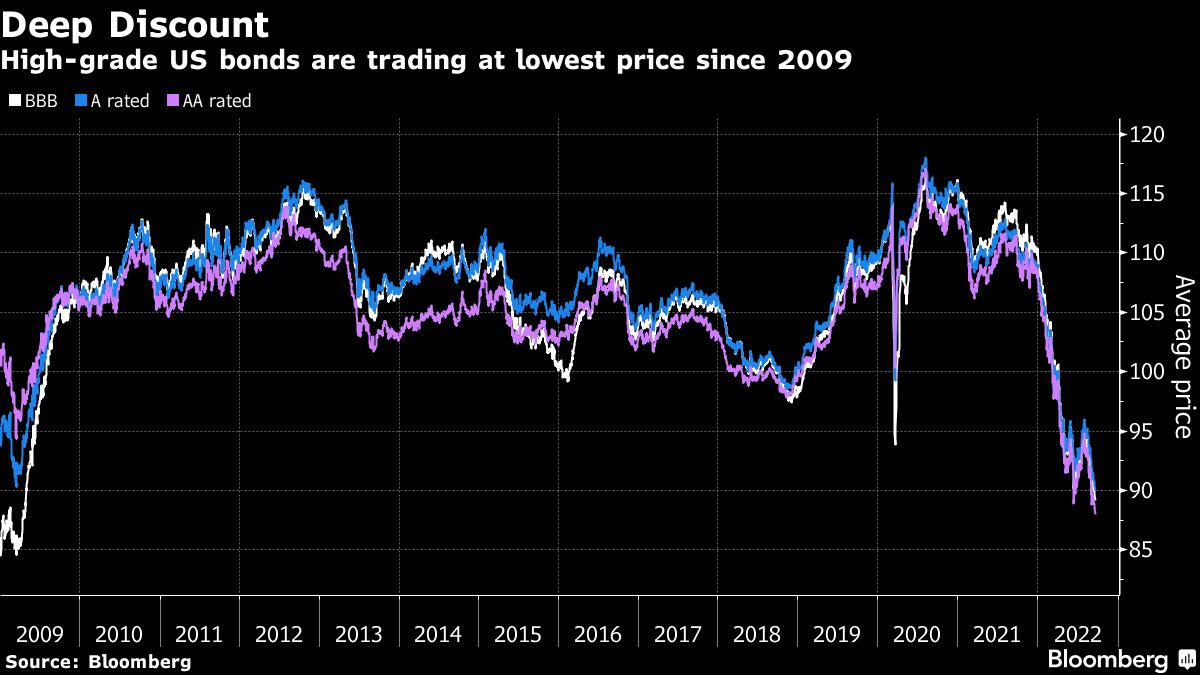
Most of the US investment-grade bond market is trading at a discount, and PGIM and JPMorgan say it’s time to buy.
When it comes to investing in stocks, I believe that intelligent investing implies investing for specific objectives or needs.
Generating investment income is challenging, especially in the low-yield environment we have been living with for the past decade.
How can we design and deliver our advice in a way that clients implement it? Enter the commitment device.
This week, Advisor Perspectives is set to host a variety of free CE webinars for financial professionals. These webinars will cover a variety of topics that are intended to help advisors gain valuable insight and education, allowing them to better meet their clients’ needs.
Direct indexing is the fastest growing segment of the asset management industry. In this interview, Brandon Thomas of Envestnet explains how direct indexing helps clients gain low-cost, tax-efficient exposure to asset classes, ESG and quantitative strategies.
Wednesday’s meeting of the Federal Open Market Committee is dominating all discussions. That’s inevitable. But if there’s one area where the Fed’s monetary policy could wreak changes, and where many Americans fear that it will, it is on housing.
U.S. stocks are declining in pre-market trading as the markets await the Fed’s highly anticipated monetary policy decision tomorrow.
The IRA impacts everyone, but the healthcare portions of it mean substantial changes to the way advisors incorporate healthcare costs into their financial plans for clients who are retired, on Medicare, or are still working.
Despite widespread use in institutional portfolios, alternative investments are not typically found in US defined contribution plans.
The 2008 financial crisis created of a set of real estate winners and losers -- both at the household and geographic level -- based on how they were positioned in the housing market at the time.
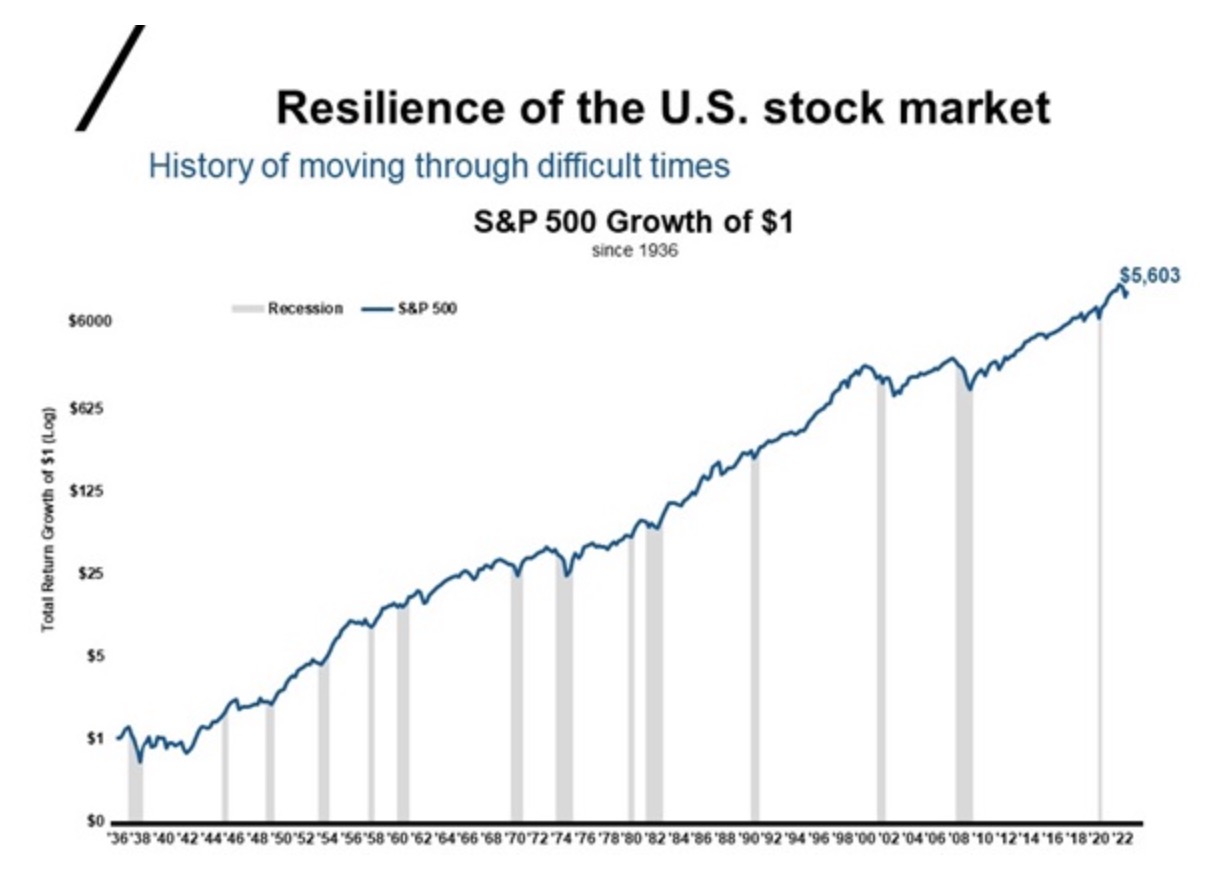
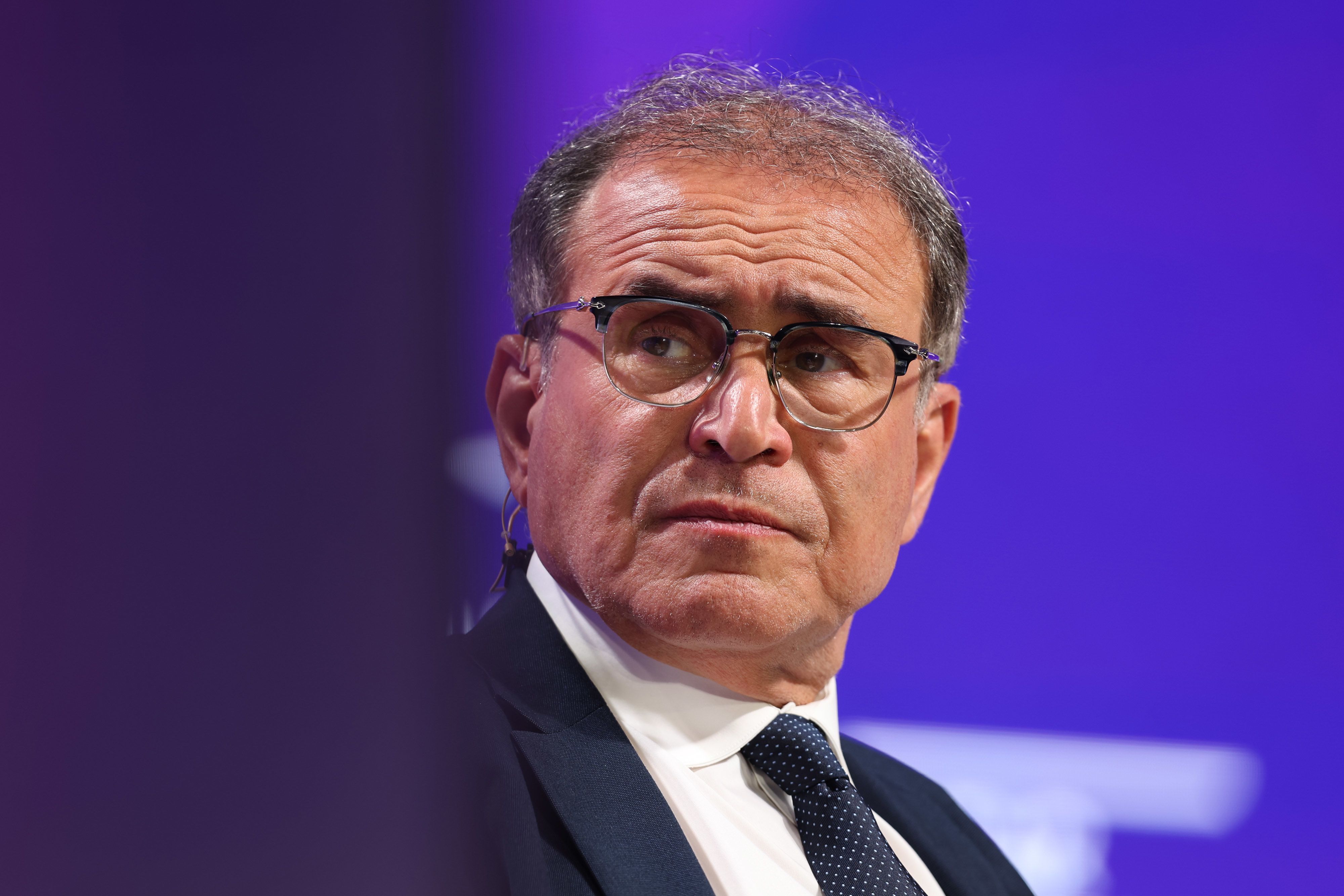
Economist Nouriel Roubini, who correctly predicted the 2008 financial crisis, sees a “long and ugly” recession in the US and globally occurring at the end of 2022 that could last all of 2023 and a sharp correction in the S&P 500.
One popular money script is, “I need to leave an inheritance to my kids.” Yet choices that parents make based on this money script can actually result in both failing to leave an inheritance and even costing children money. Here is one way that might happen.
As the Federal Reserve raises rates in an effort to stifle inflation, what are the implications for US mortgage holders?
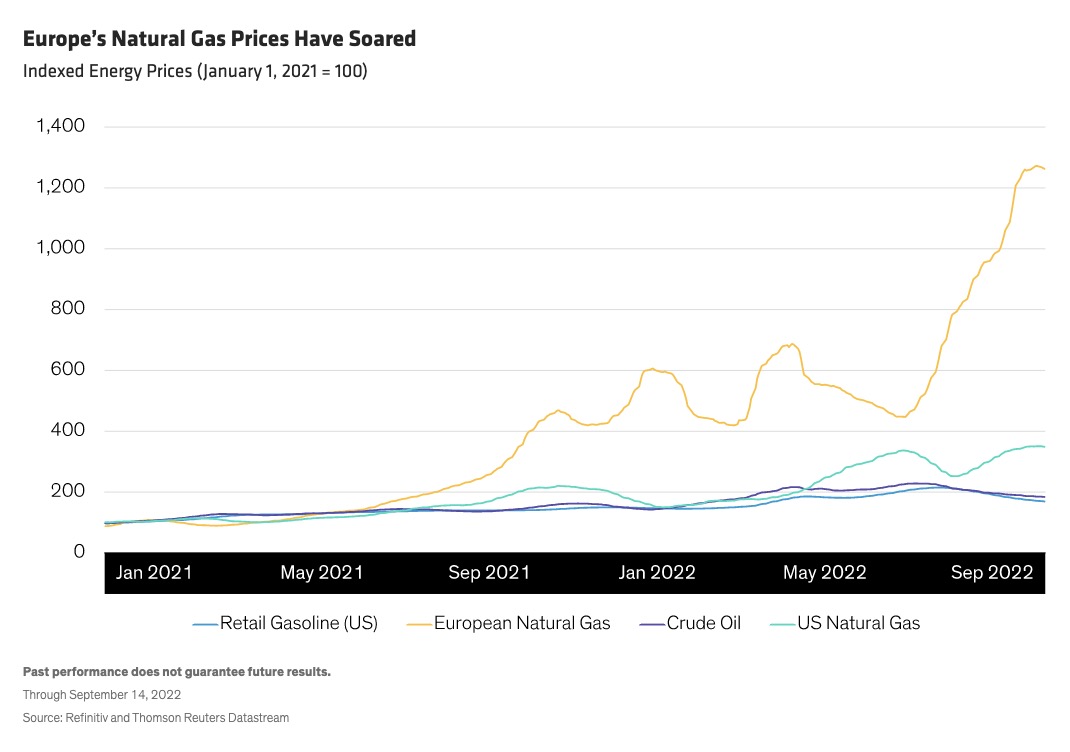
As surging natural gas prices stoke inflation throughout Europe, policymakers are responding to both reduce the economic damage of high energy prices and clamp down on blistering inflation rates.
Investors are running scared.
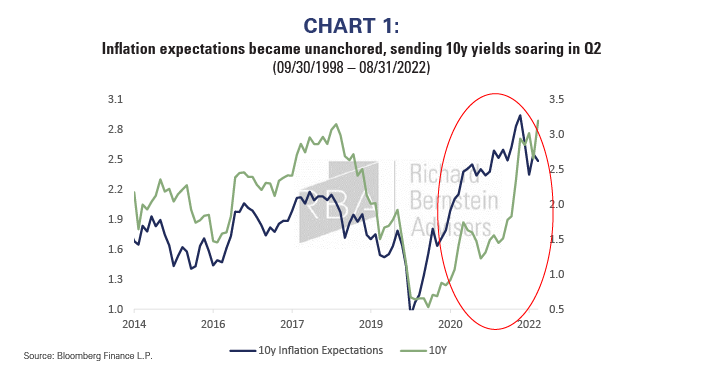
The 10-year Treasury yield briefly rose above 3.50% for the first time since 2011 on Monday, with the bond market extending its bearish run ahead of another jumbo rate hike expected this week by the Federal Reserve to bring down inflation.
Recently, the Biden Administration started taking victory laps on deficit reduction.
Individual impact aside, Biden’s student loan forgiveness will harm the U.S. currency and economy. Here’s how I see it as a value investor.
The Biden administration's announcement that qualifying borrowers can receive up to $20,000 in forgiveness on federally held student loans first elicited cheers from many of the 43 million Americans eligible to have their debt wiped. Then came a barrage of questions.
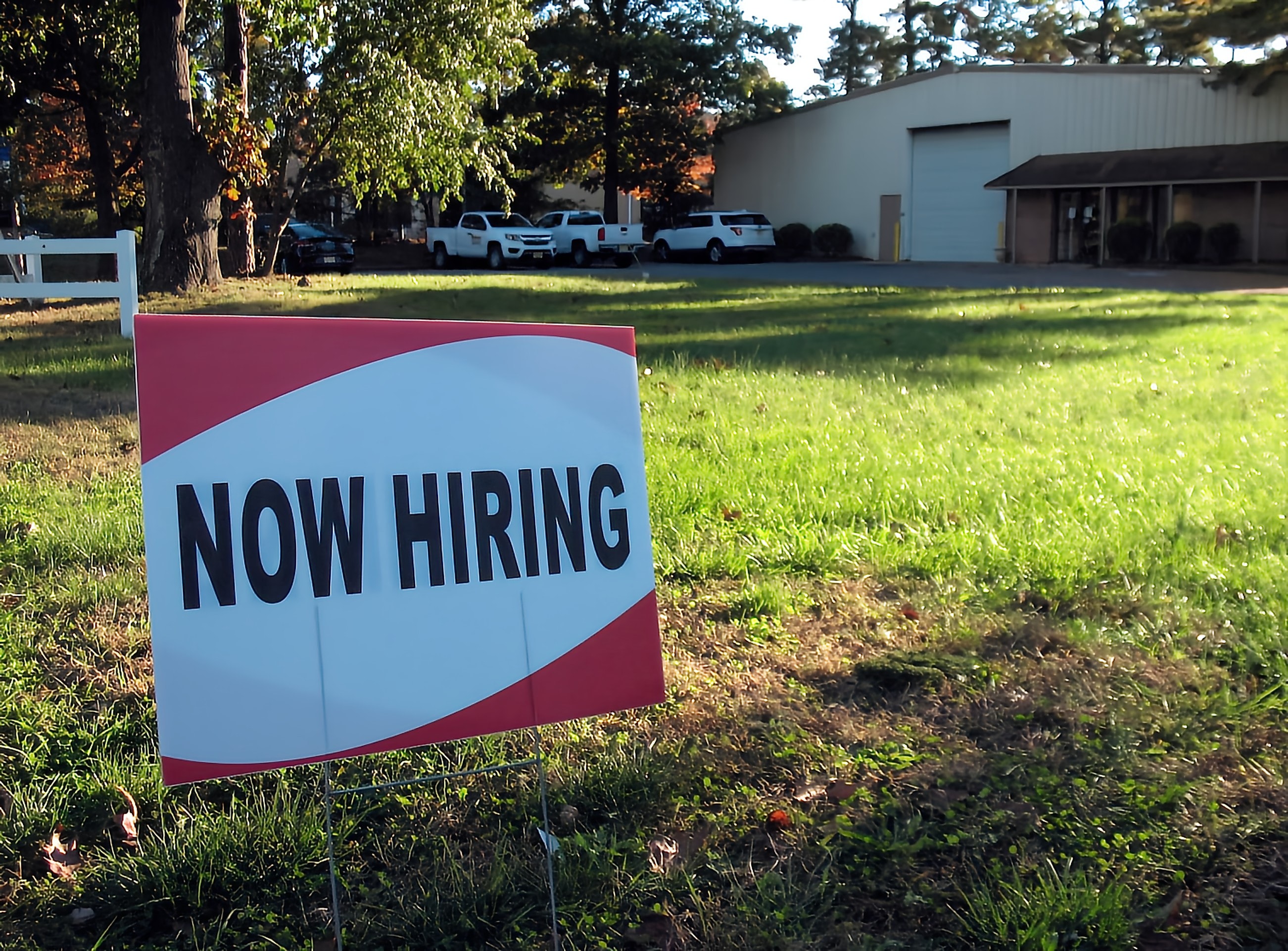
Businesspeople in the US have been complaining for more than a year about how hard it is to hire anybody.
After more than 40 years of work in the financial markets, studying all the data I could get my hands on, I’ve found it to be universally true that those who argue “history doesn’t matter” have never actually studied history.
Bull or bear, in stocks lately, the punishment has been the same. Swift and brutal.
Populations are aging, and the economic consequences will be substantial.
What lessons for today? Any intervention in foreign exchange markets must be credible to have any chance of working. And when the Fed takes a course that is out of sync with the rest of the world, stresses increase on the rest of the foreign exchange architecture.
Countries from Costa Rica to Croatia are betting that remote work is here to stay, competing to host digital nomads even as more employers push for a return to office.
We’re currently finding the most compelling opportunities within three countries—Canada, the United Kingdom and Japan.
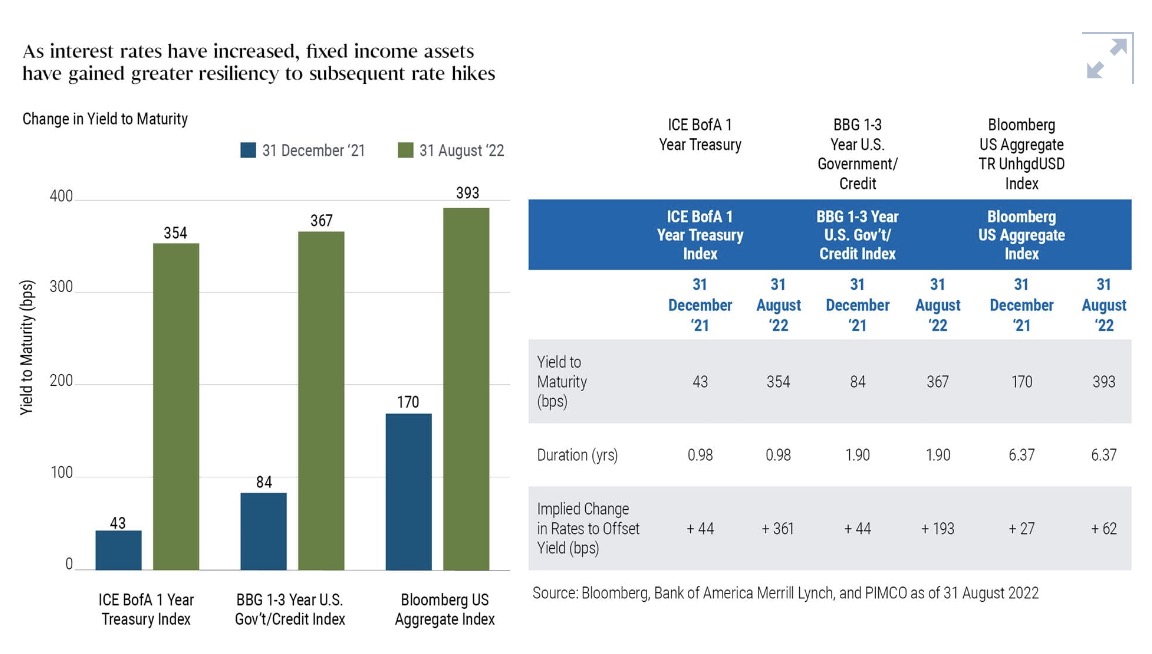
We believe short-dated bonds can offer attractive yields, flexibility, and a means to proceed cautiously as central banks continue to raise interest rates.
Over the years, I’ve explained at length why I’m not interested in forecasts, but I’ve never devoted a memo to explaining why making helpful macro forecasts is so difficult. So here it is.
Dividends and dividend-paying stocks are getting renewed attention in recent months.
Sell stocks and buy opportunistic bonds, according to Jeffrey Gundlach. “The capital gains potential is the best in the last 15 years," he said. Bonds are “the place to be.”
The specter of US interest rates at 4% or even higher is bringing into sharper focus the question of when and how investors should really get back into bonds after Treasury markets suffered one of their worst beatings in decades.
Jim Pass, head of project finance for Guggenheim Investments, and Kate Newman from the World Wildlife Fund talk about the most recent research collaboration between Guggenheim and WWF, a survey of infrastructure investors and developers.
President Joe Biden’s announcement that he will cancel up to $20,000 in federal student loans for qualified borrowers could help score him points with progressives and young voters while fulfilling a promise he made when running for office.
We more than doubled our portfolios’ duration in a single day this summer.
The silver market scarcity has begun to resolve. We discuss what the data in the silver market is saying and why the market has become a Keynesian Beauty Contest.