I know what you’re thinking: “Longevicide? What is that?”
In 1987, Sports Illustrated, the preeminent sports periodical of the time, predicted the Cleveland Indians would win the American League pennant in its baseball season preview.
The electric vehicle revolution will be subsidized.
Do people really move because they think their state income taxes are too high? It’s been a longstanding debate. Finally, a recent report from the Tax Foundation provides some compelling evidence that yes, they do.
As the housing market heated up during the pandemic, many would-be homeowners found themselves unable to buy despite making multiple offers or waiving inspections.
Inflation concerns on Friday once again pulled the rug from under investors struggling to find their footing as the Federal Reserve's battle against rising consumer prices shakes the economic terrain.
2022 has been a stormy year for bond investors, and the forecast calls for more of the same. We address today’s biggest investment challenges—from persistent inflation to rising rates to a looming recession—the silver linings of higher yields, wider credit spreads, and strategies for navigating bad weather.
When markets are challenging, your clients look to you to help manage their expectations as well as their hard-earned money.
Millennials were more comfortable with the stock market this year, a May survey found. We explore the outlook for equities through a generational lens.
A couple of weeks ago, in our quarterly strategy report, I argued that it appeared that innovation had bottomed.
Digging in a little deeper, we sifted through this first quintile of the S&P 500 for other insights.
Is a recession lurking around the corner in 2023? If so, how might it impact defined benefit (DB) plan sponsors—and what steps, if any, should they consider taking?
Sandpiles can be fun. Nothing beats taking kids to the beach (or being a kid!) and watching their creativity blossom into all kinds of magical shapes. The problem with sand construction is it doesn’t last. I have it on good authority that building your house on the sand probably won’t end well.
Social Security benefits will increase 8.7% in 2023, helping retirees weather surging inflation that shows few signs of slowing down.
Yields on popular Series I savings bonds — intended to protect consumers against price increases — are likely heading down even as inflation continues to surge.
Banks could be about to deluge the market with more bonds after they post quarterly results, borrowing at a breakneck pace even as other blue-chip companies pull back, and bondholders could suffer in the process.
JPMorgan Chase & Co. reported its highest quarterly net interest income ever and raised its guidance for the year as the biggest US bank reaps rewards from the Federal Reserve’s interest-rate hikes.
UK Prime Minister Liz Truss fired Chancellor of the Exchequer Kwasi Kwarteng and replaced him with former Foreign Secretary Jeremy Hunt as she prepared to make a humiliating U-turn on parts of her economic plan.
2022 has hit investors with an unprecedented 1-2 punch of sharply negative returns in both the equity and fixed income markets, but our Strategic Income team feels the selloff has created attractive opportunities in high yield bonds.
There are continuing pressures on investment portfolios as advisors and their clients need to manage pressures they have not seen for 20 years: market volatility, inflation, rising interest rates and a potentially rising tax rate environment. Some of these pressures have not surfaced in 20 years. With fixed income not holding up as a low-risk part of the portfolio, right now is an opportune time to look at other strategies to protect client portfolios.
Medical Properties Trust (MPW) claims to be the second largest nongovernmental owner of hospitals in the world.
With Treasury yields around 4% and corporate bonds yields even higher, fixed income is the better alternative to stocks.
The top 50 broad strategy funds – determined by highest historical performance through 2021--outperformed the market by 21 percentage points through the first six months of 2022.
With rents, food prices and child-care costs all rising, coming up with the cash to cover unexpected expenses is becoming more difficult.
U.S. stocks are mixed and subdued as the markets digest another hot inflation report in the form of the September Producer Price Index.
A couple weeks ago, in our quarterly strategy report (see: QSR-Has Innovation Bottomed?), I argued that it appeared that innovation had bottomed.
The era of “TINA”—short for “there is no alternative” and describing a phenomenon where bond yields were so low that many investors felt they had no choice but to invest in stocks, even at stretched valuations—has given way to a market where they can “pay attention to the yield(s).” Or “PATTY,” for short.
Cannabis stock Innovative Industrial Properties Inc. (IIPR) claims to be “the leading provider of real estate capital for the regulated cannabis industry.”
The Biden administration’s student debt forgiveness program isn’t yet open, but borrowers can now get a glimpse of the simple application that may bring them as much as $20,000 in relief.
U.S. equities are mixed as investors await this week’s highly anticipated September inflation data.
It is as though the finance world decided to take a page out of the music industry's book by recycling a melody with only slight variations.
In recent months, the economy has shown remarkable resilience in the face of a cyclical downturn.
You never know where the next crisis will arise but last week it came from a particularly unlikely place: defined-benefit pensions. The UK government bond market (gilts) went wild as rates spiked and pension funds failed to meet their margin calls.
Let’s explore what may be going on emotionally for the partners in these unequal relationships.
In a new book, three economists assessed, using detailed data, whether income inequality in America is as great as everybody thinks it is. They conclude that, by a wide margin, it is not, for surprising reasons.
The Great Moderation has given way to the Great Stagflation, which will be characterized by instability and a confluence of slow-motion negative supply shocks.
Let's break down four guaranteed approaches you can implement to improve your client experience and increase your prospect conversions by creating exclusivity, setting client expectations from the beginning, sticking to your process of success, and practicing your interactions.
Evidence of a cooling labor market is emerging.
The fast money refused to join the crowd betting the Federal Reserve was about to make a friendly shift in monetary policy. It proved a prescient bet after Friday’s jobs report.
Today I want to talk about why the labor market is so out of balance. Some of this is new and some has been brewing for many years. We will end with some commentary on yesterday’s unemployment report.
Review the latest Weekly Headings by CIO Larry Adam.
A recent MarketWatch article discussed JPMorgan’s Chief Operating Officer, Daniel Pinto, views about a coming mild recession.
October will test the Fed’s resolve.
The recipe for making money if you’re a commodities trader is simple: buy natural resources in one place and time and sell them somewhere else later — hopefully making a buck by exploiting the difference.
If it feels like the winter holiday season starts earlier every year, that’s because it does.
The world seems an increasingly uncomfortable place for traditional stock and bond investments.
One of the themes I’ve discussed in recent months is the disconnect between a 40 year high in inflation and the lack of experience money managers have in understanding the monetary policy required to deal with such high inflation, including managers with 25 to 30 years of experience
Fidelity Investments and Vanguard announced a rare collaborative effort Wednesday to help employees keep their retirement savings in tax-advantaged accounts like 401(k)s when they switch jobs.
The firestorm among UK pension funds is a wake-up call for their peers across the Atlantic. The end of an era of cheap money is exposing an industry that’s chronically underfunded and overexposed to market turbulence.
U.S. stocks are trading modestly lower in pre-market action with the markets awaiting tomorrow's key September nonfarm payroll report.
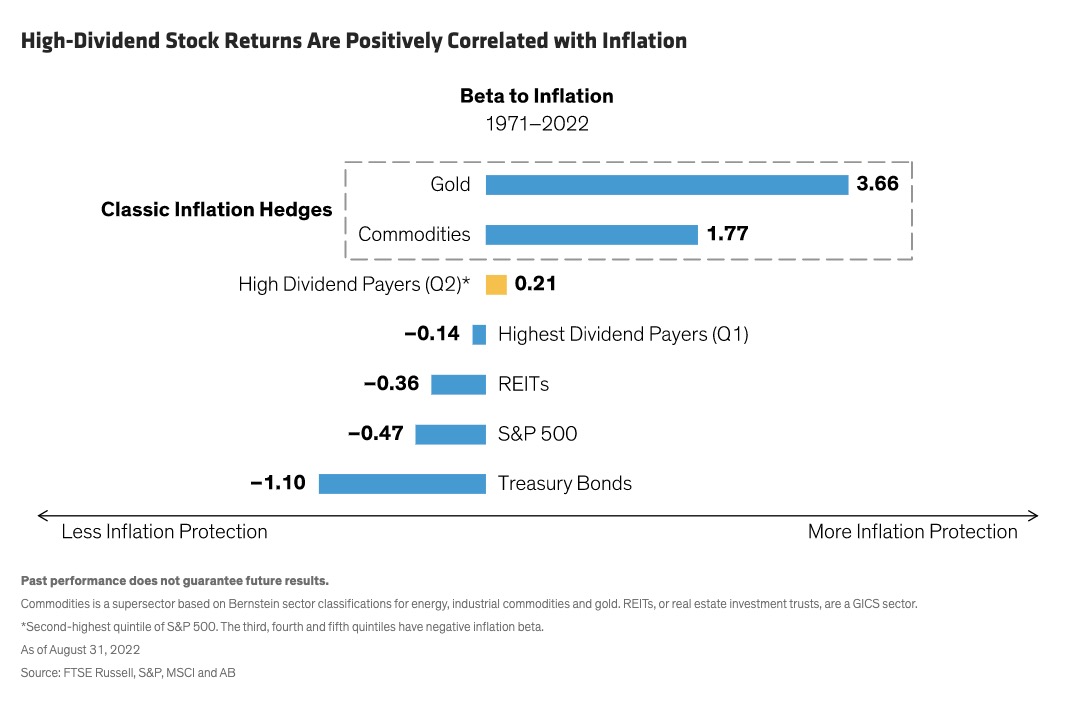
Many investors are searching for assets that can help protect portfolios from inflation.