For over a decade, emerging markets (EMs) have been full of promise—and disappointment. Year after year, investors have waited for the powerful growth trends of the past that drove developing markets from Mexico to Malaysia to reassert themselves.
A summer real estate market should help heat up the sector amid relatively high-interest rates. If the real estate market is indeed in recovery mode, that’s just what it needs for bullish momentum.
US Treasury Secretary Janet Yellen said competition between the world’s biggest economies is not a “winner-take-all” situation and called for both sides to manage their rivalry with a fair set of rules.
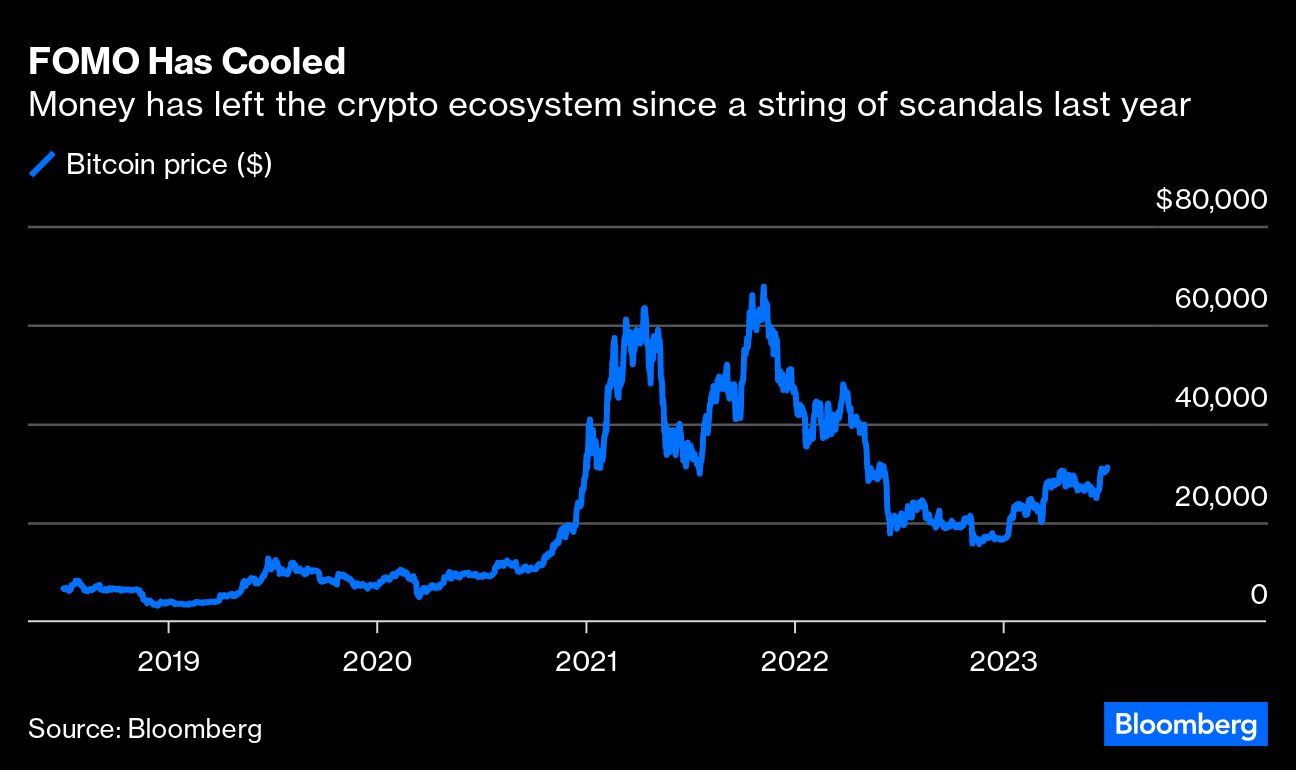
The old tech mantra of “move fast and break things” had long been one of the guiding principles of the cryptocurrency movement. The only problem: Too many things broke, leaving a string of high-profile bankruptcies and criminal prosecutions in its wake.
Amgen sells its products to healthcare providers, including physicians or their clinics, dialysis centers, hospitals, and pharmacies in over 100 countries but primarily in the US.
BlackRock Inc. has a nearly perfect track record when it comes to filing for and launching exchange-traded funds, which is spurring hopes that its try for a Bitcoin ETF might also get regulatory approval after years of rejections.
This week the VettaFi Voices discuss what lies ahead for the U.S. economy and U.S. markets. Consumer confidence ticked up significantly from 102.5 in May to 109.7 in June.
A Biden administration official recently described the philosophy of Bidenomics as caring less about the growth rate of the economy than about growth being widely shared.
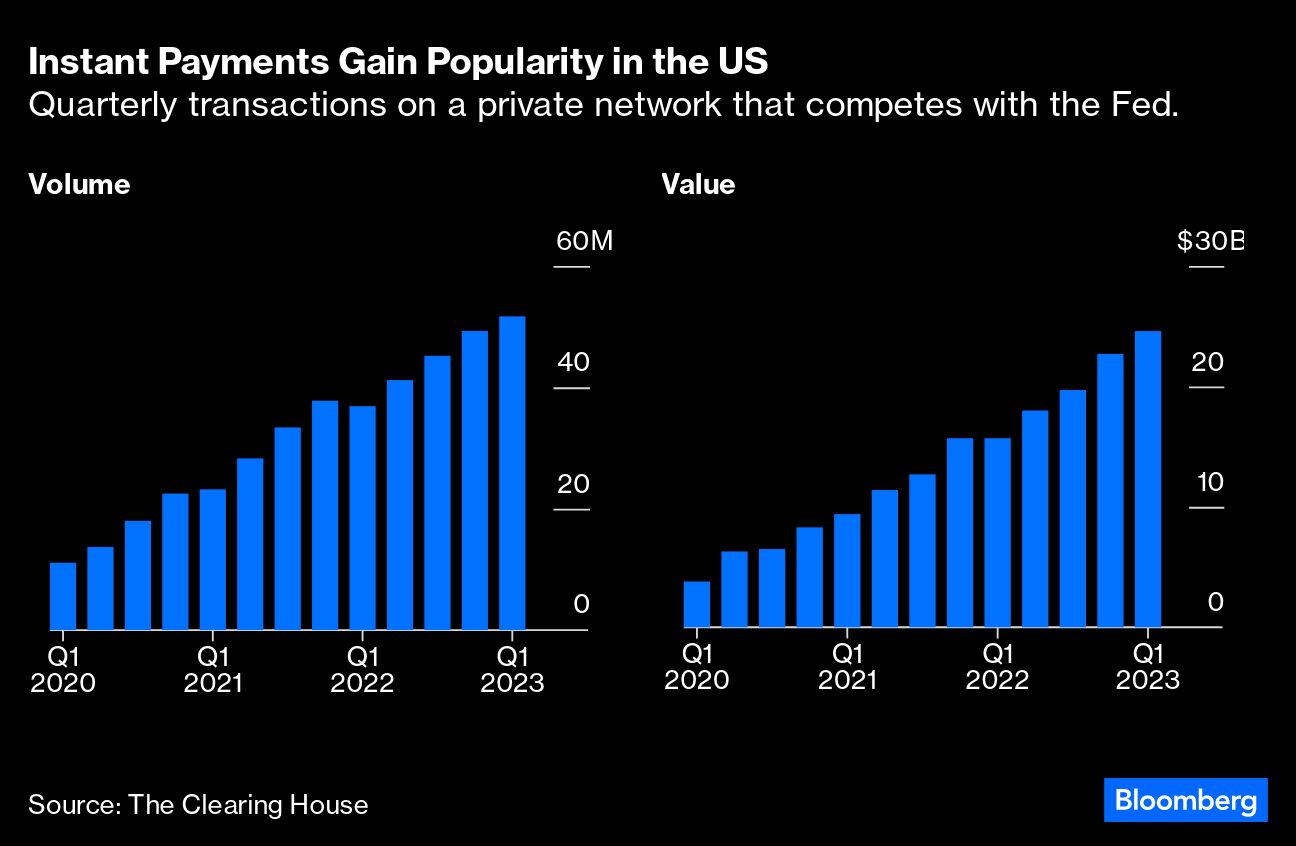
Money is getting faster. Regulators need to adapt.
There is renewed anxiety among central bankers in the face of sticky inflation.
A monthslong test with some of the world’s largest banks found that digital dollars could be an effective way to improve domestic and cross-border payments, according to a unit of the Federal Reserve Bank of New York.
This article will take an in-depth look at a trio of top-performing Bitcoin-related ETFs.
Going viral entered a whole new dimension with the introduction of ChatGPT late last year. In just six weeks, the artificial intelligence (AI) tool gained 100 million users — and a great deal of media attention.
In 2022, the funded status of $20 billion club members reached its highest level since 2007 due to steep rises in discount rates.
Better than expected first quarter earnings, decelerating inflation and growing optimism about a soft, non-recessionary landing have driven the market's positive 2023 start.
Ashmore is a specialist Emerging Markets investment manager with over thirty years' experience in these markets. Today we continue to innovate, offering new strategies that provide an opportunity for investors to participate in Emerging Markets.
Valkyrie is the latest issuer to refile an application for an exchange-traded fund that invests directly in Bitcoin after the US Securities and Exchange Commission had indicated initial documents were insufficient.
Investment banking work has all but dried up and the private equity industry bears a lot of the blame. The bad news for those involved is that managers of buyout funds might struggle to get their flywheels spinning again even when the current economic uncertainty starts to clear up.
With technology stocks resurgent this year, some investors fear a replay of the tech-led rally that pushed stocks to extreme valuations during the 2010s, setting them up for a sharp correction last year.
In this article, we take a deeper look at some of the most important economic releases from the past week: personal consumption expenditures (PCE), gross domestic product (GDP), and consumer confidence and sentiment.
Excitement over AI has driven equities this year. Yet investors should maintain a disciplined, long-term focus amid uncertain market conditions.
India's growth initiatives and demographics may help its economy continue to advance; its stocks seem to have priced in high expectations for the world's fifth-largest economy.
In our Quarterly Strategy Update, we explore the changes that have been occurring in Japan and why we hold a favorable investment stance toward Japanese equities in the Knowledge Leaders Strategies.
VettaFi’s vice chairman Tom Lydon discussed the NEOS S&P 500 High Income ETF (SPYI) on this week’s “ETF of the Week” podcast with Chuck Jaffe of “Money Life.”
Many stock market observers have commented regarding the market’s narrow leadership. However, few observers agree why this narrow leadership is occurring. Some, like us, believe it's purely speculation and others believe there's fundamental justification for it.
Investors lowered their expectations of gains in Asian equities this year as optimism fades about the prospects of looser monetary policy and China’s economic outlook.
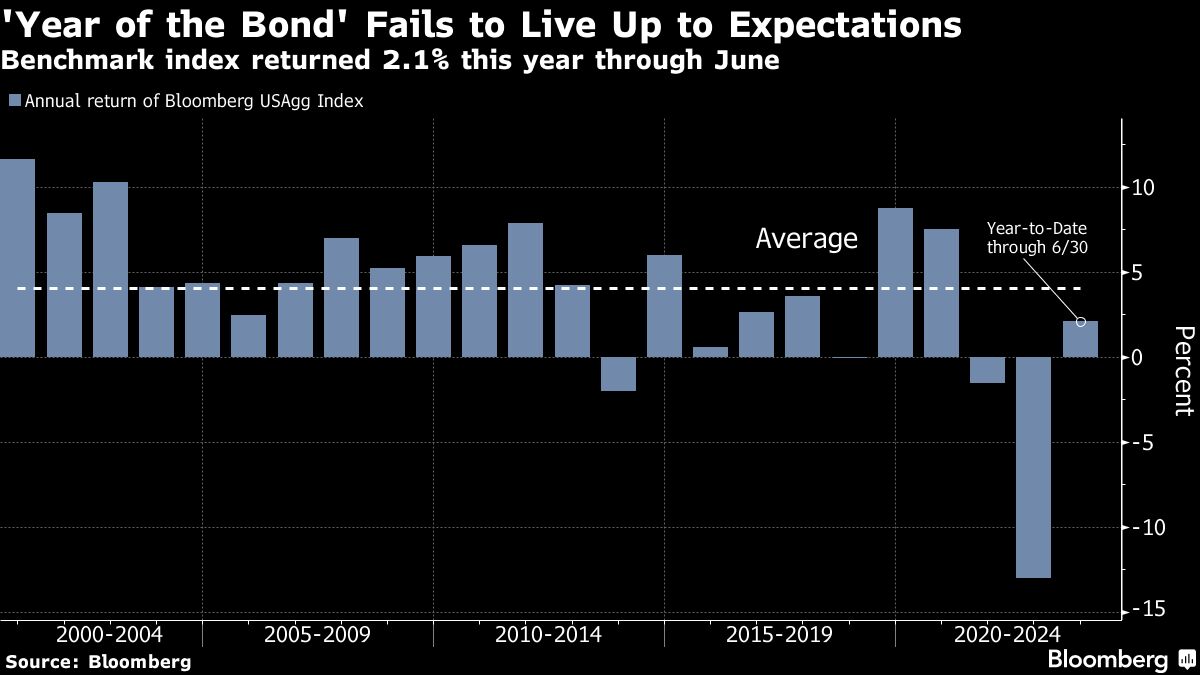
Some of the biggest bond managers are sticking to their bullish view on the market for US government debt, even as that trade looks riskier by the day.
Being asleep at the wheel is invariably a hyperbolic cliché. But in the case of the London Metal Exchange and its regulators, it’s no metaphor; it’s a literal description of last year’s crisis in the nickel market.
Last week the Supreme Court struck down the Biden administration’s student loan forgiveness plan, which would have done away with as much as $20,000 per borrower.
Music star Taylor Swift has taken the country by storm this year, selling out large football stadiums in every city lucky enough to have her perform.
The digital euro, like a lot of central bank proposals to issue virtual cash, has so far existed in a policy sweet spot: maximum imagination, minimal execution.
After years of lagging behind the tech-heavy US market, Franklin Mutual Series sees international value stocks coming back into the spotlight over the coming years as the traditional economy comes into sharper focus.
Given the current economic climate, now may be an opportune time to look closely at long-term bond ETFs.
We see different and abundant opportunities in the new macro regime. We go granular within asset classes, regions, and sectors – and harness mega forces.
Spring cleaning is essential to a cleaner home, just like rebalancing is essential to keeping an investor on track.
Host Nate Geraci is joined by Bloomberg’s James Seyffart and VettaFi’s Dave Nadig to go in-depth on the recent wave of spot bitcoin ETF filings and predict what comes next.
Done right, stories are a powerful marketing tool. Here’s how to tell a great one.
The ruling is a political defeat for the White House and a disappointment for millions of student-loan borrowers. It has also spared the country from the worst consequences of a misguided policy.
Chatbots aren’t just useful for writing essays and emails. Those designed to show empathy and retain memories about their users are already acting as personal guides.
Bitcoin registered a second straight quarterly gain, tightening its grip on crypto markets as smaller tokens nurse losses.
Is the recent rally a “bull trap,” or are we in a new “bull market?” Such was a question I recently received on Twitter. Of course, understanding the term “bull trap” is needed for those not deep into technical analysis.
As a result of these technological advancements in finance, fintech ETFs have emerged as a popular investment vehicle, offering exposure to a range of disruptive companies that are making waves in the financial industry.
The Bank of England surprised market participants yesterday morning when they raised the Official Bank Rate by a full half point to 5.00%. The move caught traders off guard as the BOE had chosen to raise rates by only a quarter percentage point at each of the two meetings prior.
While the financial media has focused on the headwinds for commercial real estate and the challenges the office and retail sectors face, this narrative ignores the differences across sectors and the potential opportunities available in today’s market environment, according to Franklin Templeton Institute’s Tony Davidow.
Central bankers think they can handle a situation and fire the artillery. It always has an effect… but ultimately it is rarely the effect they wanted. Doing nothing at all might have been better but that wasn’t an option. They’re trapped in an endless spiral of intervention.
In this article, we take a deeper look into three key housing releases from the past week: existing home sales, building permits, and housing starts. By examining this data, we gain valuable insights into the current state of the housing market and the broader economy.
Economies are struggling to shake off effects of COVID.
India is rapidly transforming into a formidable global superpower and an increasingly attractive destination for investor capital. Amid rising geopolitical tensions and the impact of disruptive technologies, India's story is a beacon of opportunity in a challenging landscape.
Exchange-traded funds are certainly popular with investors—here’s a look at how they can coexist in harmony with other investment vehicles, from David Mann, Head of ETF Product & Capital Markets.
One crystal-clear pattern has emerged. Everyone wants real-world, specific examples of how AI can and can’t enter into an advisor’s, investor’s, or creator’s workflow.