As policy makers vie to claim the mantle of hawk-in-chief, spare a thought for what we like to think of as the recovery.
We have always believed that common sense is the key to successful investing.
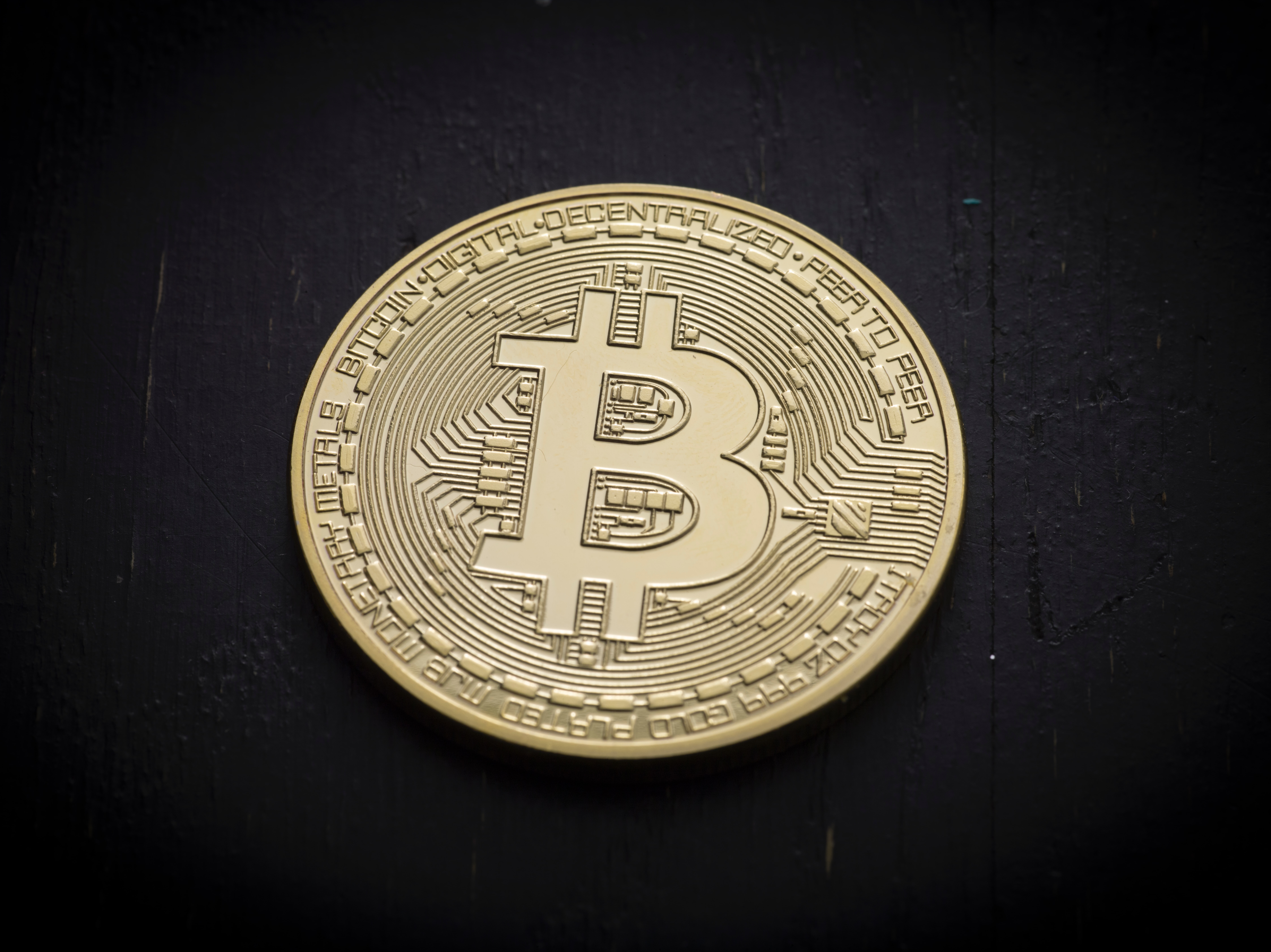
Bitcoin extended a rally amid a brighter mood in global markets and as traders await US inflation data and monitor a seminal upgrade of the Ethereum blockchain.
The war against inflation will be won when we no longer need to worry about it.
Americans have driven up their credit balances at a record pace this year.
White House Chief of Staff Ron Klain has taken to tweeting the price of a gallon of gasoline on a daily basis, a habit that’s convenient for him as long as it continues its steady decline.
Last year, I wrote an article discussing that 2022 earnings estimates were too optimistic given the impending reversal of the economic “Sugar Rush” of massive liquidity injections.
Around the world, soaring borrowing costs are squeezing homebuyers and property owners alike.
Seasoned investors, staring at a world clouded by war, inflation and economic uncertainty, are buying catastrophe insurance at a record clip.
Federal Reserve Bank of St. Louis President James Bullard says he has become more supportive of a third straight 75 basis-point interest rate increase and Wall Street is underestimating the likelihood that the Fed will hold rates at higher levels next year.
Sales of bonds backed by debt associated with single-family rental housing has soared over the last two years, as rents climbed across the country.
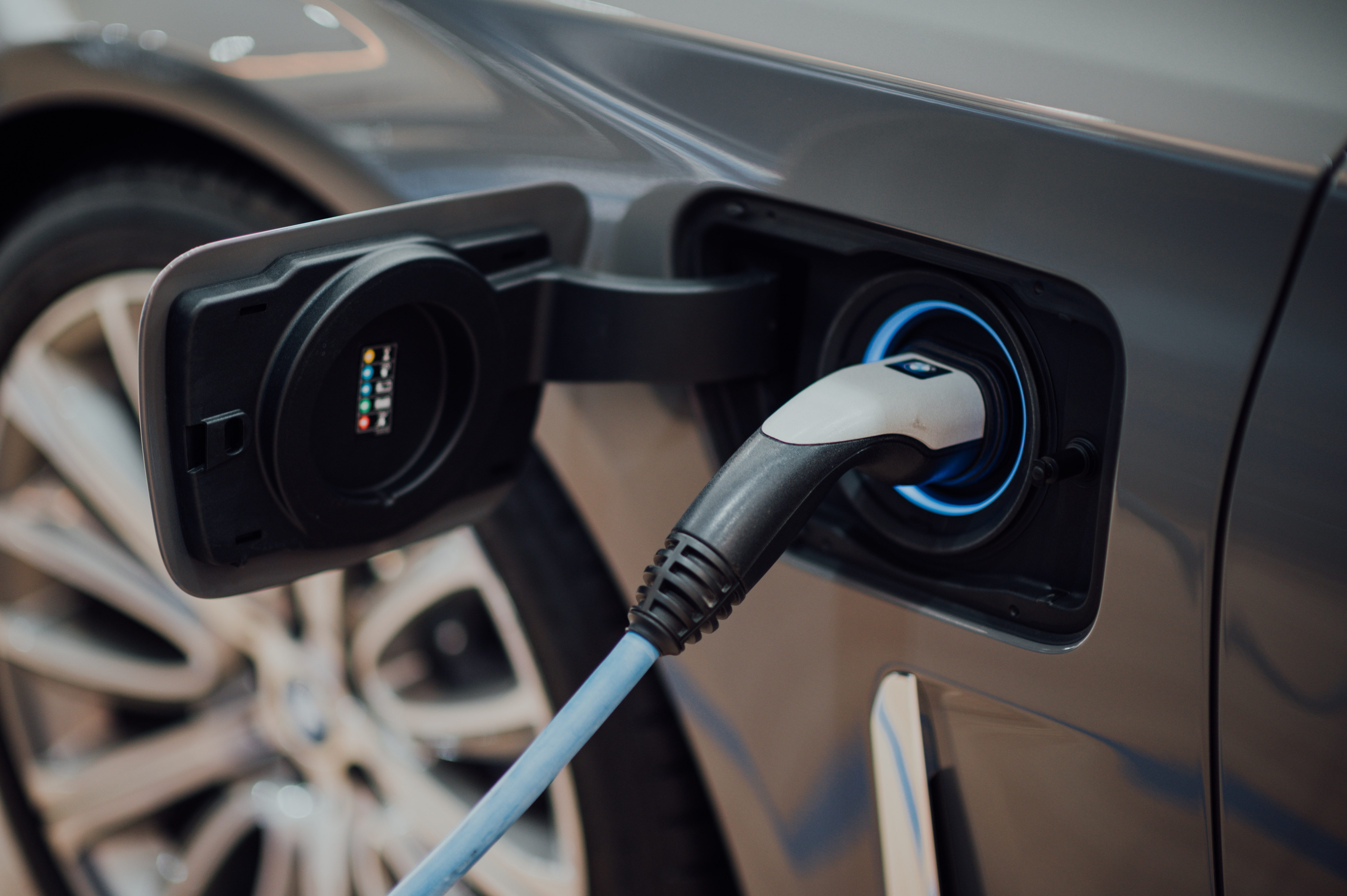
Today, about 1% of our vehicles are electric. What will happen in 2035 when many more EVs need to be charged, potentially during another heatwave?
Many ask if Jerome Powell can emulate Volcker. We will certainly find out. But much has changed in 42 years. Does Powell even need to emulate Volcker? Here, some prominent economists disagree. Today we’ll talk about the issues.
U.S. stocks are continuing to trade higher in the final session of the week and are on pace to end a three-week losing streak.
Review the latest Weekly Headings by CIO Larry Adam.
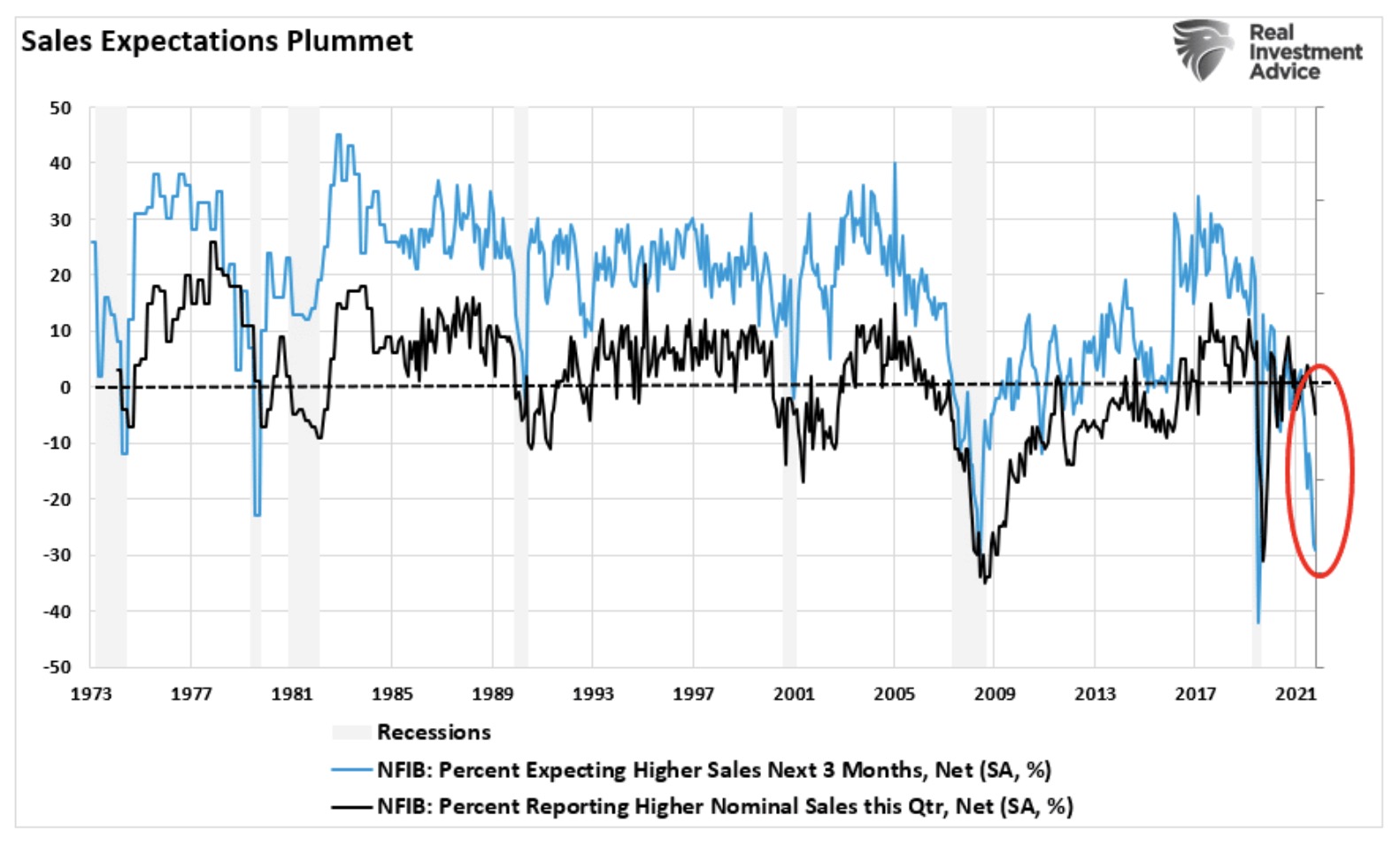
Small business sales are the lifeblood of the economy.
The Fed's program of QT has flown under the radar for a lot of reasons. That low profile belies its importance, however. Not only is the Fed likely to persist in this program, but it will create a strong headwind for risk assets.
Normally, this section of Point of Return closes the newsletter. Not today. If there was ever a great survivor, it was Elizabeth II, who has passed away after seven decades as Queen of England.
Even fans of student debt relief will admit it doesn't solve the core problem of crushing higher education costs.
As more US workers start new jobs, they should take a closer look at their employers’ options for retirement savings. An underused account called a Roth 401(k) could help minimize taxes in the long run and multiply how much savers eventually have.
Three months after the Federal Reserve stopped reinvesting all of the maturing Treasury securities in its portfolio -- allowing $30 billion a month to run off -- its holdings of the debt ought to be lower by $90 billion.
As one of us points out relentlessly, risk isn’t a number, rather it is a notion or a concept.
Franklin Mutual Series’ Investment Strategist Katrina Dudley believes that higher inflation in Europe stemming from rising energy prices, as well as lower relative interest rates, may keep the euro under pressure.
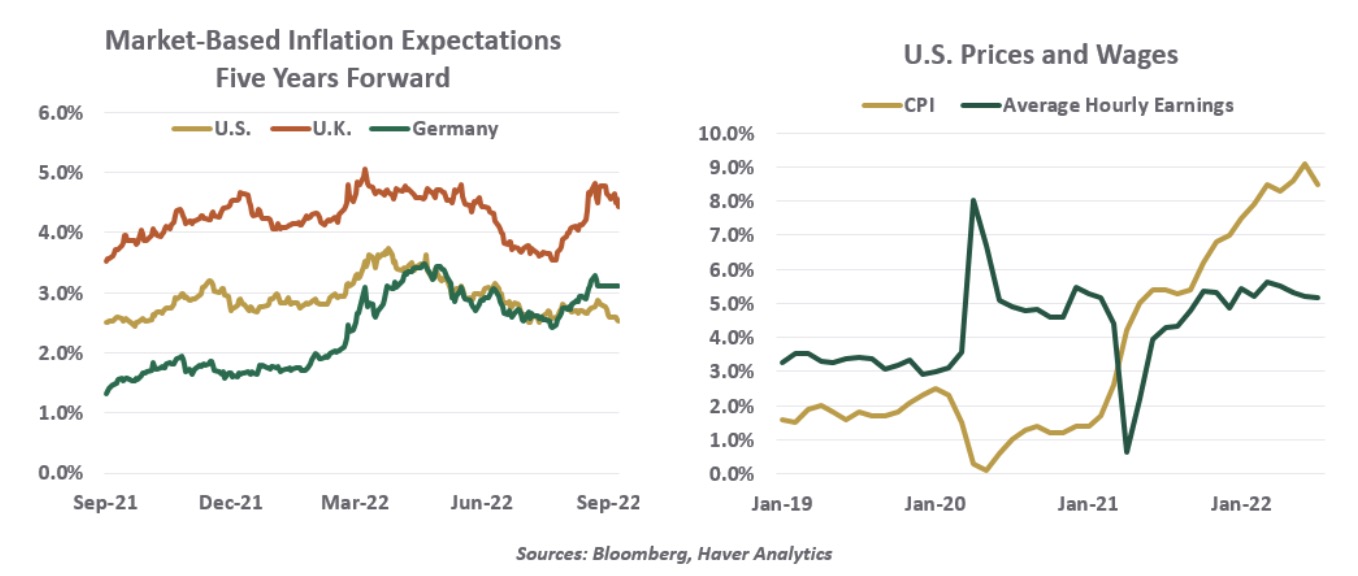
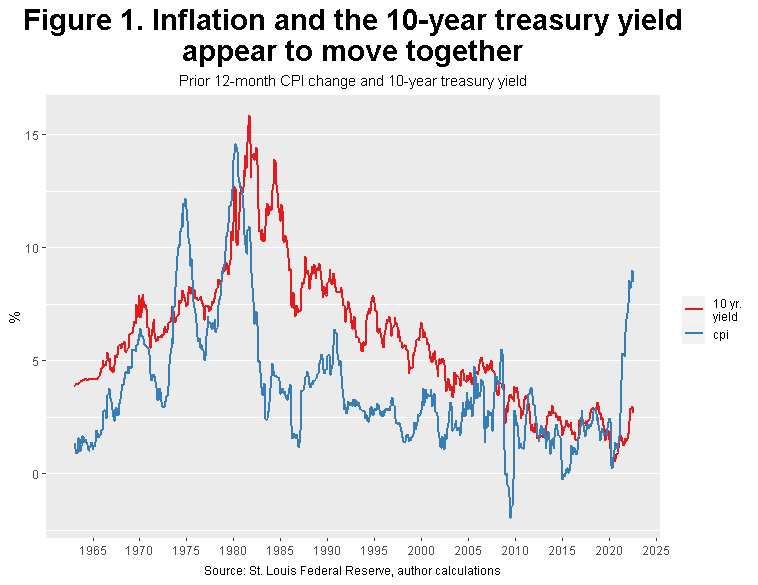
Recent inflation is a poor forecaster of changes in treasury yields. Pronouncements of a break in long-term treasury yield trends based solely on inflation may be mistaken.
A few weeks ago, I said the bear market was over. What if it isn’t? Don’t interpret this as cold feet—it’s good to understand the other side of the argument.
The Federal Reserve’s battle to bring inflation under control will likely cause more harm to the US and world economy than is currently appreciated, according to a pair of papers set for presentation at a renowned economic conference this week.
General Motors Co. is ready to test both the mass market’s appetite for electric vehicles and its own strategy to provide them.
High prices and a tight labor market weighed on US economic prospects over the next year, though inflation showed signs of decelerating, the Federal Reserve said.
Major corporations have made a one-way bet on renewable power: more of it, every year.
Global imbalances are growing ever more intense, and that’s visible most clearly in the incredible strength of the US dollar. It’s becoming quite extraordinary.
August was a resumption of the earlier pullback after a surprisingly strong July.
Downside volatility has reappeared with markets responding sharply to Federal Reserve comments about the future of interest rates.
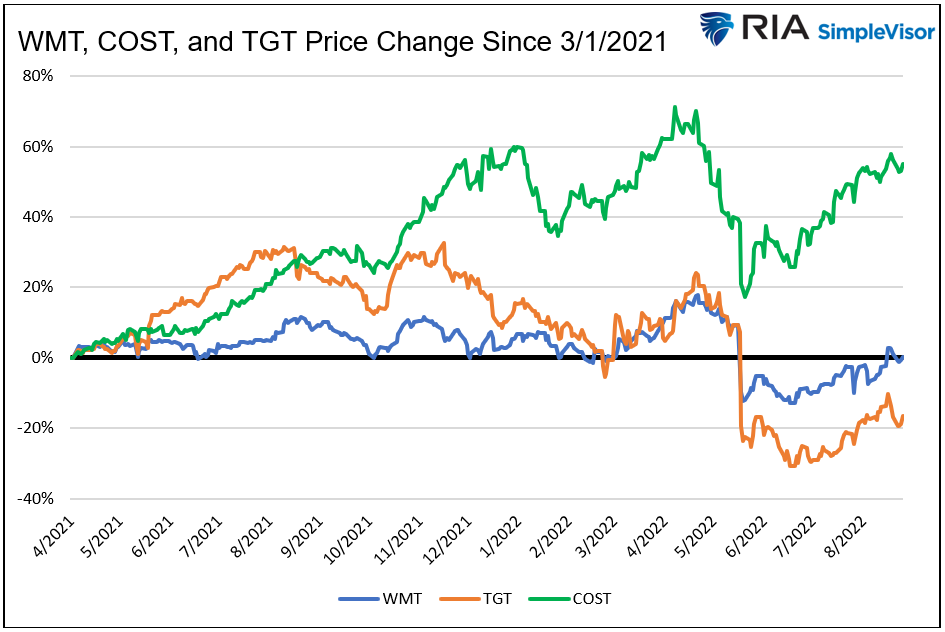
I explore consumer staple and discretionary companies to see how they are navigating the inflation storm.
Today, more advisors than ever are considering private real estate for their clients’ portfolios in search of inflation-protected returns, passive income and public market diversification. Whether you currently advise on private real estate or want to learn more about this asset class, selecting the right fund manager to help your clients achieve their unique financial goals can be a challenge.
China’s export growth slowed more than expected in August and imports stagnated, a sign of a darkening global economic picture and weak domestic growth hit by Covid lockdowns and a property slump.
After spending much of 2022 playing defense, professional speculators are reasserting themselves with aggressive equity bets on both the short and long side.
Gold steadied after a two-day decline as traders eyed the soaring dollar and a surge in Treasury yields amid expectations of further monetary tightening by the Federal Reserve.
CIO Robert Horrocks, PhD, says in order to reconcile assumptions on inflation with what might actually transpire, investors need to look through a wider lens and be prepared for a future that may not look too different from the past.
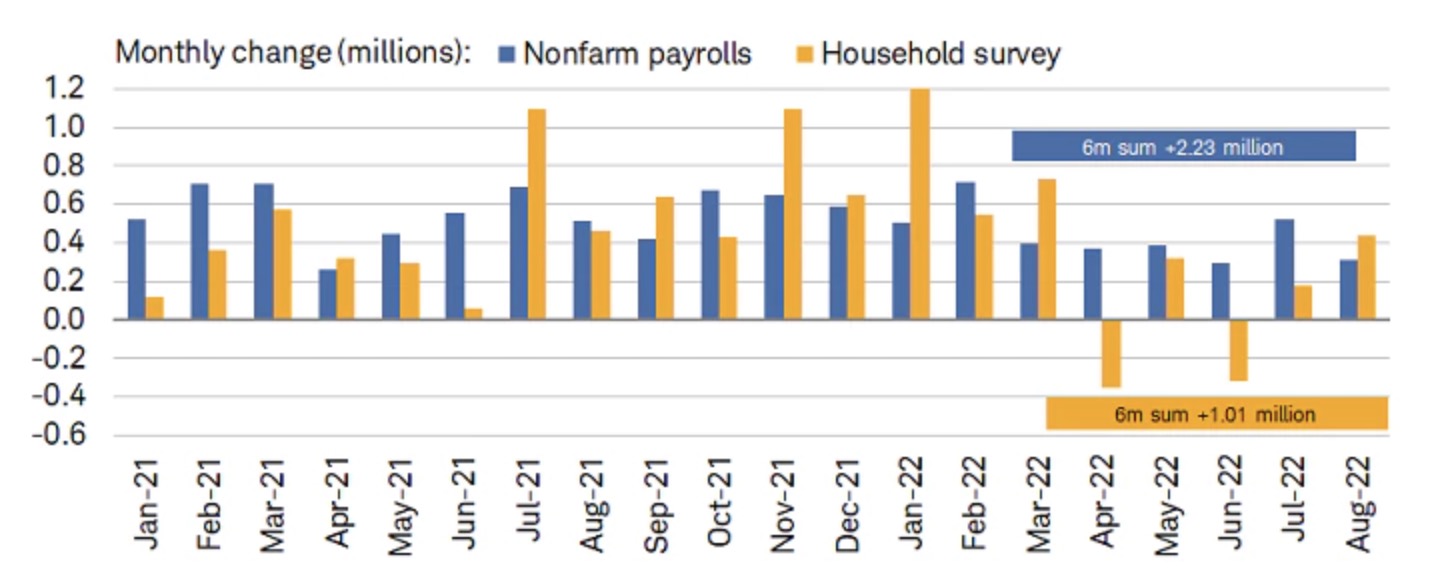
The August jobs report delivered something for both economic bulls and bears, but what matters more in the near term is the Fed's focus on seeing a continued easing in labor demand.
The housing sector surged during COVID in large part due to loose money.
According to conventional economic thinking, incoming British Prime Minister Liz Truss’s economic experiment with borrowing and spending will produce disaster.
The high-desert mountain pass overlooking alfalfa fields and RV parks doesn’t look like a battleground that will shape the country’s clean energy future.
A shift is underway at the Federal Reserve in how to describe neutral -- the interest-rate level that neither stimulates nor restrains growth -- as it debates how much higher to hike.
The cryptocurrency market appears by some measures to be poised to break out of the narrowest trading range in almost two years.
As US markets were closed to mark the Labor Day holiday, the dollar index surged to a new three-decade high.
First, seniors are clearly struggling from the rapid increase in prices. About half of older Americans said they had to spend emergency savings in the past 12 months...
The “Rule Of 20” says the “bear market” may just be resting despite much commentary to the contrary.
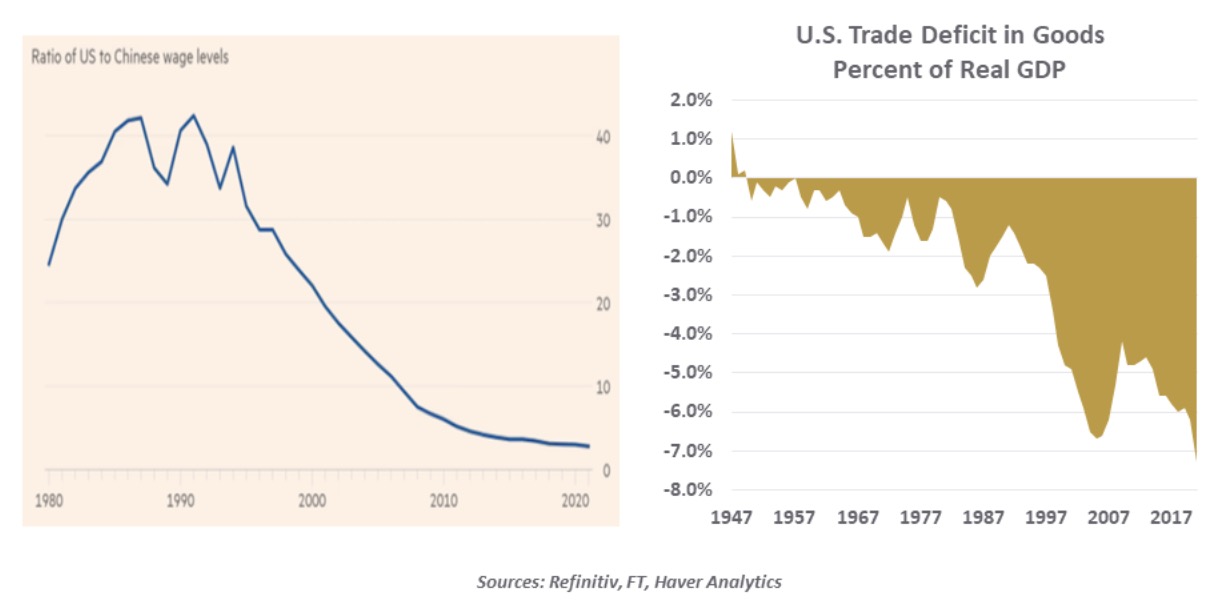
Scarcity and trade frictions are leading to major supply chain realignments.
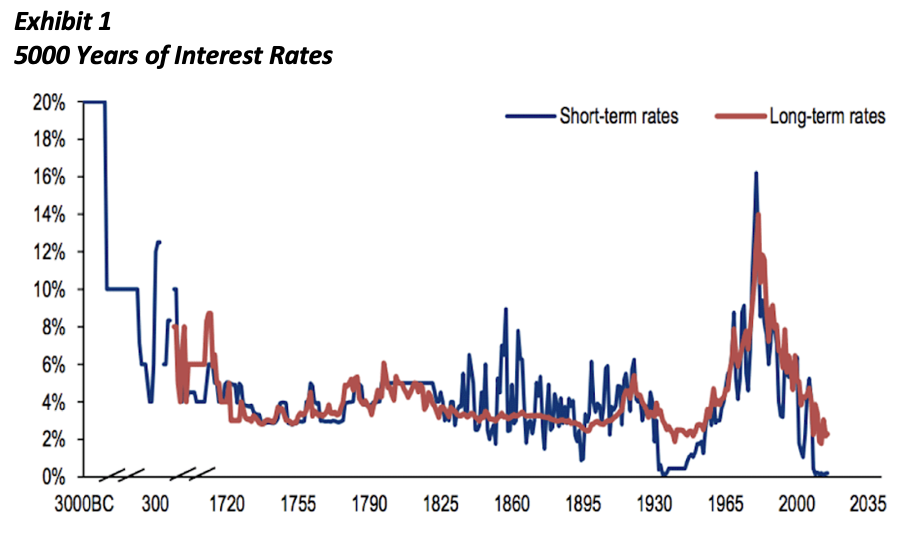
Super-bubbles in the asset markets, the rise of populism, and inequality are among a host of societal problems caused by low interest rates, according to Edward Chancellor. He explains why in his provocative new book, The Price of Time.
Investors who might be looking for the world’s biggest bond market to rally back soon from its worst losses in decades appear doomed to disappointment.