A $200 billion corner of the hedge funds industry dominated by computer-driven algorithms has been making the most of wild swings in global markets, putting many of those funds on course for a record year of gains.
Bonds are typically considered safe investments. However, there were decades of negative real returns. Drawdowns reached 50% for U.S. Treasuries and Bonds.
Ray Dalio has changed his mind on cash.
Kids are expensive. Full stop. No matter your level of frugality, it's certainly costlier to have kids than to opt to be child-free.
The causes of inflation can be hard to isolate, but in the US at least, one culprit is clear: President Joe Biden and congressional Democrats spent too much in the last two years, and even now refuse to take steps that would ease the problem.
Retail investors, who helped push stocks to all-time highs, are now trying a different tactic: Betting against the market.
As billions of fans eagerly await the 2022 World Cup, CIO Larry Adam draws parallels between the globe’s most popular sport and the current investing environment.
The list of assets that have risen year-to-date is both short and odd: energy, broad commodity indexes and the dollar.
Last night, the Reserve Bank of Australia stopped short of another 50bps hike to its overnight cash rate.
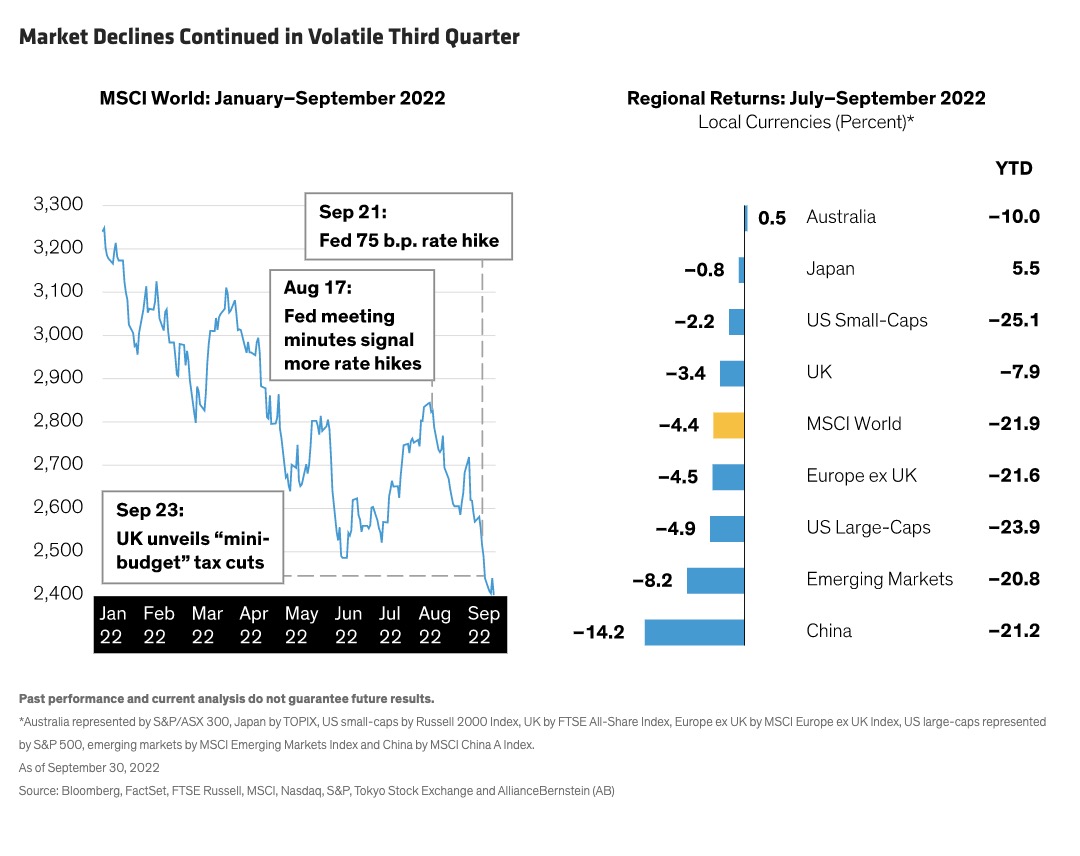
Equity market volatility persisted in the third quarter as investors came to terms with a new reality of high inflation and rising interest rates.
In a world of increasing economic uncertainty paired with the U.S. Federal Reserve’s hawkish stance on interest rates, is there a place in my portfolio for private real estate? Is the diversification and inflation mitigation that real estate investing has provided historically still relevant? Since 1983, Invesco Real Estate has navigated multiple real estate and economic cycles. These cycles have been accompanied by incredible technological innovation and major demographic shifts in living and lifestyle.
On August 16th, President Joe Biden signed the Inflation Reduction Act into law, ending months of uncertainty over whether congressional Democrats would ever reach agreement on a compromise budget reconciliation bill.
This is a critical time for investors and policymakers alike.
The investors of Smead Capital Management have been hearing us talk about ‘First World Problems’ recently.
After a furious spate of retail selling unseen since December 2018 and beaten-down risk appetite, all the ingredients were in place heading into the big stock rebound Monday.
Most seers believe the US labor market is overly strong.
Trying to forecast inflation is a hazardous occupation when there's so much volatility in markets, supply chains and energy prices. But we can get some sense of where inflation is likely to go by tracking the profit margins of companies that make goods and services that go into the consumer prices basket.
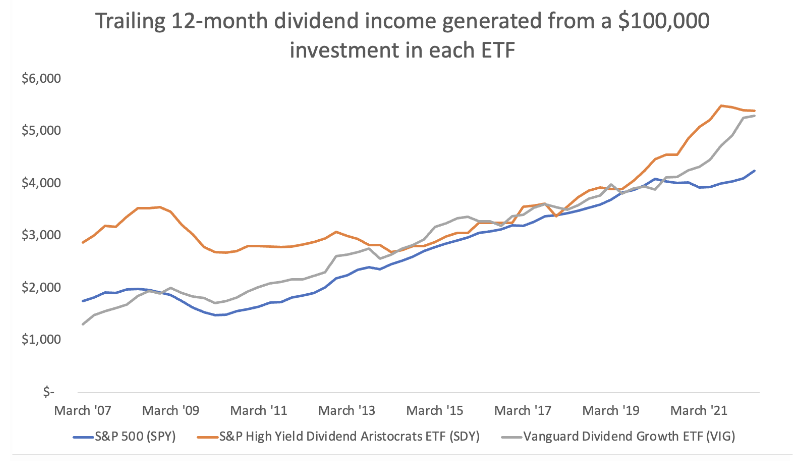
One investment with the ability to provide current income, inflation protection, and even the potential for capital appreciation has been largely overlooked – rising dividend stocks.
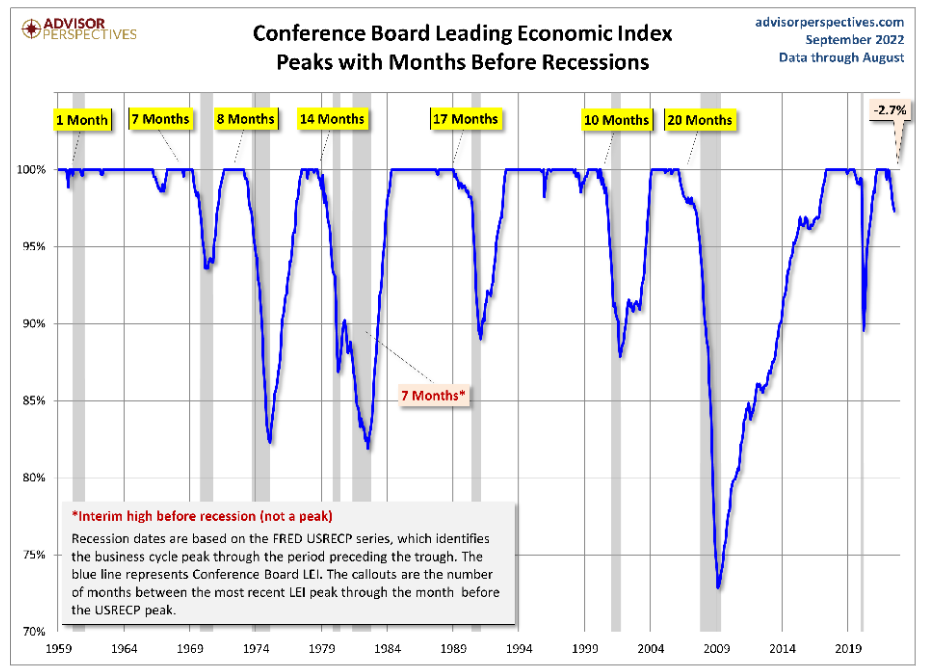
We are not “recession deniers,” we just don’t think one has started yet.
In rural America, the shoulder-high corn is increasingly competing with a new cash crop: solar power.
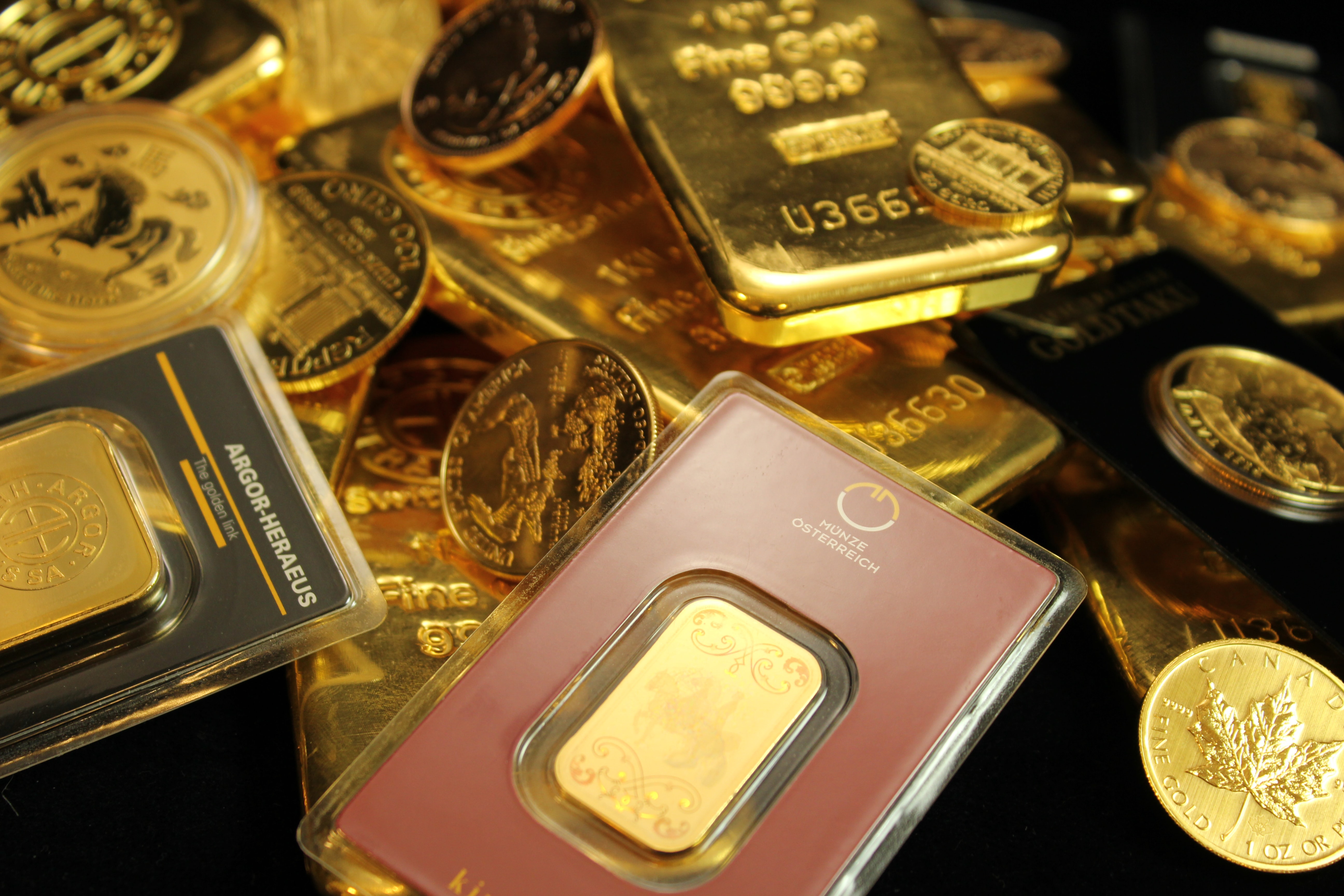
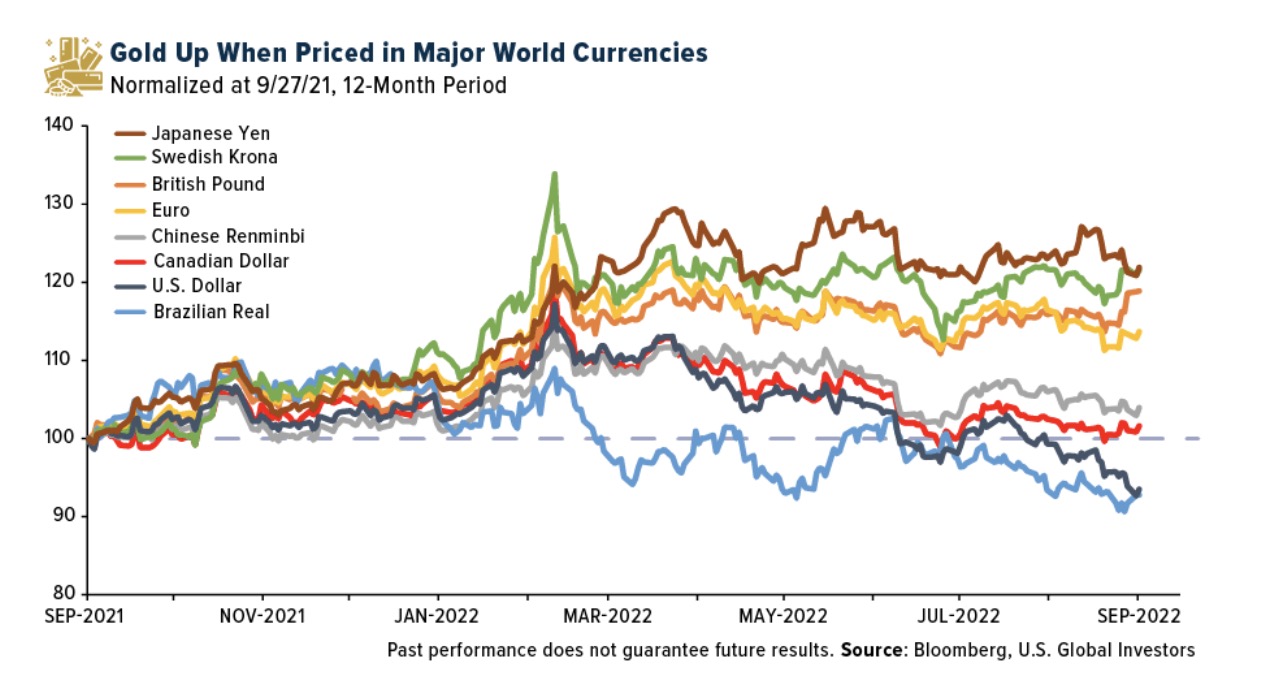
Gold climbed higher, helped by a continued decline in Treasury yields, as traders weighed concerns that central banks’ monetary tightening will lead to recession and the possibility that bond rates may have reached a peak.
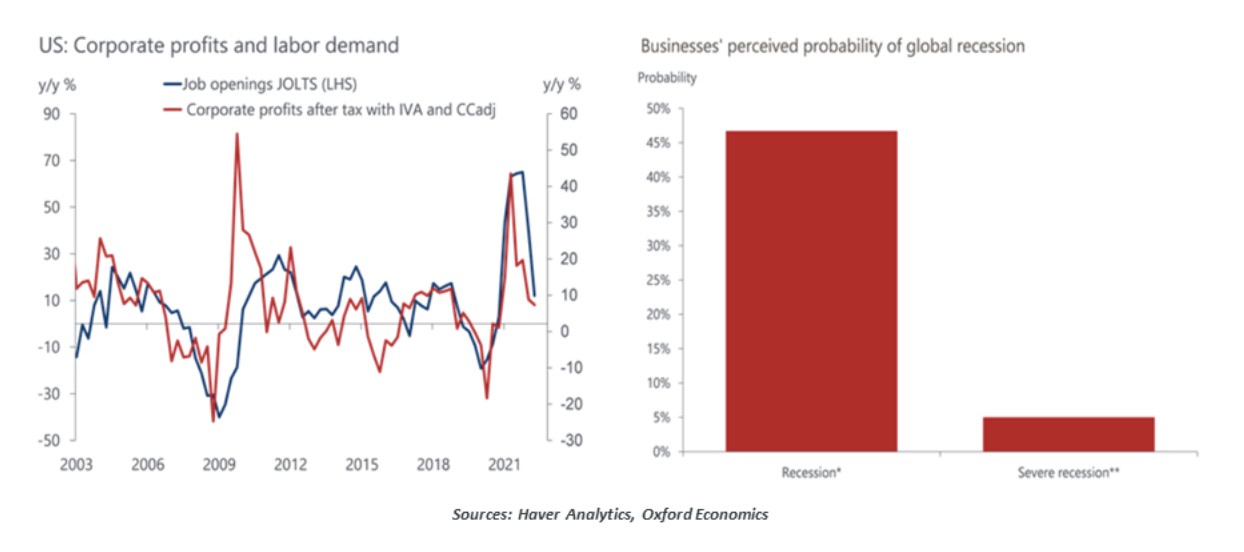
Global manufacturing contracted in September for the first time in more than two years as orders and production continued to weaken, underscoring growing risks of a worldwide recession.
A path remains in sight for the U.S. to avoid a recession.
We have a long and proud history of investing thematically and believe you can remove a great deal of volatility in your portfolio, if you do so.
For most of 2022, the VIX been above its average, which historically has led to lower equity returns. I will review the risks that investors face, which explain the continued high level of uncertainty.
Federal Reserve officials are starting to stake out different views on how fast to raise interest rates as they balance hot inflation against rising stress in financial markets.
Investors are primed for any bit of good news to help them forget a brutal quarter for stocks that took this year’s value destruction to $24 trillion. A resilient corporate earnings season might give them that.
Unwavering profit projections. Benign chart patterns. Big hedges in the options market. All the things that bulls expected to put a brake on the worst equity selloff in 30 months have just summarily failed.
With investors feeling anxious and looking for answers in these volatile and uncertain economic times, advisors should stick to a basic roadmap to help clients stay the course. Here are four ways advisors can do that.
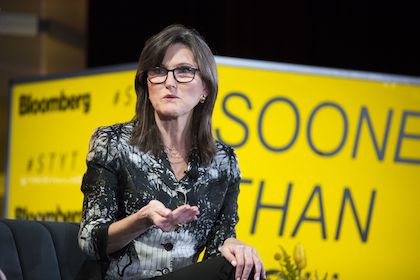
Short sellers are homing in on Cathie Wood’s pool of exchange-traded funds, undeterred by the rising cost to bet against the Ark Investment Management family.
The cost of goods may be peaking, but the rising cost of services clouds the inflation outlook. In our view, the Fed’s fight with inflation is far from over and will likely continue to be a headwind for the economy and equity markets. Therefore, our outlook remains cautious, and our Asset Allocation Committee is underweight stocks relative to bonds.
The money flowing out of crypto-related funds in the third quarter has slowed down, a sign that many bearish investors may have already piled out of the risky asset class.
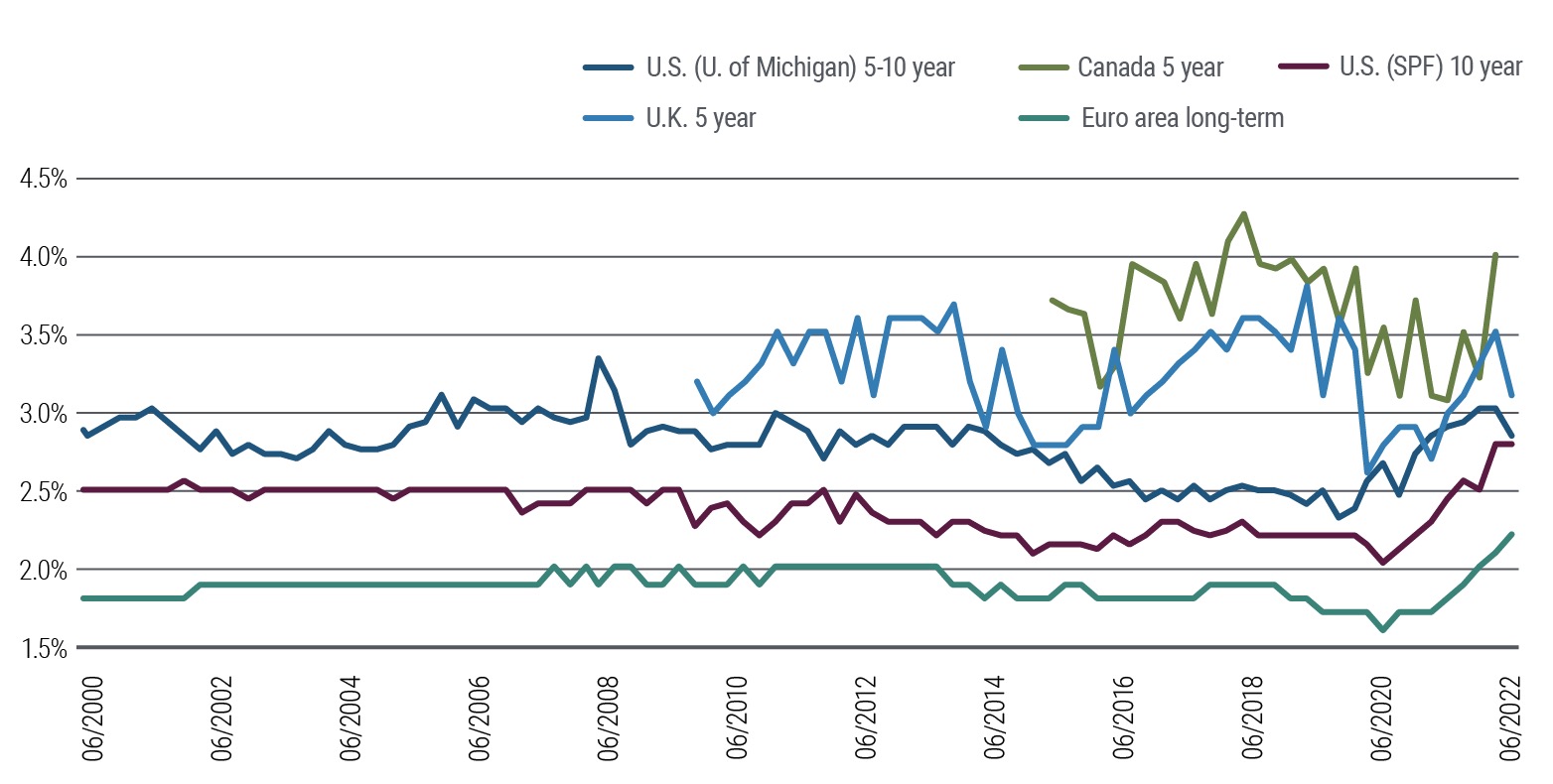
US long-term inflation expectations continued to ease in September, helping slightly lift consumer sentiment from the previous month despite growing economic uncertainty.
Just 18.5% of homes in Florida counties that were told to evacuate have coverage through the National Flood Insurance Program (NFIP), which is administered by FEMA. Most regular homeowners’ insurance policies don’t cover flood damage, which is why Congress created the NFIP in 1968. But at an average cost of $995 a year, according to Forbes, the insurance may be out of reach to many households.
This dark symphony was never going to end without sparking a currency crisis, one which allows countries to blame other countries as the source of their own internal problems. We will see that it’s not always the case.
Airlines enjoyed a hot summer, as “revenge travel” and soaring fares lifted the companies. But investors have been reluctant to get on board as recession fears cloud the outlook, leaving the stocks languishing.
Senior Sovereign Analyst Jon Levy looks at this week’s rate and currency shocks in the UK and shares what he believes is a root of the problem.
U.K. financial market volatility is likely to remain high, and the longer-term outlook likely depends on future monetary and fiscal policy.
Surveying the current condition of the financial markets, we presently observe a combination of still historically-extreme valuations, rising yet still only normalizing interest rates, measurably inadequate risk-premiums in both equities and bonds, and ragged, unfavorable market internals, suggesting continued risk-aversion among investors.
Today's release of the publicly available data from ECRI puts the WLI at 145.6, up from the previous week's figure. The WLIg is at -10.3, up from last week and the WLI YoY is at -4.92%, down slightly from last week.
How risky is the stock market for investors who are focused on the long-term real spending their wealth can support, rather than the present value of their wealth?
American companies have had a growing list of reasons to downgrade their ties with China in recent years. Former President Donald Trump’s tariffs. Beijing’s stringent Covid lockdowns. The US-Sino standoff over Taiwan. Political pressure to “friend-shore” supply chains toward nations aligned with Washington. But breaking up, as the adage goes, is hard to do.
Commodities face a daunting set of risks in the final stretch of a turbulent year, from demand disruption and Russia’s escalation in Ukraine to extreme weather and deep policy uncertainty in China.
Federal Reserve Vice Chair Lael Brainard said the US central bank will need to keep interest rates high for some time to bring inflation down, even as she acknowledged the need to watch global financial-stability risks from rising borrowing costs.
The credit-market bears may well be vindicated if the US enters a recession in the next year, but it’s too early to go full-scale Armageddon with predictions about corporate bond spreads.
The massive debt levels provide the single most significant risk and challenge to the Federal Reserve. It is also why the Fed is desperate to return inflation to low levels, even if it means weaker economic growth.
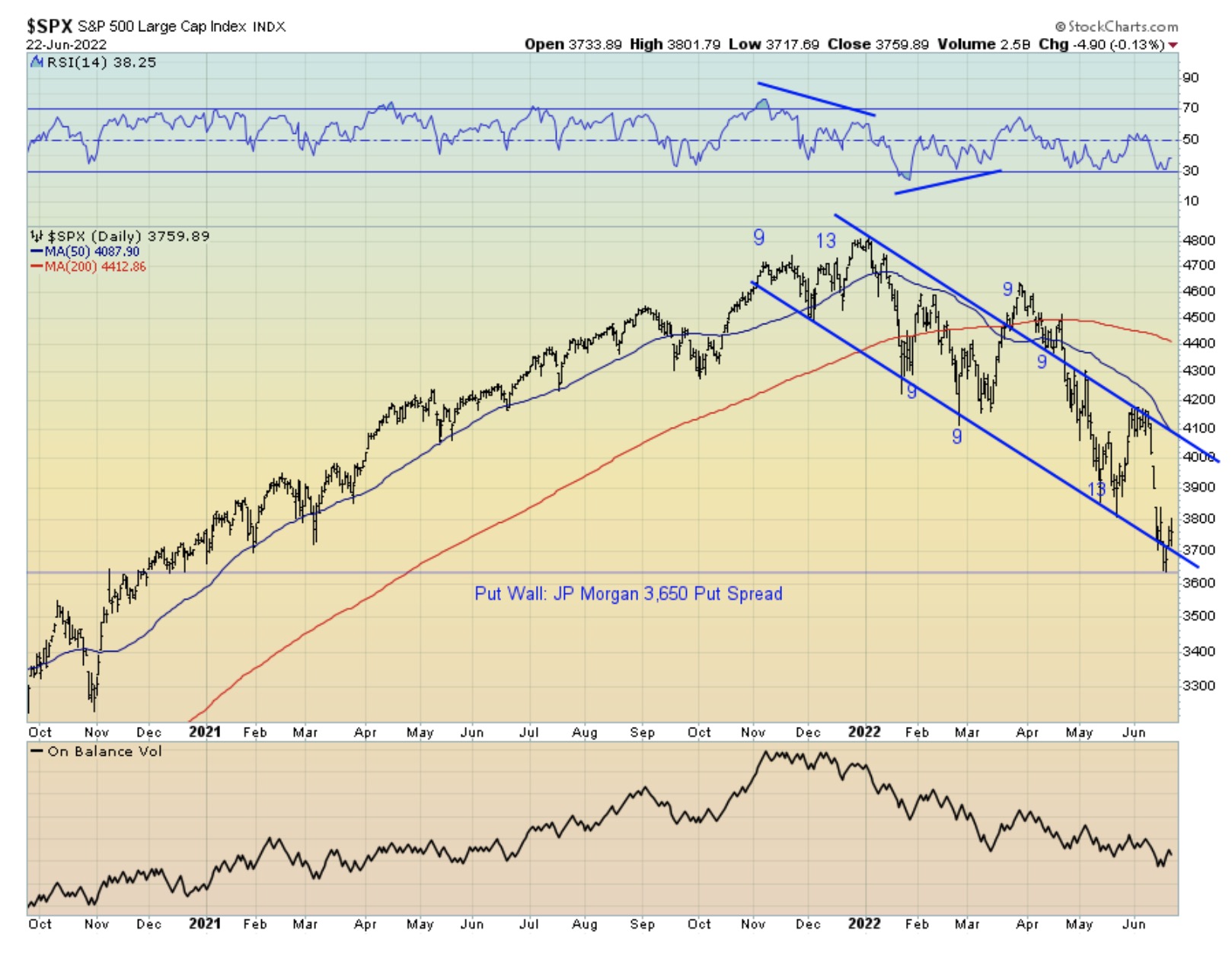
A number of key technical, sentiment and flow based indicators are suggesting we could see a relief in selling pressure over the coming weeks, and perhaps a countertrend rally in risk assets.
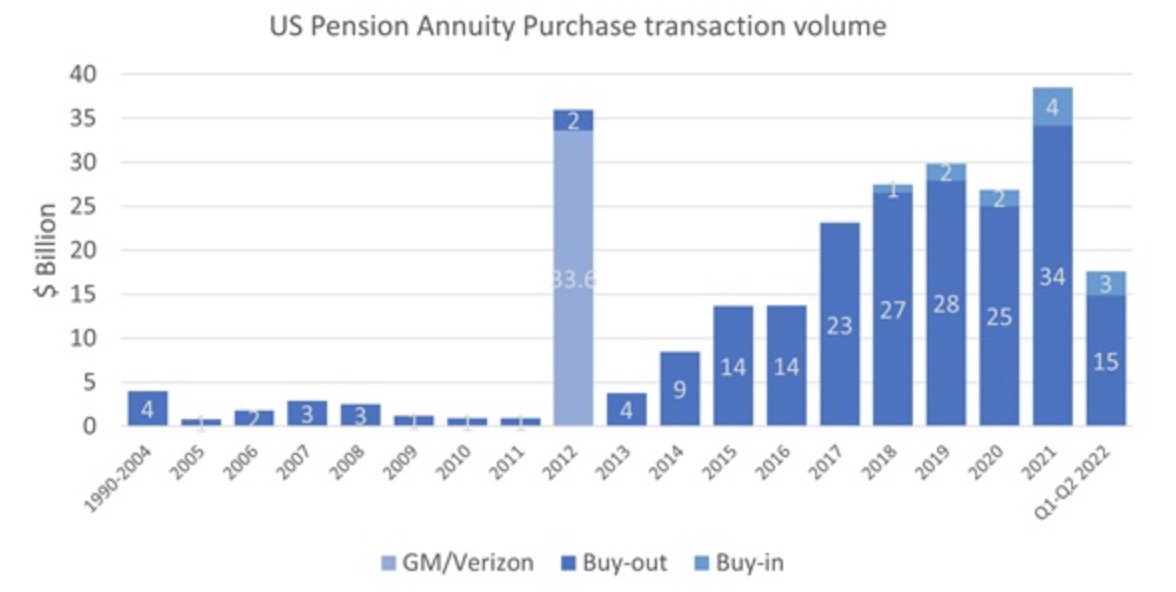
10 years have passed since the watershed year for pension risk transfer.
Over the last few months, the Federal Reserve (Fed) has changed its angle of attack quite dramatically, in an attempt to battle surprisingly and stubbornly high inflation.
“Gold is no longer a safe haven.” “Gold isn’t an effective hedge against inflation.” “Gold is dead.”