Given the current economic climate, now may be an opportune time to look closely at long-term bond ETFs.
We see different and abundant opportunities in the new macro regime. We go granular within asset classes, regions, and sectors – and harness mega forces.
The U.S. economy grew at a more-than-expected 2.0% annualized rate of growth during the first quarter of the year compared to the previous quarter. In some sense, this rate of economic growth makes a little bit more sense than the previously reported 1.3% rate...
Spring cleaning is essential to a cleaner home, just like rebalancing is essential to keeping an investor on track.
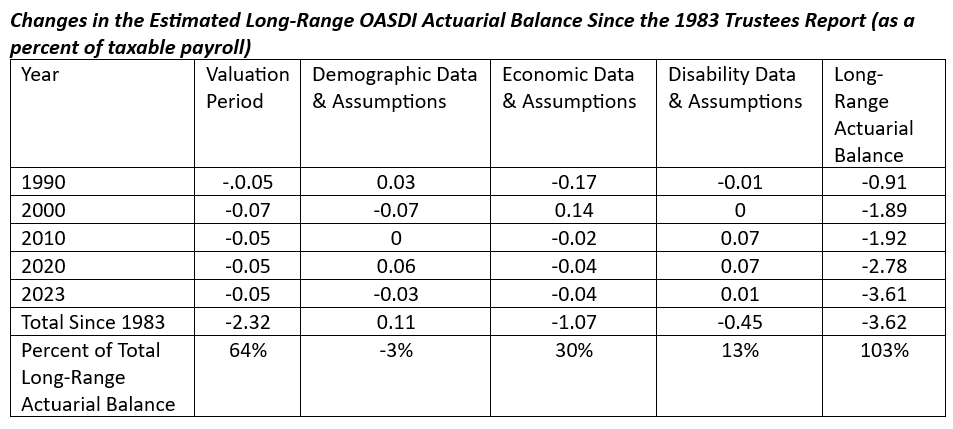
I will describe the general process used by actuaries to maintain financial sustainability, to encourage advisors to employ this same process to their client’s retirement planning.
The ruling is a political defeat for the White House and a disappointment for millions of student-loan borrowers. It has also spared the country from the worst consequences of a misguided policy.
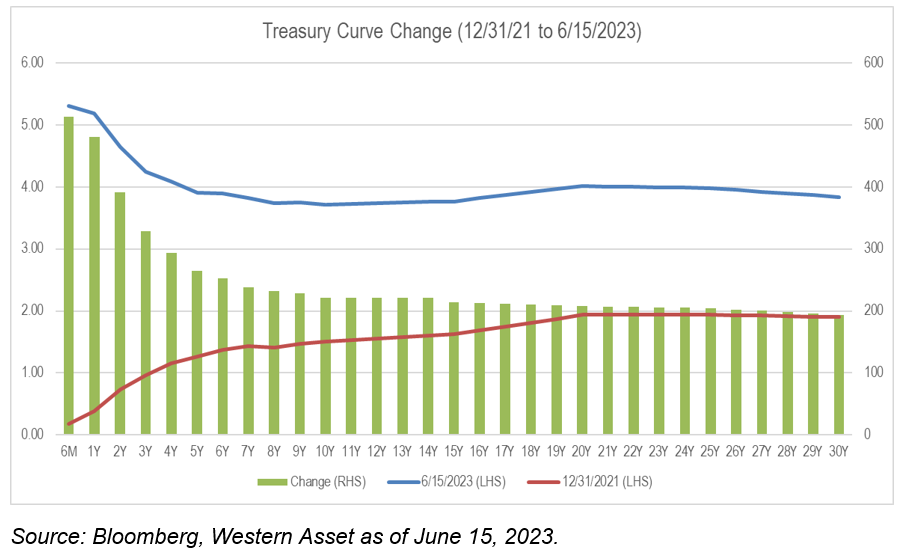
Bond traders are bracing for another tumultuous week in which key employment data could push yields on 10-year Treasuries toward 4%, a level that market watchers see luring investors into government debt.
It is human nature to be captivated by unbelievable stories, great victories, and thrilling endings. One could argue that we have a penchant for the dramatic.
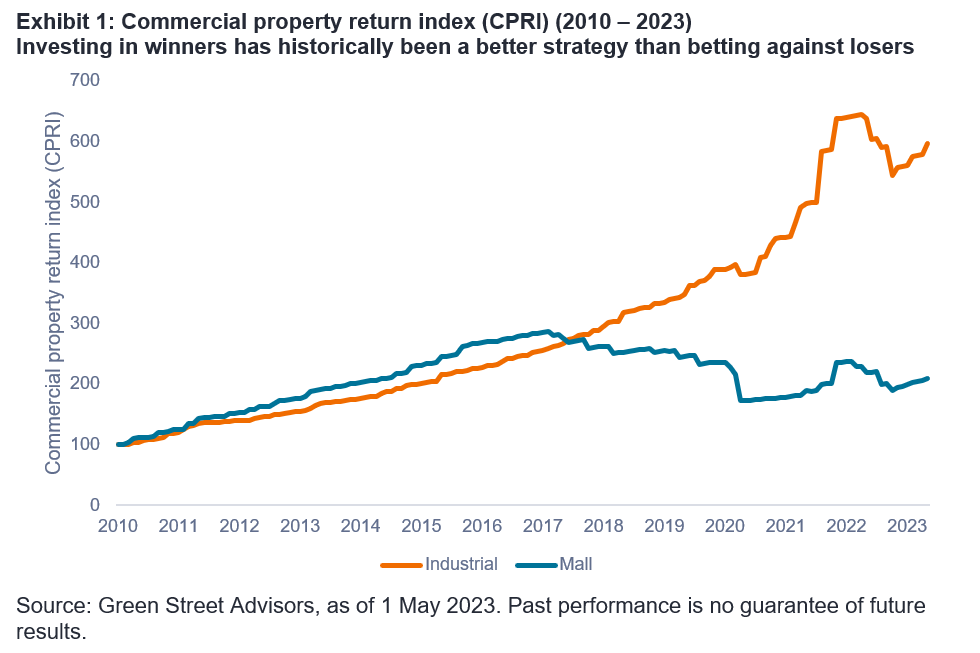
While the financial media has focused on the headwinds for commercial real estate and the challenges the office and retail sectors face, this narrative ignores the differences across sectors and the potential opportunities available in today’s market environment, according to Franklin Templeton Institute’s Tony Davidow.
We believe that the creeping economic slowdown in the United States will probably persist for a few more months, with a recession possible over the next 12-18 months. The onset of the recession may be delayed until 2024.
The US is about to conduct a perilous economic experiment: In September, some 45 million borrowers will have to restart payments on student loans after three and a half years on hold.
Central bankers think they can handle a situation and fire the artillery. It always has an effect… but ultimately it is rarely the effect they wanted. Doing nothing at all might have been better but that wasn’t an option. They’re trapped in an endless spiral of intervention.
Exchange-traded funds are certainly popular with investors—here’s a look at how they can coexist in harmony with other investment vehicles, from David Mann, Head of ETF Product & Capital Markets.
For decades, rich countries have urged developing countries to shift away from fossil fuels while failing to heed their own advice or offer meaningful funding. Kenyan President William Ruto’s recent call to establish a new “global green bank” is the sort of thoughtful proposal that developed countries must seriously consider.
After the disruptions of the past few years, many of us are looking for a return to normal. For investors in emerging-market bonds, normal would mean a world in which global inflation is in check, interest rates are no longer rising, China is healthy, and traditional asset correlations resume.
Broad appeal is a thing of the past. It’s time to find your niche.
The bankruptcy of Lordstown Motors Corp. is, in one sense, almost numbingly straightforward: Five years into existence, and having burned through more than $1 billion, it had delivered a sum total of six electric pickups.
Aggressive monetary policy tightening in developed markets led to a drawdown in house prices in 2022, but not a meltdown.
Financial advice often focuses on boosting personal savings rates and maximizing return on investment during a worker’s accumulation years. Equally important, however, is the decumulation process, when people spend those savings in the form of income.
We review the key themes of the first half of a busy year.
Activities that help companies avoid emissions are an attractive investment opportunity, according to Templeton Global Equity Group Portfolio Manager Craig Cameron. By actively seeking opportunities to reduce emissions, he says investors can align themselves with sustainability goals that contribute to a low-carbon economy.
Fortunately for Biden, November 2024 is still a long ways off, leaving him plenty of time to correct some of these deficiencies in the labor market and improve consumer sentiment. If he can’t, then we might end up with back-to-back one-term presidents.
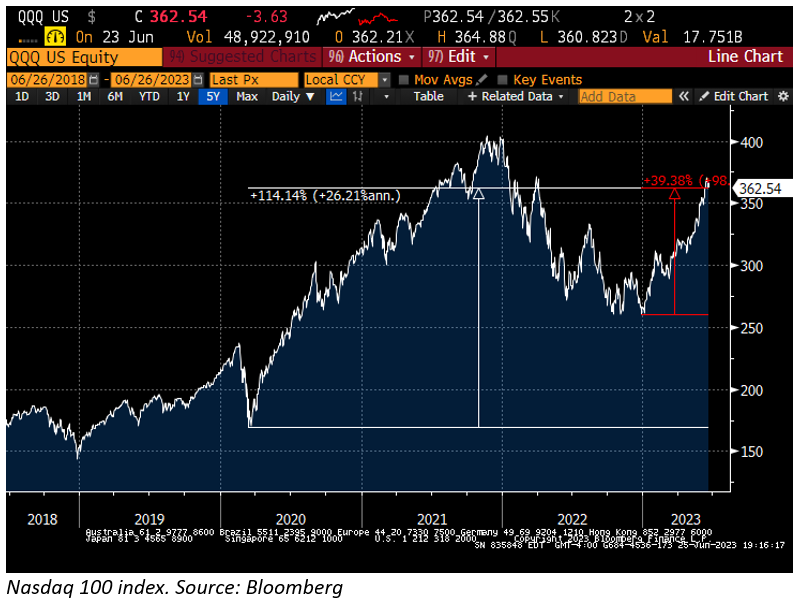
Tech stocks have had a great year in 2023. Despite many prognostications to the contrary, a rational evaluation of the evidence does not suggest a price bubble in tech or the overall market.
The problem with Gretchen Morgenson and Joshua Rosner’s These Are the Plunderers: How Private Equity Runs – and Wrecks – America is that while their moral and factual indictments of private equity operations find their mark, their pound-the-table-and-yell-like-hell tone detracts from its credibility.
BlackRock Inc. is betting on the AI boom as it latches onto the promise of productivity gains from artificial intelligence.
Longtime Japan watchers could be forgiven for getting a bad feeling upon learning that a government-backed fund is shelling out $6 billion to take control of a domestic technology company.
The Federal Reserve (Fed) still has a very tough job ahead to bring inflation down to its 2% target over the long run while facing pressures from markets, which have a very different timetable than the Fed.
Sam Weitzman of Western Asset Management highlights the overlooked potential of municipal bonds as a high-quality asset class. With fixed income yields reaching near-decade highs and higher tax rates impacting taxable fixed income investing, municipal bonds are offering above-average after-tax returns and downside protection, making them attractive for income seekers.
Striking the right balance between interest rate and credit risk can be a good idea in the late stages of a credit cycle. We think it’s a particularly good idea in this credit cycle.
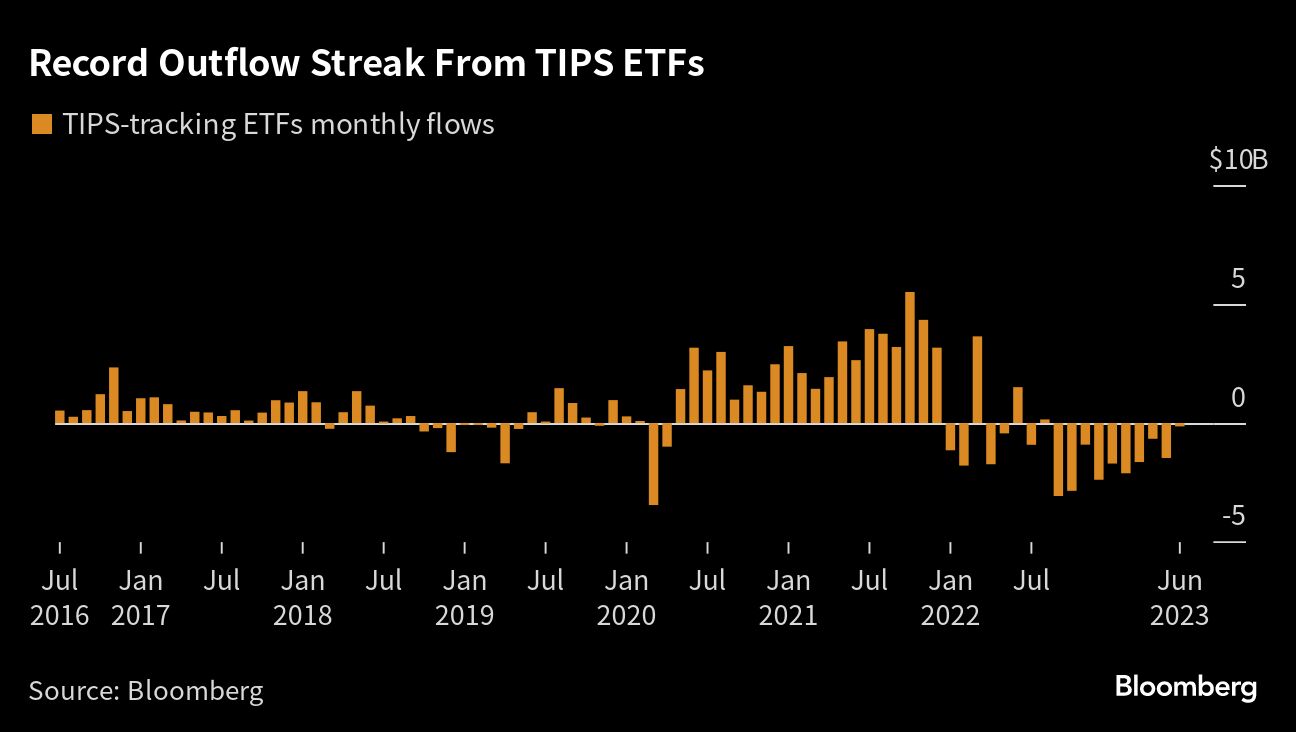
Exchange-traded funds designed to protect against inflation are staring down a record exodus after faltering in the face of still-sticky price pressure.
We expect generally good performance during the second half of the year, although volatility may increase, especially for high-yield bonds.
The US Federal Reserve (“Fed”) paused rate hikes in June, but signaled it expects to deliver 50 basis points of additional hikes this year.
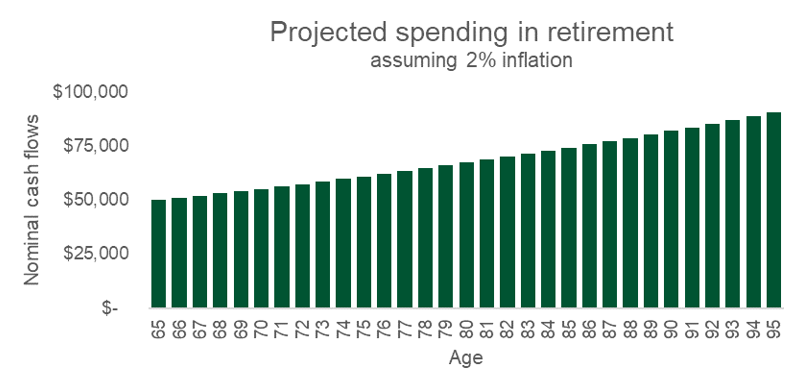
Evidence on actual spending behavior suggests that real spending falls with age. If that’s true, people need to save less for retirement than we think.
For people looking on anxiously as stock wealth converges in an oligarchy of high-tech juggernauts, some perspective: It’s nothing new.
We get a big bunch of data reports this week: GDP revisions and economy-wide corporate profits for the first quarter; durable goods, new home sales, personal income, and consumer spending for May; home prices for April.
VettaFi’s Todd Rosenbluth offers perspective on the top five ETFs in inflows this year. ASYMmetric ETFs’ Darren Schuringa explains the technologically underpinning their “Smart” ETF lineup. Motley Fool’s Charly Travers spotlights their Small Cap Growth ETF (TMFS) and provides a behind-the-scenes look at day-to-day portfolio management.
Companies that consistently grow their dividend distributions tend to be companies with strong revenue and free cash flow at their disposal. Given the importance of dividends in down and volatile markets, dividend growth could be even more critical as the markets face uncertainty. Join the experts at Harbor Capital and VettaFi for a robust discussion on dividend growth strategies.
Topics covered will include:
Many economists have been forecasting a recession for 2023 due to tightening monetary policy. But that recession has not arrived yet.
The barrage of fresh Treasury bills poised to hit the market over the next few months is merely a prelude to what’s yet to come: a wave of longer-term debt sales that are seen driving bond yields even higher.
Investment-banking deals have a reputation as bloody affairs of rainmakers and traders fighting it out in a kind of full-contact version of musical chairs.
The current market speculation surrounding artificial intelligence (A.I.) has garnered everyone’s attention.
Today the minutes of the April 27-28, 2023, Bank of Japan meeting were released. Below in italics are the top ten highlights generated by our AI engine.
Macroeconomic uncertainty has remained front and center in 2023 as the new investment regime continues to play out. Inflation remains above central bank targets and some signs of economic weakness have started to surface in the wake of rapid monetary tightening.
Is recession still coming? Of course. But some funny things are happening on the way there.
To recap, we tested the following metrics, drawn from each company’s fiscal year-end reports and stated in USD, and correlated them with the percent price return in local currency over the past five years.
Surging interest rates have made the coupons look meager, the Federal Reserve is shrinking its exposure, and the regional banking crisis left the regulator with about $100 billion of the bonds to sell.
Doug Drabik discusses fixed income market conditions and offers insight for bond investors.
This week I saw something I haven’t in a while: a brochure from Strutt & Parker advertising a price reduction on a rather charming Notting Hill house. It is now a mere £4,750,000 ($6 million) — down around 6% from its original listing price.
The exit from a decade of very low interest rates, via the most aggressive hiking cycle since 1980 has laid bare the distorted financing incentives that became entrenched in the years between the Global Financial Crisis in 2008 and the end of pandemic-era monetary policies in 2022.
Japanese stocks may help boost the performance of international markets although the unique nature of Japan's economic and business structure could pose some risks.