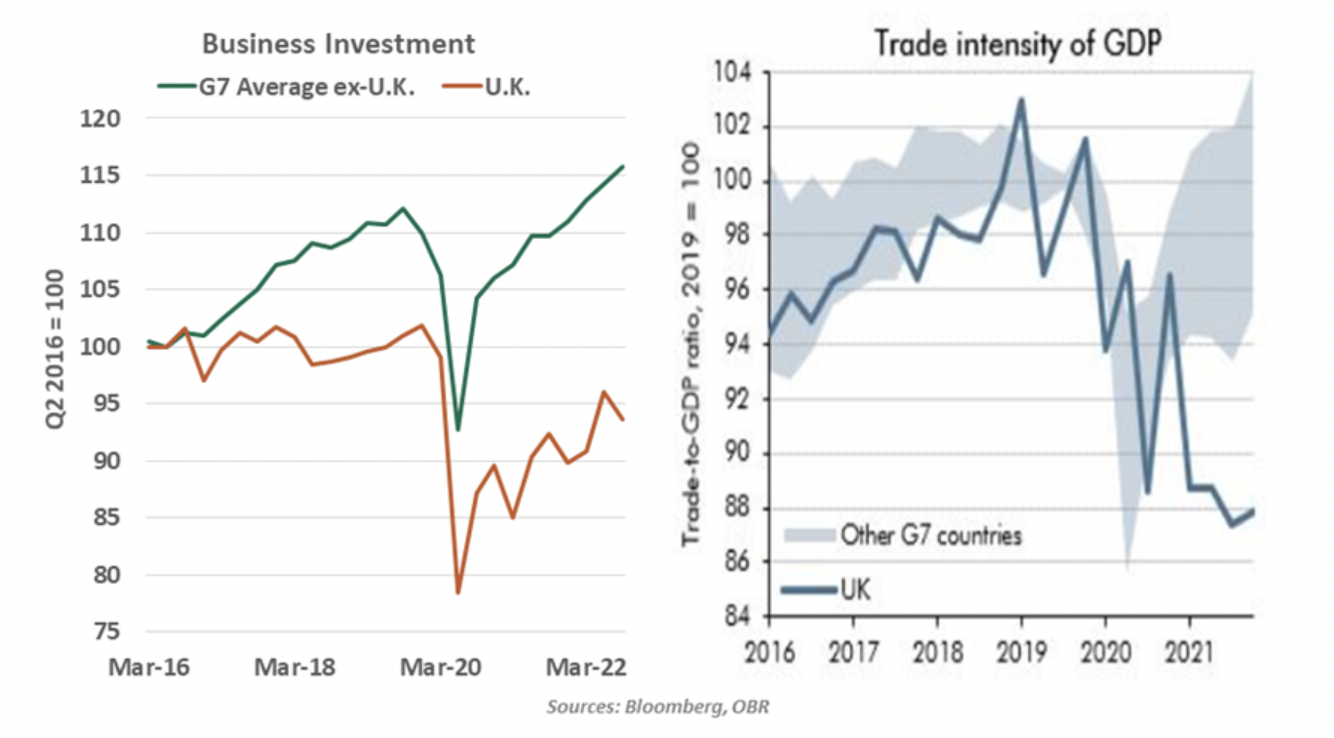
A revised approach to Northern Ireland will lower trade tensions in Europe.
JPMorgan’s Bryon Lake discusses the firm’s remarkable ETF growth, along with the outlook for the ETF industry as a whole. VettaFi’s Stacey Morris offers an in-depth look at the energy space and energy-related ETFs. CFRA’s Aniket Ullal highlights several key ETF stories including the rise of active management, options-based ETF strategies, and international ETFs.
US job growth probably moderated last month after a blistering January pace, while the unemployment rate likely held at a 53-year low, illustrating a labor market that’s proved mostly impervious to the Federal Reserve’s massive interest-rate hikes.
I took ChatGPT for a test drive by directing it to write an article summarizing important tax rule changes introduced by SECURE Act 2.0. The essay it produced was an epic failure.
Recently, many market commentators have been preaching the message that fixed income investors should stick to a low duration strategy.
In multiple ways, this is the most difficult time we have ever seen to make a forecast.
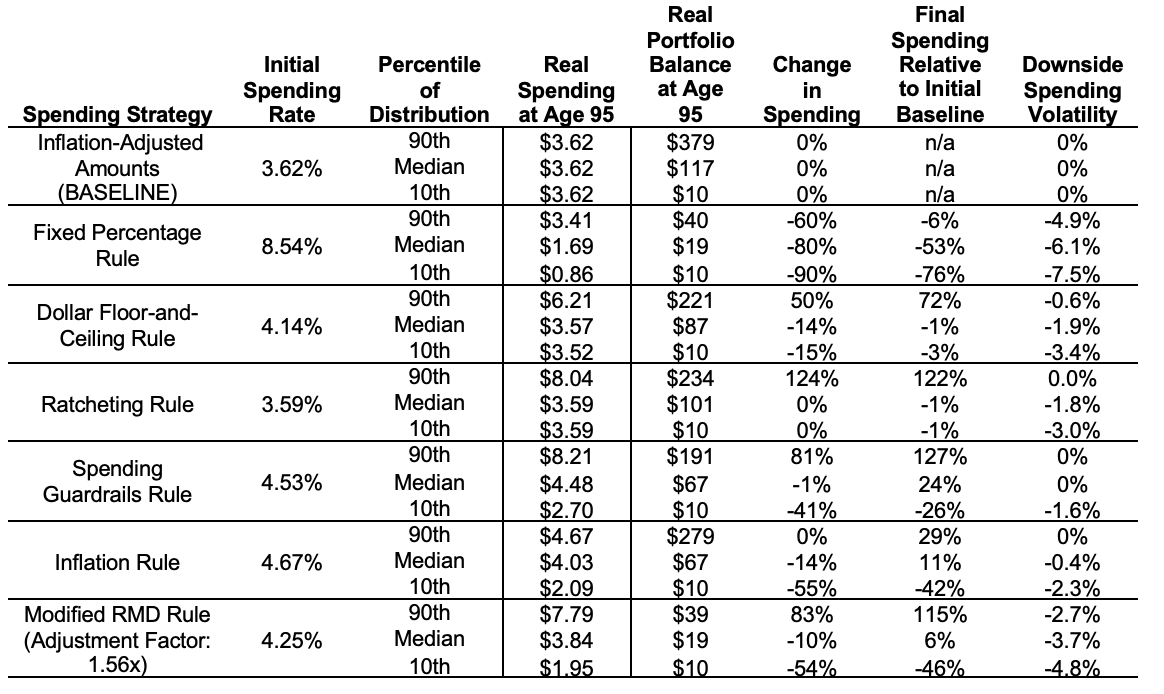
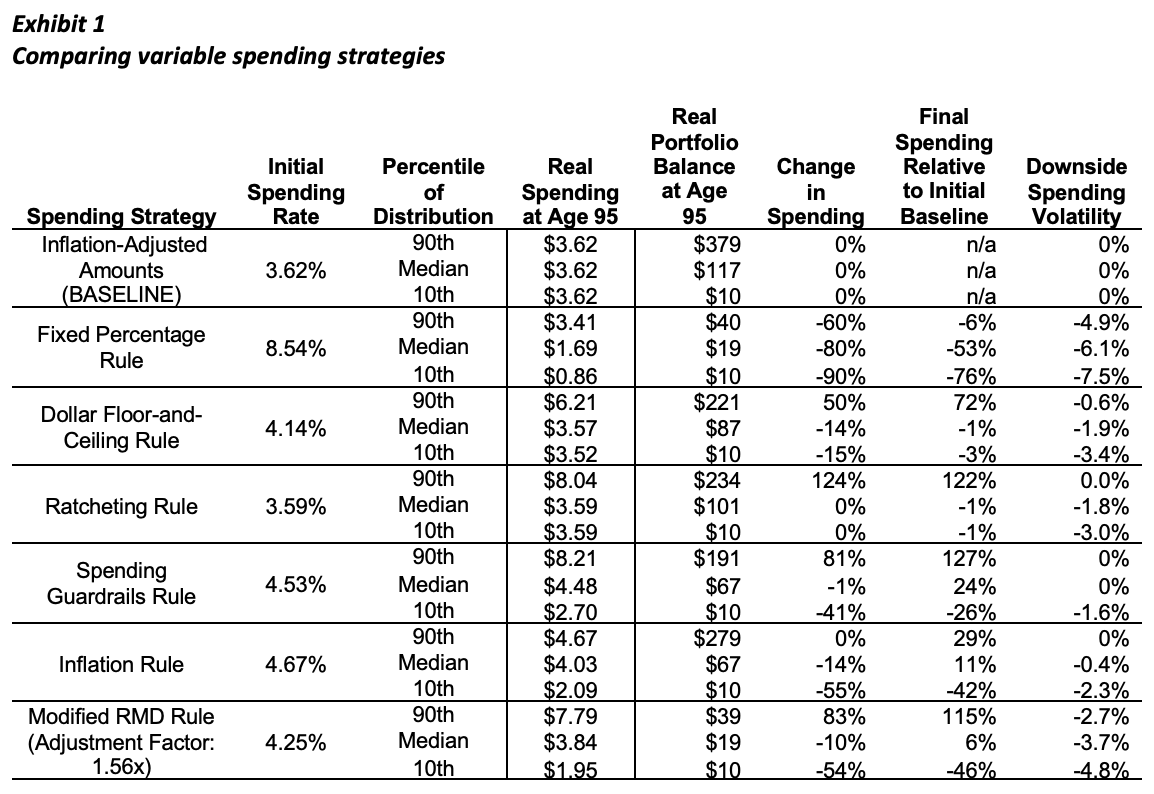
Any of the variable spending strategies I analyzed will reduce sequence risk in retirement and allow for greater initial spending rates, potentially greater average spending amounts, and a generally more efficient spenddown of assets than the baseline constant inflation-adjusted spending rule.
While there are certainly many complaints that “capitalism” is broken, such is not the case.
North American developed market large-mid stocks (United States and Canada) bottomed simultaneously with other developed markets on 10/12/22, recovering over 10% since then.
With bonds and stocks once again falling in unison, cash is the ultimate refuge.
The fixed-income market’s unblemished record of striking fear into the hearts of equity traders is in danger.
If you read and pay attention to the world, you probably know the recent past pretty well. And if you’re a history buff like me, you also know something about the more distant past.
Lufthansa’s blockbuster report is just the latest signal that commercial aviation, one of the hardest-hit industries during the pandemic, may be ready to make a landing again in investors’ portfolios.
Today’s inflationary market landscape is fraught with risks for investors. Despite these circumstances, Scott Welch and Kevin Flanagan outline how bond investors can generate yield.
Hedge funds and proprietary trading firms are beefing up agricultural markets expertise by hiring traders as big swings in prices have made even relatively niche corners of commodities trading lucrative during the past year.
Review the latest Weekly Headings by CIO Larry Adam.
A drawdown to fight energy inflation has left the SPR at a new low.
The Federal Reserve said that further interest-rate hikes would be required to restore price stability.
It’s a time-honored tale. A new force enters the market — quantitative easing, leveraged ETFs, high-frequency trading — and a cottage industry on Wall Street is born devoted to exposing the risks it supposedly poses for investors.
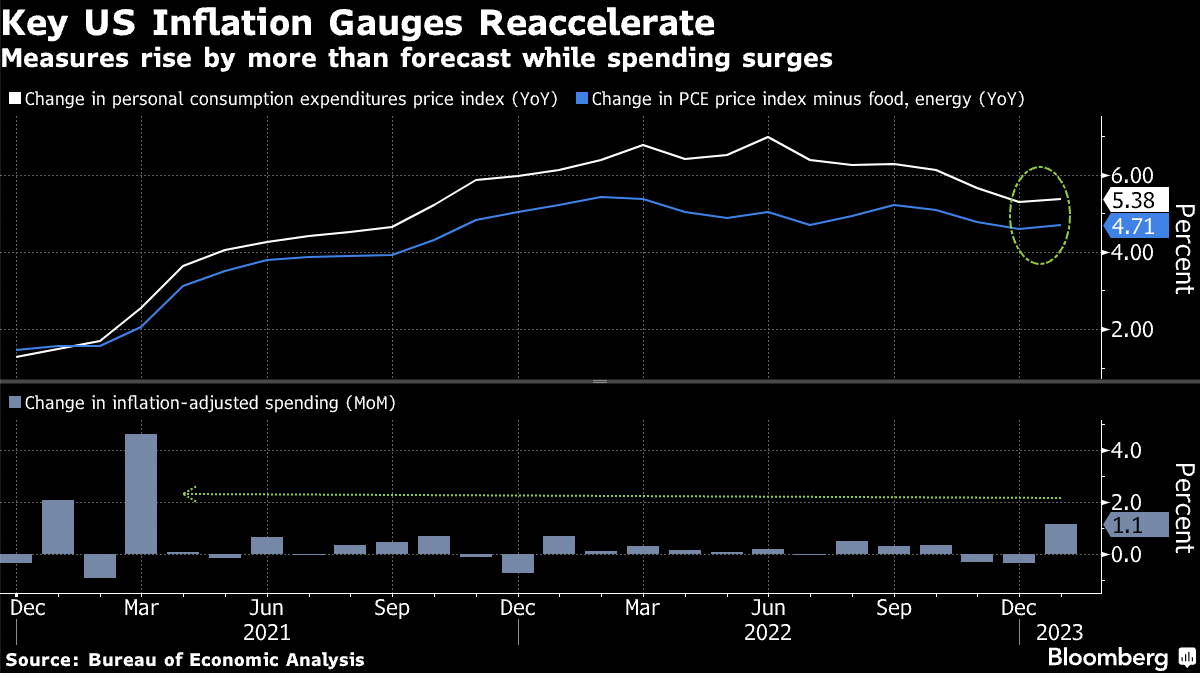
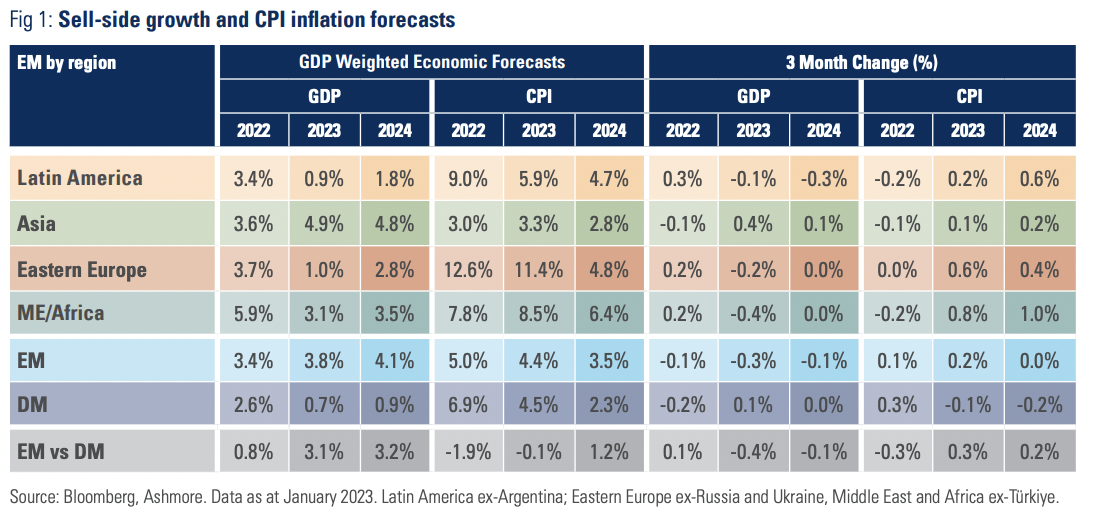
Economic growth and inflation have surprised to the upside so far in 2023, not only thanks to the reopening of the Chinese economy, but also due to the resilience of the labour markets.
A recent Wall Street Journal article discussed how retail traders that made millions during the pandemic trading the market are now mostly wiped out.
Markets this month were unable to build upon January's momentum following speculation that the central bank will continue with interest rate hikes.
As fourth-quarter earnings rolled in with mixed results, the stock market opened the year in rally mode.
Maybe UFOs are carrying wealthy aliens wanting to buy a lot of stuff and boost our economy. More likely, those forecasting a no landing have a false sense of optimism that the economy will continue to be resilient.
The US 30-year yield rose to the highest level since Nov. 16, Thursday, joining the rest of the Treasury market in offering investors a return of at least 4% after another batch of strong labor-market data.
In telling their stories about how the future is bright for stocks, bulls point to solid earnings to justify the optimism. But cracks are forming in that narrative — in the trajectory of profits, and just as worryingly in the makeup of the profits themselves.
January’s optimism about the bond market seems like a long time ago.
"We forgot that war is history’s favourite driver of inflation." -Niall Ferguson
Strength in employment and inflation has caused markets to raise the implied terminal rate while still expecting the Fed to normalize policy – which is different from easing – in 2024.
Making the case for international value investing—thoughts from Templeton Global Equity Group on why now’s the time to consider expanding one’s investment horizons.
U.S. stocks are subdued in pre-market action as the global markets remain choppy amid the backdrop of uncertainty regarding the ultimate impact of aggressive monetary policy tightening.
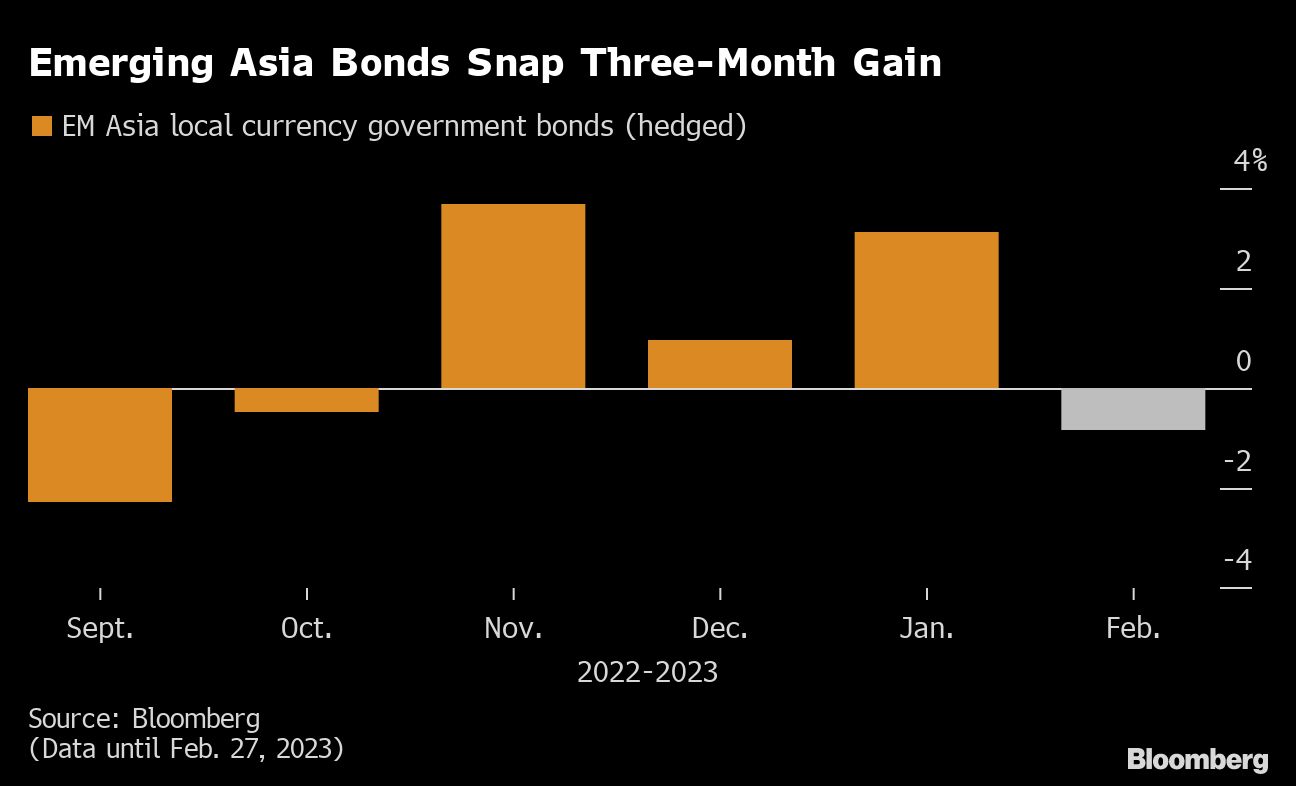
In just one month, emerging Asian assets have gone from a buy to sell. And all signs point to continued caution as March draws near.
This commentary reflects on the silver linings of the higher interest rate environment as well as explores the possible winners and losers under this new regime.
Turbulent equity markets and lofty bond yields has cash back in high demand.
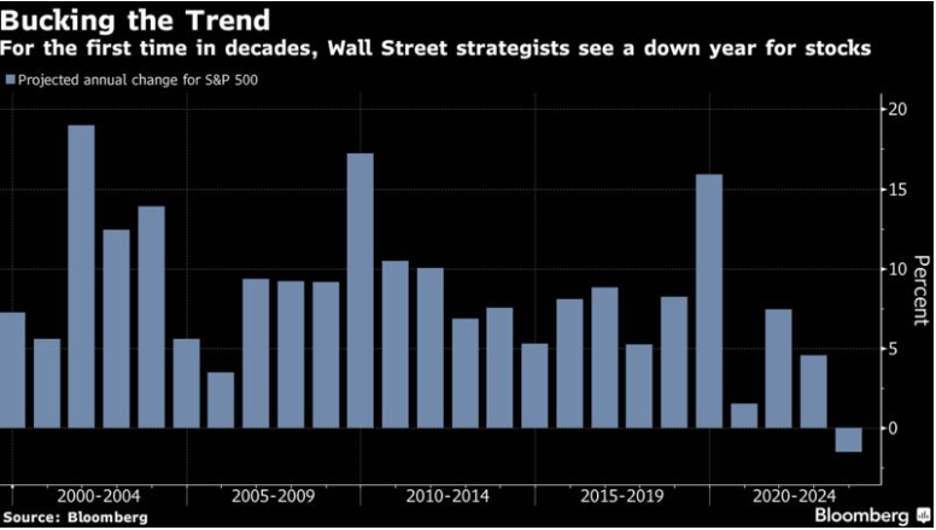
For the first time in decades, Wall Street strategists are collectively pessimistic about the stock market over the coming year.
Gold bugs started 2023 with high hopes after the precious metals sector showed impressive relative strength versus paper assets in 2022.
VettaFi’s Todd Rosenbluth offers his take on five key ETF stories Nate is tracking right now. Morgan Stanley’s Tony Rochte discusses their recent ETF entrance and what comes next. VanEck’s David Schassler explains why inflation is here to stay and spotlights two potential inflation-fighting ETFs.
Chief Economist Eugenio J. Alemán discusses current economic conditions.
Here are the top three trends that will affect ETFs in 2023.
The war has been tremendously costly, in Ukraine and beyond.
Being flexible with spending matters. My analysis shows that variable spending strategies – including floor-and-ceiling, guardrail, actuarial and other methods – can dramatically increase sustainable retirement spending.
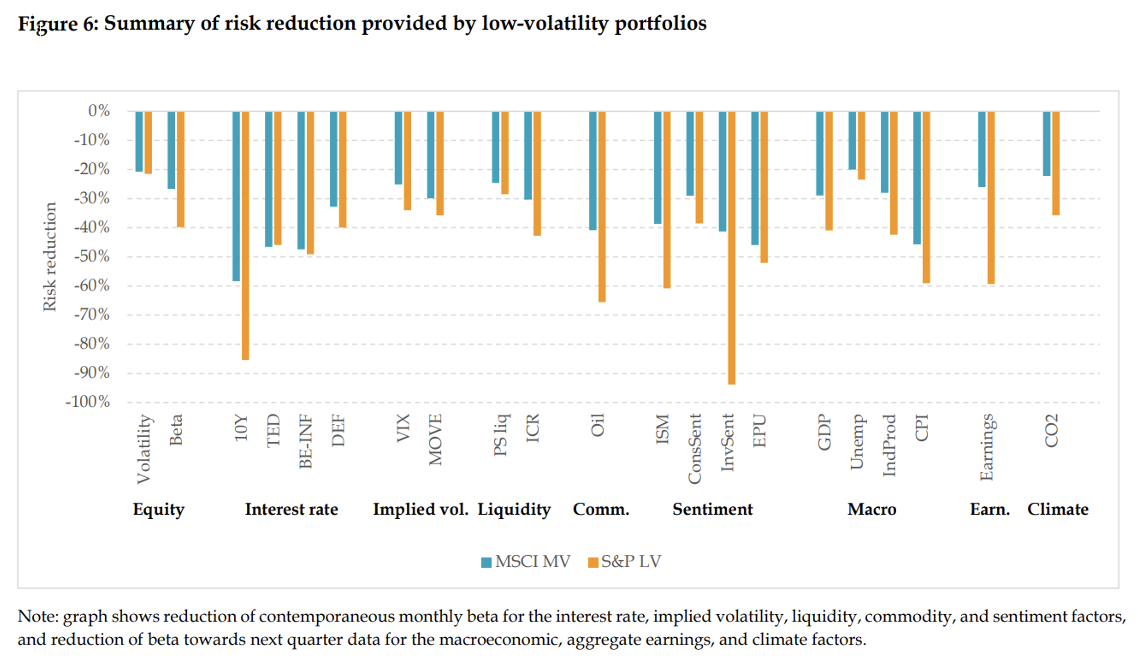
Low-volatility strategies are often cited as an anomaly offering higher returns without a corresponding increase in risk. But the so-called low-volatility factor is well explained by other factors, and new research shows it does not reduce exposure to “systemic,” broad-economic risks.
Wall Street’s vaunted leveraged finance desks are reeling. Billions of dollars in losses on mistimed loans have forced them to dramatically scale back lending, leaving the private equity firms that rely on them to help fund acquisitions in a bind.
Economically speaking, bullish bets are mounting on a “no landing” scenario, which suggests the economy will avoid a recession entirely.
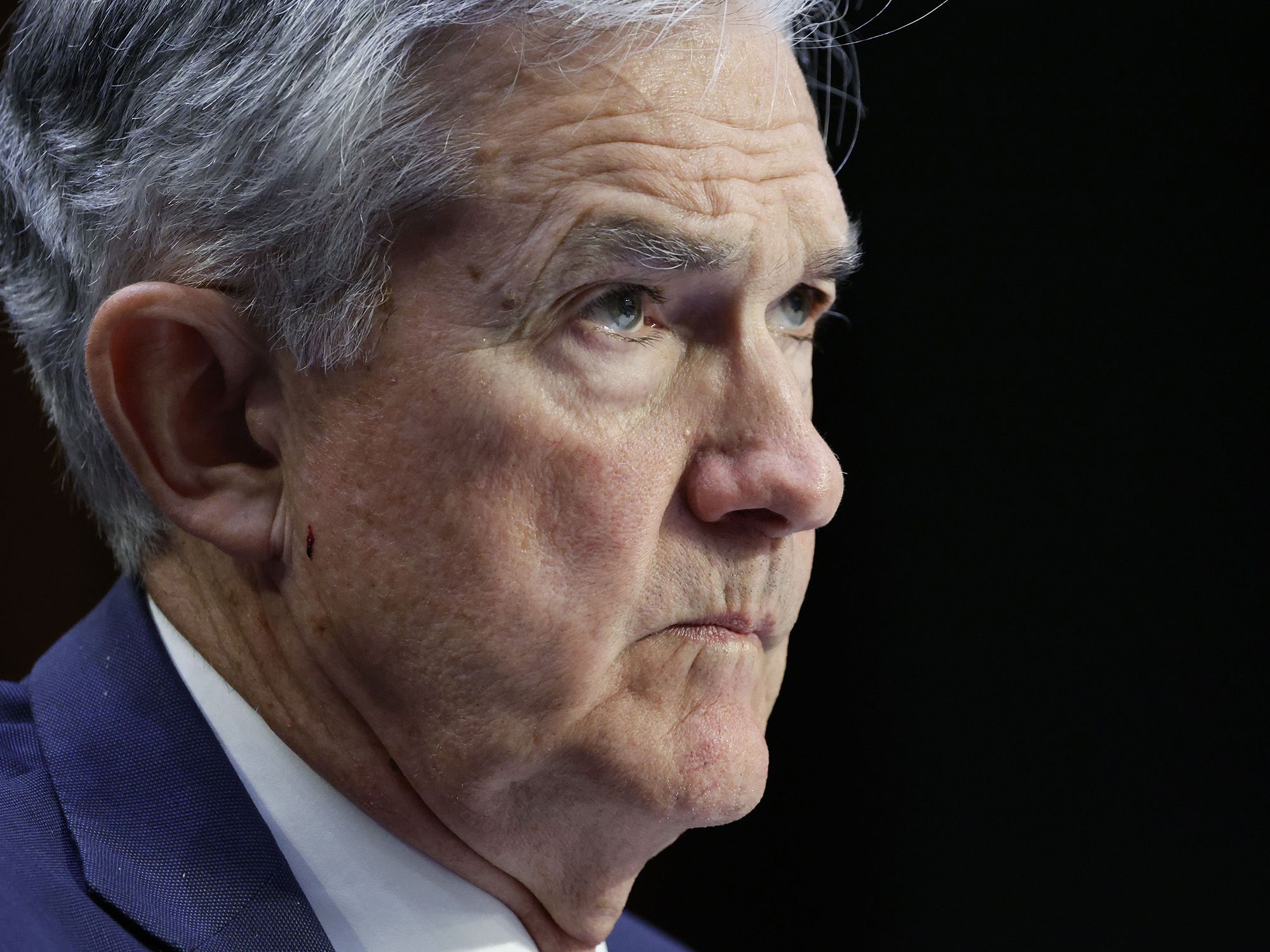
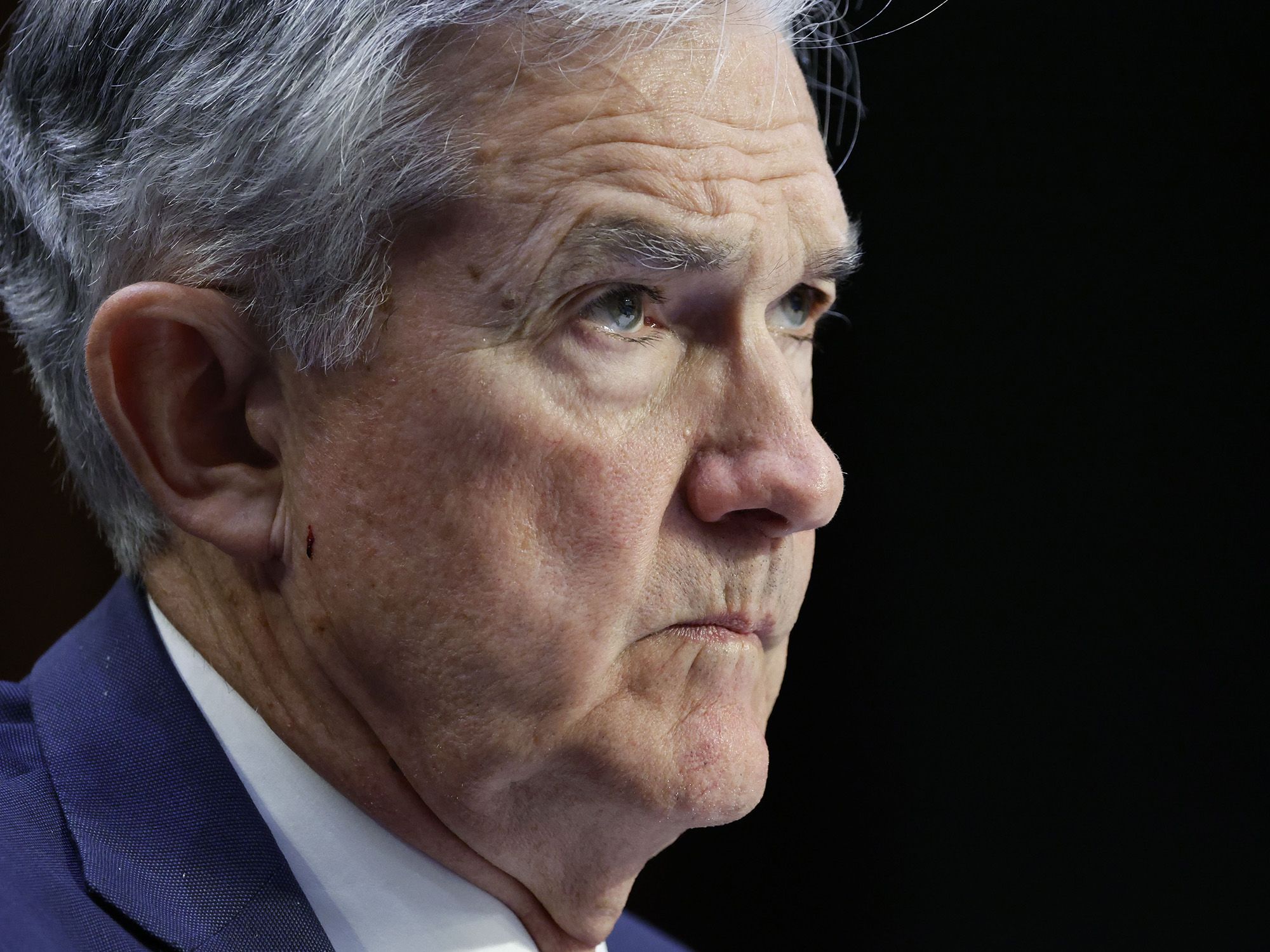
There’s something of a ritual performed each time Federal Reserve Chair Jerome Powell speaks to the press: A reporter asks Powell about financial conditions; he says they’ve tightened a lot; the Wall Street crowd snickers.
Stock-market believers are looking past the roughest stretch in months for US equities and clinging to bets on a rally in the back half of the year once the Federal Reserve stops hiking interest rates.
A cohort of Wall Street’s emerging-market bulls is growing wary of calling a new dawn for riskier assets, opting for a more cautious approach to developing-nation currencies.
In the past few weeks, a growing chorus of economists and investors have decided that the pessimistic narrative had it wrong all along, that the US isn’t headed for a hard landing, which would mean a recession, it isn’t even headed for a soft landing, which would mean a prolonged period of low economic growth.
Research from Vanguard suggests that investing in commodities is the most powerful way to hedge against unexpected inflation.