The MSCI EM index is up 20% from its bottom last October, but is almost 30% below its February 2021 peak. Thus, it has lagged other major markets globally. We have seen and heard investors getting more positive on emerging equities and reallocating capital accordingly.
We’ve known for a long time that CPI-adjusted lifetime guarantees are the ultimate bedrock for a secure retirement.
Appealing yields and cautious markets.
Using LOGICLY’s data and analytics platform, this article looks at the top funds in the equity asset class that have brought in the most assets YTD.
We favor emerging market (EM) to developed market (DM) assets on a brighter macro backdrop. We get granular and harness mega forces, per our playbook.
The beginning of the banking and commercial real estate crisis this year has many parallels to the start of the residential real estate crisis in 2007.
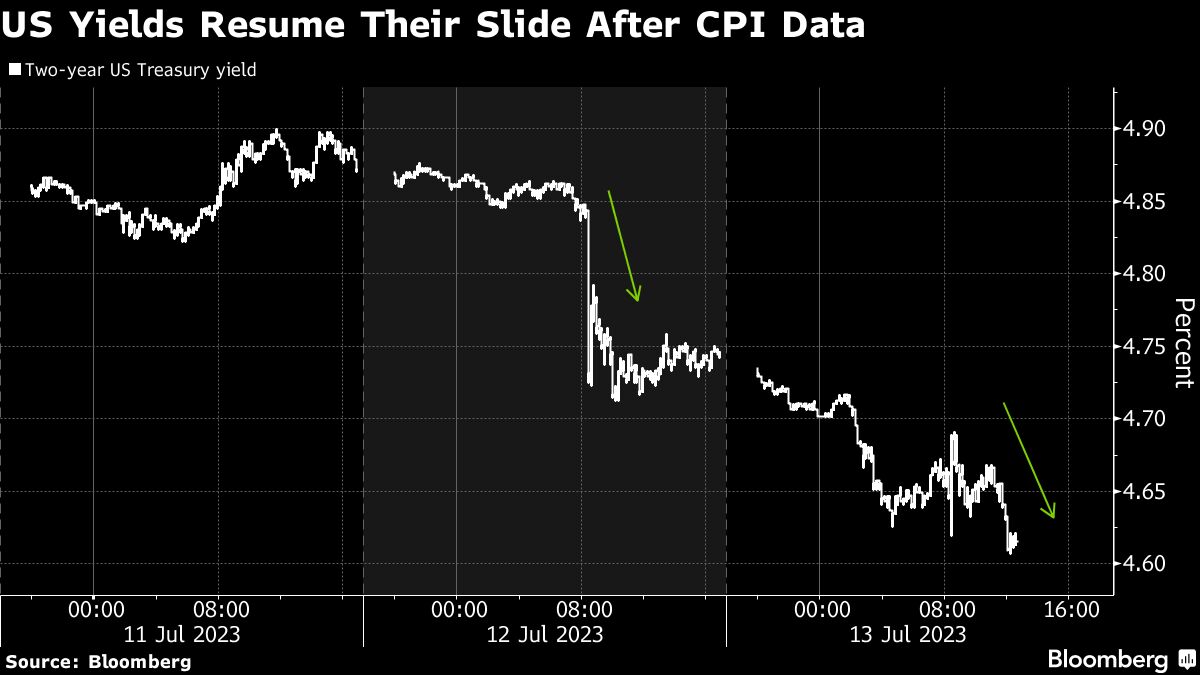
The best news last week was that inflation came in below expectations for June. Consumer prices rose a moderate 0.2% for the month, while producer prices increased only 0.1%.
Monetary policy infamously operates with long and variable lags, and successively navigating the impact monetary stimulus or withdrawal has on prices throughout the economy and financial markets requires a strategic mindset that is thinking and planning many moves ahead.
The economy has held up remarkably well despite the Fed’s tightening program, but with two more hikes likely in 2023, the risk of a slowdown remains elevated.
Bond yields well above implied and historical inflation rates are a great opportunity.
After a stretch of wildly positive economic surprises, the latest US retail sales data felt like more of a mixed bag: the top-line number missed forecasts and, partially in response, stocks drifted aimlessly between losses and modest gains.
Richard Cooper’s phone is something of an early alarm bell for the global economy. Lately, it’s been ringing a lot.
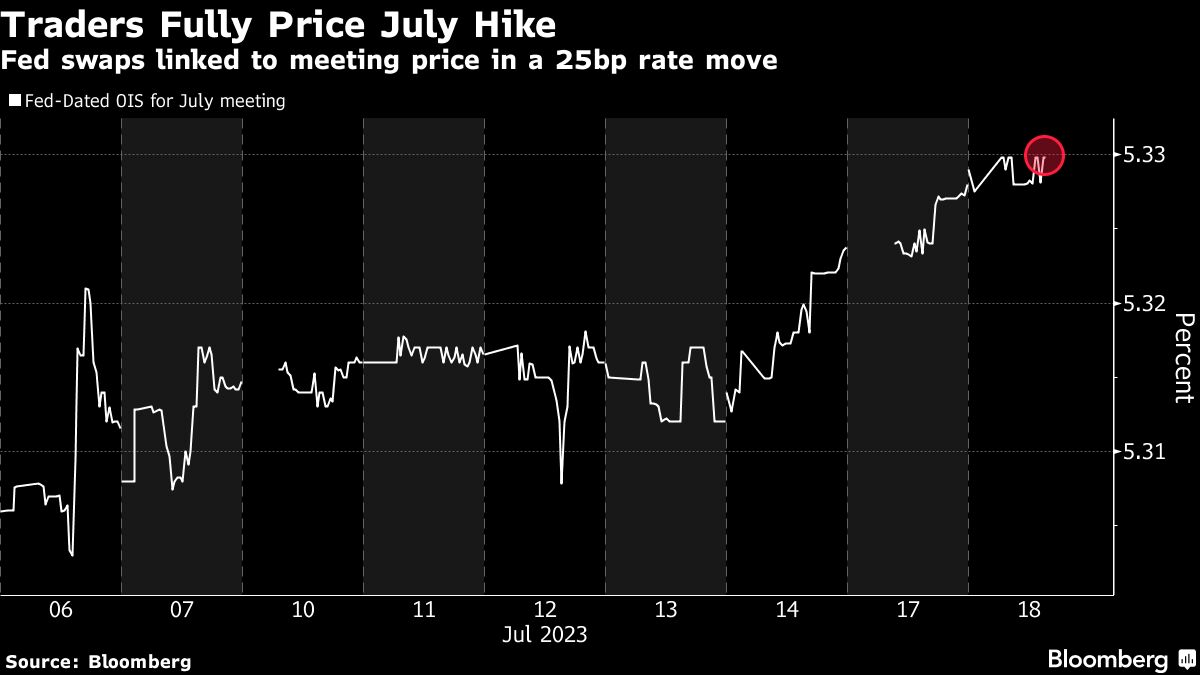
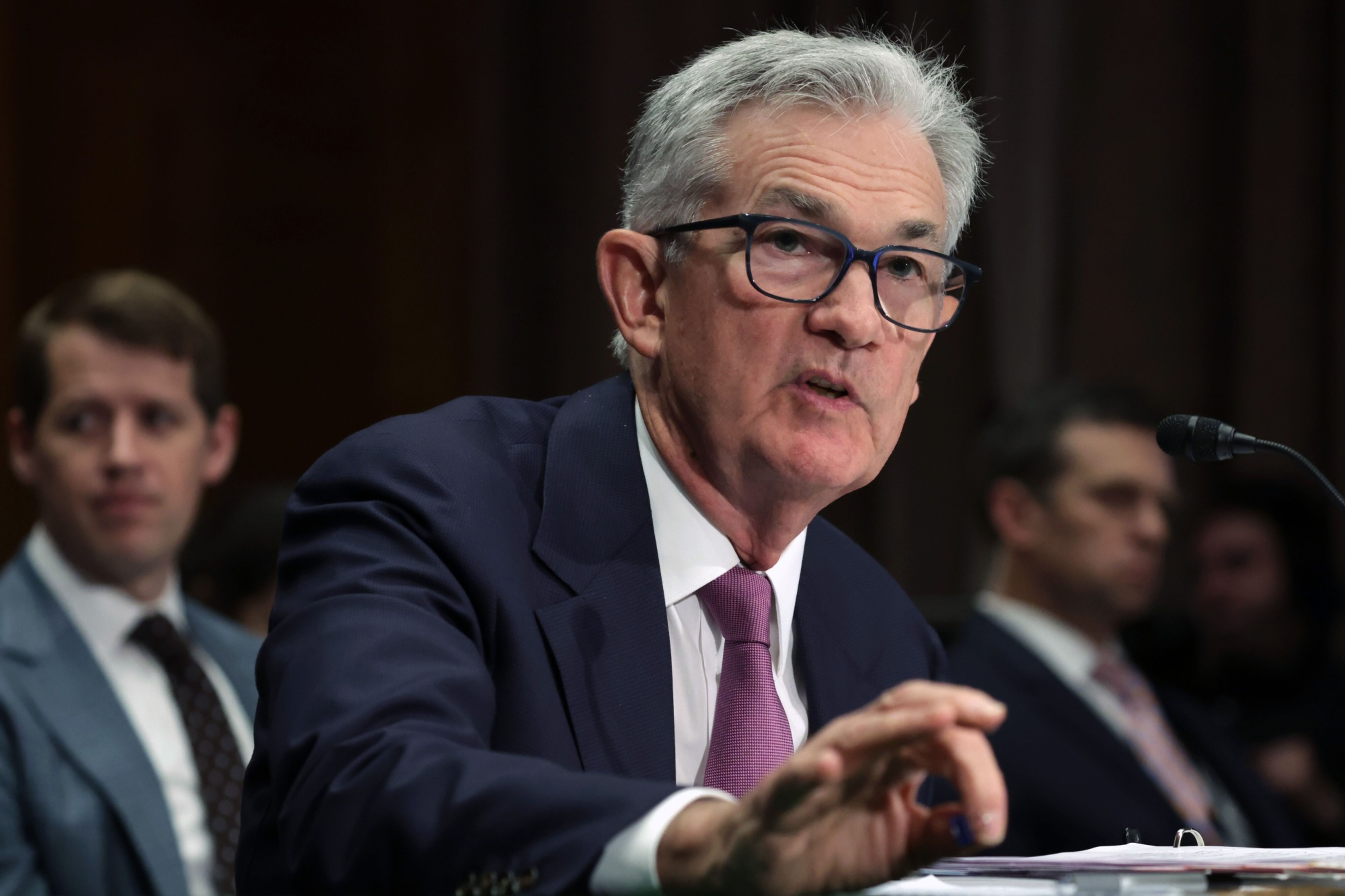
Traders now have no doubt: the Federal Reserve will start raising interest rates once again next week.
An improved income outlook for multi-asset investors, including higher yields, sharply contrasts with cloudy conditions at 2023’s start.
A high probability for an El Niño event in the second half of 2023 brings concerns of extreme weather, persistent inflation, supply chain disruptions, and market volatility.
Chief Economist Eugenio J. Alemán discusses current economic conditions.
One of the most common questions we get from clients is whether they should buy either gold OR silver. Anyone researching an investment in bullion can find good arguments for owning either metal.
The global economy remains in a fragile state. Headline inflation is above-target in almost all major economies, and core inflation is sticky and elevated.
The S&P 500 has generated double digit returns so far in 2023, but the gains have been narrowly focused. Heading into the second half, we will be watching to see whether the rally broadens or the market capitulates.
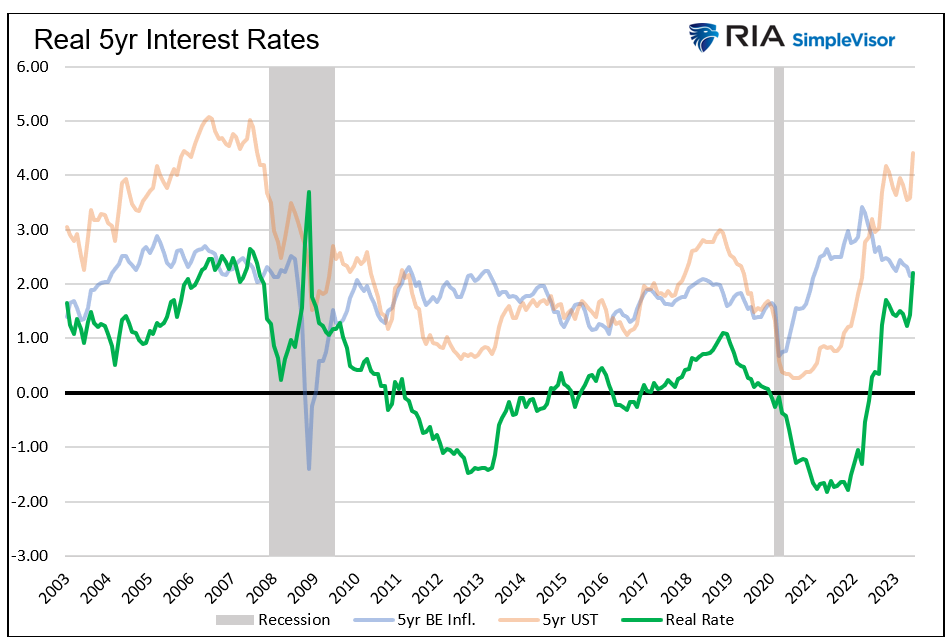
The Fed is executing its playbook according to plan – get interest rates up quickly, keep tightening albeit at a more moderate pace, and then hold rates steady to allow real rates to nudge higher as inflation recedes.
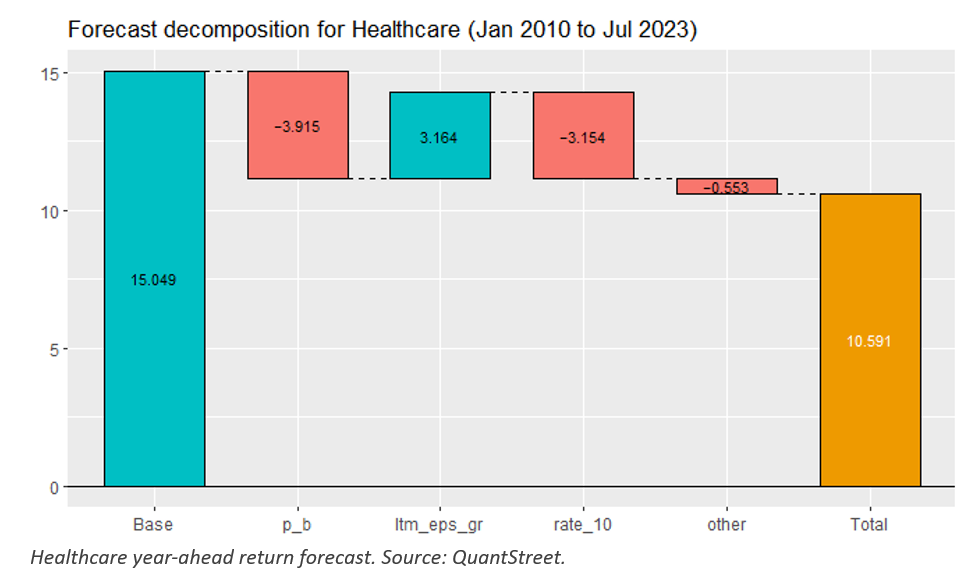
Healthcare stocks have been laggards on the back of cost pressures and punitive regulations. But the long-term trends are extremely favorable, making the sector a compelling opportunity.
While the deeply inverted yield curve has stoked anxiety among investors about the prospect of a recession, Goldman Sachs Group Inc. has a different message: stop worrying about it.
Everyone can be happy about the recently reported decline in the US inflation rate, but how and why did it fall so quickly without causing a recession on the way down?
Japan may uniquely benefit from a wage-price spiral.
Falling airfare prices in the U.S. don’t appear to have any effect on airlines’ revenue, according to Goldman Sachs. In fact, Delta just reported record revenue and profits in the June quarter.
The second quarter was characterized by a debt ceiling showdown (which perversely provided a boost to liquidity) and by a big spurt in tech stocks.
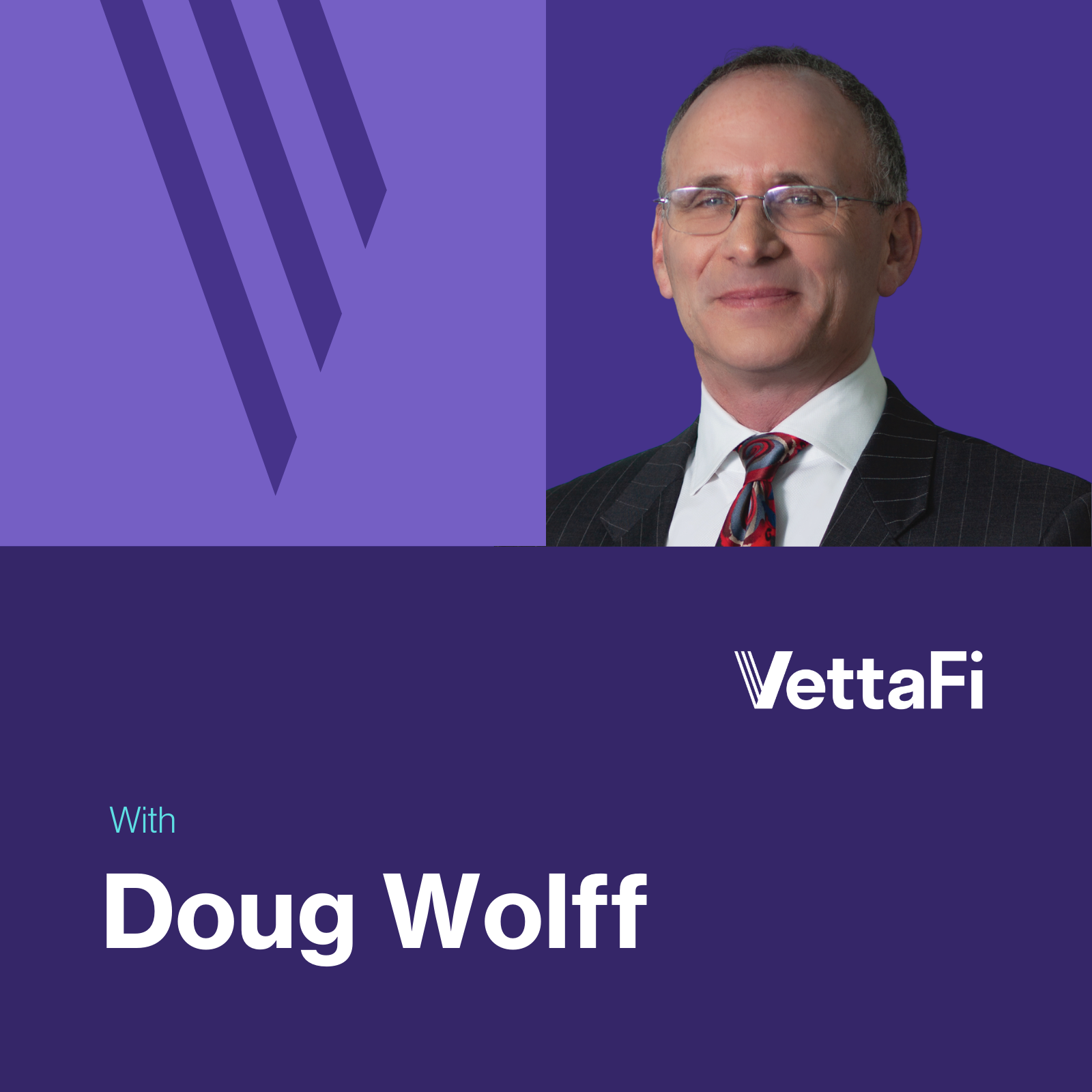
Uncertainty around the direction of inflation, interest rates, and the U.S. economy will continue to drive market volatility. Doug Wolff, the CEO of Security Benefit – a leader in the U.S. retirement industry – is my guest today to offer valuable insight on how to navigate this landscape for the remainder of 2023 and beyond.
The traditional 60/40 asset mix is facing several challenges due to that volatility. Both stocks and bonds were battered in 2022, and while both have come back a bit this year, the uncertainty makes it difficult to optimize portfolio allocations. Doug will discuss bond alternatives, like fixed-rate annuities, to diversify and de-risk client portfolios.
According to reasonable and trustworthy data, we are not in a recession.
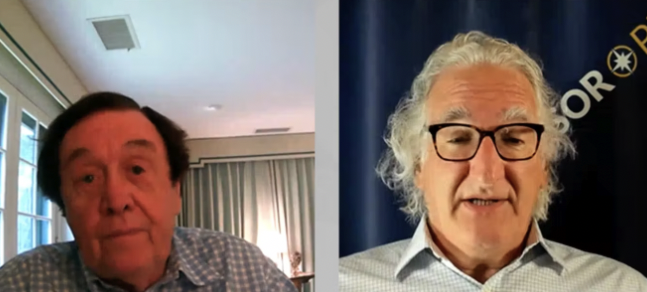
In this interview, Woody Brock discusses why the dollar will remain as the reserve currency, his outlook for inflation, and how AI will affect the economy and the job market.
Whether you are examining the evolution of the US economy or the impact of monetary policy, one of the noteworthy developments this year is not what has happened but rather what has not.
Equity strategists are boosting earnings forecasts for the S&P 500 Index over the coming year faster than they are marking them down, pushing a key indicator tracking the momentum of analyst revisions well off its November nadir.
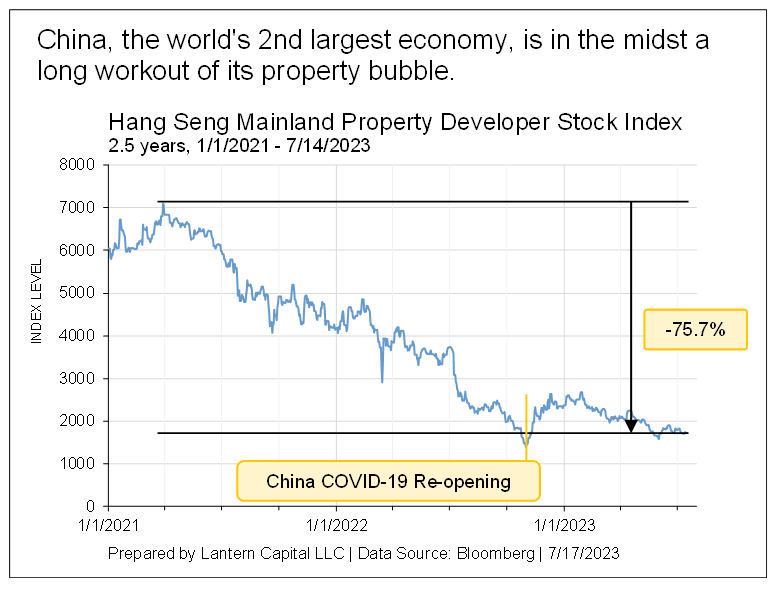
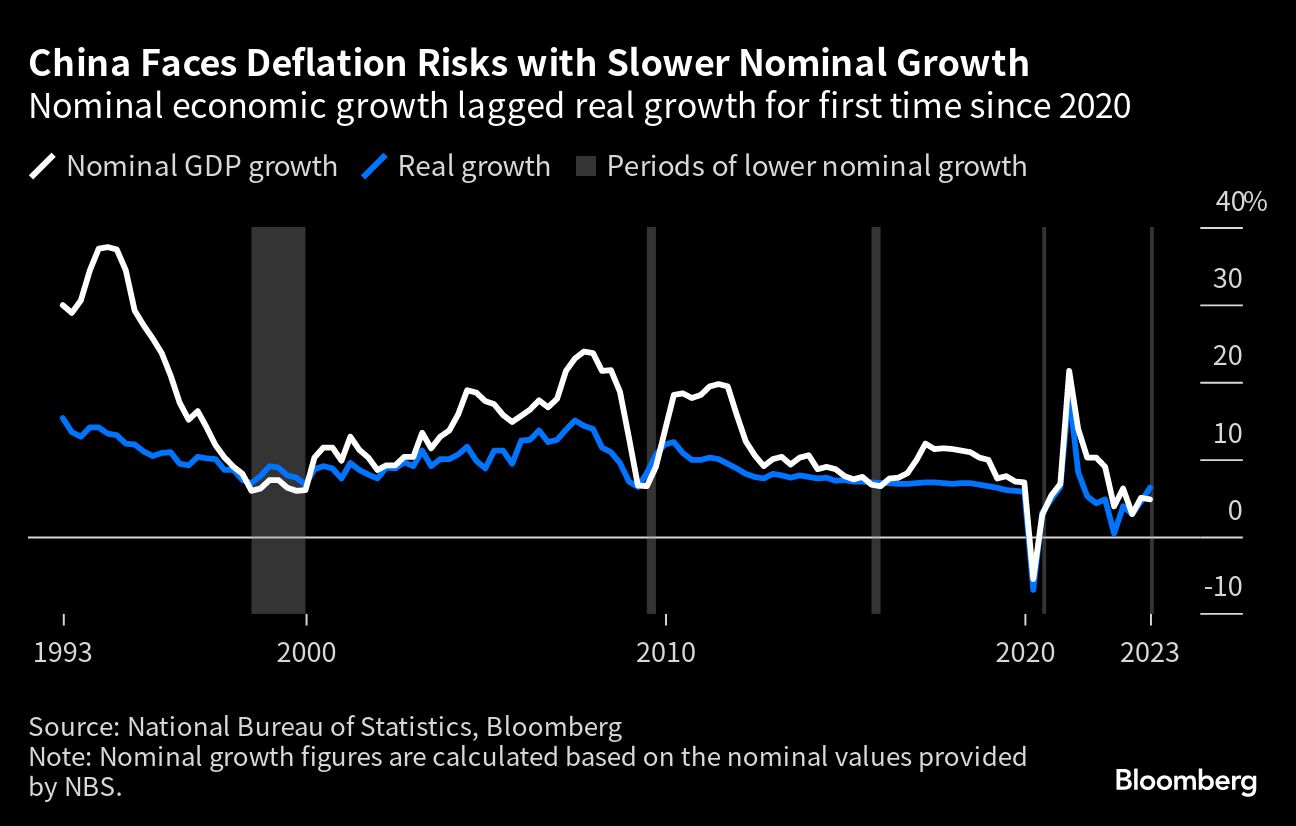
China’s disappointing economic growth figures prompted several economists to downgrade their forecasts for the year, citing major weaknesses in the recovery and Beijing’s relatively muted stimulus-response.
Investors loading up on long-term bonds have a history at their back.
There is much debate as of late on the current market cycle. Is it a bear market? Maybe. But what if this is just a correction within a 40-year-long secular bull market cycle?
Nikko Asset Management presents an analysis of global market trends, offering insights into the surprising performance of equities and the resilience of the global economy to date.
Over the past two years, higher inflation has led to a higher return hurdle for investors who have established real return objectives, making it harder for them to achieve their return objectives over the short term. But is this likely to be the case over the long term as well?
Ed Mills, Managing Director, Washington Policy, discusses how recent U.S. policy decisions are the foundation for an industrial renaissance aimed at building up the economic base and protecting it against certain geopolitical and supply chain risks.
VettaFi’s Fixed Income Symposium, happening on July 24th, is fast approaching. The symposium will bring together industry thought leaders.
As summer temperatures peak, inflation just won't completely cool down. The question is how much more the Federal Reserve should do about it.
The market, and maybe all of us, would like to believe the latest 3% annual CPI number was a harbinger of ever-lower inflation, and we are on the road to 2% inflation by year end. I would argue, “Not so fast.” Inflation is far from dead, and CPI will likely go slightly up between now and the end of the year.
In what's quickly become one of my favorite annual traditions at Russell Investments, I survey our associate base for their summer reading recommendations every year around this time.
JPMorgan Chase & Co.’s revenue soared to a record in the second quarter, boosted by the Federal Reserve’s interest-rate hikes and its acquisition of First Republic Bank.
With inflation still front and center and tight labor markets, how will central banks react to the challenging market environment?
Maybe it’s something about the dog days of summer — the record heat in the last few weeks has made everyone a little delirious — but the July-August period is proving particularly popular for “pivot” rallies in US financial markets.
Signs are emerging that Japanese retail investors are getting on the equity bandwagon after having largely missed out on a historic rally.
Bonds rallied for a second day as traders bet an aggressive streak of global interest-rate hikes is close to ending, bolstered by optimism that inflation in the world’s biggest economy will continue to slow.
While we agree with the enthusiasm for AI that has helped the market rally, investors may be better served by patience than by chasing recent risk-on sentiment.
Now that short-term Treasury yields have reached 5%, further upside is likely to be limited.
Portfolio manager Shuntaro Takeuchi says Japanese equities, for so long a market of false dawns, may now be stirring up investment opportunities that finally present Japan as a long-term growth market.