We try not to react to just one data point because, as we have always said, “a data point doesn’t a trend make.” Furthermore, we don’t know if this is just a one-time event or if it is the start of something more.
For the first time in nearly a generation, fixed income is living up to its name.
When it comes to the current debate over housing affordability, I feel like my position has been clear and consistent: Twelve years ago, I wrote a book called The Rent Is Too Damn High. At the same time, I also have to admit that most Americans do not share my preferred solutions.
Gross was famous for squeezing out extra yield using corporate bonds, mortgages, derivatives and other instruments.
There are attractive investment opportunities in private credit against a backdrop of a U.S. economy that continues to outpace the eurozone and the U.K.
As non-profit investors set their investment and spending policies, it is important to consider their organizational circumstances during a market shock.
With continued economic growth and elevated inflation levels, the Fed keeps delaying interest-rate cuts. The Franklin Templeton Investment Solutions team provides a historical analysis to make sense of the Fed rate cycle and what it implies for multi-asset investors.
I’m entering my annual post-SIC decompression period. I say that only half-jokingly. The last two weeks were my version of a dive deep into the sea, where you see shocking things and endure crushing pressure. The weeks of preparation are fun, but the sheer volume of information creates its own kind of pressure. You don’t just shift back into normal life after that.
We saw a dovish slant to Powell’s remarks at yesterday’s press conference, with no rate hikes in sight.
The current macroenvironment could spell opportunity for active bond funds as bond yields may have peaked.
We’ve just come through the first quarter of 2024 – and what a quarter it was! Hard on the heels of a robust end to 2023, the S&P 500 Index rose 11% in the first quarter of this year. This is the first time since 2012 that it’s had back-to-back double-digit quarterly returns.
While S&P 500 index-based ETFs were down 4% in April, they remained positive for the year. We believe as more institutional and retail investors turn to ETFs, these products will further swell in size.
I had the opportunity this week to speak at the London AIM Summit, where presenters and attendees were cautiously optimistic about the economy.
The latest run of unchecked optimism might just be over.
Markets started the year anticipating several U.S. Federal Reserve (Fed) rate cuts in 2024, but by the end of the first quarter, a continued string of stronger-than-anticipated economic data readings led to a significant dialing-down of expectations.
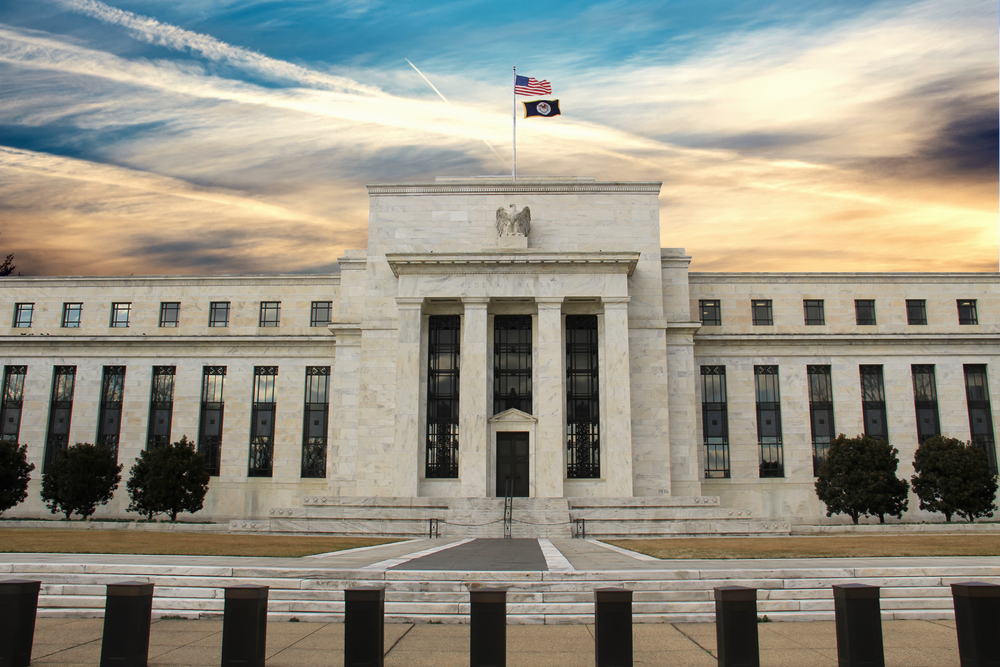
The Federal Reserve just wrapped up another policy meeting, and markets continue to push back their expectations of a first rate cut.
John Hancock Investment Management has added a new ETF to the company's growing lineup. JHHY primarily invests in high yield bonds.
Investors seeking energy sector exposure but concerned about oil and gas volatility should look to midstream master limited partnerships.
With yields at current levels, bond funds can lock in longer term yields, offer price appreciation potential and overall serve as a hedge against a possible hard landing. Though elevated cash balances worked during the Fed’s hiking cycle, we believe now is an opportunity for clients to consider adding duration given the potential for a Fed pause.
Apple Inc. shares jumped the most in almost a year-and-a-half after the company posted stronger-than-expected sales last quarter and predicted a return to growth in the current period, sparking optimism that a slowdown is easing.
Those that argue for lower rates have to counter the inexorable upward climb in Treasury supply and the likely Sisyphean decline in bond prices. Total Return is dead. Don’t let them sell you a bond fund.
As the Federal Reserve acknowledges a setback in its inflation fight, one question looms large: Why hasn’t the economy slowed the way policymakers expected?
Here’s a conversation starter ahead of Berkshire Hathaway Inc.’s annual meeting on Saturday: Warren Buffett should buy Boeing Co.
April’s sell-off isn’t dissuading investors from taking a closer look at adding bonds to their portfolio. The price dip is giving prospective bond investors a chance to take action on higher yields now before the U.S. Federal Reserve eventually cuts rates.
Inflation and interest rate hikes have not been kind to REITs and the funds that own them. However, their low valuations could indicate an opportunity for investors.
As expected, the Federal Reserve kept its policy rate unchanged at the May meeting, but left the door open to rate cuts later this year if inflation declines.
The S&P 500 experienced its first 5% pullback since October 2023, but the long-term outlook remains positive.
Understanding the broader tax benefits, 529 plans may be a more tax-efficient way to save for college than custodial accounts. Our Wealth Planning Director Bill Cass highlights several reasons to consider this strategy.
It makes sense that longer-maturity bonds typically provide higher yields than shorter-term bonds. After all, more bad things can happen in a longer period than a shorter one, and visibility is poorer for the next 10 years than for tomorrow. Investors expect to be paid for these risks.
For investors considering adding small-cap stocks to their equity portfolios, we suggest they do it selectively, steering clear of more speculative investments.
In an op-ed for the Washington Post on November 5, 2010, Ben Bernanke did a victory lap, praising the Fed’s efforts in stemming the financial crisis. In the article, he discusses how QE and other Fed policies eased financial conditions, bolstering investor confidence.
Advisors can already pick from dozens of tech products that use generative AI to automate aspects of their work. How long will it be until we see an end-to-end generative AI platform that does everything a human advisor can do, just as well as they can - if not better?
When Berkshire Hathaway Inc. devotees gather in Omaha on Saturday for its annual meeting, there will be a noticeable void on stage.
ByteDance Ltd.’s Hail Mary legal effort to avoid selling or shutting down TikTok relies on convincing a judge the social network will disappear entirely, squashing the free speech rights of millions of Americans.
The rise of index funds has provided millions of Americans with a cheaper and more efficient way to invest. With more than $23 trillion in assets between them, BlackRock Inc., Vanguard Group Inc. and State Street Corp. have become the top shareholders in many US-listed companies.
One of the main advantages of constructing a portfolio of individual bonds is that it can be customized to meet the precise needs, wants, and objectives of the investor
How and why more advisors are tapping into alternatives—Tony Davidow, Senior Alternatives Investment Strategist at Franklin Templeton Institute, shares insights from a recent gathering.
Despite lingering economic fears, concerns over the timing and pace of rate cuts, sticky inflation reports, a crisis in the Middle East, and a looming close U.S. presidential election, stocks marched higher, and sentiment remained optimistic.
Having played sports my whole life, there is hardly an outdoor activity which I haven’t tried. I have been known to skip irksome social gatherings just to get out on to the fields.
High quality short-term bonds offer a number portfolio benefits while putting excess cash to work, but what's under the hood matters.
Elevated all-in yields in high yield credit present an attractive opportunity for income-seeking investors to lock in higher levels of income. Of course, that comes with a much higher degree of risk as compared to sitting in cash.
First-quarter earnings results have been healthy thus far, but key to the ongoing rally will be companies' recovery in revenue growth and strengthening forward guidance.
Investors are plowing into technology-tracking ETFs at a record clip as conviction builds that the market’s biggest stocks can thrive in almost any economic cycle.
America’s experiment with quantitative easing is almost over. This week, the Federal Reserve will likely announce plans to slow the shrinkage of its balance sheet, foreboding the end of a long period in which it sought to stimulate the economy by holding large quantities of Treasury and mortgage securities.
It does you no good to meet with a prospect or client who doesn’t feel comfortable enough to be candid about what they want. Give them options, help them discover their goals, ask deeper questions and “prime the pump.”
It’s not just about the balances in the accounts; it’s about helping our clients have a healthy relationship with money.
While high-yield implies higher risk when it comes to bonds, HYD, which turned 15 years old in February, isn’t excessively risky.
The reaction from markets to the release of Q1 2024 real GDP results has given every sector of the market another chance to give their own interpretation of what is coming regarding Federal Reserve (Fed) policy, inflation, and the federal funds rate.
Until recently, any suggestion of fiscal prudence was quickly dismissed as “austerity” by economists on the left. But with higher interest rates fast becoming the new normal, the idea that any economic problem can be solved with more government borrowing has become untenable.
In September, we wrote a piece discussing some of the growing pains that have impacted clean energy in the last few years. Despite what we believe are compelling long-term growth prospects, the sector has continued to struggle over the past two quarters.