A week-long rout in Bitcoin deepened amid the recent broader retreat from risky assets in the wake of US President Donald Trump’s tariff threats and crypto sector turmoil, marking a dramatic reality check for one of the most popular Trump trades.
Looming U.S. and global policy shifts may potentially rattle markets, but a tactical and flexible approach could help investors navigate risks and opportunities regardless of how events play out.
Investors in US government bonds are wrapping up their biggest monthly gain since July as the Federal Reserve’s preferred gauge of underlying inflation rose at a tepid pace in January.
The U.S. economy remains structurally productive. American Economic Exceptionalism is powered by innovation and labor flexibility.
We explore drivers that may contribute to continued outperformance of European stocks since the bull market began in October 2022.
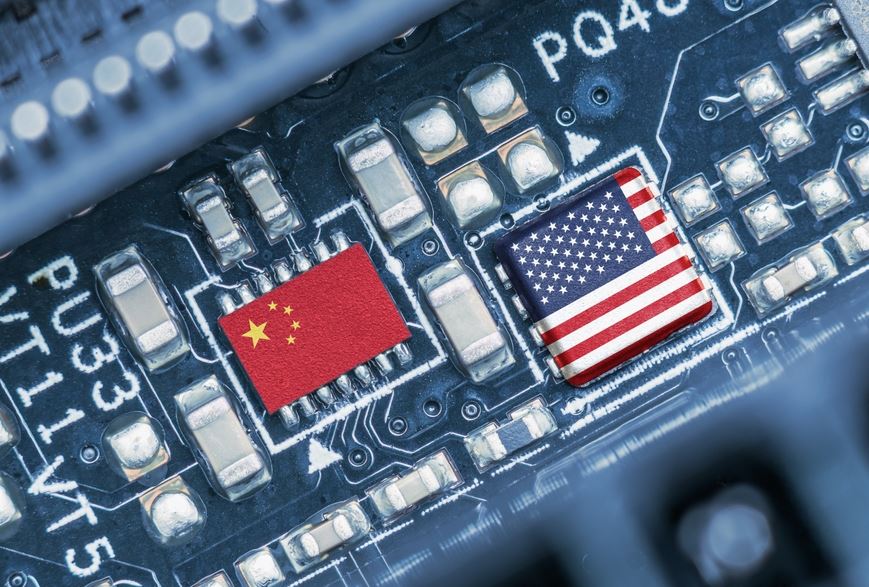
Donald Trump’s administration is sketching out tougher versions of US semiconductor curbs and pressuring key allies to escalate their restrictions on China’s chip industry, an early indication the new US president plans to expand efforts that began under Joe Biden to limit Beijing’s technological prowess.
This week has been both intense and inspiring as I attended the YPO Edge event in Barcelona, Spain. I had the privilege of experiencing numerous thought-provoking presentations, from the transformative impact of AI and disruptive technologies on businesses, to the vital role of health and wellbeing in fostering a learning-driven workforce.
Chief Investment Officer of Global Asset Allocation, Anwiti Bahuguna, Ph.D., outlines the investment themes and return expectations from our new 10-year outlook.
Alibaba Group Holding Ltd. is turning out to be a great investment this year: Not only its shares have jumped more than 60%, its convertible bonds are also up big time.
US liquefied natural gas exports have extended a record-breaking run as new projects increased production, a trend that could help to ease high prices in Europe and Asia.
Our research shows how artificial intelligence can potentially enhance performance of equity investing.
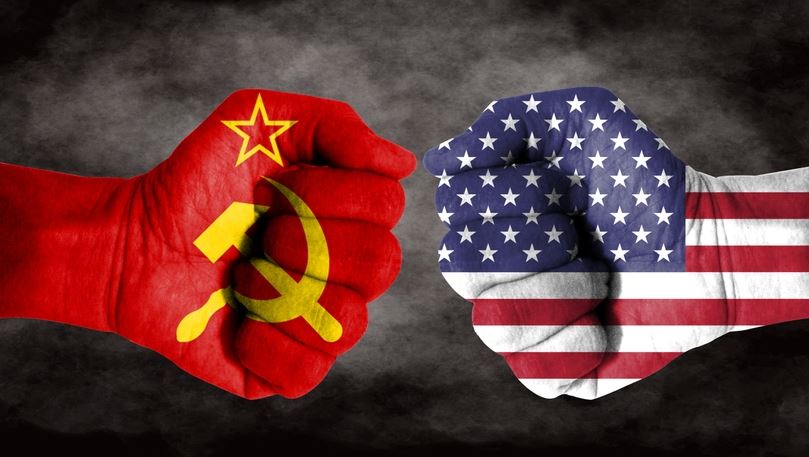
For a few months now, I’ve been referring to today’s heightened geopolitical climate as the “new red Cold War,” where artificial intelligence (AI)—not necessarily fighter jets and nuclear weapons—serves as the primary battleground between the U.S. and its adversaries, most notably Russia and China.
At the start of each new year, there are regular predictions that international equity markets will outperform U.S. large-cap ones.
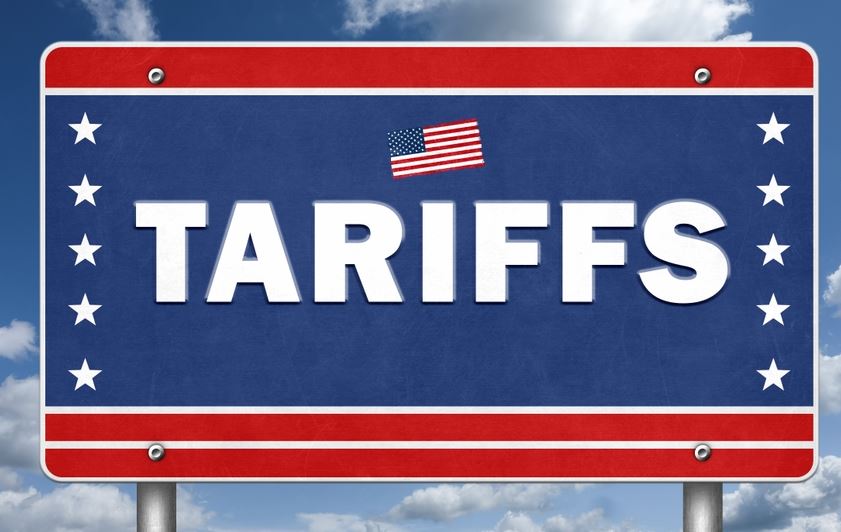
President Donald Trump ordered his administration to consider imposing reciprocal tariffs on numerous trading partners, raising the prospect of a wider campaign against a global system he complains is tilted against the US.
We are observing a significant shift in global supply chains away from China, presenting a substantial investment opportunity. What are the reasons behind this shift?
As the sequel unfolds, particular industry sectors in affected countries are likely to be more impacted. Global Head of Credit Research Mike Talaga, Head of EMEA Credit Research James Maxwell, and Client Portfolio Manager Celia Soares discuss the implications for credit investors.
Gold endured a volatile few hours’ trading — rallying to a record, then paring gains — after President Donald Trump imposed tariffs on US steel and aluminum imports, adding to uncertainty in global markets.
President Donald Trump ordered a 25% tariff on steel and aluminum imports, escalating his efforts to protect politically important US industries with levies hitting some of the country’s closest allies.
US inflation showed scant signs of downward momentum at the start of the year, while healthy job growth undergirded the economy, backing the Federal Reserve’s stance to hold the line on interest rates for now.
Looking for an investment idea that’s paid off handsomely in commodities markets over the past six months? Try betting on the tropics.
Markets, as many of you are aware, don’t like uncertainty. And right now, there’s a lot of uncertainty surrounding U.S. trade policy.
Treasury Secretary Scott Bessent said the Trump administration’s focus with regard to bringing down borrowing costs is 10-year Treasury yields, rather than the Federal Reserve’s benchmark short-term interest rate.
We analyze the impact of U.S. tariff proposals on markets and how investors can manage their portfolios accordingly.
Gold climbed to a fresh record high, as trade-war worries bolstered haven demand and there were continued signs of short-term tightness in the market.
Last week’s volatility in AI-related stocks shows markets are learning in real time about the transformation underway.
The dollar and US stocks have benefitted tremendously from recent global portfolio inflows. As of June 2023, the latest data available, foreigners owned a record 17% of US equities.
We suspect many investors today think the “American Exceptionalism” they studied in high school or college no longer applies to the U.S.
The artificial intelligence (AI) revolution is moving at lightning speed, and one of the biggest stories this past week underscores just how critical the technology has become—not just for Silicon Valley, but for America’s national security and global competitiveness.
The fourth quarter was particularly volatile in fixed income markets, with U.S. government bond yields surging on worries over the rising fiscal deficit and the potential for inflation to reaccelerate.
As 2025 begins, the core narrative of global resilience (built throughout 2024) faces fresh uncertainties. Gradual rate cuts, a continued slide in inflation, and steady – if modest – economic growth could set the tone for constructive market performance.
We explore how evolving priorities under the new U.S. administration may influence markets and investor outlooks.
Are U.S. stocks in a massive valuation bubble? We don’t think so. Will U.S. stocks outperform their European and Asian counterparts over the next 10 years? Maybe.
Bitcoin and other cryptocurrencies tumbled, following technology stocks lower, as the emergence of a new Chinese artificial-intelligence model triggered a global selloff in riskier assets.
The Northern Trust Economics team shares its outlook for key APAC markets.
We explore how advancements in indexing solutions have allowed investors to tailor their portfolios according to their specific objectives or risk profiles.
European equity markets may look vulnerable to fallout from new US policies. But some companies offer investors reasons to cheer.
Markets vigorously adjusted expectations for a new regulatory, economic, and geopolitical landscape driven by U.S. politics.
President Donald Trump launched a sweeping overhaul of US energy policy hours after taking office Monday, putting the weight of the federal government behind fossil-fuel production and pulling back from the fight against climate change.
Outlooks for higher education and healthcare are the weakest while transportation and essential utilities are the strongest. Resiliency to withstand an economic downturn is strong for all sectors.
The latest US sanctions on oil tankers hauling Russian petroleum look set to cause severe disruption across the nation’s export machine, with some of Moscow’s flows at risk of a near wipeout if history is any guide.
First came the raid on a Mexico City shopping center known for selling Chinese-made clothing, toys and electronics
With all eyes focused on the White House, investors must decide what the incoming President’s policies will mean for markets and how to position accordingly. Ahead of the inauguration, we asked our portfolio managers what they think should be front of mind.
I wrote this from Las Vegas, where my son Jonah and I were at CES (the Consumer Electronics Show). In investing and life, it’s very easy to get tunnel vision – doing what works and staying in your comfort zone. I wanted to attend CES to shake myself out of this pattern.
Goldman Sachs Group Inc. has upgraded its dollar forecasts, citing a robust US economy and likely higher tariffs that may slow monetary easing.
The aerospace and defense industry plays a pivotal role in both national security and the stock market. With U.S. defense spending leading the world, the largest contractors are well-positioned for growth amid rising global tensions.
President Joe Biden’s administration plans one additional round of restrictions on the export of artificial intelligence chips from the likes of Nvidia Corp. just days before leaving office, a final push in his effort to keep advanced technologies out of the hands of China and Russia.
On December 6, the S&P 500 set the most extreme level of valuations on record, exceeding both the 1929 and 2000 market peaks on measures that we find best-correlated with actual, subsequent 10-12 year S&P 500 total returns across a century of market cycles.
For 2025 and beyond, a few particular global and industry trends can offer attractive long-term returns for advisors and investors alike.
Three interconnected lessons from 2024 help shape our 2025 outlook.
Stocks rallied in 2024, delivering a second consecutive year of gains exceeding 20%, as investors embraced cooling inflation, falling interest rates and the prospect of lower corporate taxes under a second Trump administration.