Nobel laureate Harry Markowitz famously asserted that diversification is the only free lunch in investing. His insight was simple yet profound: by diversifying across assets, investors can achieve higher returns without necessarily increasing risk.
Climate risks and regulations are on the rise.
With a quarter of 2024 in the books, investors have been closely watching key inflation and interest rate trends.
Any sliver of news that feeds into the higher-for-longer interest rates narrative will be an unwelcome guest for tech bulls. For traders looking to feed off bearishness, it’s an opportunity to take advantage of inverse exchange traded funds (ETFs).
With the end of the free money era, fundamentals and management quality matter more now than they did in the 2010s, underscoring the role of active ETFs.
We are in a “fourth turning,” according to Jeffrey Gundlach, where institutions will be challenged, and profound structural changes will unfold.
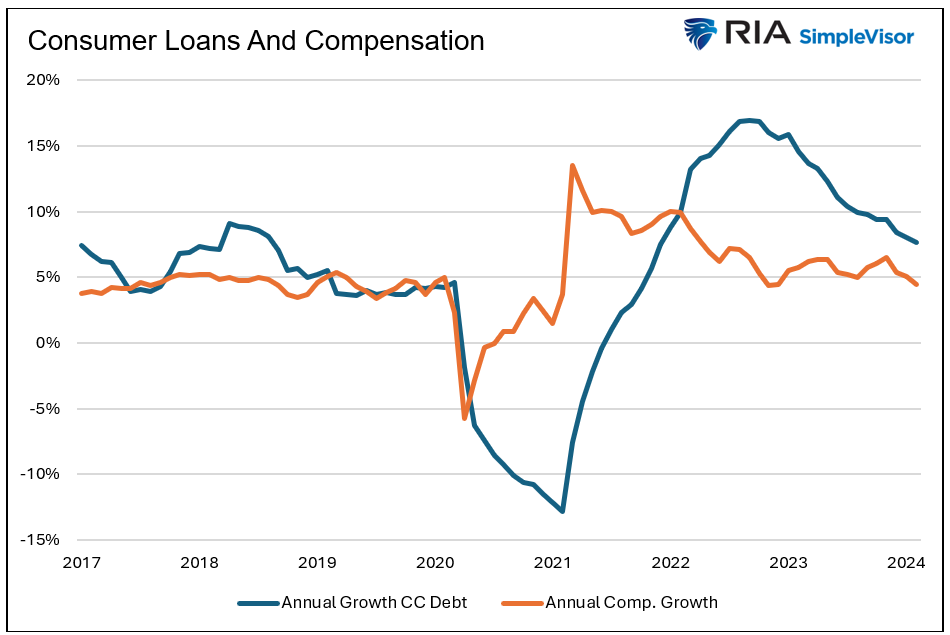
The labor market is the most important leading indicator of consumption, and of the ability of the bougie broke to continue to be bougie instead of flat-out broke!
Franklin Templeton’s Tony Davidow discusses the challenges and opportunities within commercial real estate with Jeb Belford of Clarion Partners.
I love spending time outdoors—except when it’s 20 degrees outside. For me, winter in Boston is a time to focus on self-improvement, whether that’s working on fitness goals or taking a class, so I can enjoy the warm weather when it finally arrives.
Food prices are dragging down feelings about the economy.
Global elections may lean towards nationalist policies that could hinder trade in goods via tariffs, but also boost growth in domestic industries to counter inflationary effects.
REITs have many benefits that make them compelling total return products, including diversification, liquidity, income, and inflation mitigation. Real estate is a complicated space right now, so looking beyond headlines and choosing the right REIT can be challenging for some investors. An actively managed strategy that focuses on publicly traded REITs could unlock opportunities and navigate the real estate market.
Join the experts at SS&C ALPS Advisors to unpack which players in the REIT space have the advantage, and how you can use REITs to boost your portfolio.
Understanding what structured notes are, how they are used, and what types of investors might consider them is key to determining if they are a good investment for an individual’s situation.
Slowly but surely the interest-rate jigsaw puzzle is falling into place. Get ready for the much anticipated shift lower in the global monetary policy cycle by mid-year.
Bank of America Corp. sees little evidence to support the worriers on Wall Street who say the stock market has risen too far, too fast and is approaching bubble territory.
Artificial intelligence bulls are increasingly gravitating toward an ETF that amps up bets on Nvidia Corp. as trading volumes and inflows hit all-time highs.
Underlying US inflation topped forecasts for a second month in February as prices jumped for used cars, air travel and clothes, reinforcing the Federal Reserve’s cautious approach to cutting interest rates.
Bond traders have plenty on their plates the next couple days, even after they absorb a crucial US inflation reading that stands to shape expectations for Federal Reserve policy for months to come.
January's U.S. Consumer Price Index report came in hotter than expected, leading to uncertainty in the markets regarding future interest rate cuts. Market expectations based on overnight index swaps have shifted, with projections now showing higher Federal Funds rates for 2024 and 2025. Despite volatility in both stock and bond markets, strong corporate earnings have helped stocks recover.
We monitor battery prices, elections and market attention on climate resilience for their impact on transition-related investment opportunities and risks. U.S. stocks were mostly flat last week, while 10-year U.S. Treasury yields fell further. Markets still expect the first Federal Reserve rate cut around mid-2024.
Sometimes, and February was one of those times, the information on the U.S. labor market doesn’t make sense. Many argue that government agencies are cooking the books.
In the latest release of the ClearBridge Recession Risk Dashboard, we’ve seen that a particular indicator upgrade was enough to change the overall dashboard—going from red recession to yellow caution—the first time that it’s been yellow since August of 2022.
Although markets expect both the Fed and the ECB to cut rates in June, macro developments could change that forecast.
In a new piece, GMO’s long-term investment strategist Jeremy Grantham reexamines the ‘great paradox’ of the U.S. market.
Though we are still grappling with the post-pandemic shock, throughout last year pundits underestimated the durability of the American consumer.
There has been a lot of theorizing about why so many Americans feel worse off economically. True, real wages are now finally increasing, the labor market is great, the stock market is up, and consumers are spending.
This week, the US bond market faces its own Super Tuesday of sorts: the release of fresh inflation data investors will use to predict when the Federal Reserve will start cutting interest rates.
Valuation metrics have little to do with what the market will do over the next few days or months. However, they are essential to future outcomes and shouldn’t be dismissed during the surge in bullish sentiment.
Forget the artificial-intelligence frenzy — the most-exciting trade on Wall Street right now might just be betting on boring.
Q4 earnings revealed a tale of two markets in the U.S., with tech and internet players hitting home runs as other sectors and industries played small ball in comparison.
In a move aimed at offering voters a pre-election giveaway, UK Chancellor Jeremy Hunt cut national insurance contributions by 2 percentage points in his spring budget. He had previously cut national insurance contributions by 2 percentage points in the autumn budget less than four months ago.
Household wealth in the US increased to a record last year as investors reaped the benefits of a surging stock market and higher home values.
Australia’s QIC Ltd. expects the Federal Reserve to keep interest rates elevated through the year — or even raise them further — as the US economy powers ahead, a contrarian call that’s increasingly gaining traction.
While market pricing looks more reasonable, European Central Bank rate cuts, which could commence in June, are unlikely to be delivered as aggressively as the market expects in 2024.
The idea that “market expectations” tell us anything about the economy’s future is – or should be – in serious doubt. That’s not to say the market is wrong. It just changes its mind so often as to be useless. And most of the time, it changes its mind after the fact.
Super Tuesday was, if I may, super obvious. Former President Donald Trump clinched nearly every delegate that was up for grabs, forcing his Republican challenger, Nikki Haley, out of the race, which all but guarantees his nomination.
When the regional banking woes unfolded in March 2023, we argued that the challenges were not likely to be systemic. We continue to think that the challenges facing regional banks are likely contained, though near-term market volatility is always possible.
The US jobless rate climbed to a two-year high in February even as hiring remained healthy, pointing to a cooler yet resilient labor market.
It’s a year since the failures of Silicon Valley Bank and Signature Bank – and the renewed cries of “never again.” Almost instantly began inquiries to work out who to blame, as well as hurried efforts to tighten banking rules, raise capital demands and enact laws to make executives pay.
The pandemic years transformed wealth in the US, sowing the seeds of a new form of inequality.
Risks are building for bond traders who’ve spent the last couple of weeks adding to bets on Federal Reserve interest-rate cuts this year.
Learn how to engage and tailor approaches for women, addressing unique challenges and priorities in financial planning. Discover insights and resources to actively support female clients, seize opportunities, and shape the future of wealth management for women.
Recessions are part of the economic cycle. No one looks forward to a recession because of the pain it can impose on investors or worse, job security.
Although a strong economy has changed expectations about the timing and magnitude of interest rate cuts, we still see room for the Federal Reserve to cut by three-quarters of a point this year.
While central banks in the United States and eurozone are gauging when to embark on monetary easing, the Bank of Japan will likely hike in April. All three will continue to monitor wages (and their impact on services inflation) and the balance of risks to economic growth.
The Great Resignation is in the rear-view mirror, and the labor market is showing hints of swinging back in the complete opposite direction.
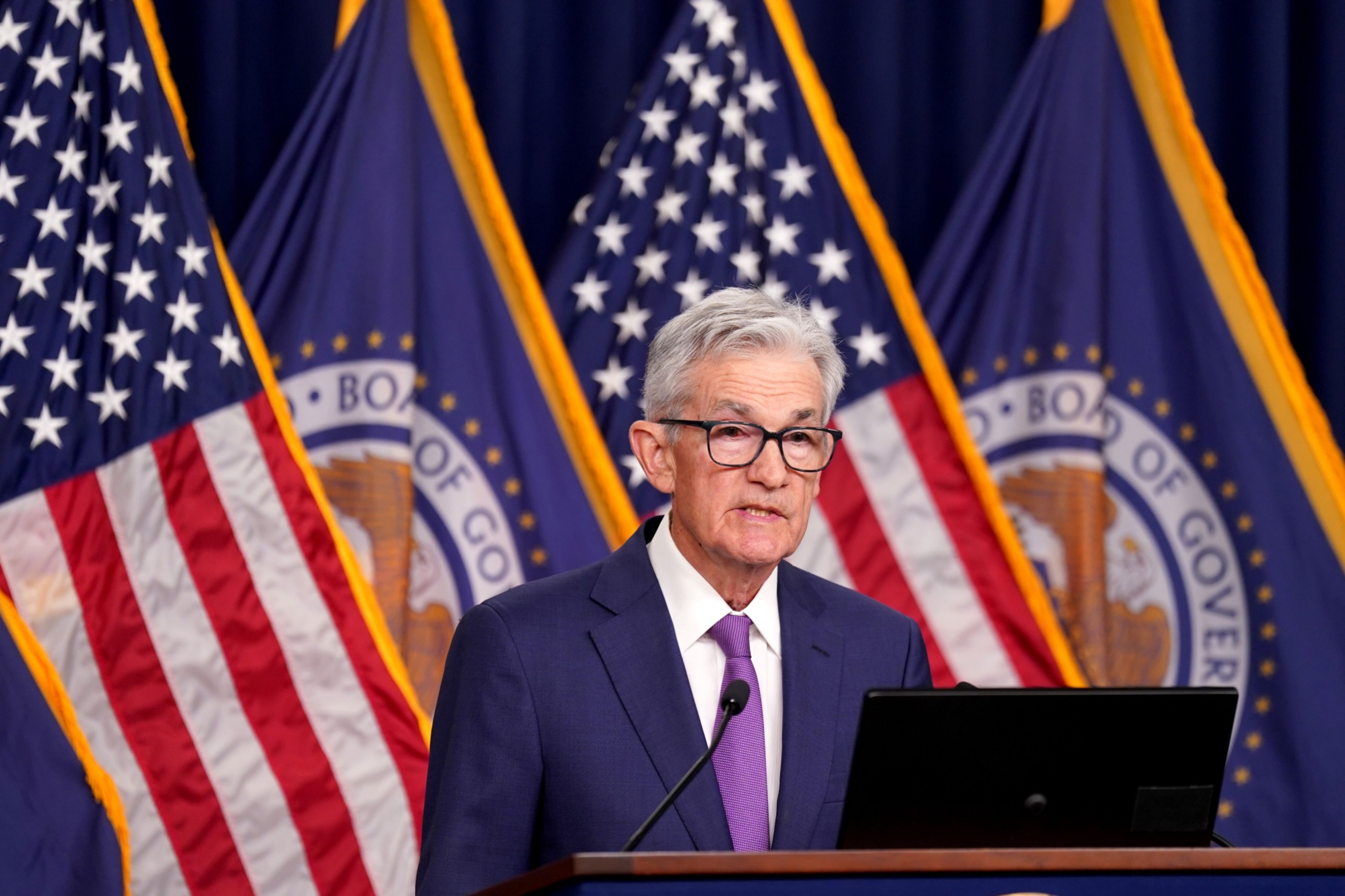
Federal Reserve Chair Jerome Powell reiterated to lawmakers that the US central bank is in no rush to cut interest rates until policymakers are convinced they have won their battle over inflation.
We get granular as the environment for risk-taking is supportive for now. That’s why we like euro area high yield credit, emerging market debt and U.S. stocks.
Japan's prolonged downturn has lessons for other nations at inflection points.
Among the G7 countries, the U.S. economy and its inflation rate, for that matter, are impressive. But when factoring other large economies into the equation, India is the dominant force.