Solo RIAs face a hard truth in 2026: you can absolutely run a lifestyle practice, but standing still while client expectations and competitors scale up is increasingly risky.
A picture is worth a thousand words. What follows, instead of 7,000 words, are seven illustrated examples of what could go wrong with the U.S. stock market or the economy.
Money decisions are rooted in the emotional learning we carry out of childhood. Unhealed childhood trauma quietly drives the way people save, spend, and relate to money.
Unfortunately, most people still don’t start thinking about their retirement until they are in their forties. Better late than never, but I believe there is a massive missed opportunity here.
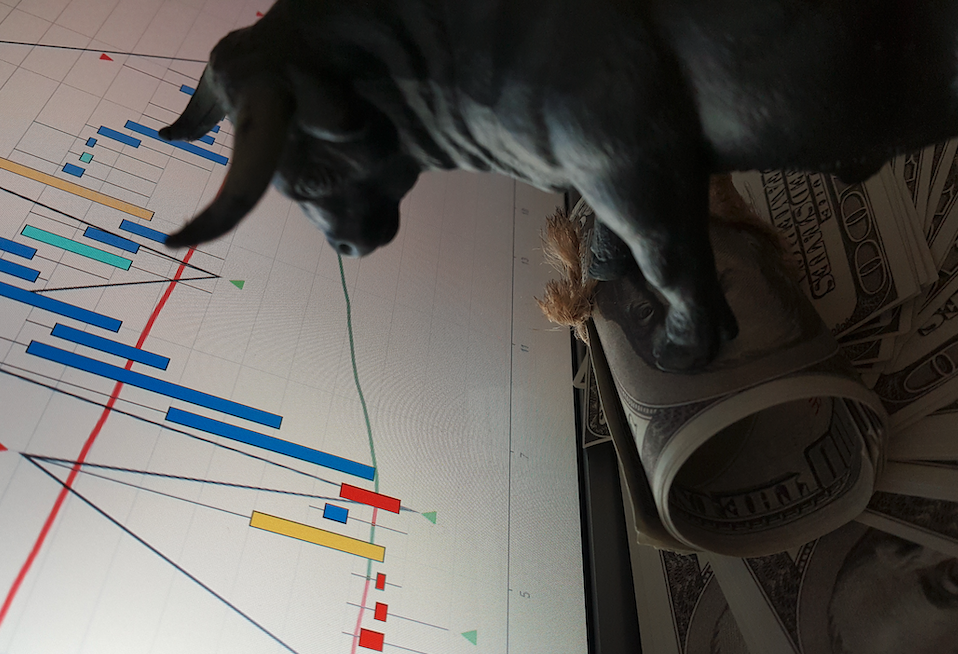
If our ancestors survived two million years of predators, famines, and ice ages, we can survive a bear market. We just can’t let the fear talk us into something stupid while it's happening.
The ALPS Clean Energy ETF (ACES) jumped 9.26% in January as investors turned their attention to the massive power requirements of AI data centers and the infrastructure needed to support them, according to recent ALPS Advisors insights.
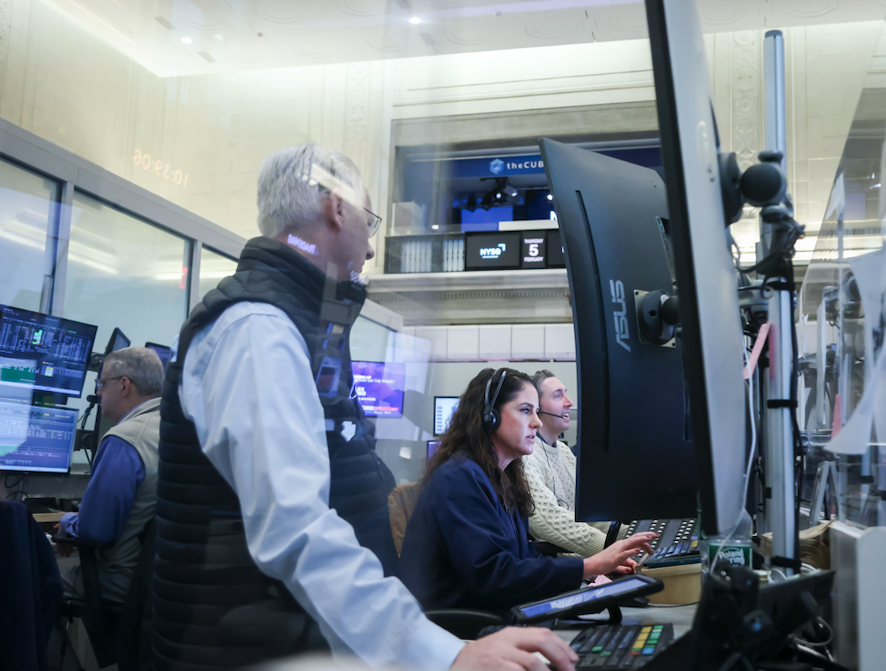
US equity markets are moving more money than ever before, blowing past $1 trillion in shares traded each day as heavy volume becomes the new norm.
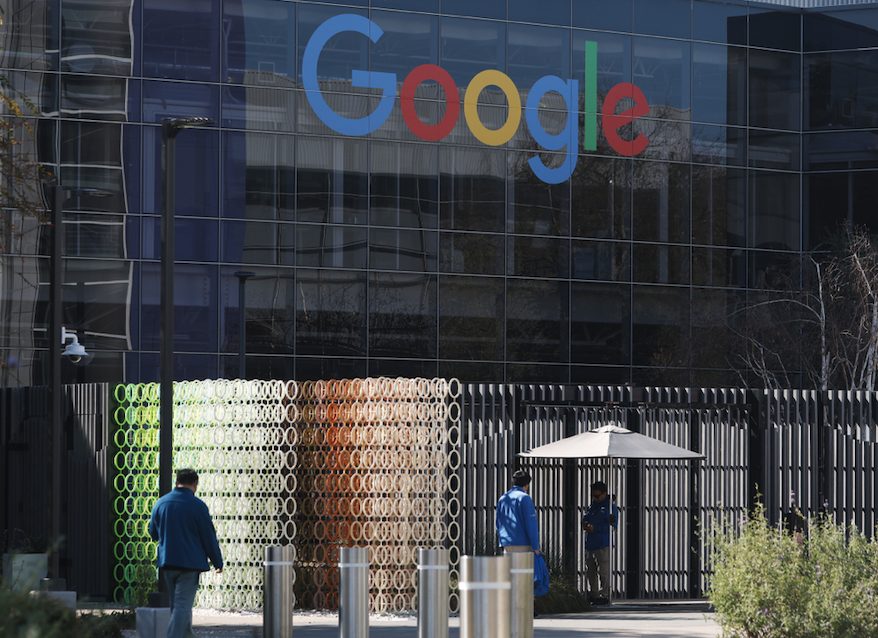
Alphabet Inc. has this week embarked on the next leg of its debt program to meet the voracious funding needs of its artificial intelligence program. Nothing quite signifies global domination like issuing bonds with ease across all of the world’s major bond markets and at a range of maturities, including the ultra-long arena that’s typically reserved for the most favored of borrowers.
For months, investors have been growing increasingly anxious about how artificial intelligence will potentially transform the economy. Last week, those concerns suddenly spilled over into the stock market.
US stocks were muted on Tuesday as investors examined the first of several key economic data releases this week in an attempt to find clues on the Federal Reserve’s interest-rate path.
The tech sector’s once relentless push higher in the US stock market has turned into a topsy-turvy ride, forcing investors to seek calmer waters where stodgy, old-economy companies ply their trades.
Markets may appear orderly heading into 2026 — but beneath the surface, risk and opportunity are becoming increasingly uneven.
Just eight years ago we were celebrating 25,000, which means equities have doubled in less than a decade. By the Rule of 72, that’s roughly a 9% annual return including dividends—nominal, yes, but still a powerful reminder that equities continue to reward patience even through extraordinary volatility, policy shocks, and repeated predictions of recession.
Recent tech headlines have stirred up fresh disruption fears, weighing on software stocks and the sector more broadly. Below, we break down key takeaways from 4Q25 earnings and share our latest views on tech:
Equity valuations are top of mind among investors as we move into February, amid stretched sentiment and positioning and challenging corporate earnings expectations.
2025 turned out to be a year for the ages for agency mortgage-backed securities (MBS), as the Bloomberg U.S. MBS Index registered its best calendar year of returns since 2002. The benchmark index’s 8.58% total return outperformed every major fixed income sector other than high yield (+8.62%) in 2025.
The fund’s outperformance comes as investors debate whether market leadership will broaden beyond mega-cap technology names. While passive index funds must hold all constituents regardless of fundamentals, CNEQ’s structure enables its portfolio manager to concentrate capital in companies they believe are showing accelerating growth.
This past week, I had the privilege of attending the 2026 Harvard Presidents’ Seminar alongside some of the nation’s top executives and thought leaders. One of the most compelling speakers was Ambassador Kevin Rudd, former prime minister of Australia.
For high-net-worth individuals, investing success is not singularly defined by returns. Taxes, often the single most considerable drag on long-term wealth, play an equally critical role. As tax policy continues to evolve, the difference between a reactive approach and a coordinated, tax-aware strategy can be substantial.
The AI spending scare that rattled investors during Microsoft’s earnings call nearly two weeks ago intensified last week as Alphabet and Amazon followed suit. On Wednesday, Google’s parent company reported record annual revenues exceeding $400 billion and a 48% surge in Google Cloud growth.
Dollar positives include relatively high U.S. interest rates and robust growth. But dollar negatives are building. The political will for a stronger dollar isn't there and valuations aren't helping.
Whether you follow Japan or not, its situation is incredibly important for investors because it is a major provider of global liquidity. Instead of being overly dramatic about the slim chance of a near-term Japanese crisis, we prefer to focus on how Japan normalizes policy after years of artificially suppressed interest rates and how that process will impact the yen carry trade.
Interval funds can be a powerful addition to the advisor toolkit. They can broaden access to institutional-style strategies and help build more diversified portfolios for clients who would otherwise be shut out of private markets.
After several years dominated by macro shocks, markets are transitioning into a phase where dispersion, selectivity, and disciplined portfolio construction matter more than broad directional bets.
Is your portfolio too focused on U.S. large-cap stocks? In this episode of ETF of the Week, Chuck Jaffe and Todd Rosenbluth (Head of Research at VettaFi) dive deep into the Vanguard Emerging Markets Stock Index Fund (VWO).
DroneShield’s rising success shouldn’t come as a particular surprise to the investment community. As drones continue to become more of a part of everyday life, both for defense and commercial use, demand will continue to mount for companies and software designed to preserve public safety and mitigate the threat of military drones.
Alphabet Inc. is looking to raise about $15 billion from a US high-grade dollar bond sale, according to people with knowledge of the matter, adding to a borrowing spree by companies at the forefront of the artificial intelligence investment boom.
Hedge funds are betting on more pound weakness as UK Prime Minister Keir Starmer’s future hangs in the balance.
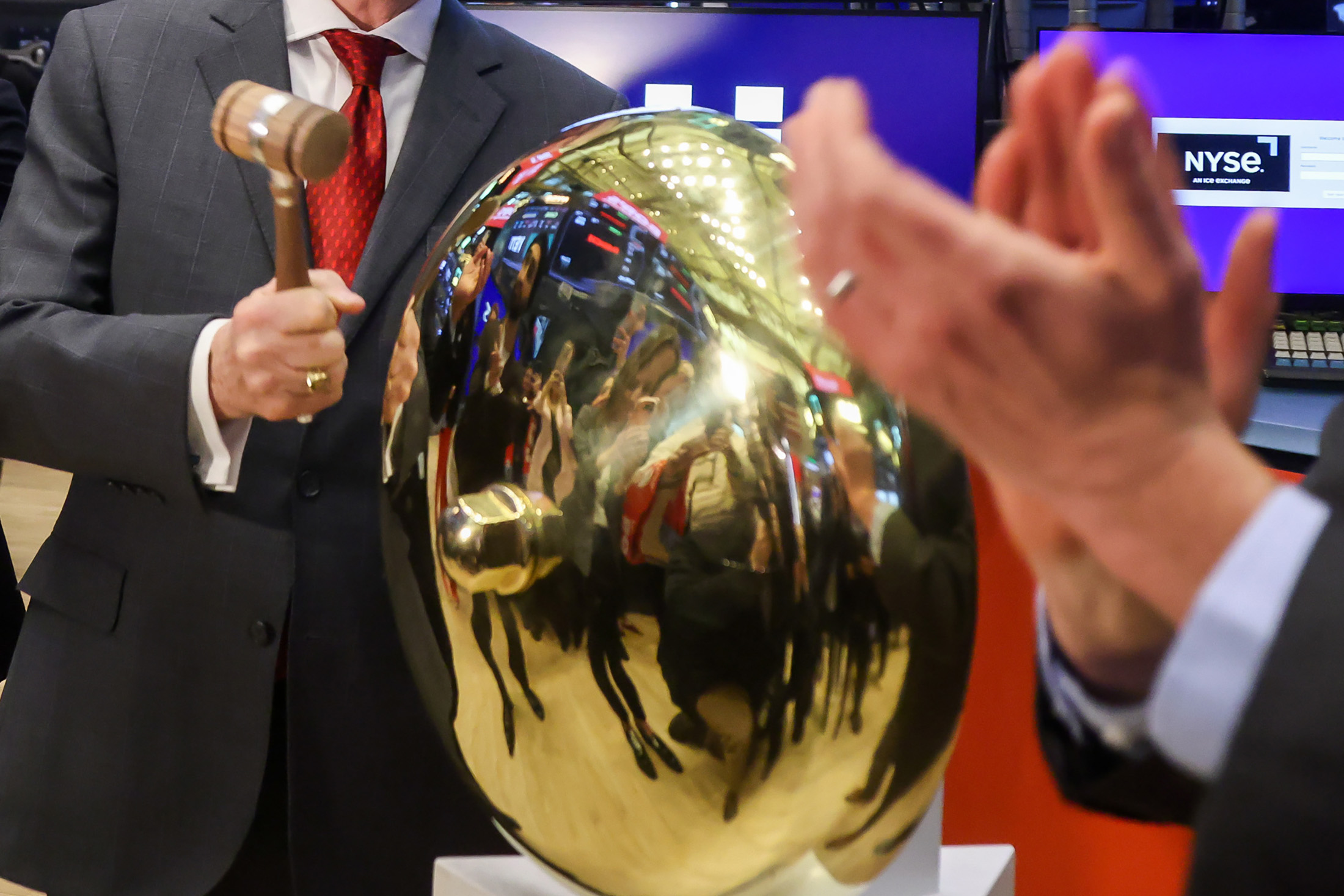
US initial public offerings are poised to rebound this year, Goldman Sachs Group Inc. strategists said, citing tailwinds including a solid economic backdrop, rising boardroom confidence and supportive monetary policy.
Markets are efficient after all. This does not mean that prices are always “correct,” just that they generally reflect the available information. When investors learn that software firms’ products may be displaced by AI, their prices fall, as they did last week.
The Federal Reserve System has a critically important role in the economy, but it is designed to act slowly. The modern economy isn’t slow at all. Things change before Fed officials even notice them, much less understand them. That’s why Kevin Warsh’s nomination as Federal Reserve chair is so important.
For nearly two years, markets were driven by the same speculative narrative that “this time is different.” Speculative narratives are not only seductive but also contribute to investment behaviors that obscure reality. Speculation disguised as investing is a losing proposition.
Chuck Carnevale, co-founder of FAST Graphs, aka Mr. Valuation explains what he believes is the single biggest and most avoidable risk investors face: overvaluation.
The U.S. labor market showed further signs of cooling last week as private sector hiring slowed and job openings reached their lowest levels in over five years.
Buildout of blockchain-based infrastructure is entering a new phase. The focus in 2025 was on stablecoins and their emergence as the cross-over use case that captured interest from both crypto-native and traditional financial participants.
For the last year, any discussion of the obesity-drug market has come with an asterisk: Everything will change once pill versions of the popular GLP-1 drugs arrive. Those potentially cheaper alternative to injectables could mean a larger slice of the millions of Americans with obesity will try out the medicine.
Barely a month into 2026, markets have already weathered multiple bouts of rolling, event‑driven volatility. Geopolitical surprises and policy pivots have triggered sharp price moves from the U.S. to Japan to Europe, from sovereign bonds to currencies to mortgages.
The cryptocurrency market has expanded rapidly, with new technologies and networks gaining traction each year. As the broader crypto market continues to evolve, the leaders of today aren't guaranteed to be the leaders of tomorrow.
After more than a decade of U.S. dominance, the tone has shifted, and investors understandably want to know whether this is a brief rebound—or the start of a new leadership cycle. While we do not time markets or make predictions, we believe long-term investors can benefit from maintaining international exposure by understanding the broader structural forces that have historically shaped these cycles.
Corporate pension funding continues to improve. Market moves over the last five years, both in yields and equity returns, have corporate pension plans at funding levels not seen since before the Tech Bubble.
Monetary policy stayed front and center this week as major central banks kept rates unchanged. What stood out was not the decisions themselves, but how economic momentum is diverging across regions.
The S&P 500 Index is in the midst of a tug-of-war. Companies are beating earnings per share estimates by significant margins and are set to deliver impressive 12% growth this reporting season.
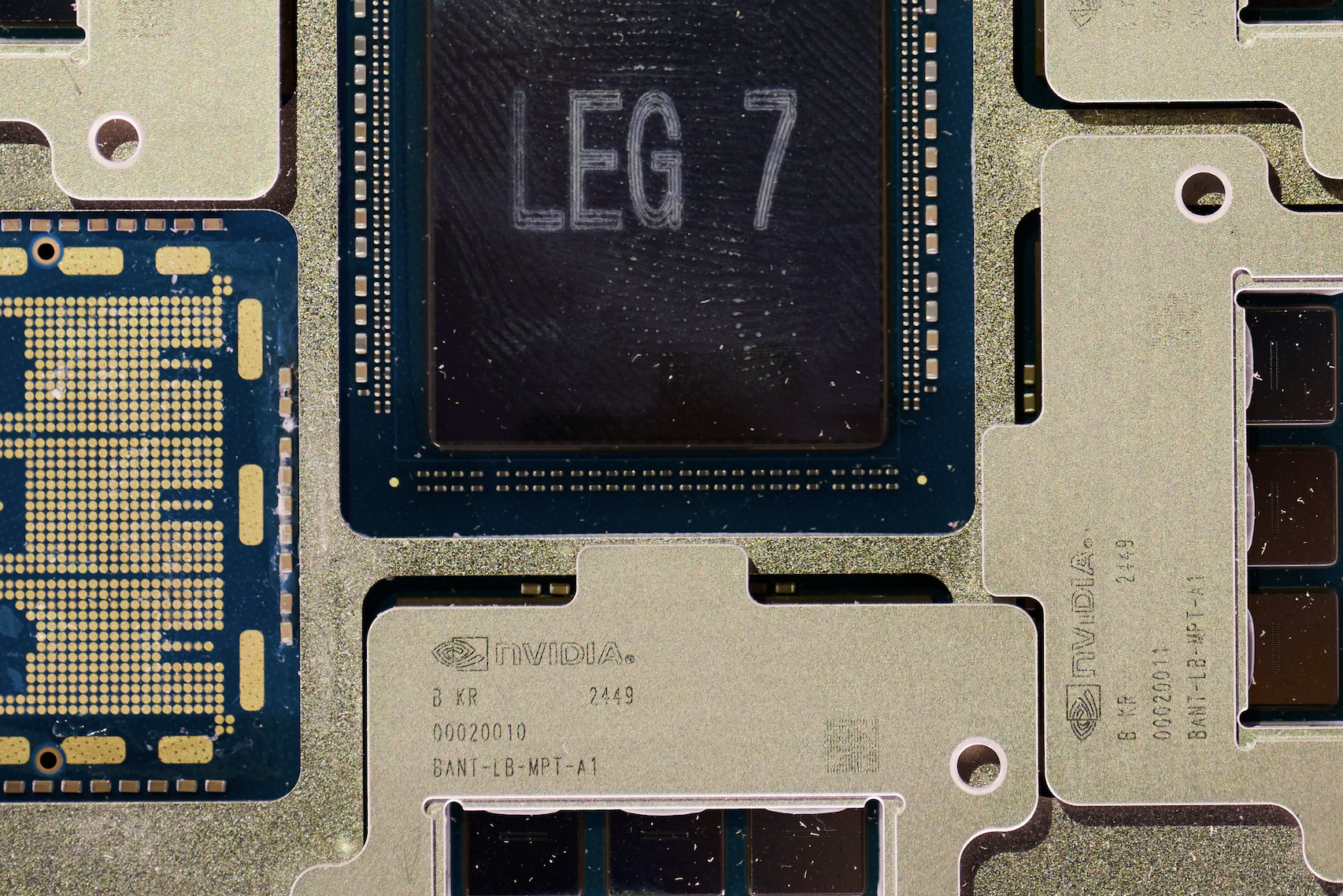
The semiconductor industry will reach $1 trillion in revenue this year for the first time ever, fueled by artificial intelligence and the spread of computer chips to virtually every part of the economy.
If you’re still attempting to make investment decisions without fully integrating geopolitics into your analysis, you’re operating at a significant disadvantage in today’s markets.
Emerging market assets are heading for their worst week in more than two months, after increasingly volatile markets from commodities to technology stocks roiled investor sentiment.
Another signal of earnings strength is the ISM Index. Historically, the Institute for Supply Management (ISM) Manufacturing Index has correlated well with S&P 500 earnings growth because earnings are more manufacturing-driven than the more consumer-oriented economy measured by gross domestic product (GDP).
Vanguard CIO Lauren Wilkinson shares a strategic roadmap for RIAs curious about AI integration for their practice.
Carrie King, Global CIO of BlackRock Fundamental Equities, offers her perspective on these questions and more as viewed through the lens of an active stock picker.
ETF industry and State Street Investment Management leader Matt Bartolini joined VettaFi's Todd Rosenbluth to talk diversification.
Four of the biggest US technology companies together have forecast capital expenditures that will reach about $650 billion in 2026 — a mind-boggling tide of cash earmarked for new data centers and all the gear housed within them.