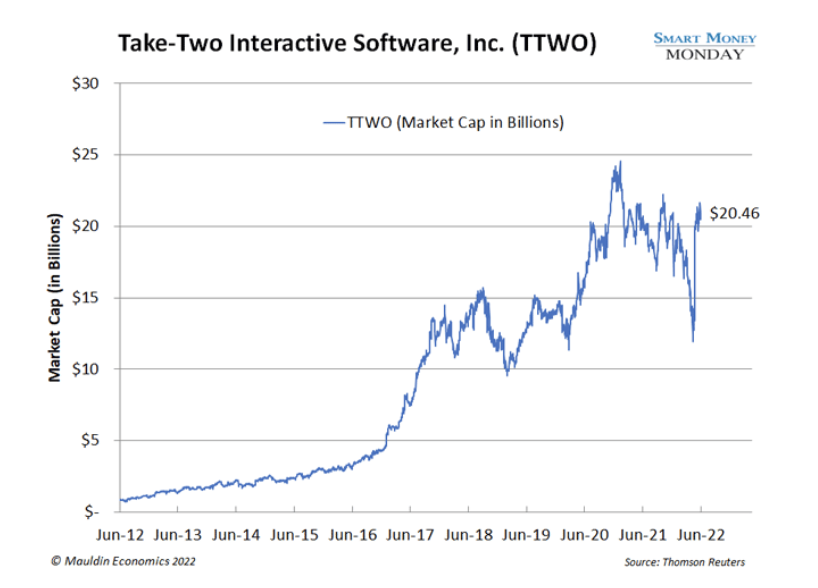
The SPAC market is off to a brutal start to 2022, but a few bright spots with key similarities may point to a way out of the morass -- find solid businesses with room to grow.
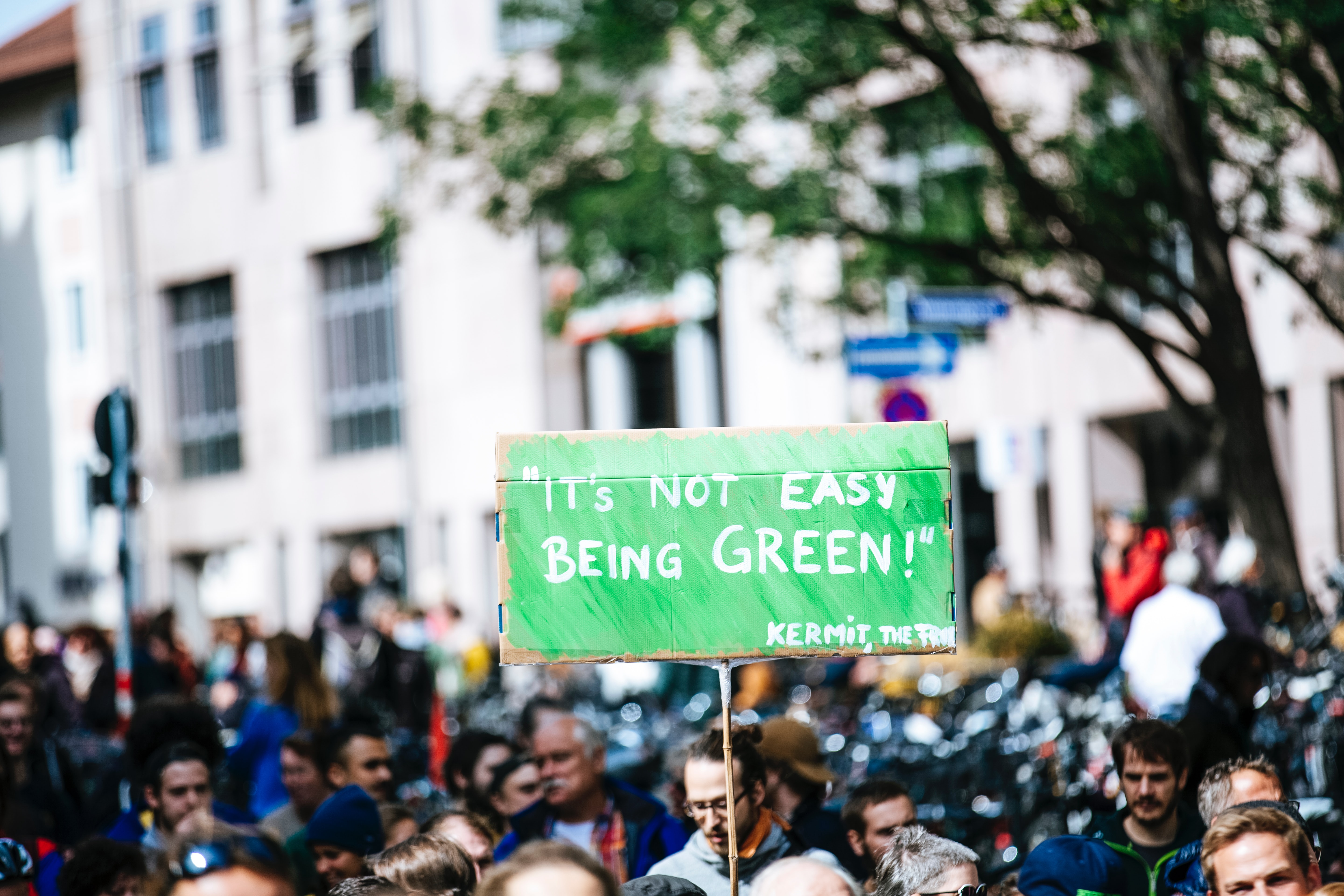
BlackRock Inc.’s greenest exchanged-traded funds have seen a 30% increase in inflows as investors seek out the most credible ESG products amid a wider cooling toward the industry.
As we move into the second half of 2022, there are lots of things to worry about.
Three of my biggest winners have one thing in common…
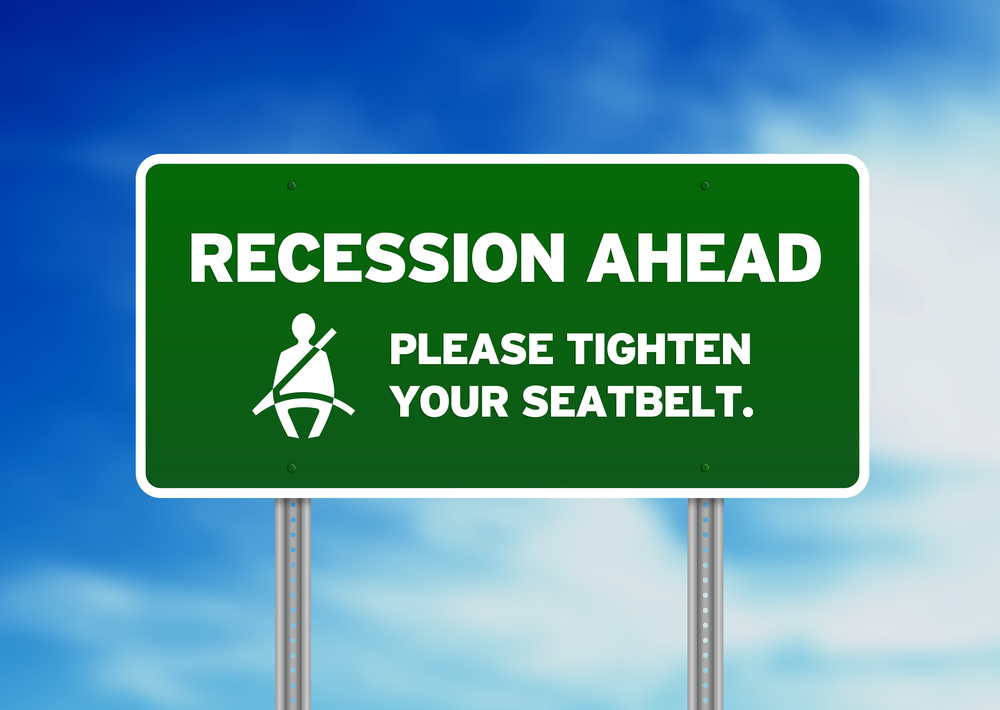
Treasuries began the second half of the year on the front foot Friday as concerns continued to mount that Federal Reserve rate hikes will lead to a recession.
To state the obvious, it has been a good time to be short the market. But the success of bearish traders in 2022 goes beyond luck.
No doubt about it, this has been a very challenging market environment to navigate, and we look to be in for more of the same. The Fed will continue to tighten monetary policy, and the longer the conflict in Ukraine persists, the longer we’ll likely feel the pressure from elevated gas prices.
Let’s start with a basic question. If you have unused property—cash or anything else—why would you lend it to another party?
It took me a long, long time to write The End of Indexing.
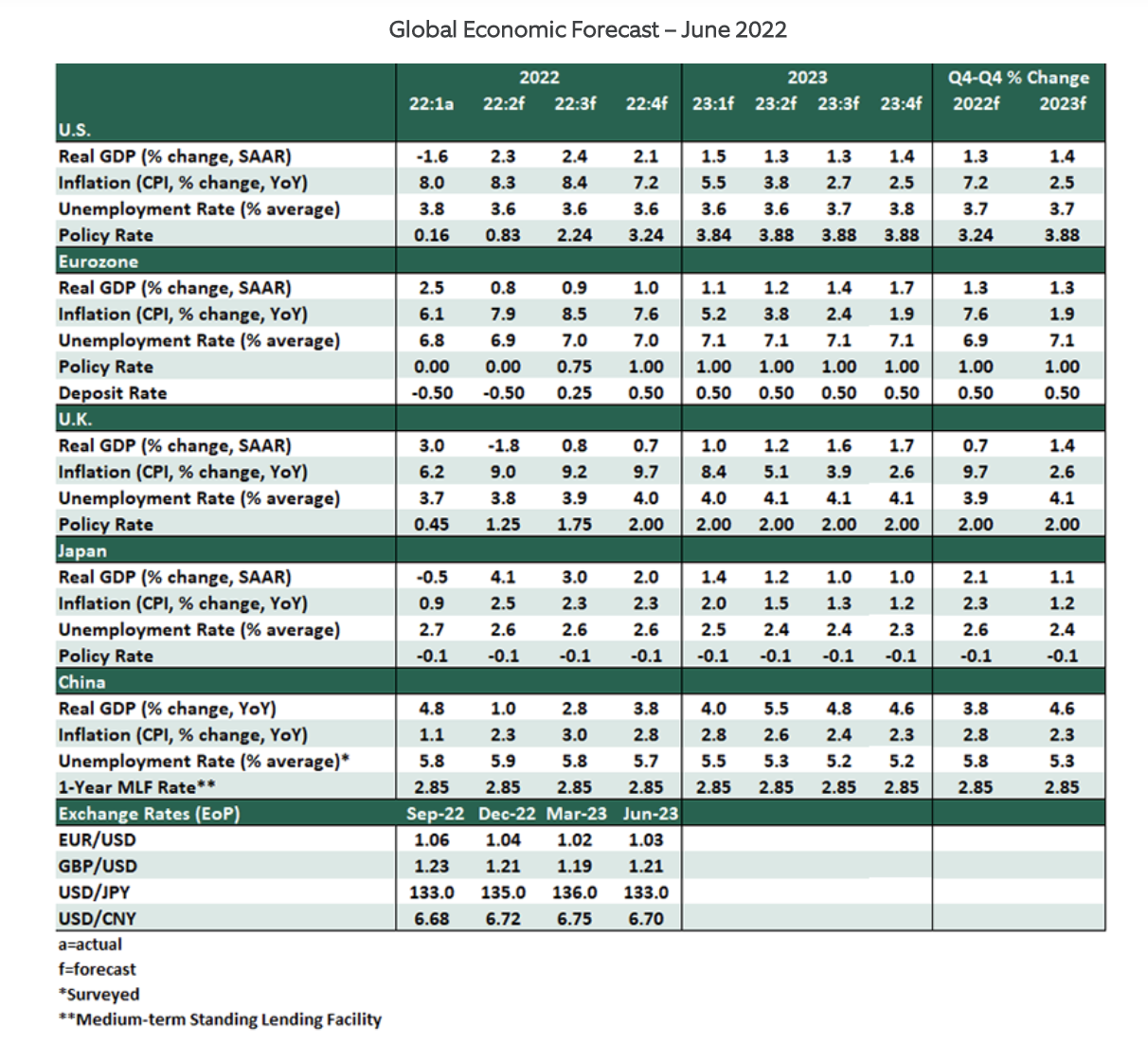
The Northern Trust Economics team shares its outlook for key markets in the month ahead.
Amazon.com Inc. is nearing a deal to broadcast Europe’s top football tournament in the UK for the first time, according to people familiar with the matter, as the tech giant pushes deeper into sports.
In April of this year, the FlexShares team at Northern Trust conducted a survey of more than 500 high-net worth investors who work with financial advisors. The survey asked investors a range of questions about ESG investing including, but not limited to: how much they understand it, why they are or aren’t interested, whether their advisors are recommending it, and how and where they’re learning about ESG investing. My guest today will explain how she and her team used the data to identify trends across different generations, genders, and wealth brackets when it comes to ESG investing.
Recession fears and central-bank tightening are driving market volatility.
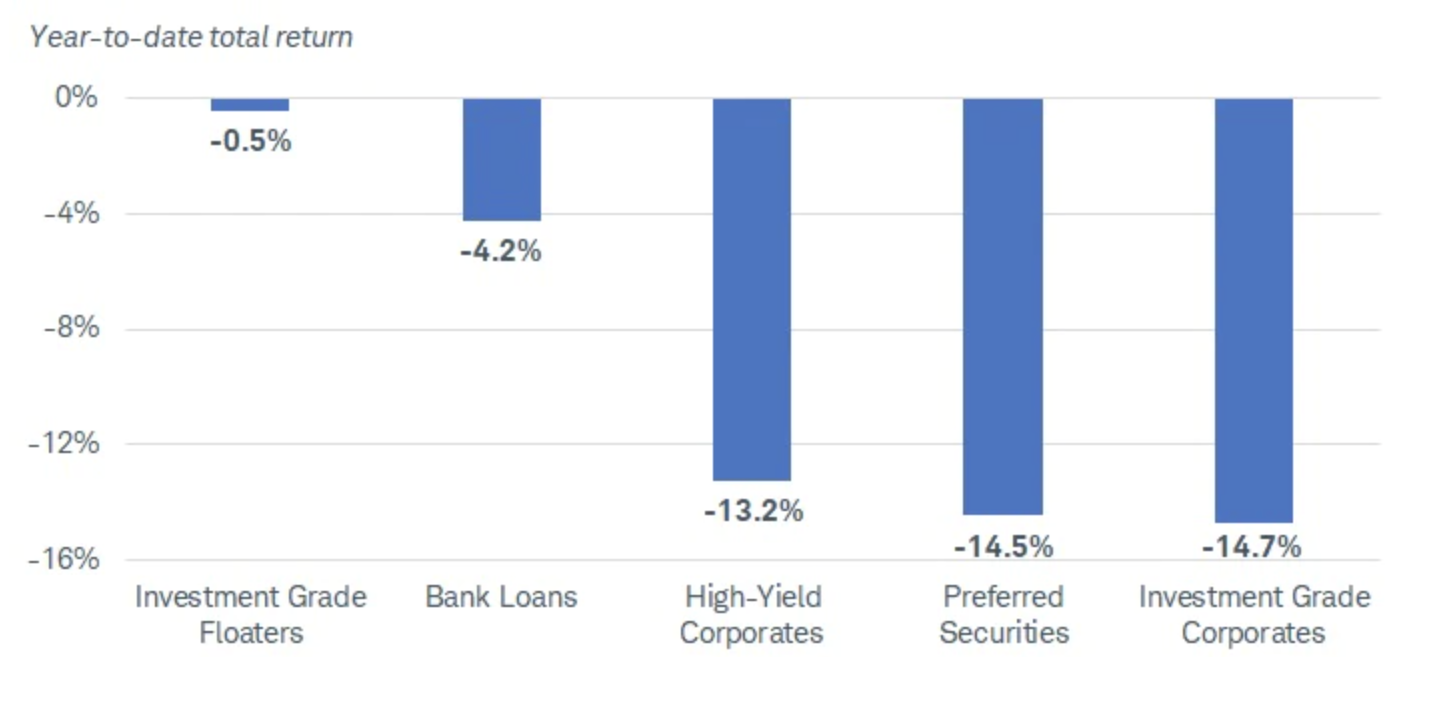
After the steep drop in prices during the first half of this year, yields on many corporate bond investments are at or near 12-year highs.
As I have indicated in recent weeks, I don’t really understand why the media has turned so bearish on the US economy lately, and why so many forecasters are predicting we’re either just about to enter a potentially nasty recession or we’re already in one.
Wall Street analysts are sticking with their bullish earnings forecasts for this quarter, and Morgan Stanley’s Lisa Shalett says they need a reality check.
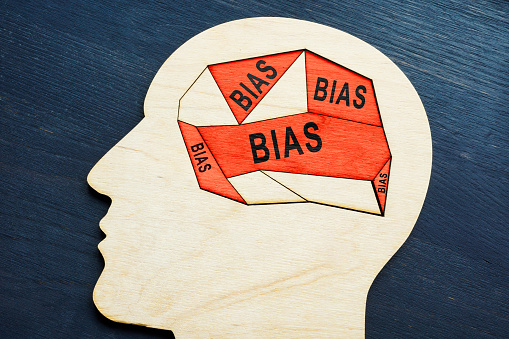
Here are three lessons about the cognitive biases advisors need to be aware of as the trusted protectors of their clients’ financial futures.
If hydrogen is to become a clean fuel of the future, urgent technological solutions are needed to keep it in place and move it at will.
For a generation of alienated techies, crypto's all-for-one ethos was its biggest draw. Now panic is spreading across this universe — and that same ethos is posing what may be the biggest threat yet to its survival.
It’s easy to be carried away: Top banking regulators are hungry for the efficiency, profitability and better service that pan-European banks could deliver.
Latin America tilted further left this week as Colombian voters elected Gustavo Petro as president. Come August, the former Bogotá mayor and member of the M-19 guerrilla organization will join the region’s growing list of leftist leaders in a political shift some are likening to the “pink tide” of the late 1990s and early 2000s.
Interest rates aren’t simply the price of borrowing money. They are also information, providing signals telling economic players what to do. Interest rates are in fact the price of time. Low interest rates don’t value time very much. Bad signals produce bad outcomes… and that’s where we are now.
It may be a cliché, but the phrase “don’t fight the Fed” worked well for investors during the long period when the US central bank was suppressing interest rates and seeking to boost asset prices. This year, not so much.
Delegates at the second annual Qatar Economic Forum, from Tesla Chief Executive Officer Elon Musk and Nouriel Roubini to Atlas Merchant Capital’s Bob Diamond and StanChart’s Bill Winters, warned the US was heading toward a recession.
Lifetime income solutions are high on the wish lists of defined contribution (DC) plan participants, with the certainty of a guaranteed lifetime income stream ranking as the top feature in our surveys over the past decade.
We became bullish about stocks once mark-to market accounting was fixed in March 2009.
Here’s how to position yourself for a lifetime of relationships by creating better touchpoints with a client’s family.
China’s chip industry is growing faster than anywhere else in the world, after US sanctions on local champions from Huawei Technologies Co. to Hikvision spurred appetite for home-grown components.
Elon Musk confirmed the salaried workforce at Tesla Inc. would be cut by about 10% over the next three months.
The yellow metal has managed to stay positive since the start of the year, skirting pressure from surging yields and a strong U.S. dollar. Meanwhile, nearly every other asset class has fallen into either correction or bear market territory.
The world’s central bankers are unleashing what may prove to be the most aggressive tightening of monetary policy since the 1980s, risking recessions and roiling financial markets as they rush to tackle the surge in inflation they didn’t see coming.
We hit a milestone just recently, although it’s certainly not one we wanted to hit.
The equity-linked debt of some of the pandemic’s darlings has plunged to record lows and is now considered distressed.
The better ARK performed, the more money flowed into its main ETF, ARKK. It used this money to buy more sci-fi ARKK stocks, pushing up the prices of its holdings. This created a vicious cycle that has now reversed.
The most consequential decision an advisor will face is transitioning to a new broker dealer. It will affect the products they can sell, the service their clients will receive, the support they will have in running their practice, and ultimately how they will be compensated. My guest today will discuss how those transitions are being navigated by advisors who are seeking better outcomes for their clients.
For as long as the market allows, brokers, lenders, and investors are cashing in on the real estate boom in America’s prime vacation spots.
I can smell the beach, sunscreen and hot dogs.
With the Federal Open Markets Committee due to meet Wednesday, there was no way policy makers could guide the market on how last week’s awful inflation data for May had changed their plans.
Complaining about federal debt is a time-honored American tradition. Remember Ross Perot and his hockey-stick charts? Then there was Harry Figgie’s 1992 best-selling book, Bankruptcy 1995. It was quite a sensation at the time.
Sedans are a rarity and electrics even more so. That’s even as pump prices are surging.
Rarely have market prognosticators disagreed by such a broad margin on the path forward for inflation and the Federal Reserve’s efforts to fight it.
How many billionaires are there in the United States?
Howard Marks’s latest memo explores recurring investment themes to contextualize the current market correction and the bull market that preceded it. He discusses the role played by financial innovations like SPACs and cryptocurrencies and why he believes psychology, not fundamentals, primarily drives investment cycles – and likely always will.
The ECB and the Fed both need to quickly normalize policy from the emergency settings adopted when the pandemic first hit.
US workers can’t quit quitting.
On the latest edition of Market Week in Review, Director of Investment Strategies, Shailesh Kshatriya, and Director of Institutional Investment Solutions, Greg Coffey, discussed the recent PMI (purchasing managers’ index) readings from China and the U.S.
U.S. equities are lower as the recent volatility continues despite yesterday's gains.
JP Morgan CEO Jamie Dimon caused a stir lately when he talked about a "hurricane" hitting the US economy.
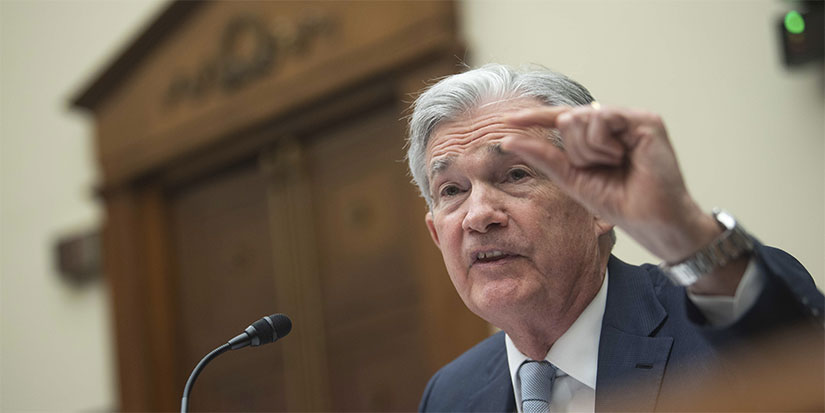
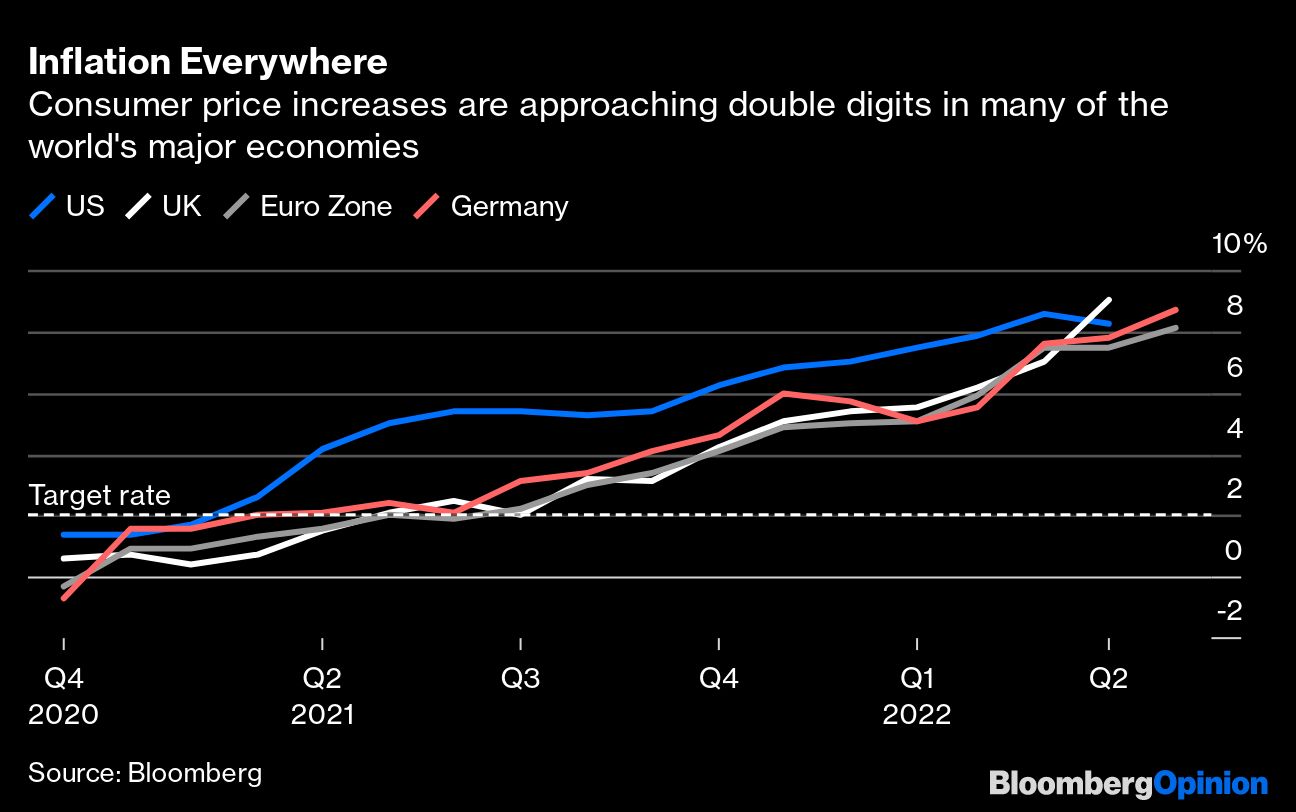
The Federal Reserve, the European Central Bank and the Bank of England all preside over inflation rates that have surged to quadruple their 2% targets. One of their brethren is highly skeptical of their chances of success in calming price increases.
Investors are shifting their focus from runaway inflation to slowing global growth as central banks hike rates to tame price pressures.