Stocks have rebounded since the White House delayed steep tariffs that were announced in early April, but trade policy remains a potential driver of volatility.
The House Ways & Means Committee advanced a comprehensive tax bill this week. Our Bill Cass discusses the key provisions and how they may impact taxpayers.
While April brought further welcome news on the inflation front, underlying consumer fundamentals painted a more concerning picture.
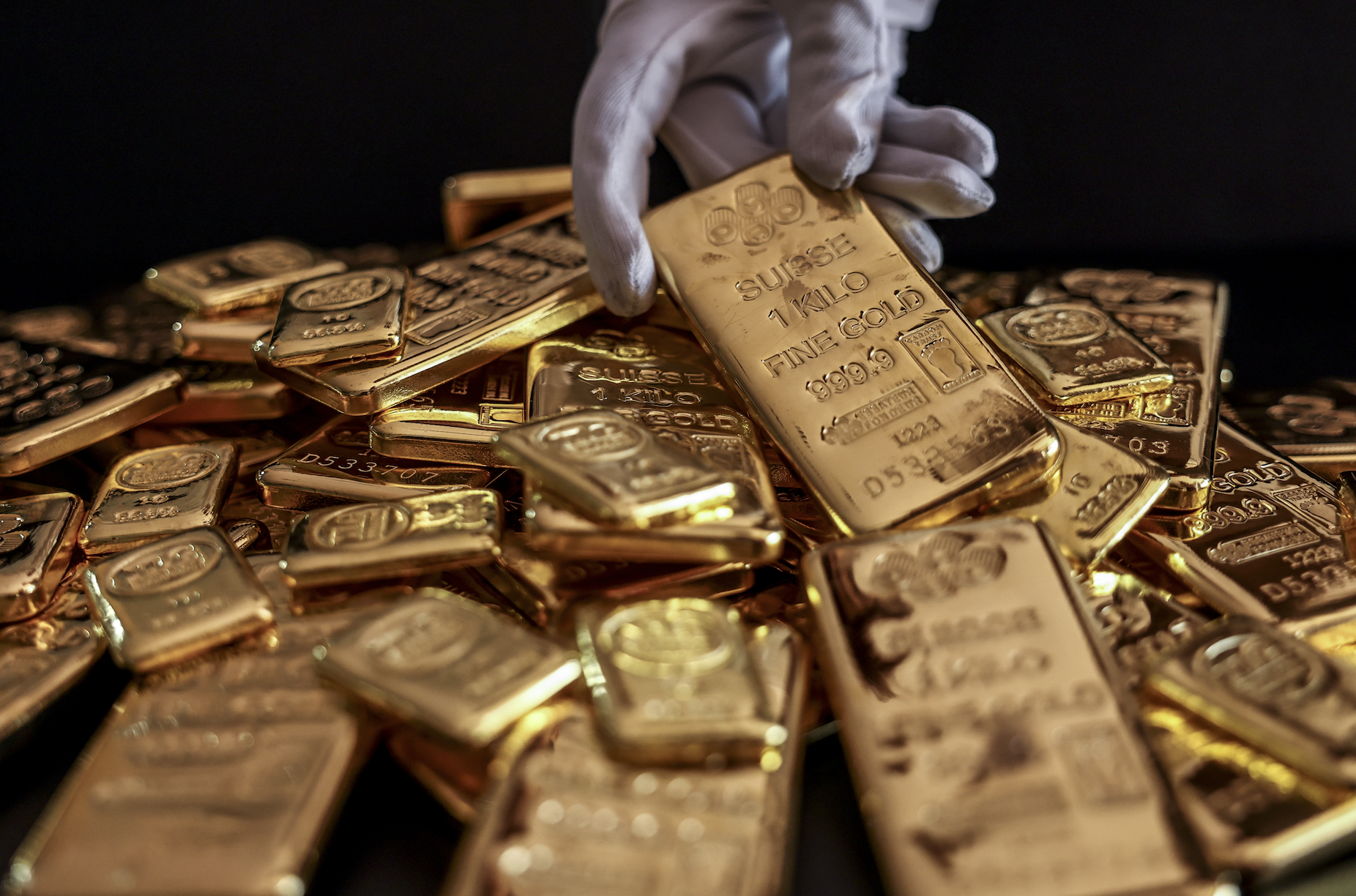
A recent Gallup poll shows gold just passed stocks as Americans’ favorite long-term investment. We explore why it might deserve the top spot.
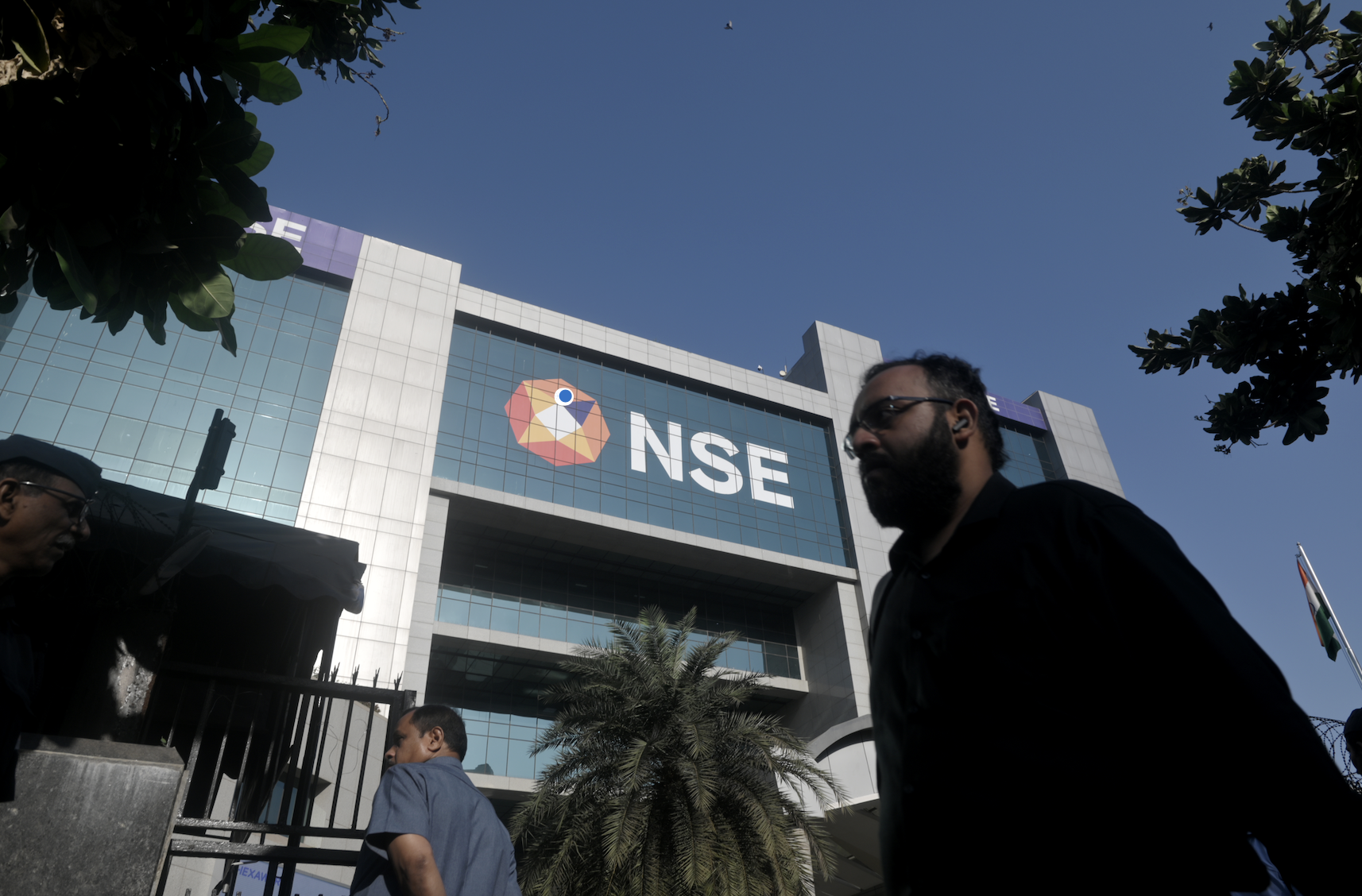
Global funds are pouring money back into India, driving billion-dollar corporate financing deals and sending stocks prices to near a seven-month high, as investors bet that Asia’s third-largest economy can emerge as a winner in President Donald Trump’s trade war.
The share of outstanding US consumer debt that’s in delinquency rose in the first quarter to the highest in five years, reflecting an end to the pandemic-era pause on reporting delinquent student loan payments on credit reports.
The 90-day reduction on tariffs between the US and China is a positive development, but some questions remain.
So far in 2025, markets have had plenty to absorb: the Trump administration’s tariffs, Germany’s latest investment commitments, the implications of the DeepSeek moment, and escalating military conflicts (now including one on the India-Pakistan border).
While the CPI has dipped close to the mythical 2 percent target, core CPI remains elevated.
We maintain a focus on resiliency as elevated yields within high quality fixed income continue to offer attractive opportunities.
Despite the announcement of new tariffs, long-term inflation expectations—as measured by the 5y5y inflation rate—have remained stable
Gold steadied as investors pulled away from risky assets and waited for more clues on the Federal Reserve’s rate path.
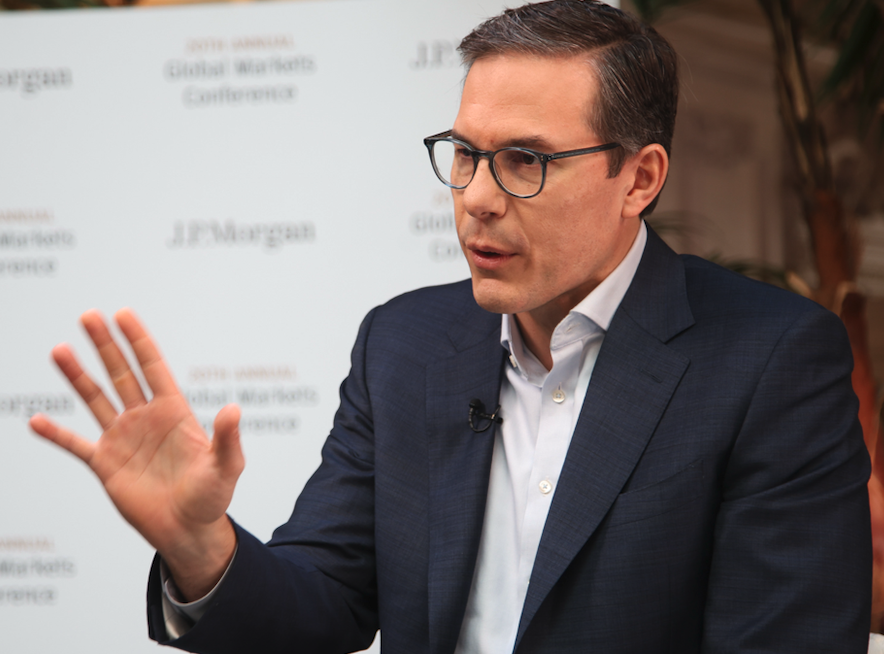
JPMorgan Chase & Co.’s chief of global markets strategy said the US could dodge a recession as the probability of that scenario has decreased following better clarity over global trade.
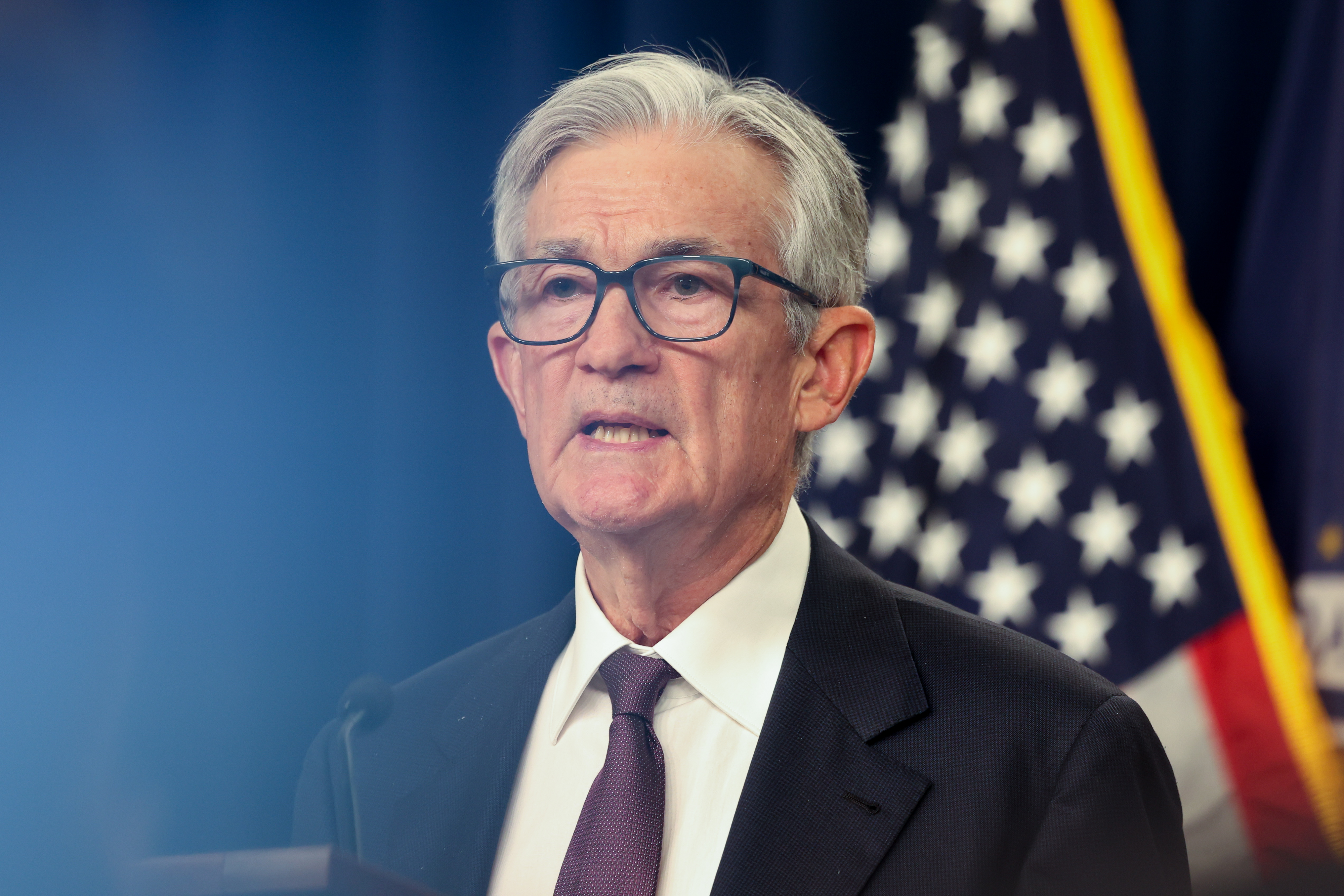
Federal Reserve Chair Jerome Powell said policymakers are weighing changes to key parts of the framework that guides their monetary policy decisions, including how they think about shortfalls in US employment and approach their inflation target.
Our overarching theme for U.S. fixed income has been, and will continue to be, based on the premise that interest rates will stay at more historically “normal” levels, but that, within this backdrop, investors will face heightened volatility.
By the end of April, the S&P 500 rallied its way back, recovering nearly all the declines notched in the opening days of the month when President Trump's "Liberation Day" tariff plans tipped markets towards bear territory.
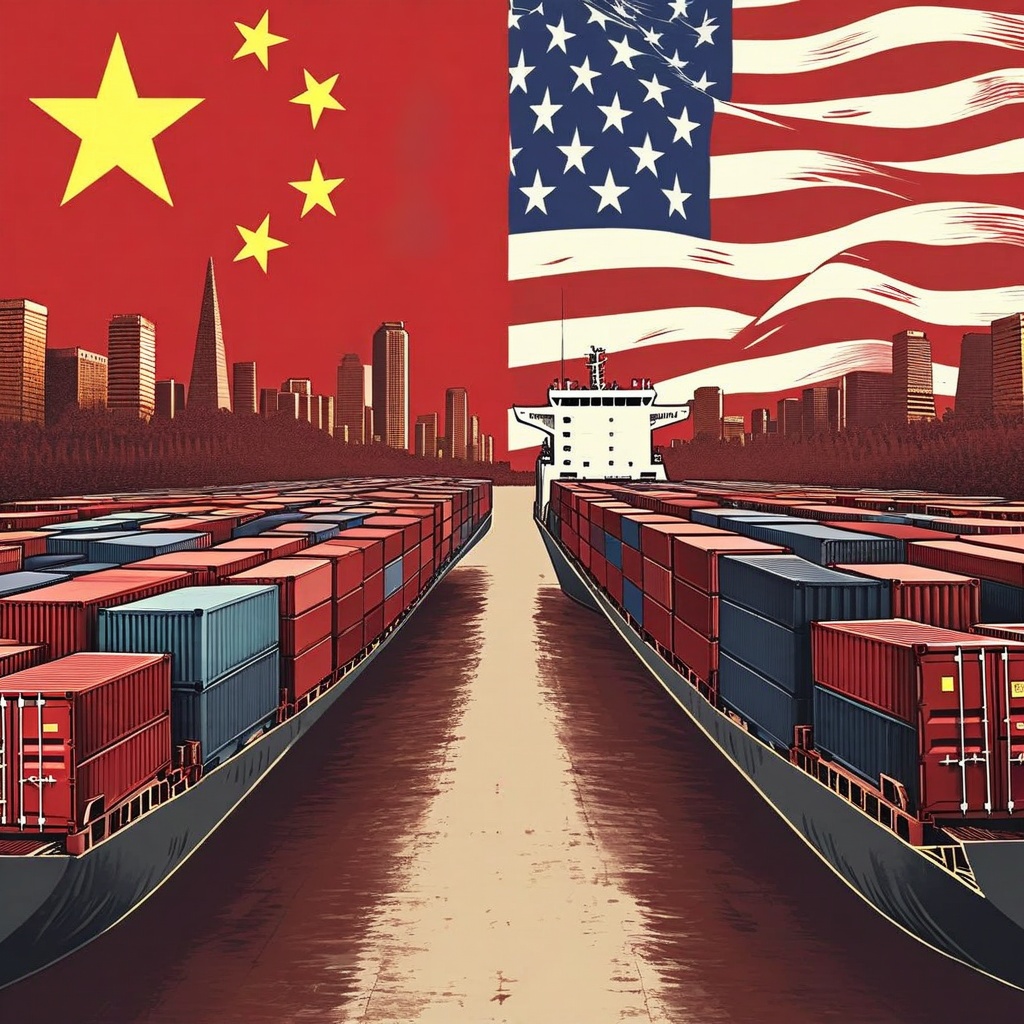
China has been a focal point of American trade policy for many years, but tensions were escalated early in the second Trump term.
Emerging market equities and bonds could benefit if the US dollar weakens—a possible scenario amid tariff turmoil.
Explore the performance journey of the S&P 500, Nasdaq, and Dow Jones since their peaks in 2000. This video analyzes how these key U.S. stock market indexes have navigated over two decades of economic shifts and technological change, revealing their distinct paths through April 2025.
The agreement between the US and China to roll back their respective tariffs for 90 days has led to renewed optimism that the worst of America’s trade wars is over.
Retail investors have won again. When trade tensions flared in early April and about $6.6 trillion in market value vanished from US stocks in just two business days – the fifth-worst two-day drop since the S&P 500’s creation in 1957 – they didn’t panic.
Flows of gold into Asian ETFs exploded in April, driving global ETF gold holdings higher for the fifth straight month.
The surprisingly large reduction in mutual tariffs between China and the U.S. announced early Monday morning has sent the markets flying. Trump has softened his approach dramatically and markets are expecting future deals. The base case: everyone at 10%, China at say 20% is still a jump, but at least will likely prevent a recession. Trade and tariffs remain the main focus for markets.
The more duration risk taken, the more reward or yield demanded by investors. This is why, historically, the yield curve provides incrementally more yield for longer-maturity bonds.
In the report, Portfolio Managers John Kerschner, Nick Childs, and Thomas Polus highlight three reasons why agency mortgage-backed securities (MBS) look attractive in the present environment.
In 2025, liquidity is not a background variable — it's a front-line risk factor, one that’s being tested repeatedly as global markets navigate a web of geopolitical uncertainty and macroeconomic signals.
The price of Wegovy, Novo Nordisk’s blockbuster weight-loss drug, is $1,349 a month in the US; in Germany, it’s $328. The US price for Keytruda, a cancer treatment, is $191,000 a year; in Japan, it’s $44,000.
Companies are launching a number of debt deals designed to pay out a dividend to their private equity owners, at a time when buyout firms are under pressure to return money to clients.
US inflation rose by less than forecast in April amid tame prices for clothing and new cars, suggesting little urgency so far by companies to pass along the cost of higher tariffs to consumers.
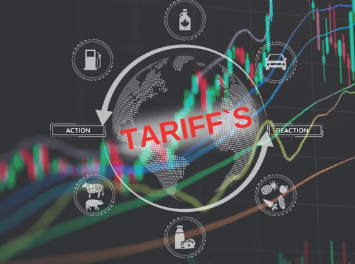
The early-April announcement of a broad new round of tariffs against virtually all U.S. trading partners—followed by a pause for many of them—has triggered a tidal shift in the global economy. Uncertainty created by tariff negotiations, as well as burgeoning federal debt levels and other ongoing concerns, has far-reaching economic implications, leading us to reassess our 2025 outlook.
China and the U.S. conducted their first formal trade talks of 2025 over the weekend. And on Monday, May 12, they announced the outcome of their negotiations.
For my entire decades-long career in capital markets, I’ve made the case that gold is not just a shiny relic of the past, but a serious, strategic asset for modern investors. After years of pounding the table, it feels pretty good to say that the world’s central banks—and now the U.S. banking system—are finally catching up.
With the latest Fed meeting leaving rate cuts in doubt, advisors might want to look to active managers to navigate the fixed income space.
Chief Economist Eugenio J. Alemán discusses current economic conditions.
As the effects of US import tariffs begin to emerge, we shift our stance on equities to underweight.
In the report, Portfolio Managers Andy Acker and Dan Lyons say that despite growing policy uncertainty, plenty of healthcare companies have managed to put up big returns.
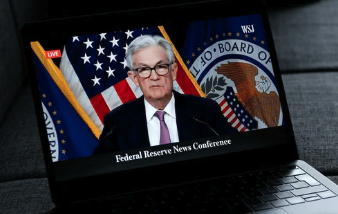
In a rare moment of honesty, Federal Reserve Chairman Jerome Powell admitted he and his fellow central bankers don’t know what they’re doing as they wrapped up the May Federal Open Market Committee (FOMC) meeting.
Bonds and stocks falling together stirs painful memories of the 2022 inflation surge. This time, trade and tariff uncertainty is to blame, along with a dose of questioning the Fed’s independence.
Last week featured a light economic calendar, with the Fed holding its benchmark interest rate steady for the third consecutive meeting.
At Wednesday’s press conference, Chair Jay Powell signaled a wait-and-see approach, as the Fed keeps a close eye on inflation pressures and the job market.
China drove the surge in retail investment demand, charting the second strongest quarter on record.
The culture clash between Bitcoin enthusiasts and gold bugs is about to be played out in the world of exchange-traded funds.
Fed officials remain patient, likely awaiting hard evidence of a weaker U.S. labor market before considering rate cuts.
The Fed held the federal funds rate steady but noted that the risks of slowing economic growth and higher inflation have risen.
As investors wait for updates on trade deals during the pause in tariff implementation, the focus for many has turned to economic growth and the conflicting data surrounding it.
The Federal Reserve held rates steady today, while emphasizing that elevated uncertainty has clouded the path forward. If, when, and how much tariff policy will change in the months to come will play a large part in dictating the next move for the Fed.
Elite golf is a mental game as much as physical—and so is investing. This year’s Masters tournament was one of the most compelling I have ever witnessed, and Rory McIlroy’s long-awaited playoff victory contains a number of life lessons that are relevant for investors.
Once again, the Federal Open Market Committee (FOMC) decided to keep rates unchanged at today’s meeting, leaving the Fed Funds trading range at 4.25%-4.50%, keeping the level for overnight money 100 basis points (bps) below last year’s peak reading.
The current geopolitical climate has injected an extra dose of unpredictability into the economy.
Currently, the Three Tactical Rules are a “flashing yellow light” - a roughly neutral rating which represents a slight downgrade.