Treasury yields have dropped as weak economic data suggests the Federal Reserve may begin cutting the federal funds rate target earlier than previously expected.
With 10-year Treasury yields having retreated noticeably in recent weeks, there’s a sense that things could be turning for the better in the bond market. Should that sentiment prove accurate, it could invite renewed risk appetite in select corners of the fixed income space.
In an economic environment characterized by rising interest rates and a forecasted slowdown, the fixed income asset class has emerged as a beacon of opportunity.
Higher interest rates and inflation are likely to usher in a decade of policy restraint, limited liquidity and macro volatility, pressuring equities and motivating investors to reconsider tactical asset allocation and embrace real assets.
Is the bond bear market finally over? That is the question everyone is asking now that bond prices rallied sharply following the November FOMC policy meeting.
Morgan Stanley’s strategists see US stocks and bonds outperforming their emerging markets peers next year, according to a note to clients.
Emerging-market borrowers are piling back into global bond markets, selling about $20 billion in dollar notes in just a few days, all too aware that the window of opportunity may snap shut as suddenly as it opened.
Worries about an economic downturn aren’t enough to dissuade market participants from being bullish on risky debt as their top contrarian trade, according to the latest Bloomberg Markets Live Pulse survey.
Still doing “T-bill and chill”? As a strategy, rolling Treasury bills may have worked well so far this year, but history suggests it’s time for municipal bond investors to get off the sidelines and back into the market—and soon.
Wall Street’s so-called Magnificent Seven has been living up to its name again, but none more so than Microsoft Corp.
The doves lined up last week guiding the S&P500 up 5.85%, marking the best week of performance for the year. A busy week of data began with the quarterly refunding announcement from the Treasury.
We’ve always intended for the unique collaboration between AllianceBernstein (AB) and Columbia University to serve the broader asset-management industry. Asset owners and managers alike are eager to explore the complex issues of climate change and its potential effect on investments and investment decision-making.
The bond market giveth and the bond market taketh away. The S&P 500 Index closed in the red Thursday, blowing its widely-hyped chance at a nine-day winning streak, which would have been its best run since 2004.
Credit risk will replace interest-rate risk as the market’s “big fear” next year, according to Mohamed El-Erian.
Federal Reserve Chair Jerome Powell said the US central bank will continue to move carefully but won’t hesitate to tighten policy further if appropriate.
It’s the buzz word on Wall Street and in the hallways of the Federal Reserve and Treasury Department. It’s blamed for triggering bond selloffs, shifts in debt auctions and interest-rate policy.
Our Franklin Templeton Fixed Income CIO Sonal Desai sees this market reaction as an excess of exuberance that sets the stage for more volatility. She shares her latest insights on the policy outlook and the implications for investors.
The potential for a Fed pause presents an opportunity for investors to consider adding duration back into their portfolios. In this market regime, we believe duration serves well as hedge and equity diversifier.
The S&P 500’s best week in a year was driven by investors locking in profits on bearish bets, suggesting little room for further gains, according to Citigroup Inc. strategists.
The direction of interest rates was the biggest factor moving markets in the third quarter. Sentiment on technology stocks appeared to shift. Money market assets reach historic high, but returns lag stock market.
Geopolitical factors and higher-for-longer interest rates have taken the steam out of 2023’s equities rally the past few months. But the recent rate pause could clear the path for gains in the S&P 500 for the remainder of the year.
The 2- through 30-year Treasuries rallied hard to drop yields from 12 to 18 basis points. By example, the 10-year Treasury price bottomed out at $91.86 (4.93%) and peaked at $95.25 (4.48%). This is a 3.4-point price swing or 45 basis point drop in yield.
Given the likelihood that economists are again myopic in their inflation forecasts and bond traders are betting on such projections, I see a day soon when a disinflationary or deflationary reality hits the bond market and bond yields plummet.
Everything in the world is relative, including Warren Buffett’s cash position.
The average 30-year mortgage rate plunged last week by the most in more than a year, helping generate the biggest advance in home purchase applications since early June.
Hoisington Investment Management Co. was pummeled by its bullish stance on US bonds in recent years, driving its Treasury fund to some of the industry’s biggest losses as the Federal Reserve’s rate hikes sent prices tumbling.
Pay enough attention to small-cap stocks and ETFs as of late and it’s easier for even novice investors to identify at least two prominent points.
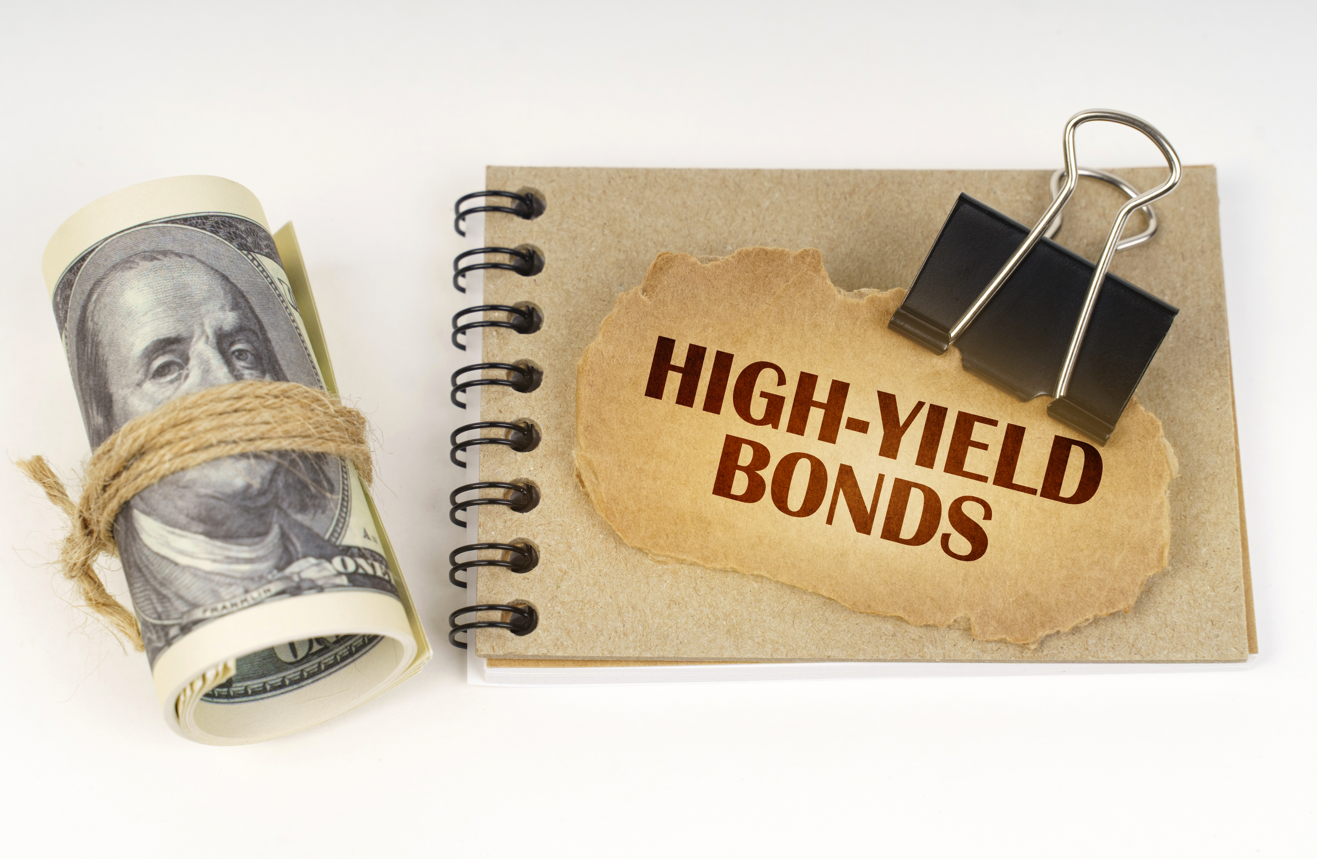
Following a strong first half of 2023, third-quarter returns were more challenged across almost all asset classes. One outlier was high-yield debt, which often serves as a way to de-risk equity exposures when stocks are under pressure.
After the October/November meeting, it seems that Fed officials have an added objective, as Fed Chair Jerome Powell said during the press conference that they needed to see interest rates “persistently high.”
Interest rates have been rising and yields have followed the same path. So traders bullish on bonds have essentially been seeing a repeat of 2022’s weakness. However, the recent pause in rate hikes by the Federal Reserve could bring more bulls back.
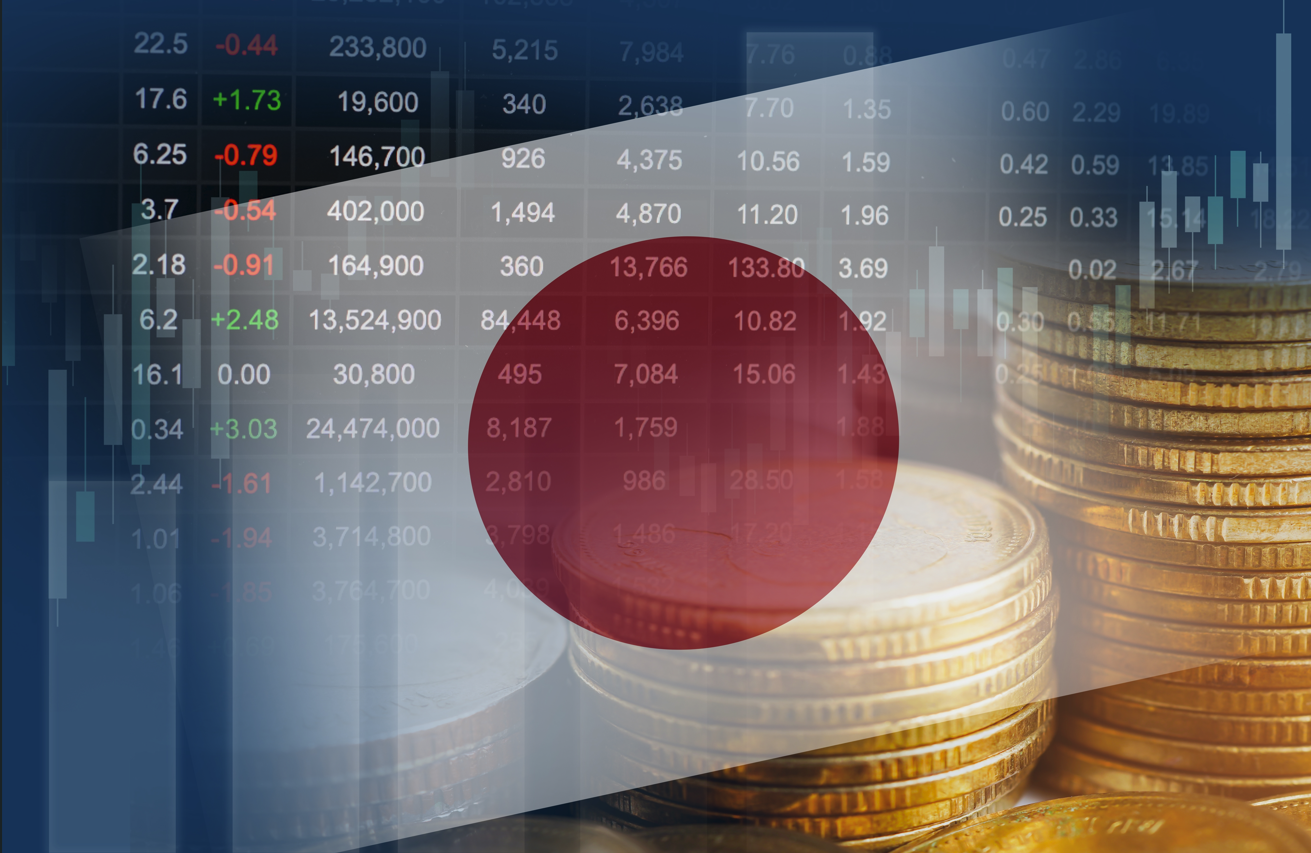
Policy changes at the Bank of Japan could potentially reverse capital flows, shift global yields higher, contribute to a stronger yen, and increase the value of Japanese stocks.
Billionaire Stan Druckenmiller isn’t letting up on his criticism of US Treasury Secretary Janet Yellen. Druckenmiller says Yellen committed an epic mistake by failing to meaningfully term out America’s debt when rates were ultra-low — a missed opportunity he’s characterized as “the biggest blunder in the history of the Treasury.”
A record flood of cash has poured into opposite ends of the US Treasury yield curve this year, seeking either to seize on the highest short-term interest payments in over two decades or profit from a long-bond rally once rates finally peaked.
The Federal Reserve (Fed) elected to not raise the federal funds rate at the October/November 2023 Federal Open Market Committee (FOMC) meeting.
Amid soaring interest rates in the U.S., third-quarter issuance of ESG, sustainability, and related debt declined. But annual issuance of such debt is poised to be elevated — a theme that could carry over into 2024.
Financial markets have changed dramatically since balanced portfolios were introduced to investors decades ago. As markets evolve and grow more complex, active management plays a greater role in the success of these strategies, which offer a mix of 60% equities and 40% fixed income.
Financial flows have shifted this year. In the credit arena, bank lending has been moribund throughout the year, as standards tightened and interest rates rose. But borrowers still need capital, and private lenders are increasingly meeting their needs.
VettaFi’s vice chairman Tom Lydon discussed the BondBloxx USD High Yield Bond Sector Rotation ETF (HYSA) on this week’s “ETF of the Week” podcast with Chuck Jaffe of “Money Life.”
What’s the most important price in the global economy? The price of oil? The price of semiconductors? The price of a Big Mac? More important than any of these is the price of money. For more than three decades it was falling.
A prospect that might have seemed unthinkable just a couple short weeks ago is coming into view for bond traders: The potential for US Treasuries to post an annual gain for the first time since 2020.
Advisors face a number of challenges in current markets, given risks and stock and bond correlations. They must grapple with how to invest smartly as well as keeping their clients invested in the traditional 60/40 portfolio.
While 3Q23 growth showed the economy expanded at a 4.9% annualized rate, it is important to remember that the GDP report is backward-looking.
While bond prices are generally down, the income they provide is up, providing potential opportunities for fixed income investors.
Tighter financial conditions prompted Federal Reserve officials to take a step back from data dependence, and suggest a higher bar for future hikes.
A transition away from fossil fuels is likely required to avert a significant warming of the planet. Rising temperatures could lead to crop failures, storm intensification, ocean acidification and deoxygenation, and infrastructure damage, among several other risks.
The return of inflation has altered the investing landscape in a way last seen more than half a century ago.
Recent economic data, we believe, suggests sticky inflation with positive GDP growth is more likely in 2024 than a soft landing. We expect that interest rates will stay higher for longer on the back of increased Treasury supply and hawkish Federal Reserve rhetoric.
The selloff in US debt appears close to being over as the Federal Reserve nears winding up its most aggressive rate hikes in a generation.
With unanimity, the Fed opted to keep the fed funds rate unchanged but remains attentive to the idea that inflation risk should still be paid attention to.
Yields on 10-year Treasury notes plummeted 20 basis points on Wednesday, the most since the banking crisis in March. For all the macroeconomic news of the day, it was hard to pinpoint exactly what changed so meaningfully from one trading session to the next.