A “soft landing” scenario is not so straightforward in the current context. We have emphasized companies that we believe have pricing power because of the mission-critical or value-add nature of their products and services.
The academic evidence shows that selecting investments, such as mutual funds or stocks, based on past performance is a terrible idea. Use our premium membership service to forward this article to clients with your logo.
John Vail, Chief Global Strategist at Nikko Asset Management, discusses Nikko AM’s Global Investment Committee views on current global market drivers as well as expectations for the markets moving forward.
…war is an old habit of thought, an old frame of mind, an old political technique.
There is no shortage of headwinds facing both the market and the economy: the tragic Russian invasion of Ukraine and attendant commodity/energy crisis; the Federal Reserve's transition from accommodative to tighter monetary policy; and increased chatter of a recession on the horizon; among others.
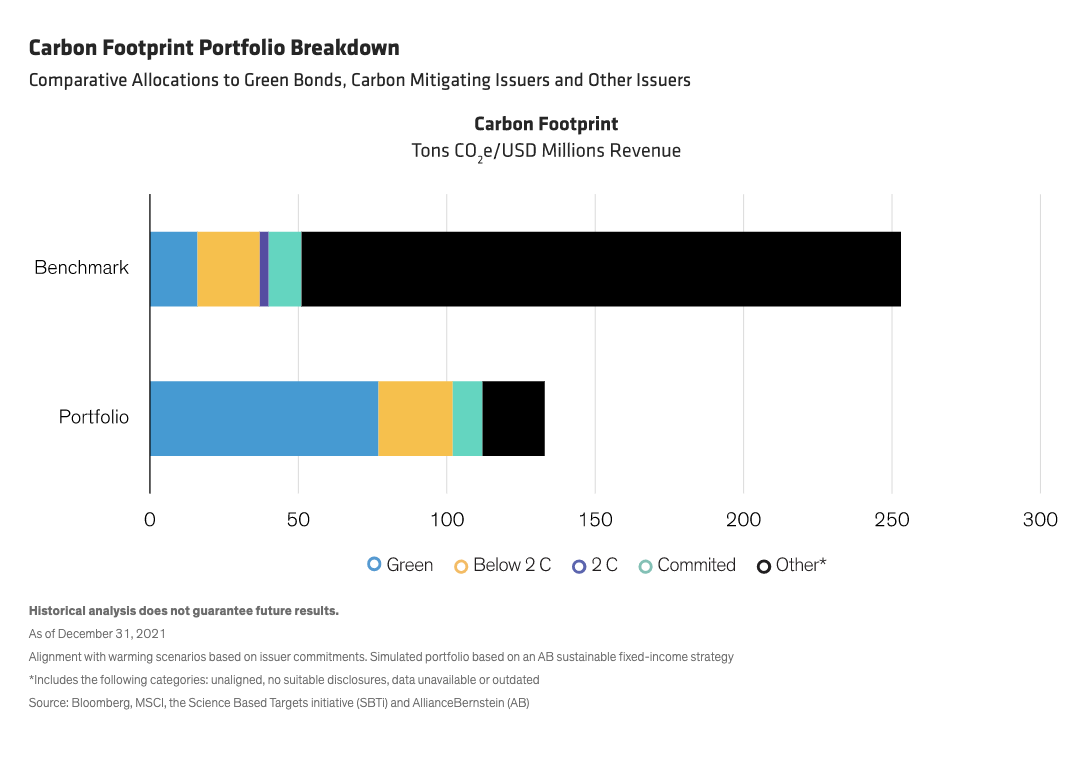
Transitioning to a net-zero carbon economy* is vitally important, and corporate bonds will play a critical role in the transition.
I want to show you how to establish a system for getting client tax returns each year.
Intellectuals and politicians often try to verbally summarize or justify conventional thinking in pithy ways.
While most commentators and investors are of the view that Russia’s actions have worsened investor perceptions about emerging markets, I argue that this could very well be the low that could force governments and companies in emerging markets to make meaningful changes.
Do the investment products that advertise themselves as ESG-compliant actually deliver?
The argument goes like this: A company’s value (and stock price) is driven by its ability to earn a profit and grow its business. Its dividend policy is irrelevant at best. In some cases, paying dividends could hurt the stock. Is it true? Let’s explore this idea further.
The poor performance of factor-driven value strategies over the past decade has raised the question of whether intangible assets, such as patents and proprietary software, are properly treated. New research confirms that intangibles indeed distort valuation metrices, but there is no consensus on how to address the problem.
Add this to the pandemic lesson book: People may be willing to give up their homes in high-cost, densely packed coastal cities, but they still want their coastal lifestyles — just with a little more space, cheaper real estate and warmer weather.
It may be inconceivable to the moneyed class, but there are in fact very good reasons not to raise interest rates quickly or dramatically. Yes, inflation is worryingly high, Ukraine is burning and Covid-19 still threatens to upend supply chains. However, the reality many Americans face — if not low-income and middle-class workers across the globe — is quite different from what the stock market and go-to suite of economic indicators tell us.
Many investors see gold as a sort of haven in times of turmoil, and prices have surged amid Russia’s invasion of Ukraine.
After spending many years in the planning profession, I’ve found that advisors place superfluous importance on speaking intelligently and comprehensively.
Russia's invasion of Ukraine has sparked higher inflation, unleashed additional market volatility and will likely lead to a slowdown in global growth rates. However, we believe above-trend growth is still possible this year, provided hostilities ease and energy prices stabilize.
The expected return from a roulette spin is negative: -5.26%.
Since market efficiency is the primary driver of the rise of passive investing and the demise of active management, the structure of wealth management investment offerings is at stake.
Economic theory says that “green” stocks – those of companies with a low carbon footprint – should underperform “brown” ones. But in recent years that has not been the case, and new research explains how cash flows to sustainable strategies have driven short-term outperformance.
Geopolitical upheaval and rapid inflation have driven volatility and, with that, questions from clients about whether to reposition portfolios defensively. In my wide-ranging conversation with Harold Evensky, he explained how he responds to fears that this time is different.
Here at Absolute Return Partners, our portfolio construction is driven by the six structural megatrends that we have identified.
Howard Marks’s latest memo connects two seemingly unrelated trends – Europe’s energy dependence and U.S. offshoring – to explain why the pendulum of companies’ and countries’ behavior may be swinging away from globalization and toward onshoring. This shift will likely create risk for investors but also opportunities.
Filling out your March Madness bracket provides insight into how investors select assets, structure portfolios, and react during volatile market periods.
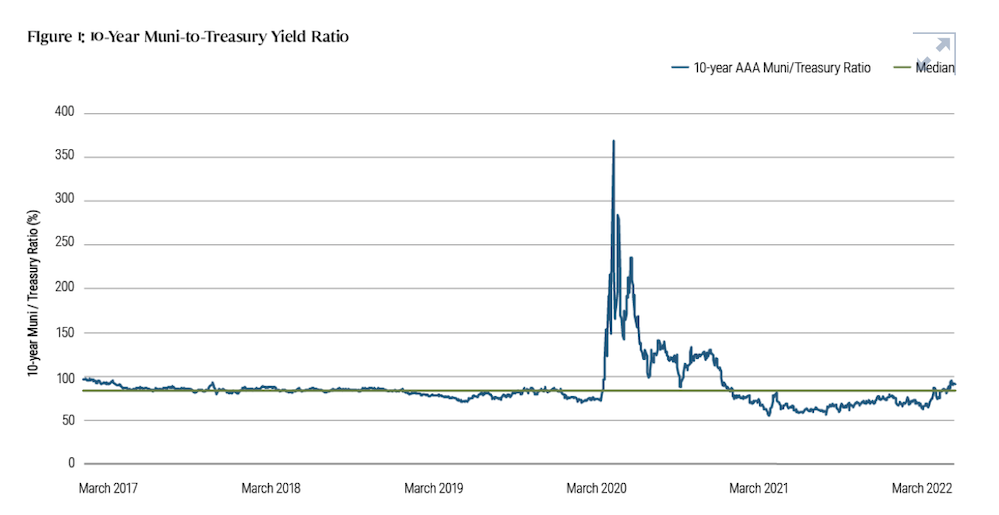
Their track record in periods of rising interest rates suggests municipal bonds could be well-positioned for this year’s market environment.
The Fed struck a hawkish tone at its latest meeting, but Franklin Templeton Fixed Income Chief Investment Officer Sonal Desai believes it still underestimates how far rates will likely need to rise—and so do the markets.
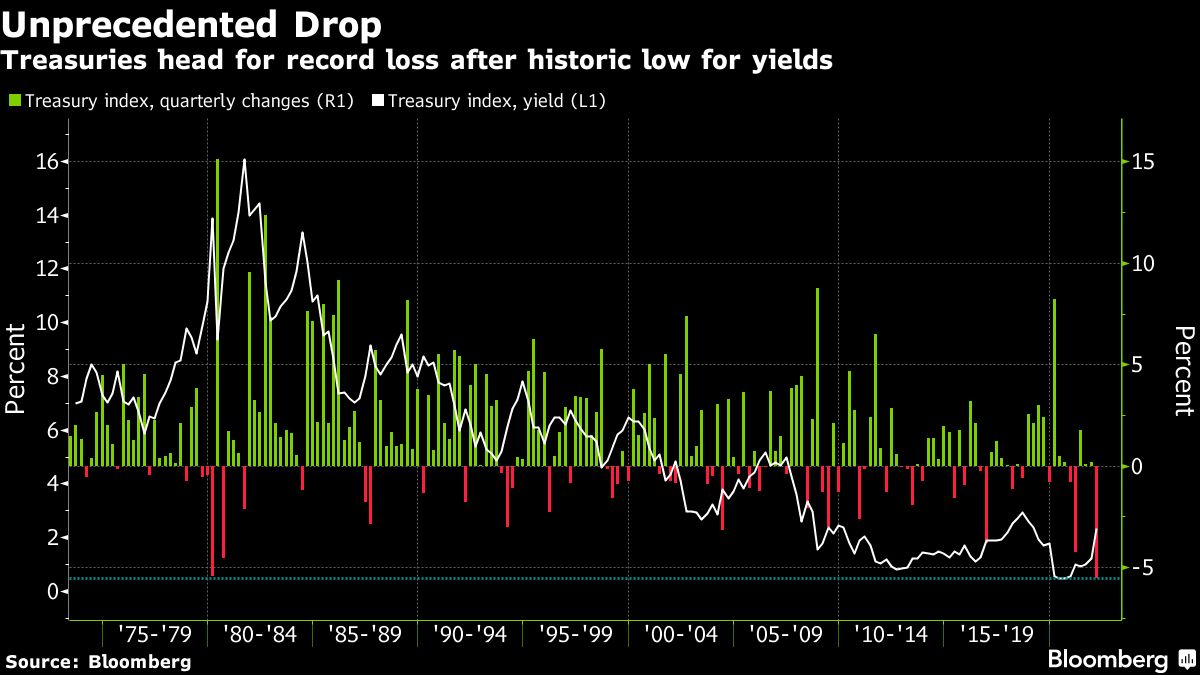
The U.S. bond market reeled further on Tuesday, extending Monday’s declines after Federal Reserve Chair Jerome Powell’s aggressive rate hike comments drove yields on short-dated Treasuries to one of their biggest daily jumps of the past decade.
Actively managed global allocation funds claim that skilled investment managers can produce a superior rate of return compared to traditional index funds. But the reality does not match the hype.
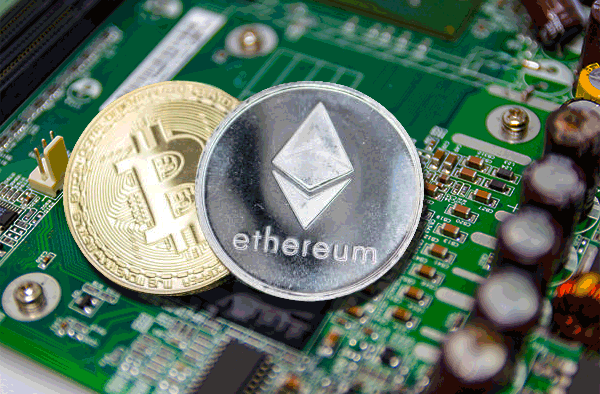
Elon Musk recommends that investors own “physical things” instead of cash in the face of historically high inflation. So why is he holding on to his Bitcoin and Ethereum?
Recession is where we are headed. So let’s review what it will be like.
The pandemic hastens the evolution of the DC plan landscape and challenges plan sponsors to evolve.
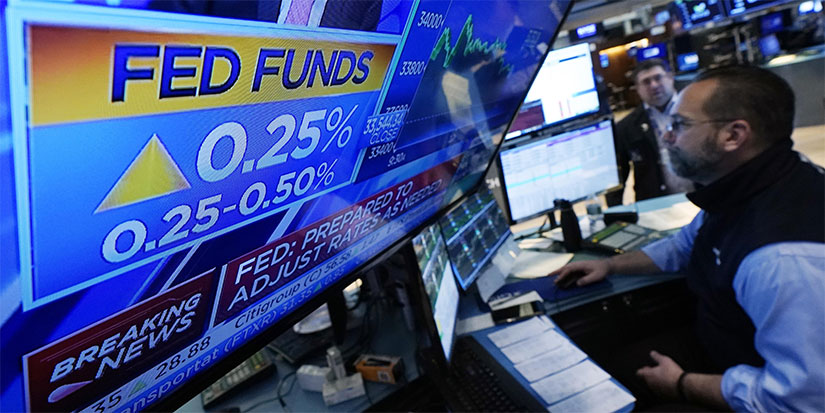
America’s central bank increased its benchmark interest rate on Wednesday, pushing it up by a quarter percentage point. The hike — the first since 2018 — was widely expected. But at a time when Russia’s war in Ukraine has roiled global markets, U.S. inflation is at its highest level since the 1980s and Covid-19 cases are increasing in some parts of the world, consumers and investors are contending with the prospect of rates going even higher.
The Russian invasion of Ukraine overturned a lot of assumptions about the near-term direction of the global economy.
When market volatility goes up, investors increase their investments in volatility strategies that they deem as capable of yielding the most lucrative returns.
The extreme outperformance of commodities over the last several weeks has sparked interest in this asset class. New research finds that commodities are subject to lottery-like returns, providing information on future performance.
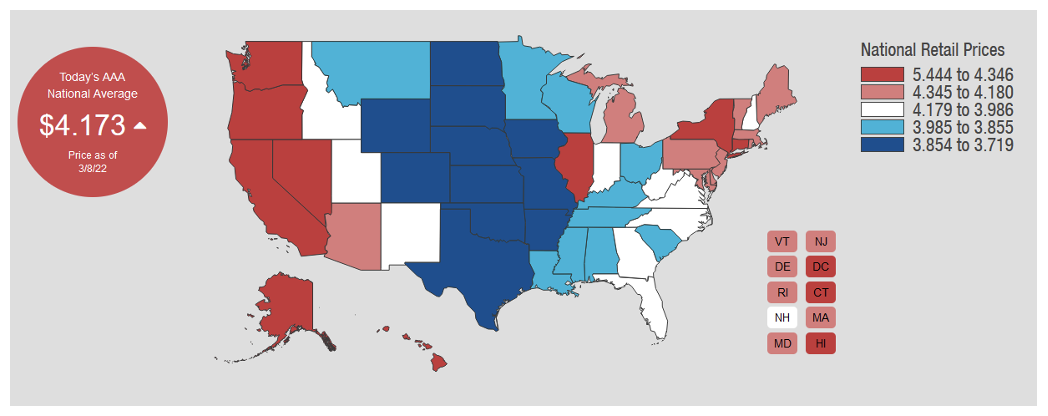
While higher gas prices may be welcome news to the oil industry, the rest of us should be concerned. It is a glaring recession warning. Over the last 40 years, higher gas prices have been linked to economic stagnation and recessions.
Consumers were feeling the pinch of higher energy prices even before Russia invaded Ukraine. Energy prices have surged to multi-year or record highs amid the war, and many are wondering if they still have further to go. Here, Franklin Equity Group’s Frederick Fromm shares his latest views on investing in the sector.
Many people experience setbacks or life circumstances that result in temporarily relying on others for financial help. Being financially dependent in the longer term, however, is a financial disorder.
The war between Russia and Ukraine—and subsequent economic and financial ripple effects—has exacerbated stress in global markets and ushered in an acute risk-off environment.
Javelin and Stinger missiles, Molotov cocktails and now…crypto war bonds. To support its life-or-death struggle against Russia, Ukraine is seeking to tap the rapidly expanding potential of cryptocurrencies. If it succeeds, other nations facing dire circumstances may follow.
As a financial planner, it’s your job to help the client understand why certain investment steps are in their best interest when their intuition may be telling them otherwise.
My wife and I have downsized. We sold a large condo in a high-rise building and are moving to a much smaller house in a nearby community. The process taught me a lot about financial planning.
This is the first part of a new series on investment analytics in the wealth management industry and how advisors are using analytics to communicate with clients and prospects. We will look at some of the more popular analytics and go over what they are, their good points, and their potential pitfalls.
Just as 9/11 dramatically changed the flow of history, resulting in two wars and hundreds of thousands of deaths and millions of lives ruined, so too will Putin’s invasion of Ukraine. We are seeing only the first effects and getting glimpses of second-order effects. The broad third-order effects will not be visible for a long time, though they’ll be obvious in hindsight.
Portfolio Manager Shuntaro Takeuchi explains how rising inflation and volatile markets may cast Japan as an investment haven, with a breadth of hidden value available to be tapped.
Advisors need to understand how crypto markets work and how to make crypto part of a balanced portfolio to take advantage of this opportunity.
American households took on over $1 trillion in new debt in 2021 for only the second time in history, pushing consumer debt above $15 trillion for the first time ever.
This week's biggest news adds to the complications in energy markets.
I have been holding off on commenting on the Russia-Ukraine conflict until some sort of resolution occurred.
Bill Hench is head of the small-cap team at First Eagle Investments and portfolio manager of its small-cap strategy. The First Eagle Small Cap Opportunity Fund (FESCX) was established April 27, 2021.