The end of one year and the start of another is always a good time to admit one’s mistakes. And I got something wrong — really wrong — about remote work.
The economics teams looks back at the most significant stories we covered during 2023.
The use of “factors,” or broad and persistent drivers of investment returns, has grown rapidly in equity markets, but with less adoption in fixed income.
The “addiction to prediction” can have detrimental effects, as it shifts focus from the financial health of companies to baseless forecasting, often leaving investors vulnerable to market volatilities.
Private assets and alternative investments are usually illiquid in nature but can help an investor meet their long-term objectives in a more efficient manner.
What was the biggest story in ETFs in 2023 for you? What has the potential to have a lasting impact on the industry? Or is there something you think was a flash in the pan?
VettaFi’s Todd Rosenbluth discusses whether some of the year’s biggest equity ETF stories can carry momentum into 2024. State Street’s Matt Bartolini recaps 2023 ETF flows and highlights three missed opportunities for ETF investors.
As your credit card is scanned one final time this holiday season, say thanks to prime numbers for keeping the checkout queues short and your money safe. Well, most of the time anyway.
For multi-asset income investors, adapting portfolios for equity defense, credit potential and duration exposure should be on the docket for 2024.
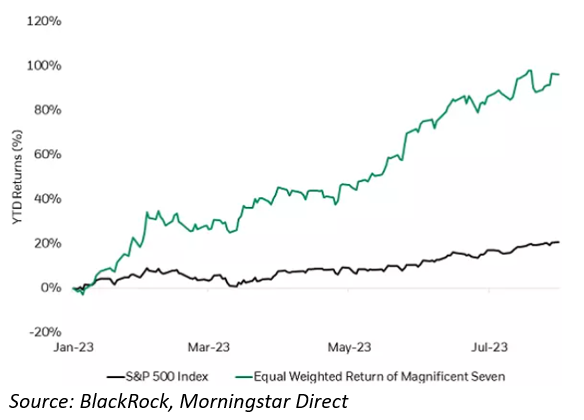
Because of the robust performance of the magnificent seven, portfolios are overweight to large-cap stocks, resulting in an underweight to small- and mid-cap stocks, as well as international equities.
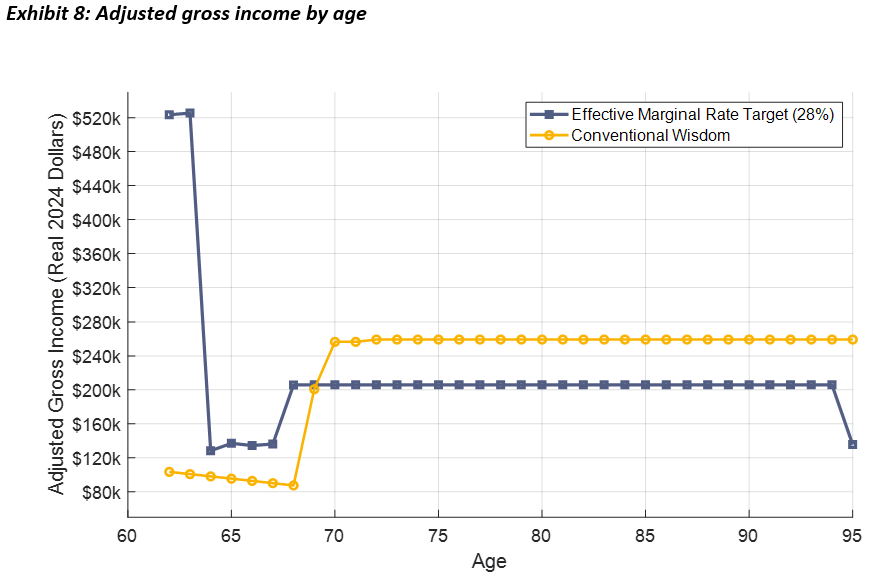
We analyze a case study for a wealthier couple with $5.5 million in investment assets and a larger retirement spending goal.
There's more to an overlay program than just cash equitization and systematic rebalancing. The flexibility of the program allows for several other exposure management strategies.
It’s been the year of active equity ETFs, the year of covered call ETFs, and a year when growth and quality has mattered most in the equity market. All of this is now clear from the year-to-date net inflows and fund performance records.
With 2023 drawing to a close, the time has come once again to take a longer look at what next year might bring.
Even a slight pushback from the Federal Reserve on interest-rate cuts could unravel the relentless stock rally since late October.
How do we best go about a celebration and do planning so our team doesn’t think we are all about what’s next?
The secular forces that held down rates for forty years have not entirely changed.
The year 2008 and the subsequent Global Financial Crisis (GFC) stand as a watershed moment in the annals of our capitalist society. It was a bailout prompted by poor capital allocation, deficient risk management, and unchecked greed.
As an advisor specializing in retirement planning, I frequently work with professionals who want to explore early retirement.
Passive investing means buy and hold, and that’s not what I do for my own portfolio or recommend to clients. Here are eight ways I’m an active investor.
Last year was a record one for personal income taxes in the US and close to a record for taxes overall.
It’s possible that a 2024 recession could be avoided, but we see recessions risks as remaining elevated in most developed markets. We believe there is limited upside for equities amid expensive valuations and recession concerns. Government bond valuations, however, look attractive in the U.S., UK, Canada, Germany and Australia.
Investing in “smart beta” was the rage in the early 2000s, as small-cap-value stocks vaulted over large-cap-growth stocks. But like all supercharged investment strategies, it didn’t last. Factors premiums have not materialized since the financial crisis. For most of the last decade, value has underperformed growth, driving the underperformance of the largest category of smart-beta strategies. We’ll go over the case for and against factors in this interview with long-term investment adviser, Rick Ferri.
It should be no surprise that Bitcoin sold for over $44,000 this week, more than double its March 13 price. Going back to 2014, it has taken the cryptocurrency an average of nine months and 21 days to double; the milestone came 28 days early this time.
Although some volatility may continue, we believe interest rates have peaked. We expect lower Treasury yields and positive returns for investors in 2024.
The notoriously saturated $7.7 trillion ETF industry is this year poised for the second-highest number of closures, as the pandemic-era day trading boom fizzles out.
The federal deficit is already high at 6% of GDP. But if a recession hits – as Jeffrey Gundlach fears will happen next year – unemployment will rise, and the deficit and the interest the government pays on it will cripple the economy.
Jesse Livermore scanned trendlines. Warren Buffett sought a margin of safety. Peter Lynch bet on growth rates. In the long history of markets, trading systems and investment formulas hold an honored place.
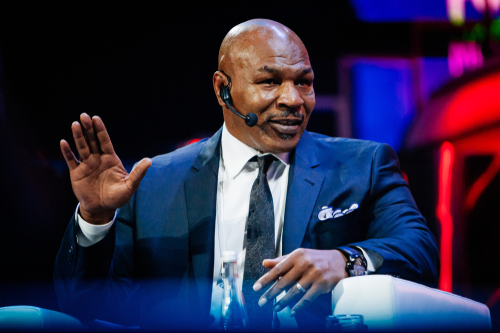
If Mike Tyson were speaking to a group of investors, what he may have been saying is that everyone has a financial plan until life throws a “punch.”
How do you get financial information to make sense to people who aren’t numbers-minded? How do you become the advisor who helps complicated things make sense without making people feel stupid or overwhelmed?
Taiwan’s economic and financial decoupling from China has deepened with the near-collapse of what was once the world’s largest Chinese bond exchange-traded fund market.
The AQR Style Premia Alternative Fund (QSPIX) was introduced a decade ago to provide pure exposure to four market factors that had historically delivered excess returns. Let’s look at how it performed over that period.
Two years ago, the Journal of Finance — the most prestigious journal in the field — retracted a published paper because of data errors, either the first or second withdrawal ever by a top-three finance journal.
Bitcoin has jumped more than 140% this year to outstrip other investments like stocks and gold, and optimism for further gains is high.
Even with $2.4 trillion in ETF assets spread across more than 400 ETFs, there’s a pending offering from BlackRock that caught my eye.
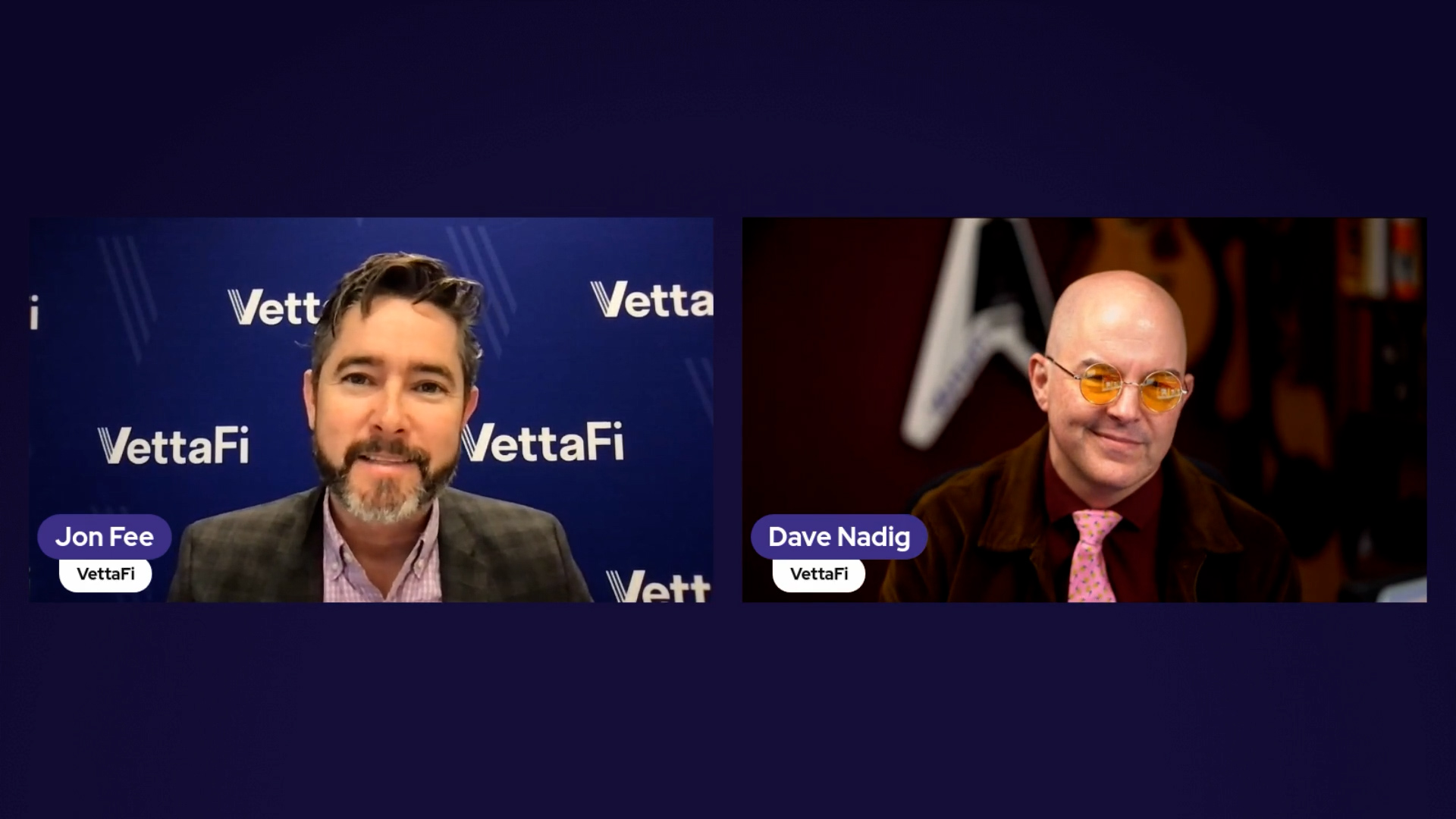
Dave Nadig, financial futurist and Jon Fee of VettaFi discuss how to introduce principals of financial planning to the next generation and the different aspects of financial education.
November will be etched in the memories of investors as a remarkable month.
Economic conditions now are quite different from the 1970’s and still disinflationary.
While equity styles go in and out of favor, quality companies continue to serve clients as a core holding, resilient to economic headwinds and market drawdowns. For long-term investors searching for a durable equity solution, we believe quality is “the real McCoy"
Economic pain is likely in 2024, but that doesn’t mean stocks will struggle all year, especially if there is a continuation of the rolling recessions that have hit the economy.
VettaFi’s Tom Lydon offers perspective on using alternative ETFs in a portfolio. Madison’s Patrick Ryan discusses the firm’s recent ETF entrance and explains the rise of active ETFs. Cerulli’s Daniil Shapiro highlights several of the industry’s biggest trends.
At the time of the first major climate change conference, in Rio de Janeiro in 1992, China was one of the least developed nations. Its per capita income was below Haiti, Niger and Pakistan.
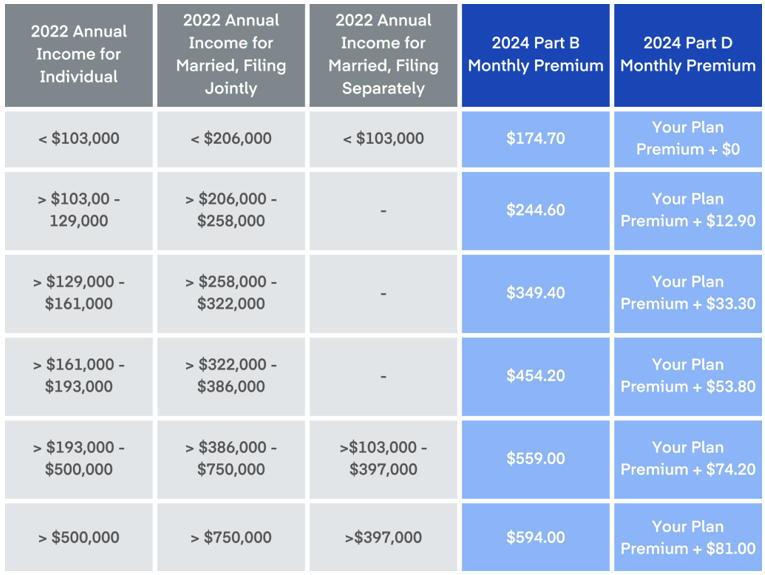
I'll share the impact healthcare costs have on financial plans, the critical healthcare information to include (such as medical tax deductions and IRMAA), how to budget for costs in a world of variables, and tangible strategies to implement during open enrollment and beyond to ensure clients are on the optimal coverage.
Our immense progress in improving society’s standard of living over the last several centuries was possible because of advances in the discovery and production of energy. To assume that will continue is a grave error.
ESG fund managers who turned to big tech as a low-carbon, high-return bet are growing increasingly anxious over the sector’s experimentation with artificial intelligence.
Food prices illustrate several challenges of containing inflation.
Every time interest rates go up there is a flurry of demand for a product that has been around at least since the Roman Empire — annuities. The insurance industry has already seen rapid growth in annuity sales since 2021 and if rates remain at or move above current levels, demand seems poised to explode.
Taxes can have a significant and ongoing impact on an investment portfolio. Advisors can help their clients minimize that impact with a tax-smart approach. Advisors can prepare for capital gains season now, and potentially maximize their clients’ after-tax returns.
The potency of monetary policy will weigh more heavily on activity in 2024.
On this episode of the “ETF of the Week” podcast, Tom Lydon discussed the Global X SuperDividend ETF (SDIV) with Chuck Jaffe of “Money Life.” The pair talked about several topics regarding the fund to give investors a deeper understanding of the ETF overall.