Generating investment income is challenging, especially in the low-yield environment we have been living with for the past decade.
Remember when inflation was going to be transitory? Good times. I was in that camp myself early on, as were some serious analysts I greatly respect (and still do). Then the data began to show core inflation would be stickier than expected, and I turned in my Team Transitory T-shirt. I appreciate people who admit their mistakes. We all make them.
After countless delays, the Ethereum “Merge” finally took place this week, switching the blockchain protocol from proof-of-work (PoW) to proof-of-stake (PoS).
The pandemic-induced housing market is swiftly cooling down, as both buyers and sellers are facing growing uncertainty. Indeed, the U.S. housing market is tumbling closer to a collapse – the first in more than a decade.
Over the years, I’ve explained at length why I’m not interested in forecasts, but I’ve never devoted a memo to explaining why making helpful macro forecasts is so difficult. So here it is.
Sell stocks and buy opportunistic bonds, according to Jeffrey Gundlach. “The capital gains potential is the best in the last 15 years," he said. Bonds are “the place to be.”
“Price matters again in investing,” according to Bob Wyckoff a managing director of Tweedy, Browne. “That serves the interests of value investors.”
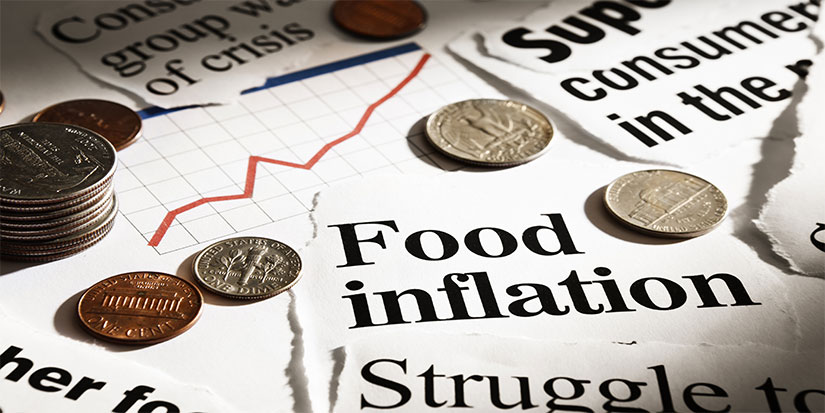
Over the summer, we’ve been told that inflation rose to a 40-year high.
The world is undergoing a dramatic energy regime shift that has been accelerated by recent events, including the COVID crisis, the Ukraine war, and growing concerns about climate change. The Harbor Energy Transition Strategy ETF was introduced to position investors for this transition.
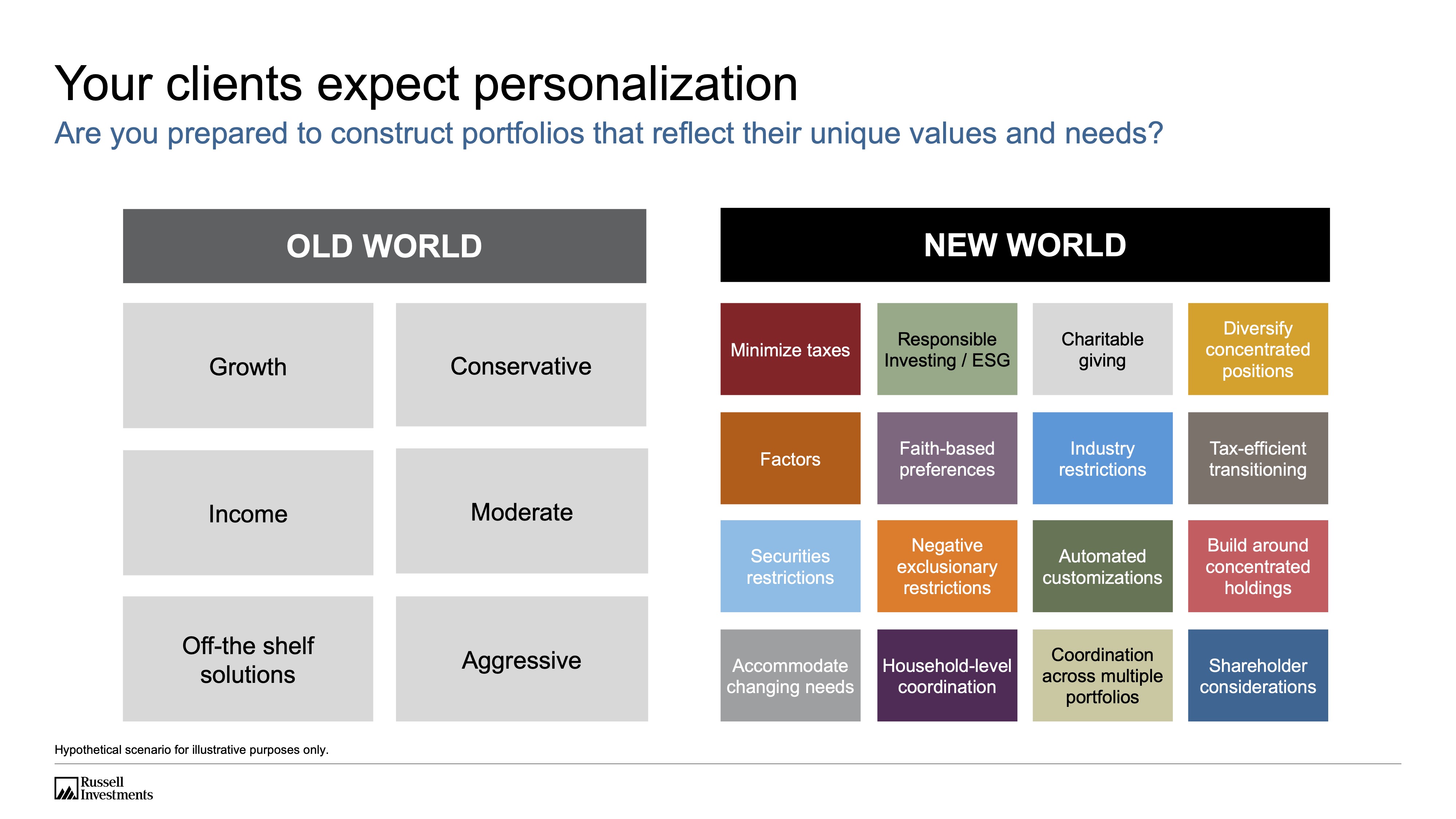
Investors increasingly want more control and customization of their portfolios. Personalized managed accounts give them the opportunity to do that.
We have always believed that common sense is the key to successful investing.
Americans have driven up their credit balances at a record pace this year.
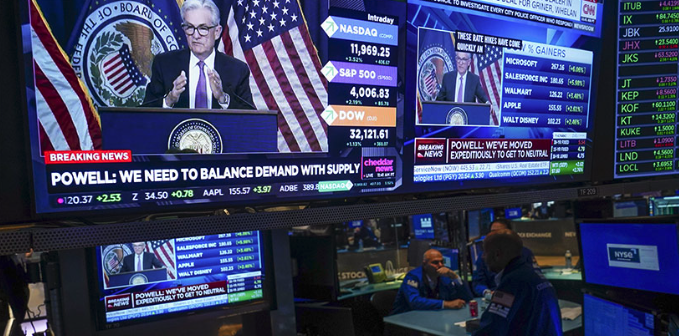
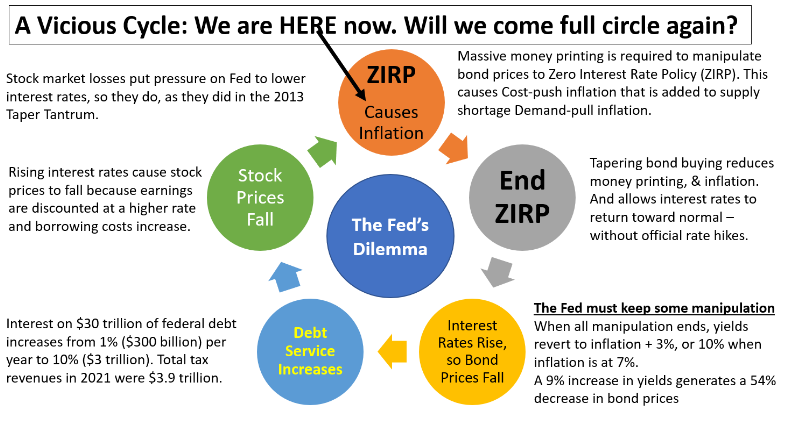
Many ask if Jerome Powell can emulate Volcker. We will certainly find out. But much has changed in 42 years. Does Powell even need to emulate Volcker? Here, some prominent economists disagree. Today we’ll talk about the issues.
September has historically been one of the worst months for stocks. The Fed’s aggressive moves and upcoming midterm elections could make this September particularly interesting.
The Federal Reserve’s quantitative tightening program will ramp up to its full potential in September, increasing from $47.5 billion to $95 billion per month.
My article, “The Trial of Ken Fisher for Crimes Against Annuities,” marked the beginning of my effort to aggressively defend annuities against criticisms that had become too exaggerated, too longstanding, and too inaccurate to be left unchallenged.
Over our decades of involvement in emerging country debt markets, we’ve witnessed many ups and downs.
This is part 1 of Volume I Issue VI of the Macro Value Monitor, a publication focusing on Monetary History, Market Myths, Investing Legends, and Real Global Value.
After German troops were defeated in a pivotal battle at El Alamein in 1942, he commented that it was “not the end, not even the beginning of the end but, possibly, the end of the beginning.”
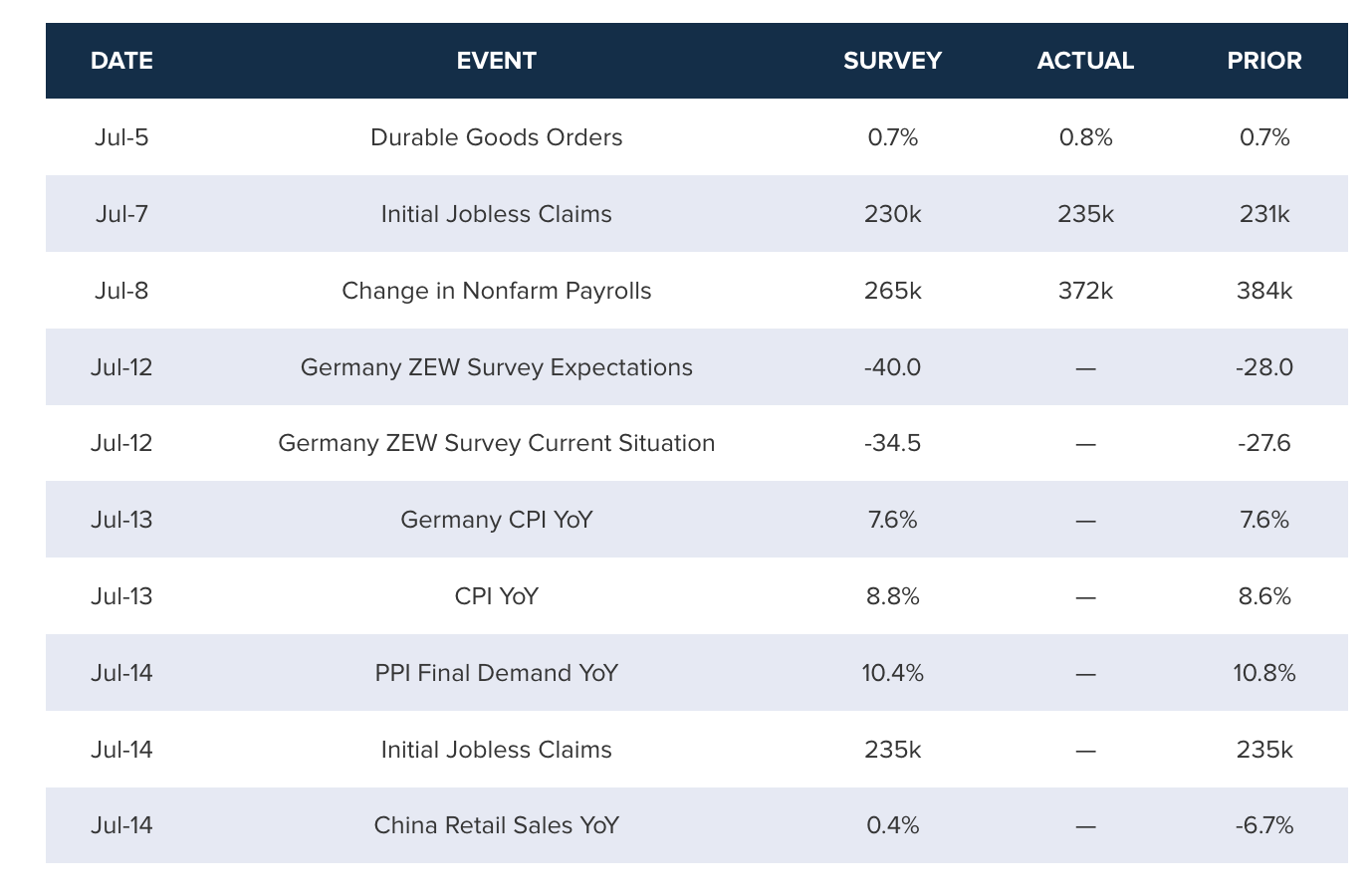
The Consumer Price Index for All Urban Consumers (CPI-U) was unchanged in July on a seasonally adjusted basis after rising 1.3 percent in June, the U.S. Bureau of Labor Statistics reported today. Over the last 12 months, the all items index increased 8.5 percent before seasonal adjustment.
Review the latest Weekly Headings by CIO Larry Adam.
The bipartisan Creating Helpful Incentives to Produce Semiconductors for America Act, or CHIPS Act, was signed into law this week, setting aside $52 billion to boost domestic semiconductor research and production.
The latest data shows inflation is still with us at an 8.5% annual rate. That means we can expect the Fed to keep tightening, trying to reduce demand and relieve pressure on consumer prices.
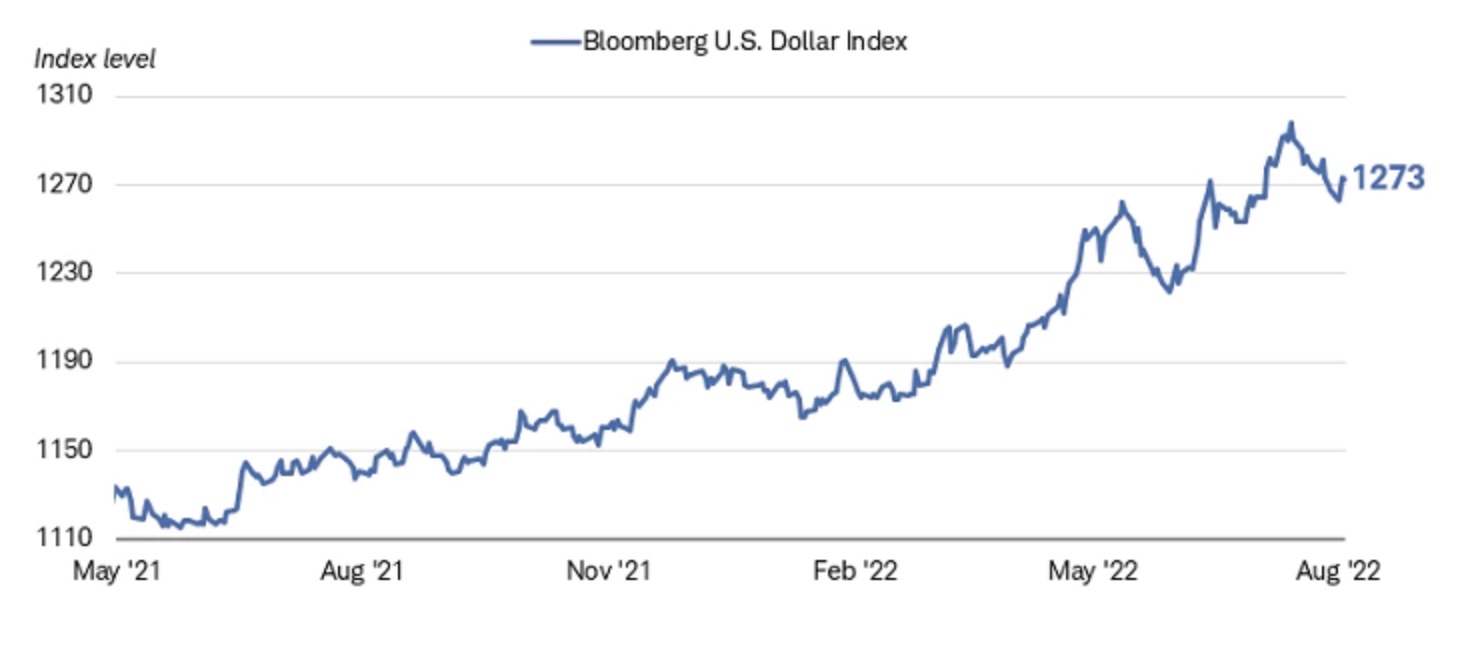
A trifecta of factors support the dollar, including the relatively strong performance of the U.S. economy, tightening monetary policy by the Federal Reserve, and safe-haven buying.
As of last month, the U.S. jobs market fully recouped the number of jobs that were lost due to the pandemic, in less than half the time it took following the previous downturn.
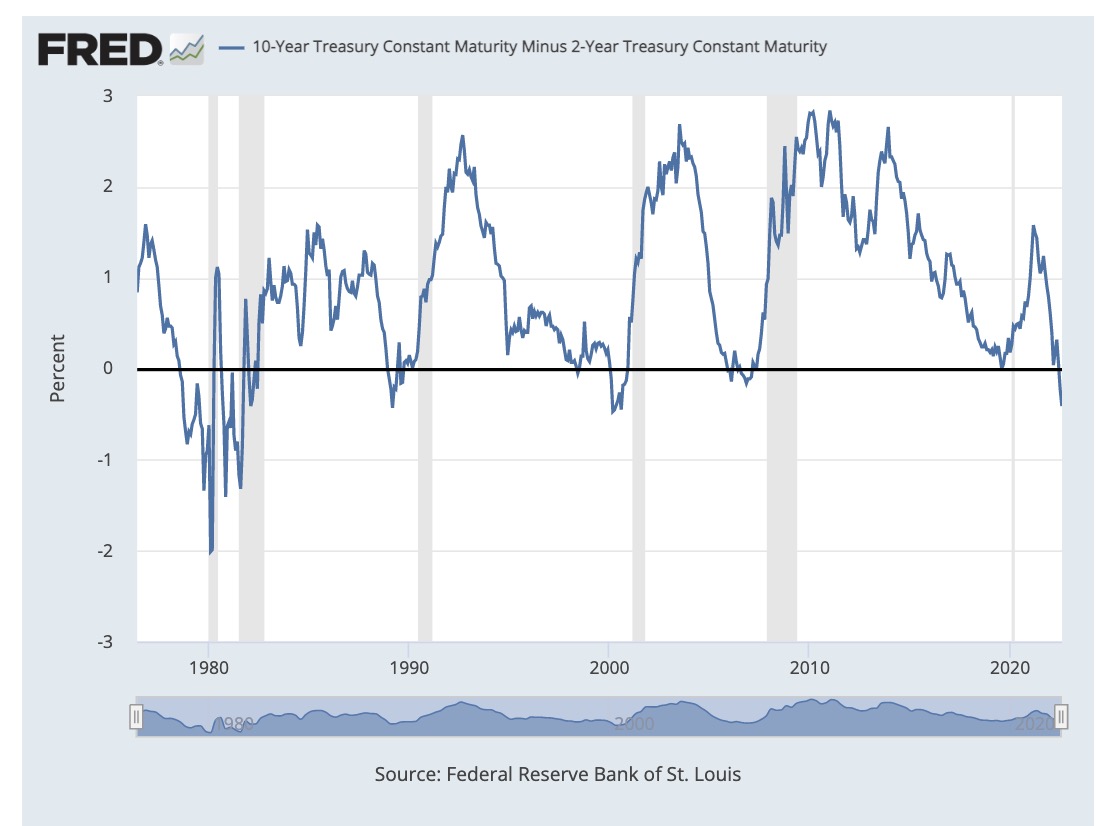
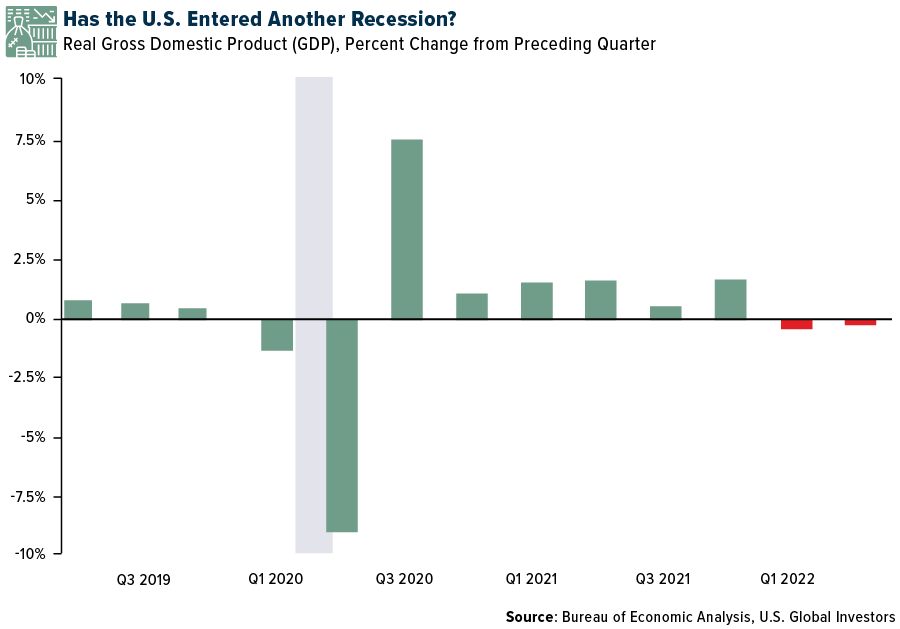
We didn’t need the reported two consecutive quarters of declining real gross domestic product —the unofficial determination of a recession—to tell us the US economy is already in, or at least close to, a business downturn.
We meet the official definition of a market correction and the unofficial definition of a recession, and we’re close to the definition of high inflation. Market corrections can and have caused recessions. Be prepared for all three problems coexisting for many years.
The latest raft of technology earnings is starting to show a clear divide between areas that may continue to grow and those that will most certainly suffer at the hands of a global economic slowdown.
So did the U.S. just enter a recession? It depends on who you ask.
While it’s likely we are already in an as-yet-undeclared recession, it’s a very weird one if so. I have lived through quite a few of them and I don’t recall any other recession coinciding with record-low unemployment, plentiful job openings, and jammed airports.
Trading volume in the yuan-ruble pair increased to the highest ever this week and hit a daily record of 7.82 billion yuan ($1.16 billion) on Wednesday, according to Moscow Exchange data.
It’s one of Warren Buffett’s best-known sayings: “Be fearful when others are greedy and greedy when others are fearful”.
Growing Evidence the Secular Trend in Stock Prices May be Reversing! We can’t be sure that the equity secular bull market for stocks is over, but it’s quite apparent that several reliable indicators are moving in that direction. Many others are on the brink of a sell signal.
Howard Marks’s latest memo argues that investors seeking superior performance must have the courage to depart from the pack, even though doing so means accepting the risk of being wrong. Thinking differently and better than others is key to outperformance, he explains, because in investing, it’s not enough to be right.
The business press sometimes likes to say that a recession is a decline of real GDP lasting at least two consecutive quarters. Not so.
US price inflation is at 9.1% and a there is a fiercely strong dollar, a pair of statistics that was certainly unexpected a year ago and even now seems odd.
There’s more pain ahead for still-frothy tech stocks…
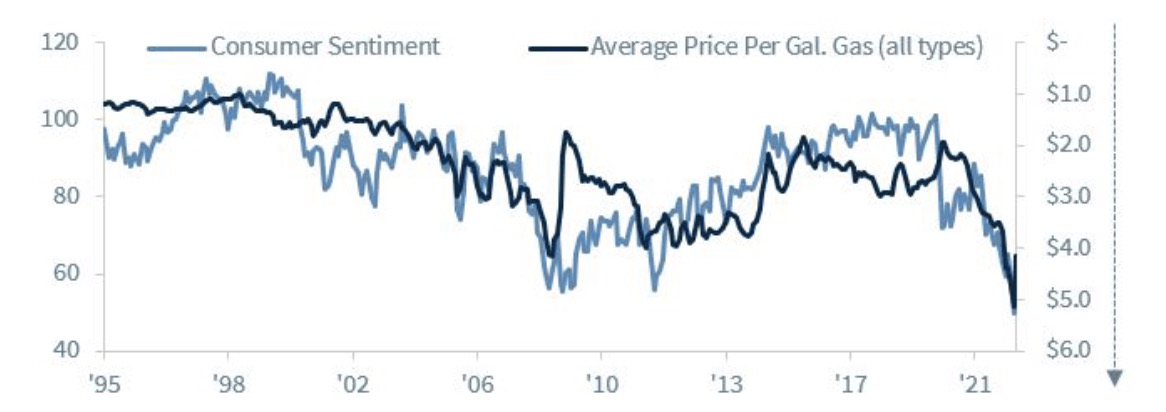
Gasoline consumers around the world, from families to businesses, have had to deal with record prices at the pump for months...
Revenue above expectations, pandemic federal aid and reserves have strengthened states' financial outlook. But states will need to prepare as pandemic aid winds down and the economy slows.
Markets were exceptionally volatile during the first half of 2022, foreboding poor capital market returns. Here is a quick review of nine areas of heightened risks.
It took me a long, long time to write The End of Indexing.
Our economy is in a will-they-won’t-they relationship with the next big recession.
Wall Street’s biggest banks are set to return tens of billions of dollars to investors after all the lenders passed the Federal Reserve’s annual test of their ability to withstand market turmoil.
Rising inflation, rate hikes, supply-chain problems and the Russia-Ukraine war have contributed to growing recession fears.
Complaining about federal debt is a time-honored American tradition. Remember Ross Perot and his hockey-stick charts? Then there was Harry Figgie’s 1992 best-selling book, Bankruptcy 1995. It was quite a sensation at the time.
How many billionaires are there in the United States?
Howard Marks’s latest memo explores recurring investment themes to contextualize the current market correction and the bull market that preceded it. He discusses the role played by financial innovations like SPACs and cryptocurrencies and why he believes psychology, not fundamentals, primarily drives investment cycles – and likely always will.
In January Goldman Sachs projected that the FOMC would increase the federal funds rate at every other meeting (each meeting is 6 weeks apart) starting with the March meeting.
The first half of the year has so far been challenging for investors in municipal bonds.
Stock pickers are beating the market in unusually large numbers this year, raising the age-old question about whether their success can be attributed more to luck or skill.