Uncertainty has become an ongoing theme in markets, economies, and communities everywhere, and in this environment, PIMCO investment professionals gathered – virtually, once again – for our recent Cyclical Forum.
Investment advice is not financial planning. This is an important distinction to understand when someone goes shopping for financial advice. Do they only need help with investment decisions, or do they need guidance on all aspects of their financial life?
Things are about to get worse -- but after that, they should steadily get better. That’s roughly how economists envisage the path of U.S. inflation in the year ahead.
That the Covid-19 pandemic would bring a big decline in poverty in the U.S. is not something a lot of people were predicting back in March 2020.
Long before supply chain issues and soaring consumer prices made the headlines, I warned readers that massive monetary expansion made persistent inflation inevitable.
By expanding its use of reverse repurchase agreements to nearly $1.6 trillion, the Fed has kept money market funds solvent and prevented a systemic failure.
Most global equity managers today are underweight Japan.
A potent combination of sky-high bonuses, accelerating intergenerational transfers of wealth, low-interest rates, and the specter of inflation “makes investing in a concrete, fixed asset like real estate attractive to many as they balance their portfolios,” Nelson says.
A direct financial handout to “Gen C” (the covid generation) for their pandemic woes would set age above other societal inequities that Covid amplified.
What has been a tumultuous last few months for crypto markets has only accelerated through the turn of the New Year.
While no one knows what 2022 holds in store for investors, my concern is that it should not foster the same optimism as 2021.
Here are five reasons not to recommend a Roth conversion to your clients.
I predicted that 2021 would be a transitional year for managing an advisory business, and I expect this transition to accelerate and become fully formed in 2022. These are the changes that I envision for the coming year and beyond.
Twenty-two years of tradition dictate I begin the new year by forecasting what lies ahead.
Talent is quitting. And new talent is hard to hire.
“Investors should be prepared for the ground to shift repeatedly in 2022,” says Raymond James Chief Economist Dr. Scott Brown.
Rising inflation is troubling bond investors worldwide, but European bond markets will likely experience comparatively weaker inflation pressures and stronger central bank support.
The mixed picture of the U.S. labor market that emerged in 2021 isn’t going anywhere this year.
With both the pandemic and inflation proving longer lasting than many had anticipated, what does that mean for central bank policy in the months ahead?
Loomis Sayles' high yield sector team share their views on rising rates, CCC-rated bonds and where they're seeing potential opportunity in 2022.
Every year has plenty of lessons when looking backward in December.
India reported spending a record $55.7 billion on gold imports last year.
Not much has changed in regards to my economic growth outlook going forward since my most recent growth cycle update.
The new year could bring a new you. Despite what the poets say, money, or at least financial security, can be one of the most important steps toward happiness. On the other hand, money mismanagement and debt can result in financial anxiety, which can cloud decision making and lead to a bad cycle.
Cryptocurrencies had a breakout moment in 2021, and NFTs were some of the biggest stars. Now, as with any new and hot investing trend, financial pros are hoping to capitalize on the craze with products promising a way to piggyback on the market.
A central part of the “American Dream” is to buy a house, pay it off over time and retire with hundreds of thousands of dollars of equity in the home.
In this issue of Sinology, Andy Rothman explains why China’s 2022 investment environment will be defined by two competing weather patterns.
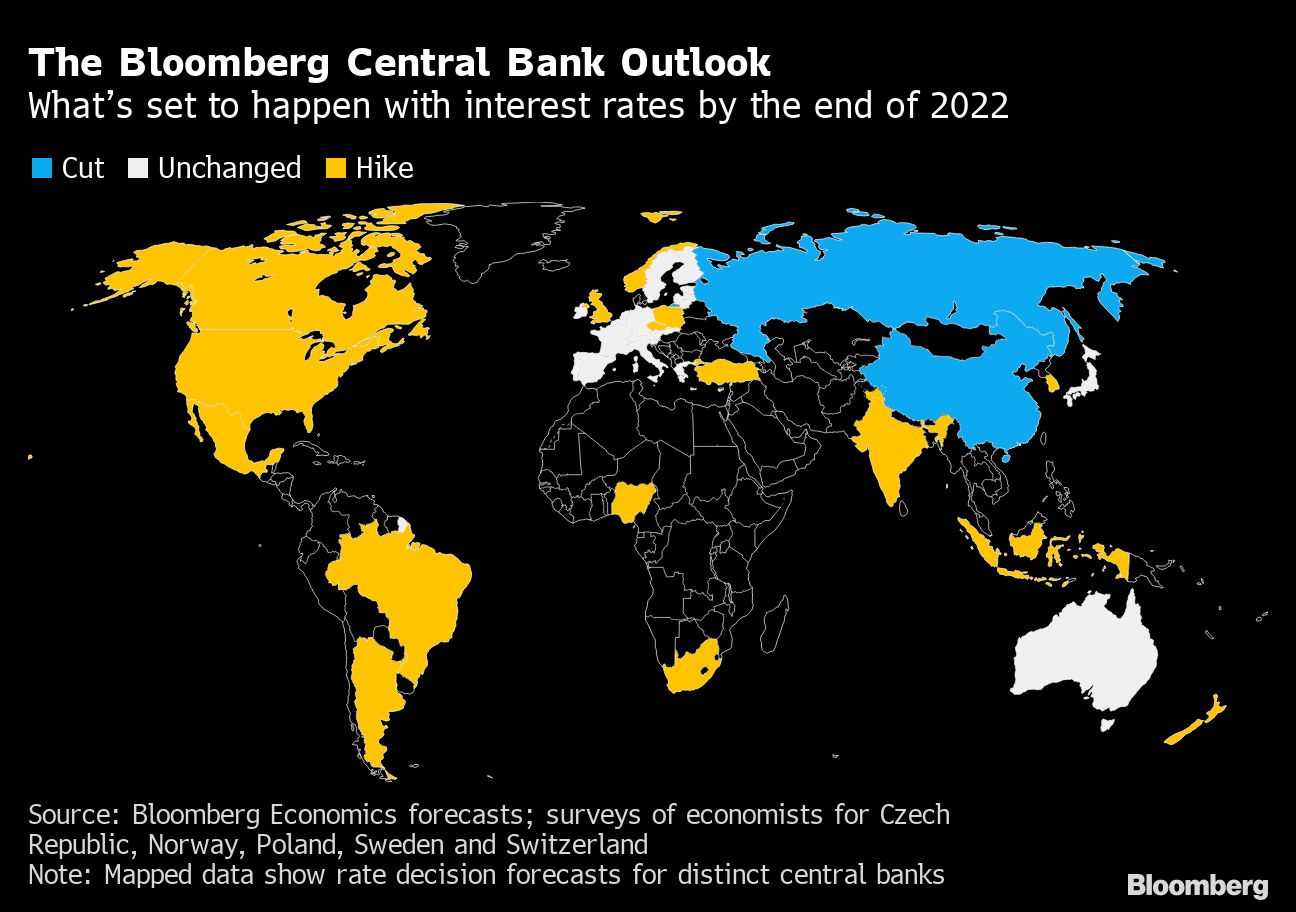
Global central banks are set to spend 2022 diverging, as some take on the menace of inflation and others stay focused on boosting economic growth.
To kick off our annual sector outlook series, Loomis Sayles Senior Macro Strategies Analyst Craig Burelle shares his views on the macro backdrop in 2022, covering inflation, the Fed and the global expansion.
Tracy Chen, Portfolio Manager with Brandywine Global, and Tim Wang, Head of Investment Research for Clarion Partners, join Head of the Franklin Templeton Investment Institute, Stephen Dover, to take a closer look at how the pandemic has impacted real estate markets in the United States and China.
One of the fundamentals of basketball is that a player who has picked up his dribble can evade trouble by pivoting away from a defender.
Wall Street seers expect the benchmark S&P 500 Index to generate earnings per share that are up 46% this year from 2020’s depressed level, with growth decelerating to 8% in 2022, according to data compiled by Bloomberg. Even that lower number for the coming year may be too rosy.
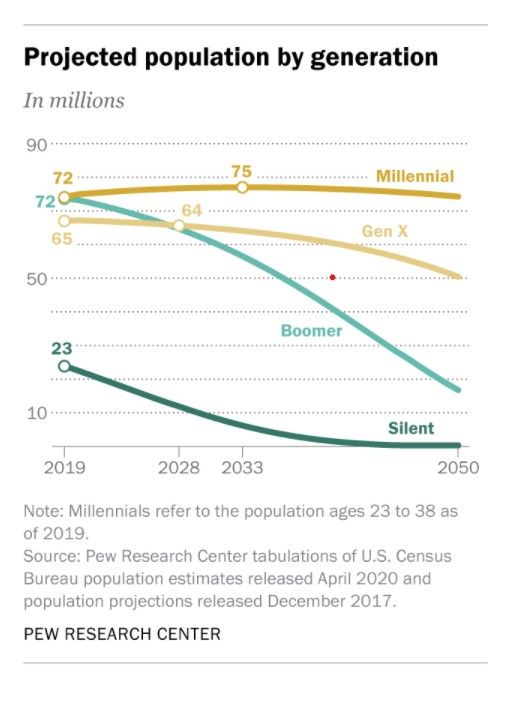
Millennials are growing up. After spending years splashing out on everything from skydiving excursions to Instagrammable vacations in Peru, 30-somethings with decent-paying jobs are making lasting purchases, buying cars, houses and everything inside them.
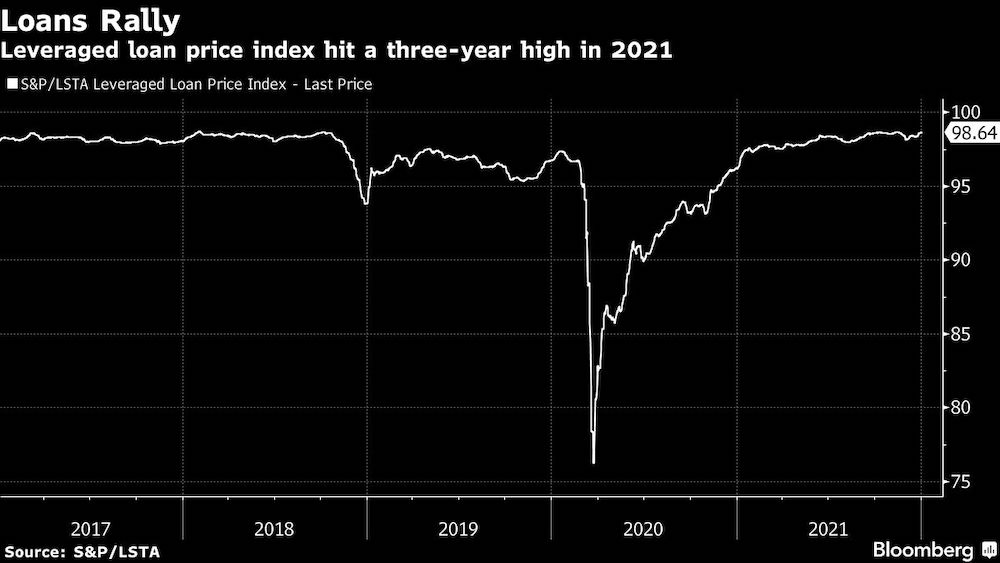
Sales of U.S. leveraged loans are likely to stay strong for at least the next few months thanks to private equity buyout activity that is showing few signs of abating.
A change in fundamentals could make international bonds more attractive.
High-yield investors should actually root for rates to move higher, rather than lower. And that’s because if rates are moving higher, it means the economy is doing well and companies are generating a lot of earnings, and therefore their credit risk is actually coming down. Which is a really good thing for us as credit investors.
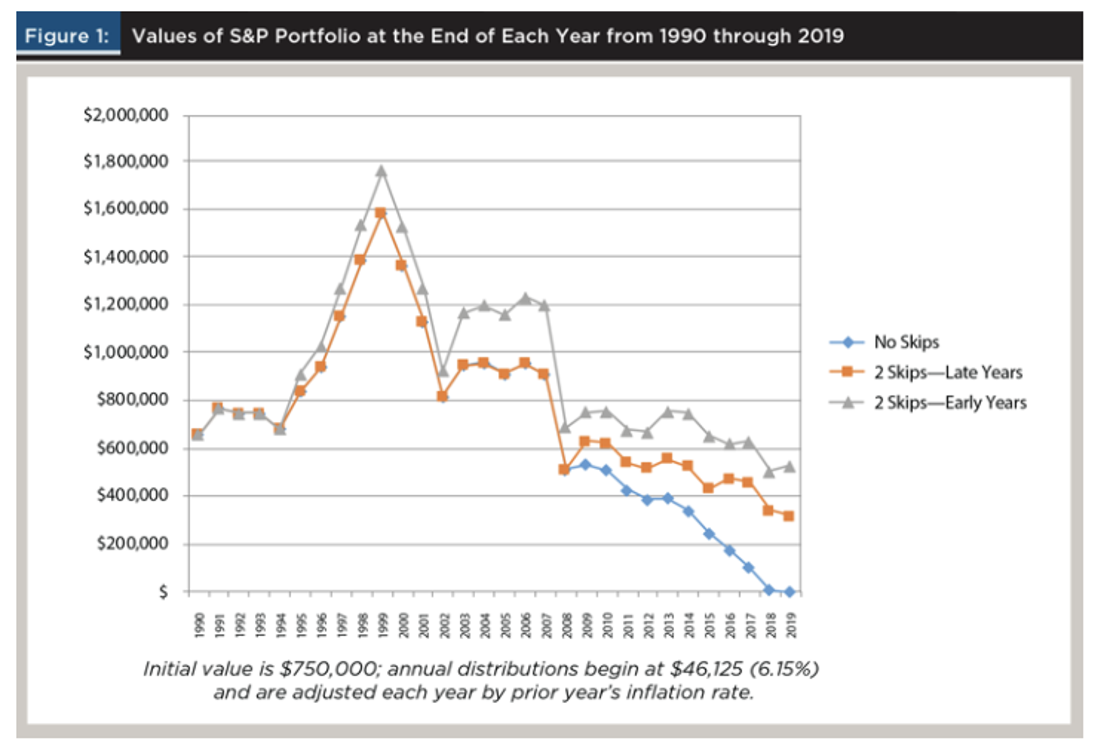
A new study, which I co-authored, proves that a withdrawal strategy utilizing a reverse mortgage reduces market risk and increases portfolio growth.
Here is how I nudge clients (sometimes not so gently) to where they should be on their portfolio.
The reality is that despite media commentary to the contrary, debt-driven government spending programs have a dismal history of providing the economic growth promised. As a result, the disappointment of economic and earnings growth over the next year is almost a guarantee.
In 2021, readers of the Investor Alert and Frank Talk were most interested in stories on gold mining, precious metals, natural resources and emerging markets (no surprise). But there was also interest in macroeconomic topics (inflation, mostly) as well as Bitcoin and cryptocurrencies.
Supply-chain issues are often cited in the current debate about inflation—and aren’t going away as quickly as consumers and businesses would like. Our Franklin Templeton Investment Solutions team explores how supply chains became stuck, whether they will loosen up in 2022, and the implications for multi-asset investors.
The success or failure of President Joe Biden’s legislative agenda could depend on a single senator from a mountainous state who has idiosyncratic views and is not especially popular in his own party.
For Americans under 50, inflation is little more than a theoretical concept. But for those of us born in the late 1950s and 1960s, the inflation of the 1970s was a formative experience we’d rather not repeat. Inflation was as much a part of our childhood as Covid is for today’s kids.
During bull markets, investors have a concise memory of previous bear markets. Such is why, throughout history, cycles repeat as lessons must get learned and relearned.
We can phase out fossil fuels like coal and natural gas, but we can’t phase out the metals and minerals necessary to build additional renewable energy projects.
A Pittsburgh insurance broker and a Richmond, Virginia forensic accountant have developed an alternative rating system for measuring the ability of life/annuity companies to keep their promises even in market crises. They call it the transparency, surplus and riskier assets ratio, or “TSR” for short.
MMT offers a new "logic" that allows the government to spend without facing the traditional constraints of debts and deficits. Is MMT too good to be true?
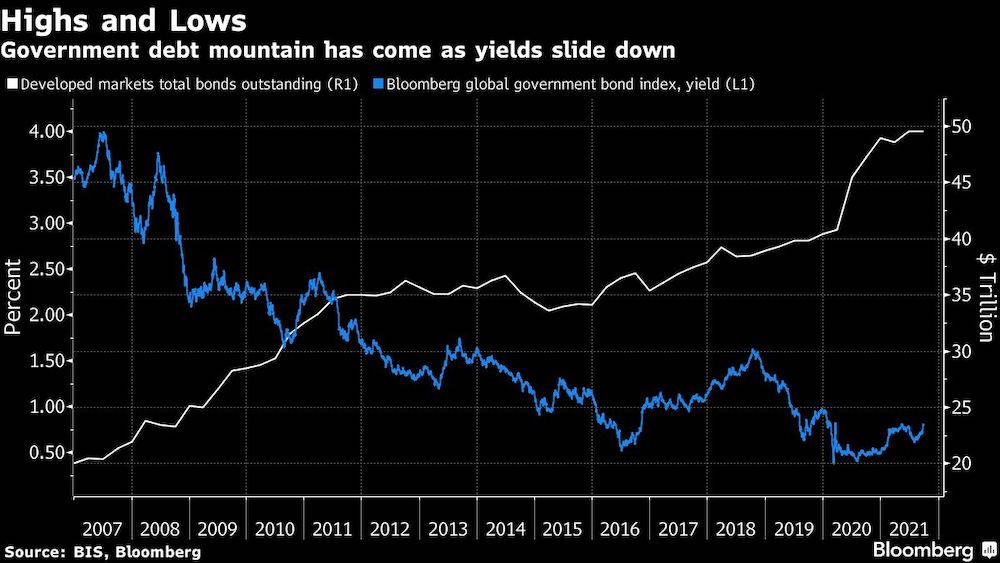
Anyone gearing up for bond yields to surge in 2022 should think again. A global glut of saved cash has the potential to restrain an increase in rates, even as central banks dial back their pandemic stimulus.
Despite the strong year for stocks in 2021, markets have confidently priced in some negative trends gathering more momentum in 2022 which may help markets, should trends reverse.
As the Federal Reserve debates its monetary tightening timeline, the labor market is an important factor to watch in the year ahead, according to our Franklin Templeton Investment Solutions team. Read their thoughts on the labor market’s implications for both monetary policy and risk assets.