Goldman Sachs Group Inc. and JPMorgan Chase & Co. strategists are among the most optimistic about European stocks on the back of a robust corporate earnings outlook, a Bloomberg survey shows.
High-yield municipal bonds are one of the best performing asset classes this year but that doesn't mean we think all investors should consider adding them to their portfolio.
More than a decade ago, hundreds of US garage entrepreneurs were working on shoestring budgets to develop drones with dreams of scaling the new technology. Then China’s DJI introduced a small, inexpensive drone with a stable built-in camera.
Governments can print money, but they cannot print credibility. Once investors begin to question a country's fiscal trajectory, borrowing costs rise, confidence erodes, and policy choices become increasingly constrained. The age of cheap debt allowed many governments to overlook these limits. Today, they are becoming harder to escape.
European stock markets are booming. But that doesn’t mean Europe is. Traditionally, a bet on European equities is actually a bet on growth everywhere else. The companies that make up the Stoxx Europe 600 — which has risen by about 12% this year — get almost half their revenues outside the continent, according to the index’s owners.
All told, global equities are near all-time highs, despite the sharp June-July semiconductor drawdown. Fundamentally, an eye-popping 50% Q2 SPX earnings growth rate fuels the rally. Of course, it has been a perfect storm of sorts for domestic large-cap profitability.
The mantra carrying the markets higher for years has been to leave it to mega-cap tech titans and AI leaders to drive the bulk of market gains, leaving cap-weighted indexes historically top-heavy. But a new narrative has begun to take over.
Fifty-eight billion dollars. That’s what the Department of War just awarded Lockheed Martin for PAC-3 interceptors, the missiles that have been knocking Iranian ballistic missiles out of the sky for the past five months. It’s one of the largest munitions awards in U.S. history.
Today’s equity markets are arguably the most concentrated, interconnected and exposed to correlated risks in the modern era. In this fragile environment, we believe investors need more than just exposure to stocks that have driven recent market returns. Disciplined stock selection and clear risk objectives are essential—as well as conviction in what not to own.
Our thesis remains largely unchanged. Today's “exploding” CDS spreads and bond yields are pricing an Oracle problem. The question investors should be asking isn't whether Oracle is an outlier. It clearly is. The question is whether Oracle is a preview of what happens to credit markets more broadly if AI capital spending keeps outrunning AI revenue.
Investment firms for billionaires hailing from the US, Europe and Asia are driving a wave of deals for robotics AI businesses, defying fears about a bubble in the machine-learning sector.
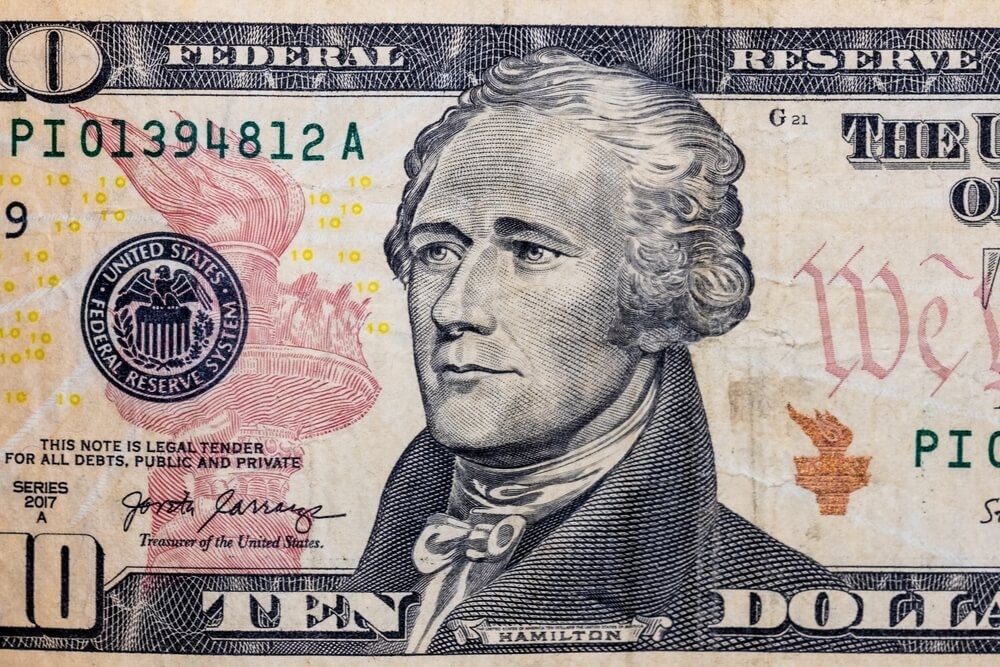
In January 1790, the House of Representatives put a simple question to its new Treasury Secretary: what should America make for itself? Alexander Hamilton took almost two years to answer.
Energy markets have reached a precarious moment, with the path of prices over the remainder of the year – and potentially beyond – hinging on two key questions.
Europe’s big banks have joined the global stock trading party. Danger lurks, however: When the market turns, it is often brutal.
For many years, globalization felt like a one-way street. Supply chains stretched effortlessly across continents. Companies built “just-in-time” systems that assumed goods, data, and capital would flow smoothly around the world. Investors could buy a global index fund and feel reasonably confident that they were capturing the benefits of ever-closer integration.
Discover Aberdeen’s closed-end funds (CEFs) for high yields, illiquid assets, long-term investments, and resilient income for 2026.
It’s becoming increasingly clear that tariff tensions between the United States and the rest of the world won’t be going away any time soon. Last Friday, the U.S. imposed a series of tariffs on 60 different trading partners, including China, Canada, and the European Union.
Brent crude crossed above $100 a barrel this week, all due to a 20-mile-wide stretch of water some 6,500 miles away from the U.S. Tanker traffic through the Strait of Hormuz—the Persian Gulf bottleneck that carried roughly a fifth of the world’s seaborne oil before the fighting started—has fallen to virtually zero.
In this midyear global outlook summary, the authors revisit Vanguard’s economic and market outlooks and assess how our views have evolved since the start of the year.
Today we’ll consider the interaction between long-term interest rates, the Fed’s limited ability to influence them, inflation and the housing market. And because home prices are the biggest concern for many households, we’ll start with a look at the latest changes there. And then look at the Federal Reserve’s likely reaction.
Election season often follows a familiar script. Investors debate congressional control, speculate on policy outcomes and search for clues about what markets might do next.
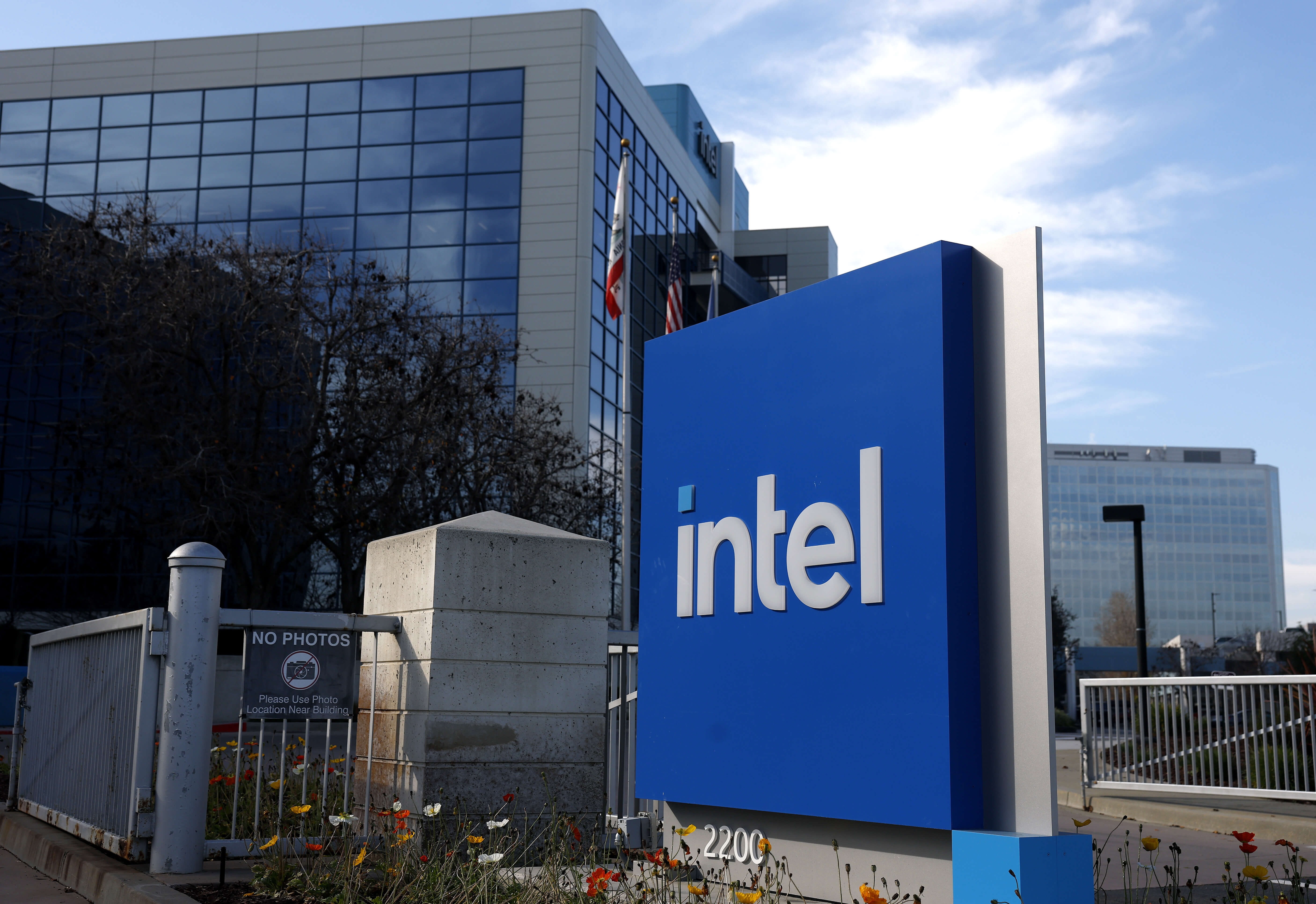
Intel Corp.’s long-awaited turnaround is in progress, now that the artificial intelligence data center boom is fueling demand for its chips.
Inflation remains above target, especially the Federal Reserve’s preferred core Personal Consumption Expenditures (PCE) inflation measure, as choppy data have challenged the view that disinflation will proceed smoothly.
Whenever I speak at investment conferences, I like to point out that we invest in a number of publicly traded airports. I even list them: Spain’s Aena. Aeroports de Paris. Zurich Airport. Airports of Thailand. Two of the world’s largest operators, Grupo Aeroportuario del Sureste and Grupo Aeroportuario del Pacifico, trade in Mexico.
Our baseline outlook still sees the Fed on hold through 2026 amid gradually easing price pressures. But Waller’s comments suggest that after a string of firmer Personal Consumption Expenditures (PCE) inflation prints, the Fed now places greater emphasis on responding if inflation surprises sharply to the upside or proves more persistent than expected, regardless of which factors are driving the inflation. And this raises the stakes for incoming inflation data throughout the year.
Friday, July 10, may have been ordinary for those outside the investment community, but for folks engaged with the market, it marked an opportunity to gain exposure to the second most valuable company in South Korea. On Friday, SK Hynix (SKHY) became available to U.S. investors via the Nasdaq.
Every major geopolitical crisis has two types of effects: those that occur during the crisis itself and those that remain on a long-term basis, perhaps even permanently. The US-Iran conflict is no exception.
Every year in early July, we update our interactive Periodic Table of Commodities Returns to reflect the performance of raw materials in the first six months of the year. Maybe I’m biased, but I believe it’s one of the clearest snapshots of the commodities landscape you’ll find anywhere.
The Great Moderation has given way to a more volatile era, where inflation shocks and market dispersion favor flexibility and diversification.
Chief Investment Officer Sean Taylor reviews a strong second quarter for emerging markets, where AI and reindustrialization were key drivers of investor returns.
Assessing the year so far, much of the portfolios’ declines have been a compression of valuations, not a deterioration of earnings. For many of our holdings, the two have moved in opposite directions. Revenues, profitability, and cash flow have continued to build, even as the multiples placed against them have fallen.
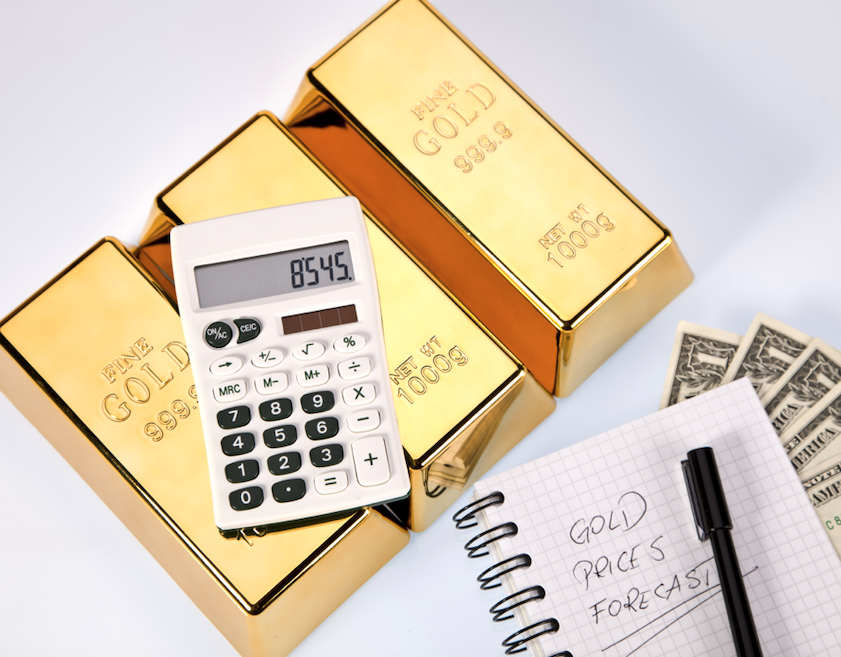
It feels like gold has tanked this year, but the yellow metal was only down about 7 percent through the first six months of 2026. The sharp price rally to kick off the year exacerbated the scope of the ensuing correction. Gold is down about 28 percent from its record highs.
Bitcoin tumbled as renewed geopolitical tensions rattled digital asset markets, eclipsing what had been a muted reaction to Strategy Inc.’s latest sale of the token earlier in the week.
The higher the rally in technology high-flyers, the louder the anxiety around a new wave of turbulence in the group.
Close to 40 years ago, I moved from Canada to the U.S. after acquiring a controlling interest in U.S. Global Investors. I’ve built my entire life and career here, and in all that time, I’ve never stopped marveling at my adopted country.
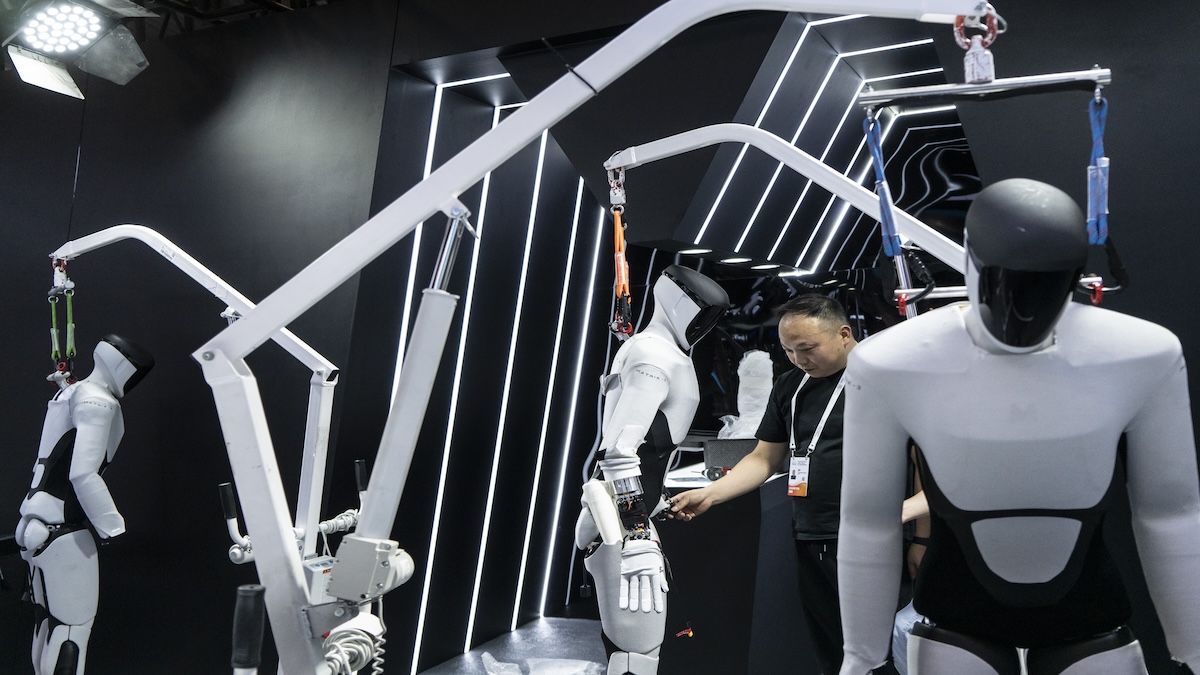
The US industrial robot industry is characterized by low growth and highly customized projects. Artificial intelligence holds out the hope to change that, especially when it comes to robots that can move and work safely around humans.
Goldman Sachs Group Inc. sees the yen weakening to 165 per dollar in a year’s time, driven in part by Japan’s interest rate differentials with the US.
At VettaFi, we’ve been talking a lot about bottlenecks as a concept. Some of the brightest equity market opportunities for capital growth are tied to bottlenecks in a supply chain-context.
Global stocks surged during the second quarter as oversold conditions in March and de-escalation in the Middle East created ripe conditions for a rally. In the United States, the large-cap S&P 500 index climbed by 13%, while the small-cap Russell 2000 index increased by nearly 25% (yCharts).
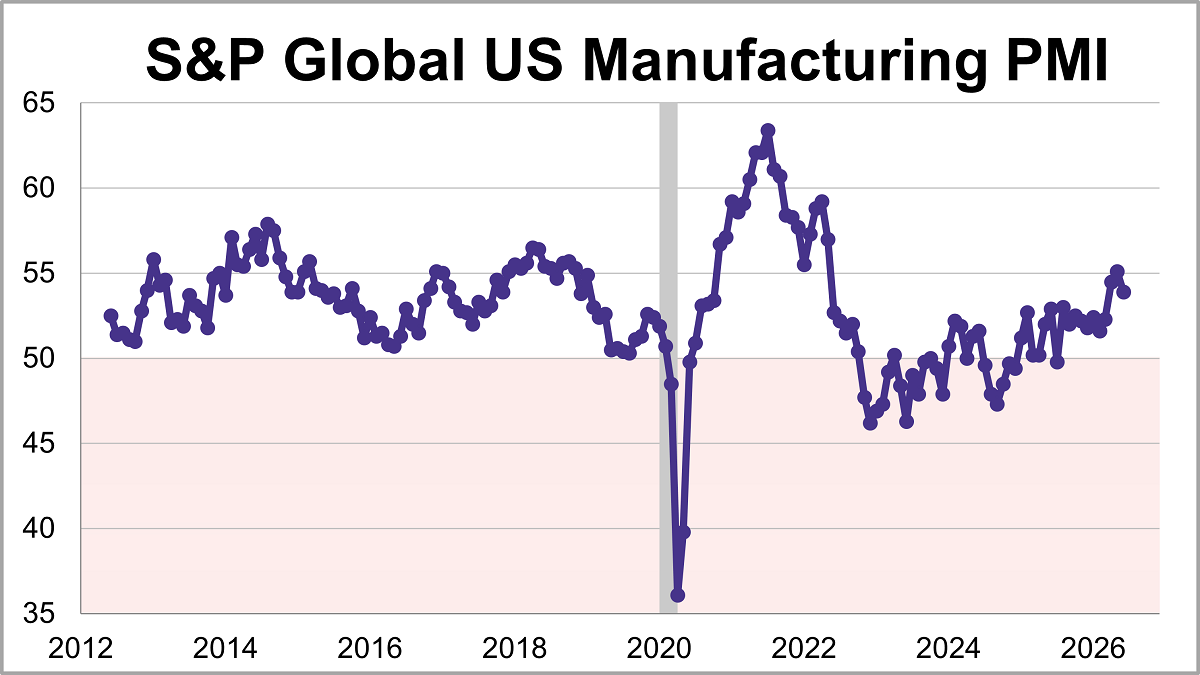
U.S. manufacturing expanded for an eleventh straight month in June but the growth eased to its lowest level in three months. The S&P Global PMI fell 1.2 points to 53.9 last month, falling short of the 55.7 forecast.
Ten years ago this week, the world watched the United Kingdom vote to walk away from the European Union. While the political class was clutching its pearls and every talking head on television was promising Armageddon by Christmas, I told you something different.
The dollar is wrapping up one of its best months in a year as a raft of Wall Street banks see a turnaround of fortunes for the US currency.
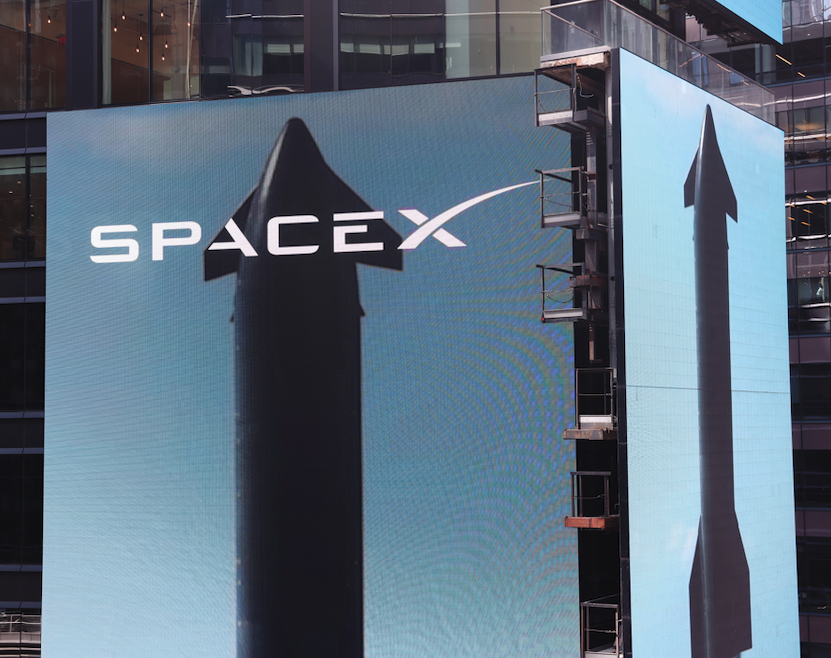
SpaceX’s blockbuster bond sale is weakening so quickly in the secondary market that traders say they can’t recall another recent deal that widened this sharply.
As the market continues to broaden in 2026, a balanced approach matters more than ever.
According to Gleason, the freezing of Russian assets following the 2022 invasion of Ukraine accelerated the global push toward de-dollarization. Nations around the world took notice that access to the dollar-based financial system could be restricted, increasing the appeal of gold as a reserve asset that cannot be frozen or sanctioned by foreign governments.
US technology stocks rebounded, lifting key indexes, after the latest flareup of concerns about the scale of the artificial-intelligence-fueled rally wiped nearly $1.3 trillion from the market capitalization of Nasdaq 100 companies over the first two days of the week.
A real, potentially lasting U.S.-Iran deal appears to be on the horizon for the first time in many weeks of on-, then off-again negotiations. Should this be the deal that does it, or another one in the near term, oil prices will respond. In fact, they’ve already dropped in response to the news that the Strait of Hormuz will reopen.
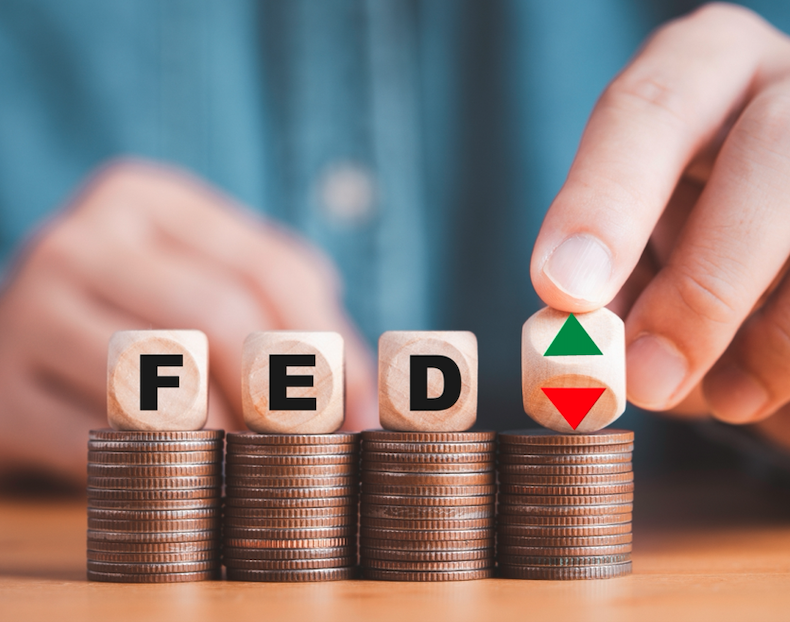
Kevin Warsh, the new chairman of the FOMC, has long been critical of forward guidance, which is the Fed’s practice of explicitly signaling the future path of interest rates (e.g., “rates will stay low for an extended period” or publishing a projected path for policy rates). His concern is that the guidance could give the impression that policymakers might have a high degree of confidence about the future path of the economy and rates.
The announcement of an extended ceasefire in the Middle East is welcome news. The accord, which is scheduled to be signed late this week, reduces a source of geopolitical uncertainty that has hovered over the global economy. But significant risks remain.
Emerging market (EM) fixed income's risk-adjusted profile has meaningfully improved. Sharpe ratios across EM credit and local rates have rebounded, with EM credit delivering one of the strongest risk-adjusted performances in fixed income over the past two years.