Review the latest portfolio strategy commentary from Mike Gibbs, managing director of Equity Portfolio and Technical Strategy.
For Americans with a New Year’s resolution to trade in their gas furnace or water heater for climate-friendly heat pumps, a word of caution: Generous Inflation Reduction Act rebates for home electrification took effect on Jan. 1, but they won’t actually be available to homeowners until year’s end or 2024 at the earliest, according the US Department of Energy.
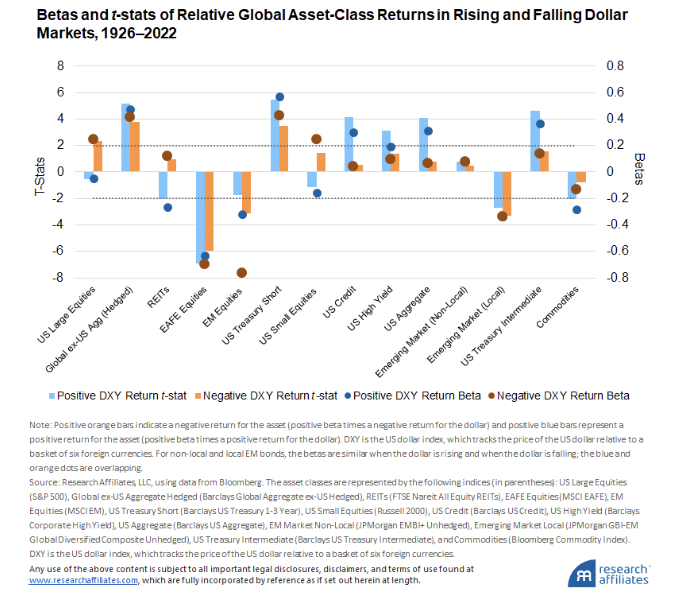
US dollar cycles are long.
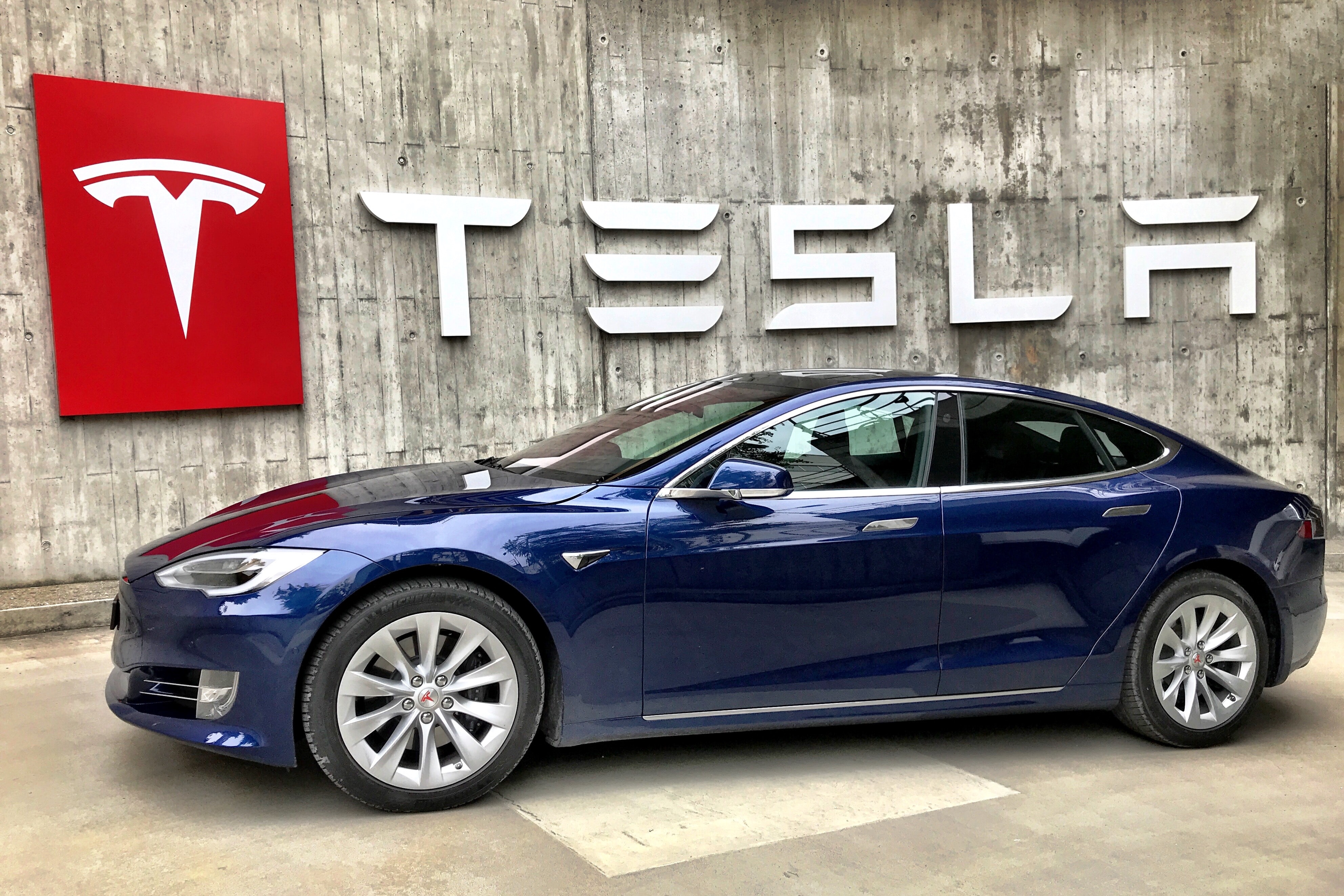
Tesla Inc. has secured a new $5 billion revolving credit facility, another sign that the company is nearing investment-grade status.
The US economy grew faster than forecast into the end of 2022, but there were signs of slowing underlying demand as the steepest interest-rate hikes in decades threaten growth this year.
The layoff announcements coming lately from the chief executive officers of big technology companies all contain variations on the theme of “we hired too many people during the pandemic,” expressed with varying degrees of contrition.
Special needs trusts and ABLE accounts are the pillars of special needs funding. I have a professional here to discuss the differences between them and how each can be used to maximize financial resources. This includes protecting government benefits, understanding eligibility requirements, guidelines for use, and funding options. The discussion will explain how you can best support families to provide quality of life and a lifetime of care.
Having oscillated between anticipating another 50-basis-point interest-rate increase by the Federal Reserve next week or a downshift to 25 basis points, traders have settled solidly on the latter, guided both by Fed officials’ comments and by media reports.
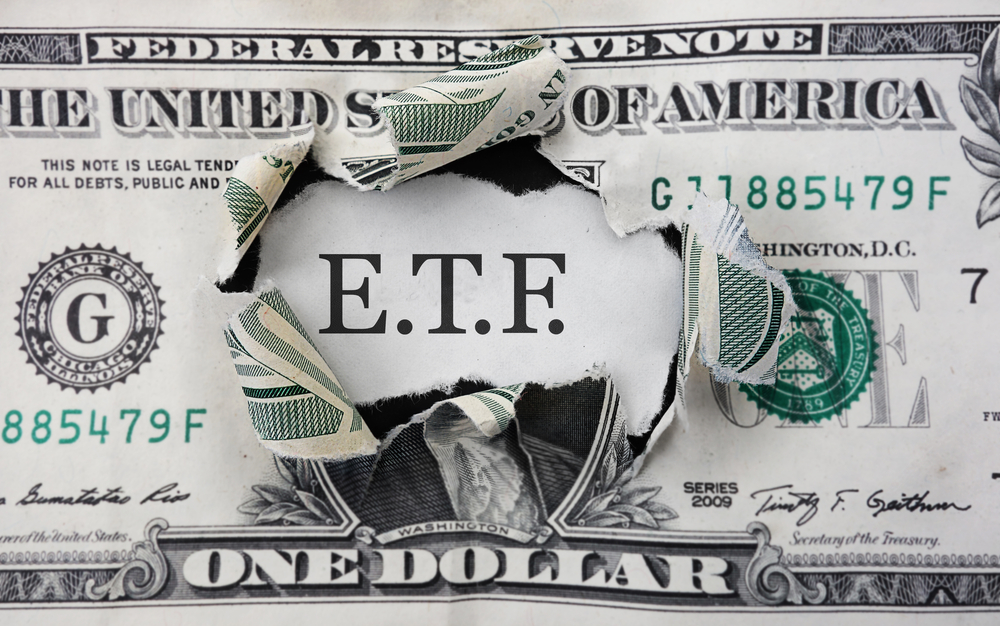
What happens when you ask the hottest AI tool in the world to design an ETF that can beat the US equity market? It tells you the same thing every frustrated stock manager does.
For the first time, the world invested as much money into replacing fossil fuels as it spent on producing oil, gas and coal, according to an analysis from BloombergNEF.
Checking your 401(k) account balance is a little less painful these days.
Investors are still recovering from the municipal market beatdown of 2022, but the current higher absolute yield levels provide an attractive “re-entry” point for municipal market investors.
Formed in 2005 to serve educational and resource needs of professional business advisors, the Exit Planning Institute is a trendsetter in the field of exit planning for business owners across the globe. It is the only organization that offers the Certified Exit Planning Advisor Program (CEPA) and qualifies for continuing education credits with 12 major professional associations, making it the most widely endorsed professional exit planning program in the world.
Here are four things you can stop doing to make a significant difference in your daily productivity.
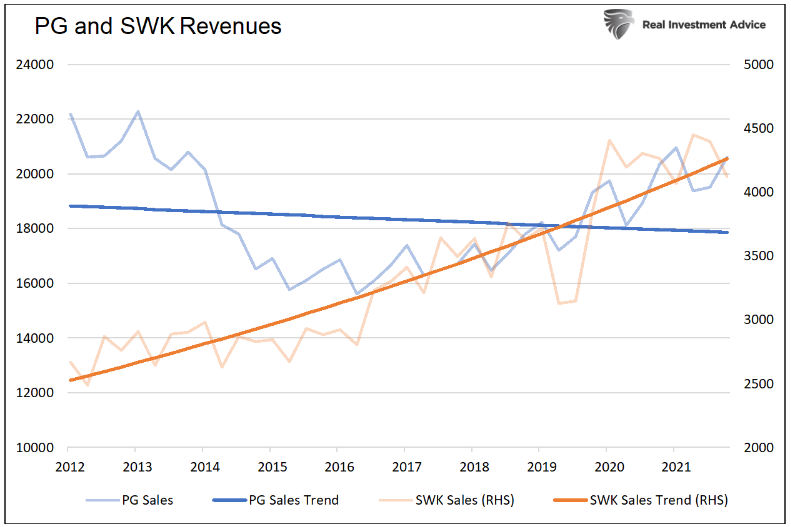
Successful investment management can be Impaired by perverse incentives, which are what now plagues value funds.
The once-burgeoning realm of crypto and decentralized finance keeps imploding, presenting policy makers with a quandary: Should they just let it burn, or step in to address its now-obvious flaws?
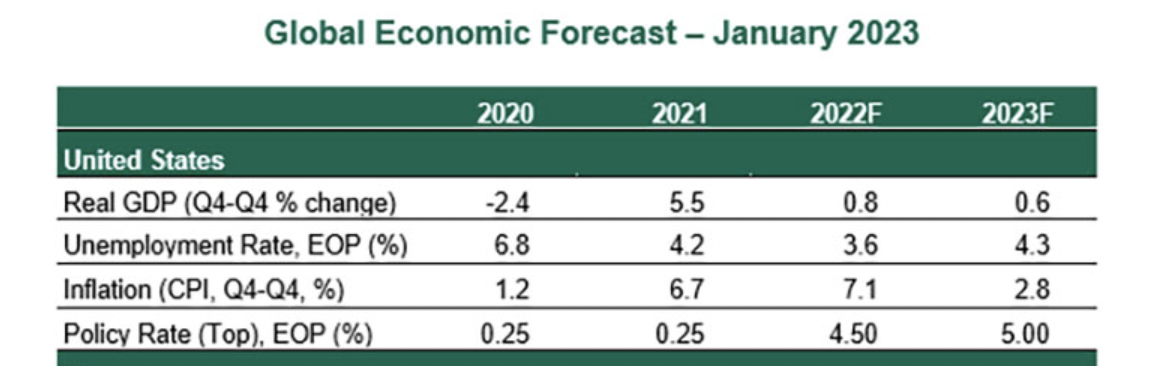
The Northern Trust Economics team shares its outlook for key markets in the month ahead.
U.S. equities finished mixed in a lackluster trading session, as Q4 earnings season shifted into a higher gear today.
The first and easiest leg of the bursting of the bubble we called for a year ago is complete.
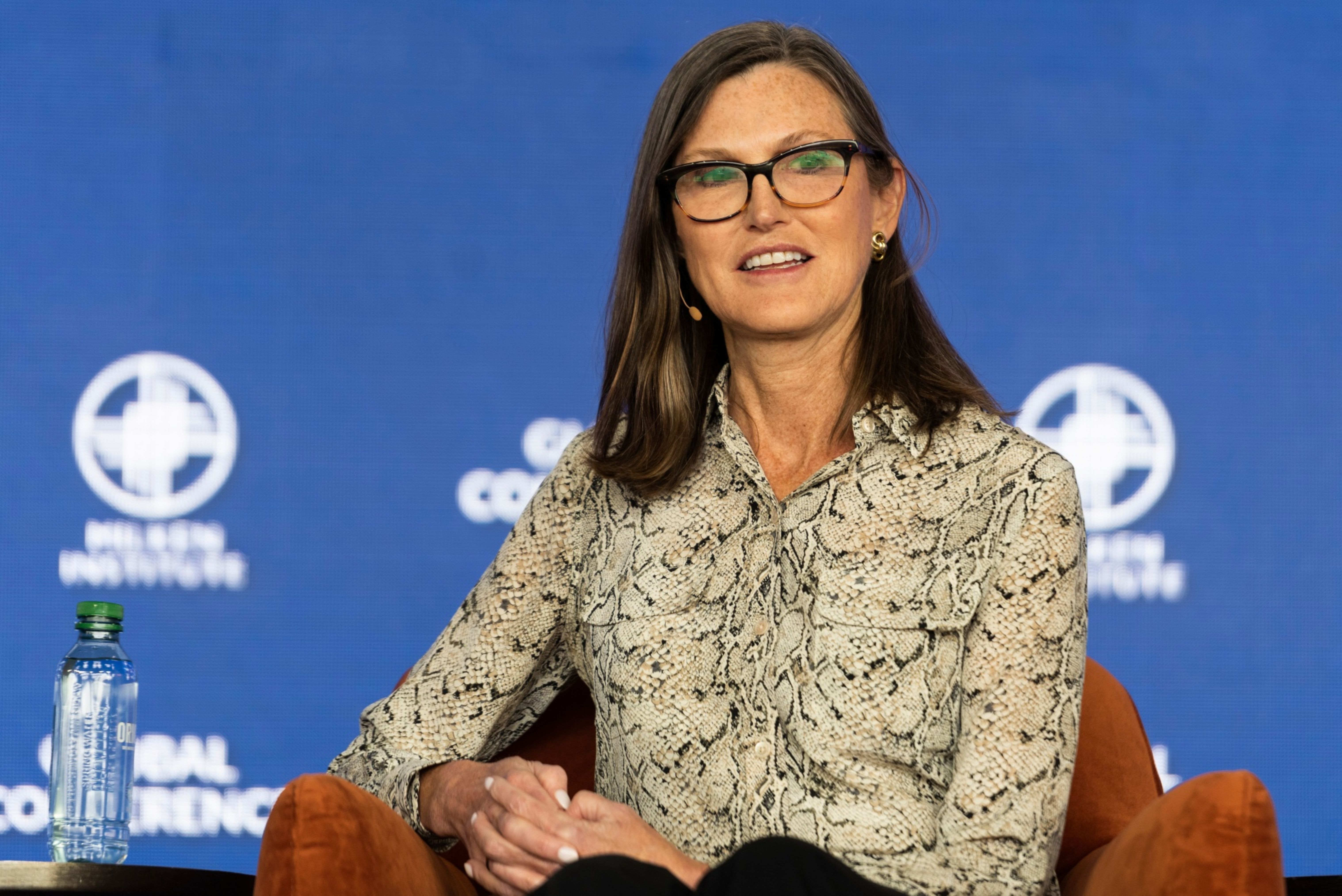
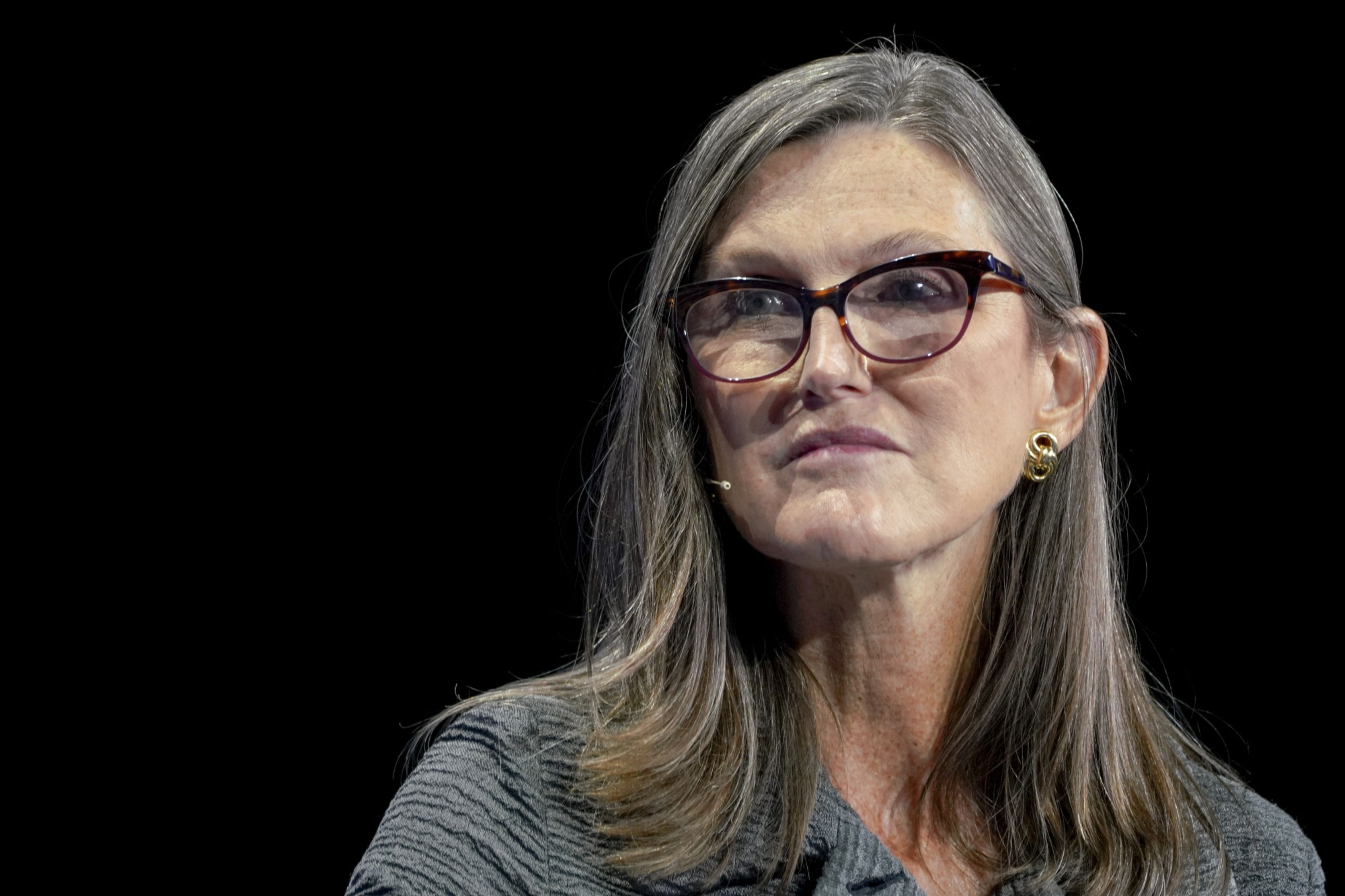
Cathie Wood’s flagship strategy is on course for one of its best months on record, joining assets across Wall Street that are so far defying gloomy expectations for the year ahead in emphatic style.
Ken Griffin’s Citadel churned out a record $16 billion in profit for clients last year, outperforming the rest of the industry and eclipsing one of history’s most successful financial plays.
Do you fear looking back at your career one day and asking yourself “what if” you had made a move to independence?
We turn fantastic conversations with clients into risk profiles, performance reports, and various financial documents that have little meaning to them and their values.
Word is out among hedge fund managers on how to get tax breaks for giving to charity - without actually handing over their money just yet. They can even keep it in their funds.
Paying down student debt or saving for retirement can seem like mutually exclusive goals. A little-known workplace benefit could soon allow more workers to do both.
Microsoft Corp. is investing $10 billion in OpenAI, whose artificial intelligence tool ChatGPT has lit up the internet since its introduction in November, amassing more than a million users within days and touching off a fresh debate over the role of AI in the workplace.
VettaFi’s Roxanna Islam goes in-depth on ecommerce and various ETFs covering the segment. Grayscale’s Dave LaValle offers the latest on their lawsuit against the SEC in an attempt to convert the Grayscale Bitcoin Trust (GBTC) into an ETF. Goldman Sachs Asset Management’s Marissa Ansell highlights the firm’s approach to actively managed, thematic investing.
For the 15 years preceding 2022, asset management was a great business, fueled by near-double-digit AUM growth driven by rising equity and bond markets. But that party ended in 2022, with big losses in the stock market and record losses in the bond market. My guest today is here to discuss what that means for asset managers, advisors, and the consumer who ultimately own mutual funds and ETFs.
The problem with speculation is that there’s usually a gap between the underlying risk and the inevitable outcome.
In the weeks since the ChatGPT artificial intelligence tool took the world by storm, Nvidia Corp. has emerged as Wall Street’s preferred pick for traders seeking to profit from its potential.
The death of the cheap-money era is redrawing Corporate America’s earnings map - upending a decade of Wall Street wisdom over which stocks are the bargain buys or the high fliers of tomorrow.
There was much mirth online when the US Justice Department announced the arrest of crypto exchange Bitzlato’s founder last week.
Artificial intelligence advances in a manner that’s hard for the human mind to grasp.
2022 was a year of disappointment and negative surprises as economies faced the consequences of geopolitical turmoil and central banks fighting inflation.
When should your firm begin to leverage a new offering, if at all? Let’s talk about ESG investing and share three strategies to help your firm discuss and market a new product or service in an authentic, practical, and distinctive way.
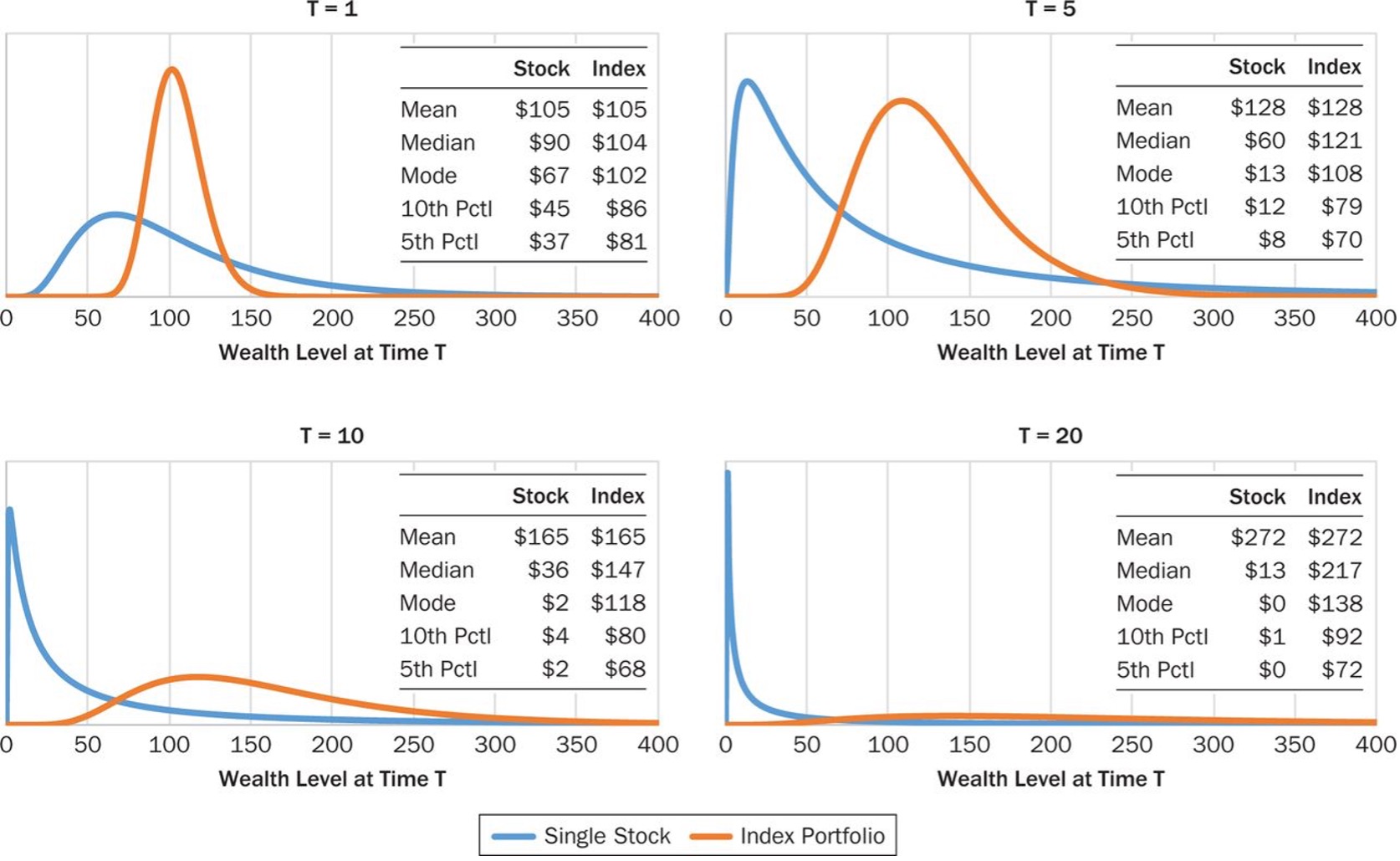
Advisors can illustrate the risks in single-stock positions by educating their clients on the historical evidence that demonstrates diversification is the prudent strategy.
It’s big news that Envestnet is moving into the RIA custodial space and will soon be competing head-to-head with its biggest integration partners: an expanded Schwab platform, Fidelity and Pershing. I suspect that this is just the first of many so-called software “platforms” that will jump into the custody competition.
Ray Dalio, founder of the world’s largest hedge fund, has one.
The world’s leading CEOs, politicians, and various do-gooders were in Davos, Switzerland, this week, discussing ways to solve our collective problems and create opportunities for their own companies. The most important conversations were off the record and many of the public speeches were simply performance art.
A January survey conducted by Bank of America shows that 91% of money managers believe China will “fully reopen” in 2023. That’s a significant increase from December 2022. Growth expectations for the country are also at a 17-year high.
The America First trade that sent money gushing to the US over the past three years is finally starting to lose its shine as market optimism gravitates back to unloved markets outside of the world’s biggest economy.
Cathie Wood is back to selling JD.com Inc. shares after a hiatus of about six months as Chinese technology stocks see a historic rebound helped by regulatory easing.
Market watchers on Wall Street attribute this week’s stock selloff to the insidious threat of recession.
China’s equity benchmark is closing in on a bull market as foreign investors rush to buy local shares on bets that the nation’s economic reopening and supportive policies will accelerate the market’s rebound.
Amazon.com Inc.’s cloud unit will spend $35 billion on new data centers in Virginia by 2040, underscoring its determination to stay ahead of rivals Microsoft Corp. and Alphabet Inc.
U.S. equities are higher, as the markets look to get back to their winning ways after a two-day losing streak.
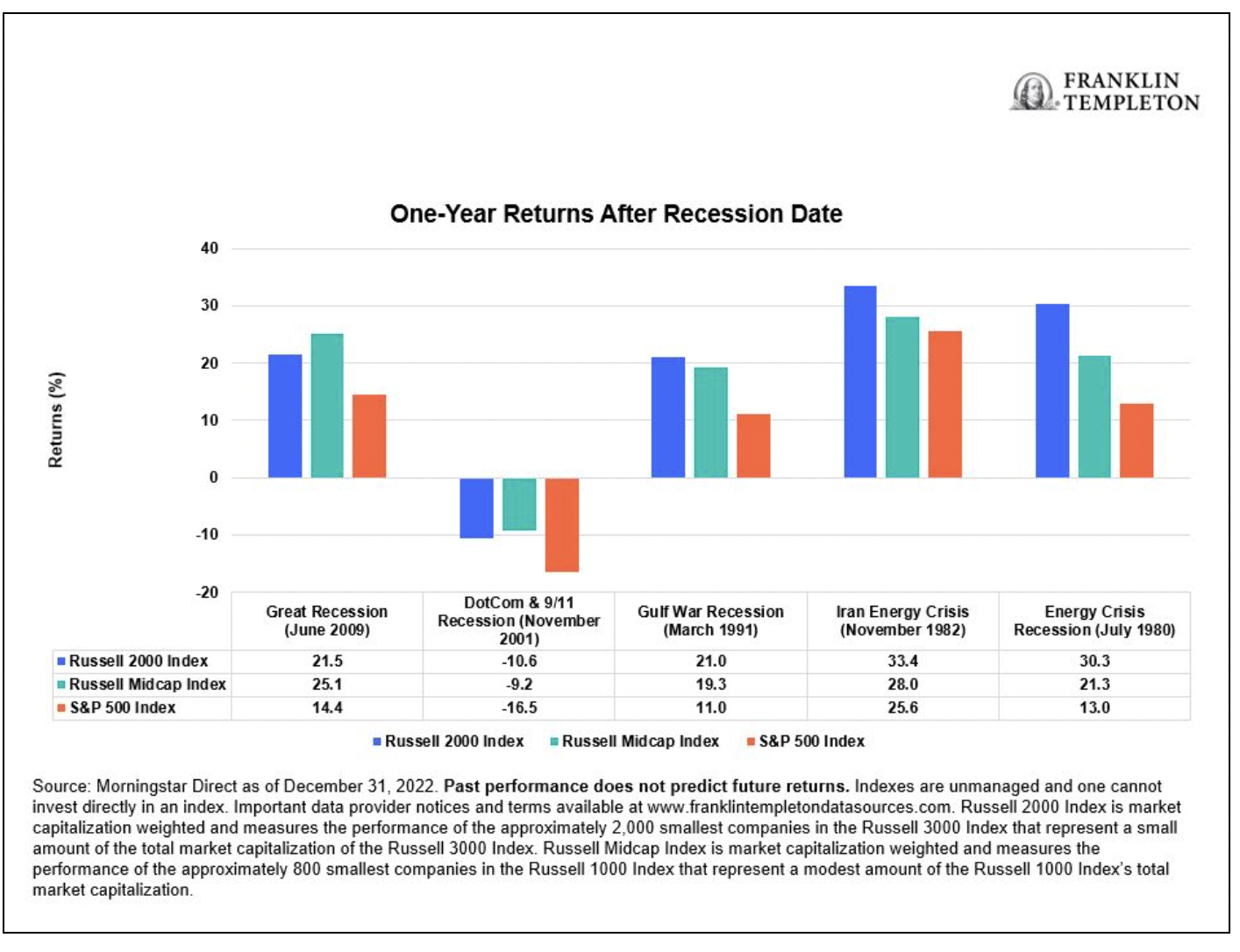
Dina Ting, our Head of Global Index Portfolio Management, offers her perspective on the allure of multifactor US mid-capitalization strategies for 2023.
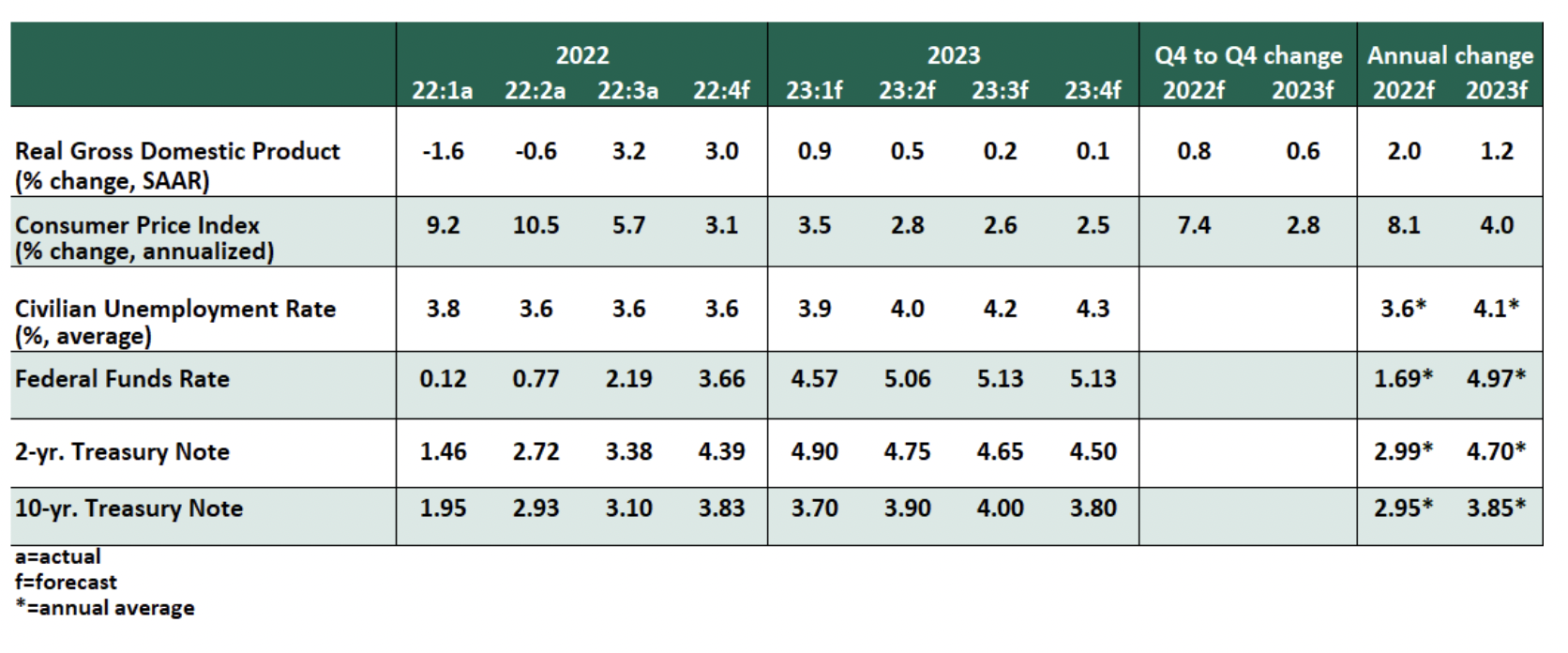
The Northern Trust Economics team shares its outlook for growth, inflation, employment, and interest rates.
A chart breakdown in the S&P 500. Signs of complacency in a closely watched options gauge.
Macro hedge funds, which look at economic trends and take advantage of dislocations across asset classes, had a banner year in 2022.