European markets have been turbulent because of the region’s proximity to the war in Ukraine and economic links with Russia.
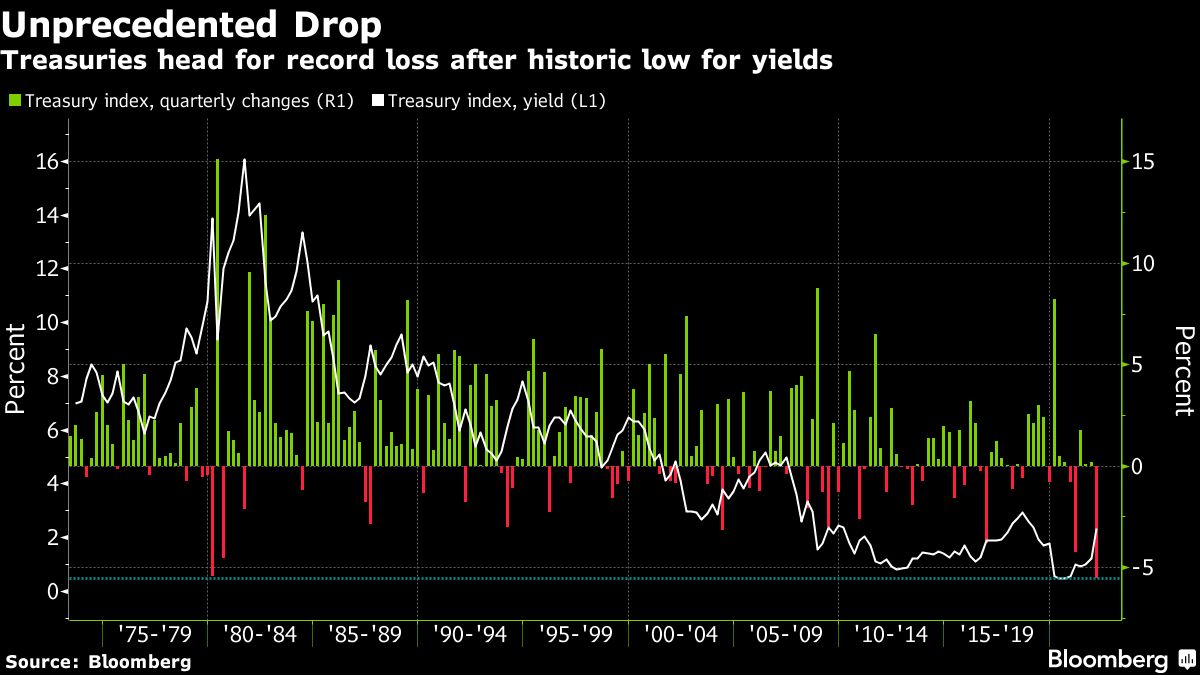
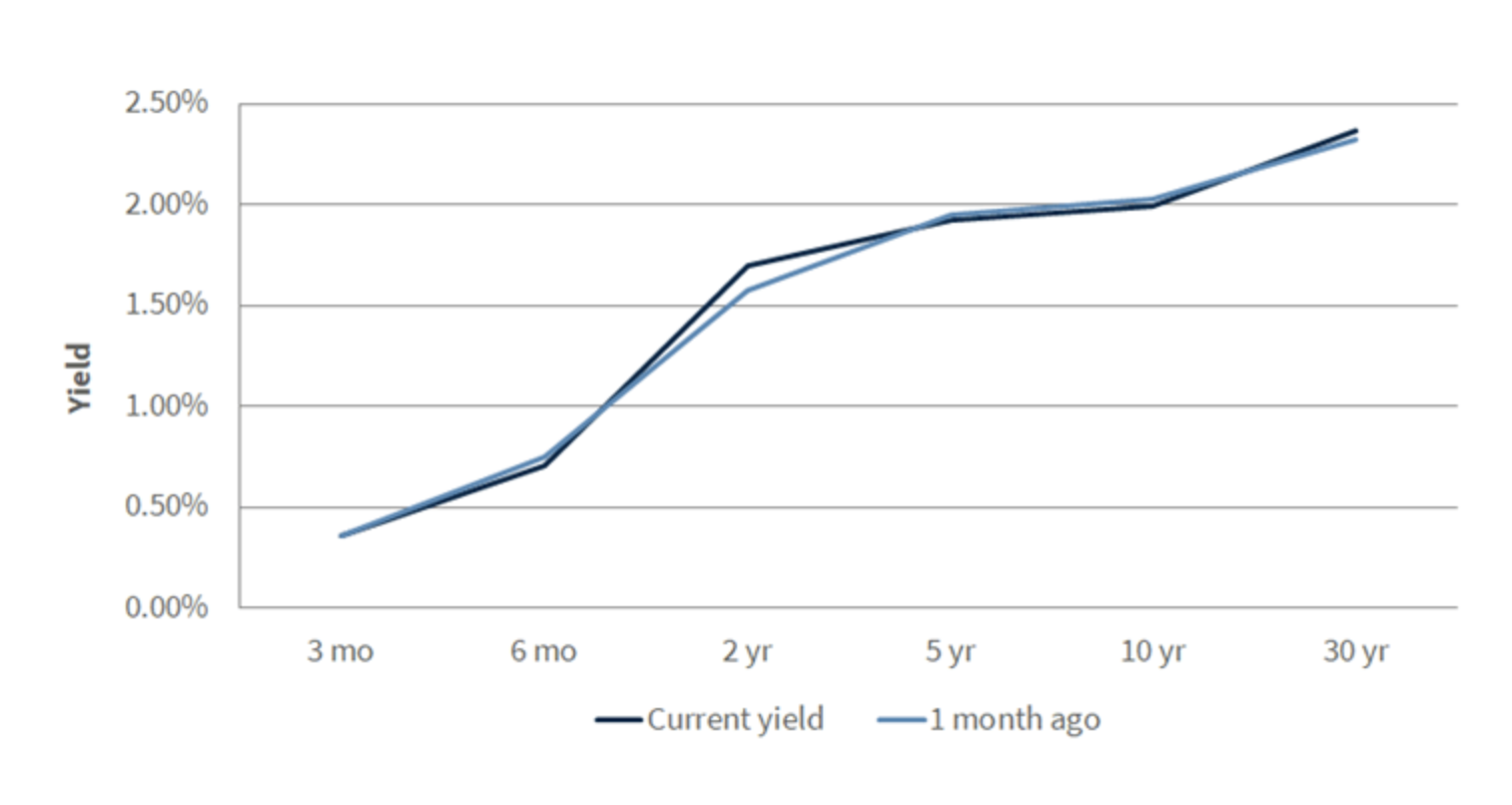
The U.S. bond market reeled further on Tuesday, extending Monday’s declines after Federal Reserve Chair Jerome Powell’s aggressive rate hike comments drove yields on short-dated Treasuries to one of their biggest daily jumps of the past decade.
Actively managed global allocation funds claim that skilled investment managers can produce a superior rate of return compared to traditional index funds. But the reality does not match the hype.
Lead Portfolio Manager Steve Raineri and ESG Lead John Chow of the Franklin Small-Cap Value Team within Franklin Mutual Series discuss small company ESG investing, why it presents an opportunity and how ESG analysis helps investors become better stewards of client capital.
DeFi is creating a new financial system that doesn’t rely on traditional intermediaries like banks or insurance brokers, providing more freedom and creativity.
Dethroning the dollar is easier said than done. That’s the conclusion of investors after Washington’s freeze of Russia’s dollar holdings created fresh impetus among central bankers to rethink the security of access to foreign-exchange reserves. The move fueled speculation that countries such as China could redouble efforts to unshackle itself from greenback-denominated financial systems and look for alternatives.
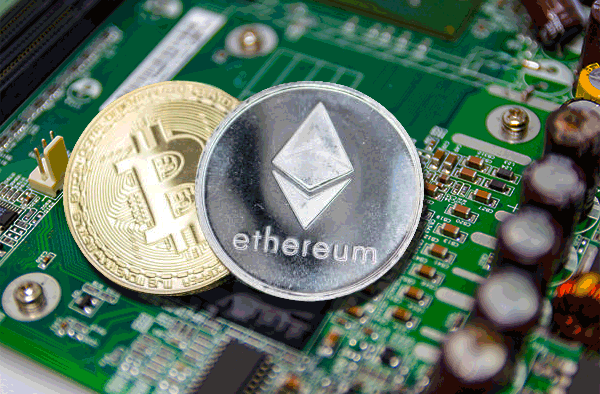
Elon Musk recommends that investors own “physical things” instead of cash in the face of historically high inflation. So why is he holding on to his Bitcoin and Ethereum?
Recession is where we are headed. So let’s review what it will be like.
The Windfall Profits Tax Bill doesn’t penalize energy companies. It punishes consumers with more inflation. Further, it uses a faulty assumption to help gain support from the public.
Dividend Contenders are mostly fast-growing dividend growth stocks that increase their dividends for 10 to 25 consecutive years.
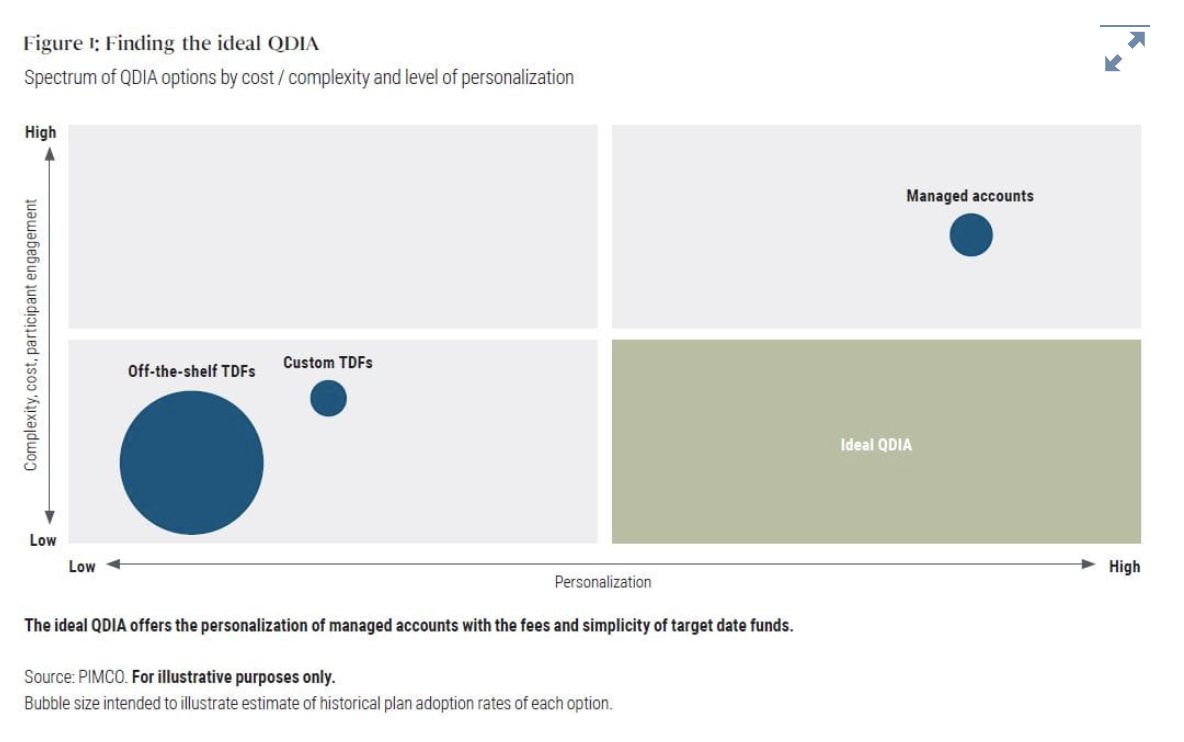
The pandemic hastens the evolution of the DC plan landscape and challenges plan sponsors to evolve.
Mutual Series’ analysts see value opportunities in the financials sector as the interest-rate environment turns more favorable in the United States and European banks see greater clarity about the impact of the Russia-Ukraine war.
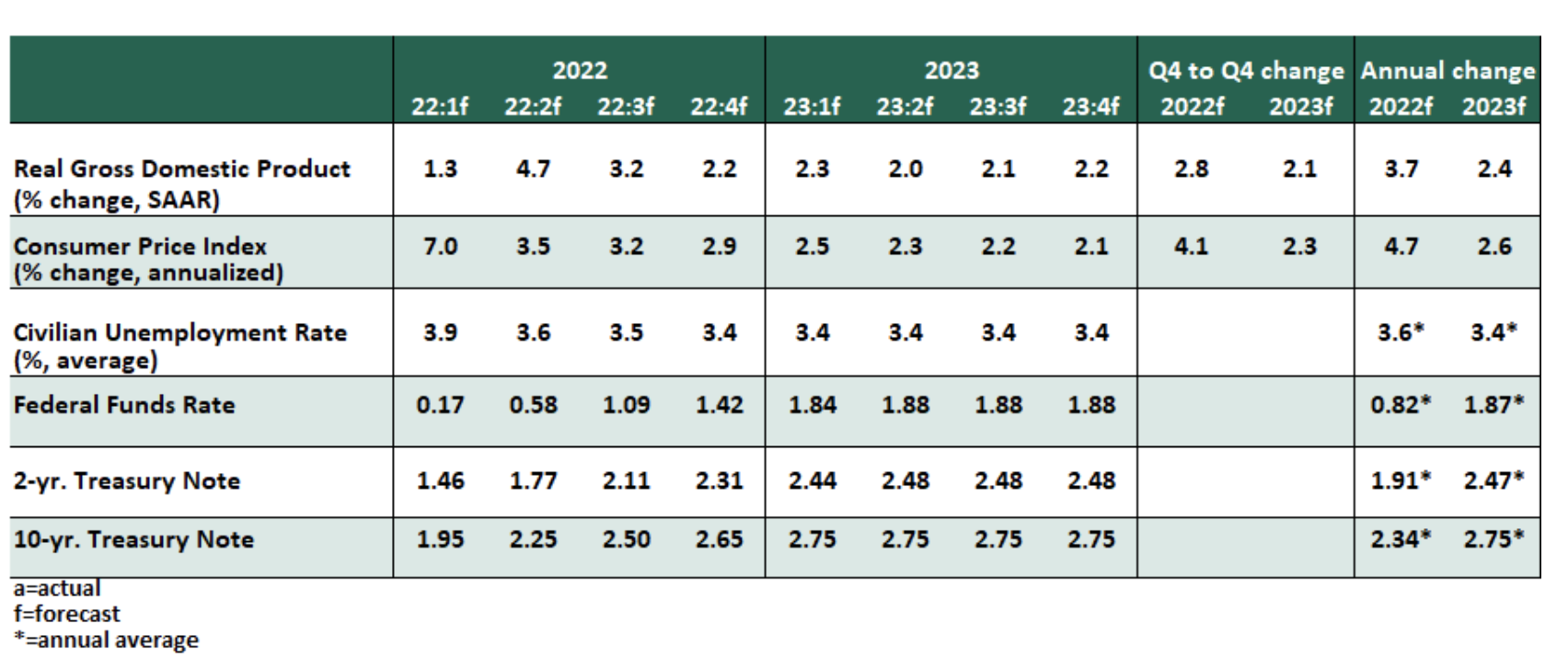
The Northern Trust Economics team shares its outlook for growth and interest rates in a context of high inflation.
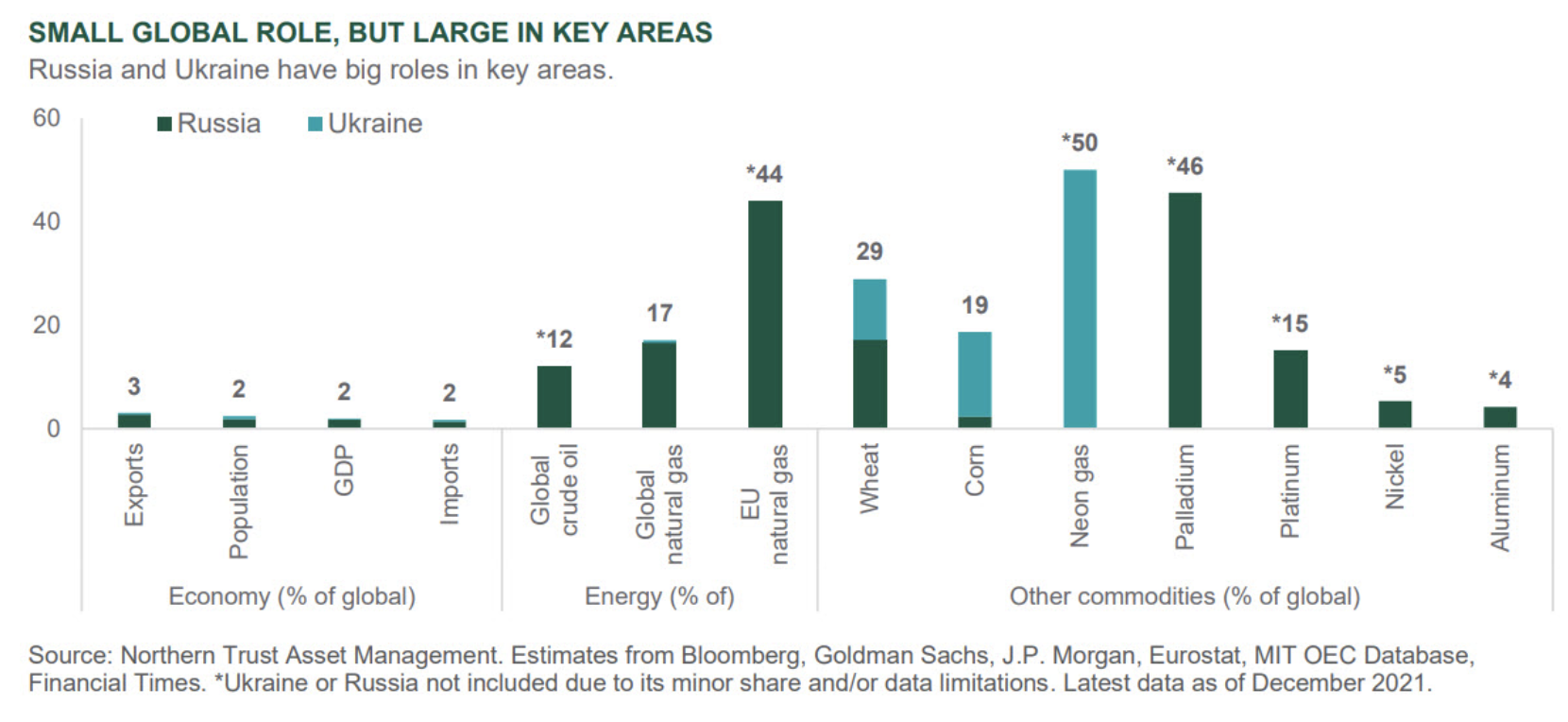
With no end to Russia’s attack on Ukraine in sight, energy and agriculture are feeling the strain.
Known for its status as one of the top three US credit bureaus, Equifax is a global data analytics company with a goal of “helping people live their financial best.”
Head of Franklin Templeton Investment Institute, Stephen Dover, hosted a special webinar to discuss rising oil prices and the fundamentals that would impact them in the future.
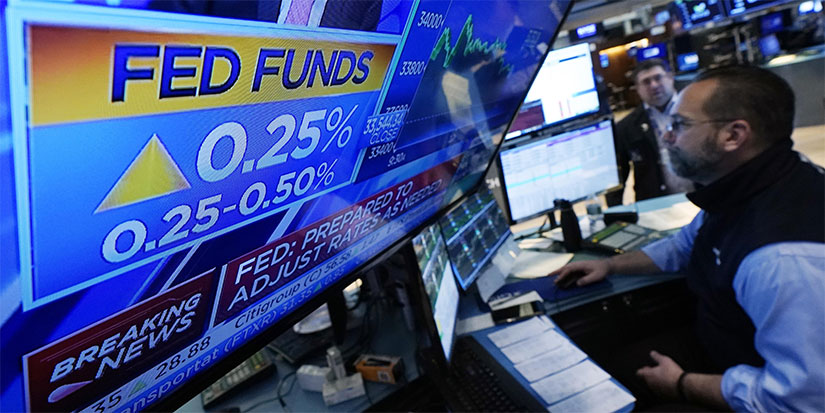
America’s central bank increased its benchmark interest rate on Wednesday, pushing it up by a quarter percentage point. The hike — the first since 2018 — was widely expected. But at a time when Russia’s war in Ukraine has roiled global markets, U.S. inflation is at its highest level since the 1980s and Covid-19 cases are increasing in some parts of the world, consumers and investors are contending with the prospect of rates going even higher.
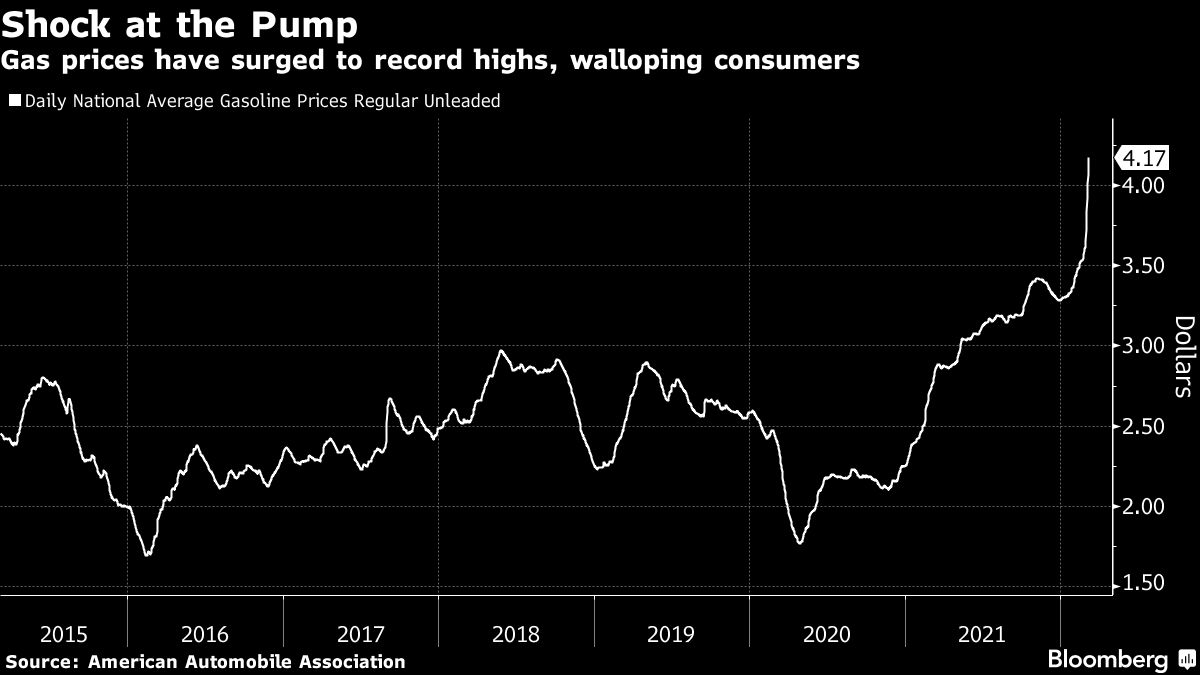
The recent surge in gasoline prices suggests we might see a reversal in consumers’ years-long shift towards trucks or sports-utility vehicles back to more modest, fuel-efficient vehicles. But don't expect automakers to go along.
Quick – where were you 25 years ago?
Exchange-Traded Funds (ETFs) holding only Russian equities have had creations suspended and trading halted since the war in Ukraine commenced.
For American consumers wondering who's profiting from the run-up in food prices, it’s instructive to spend a few hours at Rob Tate’s Minnesota farm. Because he wants everyone to know that it sure isn’t him.
The Federal Reserve is poised to raise interest rates Wednesday for the first time since 2018, with investors focused on how aggressive central bankers plan to be in tackling the hottest inflation in four decades.
ICYMI: In this roundup, we’re highlighting the five most popular pieces of content from the previous week.
European investors are struggling to understand new rules designed to confirm the environmental, social and governance (ESG) credentials of portfolios.
As a financial advisor looking to jump to independence as an RIA, you have two doors from which to choose.
The Russian invasion of Ukraine overturned a lot of assumptions about the near-term direction of the global economy.
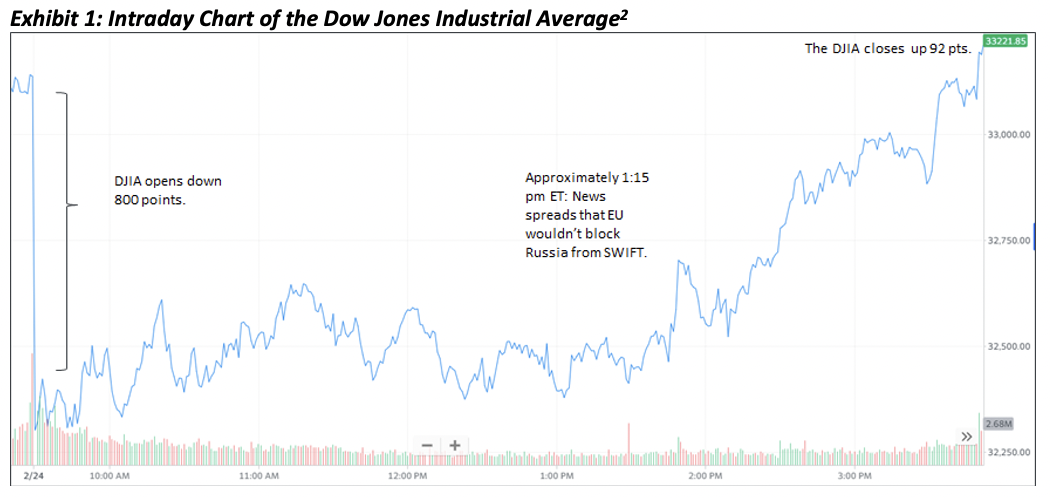
Russia’s invasion of Ukraine and the world’s subsequent sanctions and actions to curtail Russia’s access to the global financial system have thrown financial markets into turmoil.
Bonds have started slowly in 2022 due to persistent inflation, a looming Fed tightening cycle, and the Russia/Ukraine conflict. We believe the Osterweis Strategic Income Fund is well-positioned to address these challenges, as its flexible mandate and defensive approach help to protect against rising rates and market volatility.
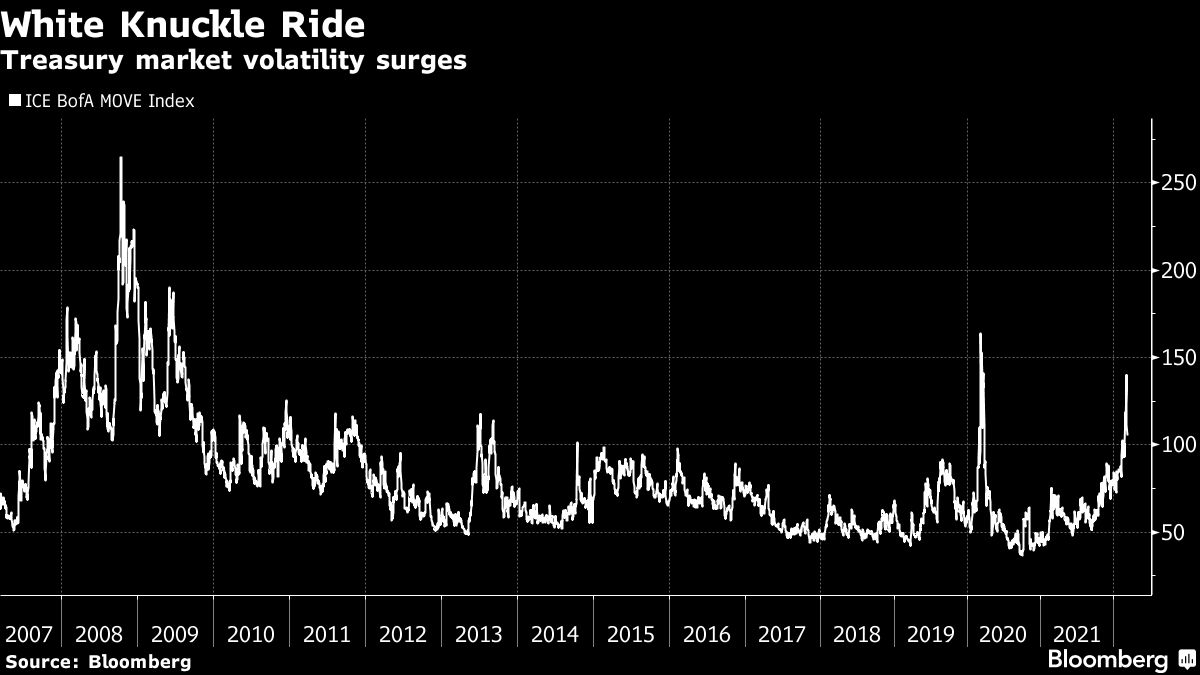
The surging volatility in the world’s biggest bond market is challenging traders trying to play both tighter global monetary policy and a war-induced commodity price shock that’s raising the specter of 1970s-style stagflation.
The Federal Reserve is in a deep hole of its own making as its top policy committee meets this week to announce the start of a long-anticipated cycle to raise interest rates. Inflation is at a 40-year high and still accelerating, the Fed’s inflation-fighting credibility is damaged, and it has lost control of the monetary policy narrative.
Russia’s invasion of Ukraine is a much smaller conflict than World War I, and the trade disruptions associated with the U.S./European quasi-embargo on Russia are smaller than the British blockade of the Central Powers. But the clash is nonetheless a giant step away from globalization — and, unlike World War I, it comes at a time when the world has already been moving away from economic integration.
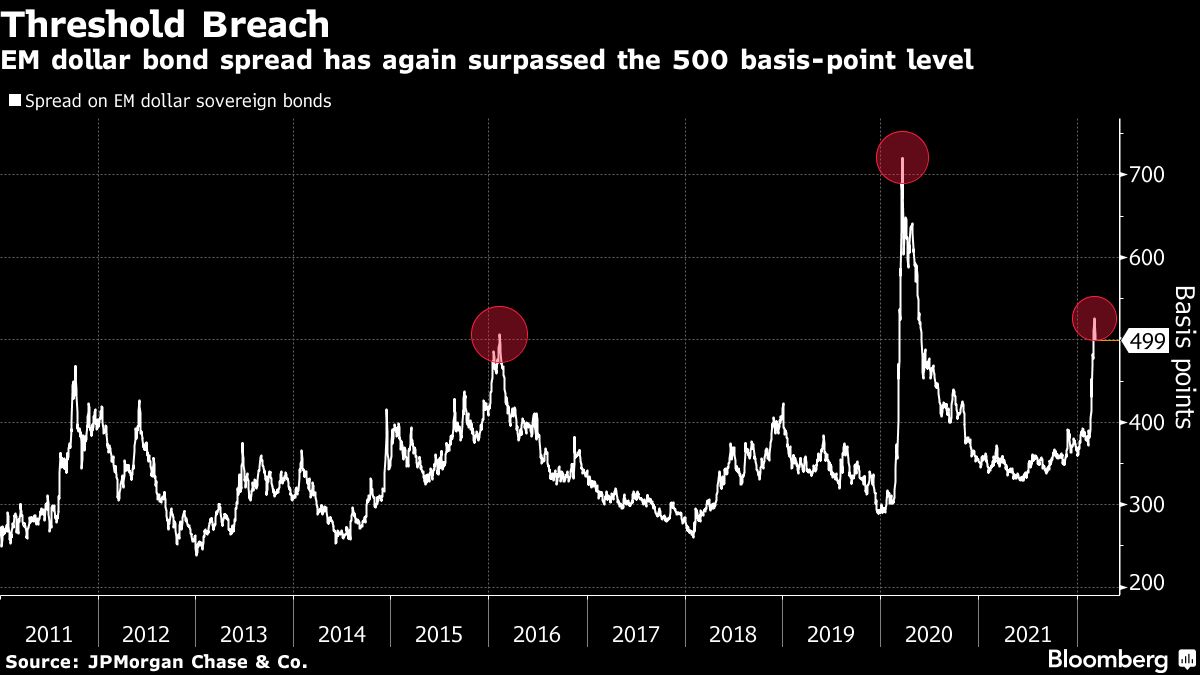
The extra yield offered by developing-nation sovereign debt over U.S. Treasuries has risen above 500 basis points, crossing a threshold breached only two other times in more than a decade. That’s drawing money managers including FIM Partners and Vontobel Asset Management to bet spreads will quickly tumble, just like they did following the previous spikes.
An important part of tax planning is medical expenses, which add up quickly. Your clients (including spouses and dependents) will have medical expenses throughout the year, and hanging onto those receipts could save them money this year.
All geopolitical crises, including the current one, present three timeless lessons investors would be wise to heed.
Section 1202 of the Internal Revenue Code provides for an exclusion of up to $10,000,000 of capital gains (or, if greater, an exclusion of up to 10 times one’s basis) in connection with the sale of qualified small business stock (QSBS).
Have you experienced sticker shock at the pump recently?
Hiking rates into a wildly overvalued market is potentially a mistake. So says Bank of America in a recent article.
Chief Economist Scott Brown discusses the latest market data.
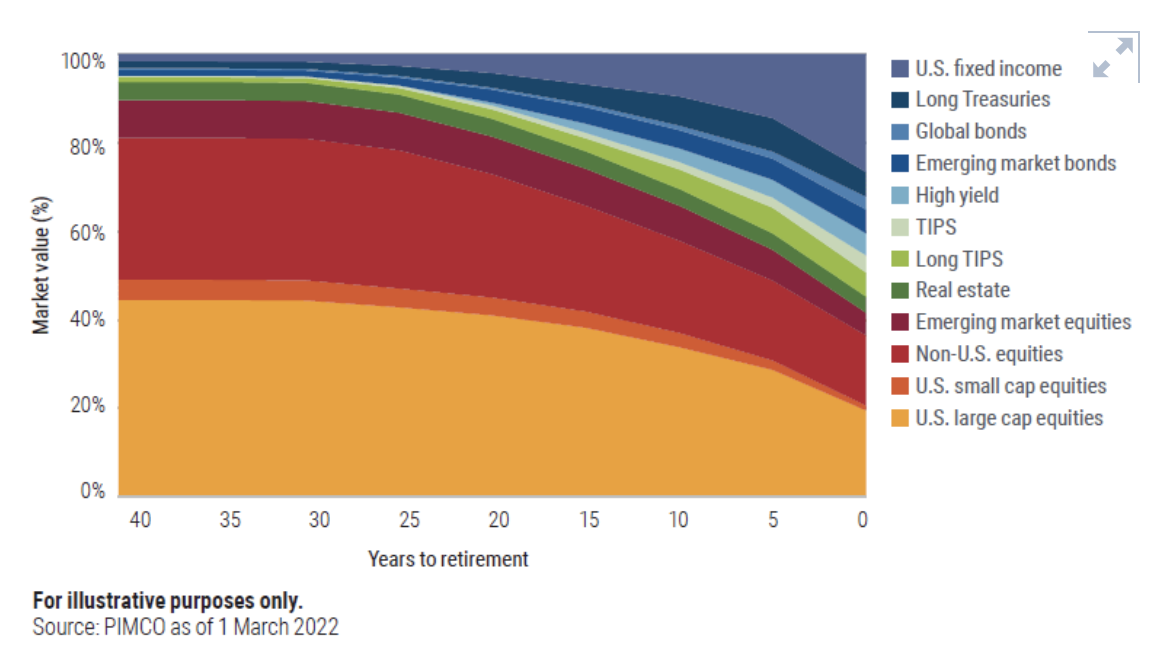
PIMCO’s glide path for target date funds expresses the firm’s collective view on age-appropriate asset allocation that can help prepare defined contribution (DC) plan participants for successful retirements.
We're changing all our sector calls to "neutral" until there's more clarity on how the Russia-Ukraine war will affect the global economy.
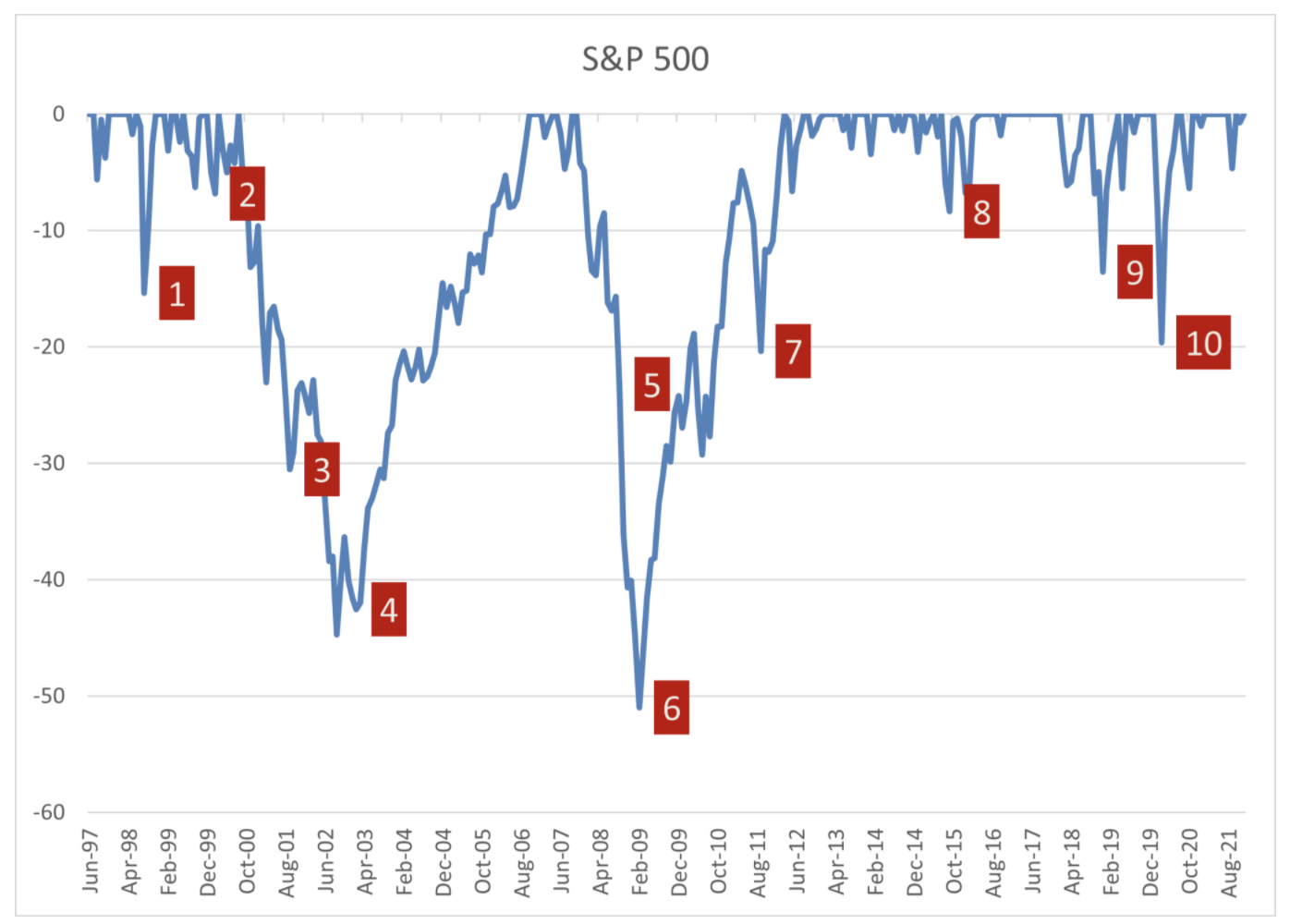
Most investors experience stress during a bear market. In contrast, value investors like yours truly become excited almost to the point of being giddy. We see bear markets as the gift that keeps on giving. This is especially true after a long-running bull market like we have experienced for the last several years.
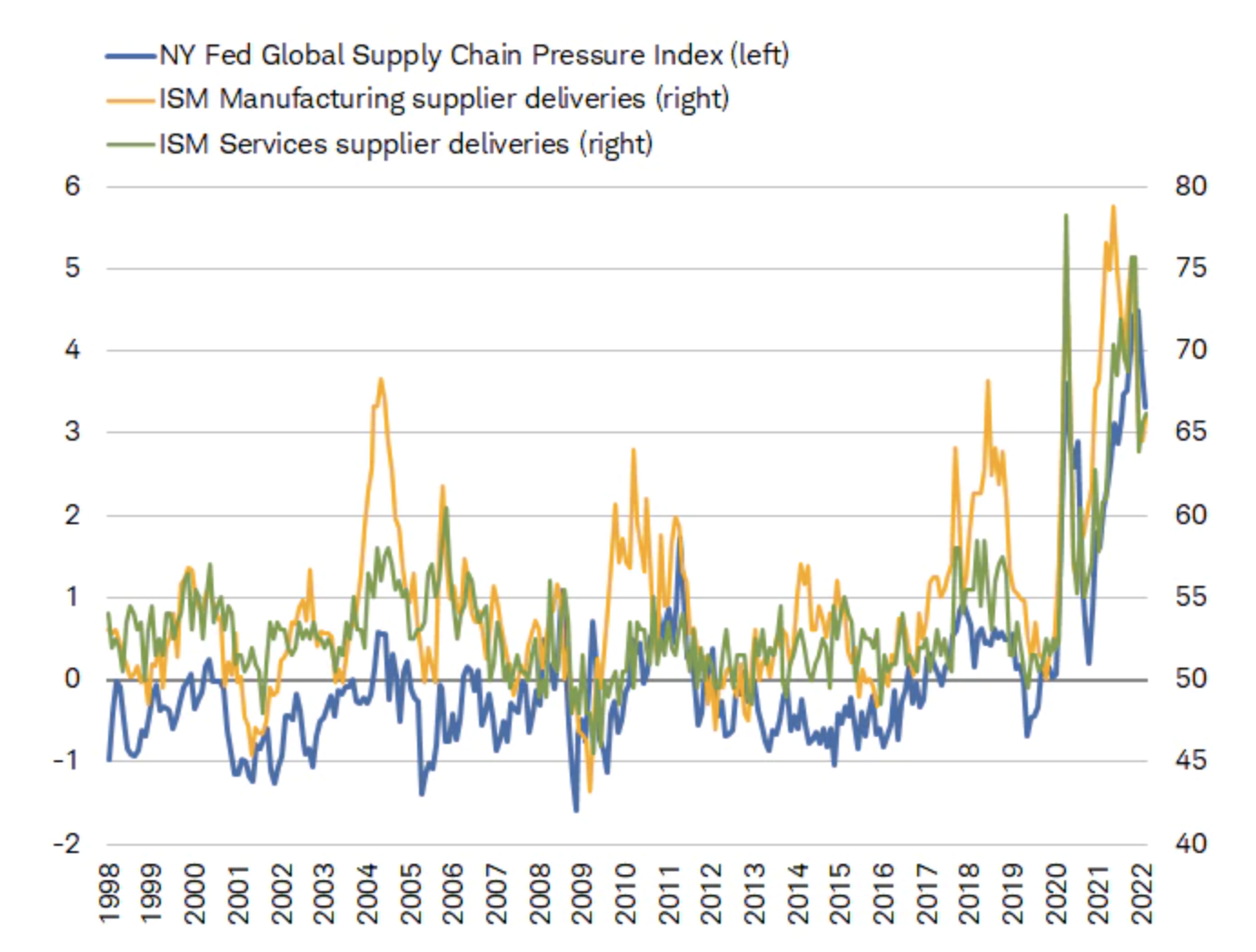
What happens when you combine the tipping point of two deflationary forces—globalization and demographics—with a pandemic, epic supply-chain disruptions and an invasion in Europe? Inflation of a magnitude not seen since the 1970s. Some of the contributing factors may be transitory, but not all, and lingering inflation is likely to be higher than before. How should bond investors adapt?
Consumers were feeling the pinch of higher energy prices even before Russia invaded Ukraine. Energy prices have surged to multi-year or record highs amid the war, and many are wondering if they still have further to go. Here, Franklin Equity Group’s Frederick Fromm shares his latest views on investing in the sector.
In his monetary policy testimony to Congress, Fed Chair Pro Tempore Powell solidified market expectations that the Federal Open Market Committee will raise short-term interest rates by 25 basis points on March 16 (and not by 50).
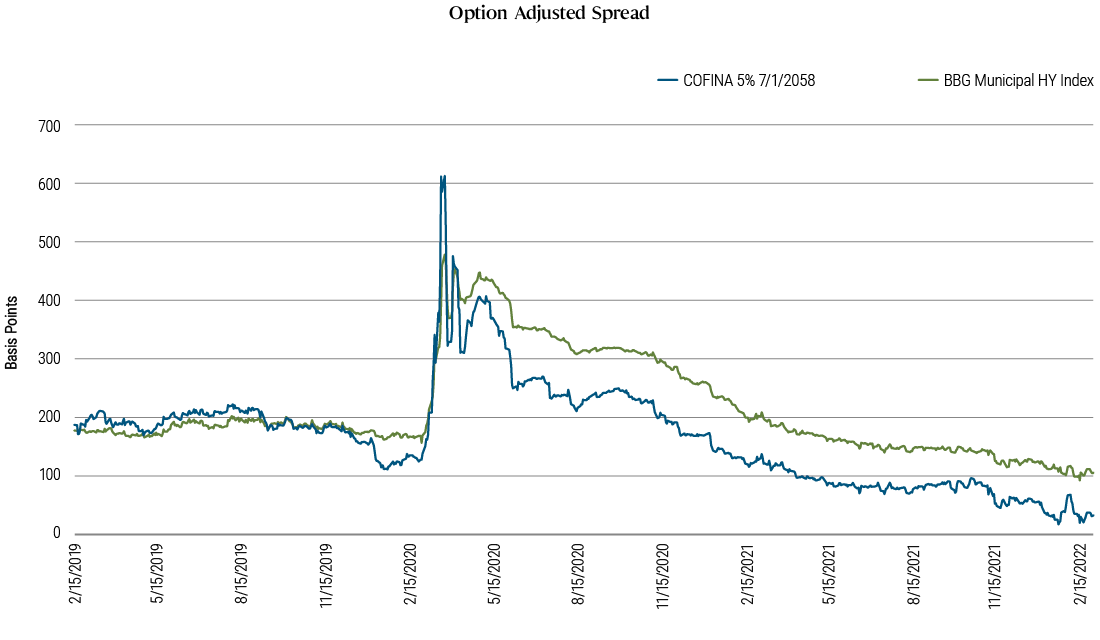
Restructured debt has often outperformed the broader municipal bond market as issuers emerge from bankruptcy with higher debt-servicing capacity.
Russia’s invasion of Ukraine has shocked the global economy, in particular by fueling further spikes in energy and commodity prices. The new inflationary catalysts will have differing effects on monetary policy moves because regional economies are starting from different places, which will determine their ability to withstand higher commodity prices.
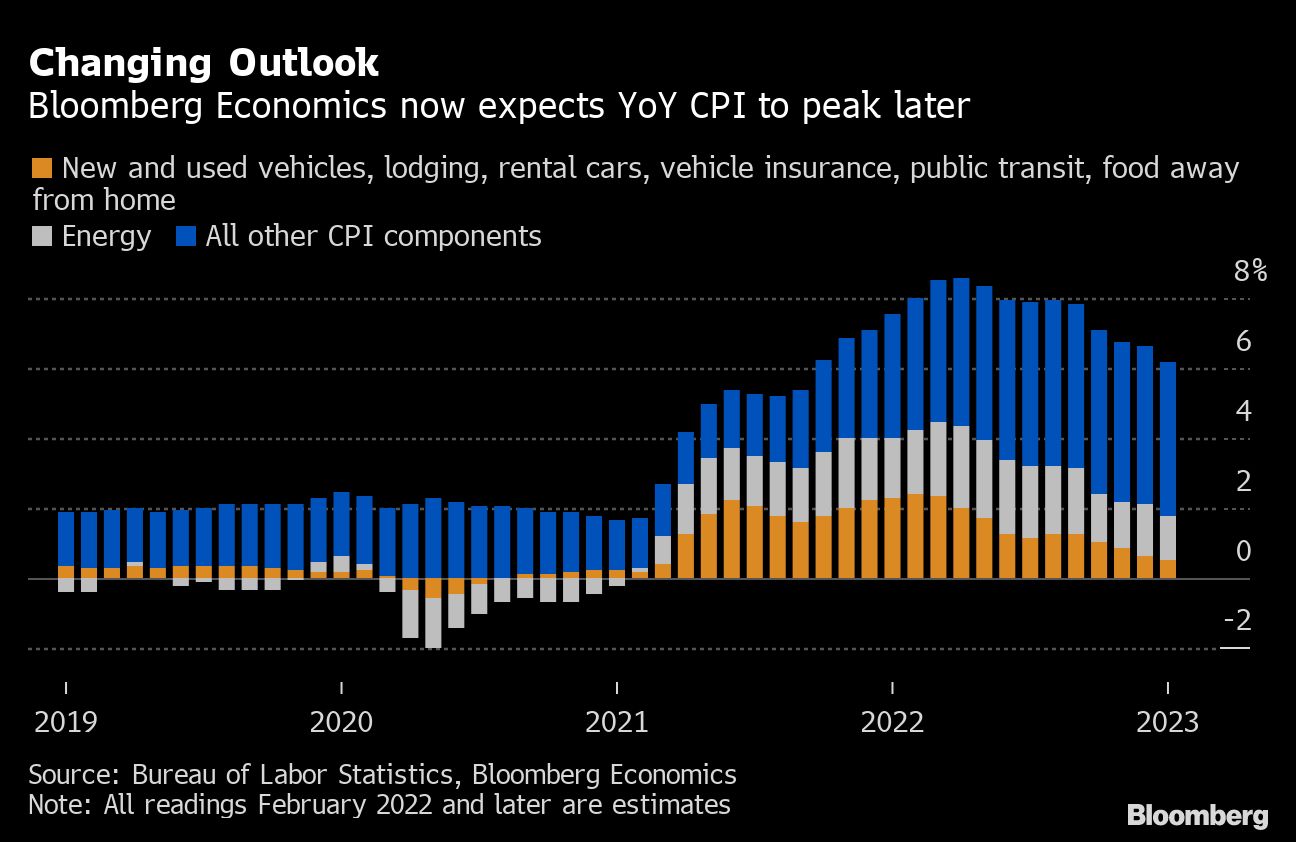
The consumer price index, due Thursday, is forecast to accelerate to a 7.8% increase in February from a year ago, which would be the most since 1982. But economists are now saying it could peak somewhere in the 8%-9% range this month or next, as the invasion of Ukraine and severe restrictions on the Russian economy send the prices of staples like oil and food soaring.
Two prominent U.S. economists from opposite ends of the political spectrum say the federal government should provide cash to consumers squeezed by soaring inflation and surging energy costs.
The Ukraine conflict has escalated rapidly, creating a massive humanitarian crisis and increasing volatility across financial markets. In this piece we review the major economic implications of the war and discuss the steps we are taking to manage the impact on portfolios.
Many people experience setbacks or life circumstances that result in temporarily relying on others for financial help. Being financially dependent in the longer term, however, is a financial disorder.