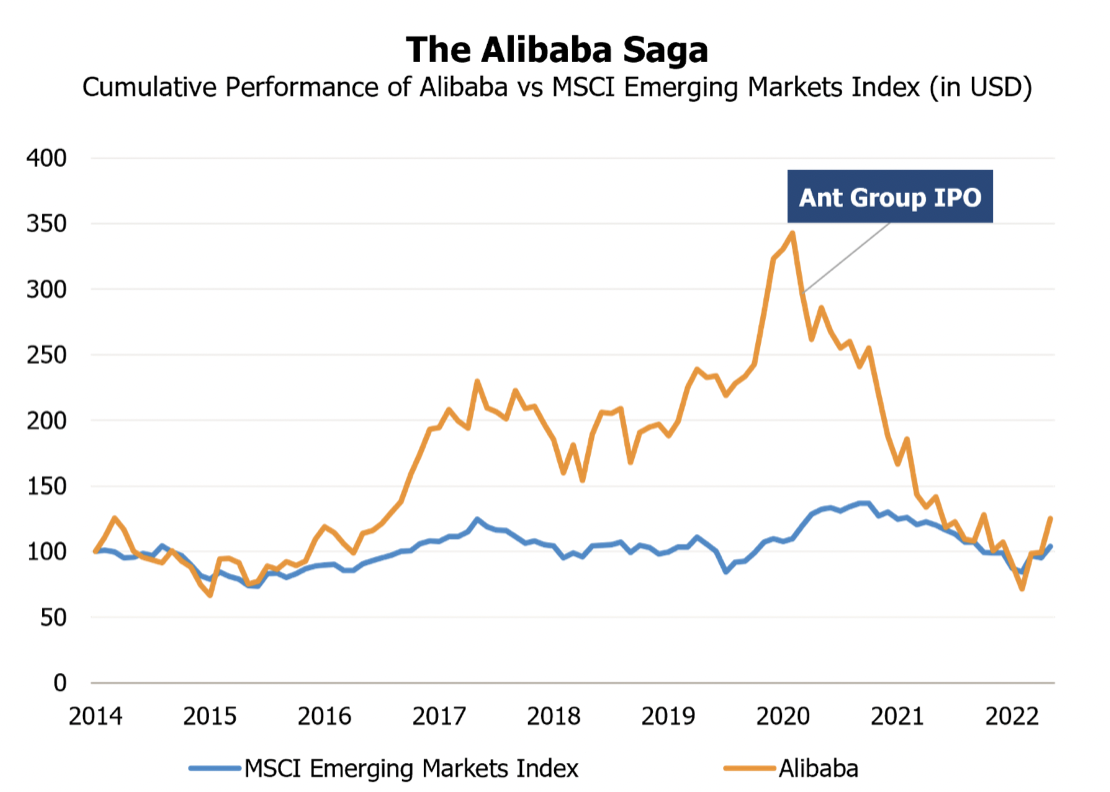
101 Lesson of Structural growth versus recovery growth investing.
China can match the US in artificial intelligence thanks to the expertise of companies from Alibaba to Baidu, joining a global tech transformation that will dwarf the mobile revolution, according to industry pioneer Kai-Fu Lee.
Bridgewater Associates founder Ray Dalio warned Silicon Valley Bank’s failure shows cracks widening in global finance, joining other US billionaires raising the alarm on fallout from the lender’s collapse.
The extreme “tail” risk ahead may be disorienting.
The events that began with Thursday’s tumult in financial stocks and precipitated the FDIC takeover of Silicon Valley Bank and Signature Bank were swift.
Some of the world’s top money managers are sitting on a windfall after the collapse of Silicon Valley Bank spurred the biggest rally in US Treasuries since the early 1980s.
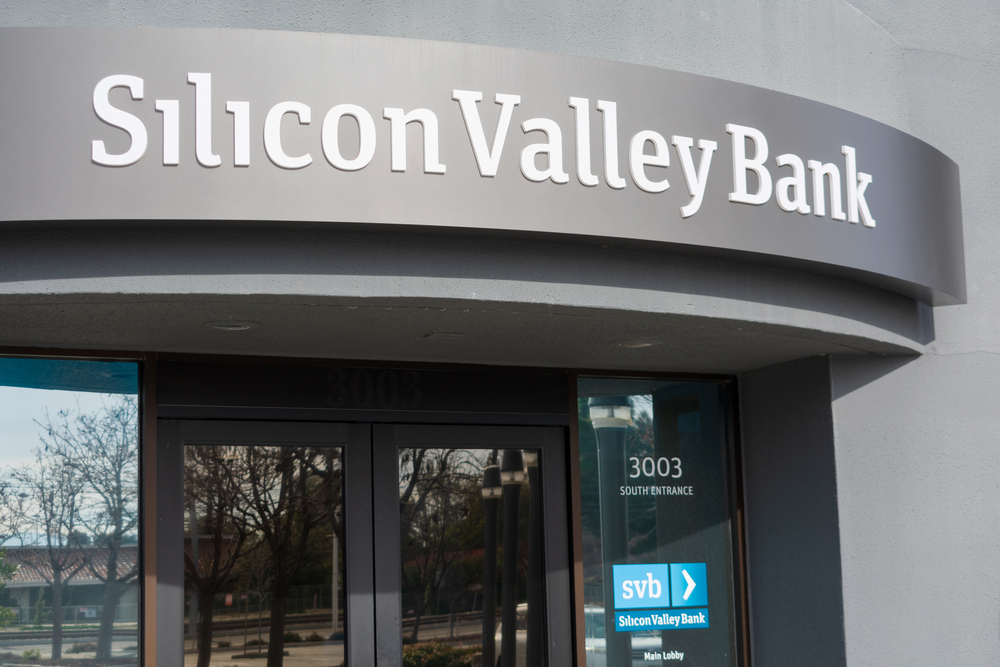
Why did Silicon Valley Bank fail?
The high-profile collapse of Silicon Valley Bank last week is a story about bad debt, just not in the way most people think.
VettaFi’s Tom Lydon discusses the ETF impact of SVB’s collapse, oral arguments in Grayscale’s SEC lawsuit, year-to-date ETF flows, and a Vanguard milestone. Roundhill’s Dave Mazza previews their upcoming lineup of “BIG” ETFs, which offers highly concentrated exposure to specific market sectors. SoFi’s Tobin McDaniel explains their unique approach to ETFs, including the “crowdsourced” SoFi Social 50 ETF (SFYF).
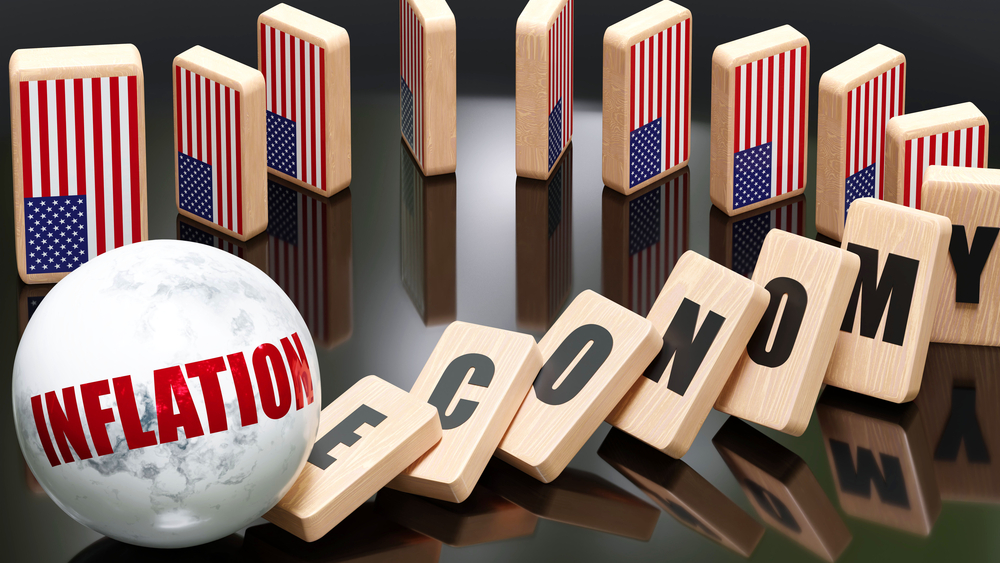
Federal Reserve Chair Jerome Powell’s strategy to speed up the central bank’s inflation-fighting efforts is unraveling in the wake of Silicon Valley Bank’s collapse.
Your clients need a hero – one who can help them navigate the uncertain world and keep them on track to living their best lives no matter what circumstances they face. That hero should be their financial advisor.
Senior Sovereign Analyst Jon Levy shares his analysis of the European Central Bank’s plans to unwind its largest quantitative policy measure, how it could affect markets and how it compares to previous policy changes.
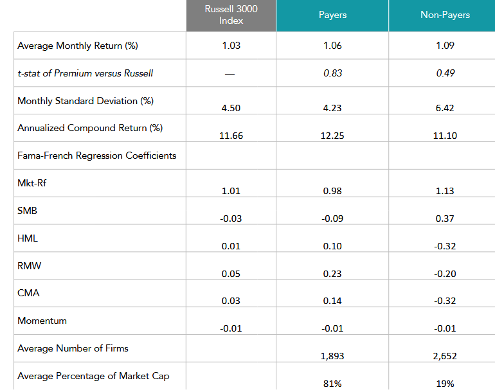
My research confirms what academic theory predicts: There has been no historical alpha among dividend-paying stocks, including those with a history of increasing dividends. Investors are better served by “tilting” allocations to factors that have historically outperformed (e.g., value).
Silicon Valley Bank became the biggest US lender to fail in more than a decade, creating fears of contagion in tech and finance sectors in the US and around the world.
U.S. stocks are extending last week's sharp declines that have come amid worries regarding the ultimate impact on the banking sector of the recent collapses of SVB Financial and Silvergate Capital.
Here’s an update on the latest news involving Silicon Valley Bank and the implications for the Fed and markets, from Stephen Dover, Head of Franklin Templeton Institute.
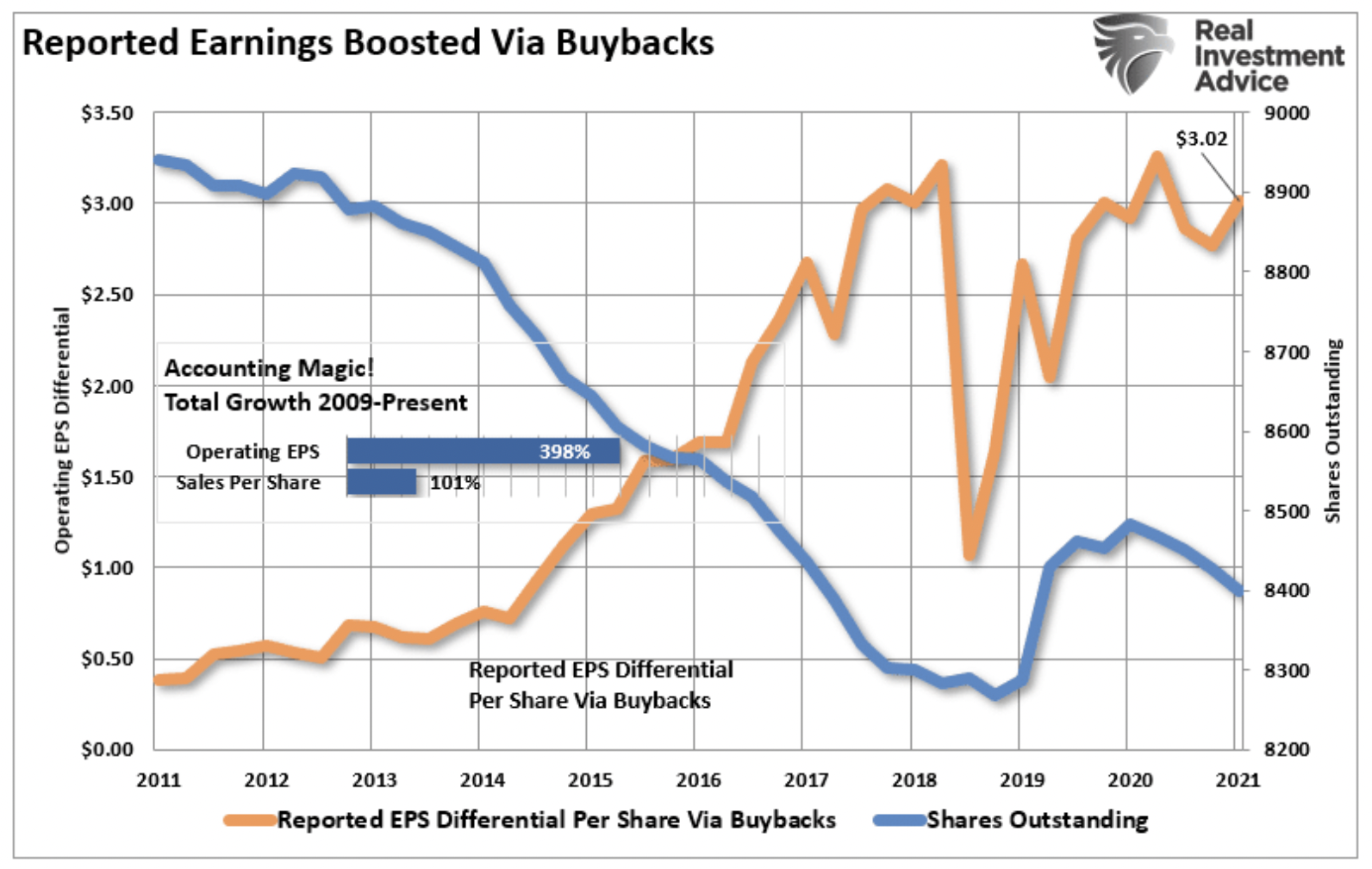
Warren Buffett defended stock buybacks in Berkshire Hathaway’s annual letter, pushing back on those railing against the practice he believes benefits all shareholders.
Like face recognition, artificial intelligence (AI), mRNA vaccines and other modern technology, Bitcoin is a key component of the ongoing, rapidly accelerating digital transformation.
Short sellers are betting against Cathie Wood’s flagship fund more than ever before.
Greg Becker sat in a red armchair at an invite-only conference in Los Angeles last week, legs crossed, one hand cutting through air.
In September 2021, Silvergate Bank, specializing in digital currency, was performing well. In fact, the bank reported record-breaking growth in deposits and loans in 2020, thanks in part to increased demand for its services from clients in the cryptocurrency industry.
Investors sought the safety of bonds for a second day as jitters over a rout in bank stocks hit risk sentiment and traders speculated that rate-hike bets had gone too far too fast.
Former Treasury Secretary Lawrence Summers said that the odds are now almost even that the Federal Reserve will have to raise its benchmark interest rate to 6% or more to bring inflation back down to its 2% target.
Vanguard Group Inc.’s first new exchange-traded fund in two years is setting sail at a turbulent time for municipal debt.
U.S. equities are modestly higher in pre-market action following the February labor report that was only modestly above estimates.
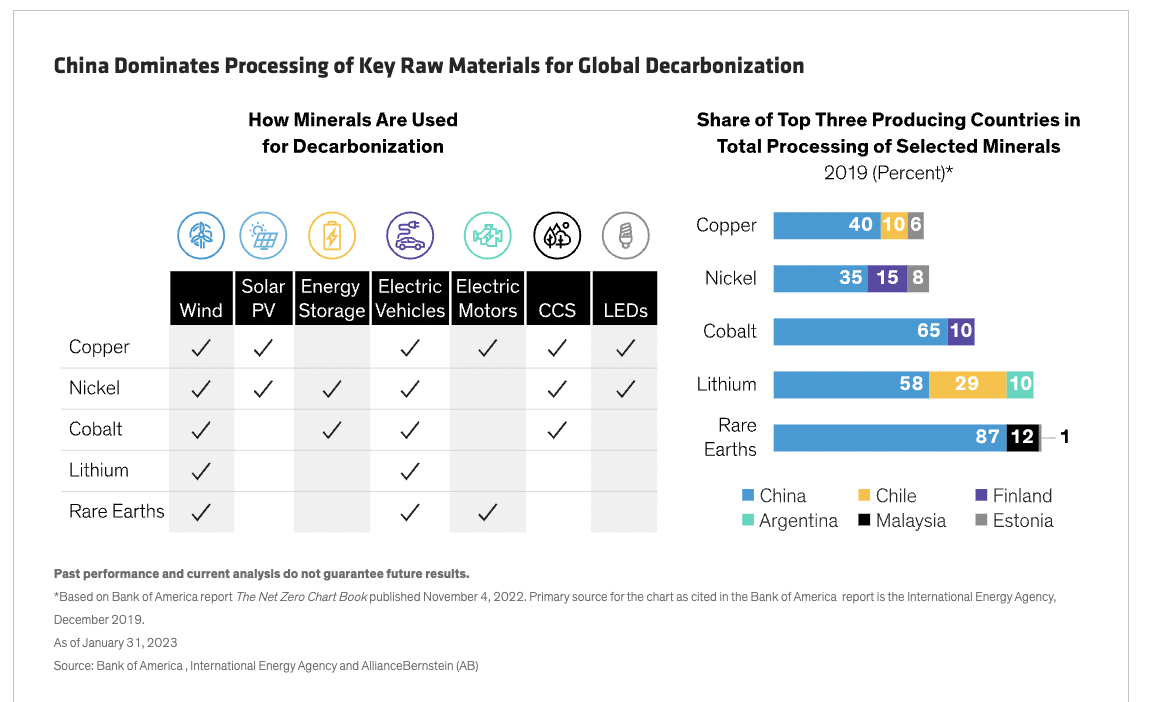
Investors focusing on climate change often overlook Chinese firms.
The problem with speculation is that there’s usually a gap between the underlying risk and the inevitable outcome.
With the most sell ratings in the Nasdaq 100 Stock Index, Intel Corp. is running ever lower on fans. Things have gotten so bad that even analysts brave enough to recommend buying are striking a cautious tone.
A new exchange-traded fund is making the case that having women at the top of corporations translates into better returns.
Federal Reserve Chair Jerome Powell softened his tone slightly during a second day of congressional testimony, saying policymakers will wait for fresh jobs and inflation data before deciding how much to raise interest rates later this month.
Given the topsy-turvy nature of the market thus far in 2023, it remains crucial for investors to know what they are buying—especially as it relates to growth, value, and quality.
The reversal of decades of economic integration will leave the global economy with higher inflation and reduced growth potential. In this new era, governments, companies, and long-term investors will need to incorporate more sophisticated geopolitical and sociopolitical analyses into their strategies.
I’m writing to ask why the advisory profession isn’t set up to provide more human-oriented support to advisors who are trying to transition.
The question you are asking about AI (“Will AI replace me?”) is wrong. The right one is this…
For decades since the end of the Cold War there have been very limited restrictions on foreign investments by US investors compared to those of other countries.
Clients and prospects are demanding a more flexible, iterative financial planning process that evolves as their financial lives do. That is why my guest today created Elements, a mobile-first, client-centric, financial monitoring platform. Elements builds a one-page financial plan that helps the modern advisor remain in closer, deeper communication with clients as their financial needs shift. It encourages better behaviors with clients that promote financial health by displaying digestible pieces of critical financial data, including debt, savings, spending, insurance, investments, and more.
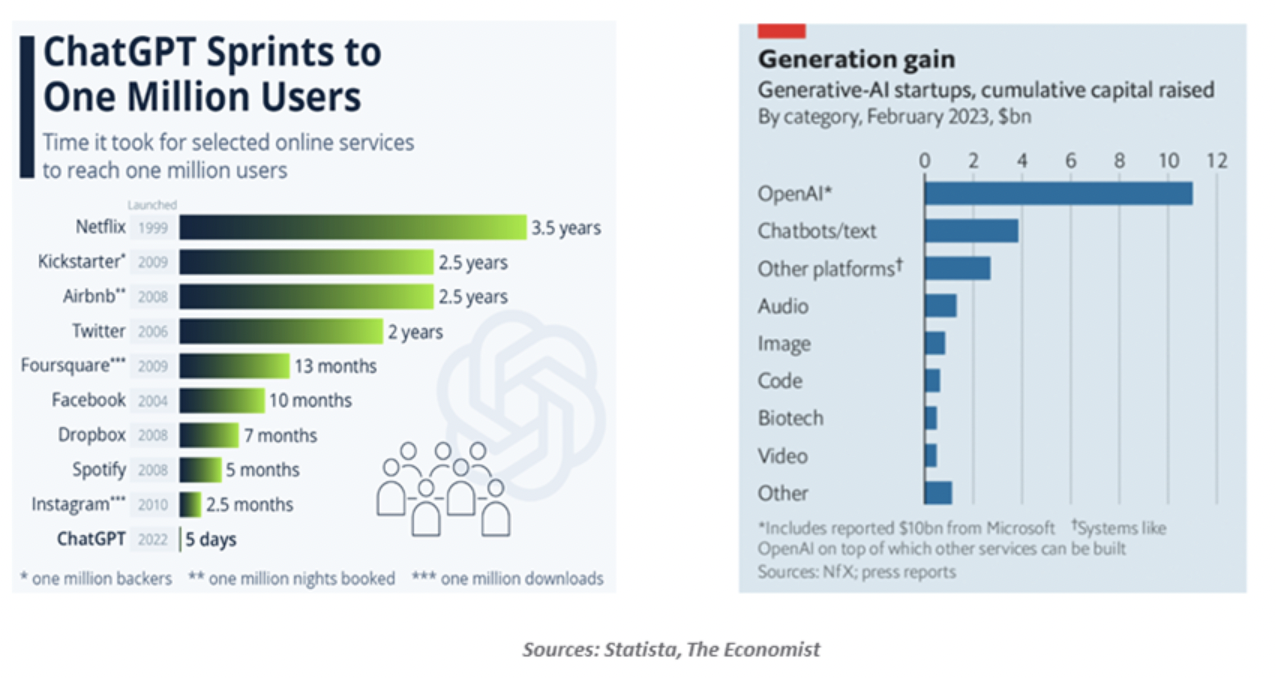
I will explain what ChatGPT is beyond the headlines, and its capabilities and limitations. I will then share a use case in wealth management and explore whether it will replace human financial advisors.
Read our latest insight to learn why we believe this year's market rally is just speculation and how we are positioning our portfolios for a change in leadership.
Junior debt issued by banks is normally one of the riskiest types of fixed-income in the US and Europe. It’s typically not backed by collateral and in the event of a crisis it only gets paid back after other bonds.
The planet’s billionaires are nearly $2 trillion poorer this year!
As automakers seek stakes in lithium miners to lock in supplies for electric-vehicle batteries, they’re following a path already forged by their shareholders.
Alessio de Longis spent the last three months loading up on risk in his $1.1 billion Invesco Global Allocation Fund. Now, he’s winding down those positions and reversing course back to safety.
JPMorgan’s Bryon Lake discusses the firm’s remarkable ETF growth, along with the outlook for the ETF industry as a whole. VettaFi’s Stacey Morris offers an in-depth look at the energy space and energy-related ETFs. CFRA’s Aniket Ullal highlights several key ETF stories including the rise of active management, options-based ETF strategies, and international ETFs.
The crypto world’s eyes will once again turn to Washington on Tuesday as oral arguments begin in Grayscale Investments’s lawsuit against the US Securities and Exchange Commission. The case is being argued in the D.C. Court of Appeals.
I took ChatGPT for a test drive by directing it to write an article summarizing important tax rule changes introduced by SECURE Act 2.0. The essay it produced was an epic failure.
Before making a hedge fund investment, investors and their advisors should consider four key questions.
Artificial intelligence will reshape how a lot of work gets done.
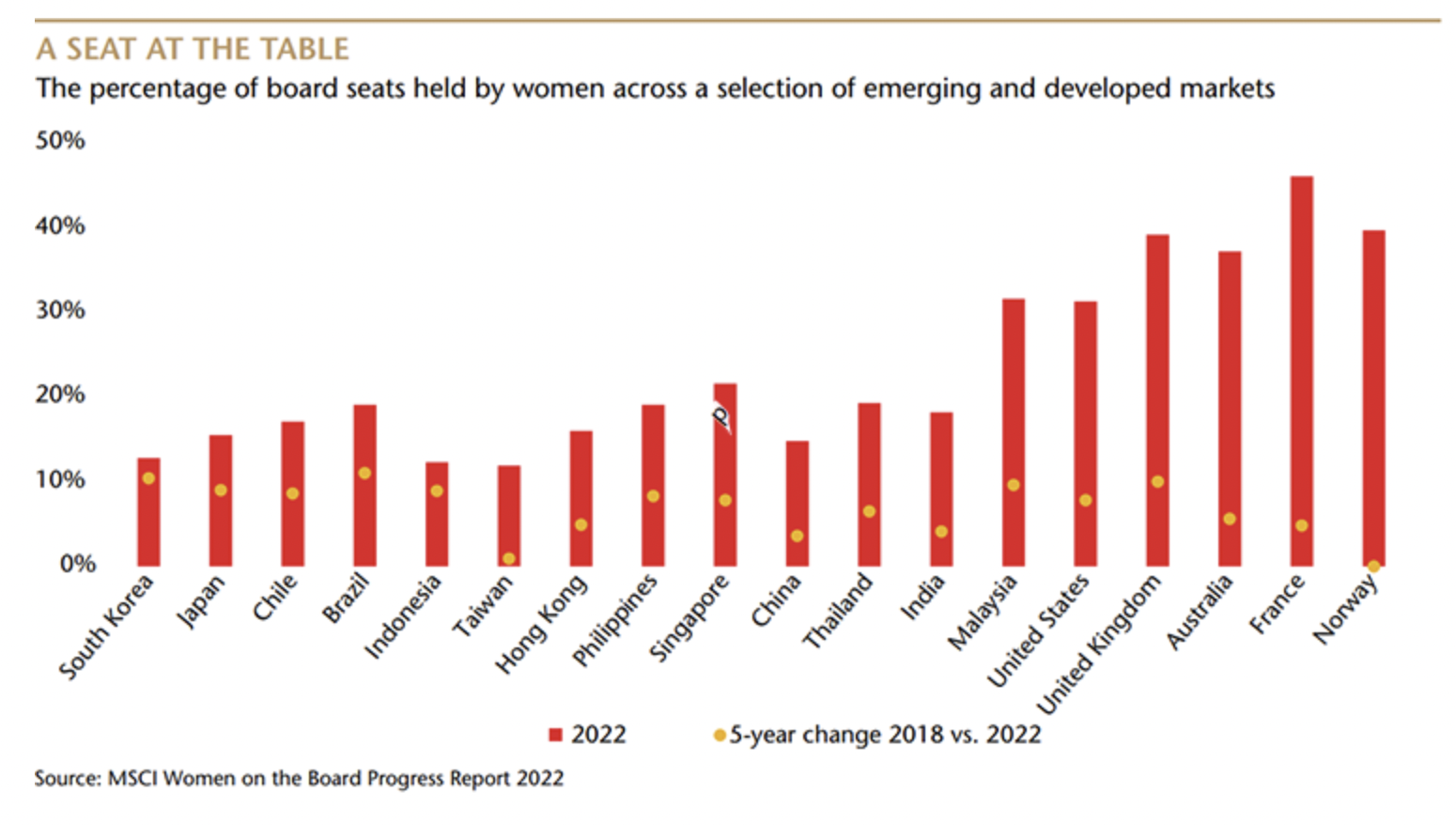
More women in senior roles will support the long-term success and sustainability of emerging markets.
The fixed-income market’s unblemished record of striking fear into the hearts of equity traders is in danger.
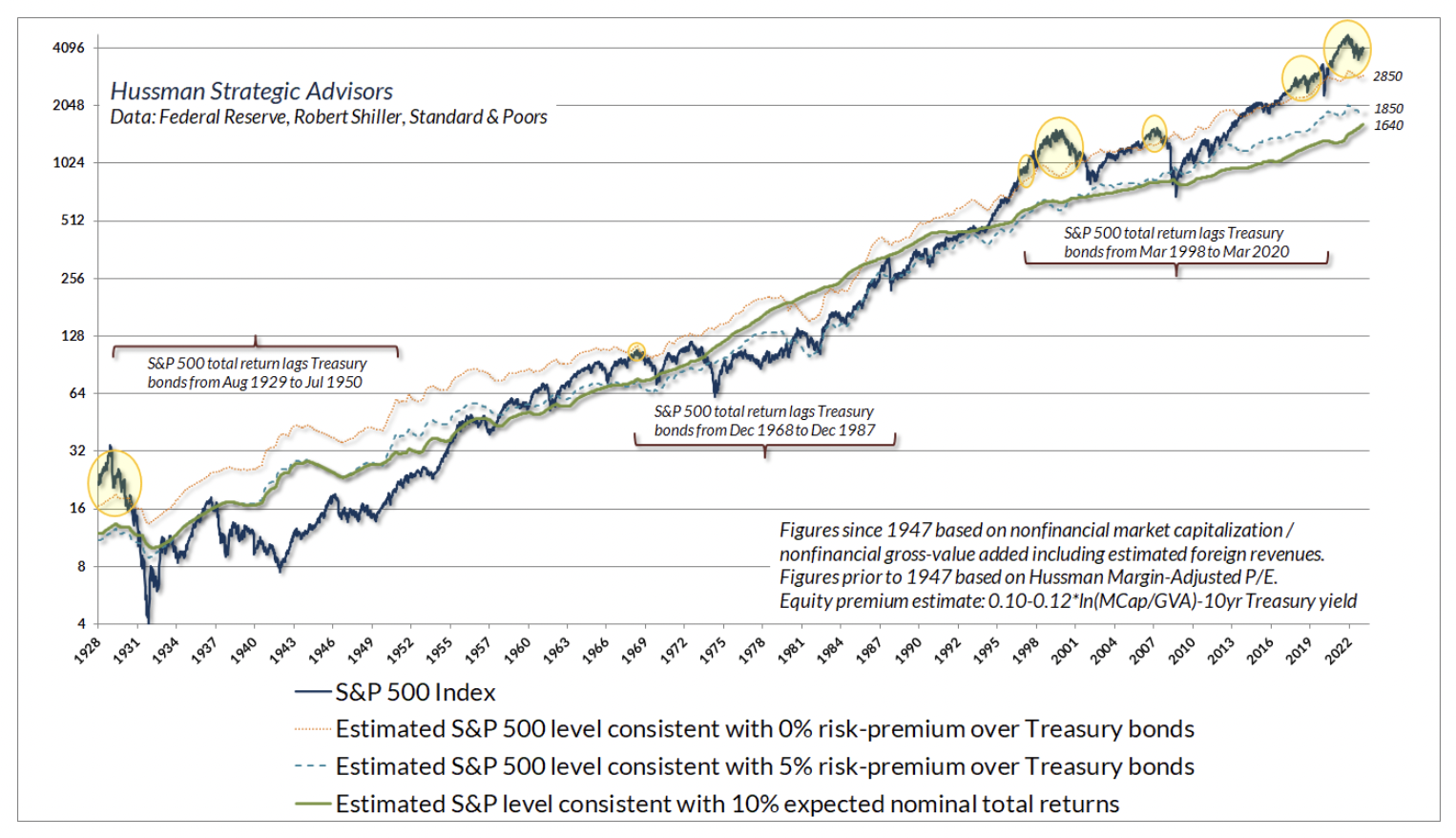
If you read and pay attention to the world, you probably know the recent past pretty well. And if you’re a history buff like me, you also know something about the more distant past.