The benchmark S&P 500 Index is wrapping up its second straight quarterly gain, rising 5.50% through Thursday and adding to the 7.08% surge in the final three months of 2022.
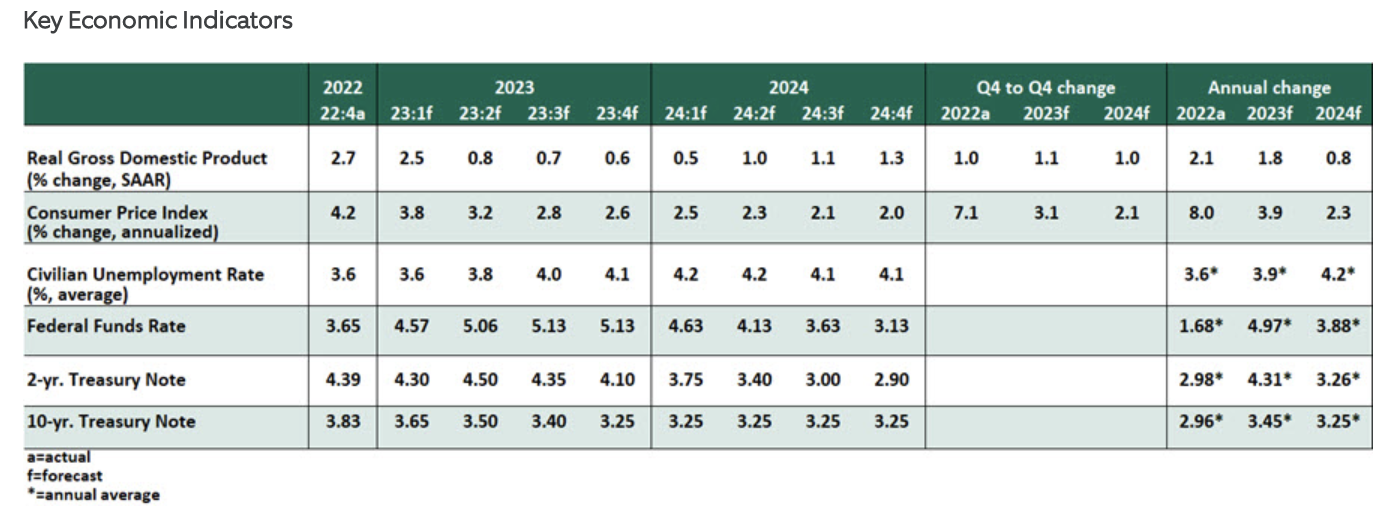
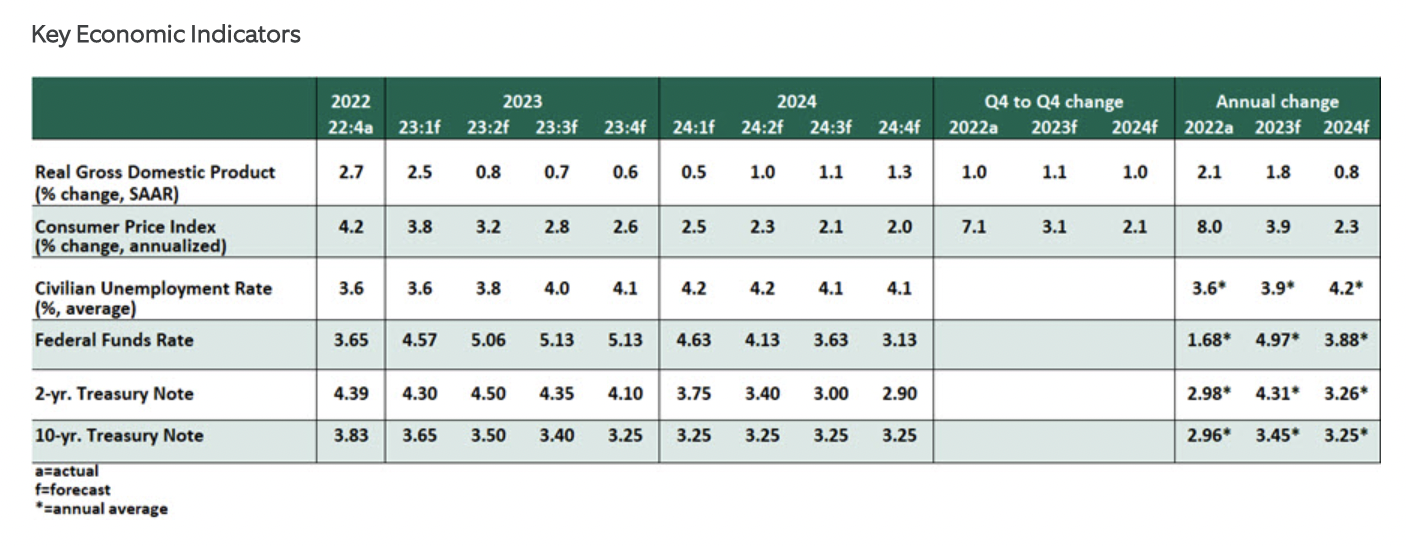
The Northern Trust Economics team shares its outlook for growth, inflation, employment, and interest rates.
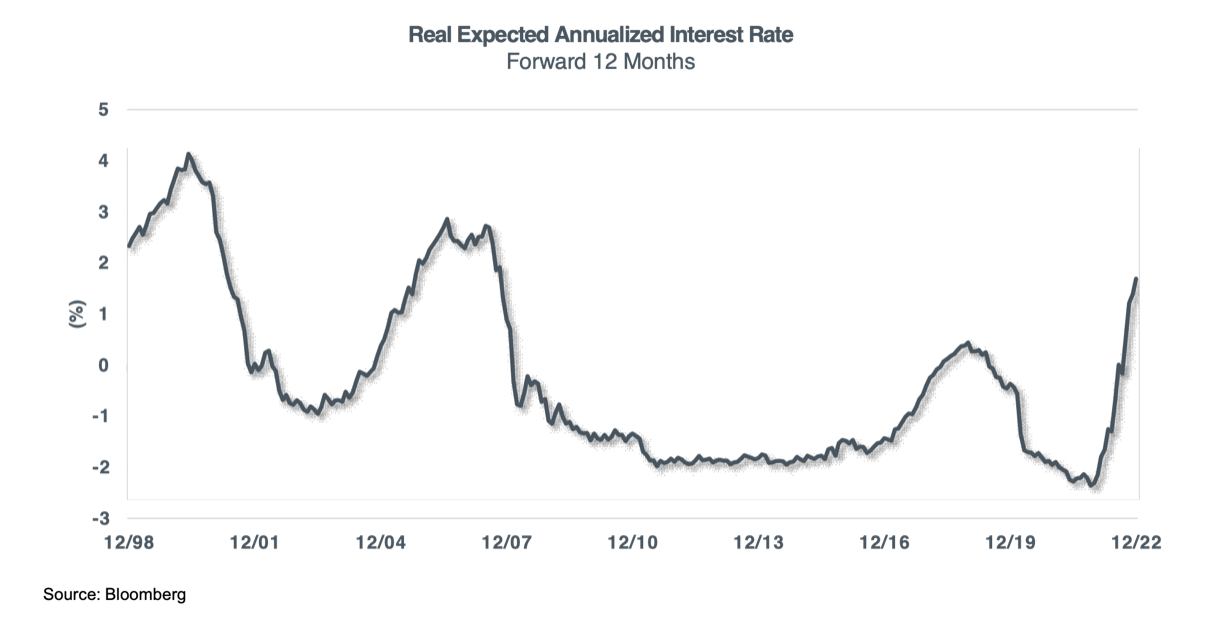
In hindsight, it was obvious it wouldn’t last. Low interest rates — the result of shifts in the global economy, economic stability, low inflation and monetary policy — couldn’t stay at zero forever.
The economic signals and a host of geopolitical risks confronting investors suggest that 2023 could be as challenging as 20022 for both stocks and bonds.
CIO Larry Adam outlines the positive events that are outweighing negative developments and looks at dynamics to focus on in the week ahead.
Chief Economist Eugenio J. Alemán discusses current economic conditions.
Robust risk management is essential for fixed income investors. In his latest commentary, Marcus Moore explains why our sustainable investing team considers ESG factors as material business risks, similar to the traditional risks they also analyze.
Franklin Templeton Investment Solutions explores the shared macro concerns that set the stage for the recent banking crisis, its ripple effects on the broader economy and implications for multi-asset investing.
Sixty-six million Americans currently receive monthly benefits from Social Security, which, if nothing changes, is expected to be insolvent by 2035 at the latest. It’s time for Americans to take a greater role in their own retirement planning.
If a picture is worth a thousand words, this will be the “longest” letter I’ve sent you in a while, as there are quite a few pictures. It may also be the most wide-ranging.
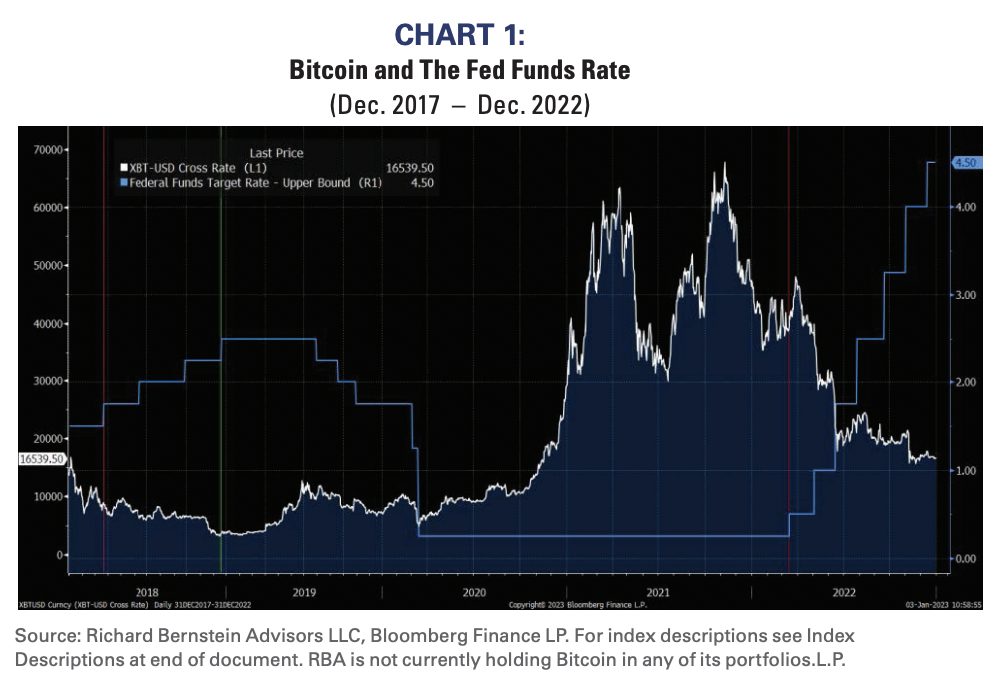
Like face recognition, artificial intelligence (AI), mRNA vaccines and other modern technology, Bitcoin is a key component of the ongoing, rapidly accelerating digital transformation.
President Joe Biden is proposing a series of new tax increases on billionaires, rich investors and corporations in his latest proposal for how Congress should prioritize taxes and spending.
The planet’s billionaires are nearly $2 trillion poorer this year!
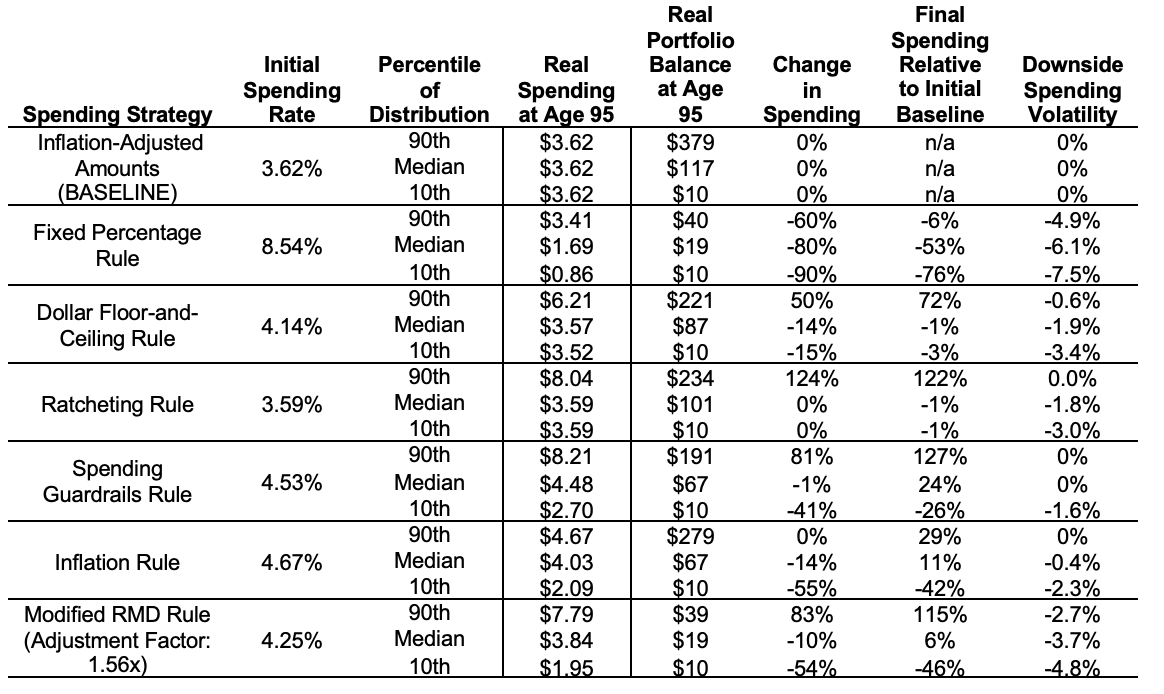
Any of the variable spending strategies I analyzed will reduce sequence risk in retirement and allow for greater initial spending rates, potentially greater average spending amounts, and a generally more efficient spenddown of assets than the baseline constant inflation-adjusted spending rule.
Medical Properties Trust’s dividend at the 2022 rate of $1.16 is safe even if Prospect, its third-largest operator, does not pay a single cent in 2023.
Maybe UFOs are carrying wealthy aliens wanting to buy a lot of stuff and boost our economy. More likely, those forecasting a no landing have a false sense of optimism that the economy will continue to be resilient.
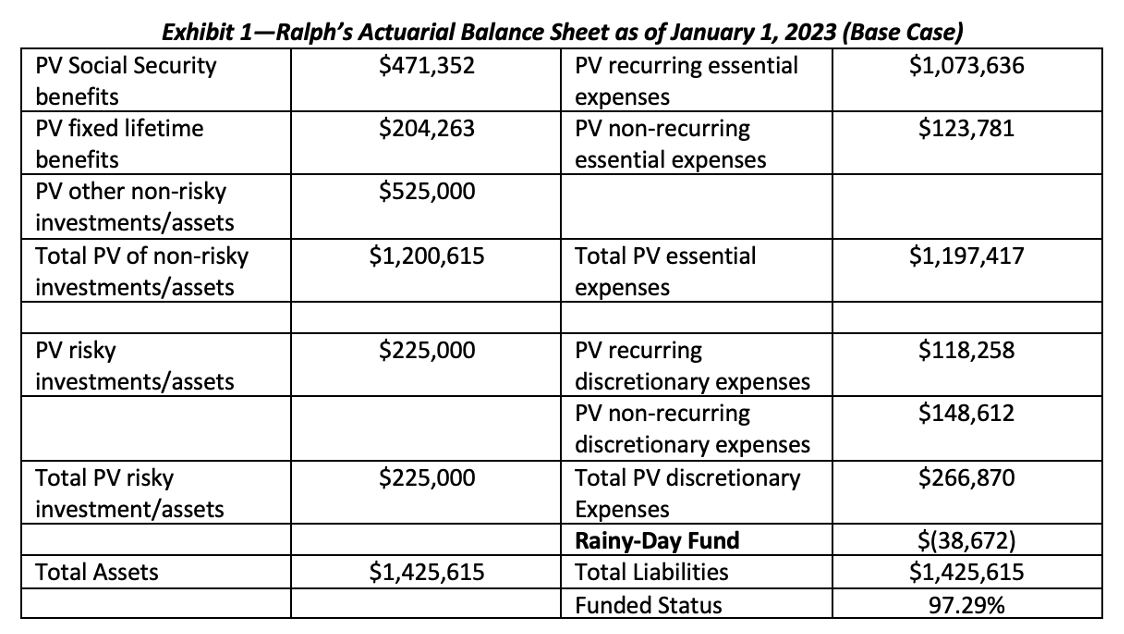
Every financial plan, regardless of the way in which it was created, requires ongoing monitoring. Here is one way advisors can measure the “funded status” of a plan to determine if adjustments are necessary.
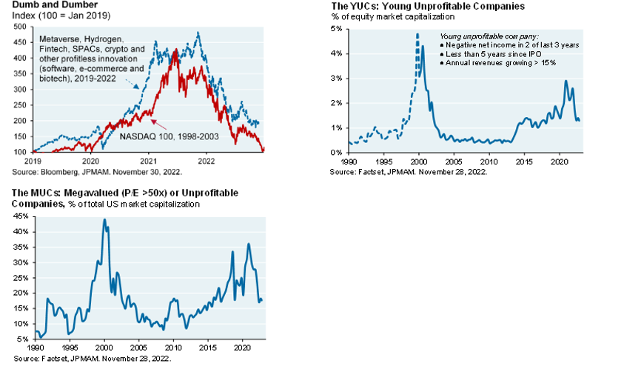
A malinvestment bubble has persisted for years, sucking in a considerable amount of capital from many sources.
Investors continue to seek signs of a change in season—and clues about how the Federal Reserve might react to it.
Here are some places where the genuinely rich keep their money.
Assumptions can be wise or unwise. They can be unduly optimistic or excessively pessimistic. Slightly different assumptions can produce giant changes in predicted outcomes. Assumptions are necessary but we shouldn’t make them lightly, nor forget we are making them.
This Super Bowl will also be remembered, I believe, as a major turning point in sports betting in the U.S. More than 50 million American adults are expected to bet on the game, the most ever and a remarkable 61% increase from last year.
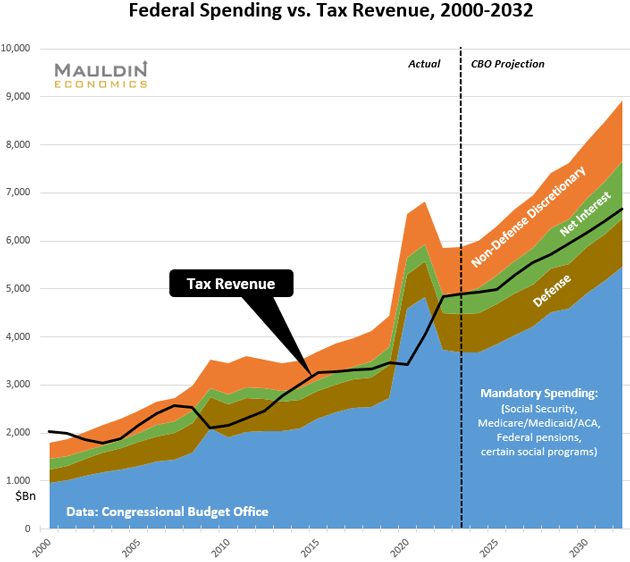
The federal budget deficit is widening rapidly, according to the latest estimates by the Congressional Budget Office, raising the risk of the Treasury running out of cash earlier than expected amid a debt-ceiling standoff.
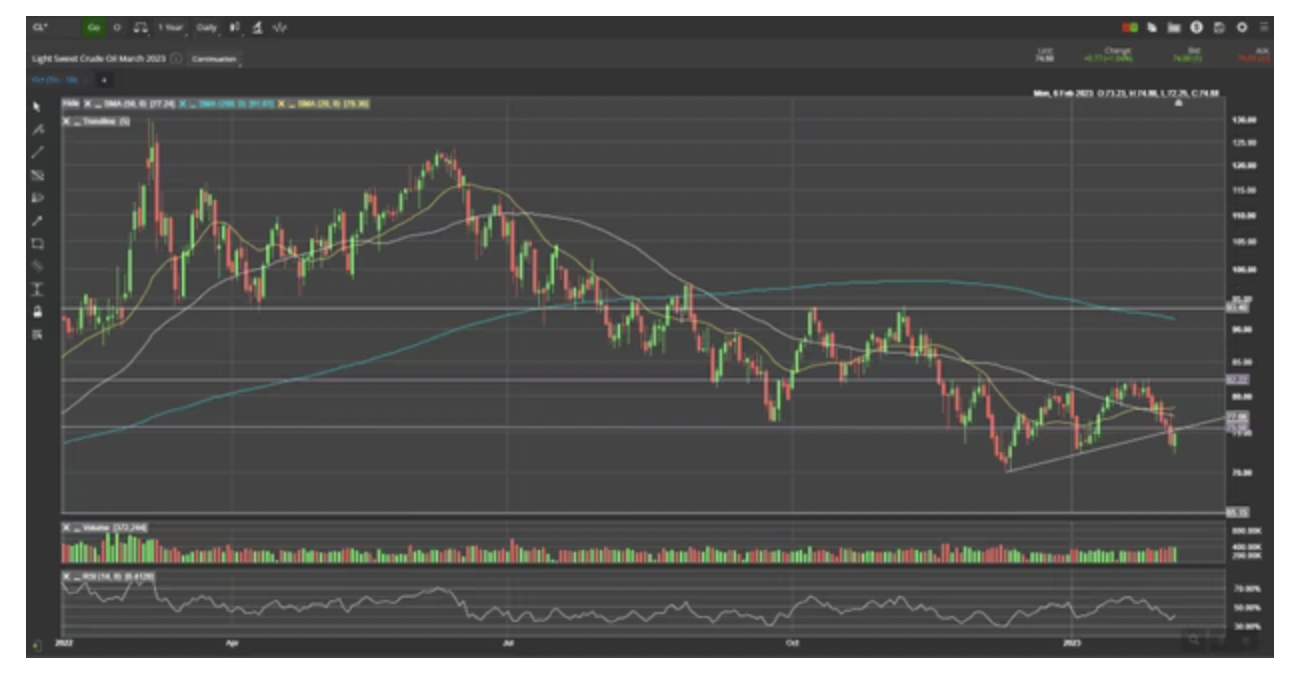
Monday’s trading saw oil rise as traders digested China’s return in demand against a continued supply strain and slower growth in world economies.
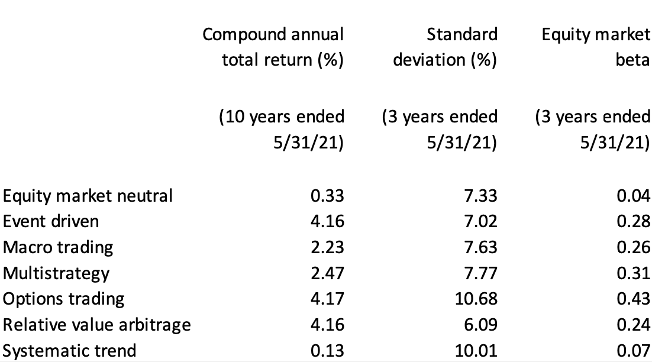
The recent embrace of so-called liquid alternatives by ordinary Americans seeking to fund their retirement is deeply troubling.
Retail demand for bars and coins in the U.S. and Europe hit a new annual record last year in response to stubbornly high inflation and the war in Ukraine. Western investors gobbled up 427 tons (approximately 15 million ounces), the most since 2011.
2022 was a painful year in financial markets with almost all traditional assets delivering significant losses.
The memory-chip sector, famous for its boom-and-bust cycles, had changed its ways.
Since its launch in November, ChatGPT has been a smash hit. To explore the benefits of airline deregulation in the U.S., we sought the help of the AI content generator.
The current debt ceiling debate in Congress is a great reminder that investors should always prepare for the unexpected and invest in companies that are durable enough to withstand a range of economic scenarios.
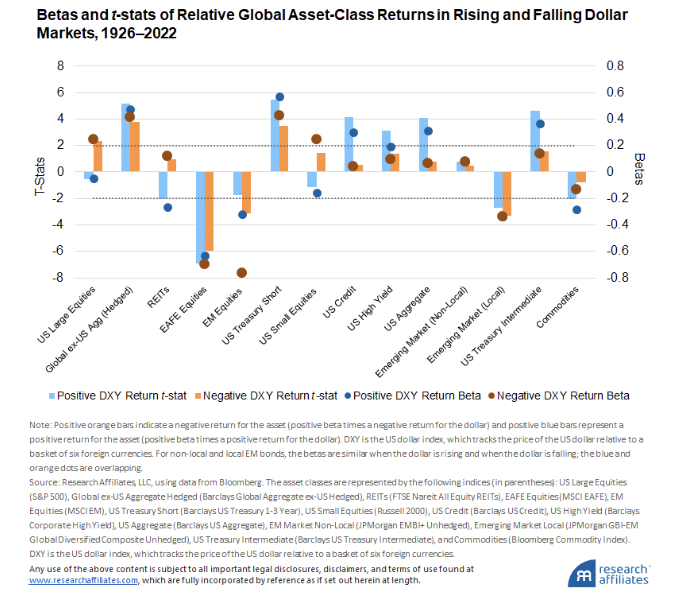
US dollar cycles are long.
The US is headed for yet another standoff over the federal debt limit. House Republicans say they won’t raise the arbitrary cap on total borrowing unless President Joe Biden agrees to budget cuts.
We call them narratives, memes, or mind viruses.
Let me share a story of an RIA who will be forced to mount a legal defense because of a lawsuit that is likely to be filed by two of his retired clients.
Markets provided investors with a dozen lessons in 2022 (and a bonus one in the postscript).
The Federal Open Market Committee’s 12 voting members differ on where they think interest rates should go this year. But we know they’re unanimously against cutting rates until at least 2024—or at least they were as of December, according to that meeting’s minutes.
Investors don’t appear to have been fazed by the FAA mishap. Shares of U.S. domestic airlines finished Wednesday up more than 1% before advancing a further 4% on Thursday in response to positive earnings estimates.
One of the most lucrative money-making machines in the world of finance is all clogged up, threatening a year of pain for Wall Street banks and private-equity barons as a decade-long deal boom goes bust.
2023 may be another difficult year for investors who hope to relive the speculative markets of 2020 and 2021.
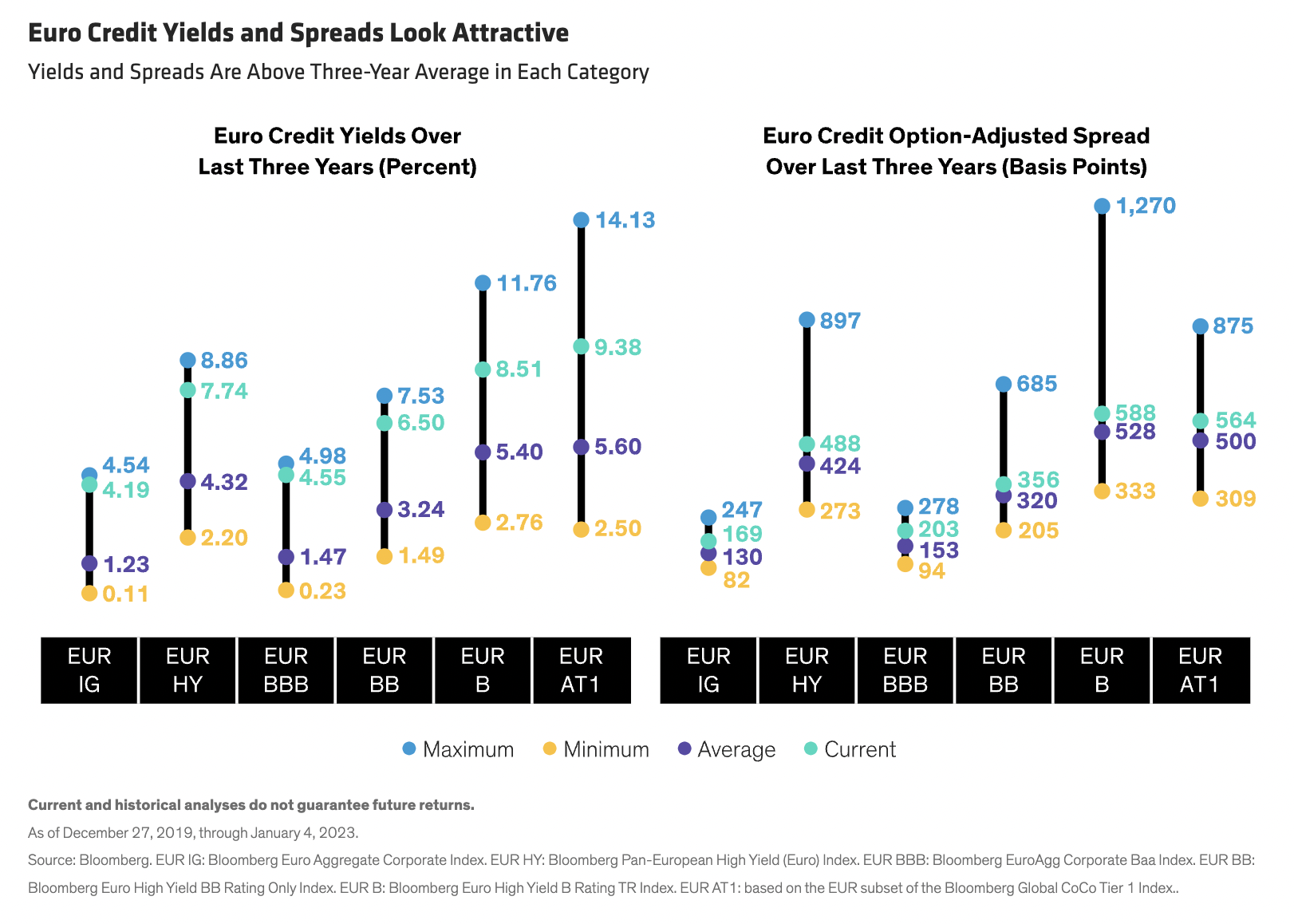
European bond-market performance was among the worst on record in 2022, as Europe ran the gamut of geopolitical, economic and market storms.
Welcome to 2023. It’s Forecast Season on Wall Street, the time when everyone tells us what to expect for the new year. Do they really know? Of course not. Forecasters don’t know, investors know they don’t know, yet we all go through this exercise anyway.
Investors who use a 60/40 portfolio had a rough year. In the past, putting 60% in stocks and 40% in bonds has often helped investors hedge against losses in either asset class. But 2022 had other ideas.
Over the long-term, the fundamentals of the dollar suggest a downward bias is likely.
Economist Campbell Harvey has had a winning track record since he showed in his dissertation at the University of Chicago decades ago that the shape of the bond yield curve was linked to the path of US economic activity.
After the biggest loss for 60/40 portfolios since the global financial crisis, better days may lie ahead for the trillion-dollar complex of balanced investment strategies.
Bear markets end with widespread capitulation while a chorus of the stock trader’s prayer (God, if you get me out of this mess, I swear I will never buy another stock) spreads through out the land.
Here's the top 10 most popular AP Charts of 2022.
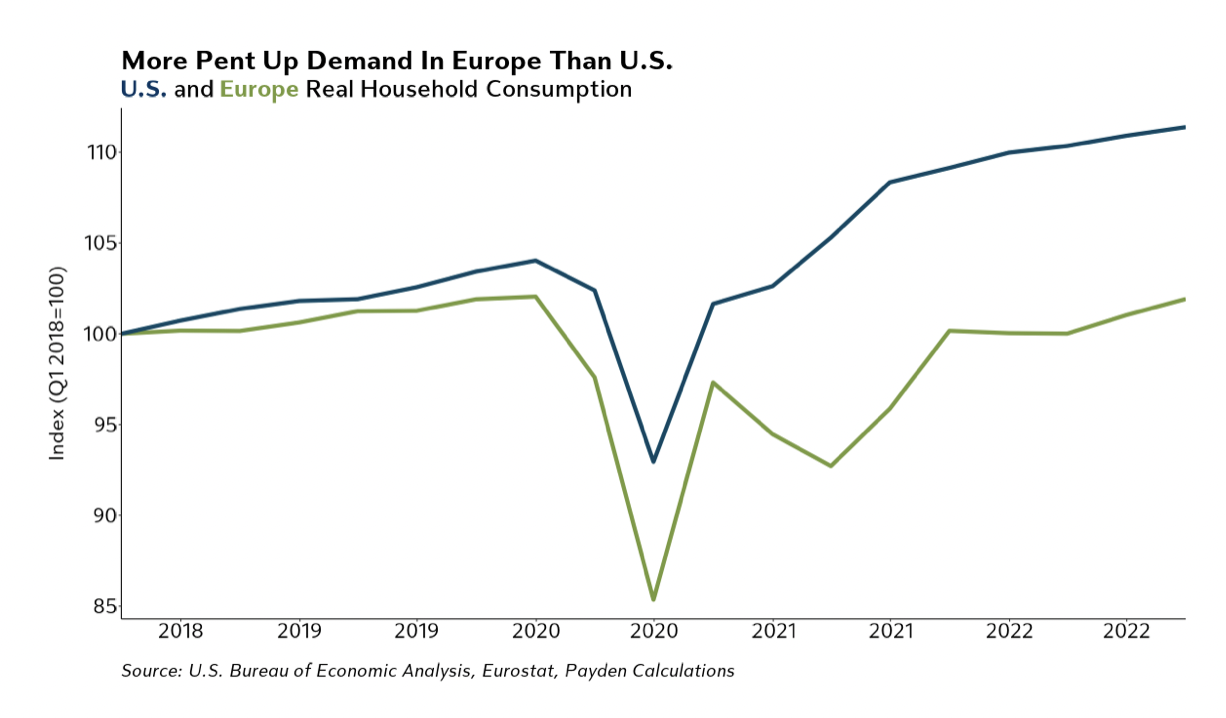
The collapse in the personal US saving rate to near a record low has fueled a narrative that consumers are clearly strapped heading into 2023.