Given the Fed's hawkish monetary policy agenda and its effect on asset prices, I thought it might be helpful to share my thoughts on Fed-based trend analysis.
The Federal Reserve is trying to fight inflation by raising interest rates.
Our mid-March meeting’s “unenthusiastic” stance on global equities and negative stance on global bonds was a respectable decision, as was the overall macro theme “Stagflation Lite with GDP somewhat worse than consensus, but skirting recession.”
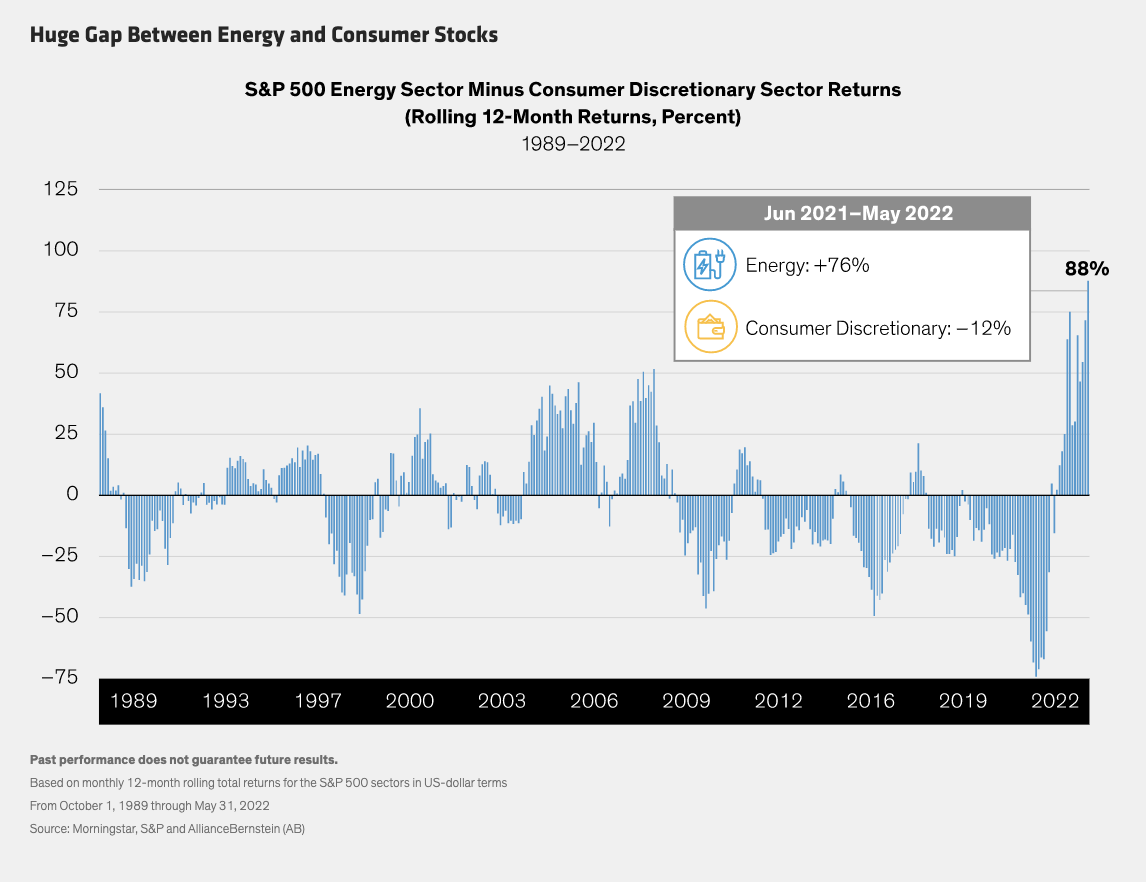
US energy stocks are outperforming consumer discretionary stocks by the widest margin in more than 30 years. Does this mean surging energy prices will trigger a deep freeze in consumer spending?
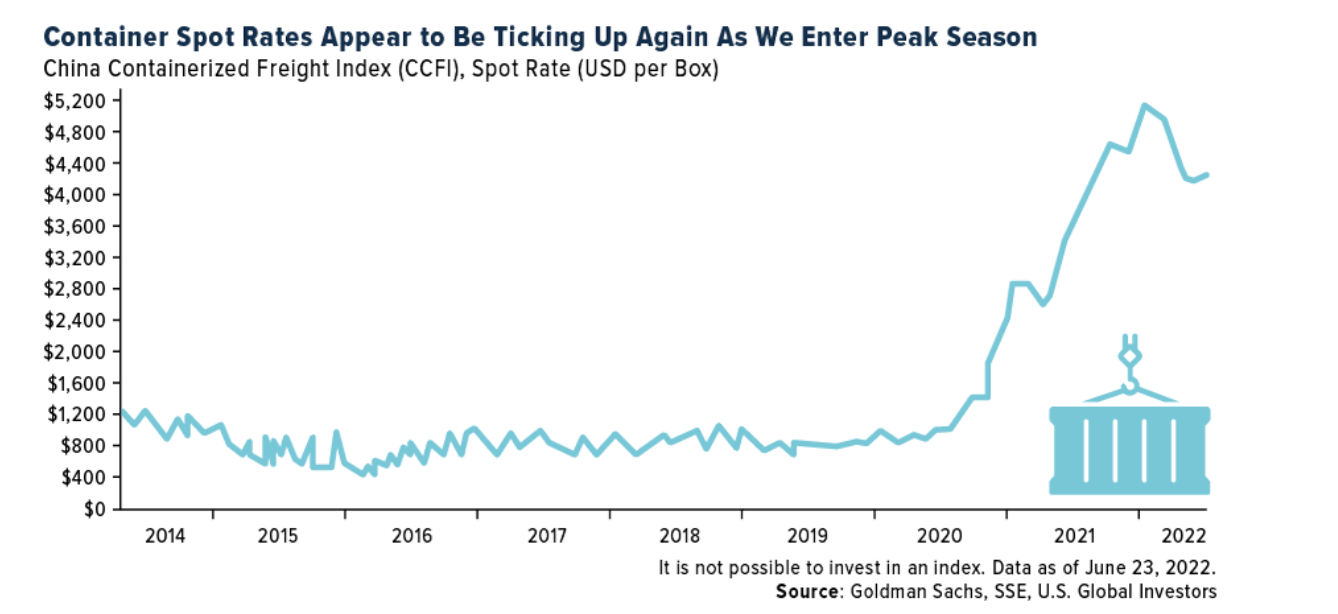
Container shipping companies have not been immune to the disruptive factors roiling markets at the moment, namely rising interest rates, soaring inflation and a potential recession, not to mention war in Eastern Europe.
The market has spent much of 2022 worrying about inflation and associated interest rate rises, and Growth stocks have certainly borne the brunt of this.
Accelerated interest rate expectations, hotter than expected inflation, a protracted war in Ukraine and continued Chinese COVID uncertainty form a challenging backdrop for markets. As the earnings outlook deteriorates and global economic growth slows, the big R word is on everyone’s mind. Can the U.S. escape a recession should Europe and other key countries experience deteriorating real growth? Jon and Michelle will discuss the macroeconomic landscape and positioning portfolios for the current environment.
Wall Street analysts are sticking with their bullish earnings forecasts for this quarter, and Morgan Stanley’s Lisa Shalett says they need a reality check.
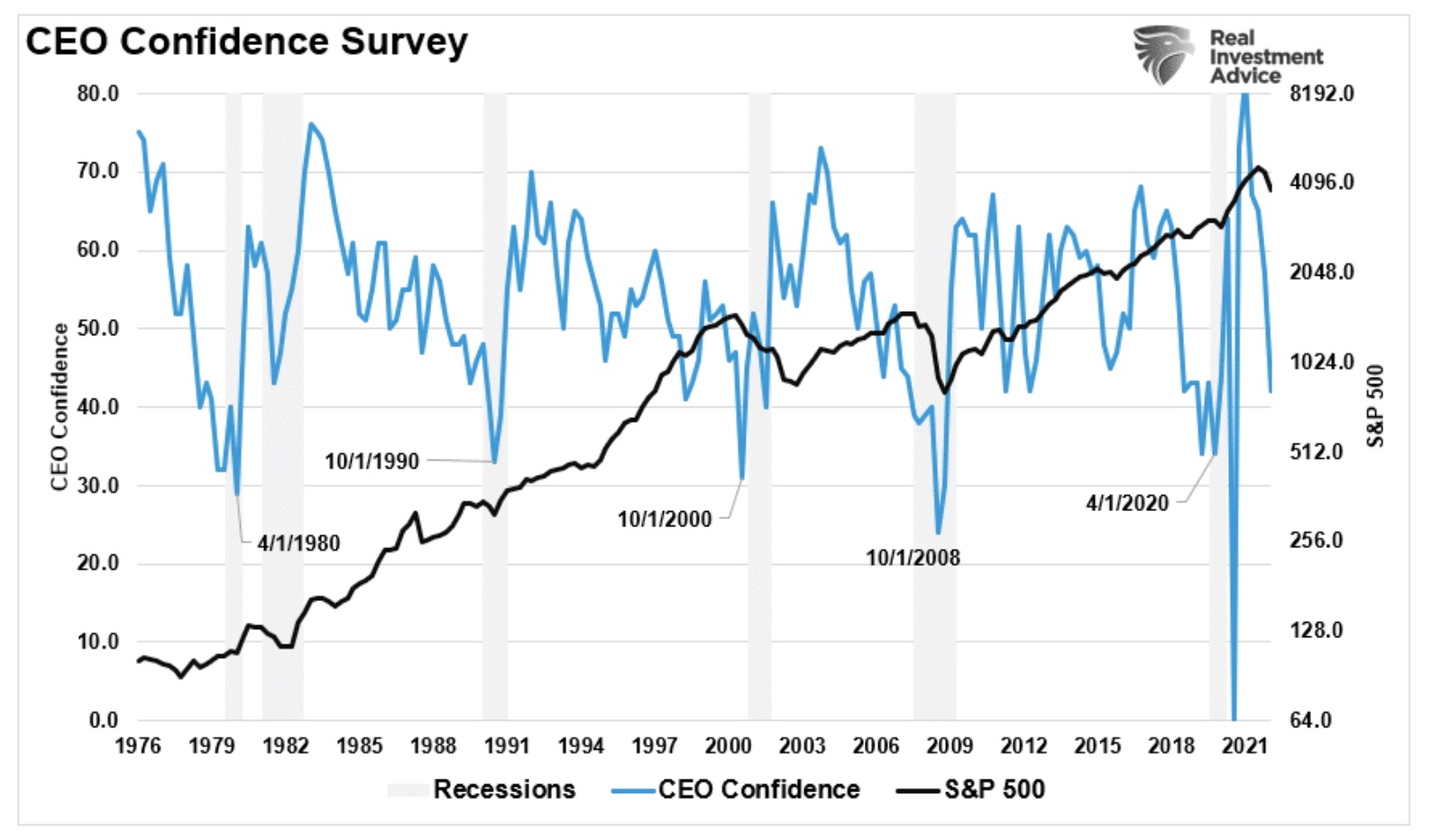
Our economy is in a will-they-won’t-they relationship with the next big recession.
Business has started to evaporate across home-lending firms in recent weeks, after the Federal Reserve boosted borrowing costs to tame decades-high inflation.
Many of my clients or their kids will face repaying student loans. And given the inflationary environment and related rising interest rates, some of them will need to make careful choices about prioritizing their payback plans.
An oil price and energy stock price reversion may be starting.
Senior Sovereign Analyst Jon Levy answers some key questions about the European Central Bank's latest moves.
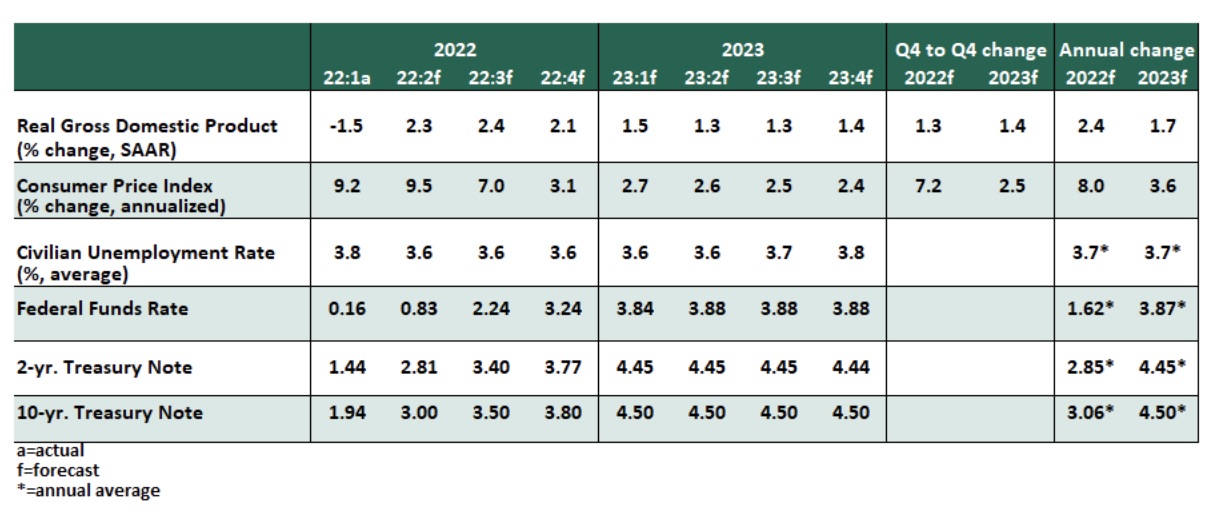
Real GDP declined at a 1.5% annual rate in the first quarter and, as of Friday, the Atlanta Fed's "GDP Now" model projects zero growth in Q2.
Russia defaulted on its external sovereign bonds for the first time in a century, the culmination of ever-tougher Western sanctions that shut down payment routes to overseas creditors.
Cathie Wood’s flagship fund has posted its longest streak of inflows in over a year as it fights back from an interest rate hike-fueled decline.
I will demonstrate how financial advisors can combine behavioral finance and deep analytics to have a robust conversation with clients during financial turmoil, showing compassion and understanding on the one hand, while telling a compelling long-term story on the other hand.
Orders placed with US factories for durable goods rose more than expected in May, suggesting business investment so far remains firm even in the face of rising interest rates and mounting concerns about the economy.
Industrial metals are on track for the worst quarter since the 2008 financial crisis as prices are pummeled by recession worries. Copper, the great economic bellwether, has ricocheted into a bear market from a record four months ago, while tin just tumbled 21% in its worst week since a 1980s crisis froze London trading for four years.
Crypto curious stock investors are taking little comfort in the rebound in the shares of companies linked to the digital-asset world in the past week, with the sector underperforming just about every other risky corner of the financial markets this year by a wide margin.
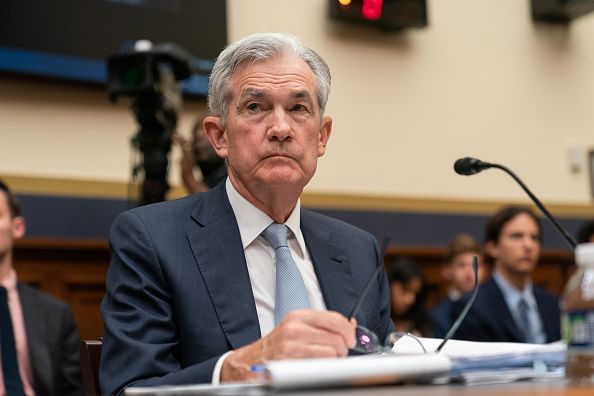
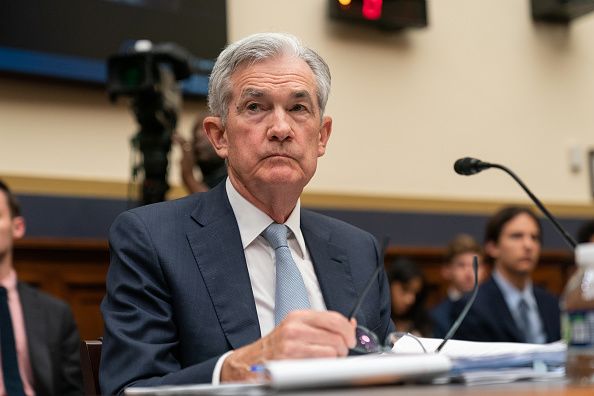
Federal Reserve Chair Jerome Powell sees two possible paths for the economy and monetary policy over the next year: With some luck, inflation will cool with the help of more supply. And if that fails, the Fed won’t hesitate to impose a more painful solution.
Options insurance. Hedging with Treasuries. Using sentiment to pick a bottom. The things that have lessened the pain of past equity selloffs are coming up short this time around.
Another Federal Reserve official has lined up with those who favor following last week’s 75 basis-point interest-rate increase with the same again next month to curb rampant inflation.
Latin America tilted further left this week as Colombian voters elected Gustavo Petro as president. Come August, the former Bogotá mayor and member of the M-19 guerrilla organization will join the region’s growing list of leftist leaders in a political shift some are likening to the “pink tide” of the late 1990s and early 2000s.
Interest rates aren’t simply the price of borrowing money. They are also information, providing signals telling economic players what to do. Interest rates are in fact the price of time. Low interest rates don’t value time very much. Bad signals produce bad outcomes… and that’s where we are now.
It may be a cliché, but the phrase “don’t fight the Fed” worked well for investors during the long period when the US central bank was suppressing interest rates and seeking to boost asset prices. This year, not so much.
Oil jumped after a reading on US consumer inflation expectations was revised lower, adding optimism to crude’s demand outlook.
The rise of remote work could make the Federal Reserve’s task of taming inflation a bit easier, while saving employers more than $200 billion, according to new research.
Wall Street’s biggest banks are set to return tens of billions of dollars to investors after all the lenders passed the Federal Reserve’s annual test of their ability to withstand market turmoil.
Sales of new US homes jumped in May, reflecting gains in the West and South and interrupting a months-long skid as the residential real estate market adjusts to rising borrowing costs and still-elevated prices.
Commodities will get intense scrutiny for the rest of 2022 after a first-half dominated by the supply turmoil and inflationary shocks unleashed by Russia’s attack on Ukraine. Here, we look at what the rest of the year holds for raw materials from crude oil and natural gas to grains, gold, and iron ore.
What to do in equity portfolios at the midyear point? Fundamental Equities CIO Tony DeSpirto assesses the backdrop and identifies three favored sectors.
The varied responses of individual countries to global inflationary pressures have contributed to elevated real-rate differentials between developed and emerging markets.
When Putin started the war, he tried to shift the blame to NATO, calling it the instigator. He argued that Russia had no choice but to defensively launch the war to prevent NATO from surrounding Russia from all sides. A few days ago, Putin finally lifted his veil of pretense: this is a war of conquest.
In a new piece, GMO’s Asset Allocation Team notes that even with the battering of growth stocks in 2022 there is still ample opportunity to benefit from betting on cheap value stocks versus expensive growth names.
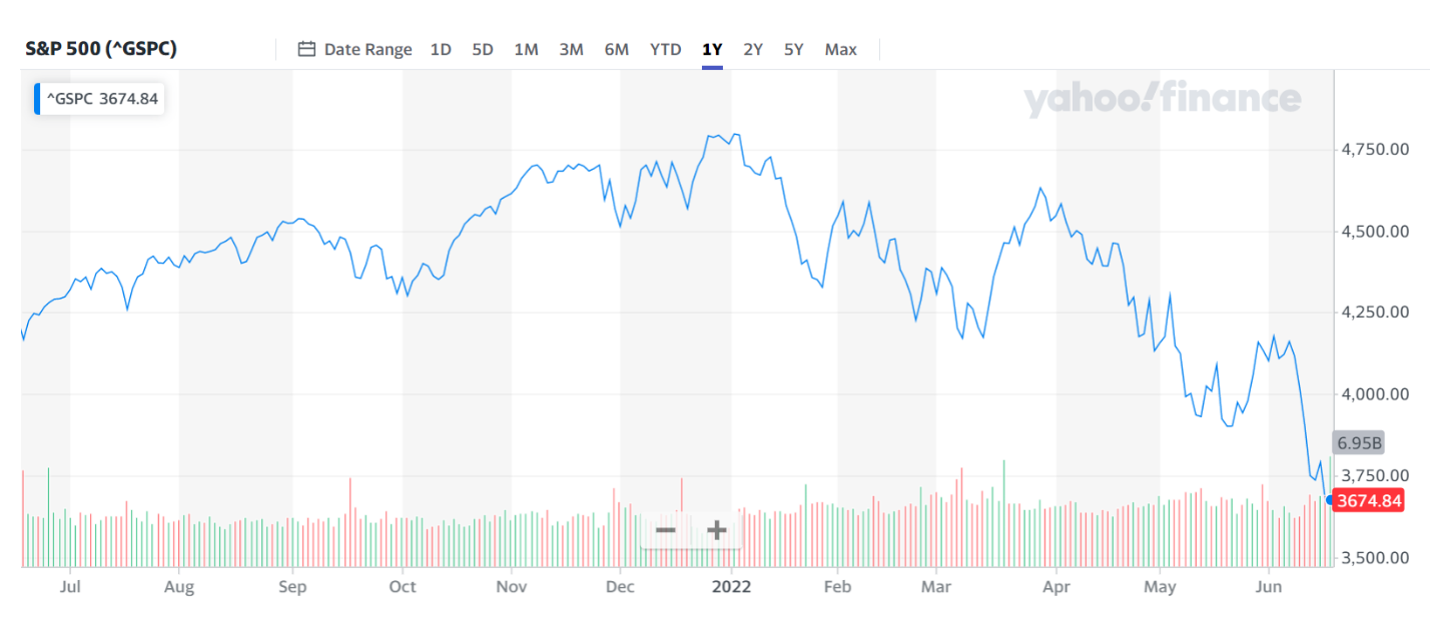
U.S. stocks are extending weekly gains, rebounding from yesterday afternoon's slide as the markets remain choppy amid lingering global recession concerns that have been bolstered by monetary policy tightening efforts around the globe aimed at getting high inflation under control.
Federal Reserve Governor Michelle Bowman said she supports raising interest rates by 75 basis points again in July and following that with a few more half-point hikes.
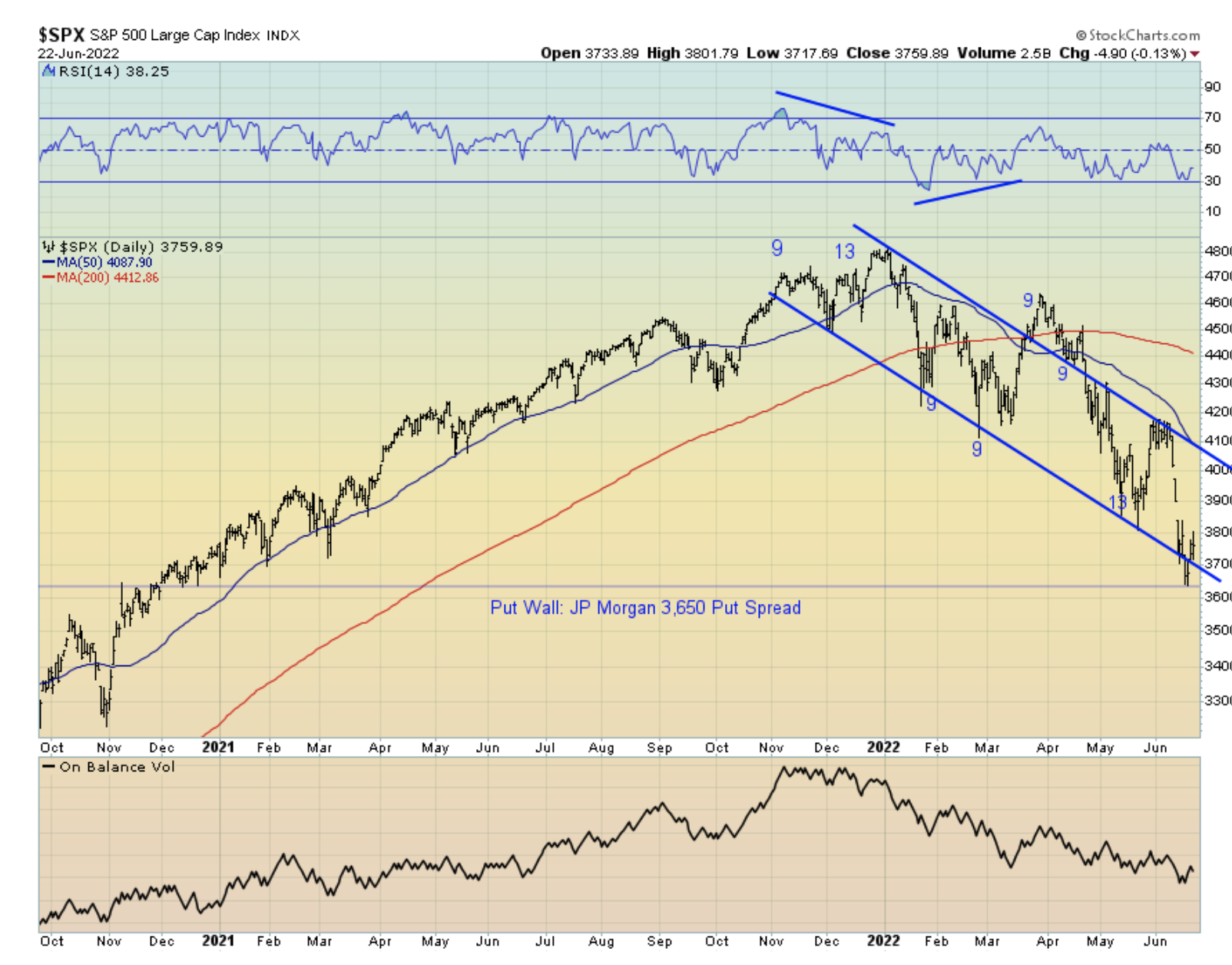
A number of key technical, sentiment and flow based indicators are suggesting we could see a relief in selling pressure over the coming weeks, and perhaps a countertrend rally in risk assets.
President Joe Biden and his allies in Congress are rightly concerned about surging prices.
Investment bankers in the US and Europe are bracing for potentially billions of dollars in total losses on big-ticket leveraged buyouts as they struggle to offload risky corporate debt that’s plunging in value amid a sweeping market selloff.
West Texas Intermediate crude oil futures fell below $102 a barrel Wednesday, which represents a 22% drop over the past two weeks and meeting the technical definition of a bear market.
Bonds have been whispering in the ears of stock investors all year. Now they’re starting to shout.
NFIB signals a recession is coming…again.
The Northern Trust Economics team shares its outlook for growth, inflation and interest rates.
The war in Ukraine has widened global geopolitical fractures, and we see risks of deglobalization and more fragmented capital markets over the secular horizon.
Over the last four years, we have argued that the glamour monopoly technology companies have a low multiplier effect in the U.S. economy
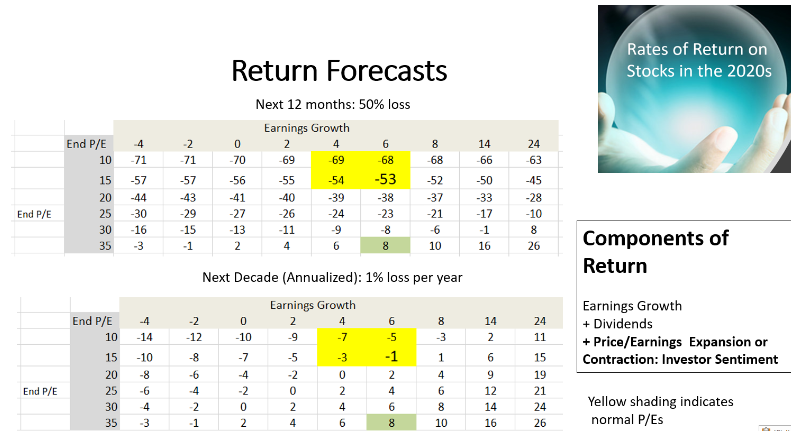
Two forecasting methods predict a 54% stock market loss in 2022. Someday the stock market bubble will burst. But the data says we have not seen the worst of equity market declines.
Sales of previously owned US homes fell for a fourth month in May, receding to the lowest level in nearly two years and underscoring how high prices and a surge in mortgage rates have stifled demand.
Delegates at the second annual Qatar Economic Forum, from Tesla Chief Executive Officer Elon Musk and Nouriel Roubini to Atlas Merchant Capital’s Bob Diamond and StanChart’s Bill Winters, warned the US was heading toward a recession.
If you’re still holding out hope that the Federal Reserve will be able to engineer a soft landing in the US economy, abandon it.