U.S. equities are seeing solid gains, as the bulls look to sustain the rise today after failing to do so yesterday.
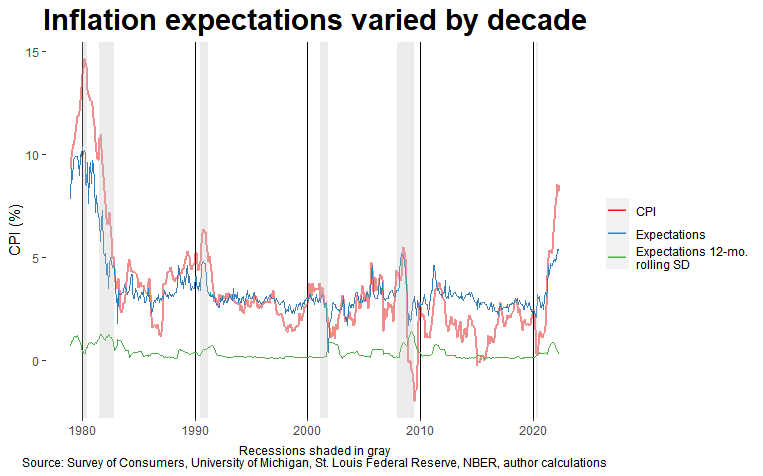
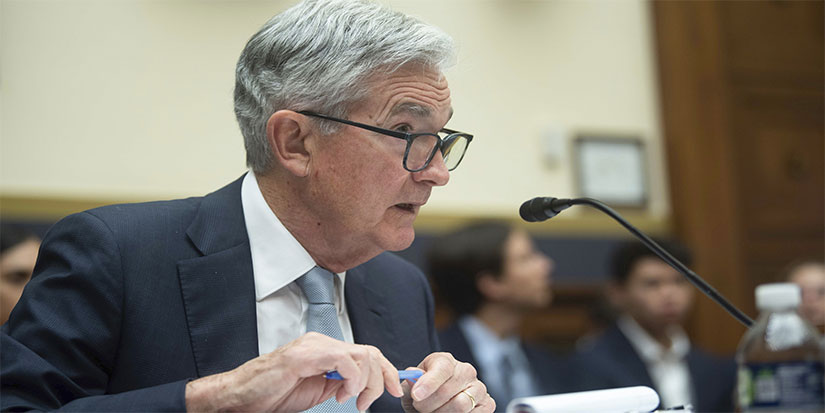
How inflation expectations are formed determines how firmly the Fed must react. If expectations respond to current inflation, they’re possibly “unanchored”—and this makes the Fed’s job harder. Unfortunately, we can’t yet say that expectations haven’t changed for the worse.
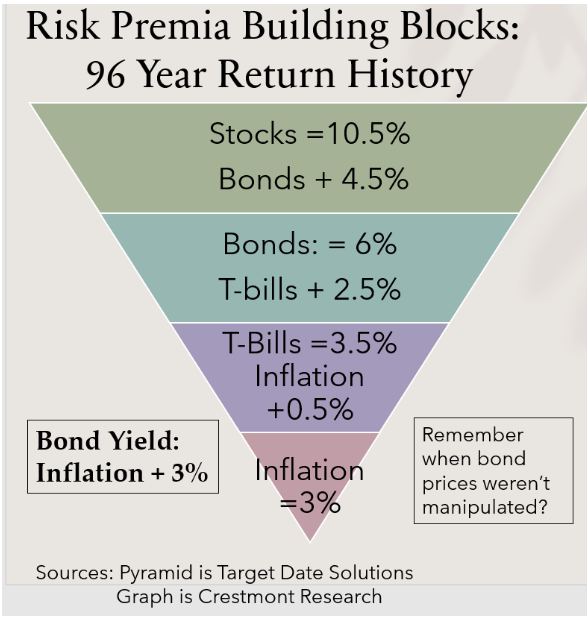
Last month I advised abandoning stocks and bonds in favor of inflation-protected alternatives. That hasn’t worked out. I have not changed my mind. Interest rates will increase and cause losses in stock and bond markets.
New US home construction fell in June to the lowest since September after plunging the prior month, driven by a slide in single-family homebuilding that underscores waning demand.
Netflix Inc.’s stock has looked cheap for months and yet buyers discovered to their dismay that it just kept getting cheaper.
There’s no doubt what Monday’s biggest market news was in New York.
The U.S. dollar has appreciated against every Group of 10 currency this year.
If you follow the financial press, the conventional wisdom has come to the simple conclusion that the way to fight inflation is raising interest rates. Unfortunately, this is just not true.
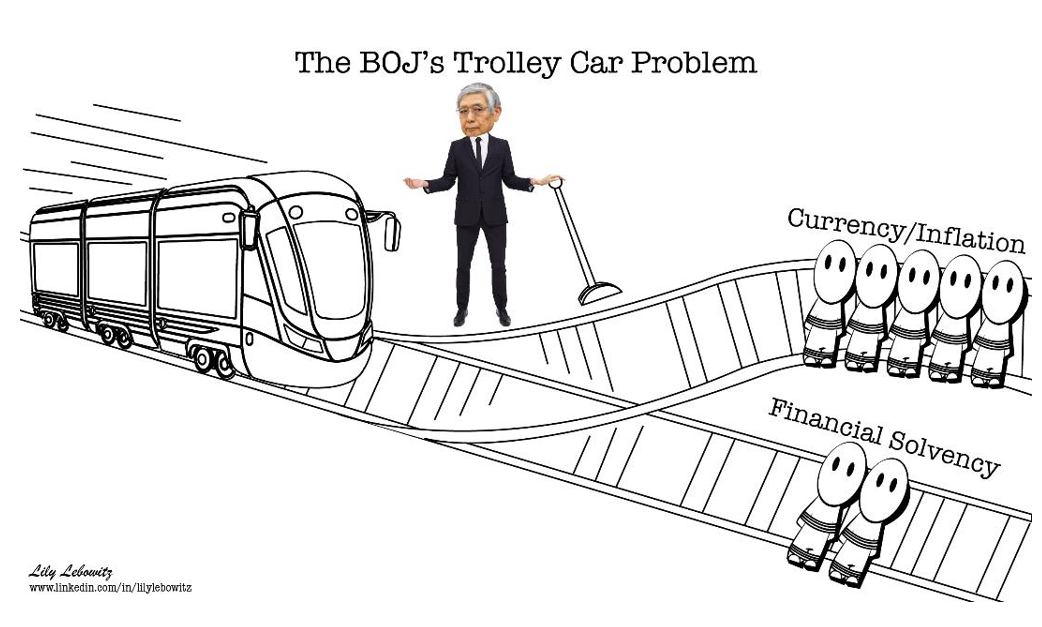
Shinzo Abe's policies had a substantial impact both in Japan and around the world.
As we’ve hit the halftime mark for the investment year 2022, we are faced with a daunting two-headed monster.
Reducing the money supply will help to curtail inflation.
Despite the Fed’s aggressive tightening policy, we think inflation still has a ways to run, though we remain cautiously optimistic about the economy.
The “Bullwhip Effect” has gotten the media’s attention as of late. However, the causes, effects, and consequences to the market and monetary policy are not well discussed.
We think the housing sector should hold steady with good structural trends, a potentially bad environment for housing bargains and a scenario for prolonged inflation.
June’s U.S. CPI (Consumer Price Index) inflation data likely set alarms blaring in the minds of Federal Reserve officials.
Goldman Sachs Group Inc.’s traders countered the industry’s underwriting slump with revenue gains that raced past analysts’ estimates.
We woke the beast, and now we may have to learn to live with it.
It’s been an expensive summer with the cost of travel, and just about everything else, going through the roof. Now consumers are cutting back on their flights.
Some of the largest US landlords have pulled back on purchases of single-family rental homes, as rising financing costs and high home prices push property funds to ease away from the shifting housing market.
Oil resumed trading above $100 after the Saudis declined to make any promises regarding future output increases
Wall Street and European investment banks have an acute sense of buyer’s remorse.
If everyone feels so miserable, why do they seem to be out having a good time?
US retail sales were stronger than expected in June, but after several economists adjusted the data for inflation, they still point to a leveling off in spending.
Inflation will prove annoyingly persistent at levels far above the desired 2%.
Federal Reserve policy makers like to claim they are “data dependent” when it comes to monetary policy decisions, but this month they have run out of consequential economic releases on the calendar to change their minds.
Recession fears spike as inflation soars. Fair enough. But it’s not actually clear what people are afraid of.
Gold is heading for its fifth weekly loss, the longest streak of such declines in almost four years, with haven credentials sidelined by investors becoming super-bullish on the US dollar.
If you were considering taking the family on a European vacation, now may be a good time, as the U.S. dollar and euro achieved parity this week for the first time in 20 years.
These people, whose very job is to know the lessons of the past, either forgot them or chose to ignore them. Today we’ll look at how this manifested in the 2008 crisis period—and set up the conditions we face today.
With investors wondering whether we are finally through the worst of the selloff, our latest Strategic Income outlook tries to answer the question, “Are we there yet?”
As you may have heard, the US inflation rate is 9.1%. That is, the consumer price index for all items as estimated for June by the Bureau of Labor Statistics was 9.1% higher than it was a year earlier.
As investment conditions become more difficult, many investors remain paralyzed, still enthralled by the charms of the Fed's QE program. That relationship no long works for investors so it is time to break up and do something different.
China’s economy narrowly avoided contraction in the second quarter, prompting analysts to call for more fiscal and monetary stimulus to spur growth in the face of rising global recession fears.
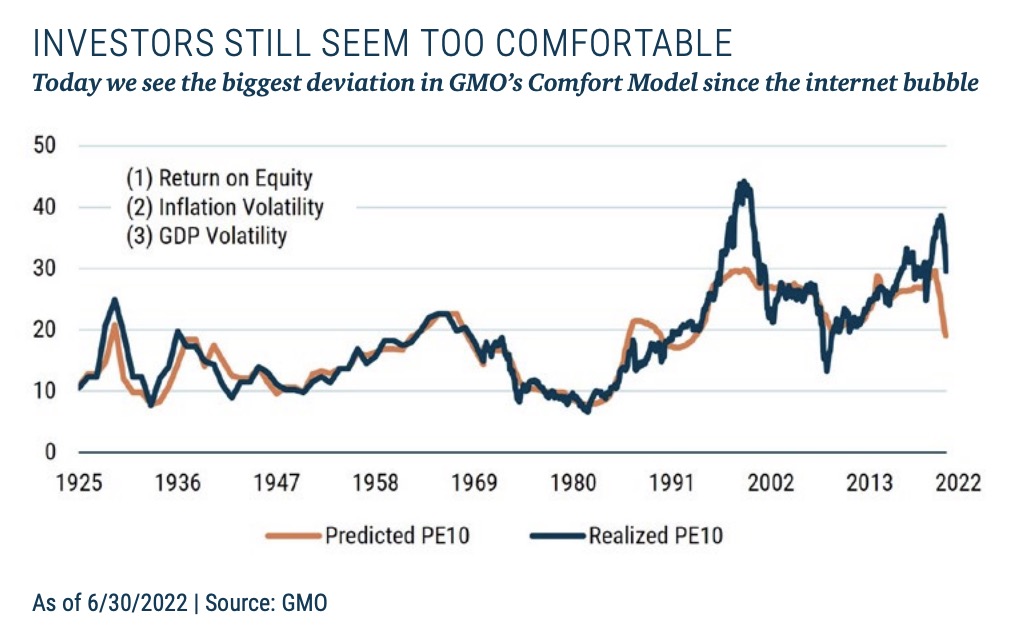
Investors are grappling with the reality of a new monetary backdrop in the US.
As if another inflation shock and earnings drama at big banks weren’t enough for stock investors, Friday brings a critical moment where many option traders must decide their next move on hedging.
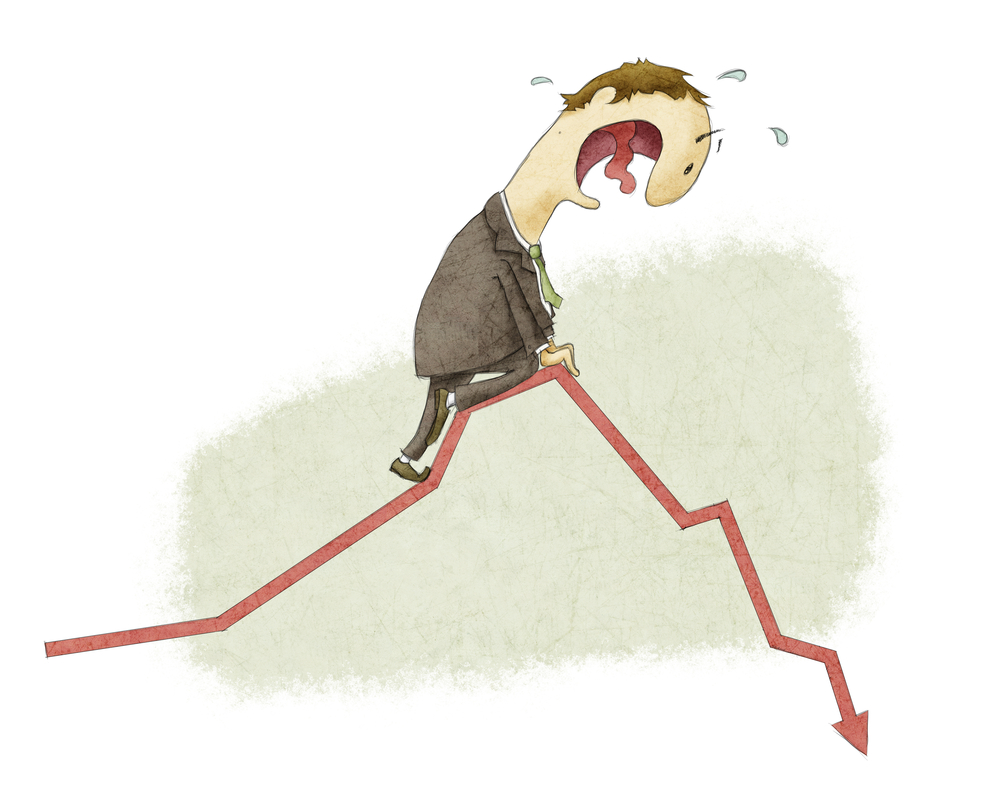
For all the volatility whipsawing the US bond market, traders are showing increasing confidence that the alarm bells warning of a recession will only get louder.
June’s U.S. inflation data will likely force central bankers into more restrictive territory – raising the odds of recession.
How many times have you heard that the US dollar will collapse because of Fed and fiscal policy?
Markets are expecting lower gasoline prices ahead.
Many of the participants in the short-term credit market use it as a place to deploy cash while waiting for higher risk opportunities.
As Robert Shiller has written, market participants are always in search of an explanatory narrative. J
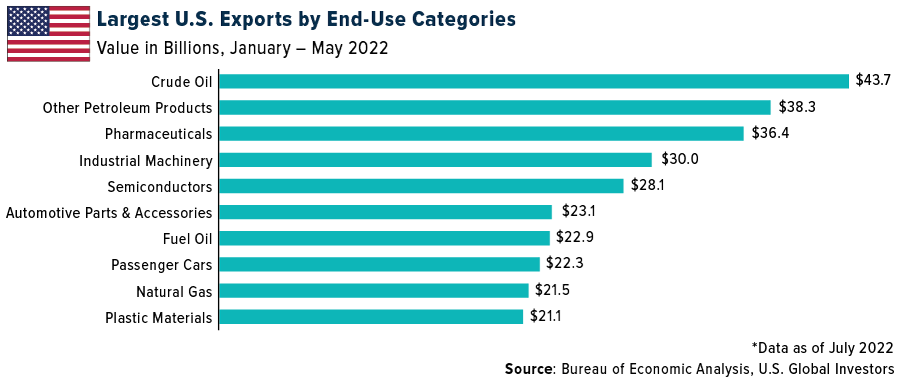
The summer of 2022 has not been a stable season for global energy.
The dollar rally has room to run and those who stand in its way risk getting bowled over by its unstoppable strength.
Gold dropped back toward an 11-month low as investors again turned to the dollar as a haven asset amid expectations for more aggressive US monetary tightening.
Decades of underbuilding led to soaring prices and the biggest deficit of homes in the US.
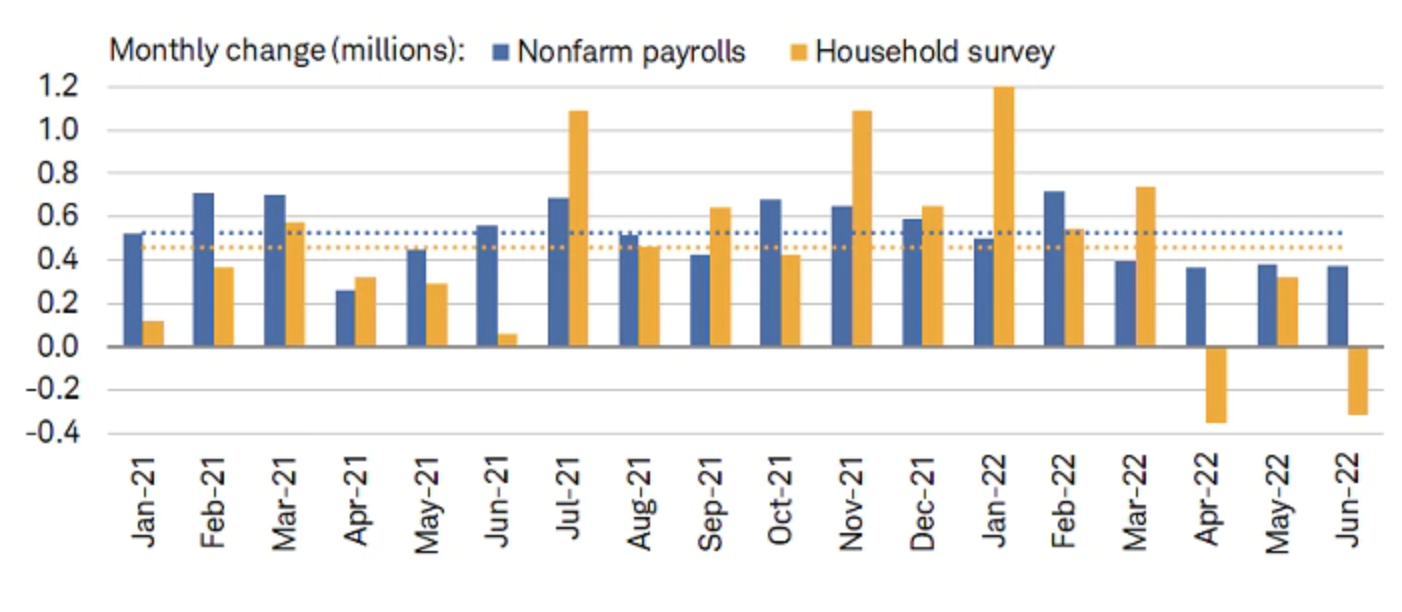
The labor market is turning out to be a new source for optimism in the Federal Reserve's fight against inflation.
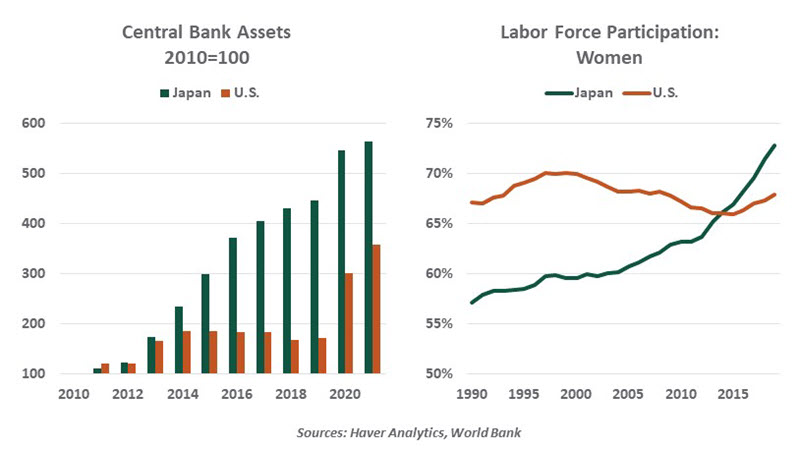
While the situations in the U.S., Europe, and Japan are different, all three are paying the price for years of fiscal and monetary tomfoolery. Using monetary policy to ensure low-interest rates encouraged unproductive debt growth. As liabilities grew faster than GDP, their ability to service debt became harder without continually having to administer lower interest rates and more QE.
Market volatility, inflation, and talk of a recession certainly has grabbed the headlines over the past few months. As financial planners, this is your chance to differentiate yourself as you walk your clients through turbulent times. My guests today form the leadership team for one of the country's most prominent planning firms, Integrated Financial Group (IFG), IFG consists of 60 teams of financial planners in 13 states. Founder and chief strategy officer, Don Patrick, and current CEO, Land Bridgers will share what their financial planners are doing right to help their clients navigate the headlines and the uncertainty of the economy. Focusing on financial planning is at the heart of this discussion, along with the conversations financial planners have had with their clients over the years to prepare for times such as this.
Stocks tumbled on Wednesday after inflation accelerated in June more than expected, putting pressure on the Federal Reserve to remain aggressive in its fight against price increases.
The June jobs report was cheered by economic bulls given its strength in level terms, but rates of change among leading indicators don't favor a soft-landing outcome for the economy.