This is the first in a series of articles that will explore tax-efficient retirement distribution strategies.
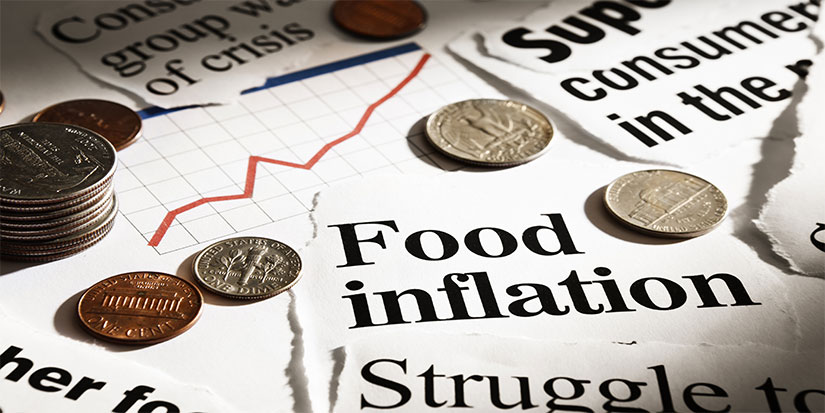
Although supply constraints and depletion brought these bouts of inflation, there’s a universal conviction that government spending and the massive “printing” of money is the culprit, and that the only solution is to raise interest rates. Three simple points contradict this conventional wisdom.
Two key US inflation gauges posted larger-than-forecast increases on Friday, heightening concerns that prices will remain persistently high and prompt continued aggressive interest-rate increases from the Federal Reserve.
The US is poised to deliver a bumper spring wheat crop in the upcoming weeks, which if realized could help relieve global shortfalls caused by turmoil in the Black Sea.
Earnings reports from the biggest technology companies show that the group is navigating the tough economic environment better than smaller rivals, fueling a rebound in stock prices and encouraging investors about the outlook for the second half.
Bitcoin and Ether, the world’s two largest digital tokens, are headed toward their best month since 2021 amid a revival of risk appetite in global markets and optimism about an Ethereum network upgrade.
US consumer spending barely rose in June after falling in the prior month, underscoring how decades-high inflation has eroded Americans’ paychecks and tempered demand.
The days of working from home may be numbered.
Announcing another interest-rate increase on Wednesday, Federal Reserve Chair Jerome Powell said that the path toward a soft landing — with lower inflation and no significant rise in unemployment — has narrowed. The question is whether there is any such path.
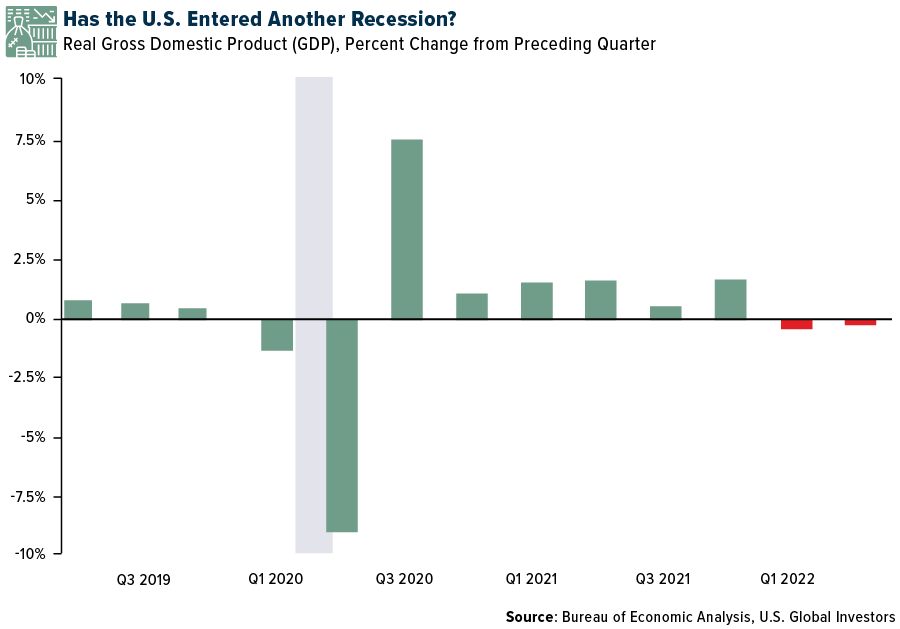
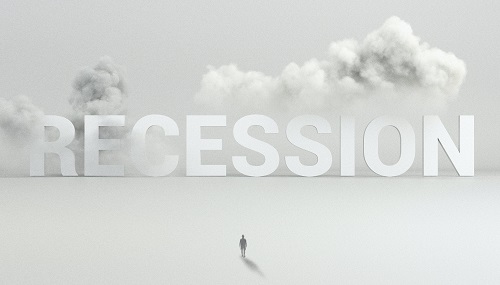
So did the U.S. just enter a recession? It depends on who you ask.
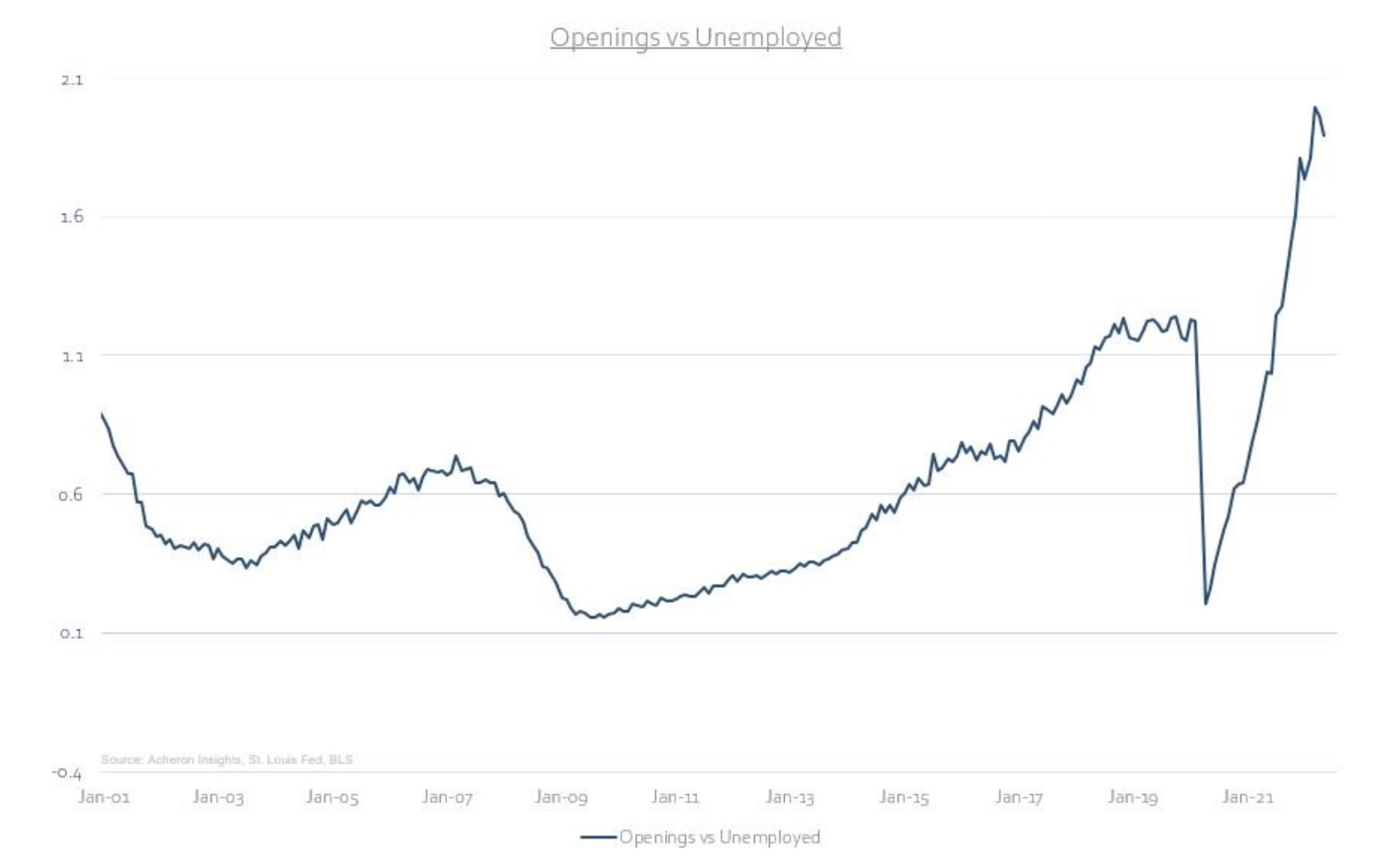
While it’s likely we are already in an as-yet-undeclared recession, it’s a very weird one if so. I have lived through quite a few of them and I don’t recall any other recession coinciding with record-low unemployment, plentiful job openings, and jammed airports.
Marriage in the US also unlocks an under-discussed retirement option: the spousal IRA.
Amazon.com Inc. was the latest company to discuss its belt-tightening efforts this week.
The US economy is losing momentum heading into the back half of the year, highlighted by the government’s latest report card that showed weaker consumer spending and declines in business and residential investment.
Wealthy Americans, who were girding for the biggest set of tax increases in three decades just a year ago, now look mostly safe from higher levies for years to come.
Can a weakening yen (JPY) continue to bolster Japanese equity markets?
The U.S. has experienced another quarter of reduced output, in the face of high inflation and rising interest rates.
Oil extended gains after a big draw in US crude inventories, while the prospect of a slower pace of interest-rate hikes from the Federal Reserve filtered through markets, buoying commodities.
It’s one of Warren Buffett’s best-known sayings: “Be fearful when others are greedy and greedy when others are fearful”.
The market’s inflation concerns are taking a back seat to recession fears.
ESG underperformance will be the strategy’s eventual undoing.
The Federal Reserve affirmed its commitment to price stability, hiking its policy rate 75 basis points again and signaling more tightening to come.
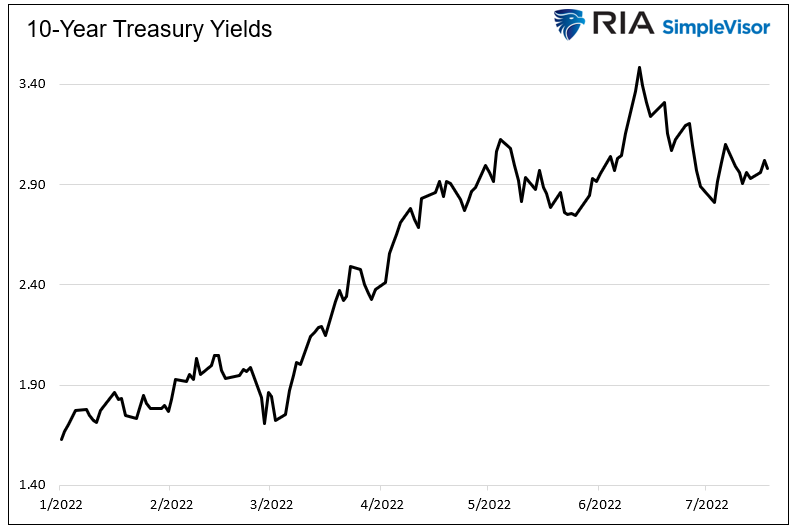
Gold climbed after the US economy shrank for a second consecutive quarter, pushing the dollar and Treasury yields lower, and clouding the outlook for further aggressive interest-rate hikes as the Federal Reserve fights inflation.
The dreaded R word is looming over Americans as the economy contracts and the Federal Reserve raises rates.
The Fed’s mandate is for stable prices and maximum employment.
Chair Jerome Powell said the Federal Reserve will press on with the steepest tightening of monetary policy in a generation to curb surging inflation, while handing officials more flexibility on coming moves amid signs of a broadening economic slowdown.
The US economy shrank for a second straight quarter, raising chances of a recession, as decades-high inflation undercut consumer spending and Federal Reserve interest-rate hikes stymied business investment and housing demand.
U.S. stocks are trading higher as the Street is reacting positively to softer-than-expected earnings results from some key companies.
Since the COVID low in US Treasury rates and subsequent rise, the Japanese Yen has tracked the yield differential between the US and Japan.
In downward trending markets as we have seen for much of 2022, it is important to distinguish price declines which may present similarly.
There’s a saying on Wall Street referring to the stock market that “all correlations go to one in a crisis.”
For analysts, the last Thursday of July is always one of the busiest dates in the calendar. This year, it’s likely to be even more of a stretch.
The dollar is strong and getting stronger, hitting 20-year highs relative to a basket of other currencies.
The biggest stock-bond rally in more than two decades has just raised the ante for investors betting Jerome Powell will send somewhat dovish signals at Wednesday’s high-stakes policy decision.
Four months have passed since the chief executive officer of Tesla tweeted he was working on a third “master plan” for the electric-car maker.
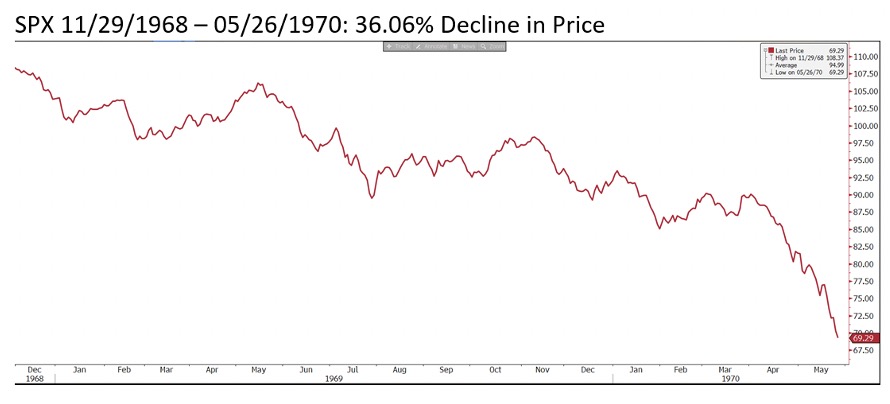
We are getting questioned constantly on how long this bear market in U.S. stocks will continue.
Boeing Co. generated $81 million in cash from its operations during the second quarter, sharply reversing its heavy cash use earlier this year as the planemaker stepped up deliveries of its highly profitable 737 Max jetliners.
Growing Evidence the Secular Trend in Stock Prices May be Reversing! We can’t be sure that the equity secular bull market for stocks is over, but it’s quite apparent that several reliable indicators are moving in that direction. Many others are on the brink of a sell signal.
Howard Marks’s latest memo argues that investors seeking superior performance must have the courage to depart from the pack, even though doing so means accepting the risk of being wrong. Thinking differently and better than others is key to outperformance, he explains, because in investing, it’s not enough to be right.
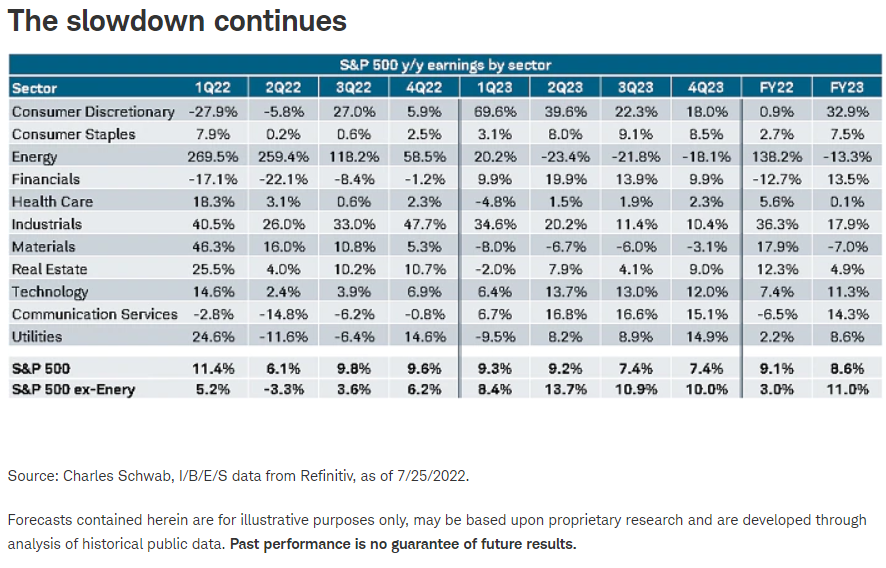
U.S. equities finished higher last week (S&P 500 +2.6%) as Treasury yields fell and growth nicely outperformed value. 2Q earnings are coming in less bad than feared.
Second-quarter earnings growth will mark an expected deceleration in profits, but focus will likely continue to shift to the pace at which outlooks are downgraded.
We believe that the Fed is going to increase the federal funds rate by 75 bps.
Renewed growth in China’s manufacturing activity, coupled with softening developed market demand, should ease some supply-side pressures – but several other inflation risks remain prevalent.
A challenging period for Japanese growth stocks may present a unique entry point for long-term investors.
Inflationary pressures from the COVID-19 crisis have been compounded by the surge in commodities prices sparked by the Russia-Ukraine war. In the US, the Consumer Price Index hit 9.1% year over year in June—its highest since 1982. In fact, most major economies are dealing with inflation highs not seen in decades.
On the latest edition of Market Week in Review, Chief Investment Strategist for North America, Paul Eitelman, and Research Analyst Laura Bardewyck reviewed early results from second-quarter earnings season.
Infrastructure has recently seen increased attention as broad equities have been weaker in 2022 due to inflation, rising interest rates, global supply chain disruptions from COVID-19 and the war in Ukraine.
The era of a few giant tech firms controlling stock market gains is quickly coming to an end, according to activist investor Nelson Peltz.
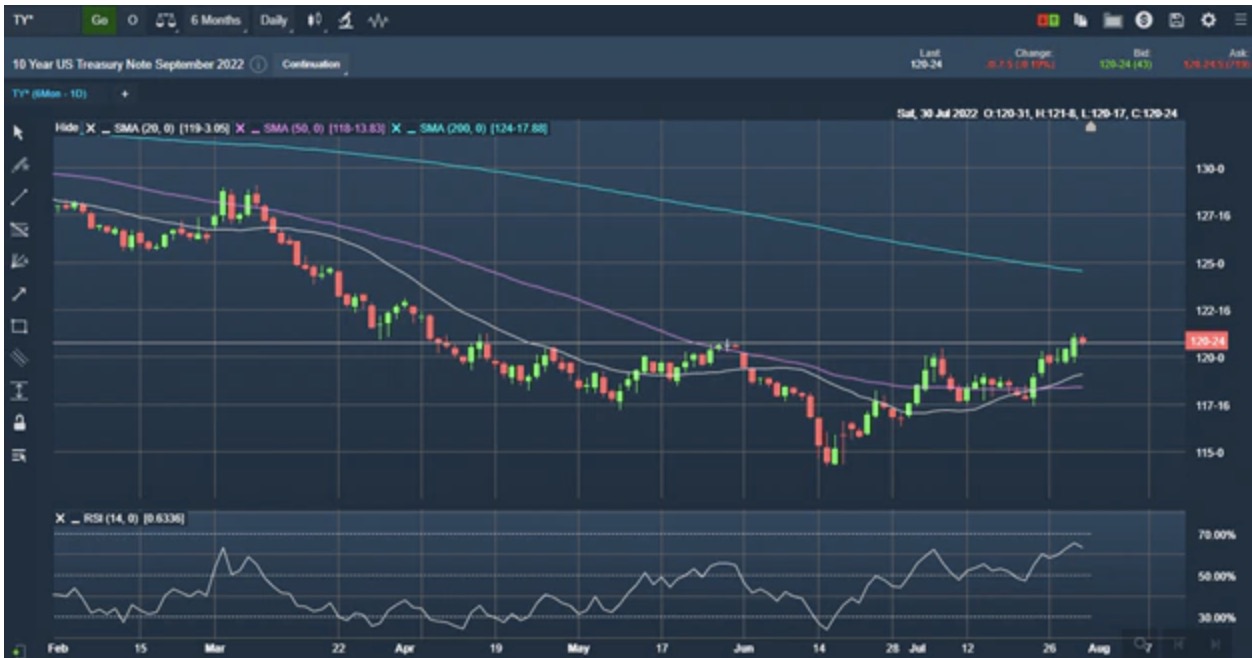
he Federal Reserve’s interest-rate hikes are wearing out their welcome in bond markets, with a measure of the yield curve that Chair Jerome Powell has highlighted as a recession indicator sending out a warning message.
On Monday Walmart warned on profit for a second time in just over two months. That is an ominous sign for the whole consumer sector and the broader US economy.