A $200 billion corner of the hedge funds industry dominated by computer-driven algorithms has been making the most of wild swings in global markets, putting many of those funds on course for a record year of gains.
Bonds are typically considered safe investments. However, there were decades of negative real returns. Drawdowns reached 50% for U.S. Treasuries and Bonds.
Ray Dalio has changed his mind on cash.
Kids are expensive. Full stop. No matter your level of frugality, it's certainly costlier to have kids than to opt to be child-free.
As student borrowers get set to apply for federal loan forgiveness, some of them are also considering for the first time homeownership and other major milestones as they embark on new lives without the specter of debt hanging over them.
I posted the job requirements on a popular website for experienced writers, listed my requirements and waited for the responses. You can learn a lot from my experience.
On August 16th, President Joe Biden signed the Inflation Reduction Act into law, ending months of uncertainty over whether congressional Democrats would ever reach agreement on a compromise budget reconciliation bill.
This is a critical time for investors and policymakers alike.
The investors of Smead Capital Management have been hearing us talk about ‘First World Problems’ recently.
This year's brutal market has investors across asset classes and international markets running for the exits. But where there’s panic and wreckage, there’s also arbitrage and opportunity.
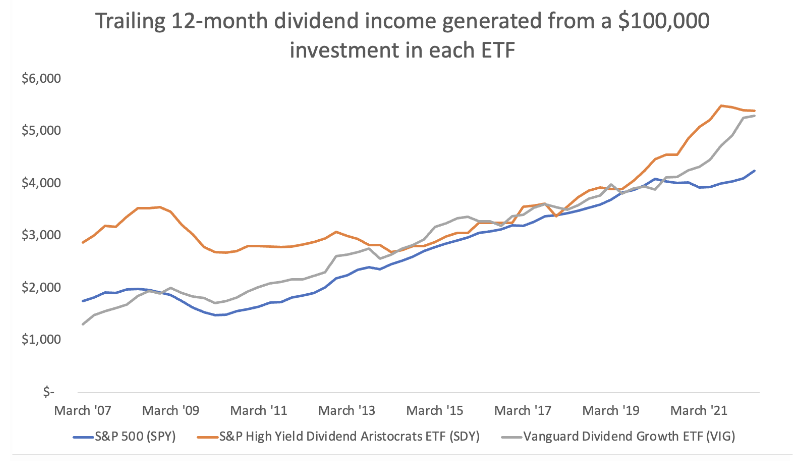
One investment with the ability to provide current income, inflation protection, and even the potential for capital appreciation has been largely overlooked – rising dividend stocks.
In a marriage or committed relationship, income and wealth inequality between partners presents challenges that don’t exist when they are financial equals.
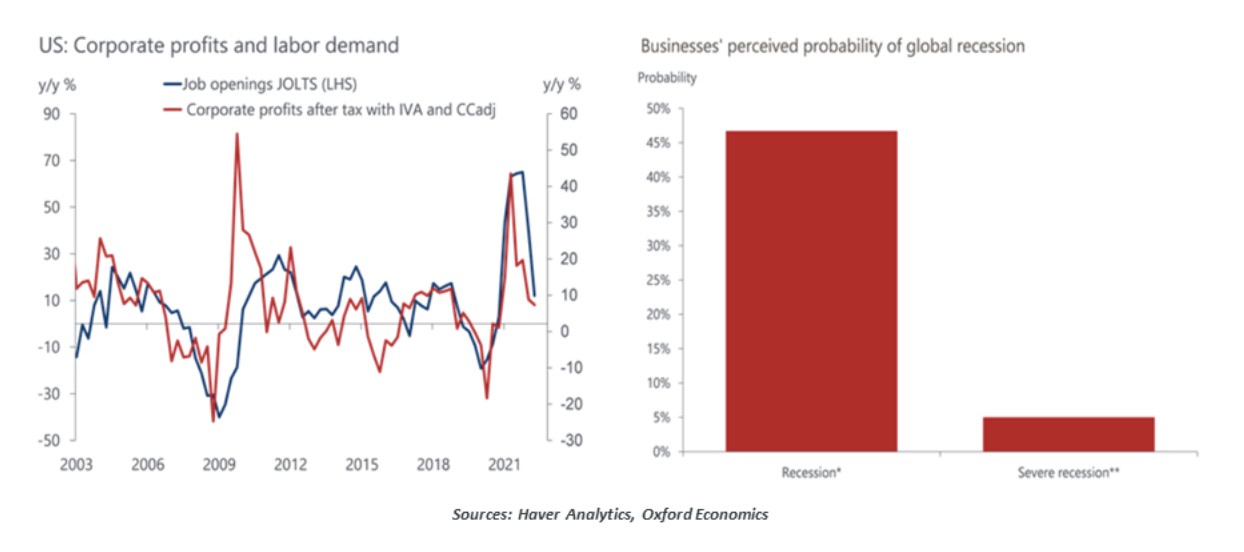
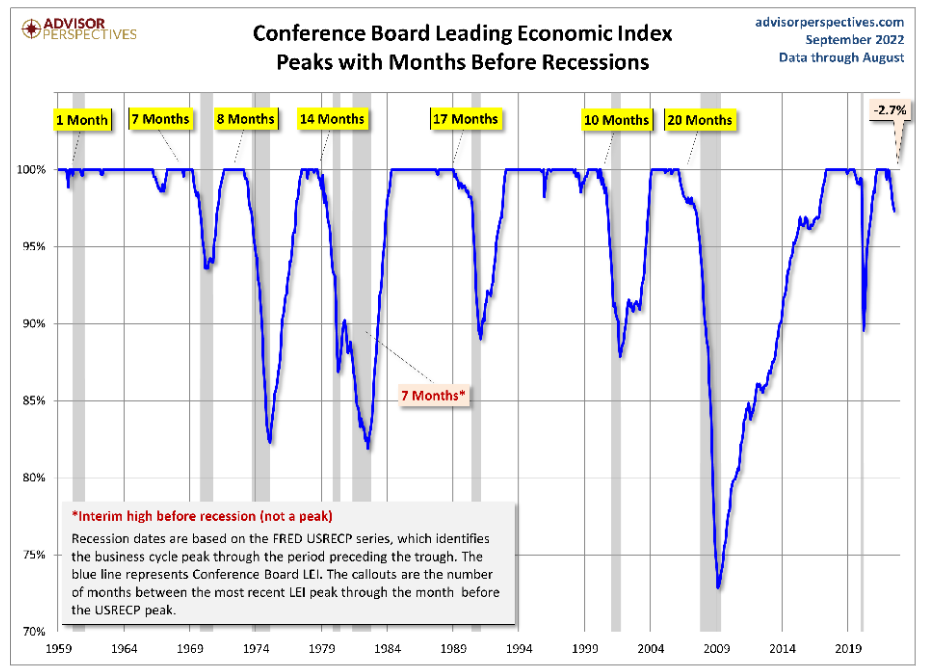
We are not “recession deniers,” we just don’t think one has started yet.
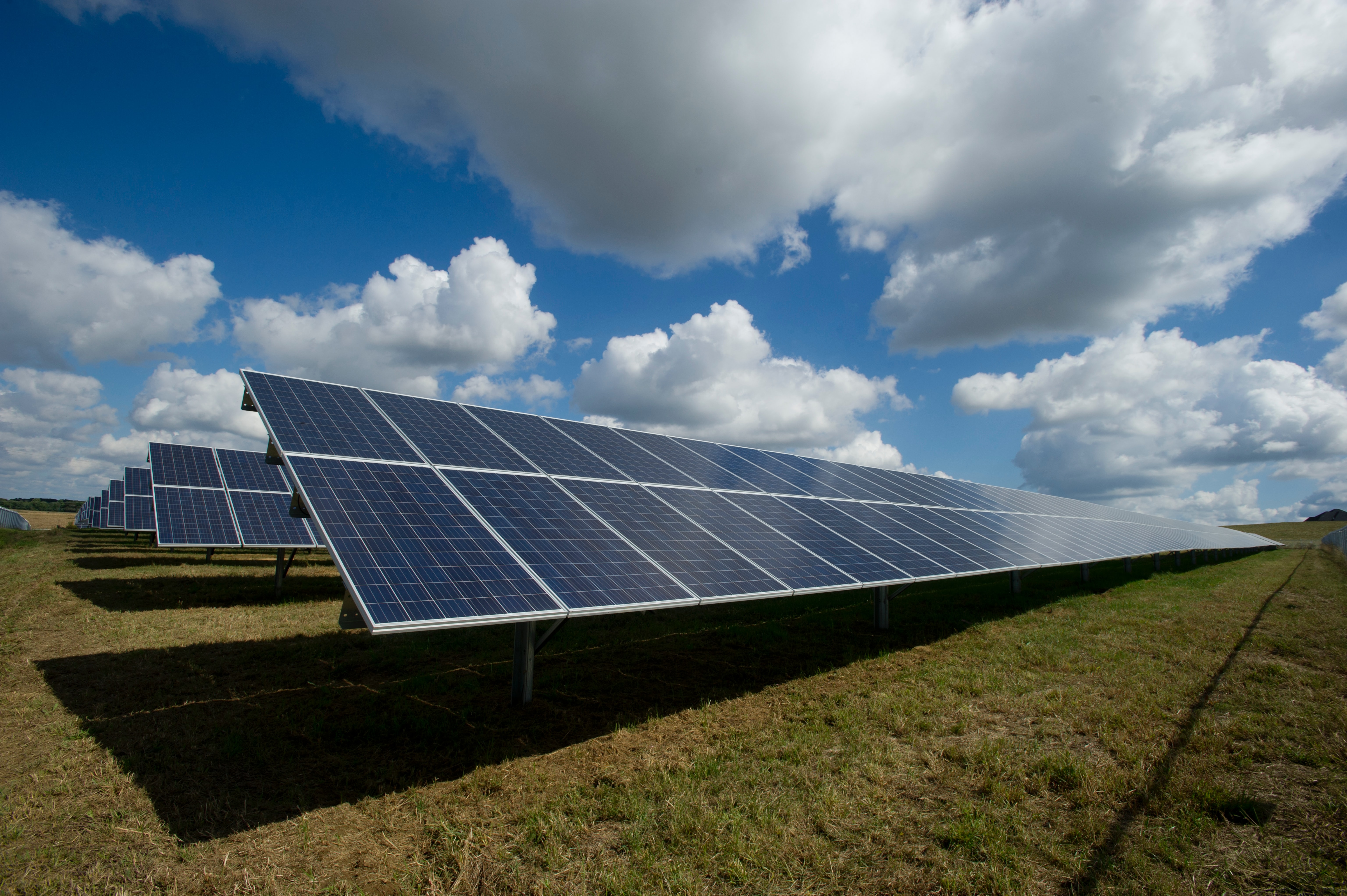
In rural America, the shoulder-high corn is increasingly competing with a new cash crop: solar power.
A growing number of Americans are renouncing their citizenship to escape a law that was designed to crack down on offshore tax evasion.
A path remains in sight for the U.S. to avoid a recession.
For most of 2022, the VIX been above its average, which historically has led to lower equity returns. I will review the risks that investors face, which explain the continued high level of uncertainty.
Take a look at MassMutual’s comprehensive whole life insurance portfolio. From life insurance protection to cash value accumulation, we have solutions to meet a variety of client needs and financial goals. Learn more here.
This dark symphony was never going to end without sparking a currency crisis, one which allows countries to blame other countries as the source of their own internal problems. We will see that it’s not always the case.
Airlines enjoyed a hot summer, as “revenge travel” and soaring fares lifted the companies. But investors have been reluctant to get on board as recession fears cloud the outlook, leaving the stocks languishing.
U.K. financial market volatility is likely to remain high, and the longer-term outlook likely depends on future monetary and fiscal policy.
Surveying the current condition of the financial markets, we presently observe a combination of still historically-extreme valuations, rising yet still only normalizing interest rates, measurably inadequate risk-premiums in both equities and bonds, and ragged, unfavorable market internals, suggesting continued risk-aversion among investors.
The massive debt levels provide the single most significant risk and challenge to the Federal Reserve. It is also why the Fed is desperate to return inflation to low levels, even if it means weaker economic growth.
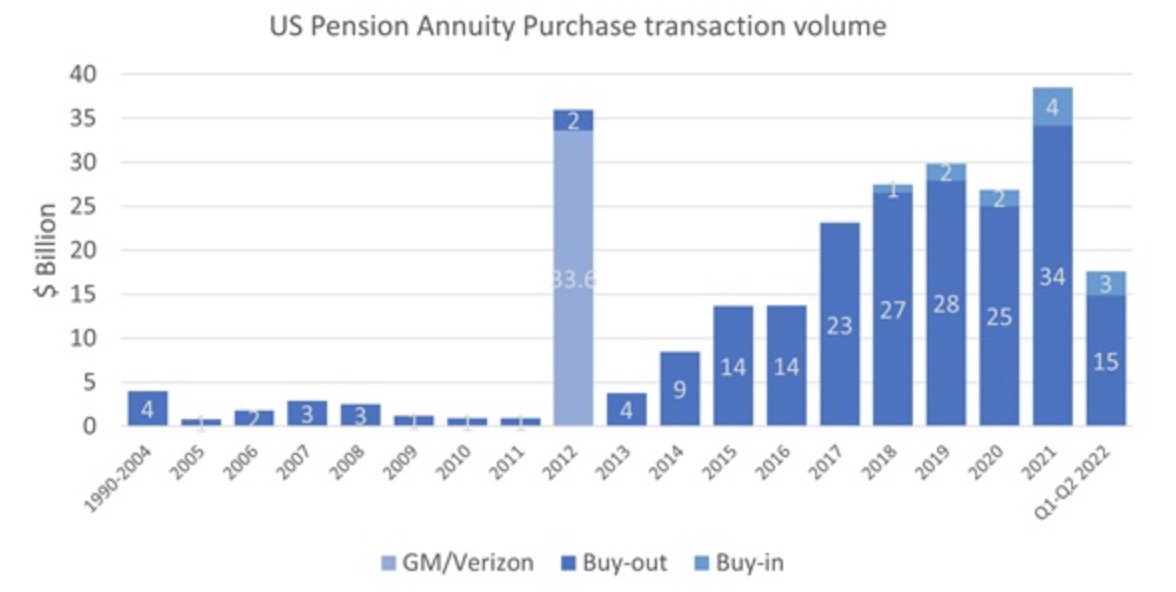
10 years have passed since the watershed year for pension risk transfer.
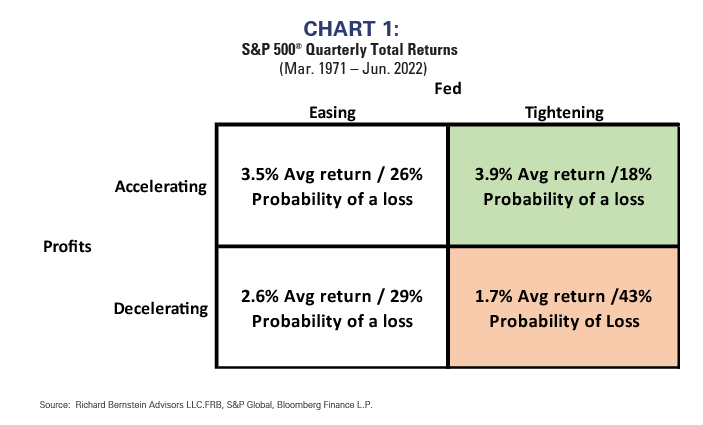
Over the last few months, the Federal Reserve (Fed) has changed its angle of attack quite dramatically, in an attempt to battle surprisingly and stubbornly high inflation.
It appears to us that global innovation has bottomed and offers attractive value.
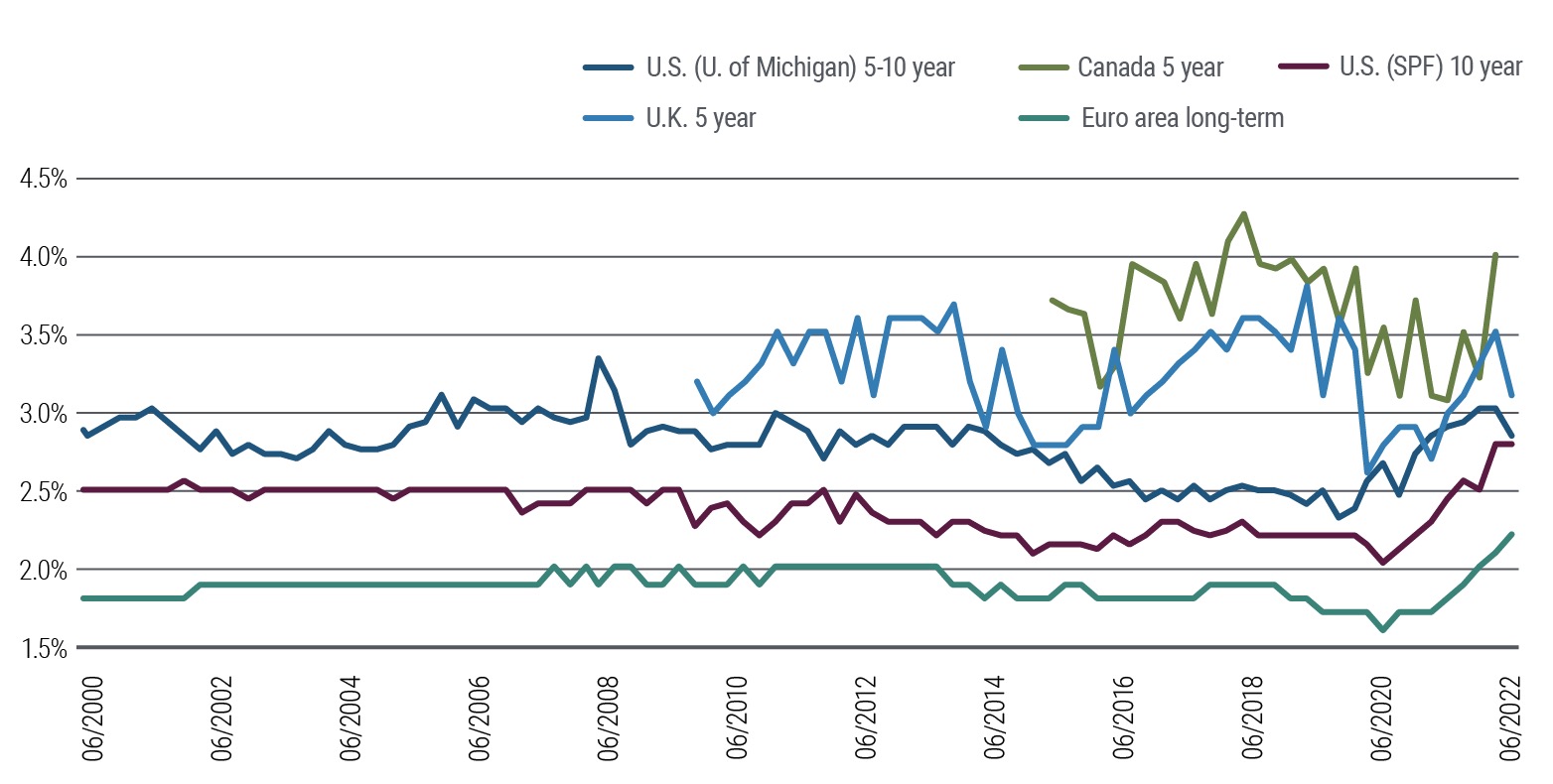
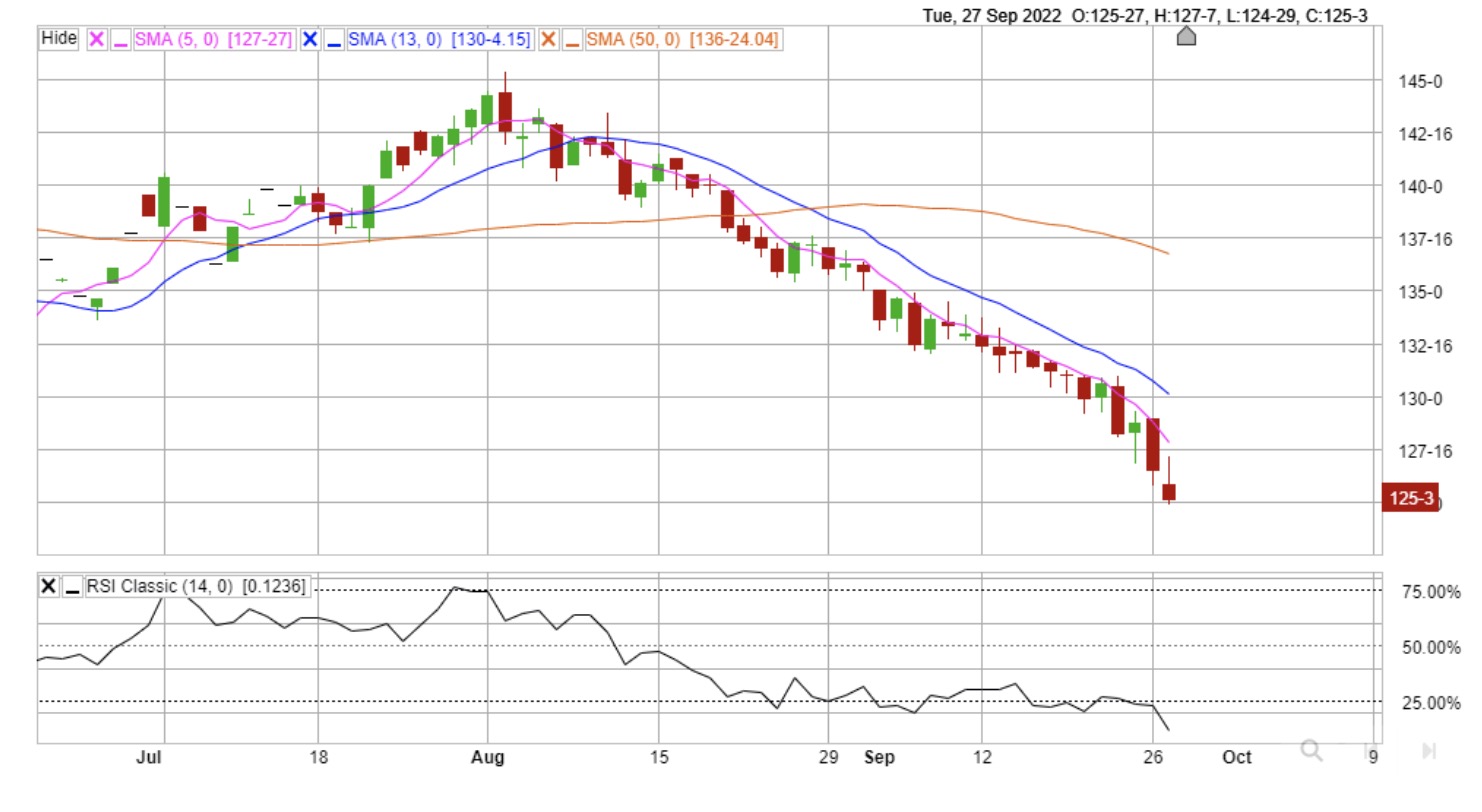
This week’s bond meltdown has sent the mean 10-year borrowing cost for Group of Seven countries to its highest in more than a decade, with the average yield surging above 3%. What happens next could set the tone for financial markets and the global economy for years to come.
Investors see a myriad of unknowns right now, and popular discussion continues to focus on a dichotomy between growth and cyclicals. We think there is a third choice that's being ignored.
There is no relief in sight. The market remains volatile. Both equity and fixed-income assets are taking a beating as investors grapple with 40-year-high inflation and the Federal Reserve’s attempts to rein it in. My next guest says there is potential upside in this tumultuous market. He claims high volatility has historically had positive effect on a little-known class of bonds known as convertibles. He will explain why adding convertible bonds to your portfolio is a smart move as we weather this financial storm.
Unlike with 401(k) plans and other retirement savings accounts, the IRS does not set annual contribution limits for 529 college savings plans. Instead, the states that sponsor individual 529 plans set parameters for the life of the plan.
Bill Bengen’s 4% safe withdrawal rule is the standard by which retirement strategies are measured. But it fails as a practical guide to retirement planning. Here is how to fix it.
In the midst of a historically rough year in the $4 trillion municipal bond market, investment managers see ample opportunity as surging yields provide a compelling entry point.
U.S. equities are higher in afternoon action following a recent plunge to lows not seen since 2020.
In the midst of back-to-school season, David Mann opines on the real-life applications of mysterious middle-school math and exchange-traded funds.
In the 1980s there was a famous TV ad for Wendy’s with the tagline “Where’s the beef?”.
As the U.S. CPI data continues to rise, Charles Hamieh, Portfolio Manager at ClearBridge Investments, dives into the opportunity present for investors looking at the infrastructure space as an inflation hedge moving forward.
Amid the stir caused by President Biden’s plan to cancel student loan debts, far too little attention has been paid to another far-reaching reform: the administration’s change to a lending program known as income-driven repayment (or IDR). If widely applied, Biden’s proposal would provide additional relief to millions of borrowers...
Join the Delaware Funds by Macquarie® Municipal Fixed Income team for an interactive discussion that will help answer some of the biggest questions on municipal bond investors’ minds.
Is a 529 plan the right option for your clients? Do you have questions on 529 plans your clients already started? We’ve selected several articles to help answer those questions and learn more.
President Joe Biden’s decision to forgive some federal student debt will cost the US Treasury at least $400 billion, the Congressional Budget Office estimated.
If a long, ugly recession is in fact going to happen later this year, many investors will want to shift some additional money into cash. There’s good news: In July, yields on many cash-like investments, which means they're virtually risk-free and liquid, started soaring.
Central banks haven't finished tightening and the U.S. Treasury yield curve remains inverted.
Bleeding into this week, the British pound reached its lowest level ever Monday, relative to the U.S. dollar.
Policy responses to shortages are not always effective.
The municipal bond market has not been immune to bouts of volatility hitting the markets this year, but there are still pockets of opportunity, according to Franklin Templeton Fixed Income’s Director of Municipal Bonds, Ben Barber.
The U.S. dollar has been on a tear in recent months, bringing it to its highest valuation versus other major developed currencies in more than 35 years.
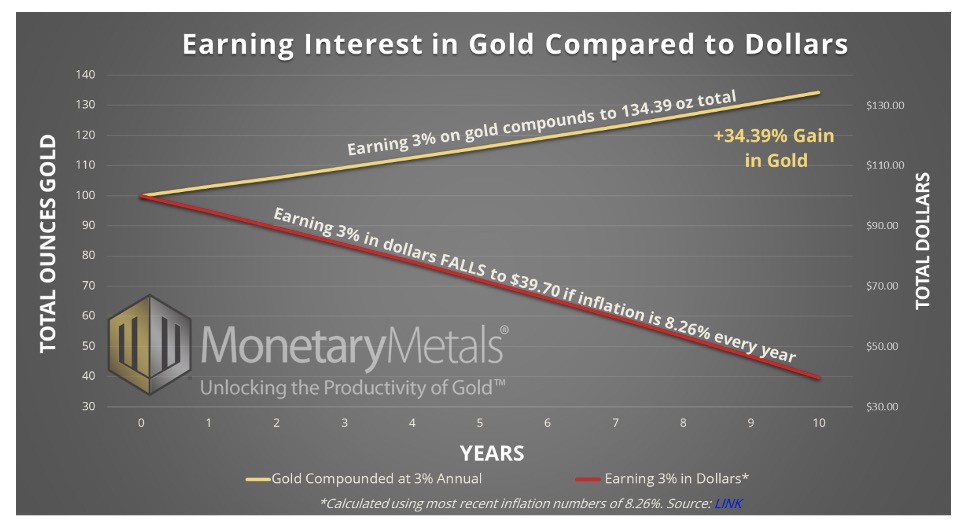
A yield on gold and silver is an attractive alternative to falling yields in dollars or the negative yield with costs of vaulting your precious metals. But are the yields high enough?
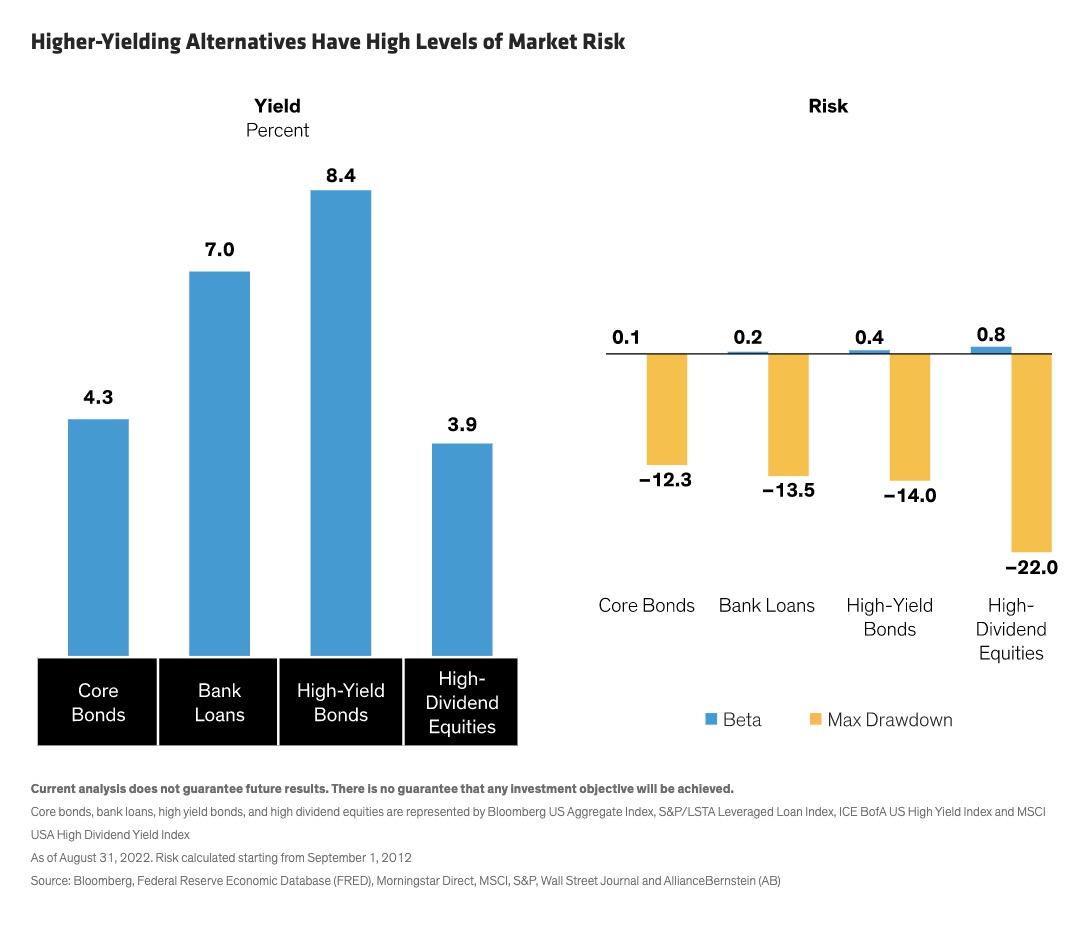
While 2022 has been a challenging year for nearly every segment of the capital markets, it comes with a silver lining for income investors: higher yields.
Insurance protects against losses – fires, floods or a wrecked car. Because of the life-altering consequences of such as loss, clients rarely question the cost of the insurance. When viewed through an analogous framework, the cost of lifetime-income insurance, such as a GLWB, is fairly priced.
Frequent flyers are accustomed to turbulence on some flights. Indeed, many expect it. Despite such anticipation, however, the turbulence can once in a while create significant anxiety among even the most seasoned travelers.