Hedge-fund veteran George Noble’s foray into the exchange-traded fund industry has come to a quick, and painful, end.
Investors should be aware of potential real-time market exposure risks when implementing large changes to their portfolios.
After a rush among issuers to file for spot bitcoin ETFs, followed shortly by a rush to file for ether futures ETFs, the environment for crypto-related ETFs looks significantly different from early 2023 when several crypto ETFs announced closures.
VettaFi’s vice chairman Tom Lydon discussed the BTD Capital ETF (DIP) on this week’s “ETF of the Week” podcast with Chuck Jaffe of “Money Life.”
This article takes a look at a long-term perspective on Treasury yields as of the July 31, 2023 close. The chart below shows the 10-year constant-maturity yield since 1962 along with the Fed funds rate (FFR) and inflation.
Doug Drabik discusses fixed income market conditions and offers insight for bond investors.
After an unprecedented pause that started in March 2020, student loan repayments will finally resume in October 2023.
We see emerging markets better withstanding volatility and benefiting as supply chains rewire. We switch our EM debt preference to hard currency from local.
The SouthernSun Small Cap fund (symbol: SSSIX) is up 13.5% this year, versus 10.33% for its Morningstar small-blend peer group. Last year was even more impressive, when it was down only -1.37%, versus its peer group, which was down -16.24%, putting SSSIX in the first percentile of that peer group. It has approximately $400 million in assets and is a highly concentrated portfolio, with only 21 holdings as of March 31, 2023.
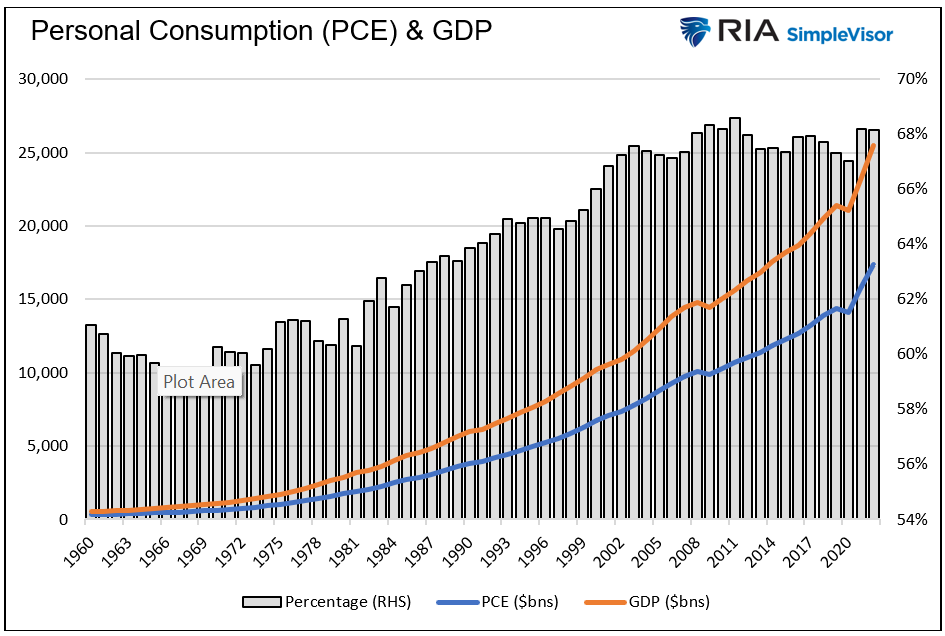
Personal consumption growth rates are showing signs of fatigue. Given it consistently accounts for more than two thirds of economic activity, it's worth exploring the state of the consumer.
Twenty years ago, the answer to this question was obvious. Wirehouses had better technology compared to any other firm or affiliation model.
Why don’t more advisors recommend simple portfolios?
I’m having a hard time helping the senior advisor see that I have insights and ideas.
A medieval king was nothing without his sage advisers. It’s not so very different in the Silicon Valley of 2023.
US bank stocks declined after Moody’s Investors Service lowered its ratings for 10 small and midsize lenders and said it may downgrade major firms including U.S. Bancorp, Bank of New York Mellon Corp., State Street Corp., and Truist Financial Corp.
It’s time for our annual August report, “Charts for the Beach.” Each year we highlight five of our favorite charts we think consensus is currently overlooking. So, head for the beach, but be safe and heed the warning about the critical lifeguard shortages. Yet another sign the labor markets are historically tight!
Bitcoin may be closer to bursting out of a period of unusually low volatility if chart patterns and the token’s history are any guide.
July was an impressive asset-gathering month for ETFs. Much of the heavy lifting was done by the industry’s largest ETFs.
It’s no secret that we are currently in a high interest-rate environment. The Federal Funds rate, the benchmark rate in the U.S. set by the Federal Open Market Committee (FOMC), currently sits between the range of 5.00% and 5.25%.
A conversation with Dave Nadig, Financial Futurist, VettaFi and Helen Hayes, MD & Head of iShares Canada, BlackRock
NYSE’s Douglas Yones covers a wide range of topics including active ETFs, Dimensional’s proposed ETF share class structure, surveillance sharing agreements pertaining to spot bitcoin ETF filings, ETFs moving to floor trading, and the importance of industry education. VettaFi’s Roxanna Islam offers perspective on the recent wave of ethereum futures ETF filings and unpacks this year’s stellar performance from the consumer discretionary sector. MUSQ’s David Schulhof spotlights the recently launched MUSQ Global Music Industry ETF.
The seemingly unstoppable rally in homebuilding stocks may face a few potential roadblocks ahead.
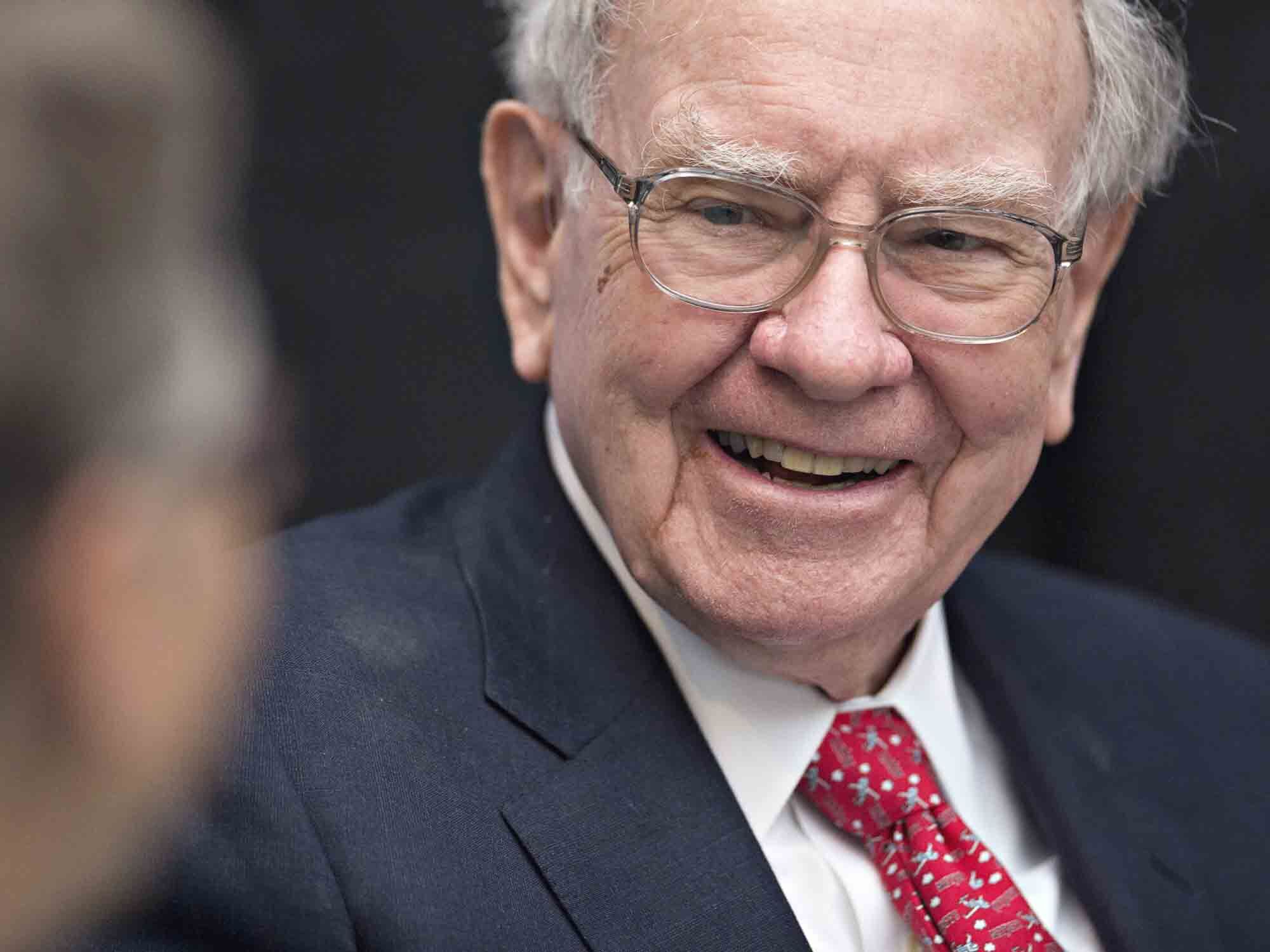
Berkshire Hathaway Inc. jumped to a record high after its Saturday earnings report showed an operating profit for the second quarter that exceeded Wall Street expectations.
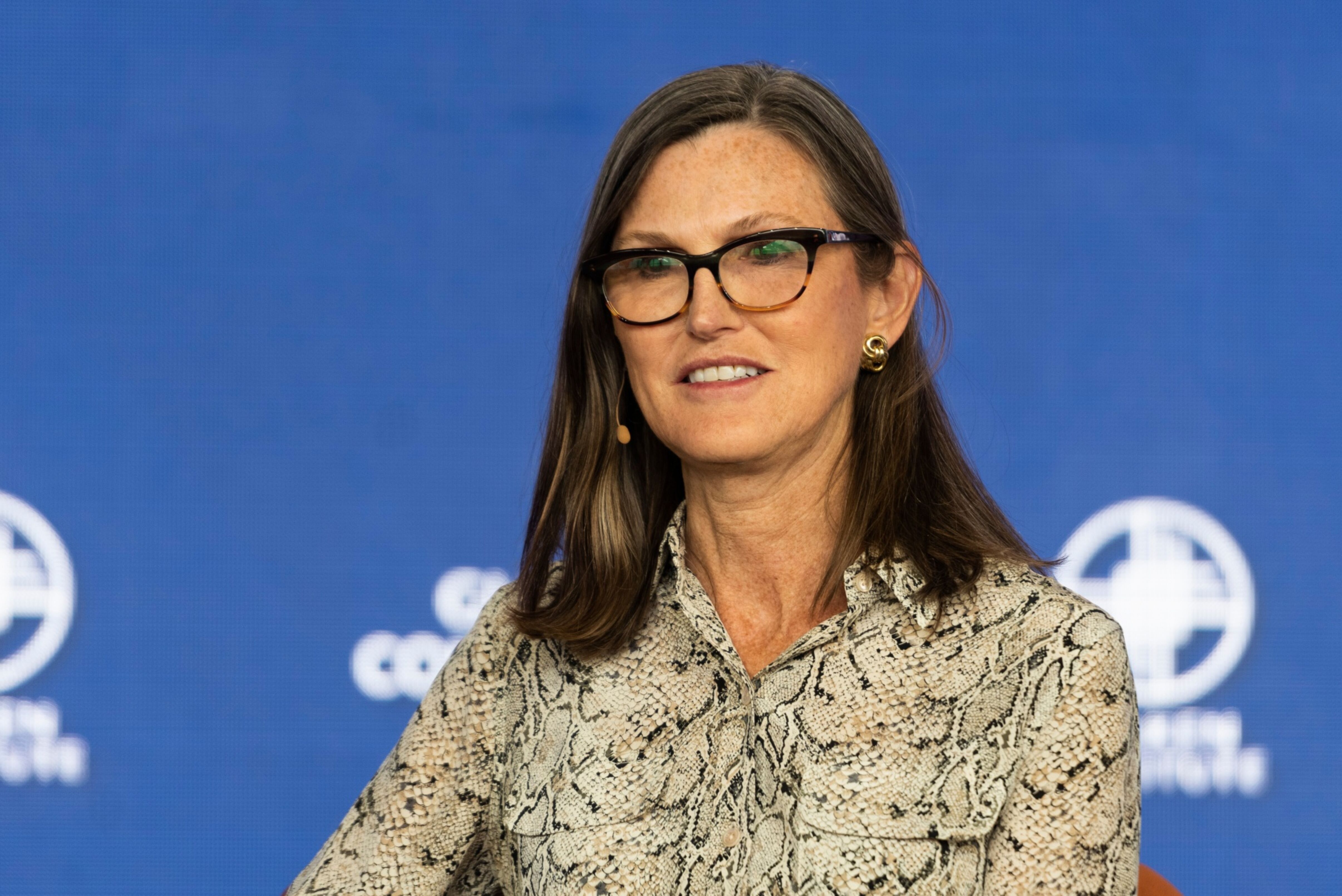
Cathie Wood said that the US Securities and Exchange Commission may approve multiple spot-Bitcoin ETFs at the same time, reversing an earlier view that her firm would be first in line to get potential approval for the long-awaited product.
There is next to zero chance the government won’t be able to pay its creditors and the Treasury Department’s access to funding is determined by forces far more fundamental than a few capital letters tied to a ratings report.
Wall Street is growing more confident that there won’t be a recession. But one thing that stood out for me from otherwise decent-second quarter earnings is the number of executives claiming their industries are already in recession.
After 17 months of intense fighting, the costs of rebuilding Ukraine will most likely be far higher than previously expected. European countries, which have repeatedly pledged to support Ukraine but have contributed relatively little to its defense thus far, must coordinate and facilitate this effort.
Investors planning for retirement are facing seven significant challenges.
A clear majority of investors expect a US recession before 2024 is out, leading them to view the current bull market in stocks as ephemeral and to favor long-term US Treasuries.
Peter Turchin’s End Times is a brilliant, sprawling, and oft-times maddening look at the rise and fall of nations and empire. He’s worried, and rightly so, about the United States.
Investors in emerging markets are shifting to stocks from bonds as they prepare for the world after monetary tightening.
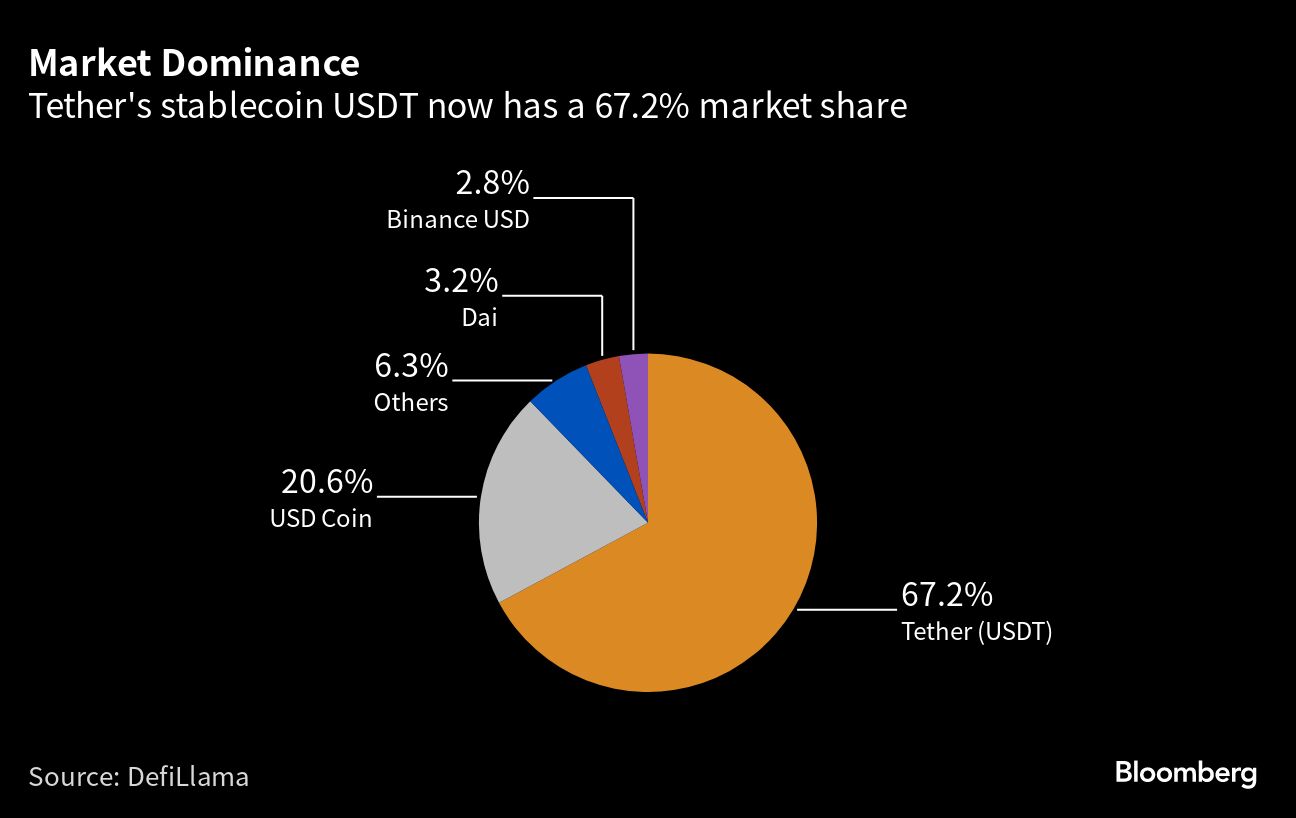
PayPal Holdings Inc. is rolling out a stablecoin, the first by a large financial company and a potentially significant boost to the sluggish adoption of digital tokens for payments.
With Corporate America’s earnings season nearing an end, the takeaway is clear: Challenges remain, but for a broad swath of companies the worst of the profit pain is likely over as margin-shredding inflation pressures ease.
What is the secret to digital marketing that drives website traffic and leads?
Research Affiliates explain why their long-term return forecasts have risen across asset classes and the implications of their near-term outlook for U.S. recession.
Alphabet Inc., the umbrella organization encompassing Google, is a global conglomerate that has revolutionized the world by organizing information and making it universally accessible and beneficial.
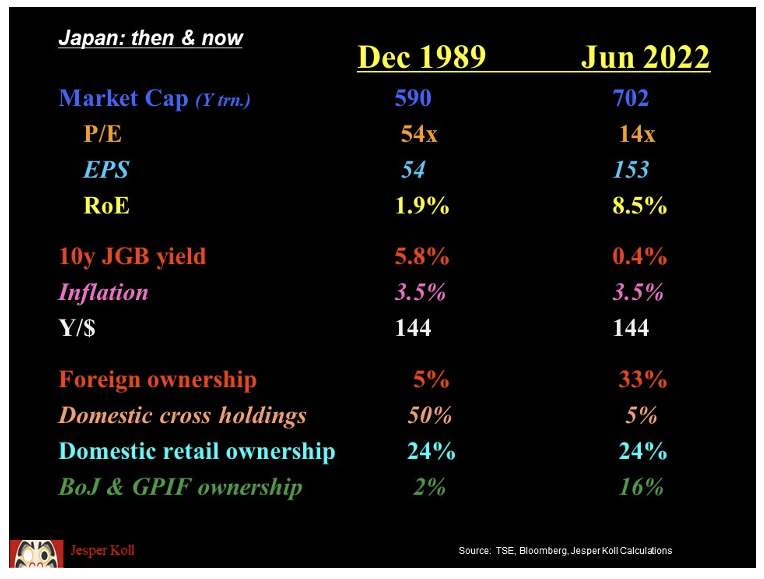
While US economic data continues to deteriorate along with much of the globe, pockets of growth have developed. We continue to be generally cautious but have expanded the portfolio to include Japan where we see opportunity today.
Fitch Ratings unexpectedly downgraded the U.S. credit rating from AAA to AA+, only the second downgrade in U.S. history, citing debt limit standoffs and rising entitlement costs.
Todd Rosenbluth appeared on Bob Pisani’s “ETF Edge” to discuss AI ahead of the coming AI Symposium.
Equity Insights offers research and perspectives from Putnam’s equity team on market trends and opportunities.
New public policies reflect growing urgency to address climate risk, which equity investors should emphasize, too.
Due to the energy-intensive nature of the bitcoin mining process, many consider miners and the digital currency itself detractors to environmental, social, and governance (ESG) and sustainability objectives.
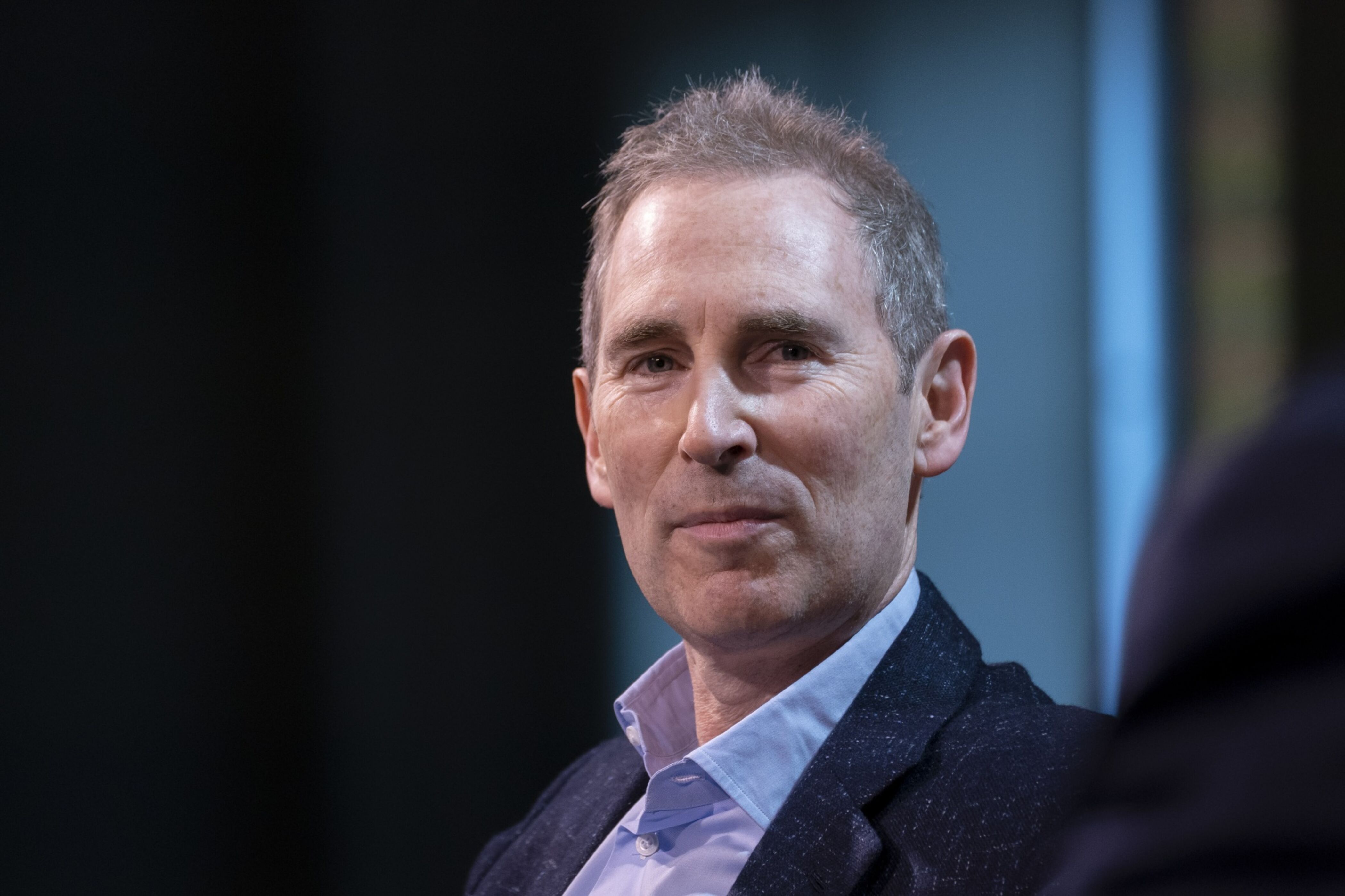
Amazon.com Inc. Chief Executive Officer Andy Jassy pulled off a financial double play this earnings season: generating strong revenue growth from the core e-commerce business while cutting the pace of spending. The shares rose about 9% as the markets opened on Friday.
The mood is rapidly souring in the world’s bond market, raising the stakes for Friday’s much-anticipated US monthly jobs data.
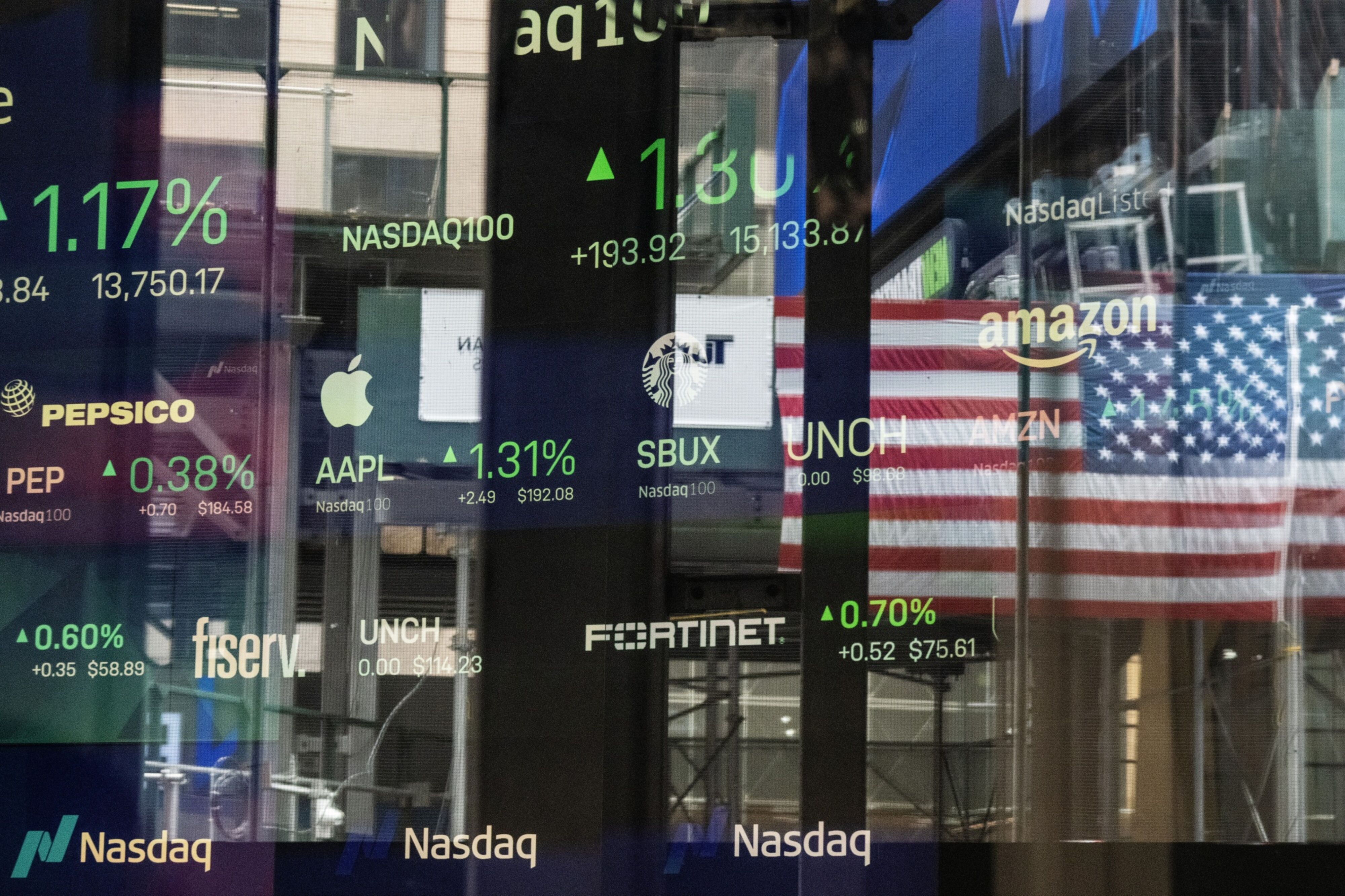
Results from Apple Inc. and Amazon.com Inc. after Thursday’s close represent the next big hurdle for the market’s tech-fueled rally, and it may be the hardest to clear.
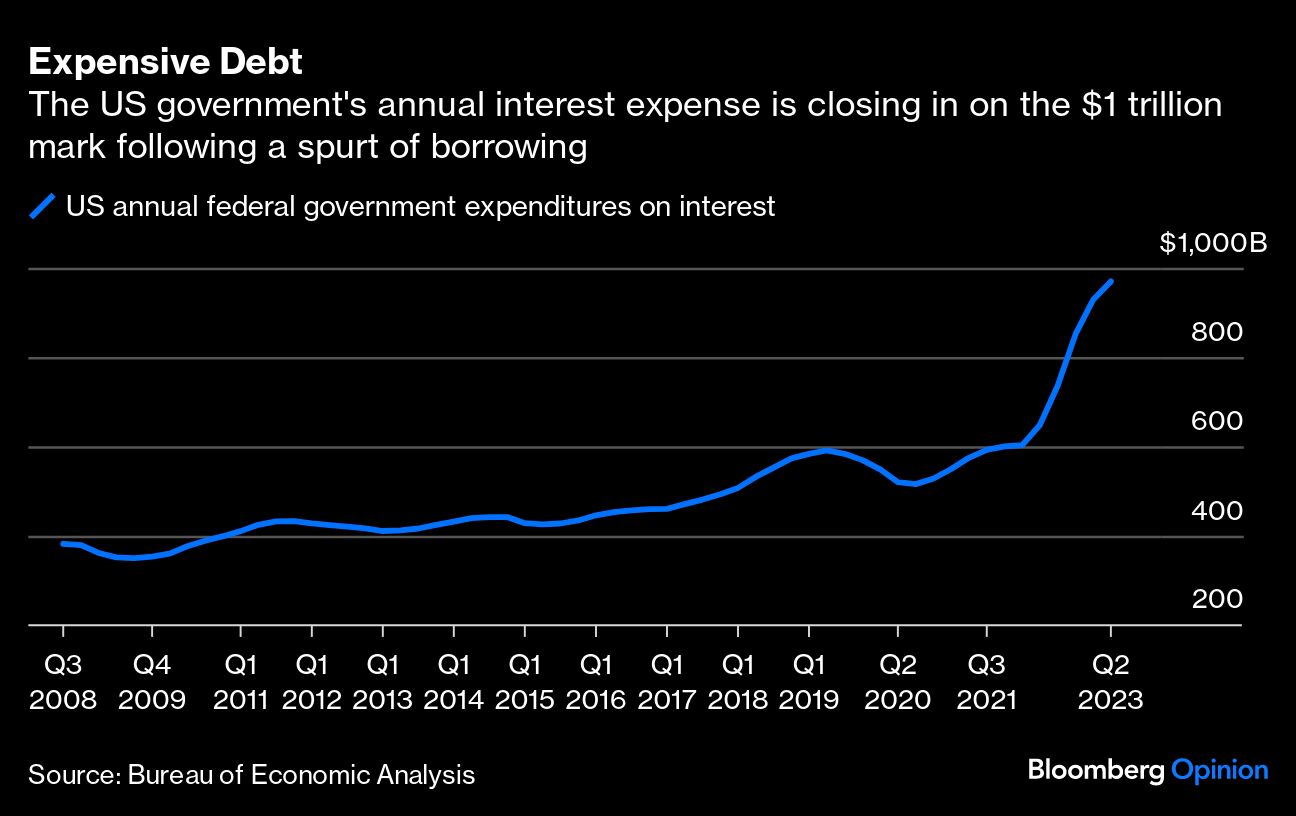
No amount of power and prosperity can stop the irritation of getting judged for your borrowing habits, as the world’s biggest economy just experienced.
This year in the six months through June 2023, ETF expenses fell just 0.001%, one-fifth of what we would have expected based on the drops over the previous five years, when asset-weighted ETF expense ratios fell by over 0.01% per year, on average, as depicted in the chart below.
While younger investors have taken a growing interest in artificial intelligence, advisors are cautioning individuals against using AI. They’ll use a do-it-yourself approach in hopes of gaining an investing edge.
Equity and fixed income markets experienced heightened volatility amid the Q2 debt-ceiling saga, while currency and derivatives markets were mostly unaffected.
The Bank of Japan announced changes that could allow its yield curve control program to expire gradually if economic conditions are favorable.