Earnings season is winding down, and the spotlight will soon shift toward 2025 trends after an impressive end to last year.
The managed account industry has seen tremendous growth and client adoption, with assets increasing by 28% over the last year and 50% over the past two years.
We have called inflation “political kryptonite” because it is so damaging to politicians. Clearly, inflation played a role in the 2024 election. So now that President Trump sits in the Oval Office, his opponents have been trying hard to link anything and everything in his agenda to inflation.
Back in May of 2024, we wrote a weekly commentary called: “We Can’t Import Cheap Homes; But We Could Import Cheap EV Cars.” In that weekly we argued that since the U.S. auto industry, does not want to build small cars because it is not competitive, then we should open the lower-end EV automobile industry to imports from China.
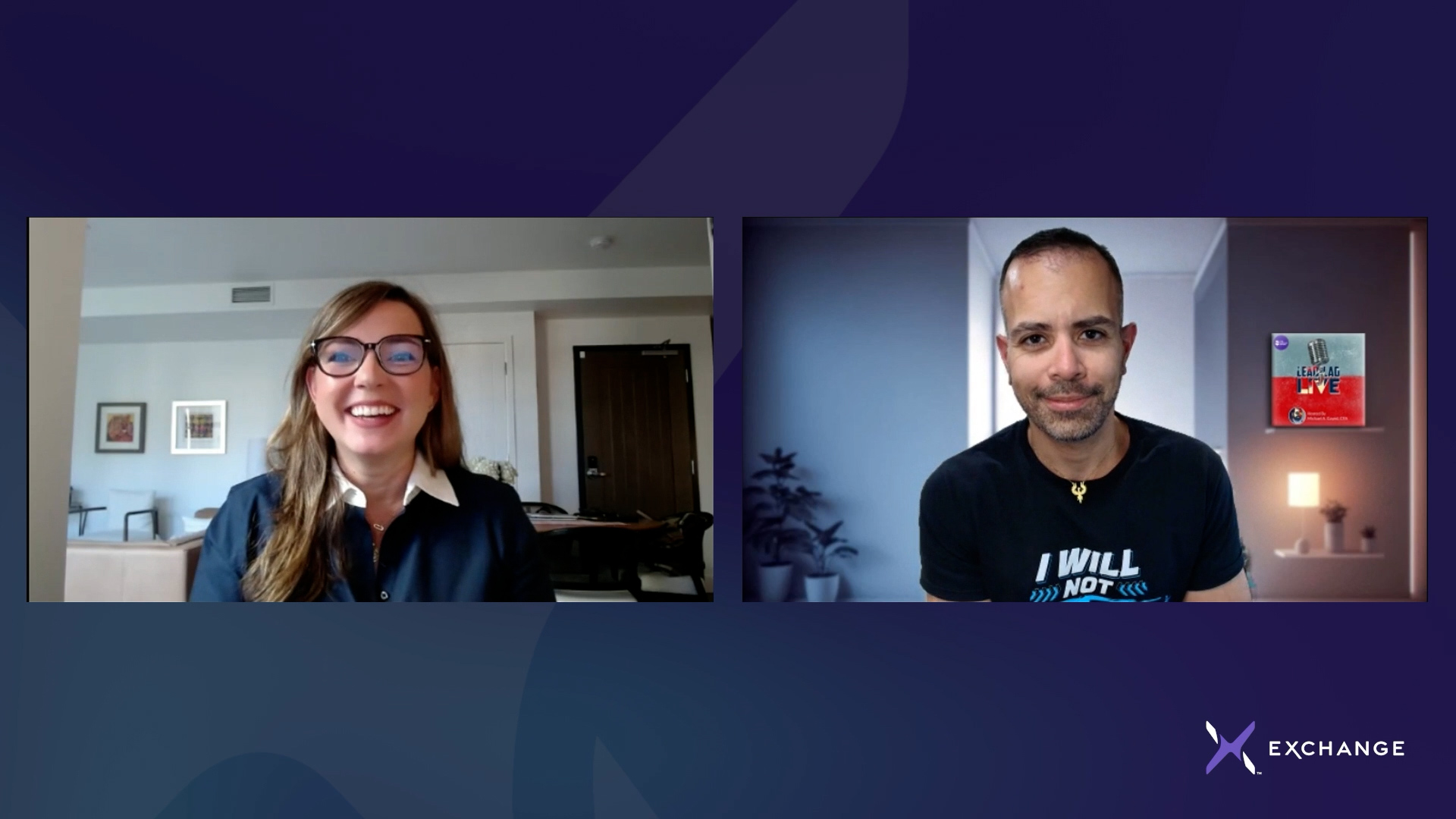
For the latest Road to Exchange video, TMX VettaFi Investment Strategist Cinthia Murphy interviewed Lead-Lag Report publisher Michael Gayed. The two discussed market uncertainty, trusted filters, and the value of in-person events.
Despite what many of my critics think, I am agnostic about cryptocurrency. However, I am willing to shed light on details that most crypto supporters refuse to discuss or even acknowledge.
What are the hidden advantages of living away from “noisy” investing centers like New York? We’ll dive into the pros and cons of being in a financial hub versus a more laid-back flyover state like Colorado.
In a market as broad, opaque and inefficient as the municipal bond market, in which compliance oversight and efficiency are paramount, these initial efficiency gains are just the tip of what may prove to be a transformative technology iceberg.
With our most reliable valuation measures more extreme than both the 1929 and 2000 market peaks, we continue to believe that the stock market is tracing out the extended peak of the third great speculative bubble in U.S. history.
Alibaba Group Holding Ltd. pledged to invest more than 380 billion yuan ($53 billion) on AI infrastructure such as data centers over the next three years, a major commitment that underscores the e-commerce pioneer’s ambitions of becoming a leader in artificial intelligence.
The Trump administration took aim at China with a series of moves involving investment, trade and other issues that raises the risk ties may soon worsen between the US and its top economic rival.
JPMorgan Chase & Co. is dramatically ramping up its direct-lending effort, setting aside an additional $50 billion to capture a bigger chunk of the fast-growing market.
Berkshire Hathaway Inc. released its latest shareholder letter Saturday, and the content is — by and large — the usual timeless Warren Buffett fare.
There are several answers, but an important financial one is that recent fundamental market changes have been much more disruptive for egg buyers than computer-processing users.
Salesforce Inc. has signed a multibillion-dollar cloud deal with Alphabet Inc.’s Google, part of a larger effort to combine forces and attract corporate customers currently using Microsoft Corp.’s productivity and artificial intelligence products.
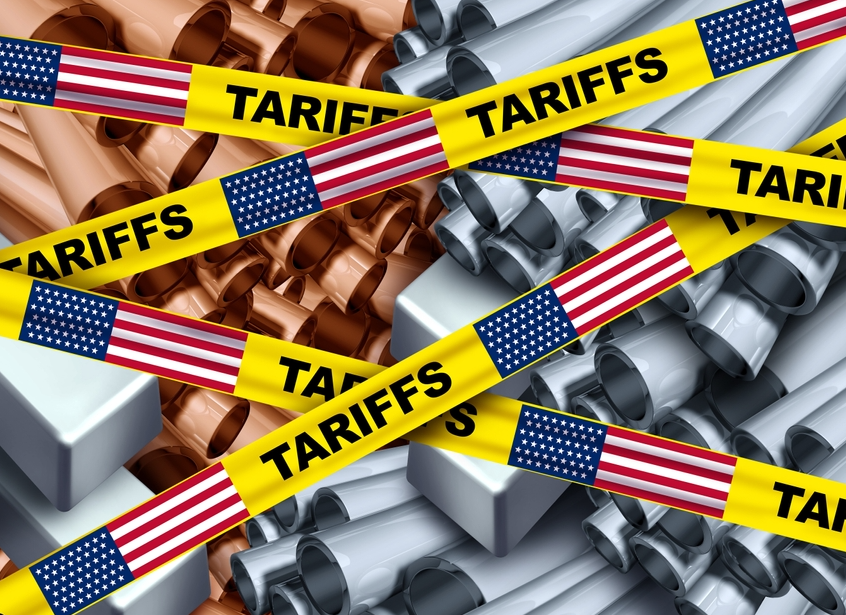
None of us outside Trump’s inner circle know what the real goals are. What looks like needless chaos might lead to benefits that outweigh the costs. One potential benefit is revenue. Could the tariffs produce significant tax revenue that would help reduce the federal debt? The president seems to think so.
Apple Inc., as it seeks relief from US President Donald Trump’s tariffs on goods imported from China, said that it will hire 20,000 new workers and produce AI servers in the US.
Economic indicators provide insight into the health of the economy. They are closely watched to help them make informed decisions about business strategies.
This week has been both intense and inspiring as I attended the YPO Edge event in Barcelona, Spain. I had the privilege of experiencing numerous thought-provoking presentations, from the transformative impact of AI and disruptive technologies on businesses, to the vital role of health and wellbeing in fostering a learning-driven workforce.
Attractive yields and a broad opportunity set bolster active bond investments amid today’s uncertain macroeconomic and market outlook.
In this video, Chuck Carnevale, Co-Founder of FAST Graphs, a.k.a. Mr. Valuation will go over Super Micro Computer (SMCI). In September of last year, Chuck did a video on SMCI, a lot has happened since that time so Chuck is doing this update on this AI Growth Stock.
Taxable municipal bonds may be an attractive option for investors in lower tax brackets, but there are things investors should know before making a decision.
Above-target US inflation and a strong labor market reflect robust economic fundamentals. But the biggest risks to the US economy’s continued growth are Donald Trump’s erratic communication and, perhaps more importantly, his populist trade and immigration policies.
Chief Investment Officer of Global Asset Allocation, Anwiti Bahuguna, Ph.D., outlines the investment themes and return expectations from our new 10-year outlook.
President Donald Trump told a gathering of governors that Apple Inc. CEO Tim Cook promised him that the company’s manufacturing would shift from Mexico to the US during a meeting at the White House this week.
The road to faster adoption of electric vehicles in India will pass through the railways — not the romantic train travel that stirred the imagination of writers for over a century and continues to inspire Bollywood, but efficient high-speed journeys.
Coinbase Global Inc. said the Securities and Exchange Commission has agreed to drop its lawsuit that accused the largest US cryptocurrency trading platform of running an illegal exchange.
Our research suggests that healthcare firms with sound pay practices may yield healthier returns.
Trump Media & Technology Group Corp. is creating a new fund to invest in “America First” companies, a move that could further co-mingle the business and policy interests of President Donald Trump.
Robinhood Markets Inc. shares are heading for their worst week since August as they pull back from the crypto-fueled surge that followed the election of President Donald Trump.
Banks have pulled a handful of US leveraged loans from the market this month, as investors are pushing back on aggressive pricing and credits with less favorable ratings, even though demand is outweighing the overall supply of deals.
At least three of Bytedance Ltd.’s major investors have marked up the TikTok-owner’s valuation to more than $400 billion, a sharp rebound for a Chinese social video leader that has been threatened with a US shutdown.
For two years in a row now, the smallest endowments have significantly outperformed their much larger peers. This is causing some to question if the typical endowment model is still working.
Long maturity treasuries can provide downside protection to offset equity risk, in our view.
Wall Street brokers and dealers are pushing back on a new margin rule that the world’s largest derivatives-clearing house has proposed to address the risk from the boom in zero-day options even after some revisions.
Sales of existing US homes fell last month for the first time since September, as the combination of high mortgage rates and prices sets a grim backdrop heading into the crucial spring selling season.
Alibaba Group Holding Ltd. is turning out to be a great investment this year: Not only its shares have jumped more than 60%, its convertible bonds are also up big time.
The European stock market’s rally to record highs has caught many strategists by surprise, leaving them racing to catch up and cautious on further gains.
Wall Street is still awaiting regulatory approval for the first full-blown private-asset ETFs, but for now opportunistic issuers are continuing to churn out products that claim to replicate the booming asset class — and stretching the definition of “liquid private equity.”
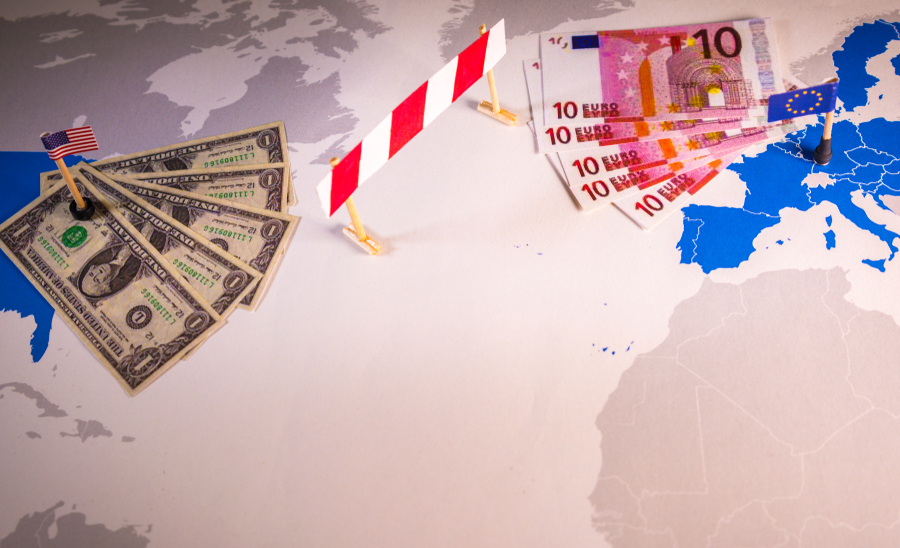
Europe has real risks and real bargaining tools in a trade confrontation.
Following the relatively solid January Employment Situation report, the market’s undivided attention, at least economic data-wise, then turned to the latest CPI reading. Indeed, with the jobs aspect of the Fed’s dual mandate clearly showing no urgency to cut rates further at this time, the question then turned to the inflation portion of the policy maker’s mission.
My friends like to make fun of me by taunting that I don’t like to commit to things. I’m constantly trying new hobbies. I don’t like to make plans too far in advance because something more exciting might pop up. I don’t even like to renew my car tags for more than one year.
Global equities ended 2024 on a strong note, driven by the continued dominance of U.S. equities, which were propelled even higher by the reelection of President Donald Trump.
Consider estate planning strategies to minimize the impact of taxes on your estate. Our Bill Cass highlights several key actions including document reviews, naming beneficiaries and the use of 529 college savings plans to enhance tax efficiency.
At some point in time, the top brass that manage your organization’s investments will no longer be with the organization, whether that’s through retirement, a job change, or a change in personal circumstances. Then what?
Lofty U.S. stock valuations call for a renewed focus on risk assessment and portfolio diversification.
Rising inflation, the potential added pressure from tariffs, and ongoing volatility create a strong backdrop for gold appreciation this year.
VettaFi Senior Industry Analyst Kirsten Chang interviewed legendary advisor Jeff Concepcion for the latest installment of Road to Exchange.
The Buffett Indicator, also known as Market Capitalization to GDP Ratio, is a long-term valuation indicator for stocks that has become popular in recent years, thanks to Warren Buffett. Back in 2001, he remarked in a Fortune Magazine interview that "it is probably the best single measure of where valuations stand at any given moment." It is a measure of the total market value of all publicly-traded stocks in a country divided by the country's GDP and can be used as a way to assess whether the country's stock market is undervalued, fair valued, or overvalued.
US liquefied natural gas exports have extended a record-breaking run as new projects increased production, a trend that could help to ease high prices in Europe and Asia.