The US was awakened by the pandemic to the gaping holes in its supply chains for crucial medical supplies and electronics.
Exxon Mobil Corp. posted the highest profit in its 152-year history as natural gas demand and prices surged, following similarly strong results from European peers Shell Plc and TotalEnergies SE.
A heap of distressed debt is expanding in the US corporate bond market and investors worry that a burst of defaults will follow.
The central bank noted that substantial progress has been made in withdrawing monetary policy accommodation, and expressed concerns around growth and policy transmission lags.
Review the latest Weekly Headings by CIO Larry Adam.
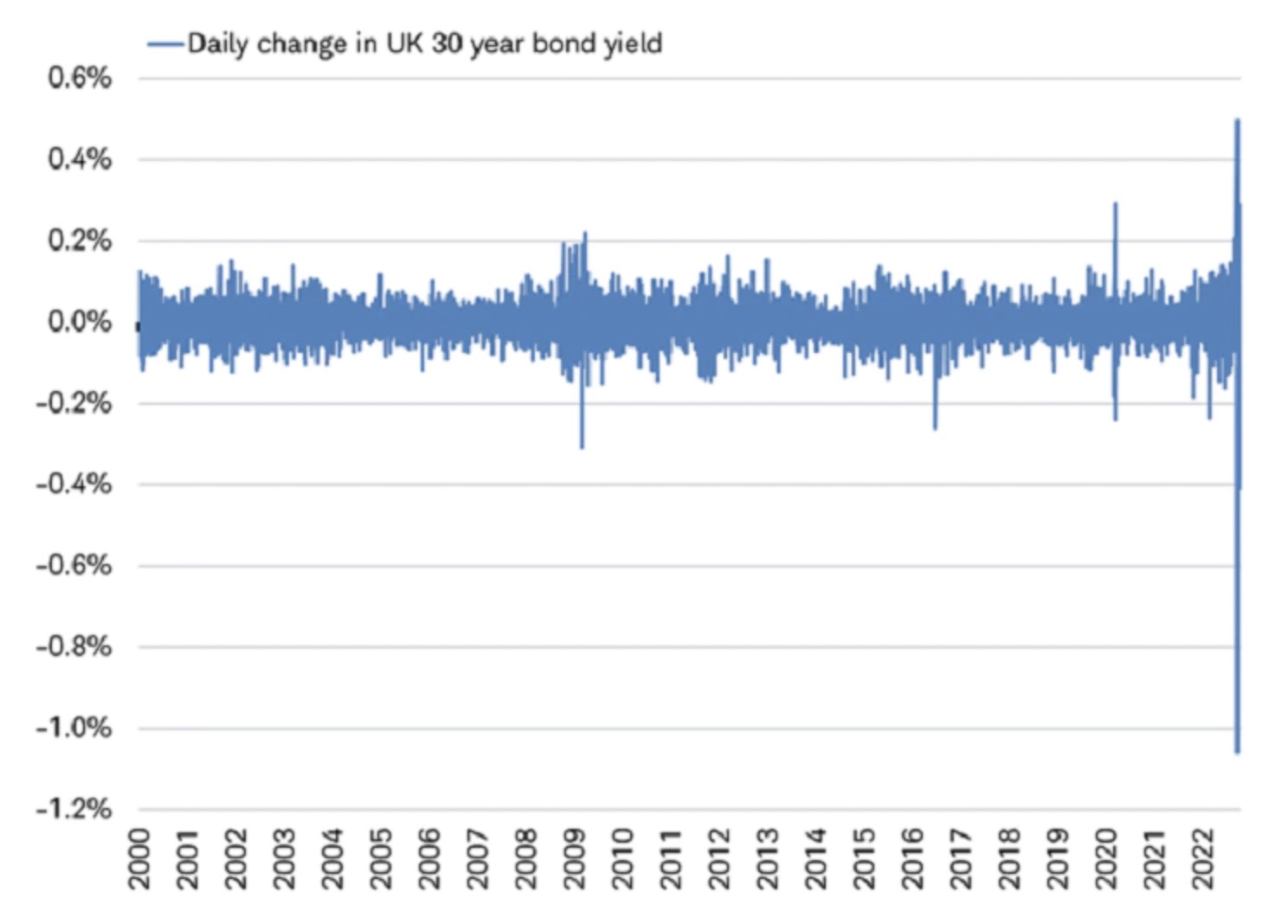
It is unlikely that US corporate defined benefit (DB) pensions will have to face liquidity issues like those UK DB pensions recently witnessed, primarily because of their different approach to valuing liabilities, varying use of derivatives/leverage, and therefore a different investment style of liability-driven investing (LDI), according to Franklin Templeton Fixed Income’s Tom Meyers.
As investors weigh conflicting economic data and the prospects for a Fed pivot, precious metals markets are quietly basing out.
The highest rates of inflation in 40 years and the response by central banks around the world to aggressively raise interest rates have created an unfamiliar double-edged sword for both businesses and households.
This economy can’t go on forever.
The cost of debt on commercial property has risen so fast that it’s now more expensive to finance many real estate deals than owners currently earn from rents.
It was supposed to be the silver lining to a year of brutal losses. As bond-fund managers watched the market value of their portfolio decline rate hike after rate hike, one thing was certain: companies would soon have to return to the market offering juicier yields.
Federal Reserve officials will maintain their resolutely hawkish stance next week, laying the groundwork for interest rates reaching 5% by March 2023, moves that seem likely to lead to a US and global recession, economists surveyed by Bloomberg said.
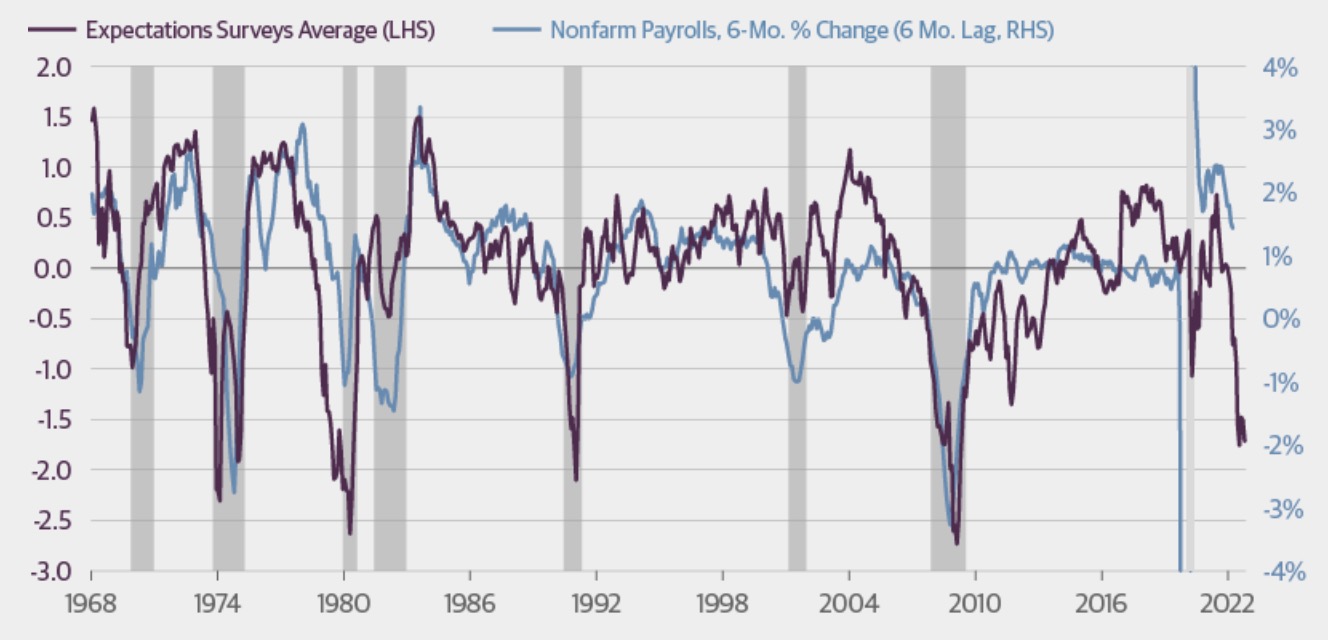
Weakening jobs picture will signal that Fed tightening is working as intended.
In this Global Macro Update, we discuss the trifecta of trends that caused the current inflationary environment… why an economic slowdown won’t cure inflation... the three sectors every investor should own today… and much more.
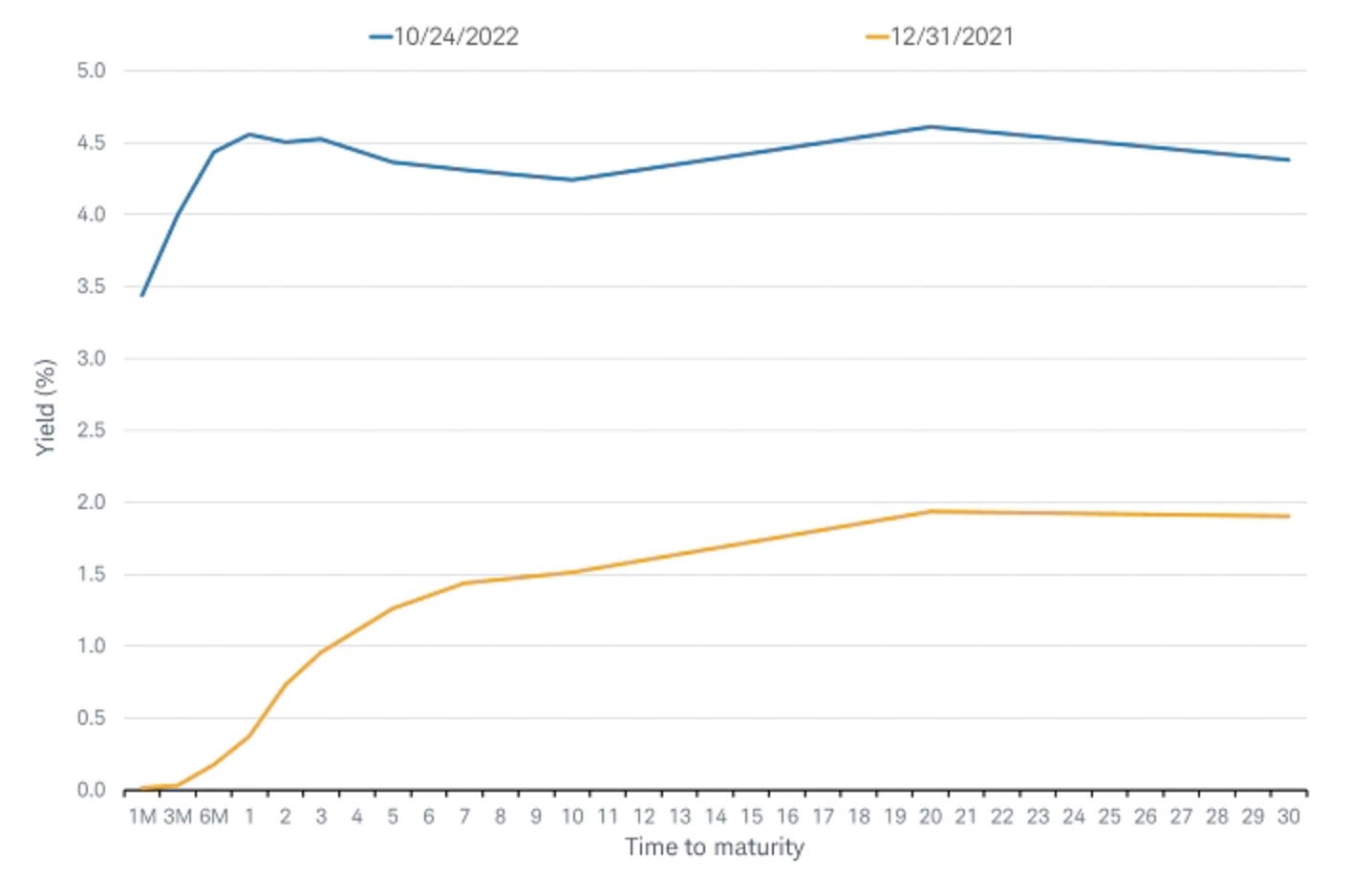
Short-term bonds currently offer higher yields than longer-term ones, but there are risks in holding only short-term bonds.
Last week, the FOMC published its minutes from the September meeting, confirming its recent stance that Fed rate hikes will continue until inflation is vanquished.
It has always been important to separate one’s political views from one’s investment portfolio.
In these tumultuous times on Wall Street, at least one investing trend is proving remarkably consistent: Dividend ETFs are notching relentless inflows as traders take refuge in the stock-market storm.
US officials have been forced to scale back a plan to impose a cap on Russian oil prices, following skepticism by investors and growing risk in financial markets brought on by crude volatility and central bank efforts to tame inflation.
The TreasuryDirect website is facing long delays as Americans race to buy US Series I savings bonds before rates reset at the end of the month.
The latest bear-market rally in US stocks has brought investors off the sidelines and provided a welcome reprieve from three quarters of gloom. But traders now need to ask themselves whether the risks continue to justify the potential returns.
Markets can have more sway over policymakers than vice versa, as demonstrated in the U.K. recently.
Now that the Party Congress is over, Xi Jinping has one big decision to make. Sinology explores.
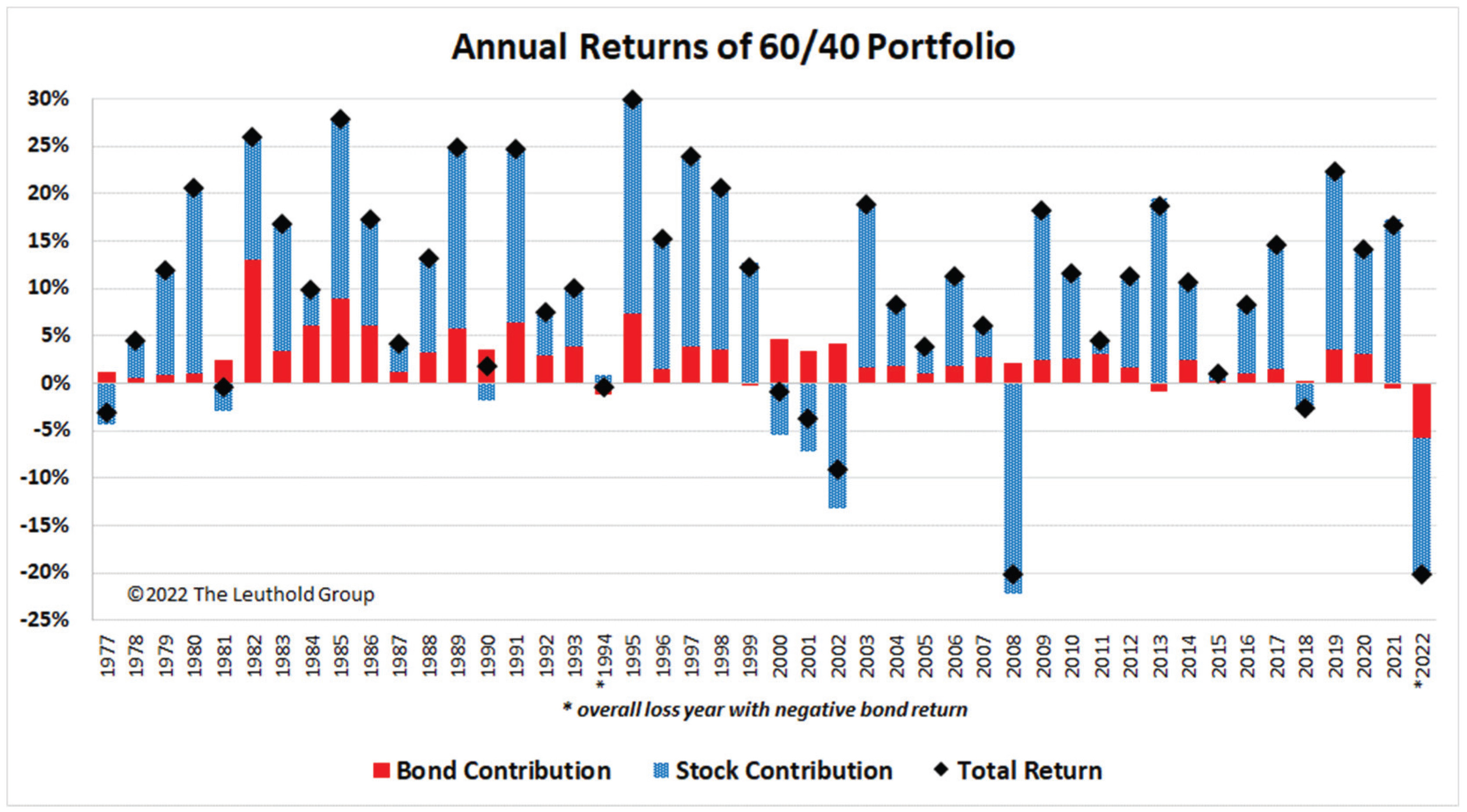
The balanced portfolio strategy of allocating 60% to equities and 40% to fixed income generated a highly satisfactory 7.9% annualized return over the last 30 years.
Surging US tuition costs have more American parents sending their children to college in Europe as they look to save money on higher education.
Microsoft Corp. reported 35% growth in cloud services. Alphabet Inc.’s own cloud unit beat estimates and narrowed its losses. Yet both stocks slumped.
After a widely expected fourth straight 0.75% interest-rate increase next week, there's a growing view that the Federal Reserve will step down to a 0.50% bump at their December meeting.
A classic recession warning is flashing in the US Treasury market, where the 10-year note’s yield fell below the three-month bill’s, a rare occurrence that signals investors anticipate dire economic consequences of the Federal Reserve’s campaign against inflation.
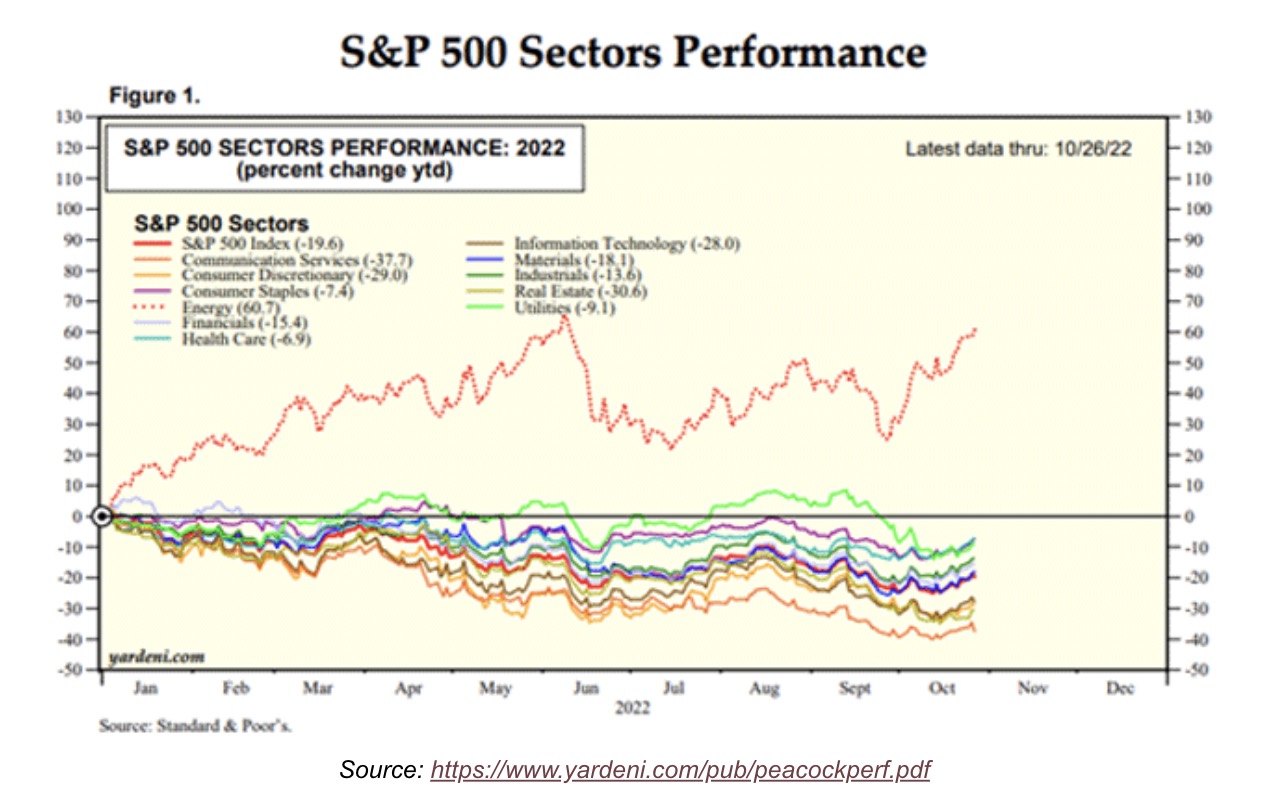
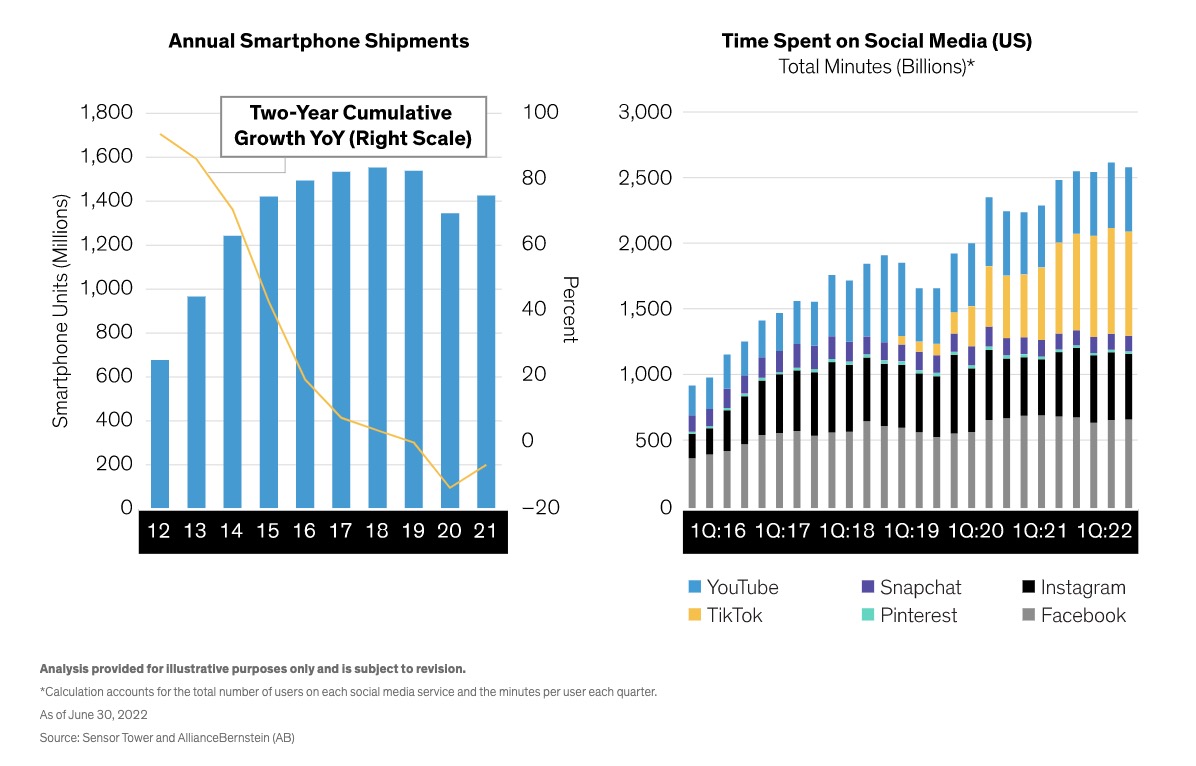
Technology stocks have been pummeled this year, leading some investors to question the sector’s future.
In this piece, we update our valuation charts and commentary, with additional details on our methodology available upon request.
A new study shows just how difficult it will be for younger Americans to copy that success.
Newton's First Law of Motion states that an object in motion tends to stay in motion unless an external force acts upon it.
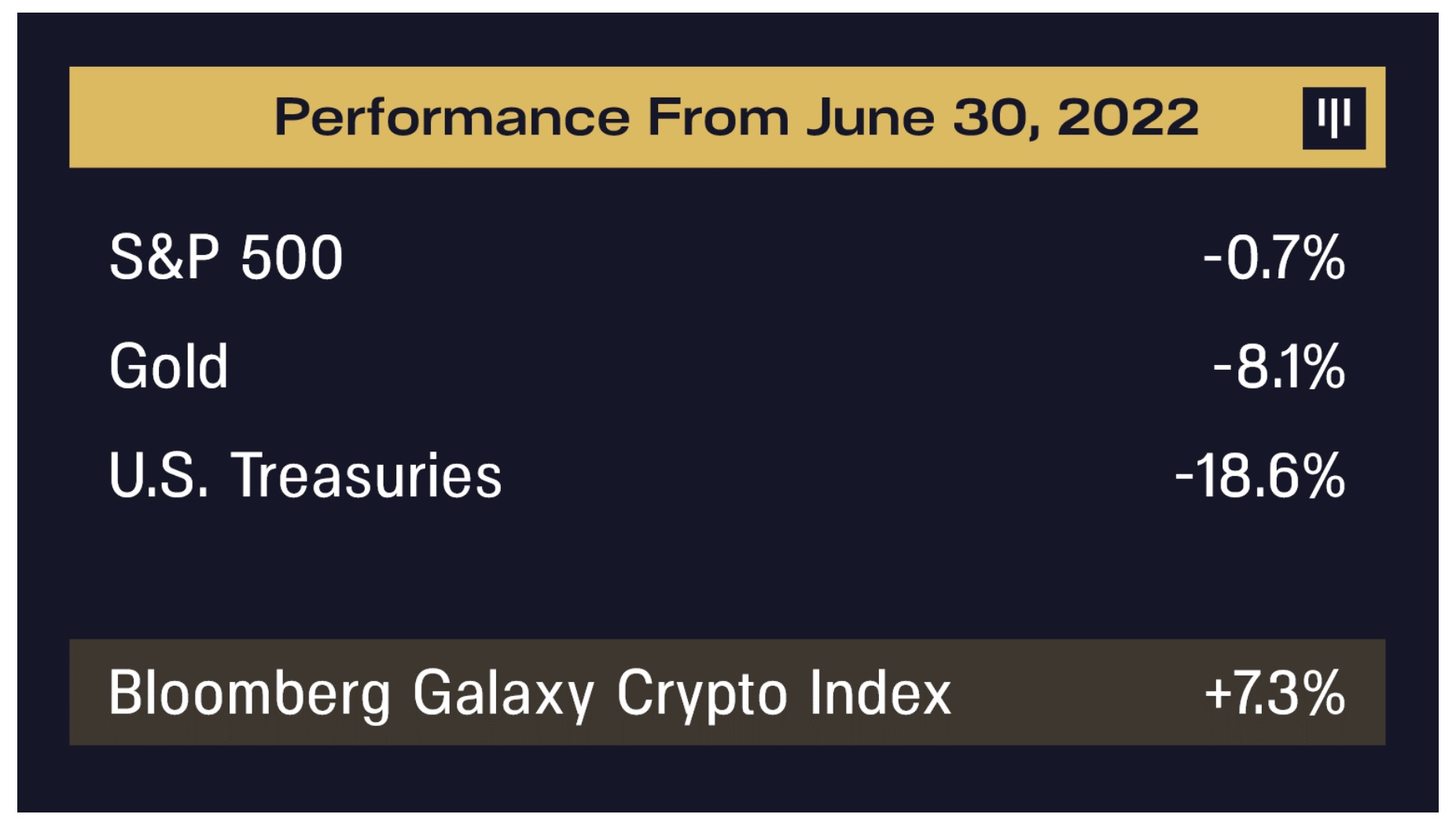
Despite crypto markets being one of the hardest hit throughout the bear market that has engulfed almost all risk assets over the past 12 months, we have seen crypto not only hold up relatively well since the June lows but indeed be one of the better performing asset classes.
There are early signs that US consumers, who have been largely resilient in the face of relentless inflation, are beginning to balk at high prices.
Politicians hate them, the tax collector is coming for them, and credit-market Cassandras say now is not the time to be blowing through discretionary cash.
A US recession is not a “done deal” thanks to a relatively resilient labor and credit market, while Wall Street has already priced in a high degree of interest-rate risk, according to Mohamed El-Erian, chief economic adviser at Allianz SE.
The Federal Reserve finally stopped referring to inflation as “transitory” earlier this year and got serious about trying to control the painful rise in prices it has caused.
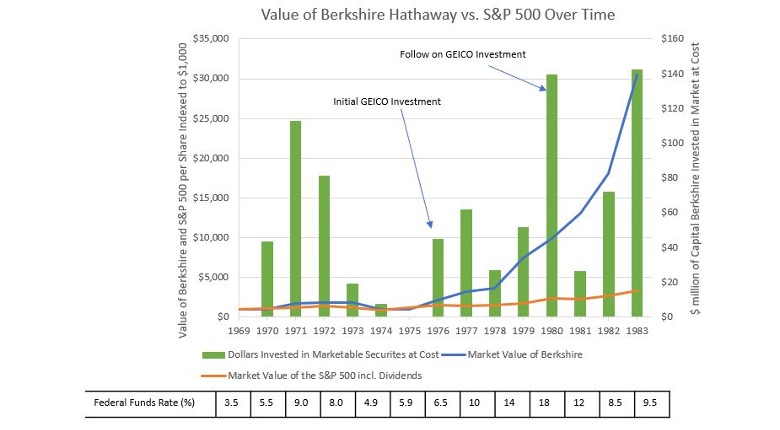
We explore what Warren Buffett did during the last period of extended inflation in the U.S., the 1970s.
U.S. stocks are trading mixed in pre-market action.
There are lots of “total return” bond funds these days, almost a half century since I innovated the concept in 1987.
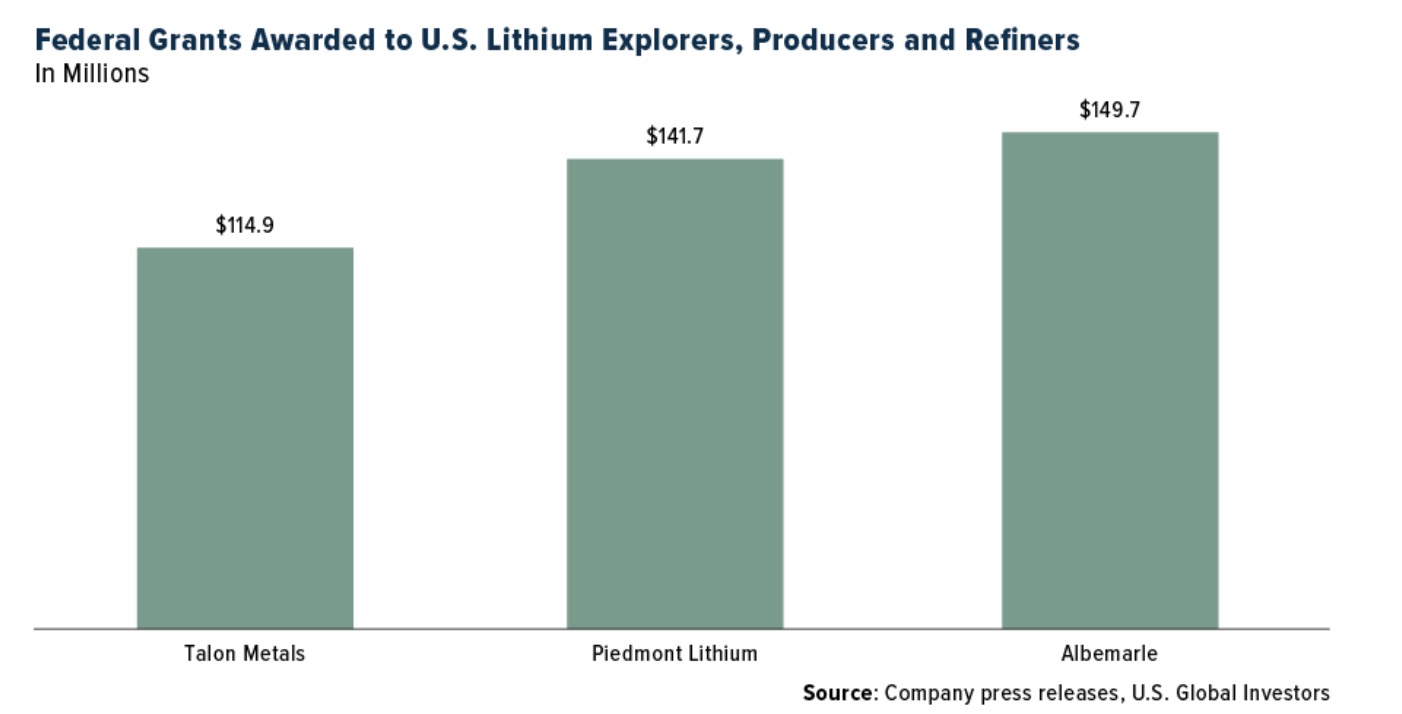
In North America and the U.S. specifically, the hunt for lithium, a key component of batteries used in electric vehicles (EVs), has historically trailed a handful of other countries.
After a decade of decadence in which the base money supply was multiplied more than seven-fold in an effort to prevent deflation, broader measures of money supply and consumer prices may have only just begun catching up.
I built a 4.36% real (inflation-adjusted) systematic withdrawal portfolio using a 30-Year TIPS ladder.
Most investors we talk to think the US is already in a recession or that a recession will start by the end of 2022. We think they’re wrong on both counts.
Is it time to move beyond I bonds?
After a record surge in housing costs and ballooning expenses for everything from food to energy, America’s renters have had enough.
An escalating dispute over an OPEC+ decision to cut oil production risks causing lasting damage to political relations between the US and Saudi Arabia. Wall Street seems unfazed.
To President Joe Biden’s credit, his policies didn’t cause many of the economic problems we face today.
Investors love easy-to-follow “rules.” The simpler, the better.
The heated debate about how central banks should respond to high and persistent inflation has focused primarily on how high interest rates should go and how long should they stay there.