The fifth edition of our annual “Voice of the American Workplace” survey, conducted by The Harris Poll on behalf of Franklin Templeton, includes the perspectives of both employers and workers. The 2025 survey found US workers are prioritizing work-life balance and their mental health. Employers are listening and strengthening their focus on improving benefits and communication. In this piece, our Jacque Reardon shares findings from the survey and potential implications for employers.
The recent market drawdown highlights risks of a concentrated S&P 500—and the case for diversification now.
Many of us came into the year with highly concentrated portfolios, which now were faced with changing market conditions.
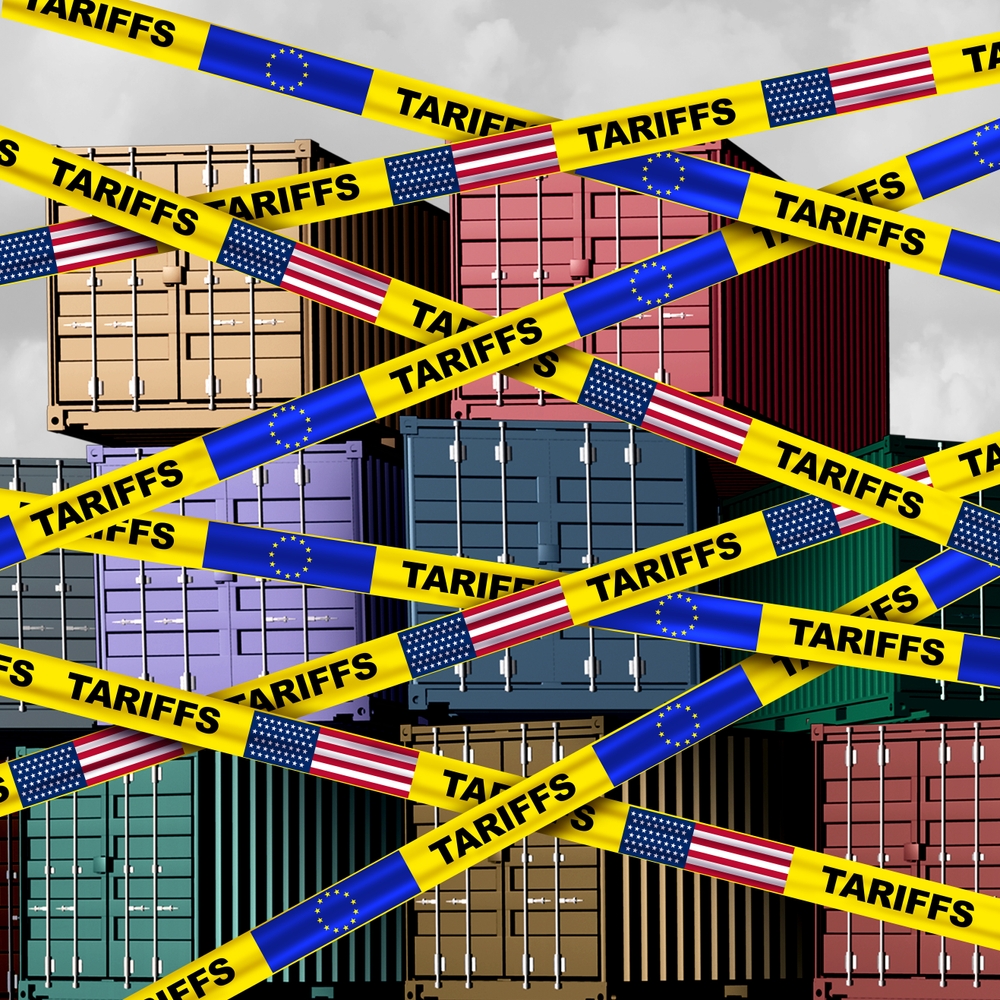
As investors are uncomfortably aware of, global equity markets have been in freefall since U.S. President Donald Trump’s announcement of “reciprocal tariffs” on April 2.
VettaFi’s Head of Research Todd Rosenbluth discussed the T. Rowe Price International Equity ETF (TOUS) on this week’s “ETF of the Week” podcast with Chuck Jaffe of “Money Life.”
Like a crossword puzzle, President Trump has been bombarding the media with clues about his economic policy. Given the importance of inflation and interest rates to the economy and the financial markets, it's worth assessing his clues and formulating some answers about what Trump may be up to.
Last week's economic landscape was dramatically reshaped by President Trump's announcement of sweeping tariff policies on what he declared "Liberation Day." His announcement triggered a historic sell-off in the stock market.
Global markets are in freefall in response to President Donald Trump’s universal 10% tariff on all goods being imported into the U.S., with as many as 60 countries facing “reciprocal” tariffs on top of that.
In the report, Fixed income portfolio managers Brent Olson and Tim Winstone reflect on the initial credit market response to President Trump’s tariffs.
Social Security faces funding issues by 2035, but major changes to the program are unlikely in the near term.
Active ETFs just topped the $1 trillion threshold, making up nearly 10% of the total ETF pie. Enhanced yield is the name of the game.
Investors face new challenges as their wealth grows. So it’s a good thing that direct indexing is designed to fit their allocations just the way they are.
This year’s whiplash headlines and thrashing in equity markets have done little to slow down the ETF industry.
The world has entered a period of geopolitical uncertainty, with the U.S. now at the center of the storm.
Fixed income investors can opt for corporate bonds to maximize yield opportunities without sacrificing too much credit risk.
Amid a market correction and heightened policy, inflation and growth concerns, valuations are back in the spotlight.
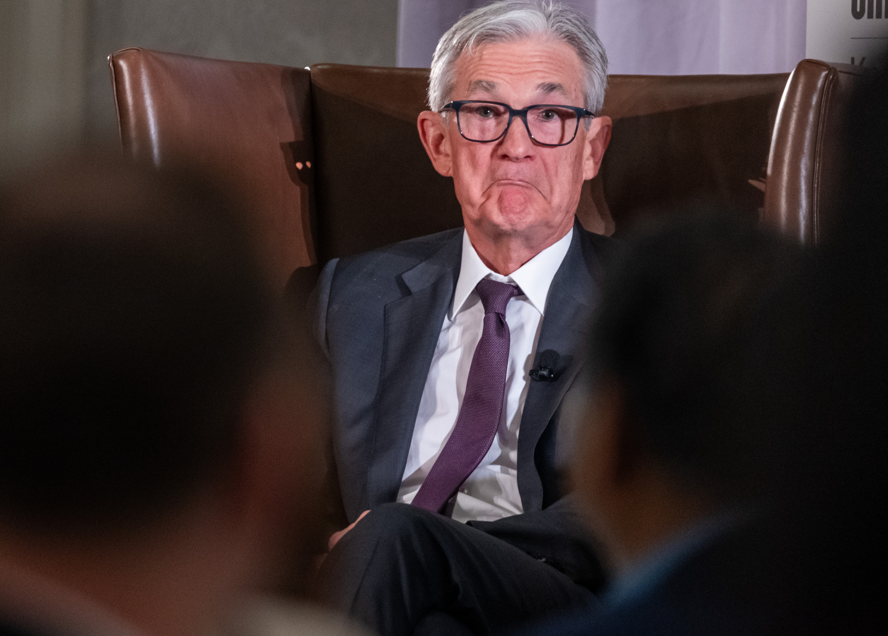
During the ten years prior to COVID, PCE inflation, the Fed’s preferred measure, averaged about 1.5% per year. Jerome Powell said it was too low and he wanted inflation to “average” 2% over time.
On this week’s episode of “ETF of the Week,” Chuck Jaffe of “Money Life” discussed the Invesco CEF Income Composite ETF (PCEF) with Roxanna Islam, head of sector and industry research at VettaFi. The pair discussed several topics related to the fund to give investors a deeper understanding of the ETF overall.
This article explores the GDPNow and Nowcast models to understand the recent forecast divergences. A better understanding of the two models helps us appreciate the current state of the economy and, therefore, better estimate the first quarter GDP.
The world’s largest asset manager is betting big on a growing breed of derivatives-powered ETFs that’s shaking up the art of active portfolio management.
Long-maturity Treasury yields reached the highest levels in a month Thursday as investors demand compensation for the risk that tariffs will spur US inflation.
Investing requires more than just understanding global markets. Geopolitical risk matters, from China to Russia to Europe and more.
For taxable investors with sizable gains in their brokerage accounts, the decision when to realize that capital gain is intensely personal—depending of course on individual circumstances, while also factoring in market return expectations and the prevailing tax structure.
As policy uncertainty grows, we consider how tariffs and other government actions might impact inflation, interest rates, and market sentiment.
The stock market sell-off appears to be signaling a recession. However, we believe the bond market disagrees.
This article highlights several SimpleVisor tools we use to track sector and factor rotations. These models help us better forecast tomorrow’s possible rotations and try to stay a step ahead of the market.
On this episode of the “ETF of the Week” podcast, VettaFi’s Head of Research Todd Rosenbluth talks about the American Century U.S. Quality Value ETF (VALQ) with Money Life host Chuck Jaffe. The pair covered a range of topics related to the fund, providing investors with a deeper understanding of the ETF.
For years now, way before artificial intelligence became the hot new thing on Wall Street, Daniel Mahr has been making money on stocks, courtesy of his machine-learning model.
Despite NVIDIA’s stock flashing a bearish “death cross”—its 50-day moving average slipped below the 200-day moving average for the first time since January 2023—the energy at the conference was electrifying. Every major industry was represented, from health care to defense, signaling that artificial intelligence (AI) is expanding at a white-knuckle clip.
The equity market tends to see a correction every 18 months. If it's not a recession-induced bear market, it may be a buying opportunity.
Elon Musk’s social network X has raised close to $1 billion in new equity from investors, according to people with knowledge of the matter — a deal that gives the company a valuation in line with when Musk took it private in 2022.
Since our last update of our ‘Three Tactical Rules’ on February 4, equity markets have been under pressure as the S&P 500 has retraced more than 23% of the rally that started October 2023.
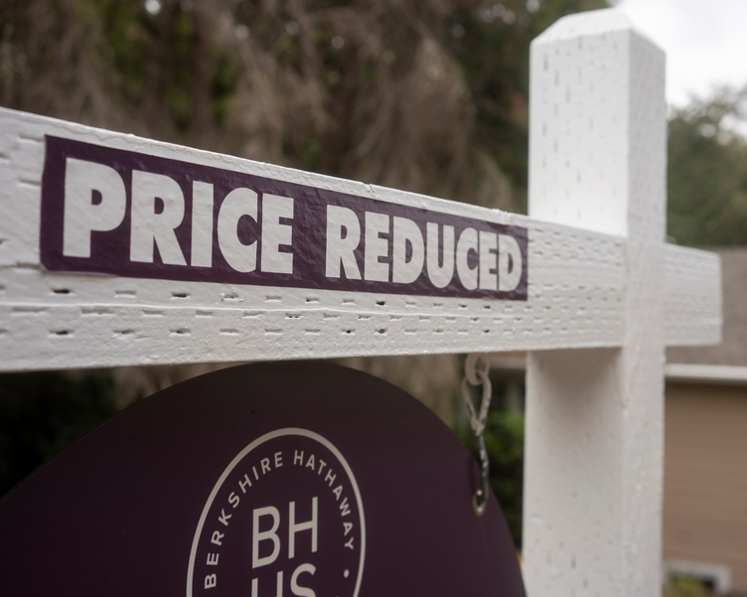
The U.S. housing market has been a critical factor in the broader economic landscape, and its trends have profound implications.
For years, Federal Reserve meetings have been the main event on Wall Street as the central bank fought to contain runaway inflation.
One of the biggest challenges investors face today is navigating the most concentrated U.S. stock market in history, where the largest stocks represent a record share of total market value.
Industry luminary Tom Lydon provides his unique perspective on the current ETF landscape. VettaFi’s Cinthia Murphy highlights five ETF categories that might benefit from the recent market turmoil.
The tendency of stocks to produce all their gains at night, when markets are closed, and systematically lose money during the daylight hours, has baffled researchers for four decades and potentially put retail investors at a disadvantage.
Understanding actual inflation – instead of what the media’s narrative tells you it should be – is critical to your investment planning. It is one thing for a pundit to say this or that, but it is another to look at the actual data for yourself.
One thing we have seen underscored in 2025 is that the bond market can change its mind very quickly, particularly as it relates to policy emanating from Washington, D.C. Following President Trump’s election win, the dominant theme in the U.S. Treasury (UST) arena was that his Administration’s policies would lead to higher budget deficits, increasing UST supply and, ultimately, higher rates for maturities like the 10-Year yield.
Markets will be laser focused on Federal Reserve policy and economic projections next week, looking for signs about where interest rates are heading.
Bitcoin and other cryptocurrencies didn’t do much of anything following last week’s crypto summit at the White House.
Parametric’s tax optimized ladders (TOL) solution may help to enhance after-tax yield by seeking to optimize the allocation between tax-exempt and taxable bonds, based on an investor’s own tax rate and the relative value between sectors.
Emerging-market stocks declined for a second day and currencies halted a four-day rally as concerns grew that China’s deflation is spreading to its consumer economy and Donald Trump’s tariffs threaten US growth.
Last week's economic reports presented a narrative similar to what we’ve seen over the past few months: growth coupled with concerns.
I will again join forces with Ed Easterling of Crestmont Research to explore this data more deeply. Currently we have several powerful trends that have combined to create a nirvana-like market.
The U.S. has poured more than $120 billion into Ukraine since its war with Russia began three years ago, but with a new administration in Washington, that support is grinding to a halt.
The European Central Bank will likely continue to cut interest rates, but future decisions could be more contentious.
Federal Reserve Governor Michelle Bowman said the neutral level for the central bank’s policy rate had likely risen since the Covid-19 pandemic.
Cambria Investments CIO and founder Meb Faber explores David Swensen’s legendary investment strategy at Yale’s endowment, comparing its long-term performance to traditional portfolios and examining whether individual investors can replicate its success.
Volatility is back in town. Tariff jitters and concerns about growth and inflation have resulted in an S&P 500® dip and the Cboe Volatility Index (VIX) jumping above 20. Investors grapple with a very sanguine backdrop painted by the fourth-quarter earnings season and policy uncertainty.